Hand Tools
Knipex Dismantling Pliers 13 42 1 165: An Unusual Wire-Stripping Tool Worth a Look
The Knipex dismantling pliers and the comparable Weha Z41 09170 take a different approach to scoring and pulling wire insulation. Here is how they work and who they actually suit.
Introduction
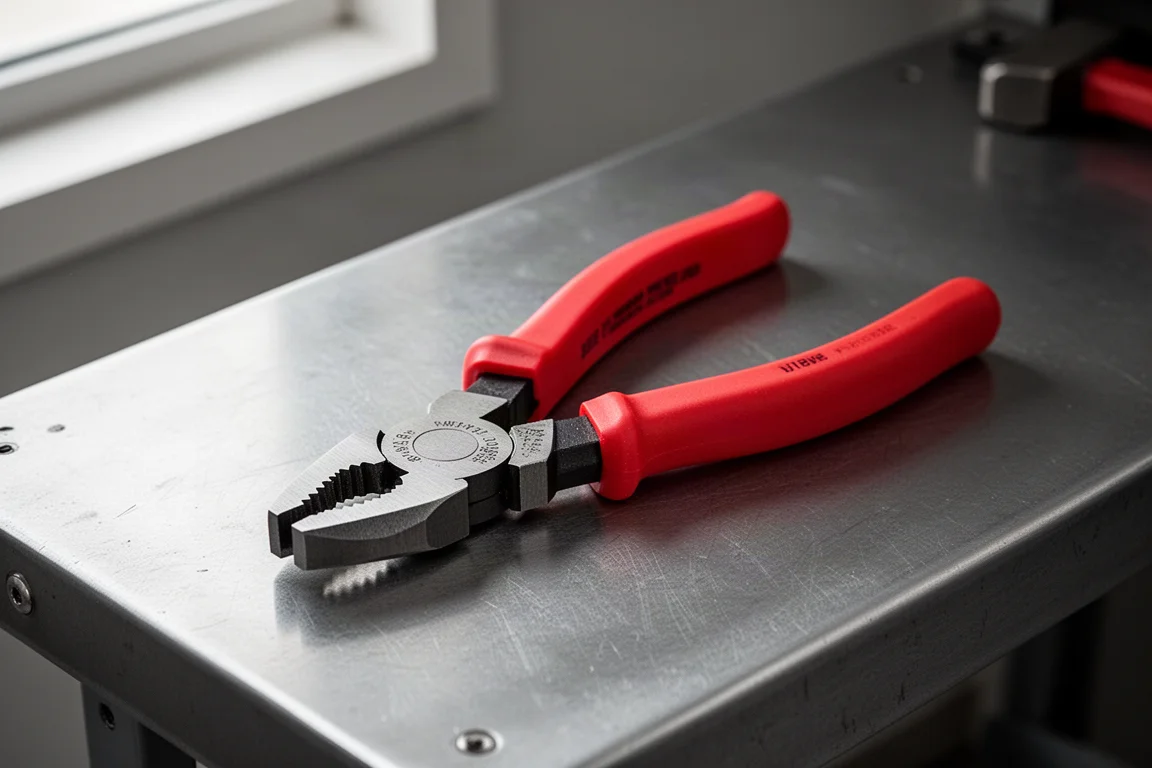
Most wire stripping is done with familiar tools: combination cutters, dedicated strippers, maybe a utility knife if you are feeling brave. The Knipex dismantling pliers 13 42 1 165 take a different approach, and that unfamiliarity is exactly what makes them interesting. They are built for scoring the outer insulation on round wire and then pulling it off, and they do it from an angle that traditional cutters cannot manage.
They run about $50 on Amazon, which is a lot to ask for an unusual plier, especially for buyers outside Europe where this design is more established. There is very little third-party information about them online, so this hands-on look should help you decide whether they earn their place in the bag.
What These Pliers Are Designed to Do
The 13 42 1 165 version pairs a set of cutting knives with stripping notches sized for 1.5 mm and 2.5 mm conductors, plus a specialized front-end design for pulling external insulation off round wire after it has been scored. The jaws step down around the collars where the knives sit, which is part of how the tool grips and pulls at the same time.
The most useful trait is the head angle. Because the jaws meet the wire at an unusual angle, you can get a direct pull rather than fighting rotational force the way you do when pulling insulation with a standard plier grip. It is simply a more natural motion.
Everyday Use: Scoring and Pulling Insulation
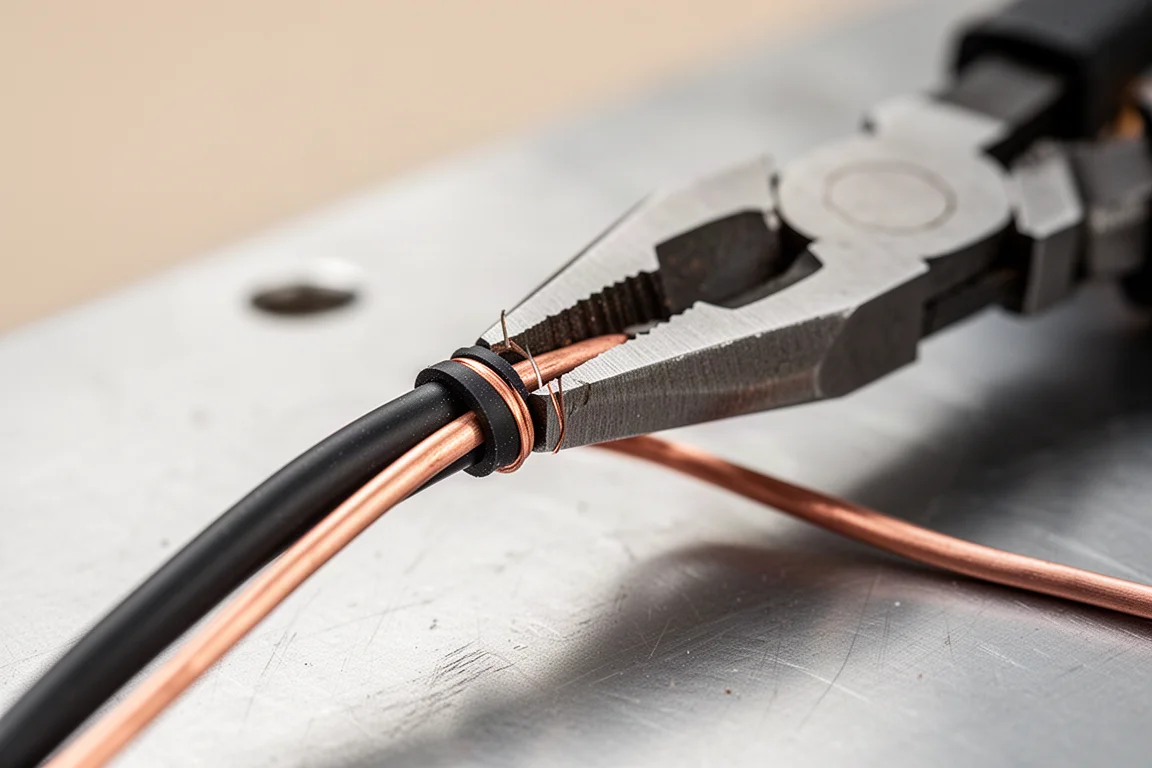
In practice the workflow is simple: grab the wire, score the outer insulation all the way around, then either pull it off with the pliers or, once the score is complete, slide or peel it by hand. On thicker cable the tool scores easily around the circumference until the insulation can be pulled free.
One quirk to know about: the jaws do not close completely, so the tool handles a bit differently from the stripping motion most people are used to. A slight twist or angle helps grab the wire cleanly. On the test samples, which were not always the exact wire types the tool is designed for, it still performed efficiently.
Working With Different Cable Types
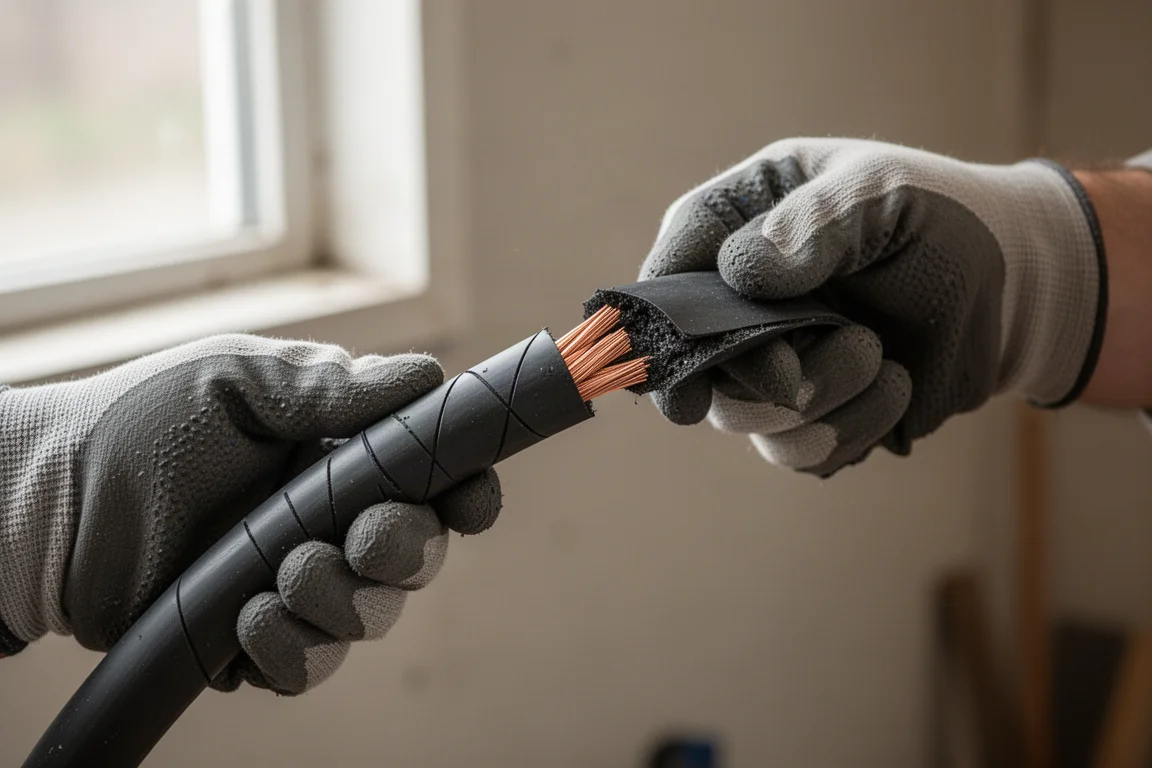
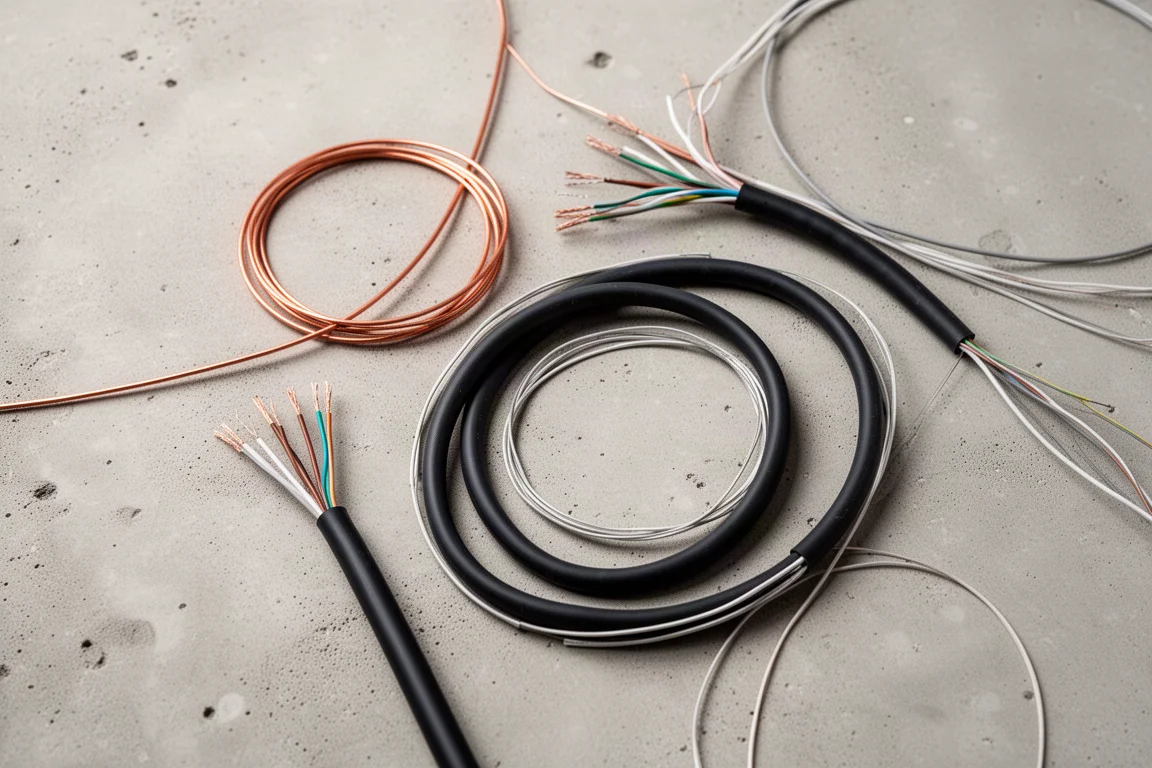
The pliers were tried on several kinds of cable beyond their intended wire. On a three-conductor stranded cable with thick rubber insulation, likely intended for wet locations, the jaws scored the outer jacket and the insulation came away without much fuss. On telecom wire they handled fine as a preparatory step before switching to a dedicated stripper.
Note one small detail if you buy a pair: on this version the 2.5 mm notch sits near the bottom, while some variants place it near the top. It takes a moment to remember which is which, but it is not a real problem once you are familiar with the tool.
The Deep-Box Advantage
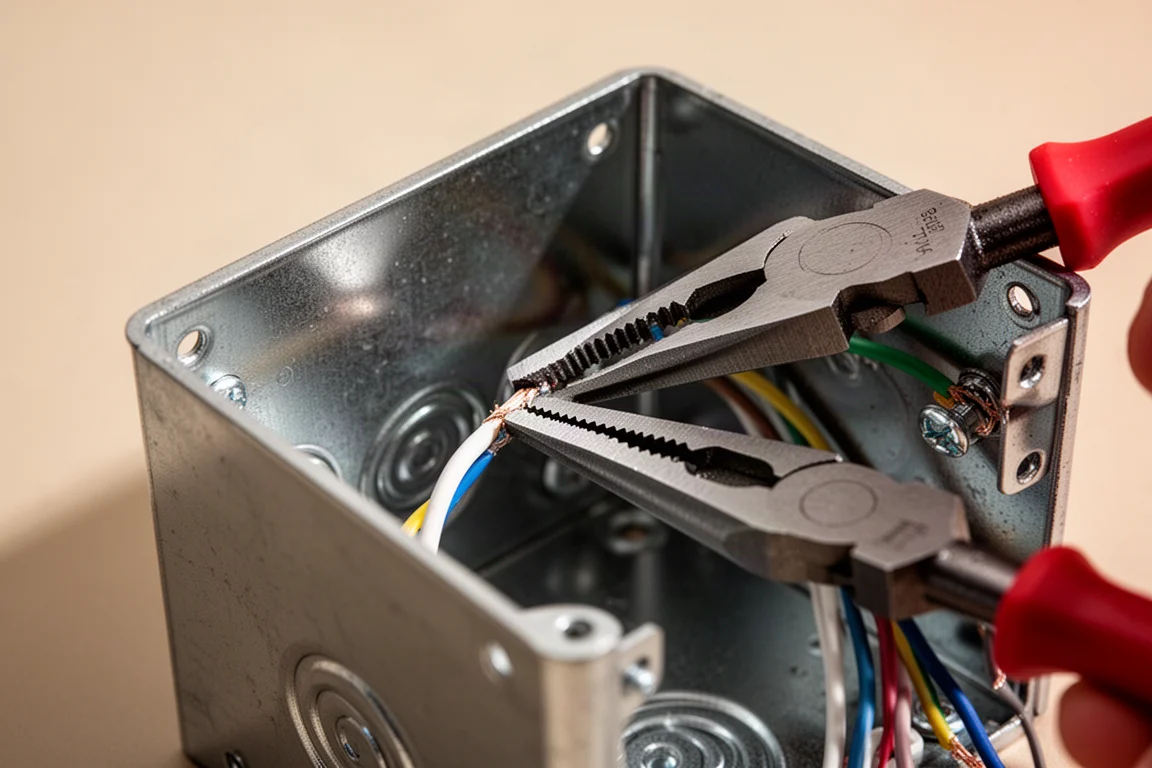
The single biggest practical benefit shows up in electrical boxes. Because the head sits at that unusual angle, you can insert the pliers all the way up against the back of an electrical box, score the insulation there, and pull it off so the conductors are exposed right to the back of the box. Traditional cutters or larger wire strippers simply cannot reach into that space to do the same job.
That capability is niche, but for anyone doing rough-in work it is a genuine time-saver, and it is the clearest reason to pick this design over a standard stripper.
The Weha Z41 09170 Comparison
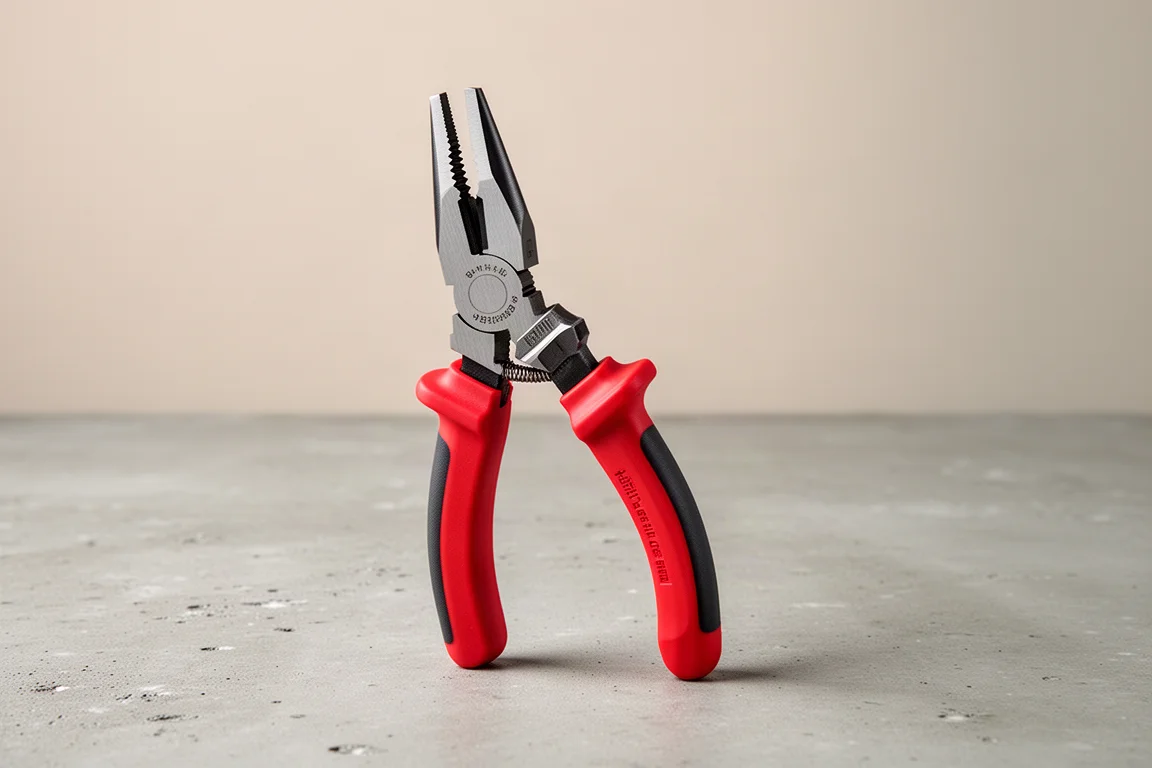
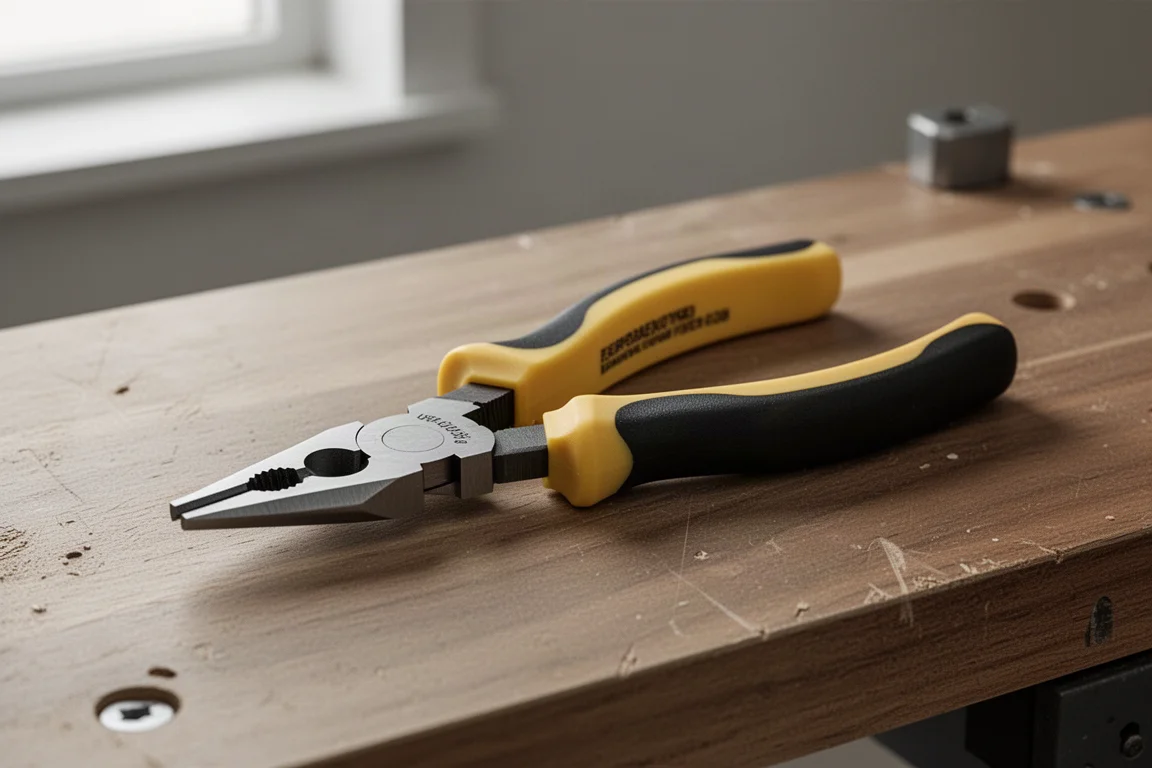
The Weha Z41 09170 is the closest comparable tool, designed more for the European market. It shares the same core concept: cutting knives, 1.5 mm and 2.5 mm stripping notches, and a front end meant for pulling external insulation off round wire after scoring. The working angle is similar, and it also allows scoring flush against the back of a box.
If you like the Knipex concept but want an alternative or cannot find one in stock, the Weha is a reasonable parallel. Both are unusual tools aimed at a specific task rather than a replacement for everyday cutters.
Buying Advice
These pliers are not a necessity for every electrician, and they are certainly not aimed at the casual tool drawer. The honest assessment is that the pulling angle is genuinely handy, the deep-box reach is a real capability most tools lack, and the price stings a little for a specialized plier with limited available information behind it. If your work regularly involves removing outer insulation on round cable, or you need to expose conductors flush to the back of a box, they justify themselves quickly. If not, a quality dedicated stripper will serve you better for less money.
Conclusion
The Knipex dismantling pliers 13 42 1 165 are a specialist tool with a clear purpose: score insulation, pull it off naturally, and reach places ordinary cutters cannot. Paired with the similar Weha Z41 09170 as an alternative, they represent a small but genuinely useful corner of the electrician tool market. For the right user, the $50 ask is easy to defend.
Further reading
Related Reviews
Hand Tools
Best Diagonal Cutters 2026: 16 Pliers Tested for Cutting Power and Durability
We put 16 diagonal cutters through nail, screw, drill bit, and hex key tests to find the best value picks for your toolbox.
Hand Tools
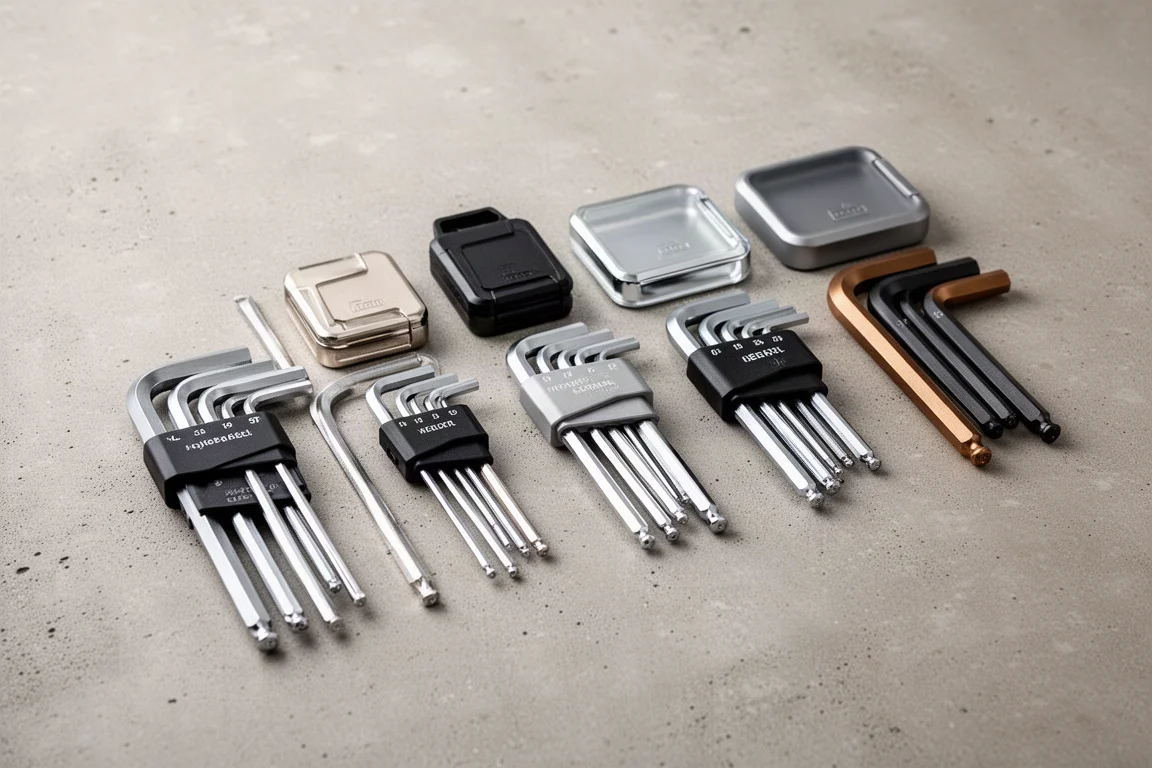
Best Hex L Key Sets 2026: Nine Sets Tested for Real-World Torque
Nine hex L key sets from budget to premium, tested for torque, fit, and durability. See which sets deliver real performance and which ones to skip.
Hand Tools
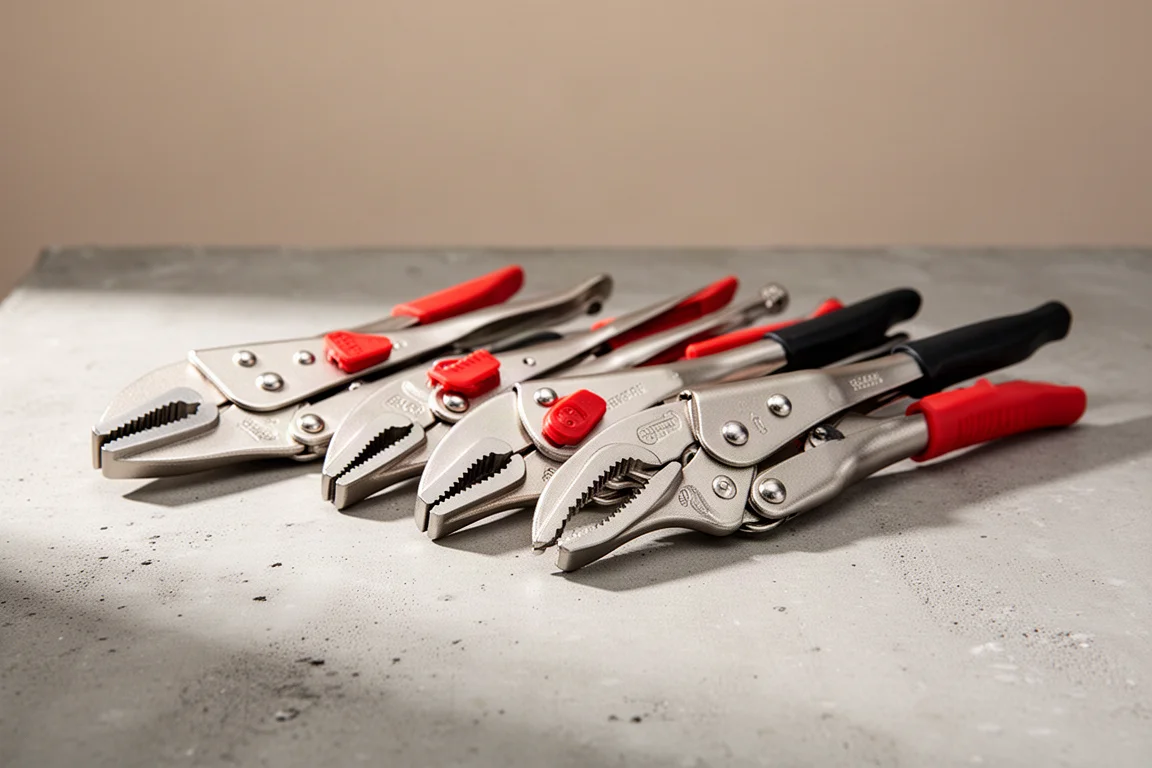
Best Locking Pliers 2026: Top Picks Tested for Grip and Durability
We tested 18 brands of 10-inch locking pliers for grip strength, jaw bite, build quality, and ease of release to find the best options for tough jobs.