Hand Tools
Knipex Cycle Plier 8411200 Review: The Elusive Plier Explained
A niche Knipex plier built for narrow screw connections on bicycles, with a straight and a 20° bend version. Here is what it does well and who actually needs it.
Introduction
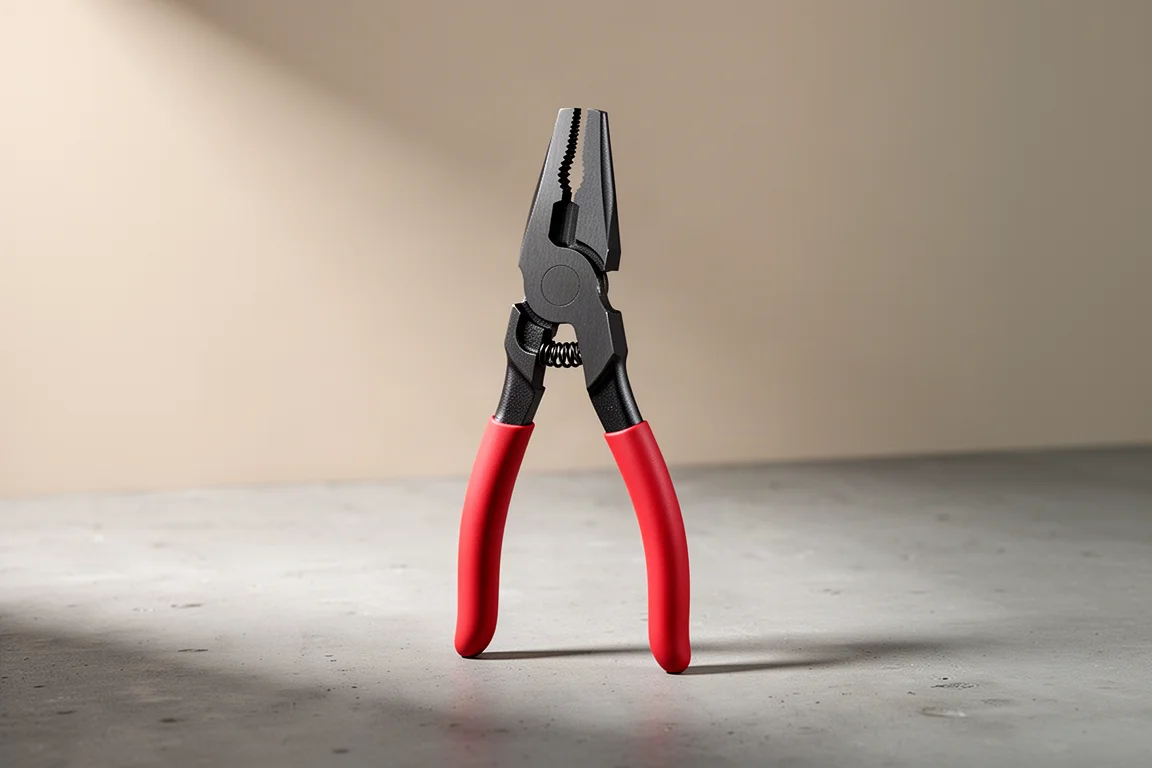
Some tools are everywhere, and some are quietly known but rarely seen. The Knipex Cycle Plier, part number 8411200, falls firmly in the second camp. It is an 8-inch plier with a distinct, somewhat unusual shape and a name that raises an obvious question: cycles as in bicycles, motorcycles, or something else entirely?
The answer, confirmed directly with Knipex, is that these pliers are designed for accessing narrow screw connections on bicycles. The narrow jaws and specialized gripping surfaces make that clear once you hold one. Despite the bike-focused name, the design has also found a following in the automotive world, which makes this an interesting tool for more than one audience.
Who This Product Is For
If you spend time working on bicycles, especially in tight spots between sprockets, around cranks, or on small fasteners where a standard plier simply will not fit, this is the tool Knipex had in mind. Professional bike mechanics have historically relied on thin wrenches and needle-nose pliers for these jobs, but genuinely thin pliers were not part of the standard kit.
Automotive users have also found a home for it. Knipex has noted that these pliers have made their way into the automotive industry for working on caliper guide pins, and sway bar links have been suggested as another natural fit. Anyone who services brakes or suspension hardware may recognize the value of a slim plier that reaches where bulkier tools cannot.
Design and Build
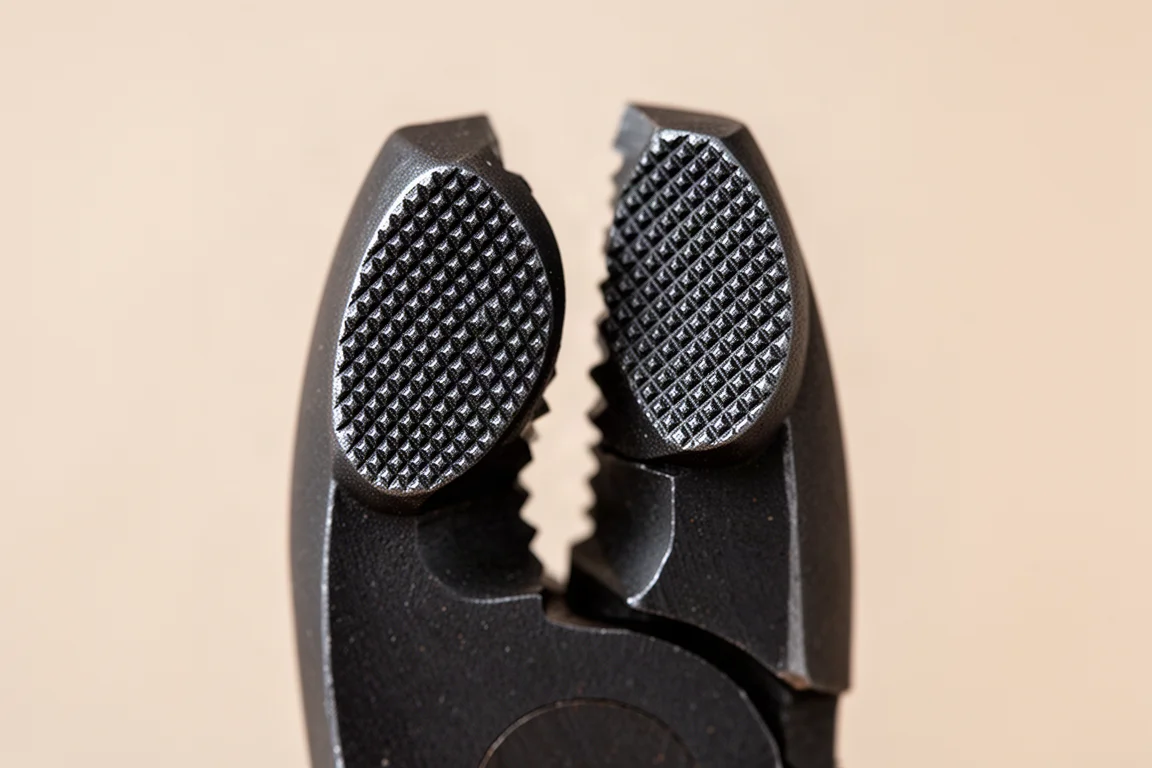
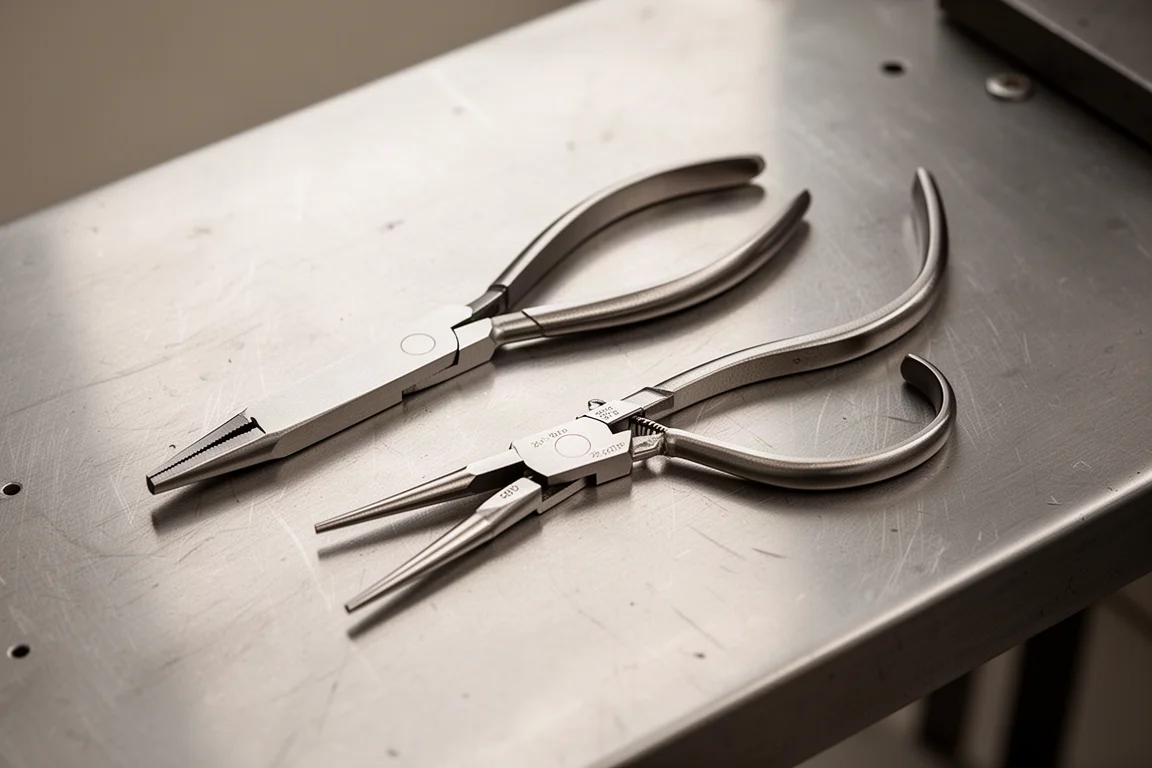
The defining trait is the narrow set of jaws. Along the jaw face there are two differently sized but similarly shaped gripping surfaces with non-directional teeth, suited primarily for round things like screw heads and bolts. The jaw thickness is slim, comparable to dedicated thin-jawed slip joint pliers, though a hair thicker than the thinnest reference models.
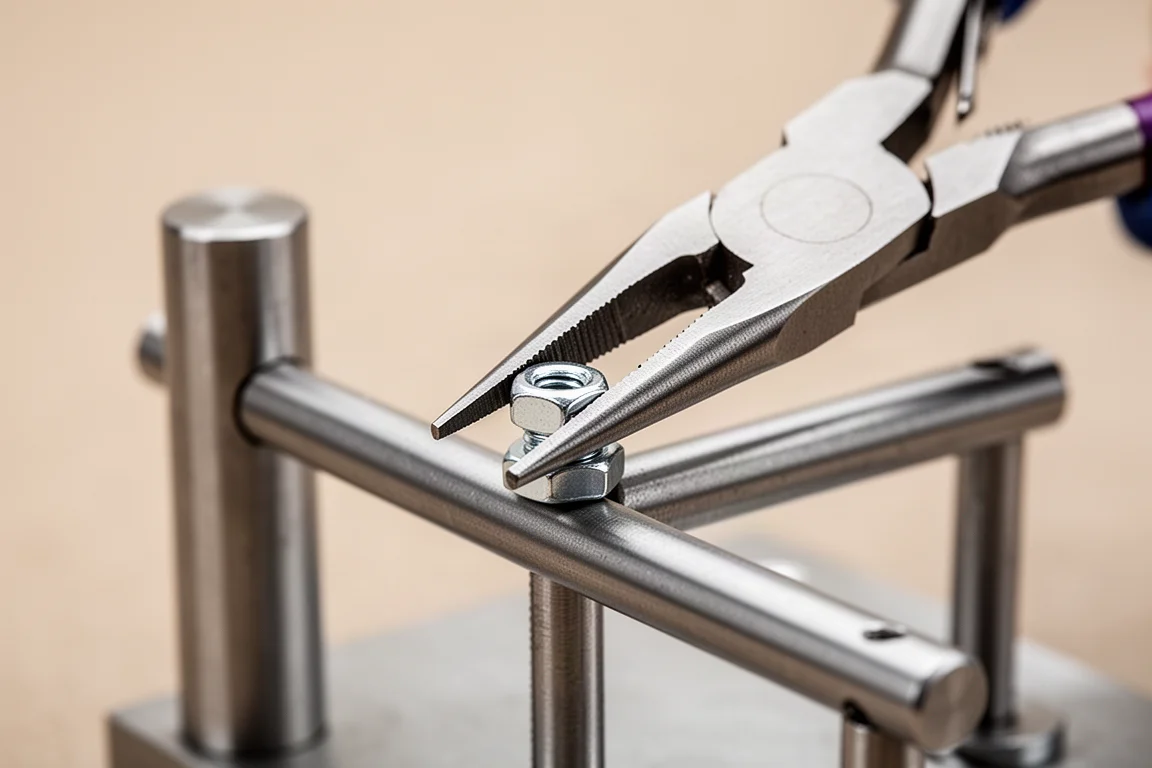
The jaw tips close beautifully, in the way most Knipex pliers do. The opening almost disappears at the top, which means you can grip with the very tips of the jaws for small fasteners or tight clearances. The standard bar-stock gripping squares or diamonds near the pivot are present too, though grabbing bar stock with the corners is possible but not the strongest use; sliding the material further into the jaws produces a rock-solid hold instead.
Two Versions: Straight and 20° Bend
There are two versions of this plier: a straight version and one with a 20° bend. The bend is located a little further down the neck, giving the angled version a different reach profile for fasteners that sit deep in a recess or behind an obstruction.
Practical availability matters here. On common retail channels, the 20° bend version is the one listed as available, priced around $40. The straight version exists and has been spotted on store shelves, but it is less commonly seen in the wild, which adds to the plier’s elusive reputation.
Use Cases: Bicycles and Automotive
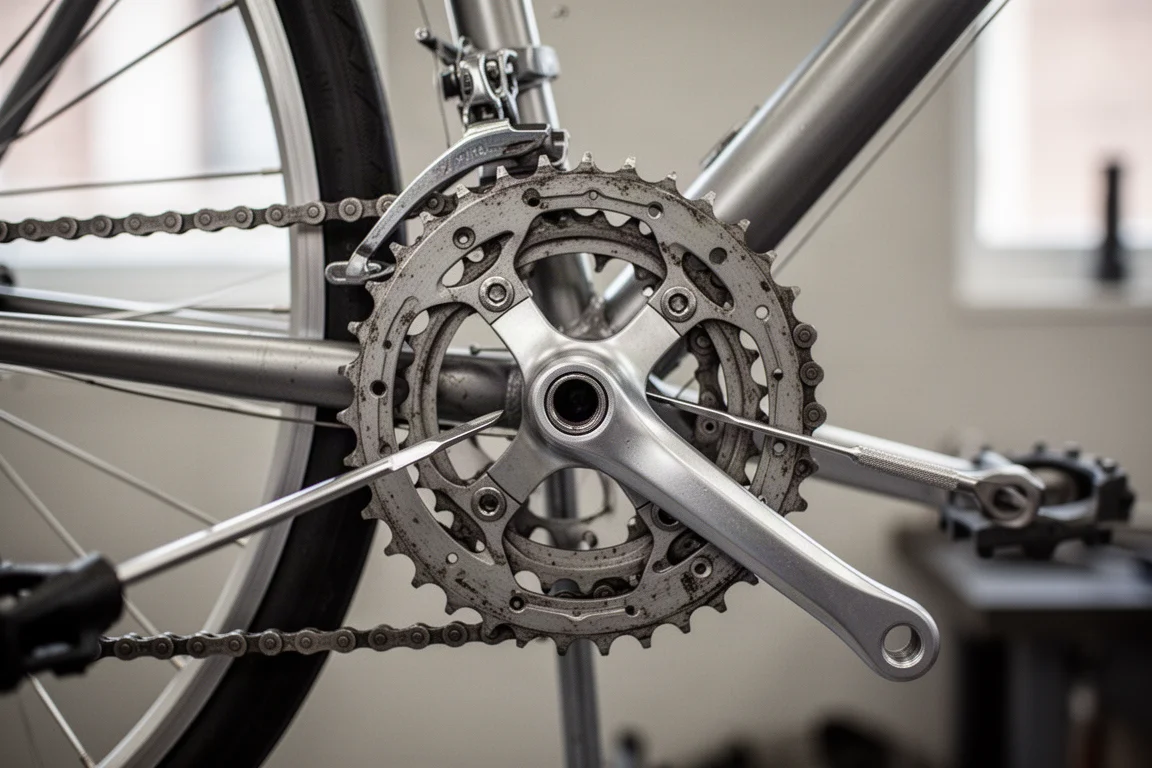
The stated purpose is narrow screw connections on bicycles. In practice, a slim plier like this would also suit reaching between sprocket gears or into tight spaces near cranks, work that bike mechanics have traditionally done with thin wrenches rather than thin pliers. The test-rig style demonstration, sliding the jaws in beside an average-sized hex nut and gripping it solidly, shows how the narrow profile earns its keep when a nut sits in a confined space.
On the automotive side, caliper guide pins are a documented application, and sway bar links have been suggested as another. If you have ever fought a fastener hidden behind brake hardware, the case for a slim, precisely closing plier is easy to see. That said, it is worth being honest about the tool’s niche nature: many users may go years without encountering the exact situation it was designed for.
Things to Consider Before Buying
The honest question is how often you actually run into these narrow-access situations. Some tools solve a safety issue or save real time; this one solves a reach-and-clearance problem that comes up occasionally rather than daily. If your work regularly involves tight screw connections on bikes or automotive fasteners like guide pins, it is an easy yes. If it is an impulse purchase for a drawer, it may sit idle until the right job appears.
Also decide between the two versions. The straight model and the 20° bend model serve different reach scenarios, and the bent version is the one more readily available at around $40. Choosing the angle that matches your typical access pattern matters more than anything else here.
Buying Advice
Buy the Knipex Cycle Plier if narrow-access fastening is a recurring part of your work, whether that is bicycle maintenance, brake service, or suspension hardware. The tip closure quality and slim jaw profile are exactly what you would expect from Knipex, and nothing in the standard plier drawer replaces it in those spots.
If your needs are occasional, consider whether a thin-jawed slip joint plier you already own covers the job. But if you have a specific fastener in mind that no other tool reaches, this is the tool designed for exactly that situation, and the 20° bend version is the practical starting point given its availability.
Conclusion
The Knipex Cycle Plier 8411200 is a specialty tool with a clear purpose: gripping narrow screw connections in tight spaces, originally for bicycles and later adopted for automotive work like caliper guide pins. With two versions, straight and 20° bend, and a price around $40 for the readily available variant, it is a considered purchase rather than a universal upgrade. For the right user, it fills a gap no ordinary plier fills.
Product link
View more details for Knipex Cycle Plier 8411200
This product is mentioned in the review. Check the specifications, options, and compatibility before buying.
View more details for Knipex Cycle Plier 8411200Further reading
Related Reviews
Hand Tools
Best Diagonal Cutters 2026: 16 Pliers Tested for Cutting Power and Durability
We put 16 diagonal cutters through nail, screw, drill bit, and hex key tests to find the best value picks for your toolbox.
Hand Tools
Best Hex L Key Sets 2026: Nine Sets Tested for Real-World Torque
Nine hex L key sets from budget to premium, tested for torque, fit, and durability. See which sets deliver real performance and which ones to skip.
Hand Tools
Best Locking Pliers 2026: Top Picks Tested for Grip and Durability
We tested 18 brands of 10-inch locking pliers for grip strength, jaw bite, build quality, and ease of release to find the best options for tough jobs.