Hand Tools
Two Knipex Cutting Tools Worth a Look: Cutex Snap-Blade and Ratcheting Cable Knife
A strong snap-blade knife and a genuinely clever ratcheting cable knife from Knipex, with the strengths and trade-offs of each.
Introduction
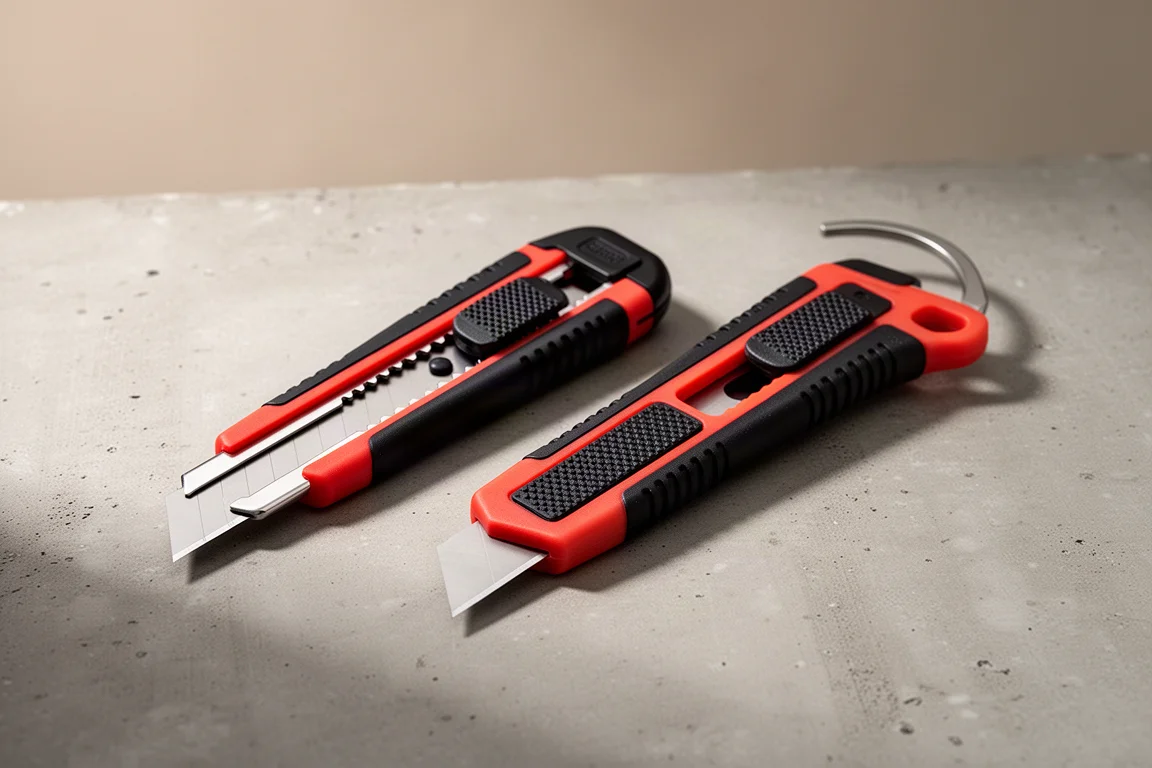
Knipex is best known for pliers and screwdrivers, but the company’s cutting tools deserve just as much attention. Two knives in particular stand out: the Cutex snap-blade knife and the 5 3/4” ratcheting cable knife. One is an easy everyday recommendation, the other is a specialty tool that is quickly becoming a favorite for cable work. Here is how they compare and who each one is for.
Knipex Cutex Snap-Blade Knife (90 10 165)
The Cutex is a standard-style snap-blade knife with one extra feature that changes how useful it is: a retractable and extendable spine. Sliding the spine forward adds strength to the blade, so you can use the full length of the blade without it flexing or feeling fragile.
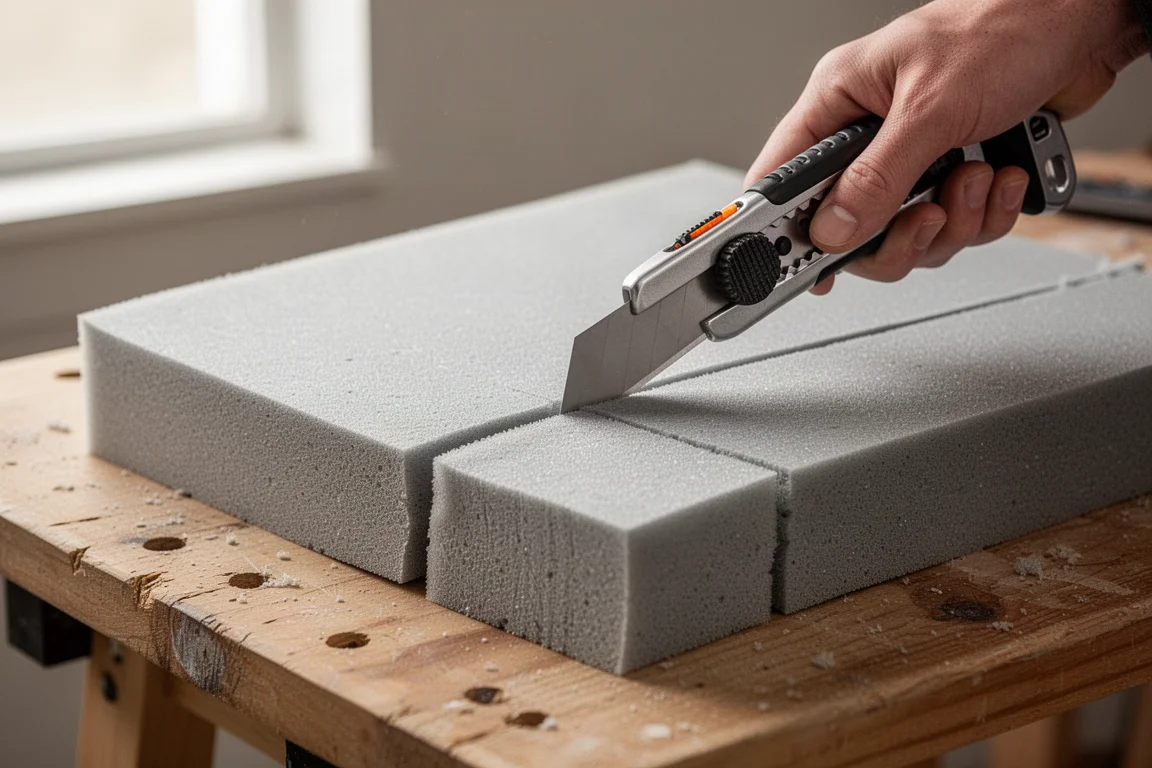
That extra rigidity makes it a solid choice for cutting insulation, foam, and similar materials. Roll the spine down a little and extend it, and it doubles as a stop or a guide depending on what you are cutting. Slide it all the way back, and it behaves like a regular snap-blade knife again. It is a simple, neat design that adds real function without getting in the way, and it is easy to call a must-have knife.
Knipex 5 3/4” Ratcheting Cable Knife (1650145)
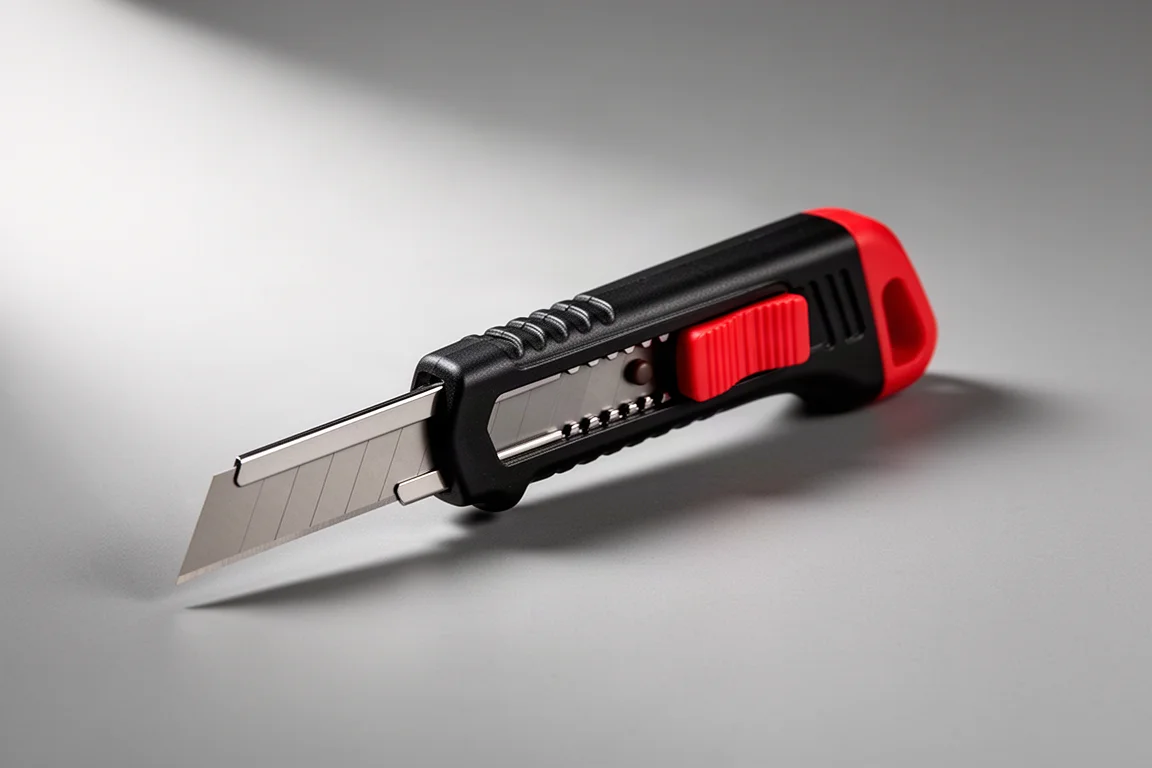
This one is a different animal. It is a specialty tool rather than an everyday knife, with a price on Amazon somewhere between $70 and $75. That is not inexpensive for a knife, but the design is genuinely unique and it earns its keep on heavier cable work.
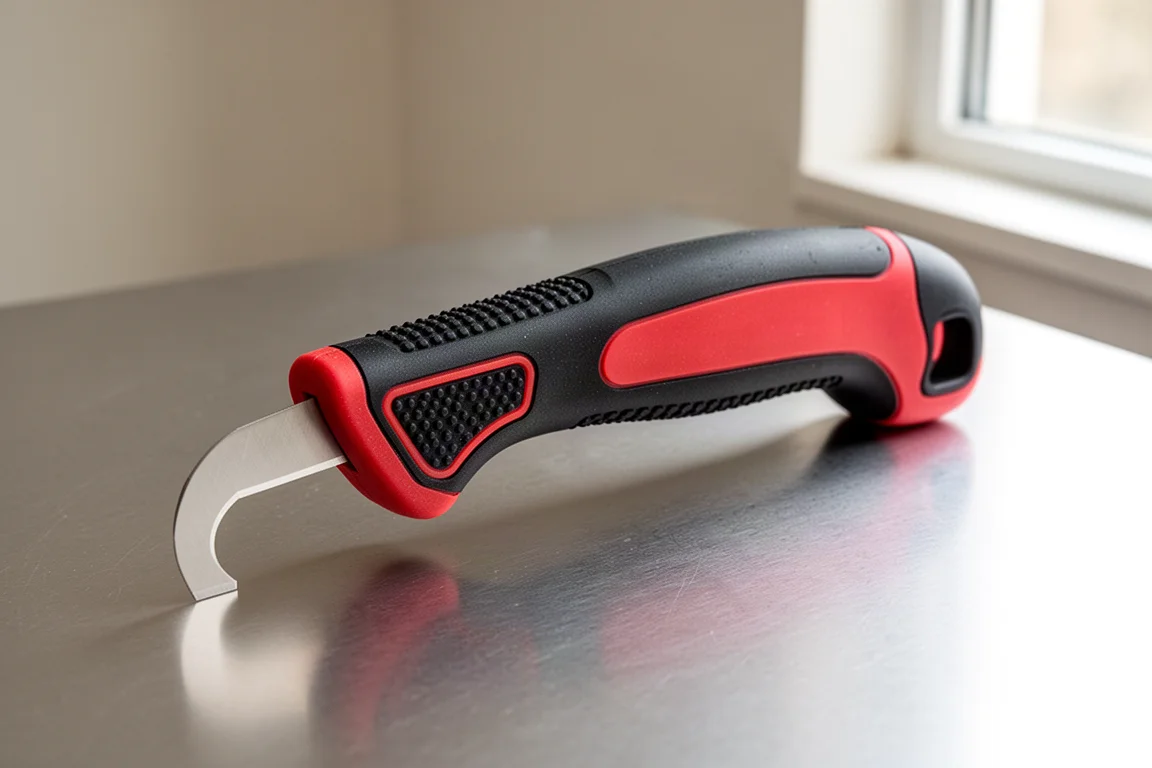
At first glance the front end looks complex. Because of how the blade is used, there are three safety mechanisms: a latch that has to be flipped up, a forward-sliding switch, and a black button that releases the blade. It sounds like a lot, but in practice it is one fluid motion: flip, slide, roll your thumb down. The blade then slides out into any of three positions.
The Blade: Multiple Cutting Surfaces and Depth Markers
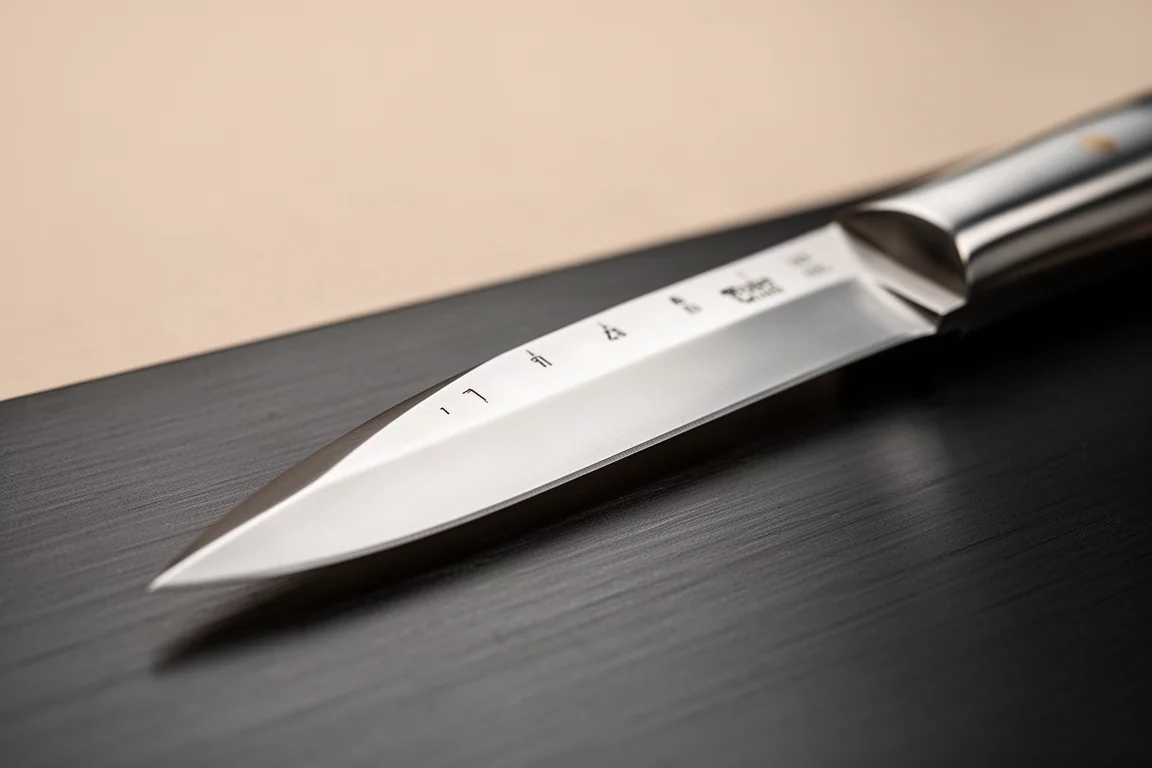
The blade design is where this knife gets interesting. Knipex describes three cutting surfaces; counted carefully, there are arguably four. Up front there is a bow designed for pushing the knife straight forward, topped with a torpedo-shaped guide that lets it slide smoothly under insulation without damaging the conductor or sub-insulation. Then there is a curved slope that stays on a rounded cable better than a flat surface would, followed by a flat section useful for tasks like sharpening a carpentry pencil. Finally, a small up-swept section at the far end works for pushing or working around smaller cable and insulation.
The numbers 1, 2, and 3 along the body are depth markers in millimeters. If you know how deep you want to cut, you can stick to the line. If you have already plunged in, you can glance down and see exactly how far the blade is running.
Using the Ratcheting Knife
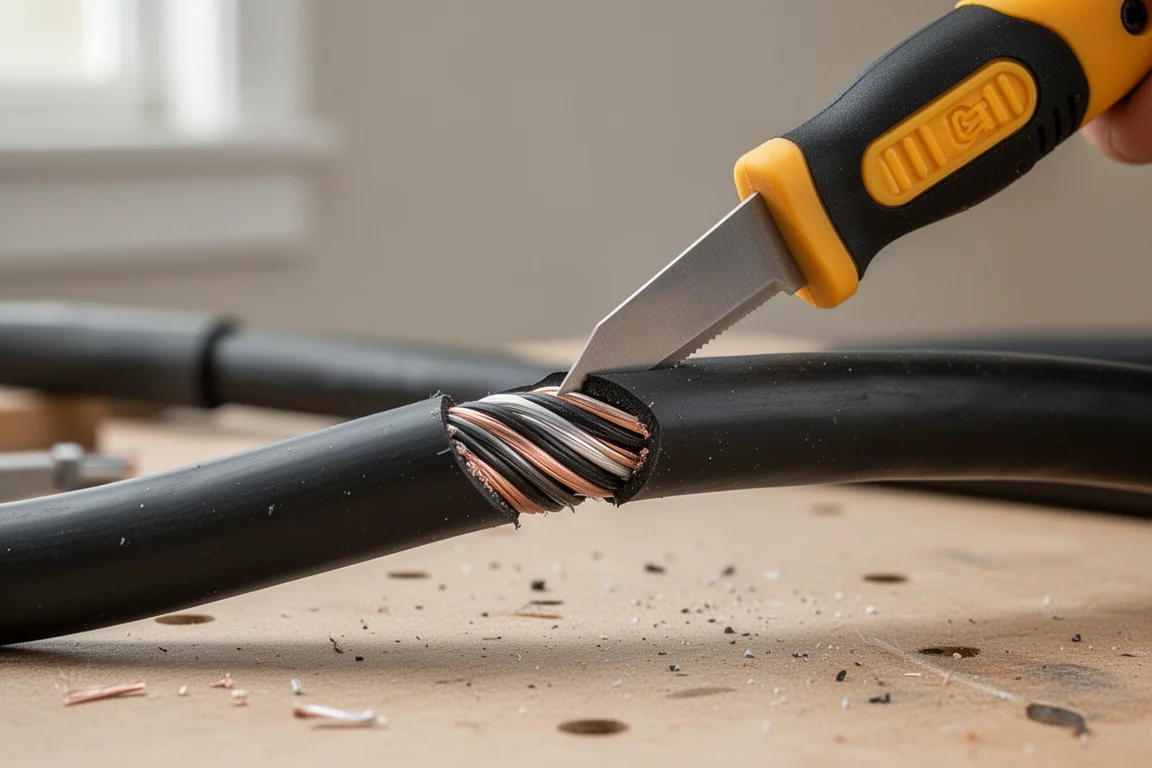
The top blade position is the part that looks odd at first. Fully extended, the blade flops around, which seems dangerous until you understand how it is meant to be used. Near the front of the handle there are highly textured gripping surfaces. You roll the knife, and that rolling motion drags the blade through the insulation like an old-school plow through a field.
Hook the blade on the edge of the insulation, and you can simply pull it right through: highly controlled, silky smooth, and clean. Once the blade is seated in a cut, it stays in. On heavier cable, you just hook it in, line it up, and start ratcheting, and it slices through the jacket without damaging anything underneath. Replaceable blades are available, with two different part numbers on offer.
What It Handles Well (and What Needs Care)
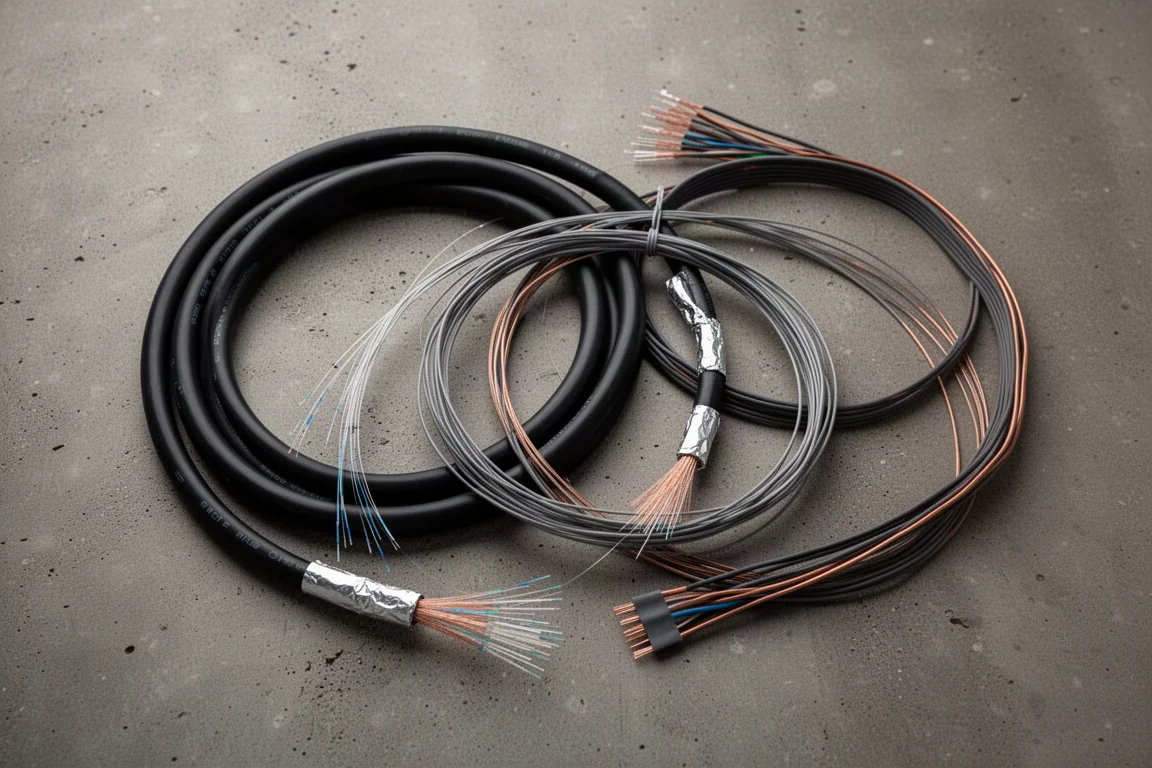
This knife is designed for bigger cables, and that is where it shines. It is also surprisingly versatile: it can cut through fiber optic cable jacketing if you are a little gentle, slicing cleanly through foil shielding without any damage. On flat cable, you can start the blade right between a couple of conductors and ratchet along the length. You can also switch to one of the other blade positions to cut into the cable from a different angle, or start further in on a smaller cable and ratchet from there.
The build matches modern Knipex ergonomics: a harder plastic body with rubberized grip panels that feel like the familiar Knipex plier grip. The blade stows cleanly, and the knife is tether ready for working at height or on lanyards.
Which One Should You Buy?
If you want a reliable everyday utility knife that handles foam, insulation, and general cutting with extra blade rigidity, the Cutex is the easy pick. If you regularly work with heavy cable and want fast, clean, controlled jacket cuts, the ratcheting cable knife justifies its higher price as a specialty tool. Many people who do both kinds of work will reasonably end up wanting both.
Conclusion
Knipex clearly put real thought into both of these. The Cutex refines a familiar design with a genuinely useful extendable spine, while the ratcheting cable knife takes a niche task and makes it faster and cleaner than anything else in the drawer. Match the tool to your actual work and neither will disappoint.
Further reading
Related Reviews
Hand Tools
Best Diagonal Cutters 2026: 16 Pliers Tested for Cutting Power and Durability
We put 16 diagonal cutters through nail, screw, drill bit, and hex key tests to find the best value picks for your toolbox.
Hand Tools
Best Hex L Key Sets 2026: Nine Sets Tested for Real-World Torque
Nine hex L key sets from budget to premium, tested for torque, fit, and durability. See which sets deliver real performance and which ones to skip.
Hand Tools
Best Locking Pliers 2026: Top Picks Tested for Grip and Durability
We tested 18 brands of 10-inch locking pliers for grip strength, jaw bite, build quality, and ease of release to find the best options for tough jobs.