Hand Tools
Knipex Cobra vs Alligator: Which Pliers Belong in Your Kit, Plus Silky Outback Saws
A close look at the Knipex Cobra 180 against the Alligator 7 and 9, plus how the Silky Outback 240 and 170 fit into a compact tool roll.
Introduction
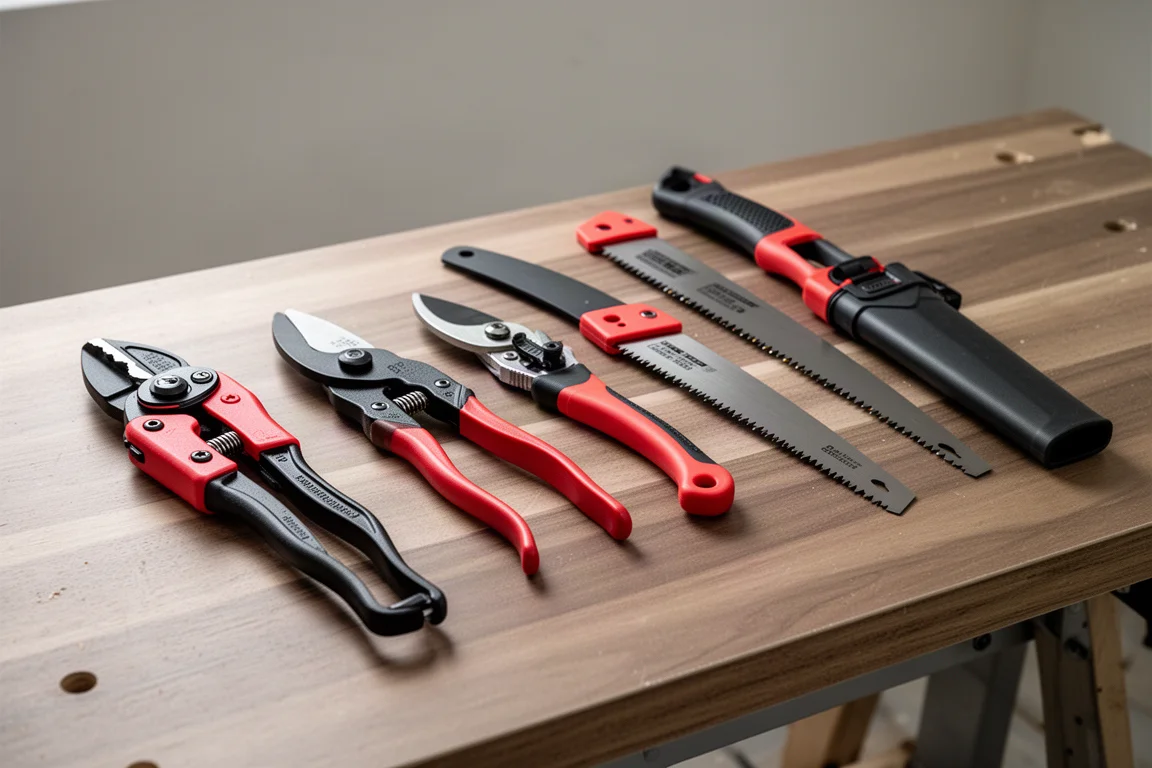
If you spend time building tool kits, two questions come up again and again: whether the Knipex Cobra is really worth more than the Alligator, and which folding or fixed pruning saw actually fits inside a compact tool roll. We spent time with the Cobra 180, the Alligator 7 and 9, and a pair of Silky Outback saws to find practical answers.
Knipex Cobra 180: The Refined Option
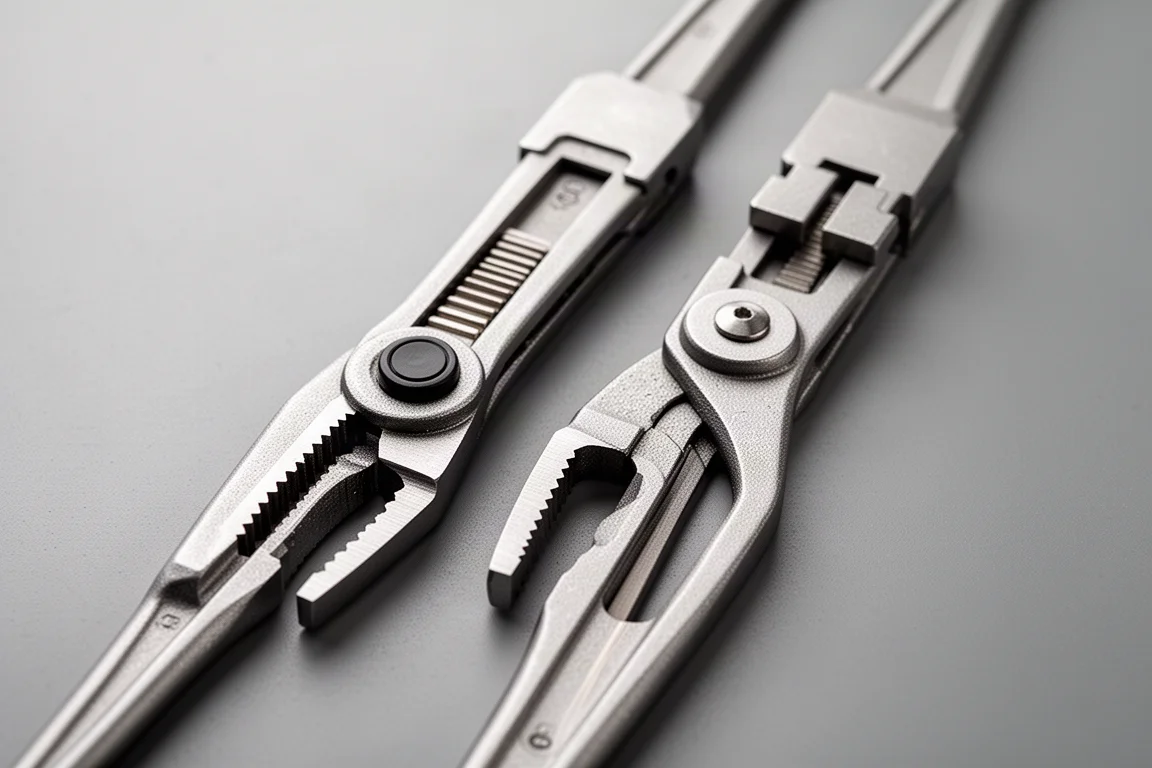
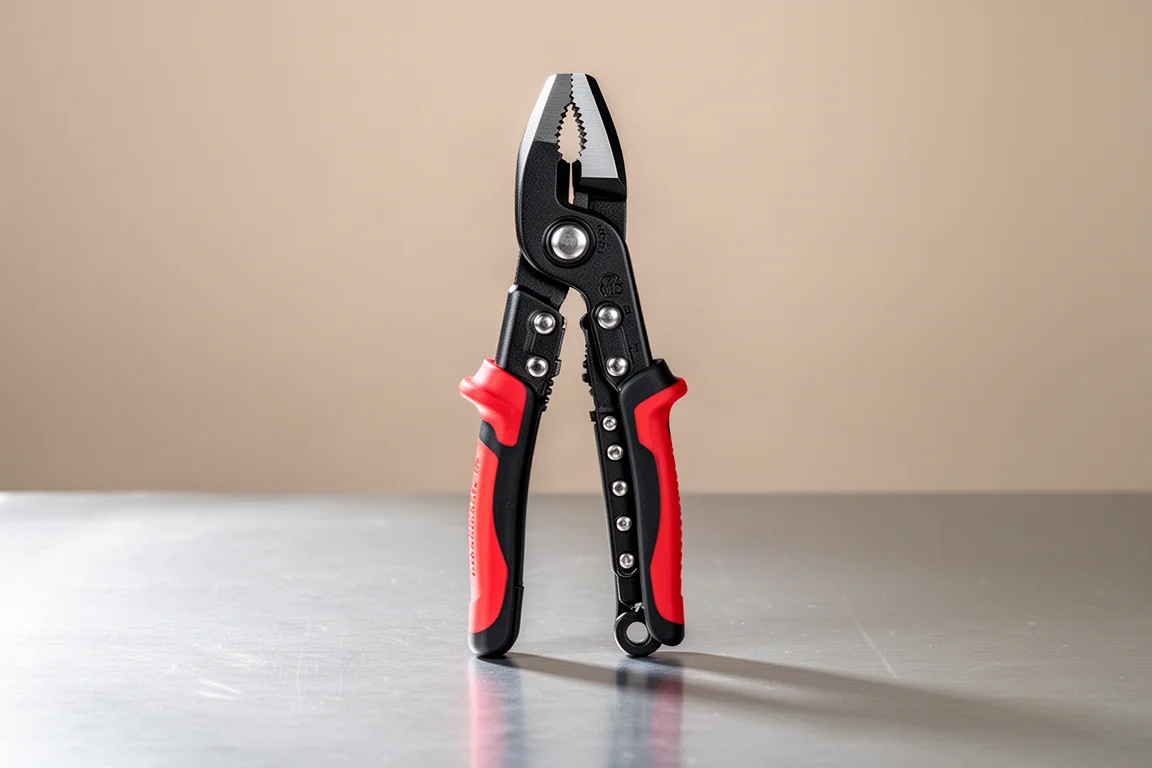
The Knipex Cobra 180 uses a box construction with the box in the handle, letting the blade slide up through the top. The push-button adjustment gives you fine control over jaw opening, and the fine-tooth design lets you line up hand placement precisely where you want it. For plumbing, irrigation and general fastener work, it is quick to grab and a pleasure to adjust.
Knipex Alligator 7: The Outdoors Choice
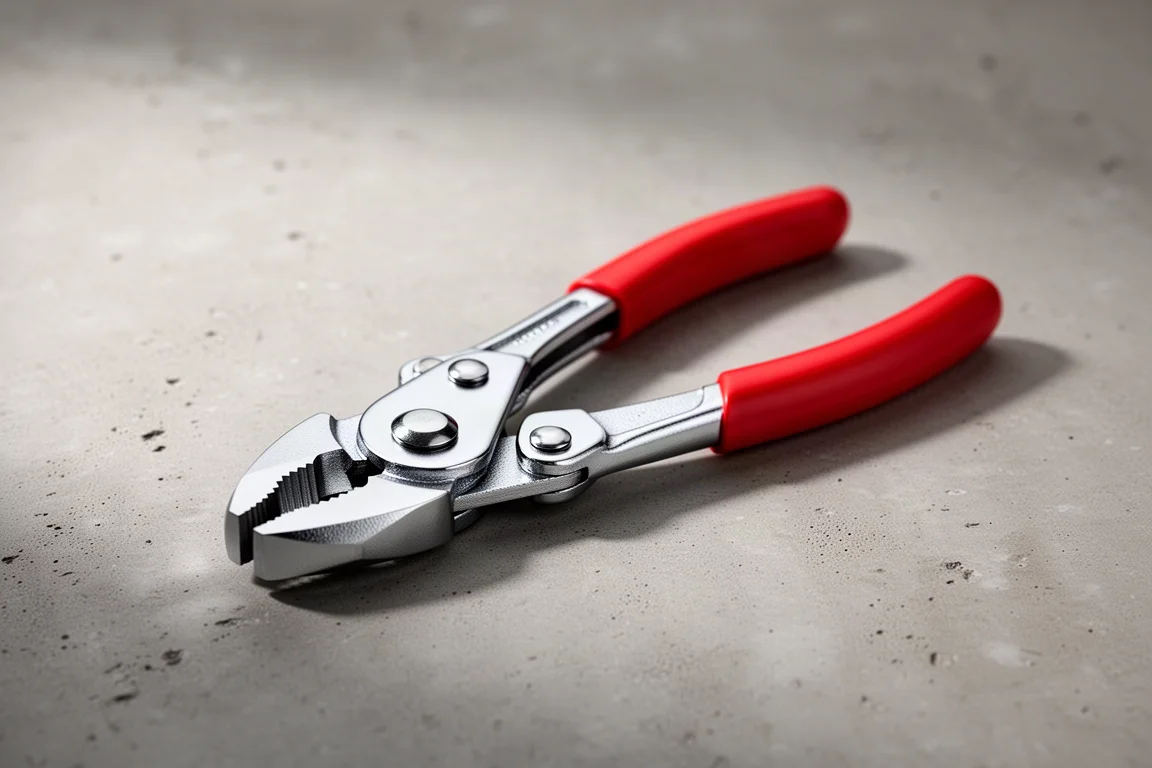
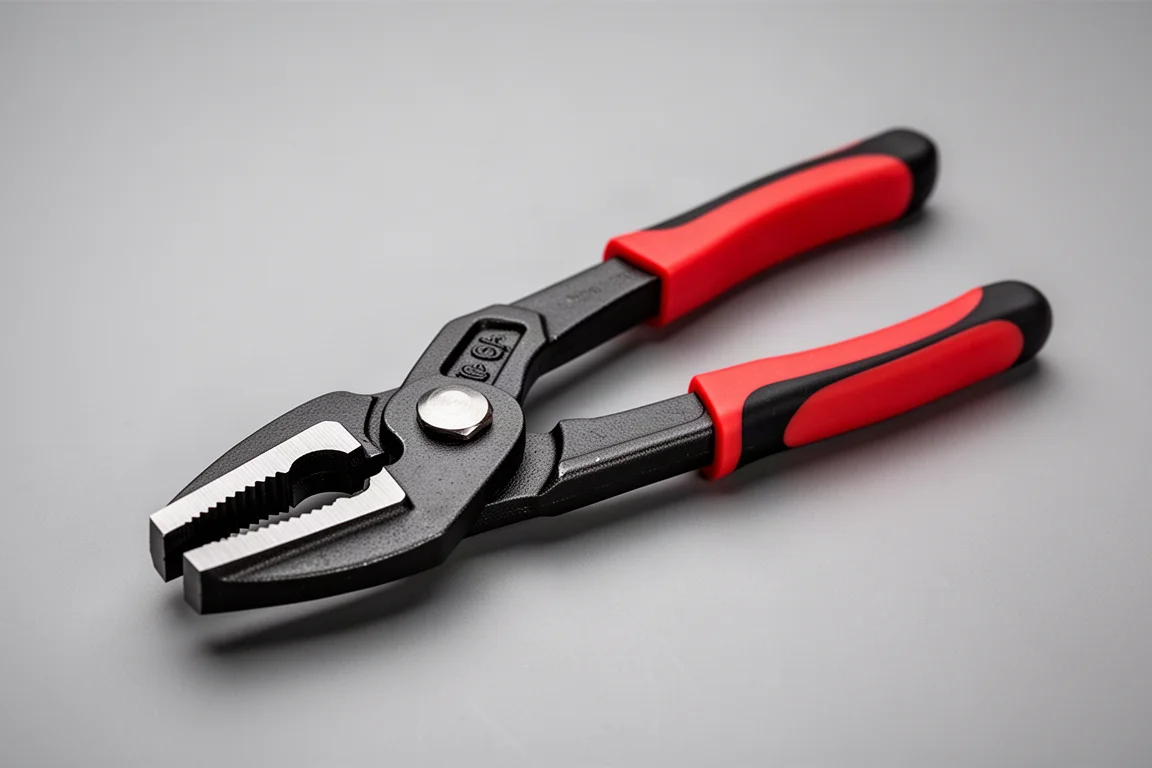
The Alligator 7 reverses that construction: the box sits in the top and the lower part slides back and forth, with seven positions. There is no spring, no push button and no separate screw, just two working pieces. That simplicity is exactly why Knipex recommends it for outdoor work. When it gets muddy or sandy, it is easy to clean or simply force into position, and there is very little inside that can jam or break.
Knipex Alligator 9: More Capacity, Same Simplicity
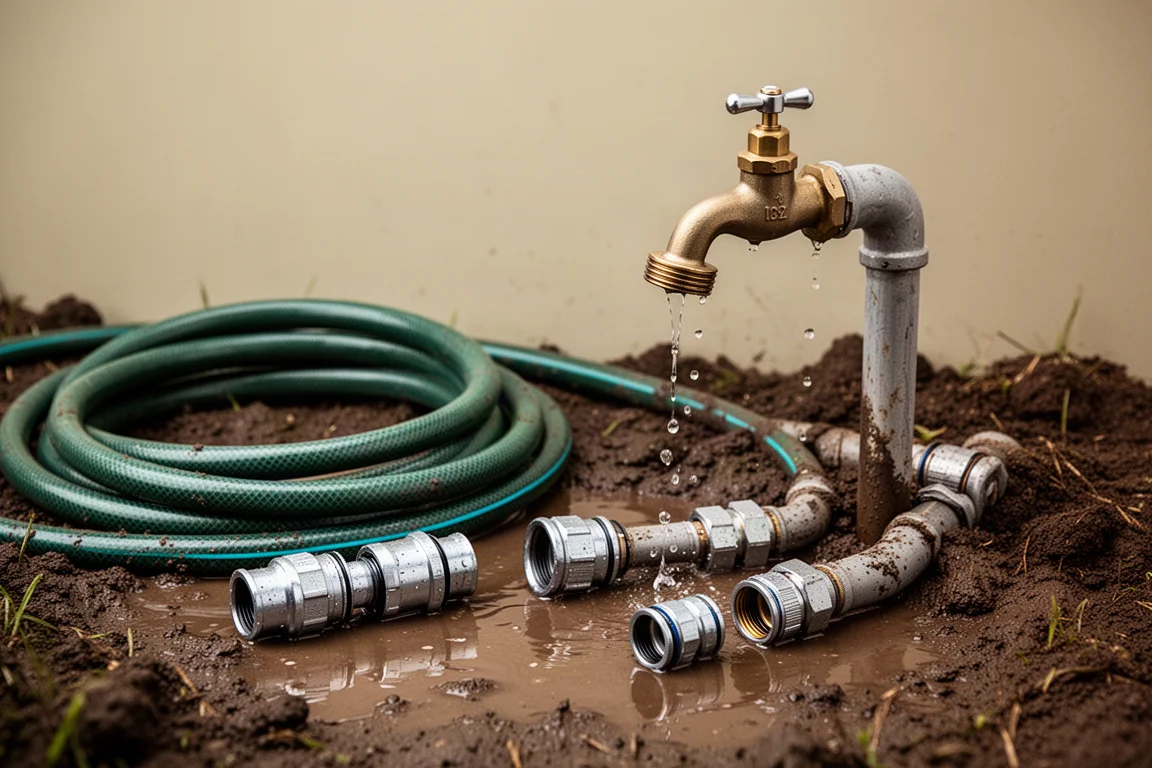
The Alligator 9 is the same idea with nine positions and a larger jaw range for bigger pipes and couplers. It shares the same straightforward mechanism, so the trade-off versus the Cobra stays the same: slightly less refined adjustment, but fewer parts to gum up in dirty conditions. If you mostly work outside and regularly deal with larger fittings, this is the one that earns its spot.
Why the Alligator Makes Sense Outdoors
The mechanism difference matters most in hard-use environments. Fill the Cobra’s small adjustment cavity with dirt or sand and it might not seat right, which could mean slipping or a mechanism that will not move. The Alligator has nothing to foul: spit on it, wipe it off, and keep working. That said, the Cobra is not fragile in normal use, and the push-button action is noticeably faster and more comfortable when your hands are clean and the job is precision work. The Cobra 180 typically sells for around $32 on Amazon, while the Alligator 7 lands closer to $24, so you are paying roughly a 50 percent premium for the finer adjustment.
View more details for Knipex Cobra 180
Silky Outback Saws and the Tool Roll Fit
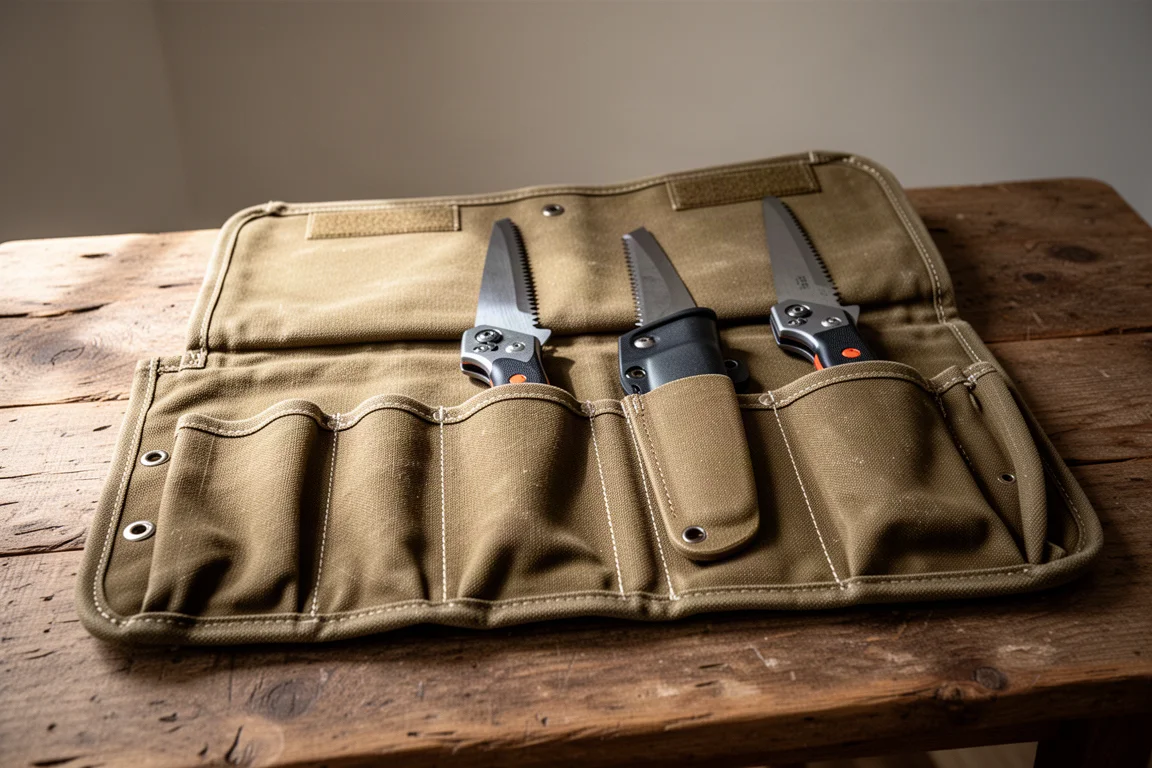
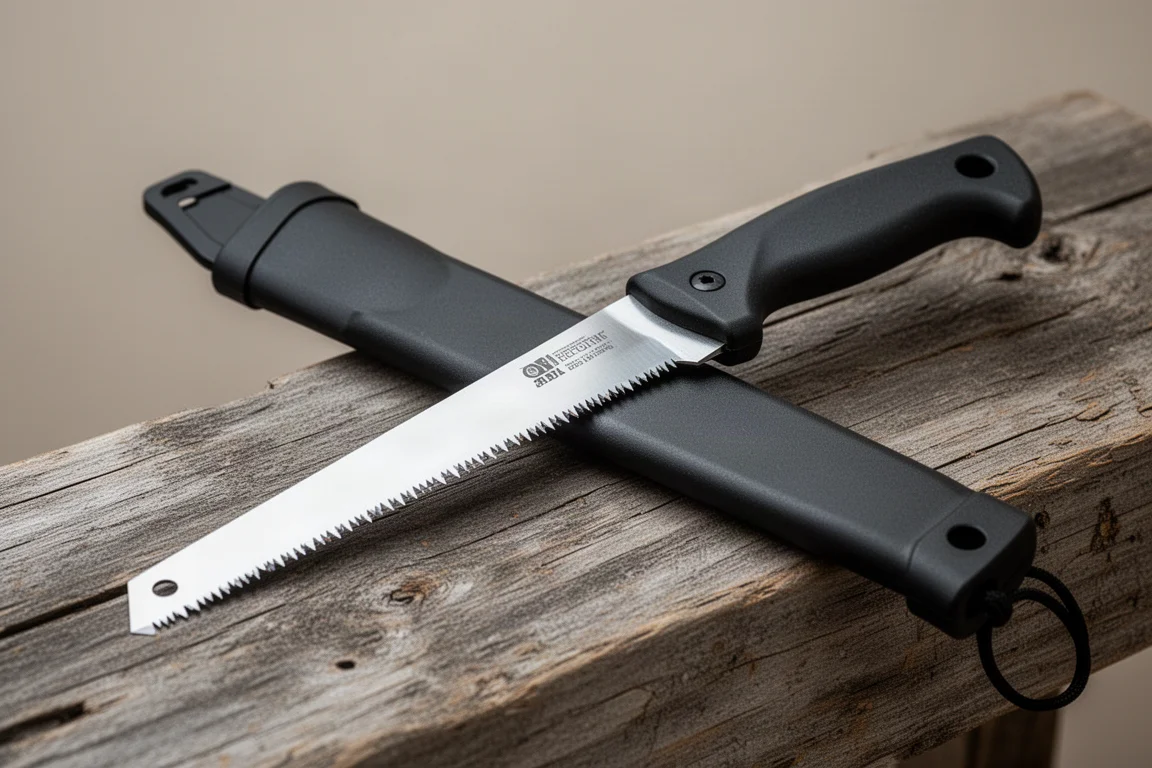
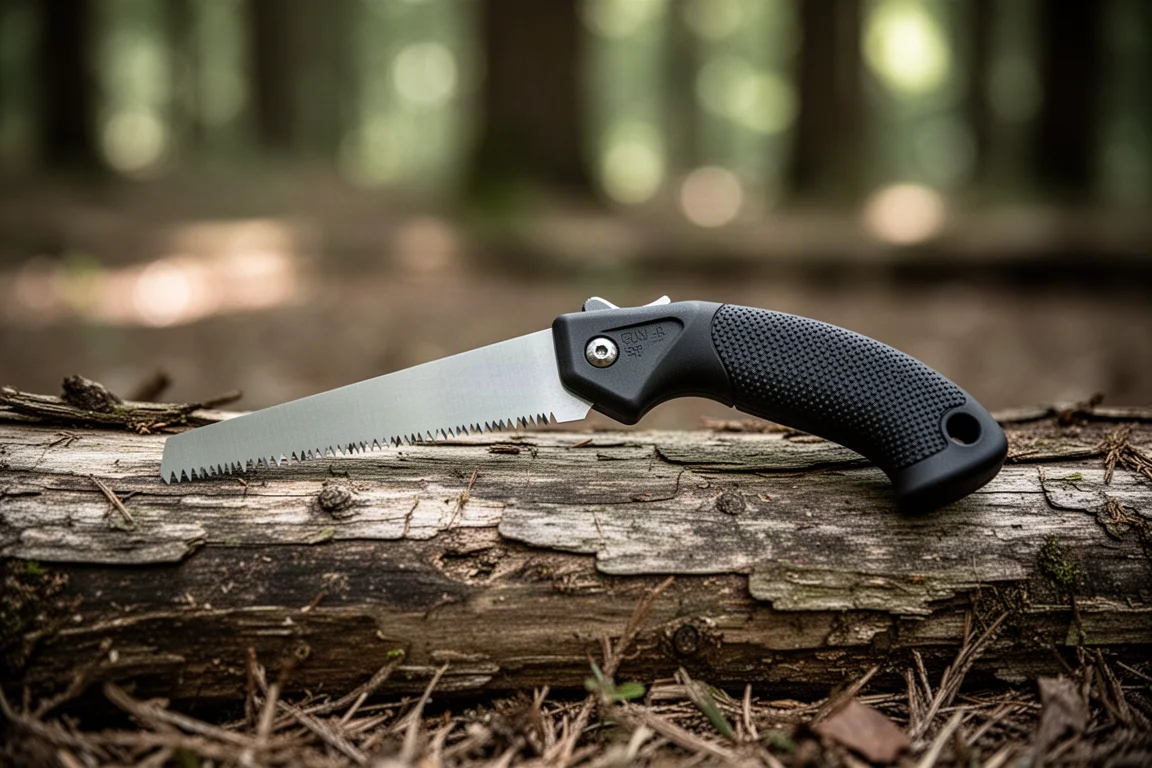
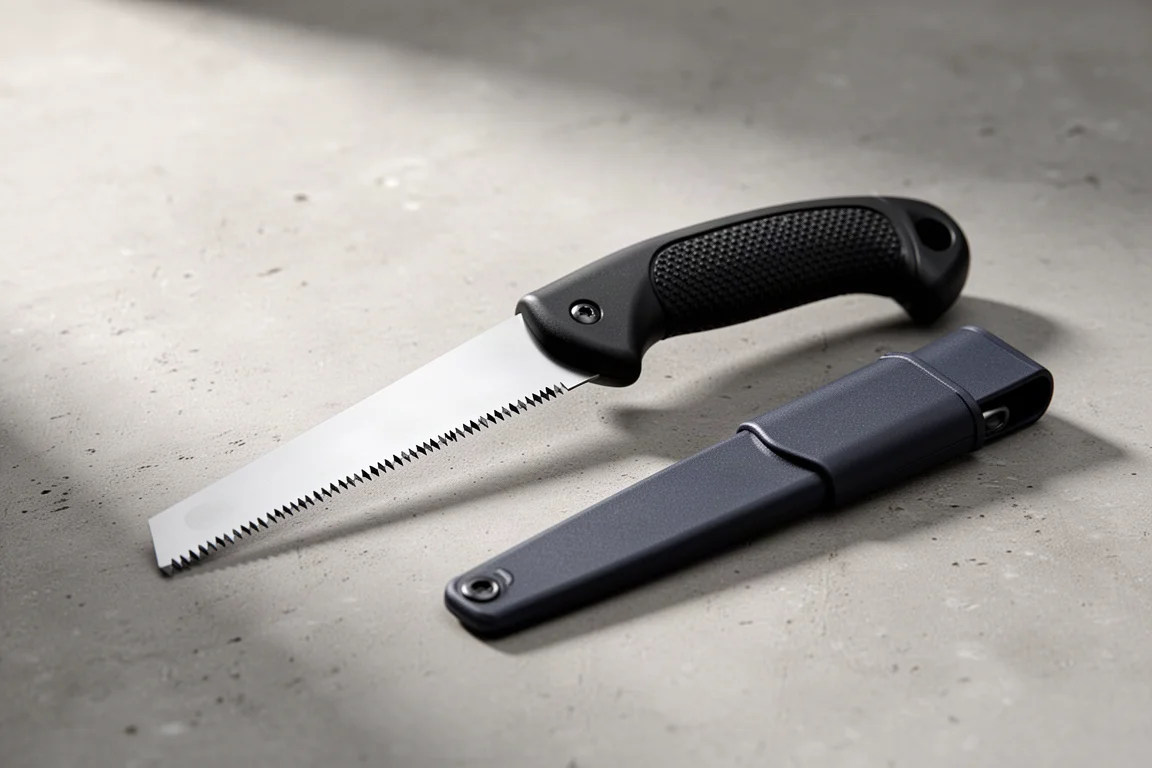
On the saw side, size is everything when a tool roll is involved. The larger Silky Outback 240 is simply too long: it not only overhangs the roll but does not slide down into the pockets. The Outback 240 and 170 both slide in and out smoothly, and even a shorter 130-size saw sits comfortably across the pockets.
Which Silky Outback Should You Pick?
For most bushcraft and camp kits, the Silky Outback 170 is the sweet spot: short enough to stow anywhere, with the same cutting performance Silky is known for. One detail worth noting: handles with a gummier, sticky finish can make draw and return slightly less smooth inside tight pockets, while the 170 with a rubberized coating slides down across the pockets with no fuss. Once stowed, the saws behave much like any other tool in the roll.
Buying Advice
For clean workshop and plumbing tasks, the Cobra’s fine adjustment is worth the premium. For muddy, sandy, all-conditions outdoor work, the Alligator’s simpler mechanism is the more forgiving choice, and the 9 covers larger fittings. For saws, match blade length to your storage: 240 fits rolls where pockets allow, 170 fits almost anywhere.
Conclusion
The Cobra and Alligator are not really rivals; they are tuned for different conditions. Choose the Cobra for precision and everyday convenience, the Alligator for dirty environments and lower cost, and the Silky Outback 170 or 240 based on how compact your kit needs to be. All five tools earn their place when matched to the right job.
Further reading
Related Reviews
Hand Tools
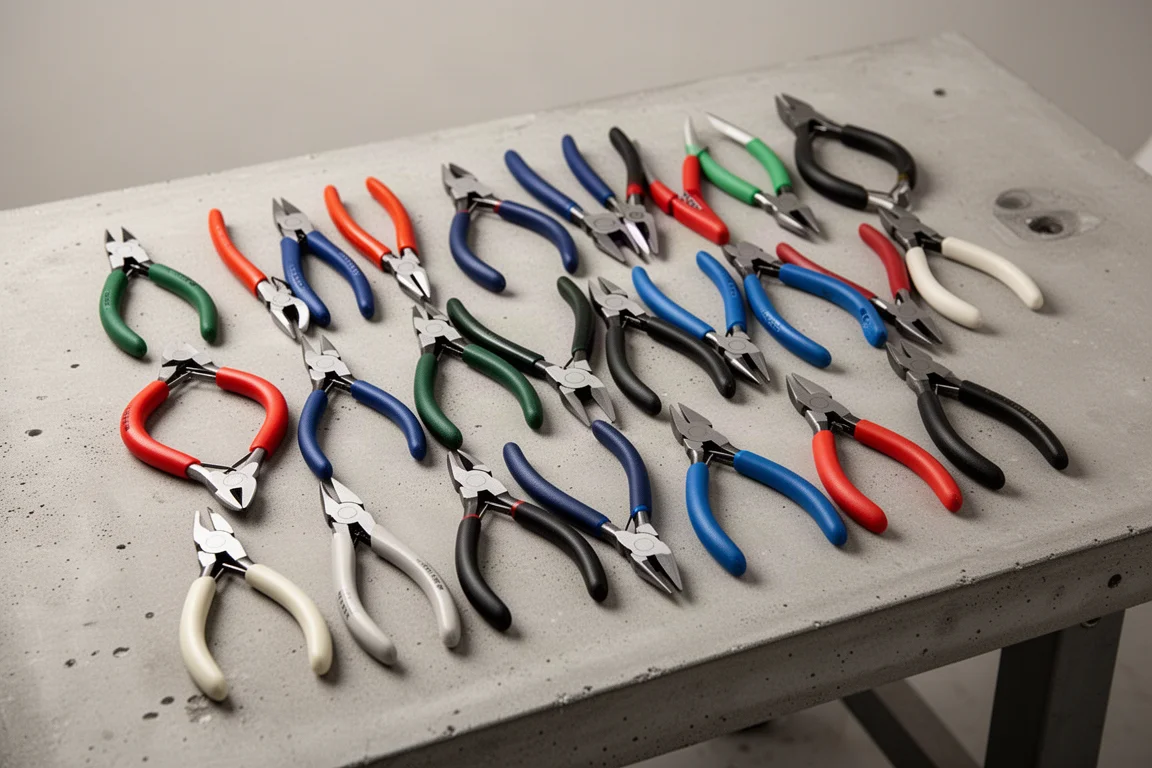
Best Diagonal Cutters 2026: 16 Pliers Tested for Cutting Power and Durability
We put 16 diagonal cutters through nail, screw, drill bit, and hex key tests to find the best value picks for your toolbox.
Hand Tools
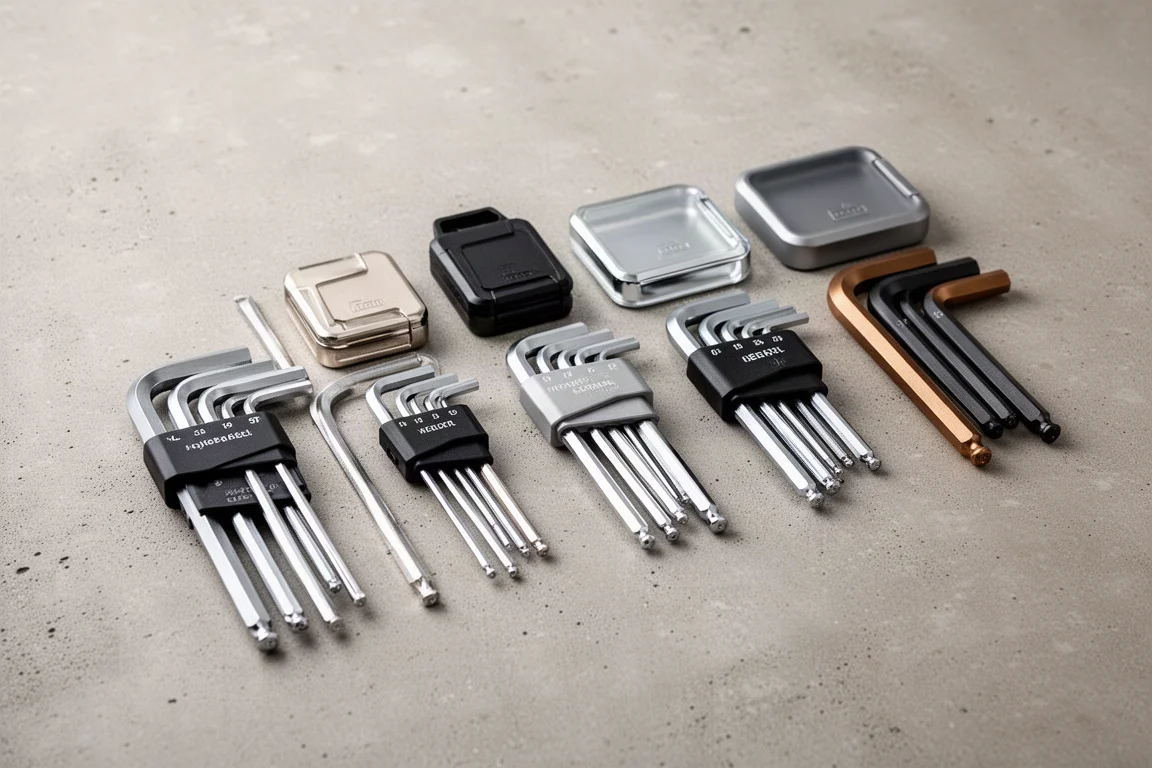
Best Hex L Key Sets 2026: Nine Sets Tested for Real-World Torque
Nine hex L key sets from budget to premium, tested for torque, fit, and durability. See which sets deliver real performance and which ones to skip.
Hand Tools
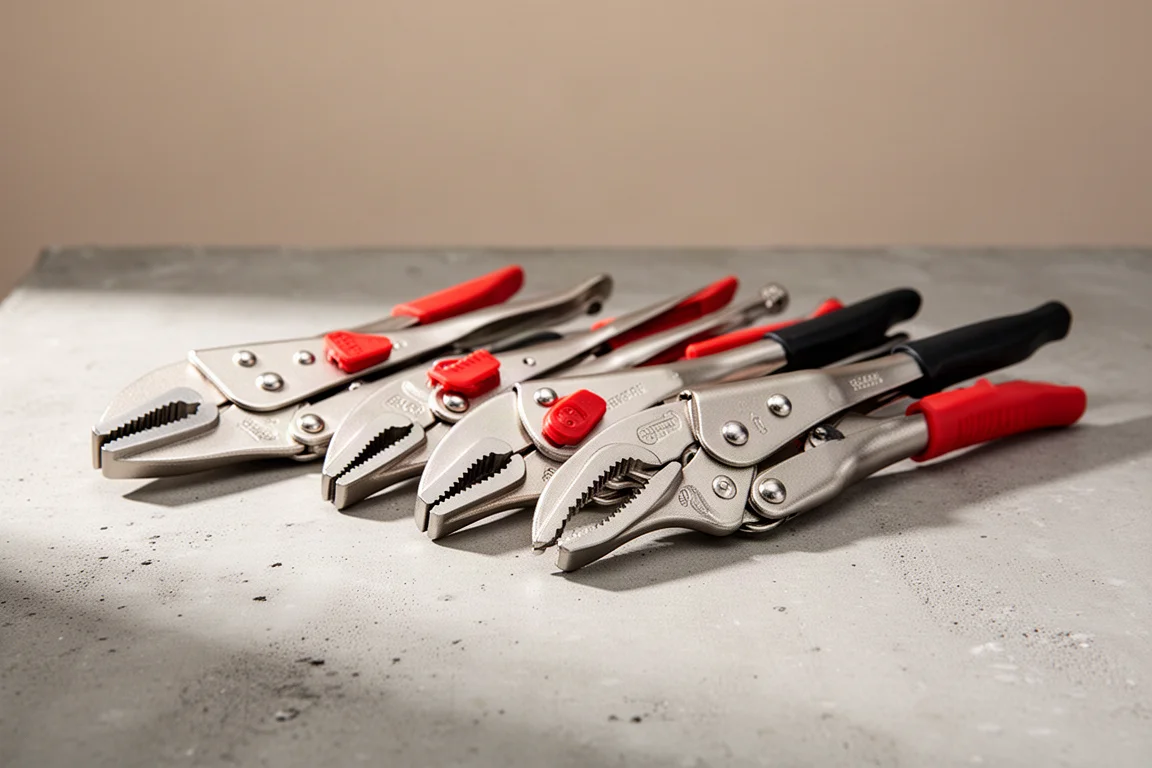
Best Locking Pliers 2026: Top Picks Tested for Grip and Durability
We tested 18 brands of 10-inch locking pliers for grip strength, jaw bite, build quality, and ease of release to find the best options for tough jobs.