Hand Tools
Knipex Cobra Sizes Explained: Why the 150mm and 180mm Deserve as Much Attention as the 250mm
The Cobra 250mm is the classic entry point to Knipex pliers, but the 150mm and 180mm versions offer real advantages for everyday work at nearly the same price.
Introduction
The Knipex Cobra is one of the most iconic pliers you can buy, and for most people the 250mm length is the first one they pick up. It is the size most often carried in big box stores, it delivers serious leverage, and it has earned the Cobra line its reputation.
But there is a case to be made that the two smaller sizes, the 150mm and the 180mm, are overlooked. They cost roughly the same as the 250mm, yet they offer a more manageable size, more precision, and less handle getting in the way on typical small and medium jobs. This guide walks through all three so you can decide which fits how you actually work.
The Size Ladder: From 100mm to 560mm
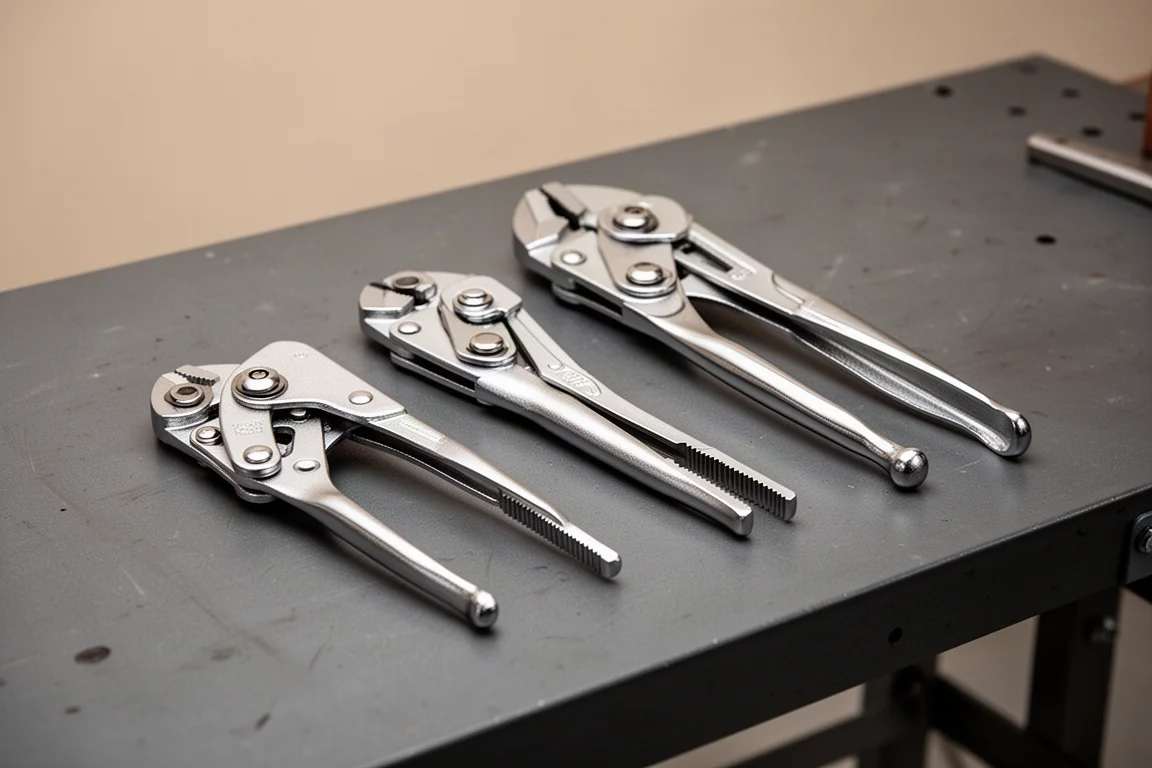
The Cobra line covers an unusually wide range. The 250mm is far from the biggest option: the family extends through a 300mm, jumps to a 400mm, and stretches all the way up to a 560mm monster. At the other end sit the 125mm and 100mm, deliberately small mini tools popular in the everyday carry world.
In between, the 150mm and 180mm occupy an interesting middle ground. They are small enough to feel nimble but still what we would call full-size pliers. If you mostly work in the smaller half of the 250mm’s adjustment range, and most people do, these shorter versions can genuinely amplify the Cobra design in a more manageable package.
The Classic: Knipex Cobra 250mm
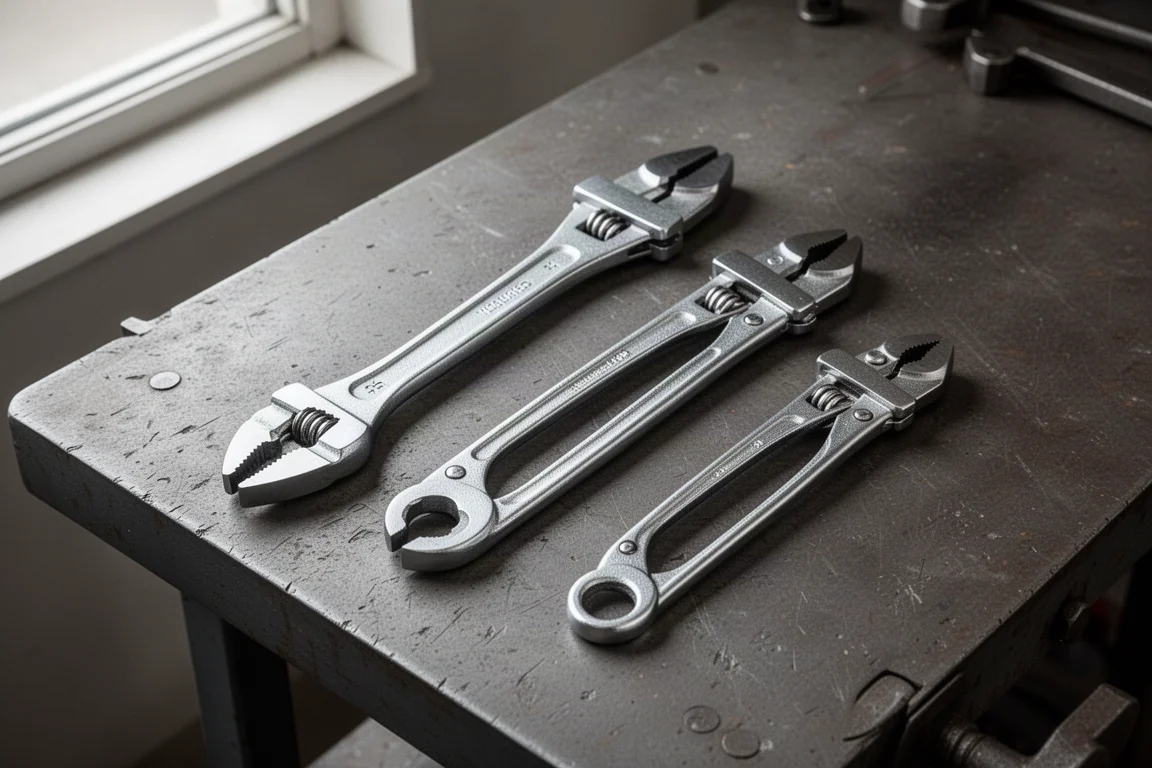
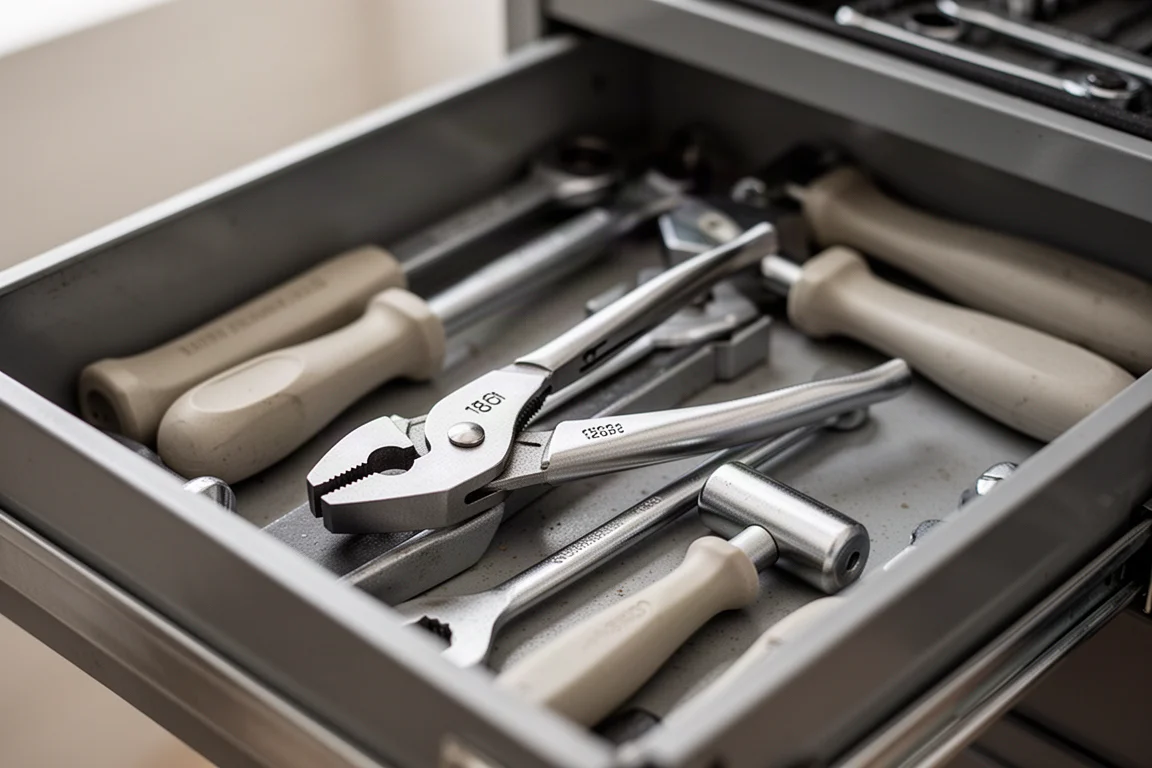
The 250mm Cobra is the gateway tool to the whole Knipex range. It gives you plenty of leverage, a broad adjustment range, and it handles plumbing fixtures and larger fasteners without breaking a sweat. The line also includes jaw variations such as slimline and raptor versions, plus designs aimed at grabbing pipes with a soft grip, so there is usually a variant tuned to a specific task.
The trade-off is simply size. On many jobs, you never open the jaws near their widest settings, which means a lot of that long handle exists mostly for tasks you may rarely do. It is also the size that dominates big box store shelves, which is exactly why the smaller versions tend to slip under people’s radar.
The Sweet Spot: Knipex Cobra 180mm
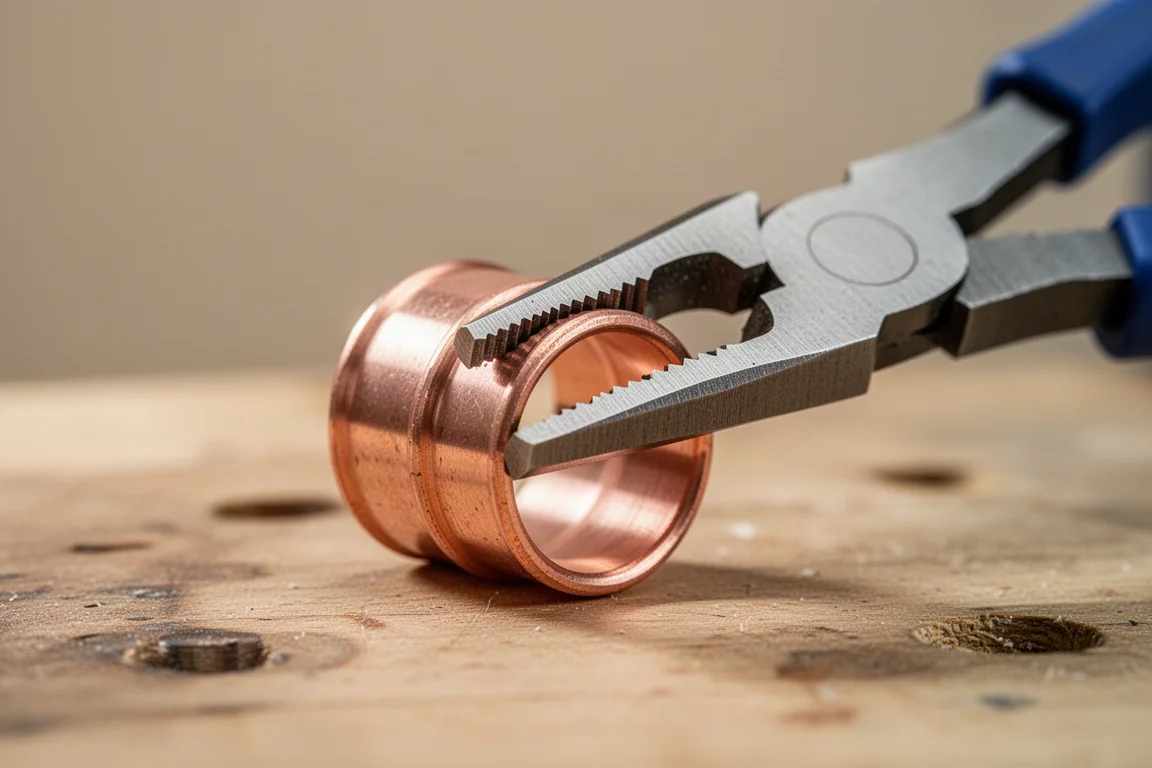
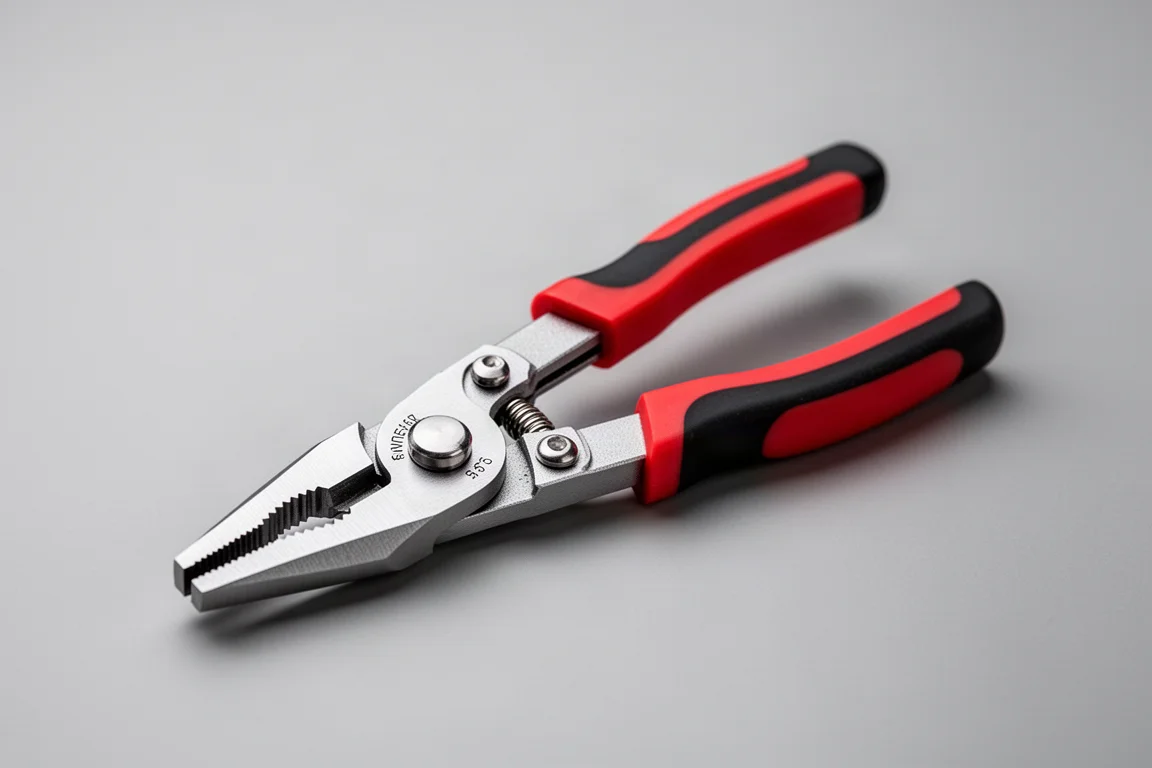
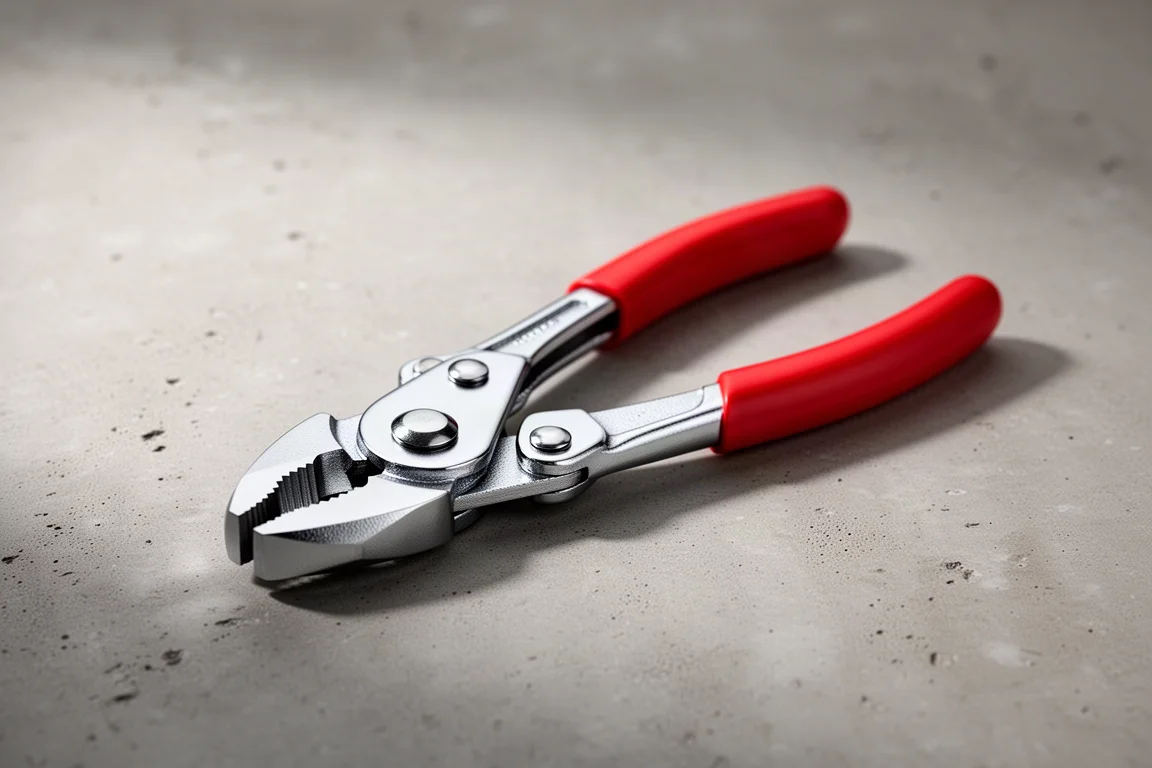
The 180mm is a favorite within the Cobra line, and for good reason. It is one of the quickest tools to reach for on a wide range of tasks. You still get plenty of leverage without committing to the full 250mm of handle, but the tool is lighter, shorter, and easier to maneuver in tight spots.
For general use, this is a great-sized plier. It has earned considerable everyday carry attention, and that following is well deserved. If you find yourself grabbing your 250mm mainly for small and medium jobs, the 180mm should command your attention.
The Precision Pick: Knipex Cobra 150mm
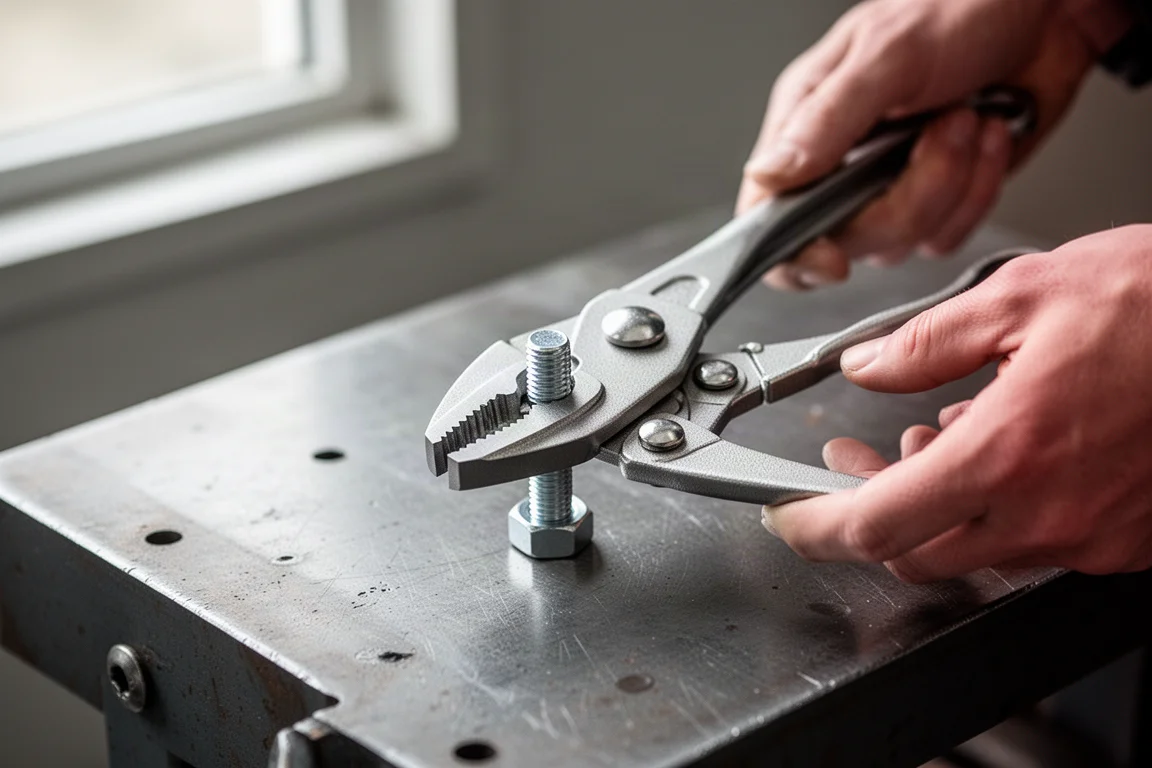
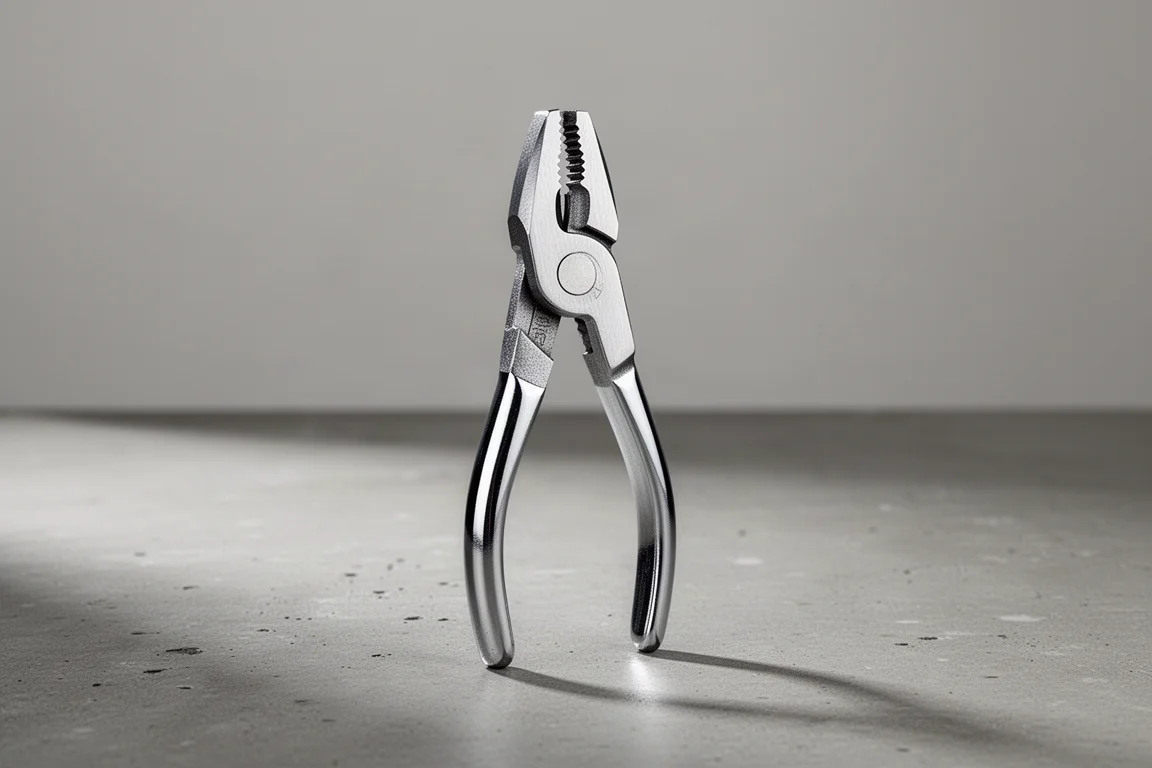
The 150mm sits just above the true mini sizes, and it feels like a real player on the small side of the range. The 125mm below it is pretty small, so the 150mm marks the point where the Cobra still feels like a complete, full-size tool while gaining precision and a compact footprint.
This is the version for people whose settings mostly live in the smaller half of the adjustment range. Less handle to get in the way, a bit smaller in the hand, and more precise control where it counts.
Overall Buying Advice
Oddly, most of these sizes sell for about the same price, around the same ballpark of roughly thirty dollars, give or take. That is exactly why the smaller versions get overlooked: for the same money, or maybe a dollar more, shoppers default to the full-size 250mm.
Our take: start with the 250mm if you genuinely need the leverage and range, but if your typical work involves smaller fasteners and fixtures, the 180mm or 150mm is likely the smarter buy at the same price.
Conclusion
The Cobra 250mm earned its status as the classic Knipex entry point, and it remains the right choice for heavy leverage work. But the 180mm and 150mm fill a real gap for people who mostly use the smaller half of the adjustment range, and they deserve a spot on the shortlist. Match the size to the work you actually do, and any of the three will serve you well.
Further reading
Related Reviews
Hand Tools
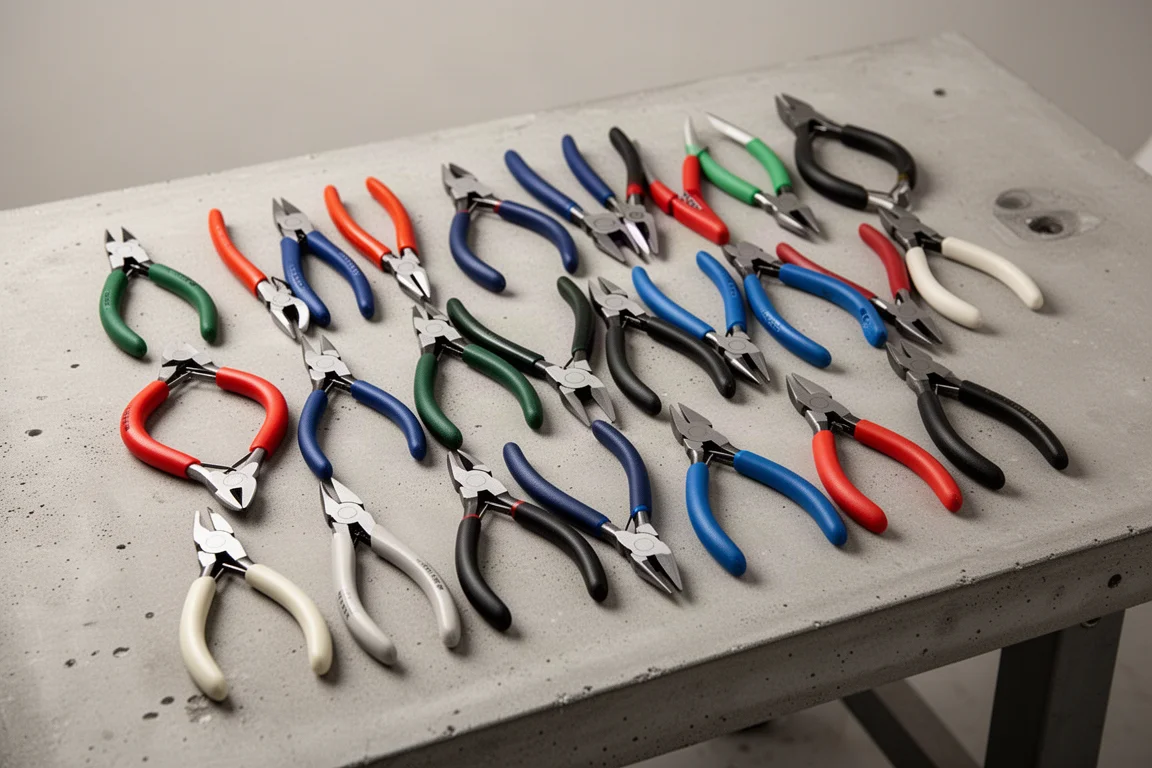
Best Diagonal Cutters 2026: 16 Pliers Tested for Cutting Power and Durability
We put 16 diagonal cutters through nail, screw, drill bit, and hex key tests to find the best value picks for your toolbox.
Hand Tools
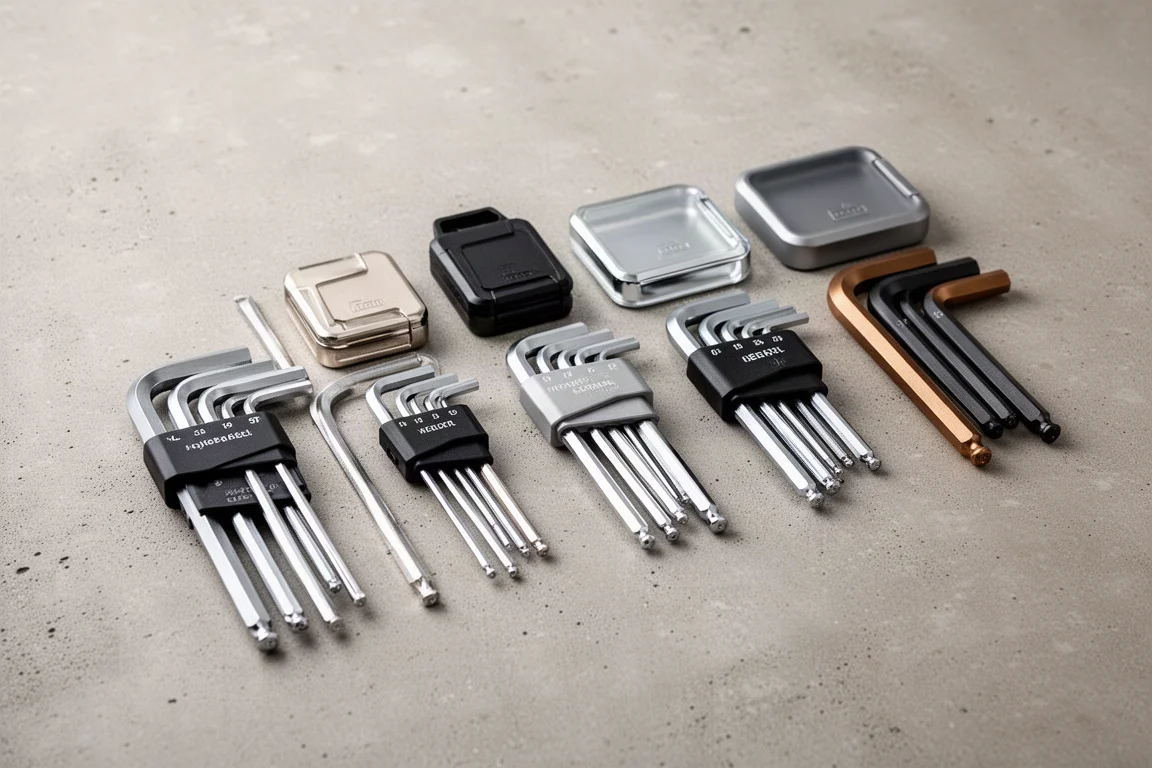
Best Hex L Key Sets 2026: Nine Sets Tested for Real-World Torque
Nine hex L key sets from budget to premium, tested for torque, fit, and durability. See which sets deliver real performance and which ones to skip.
Hand Tools
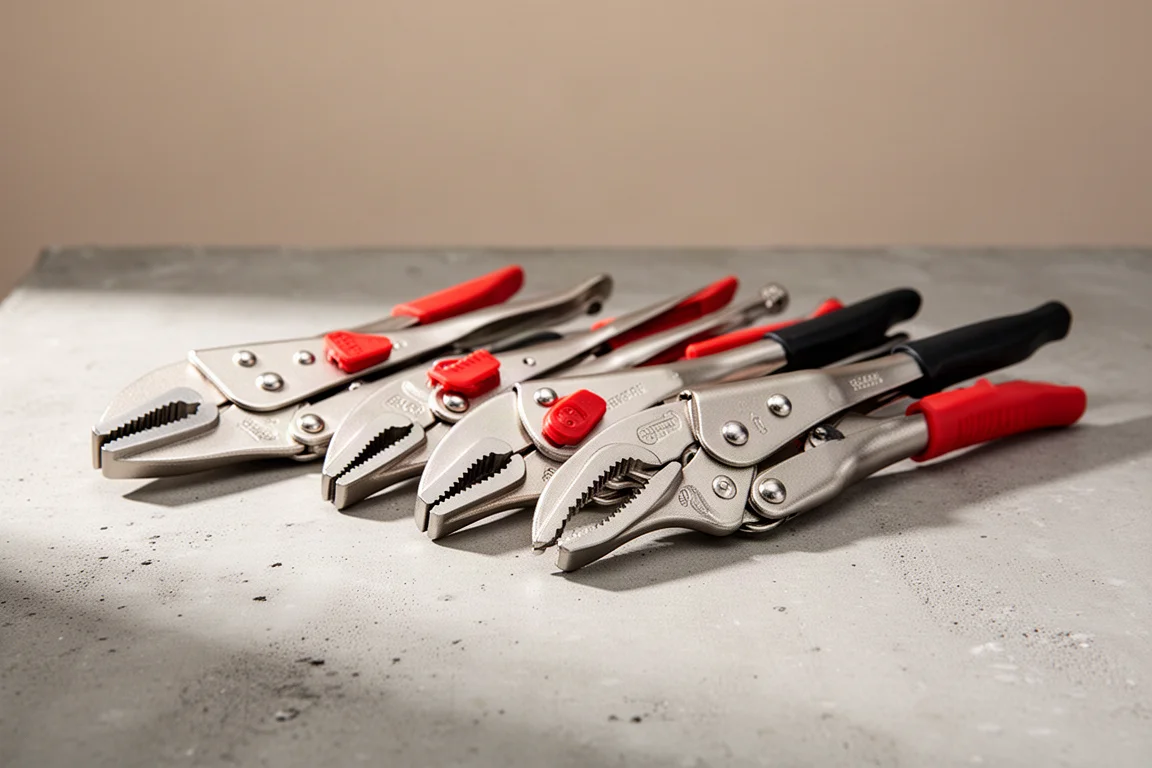
Best Locking Pliers 2026: Top Picks Tested for Grip and Durability
We tested 18 brands of 10-inch locking pliers for grip strength, jaw bite, build quality, and ease of release to find the best options for tough jobs.