Hand Tools
Knipex Cobra Extra Slim, Cobra 250, and Raptor: Which Pliers Do You Actually Need?
Three 250mm Knipex pliers with very different jobs. We compare the extra-slim Cobra, the standard Cobra, and the Raptor to help you pick the right one.
Introduction
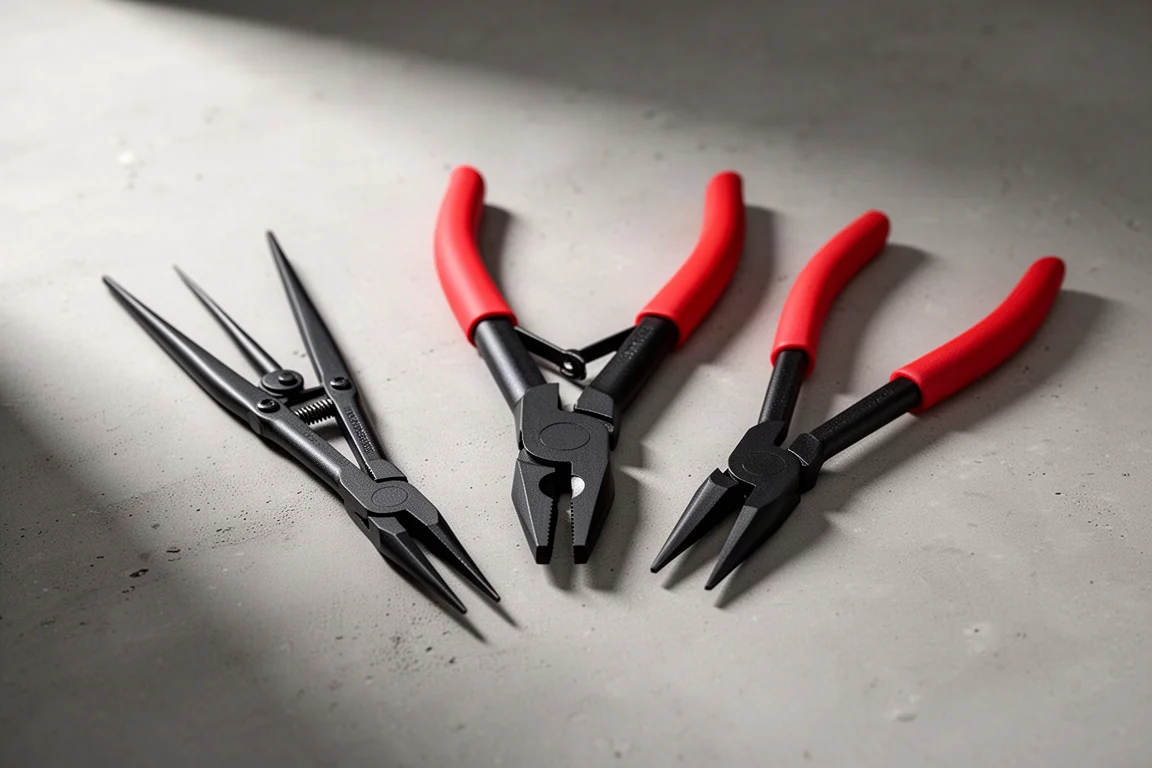
Knipex’s Cobra line has earned a near-mythical reputation among people who work with their hands, and the 250mm size is where most of that reputation lives. But the range is wider than many buyers realize, and picking the wrong variant can leave you with a tool that fights you on the jobs you actually do. Three models illustrate the split well: the Cobra 8751 250 extra slim, the Cobra 8701 250, and the Raptor 8741 250. Each grabs differently, each reaches differently, and each has a clear best use case.
Why the Cobra Design Is Different
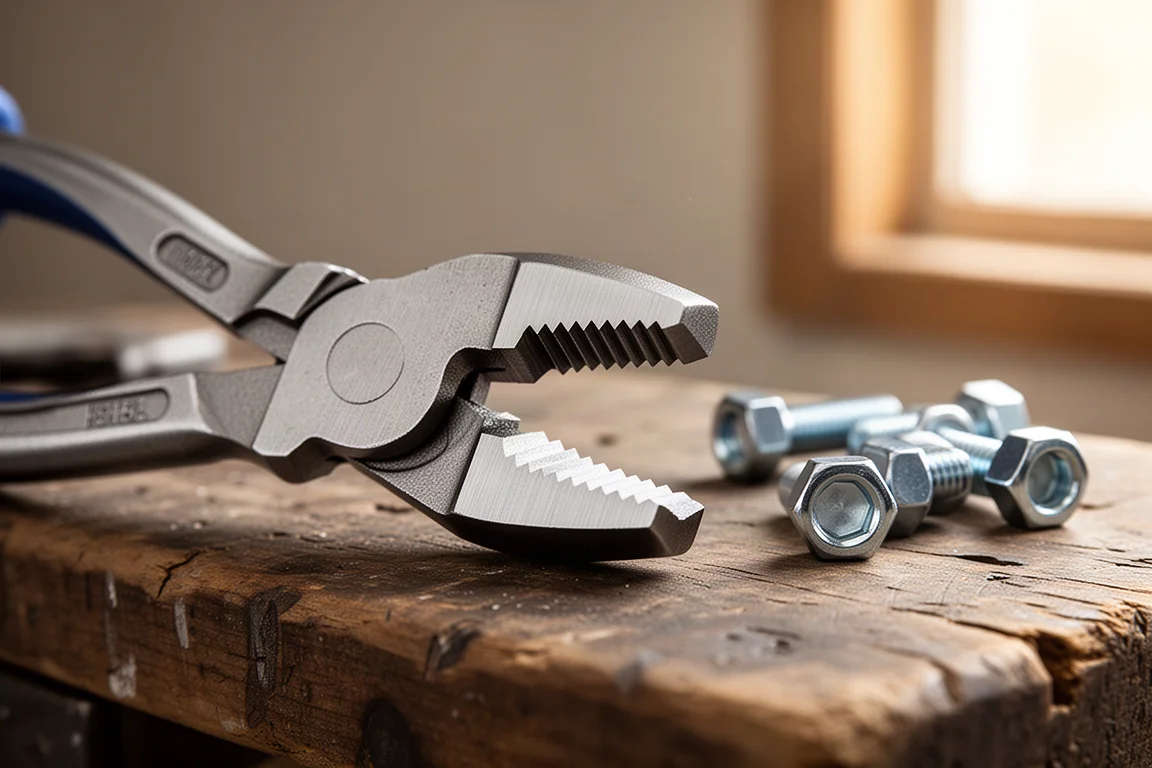
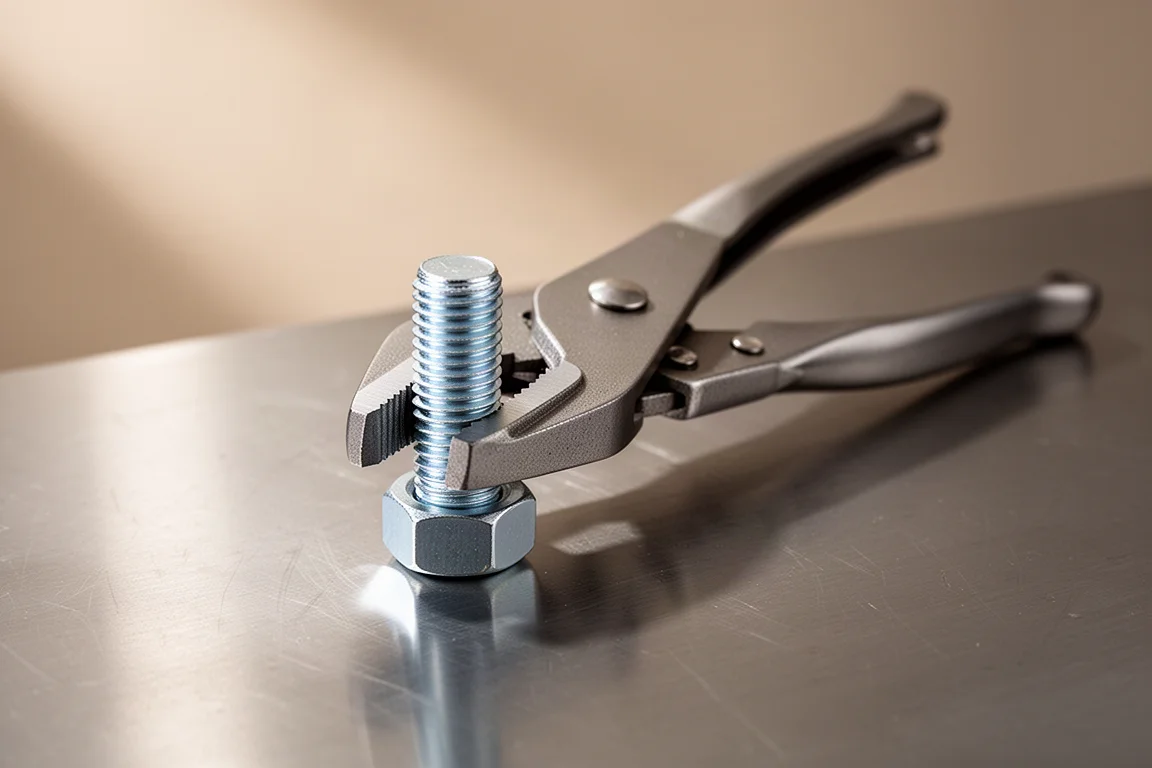
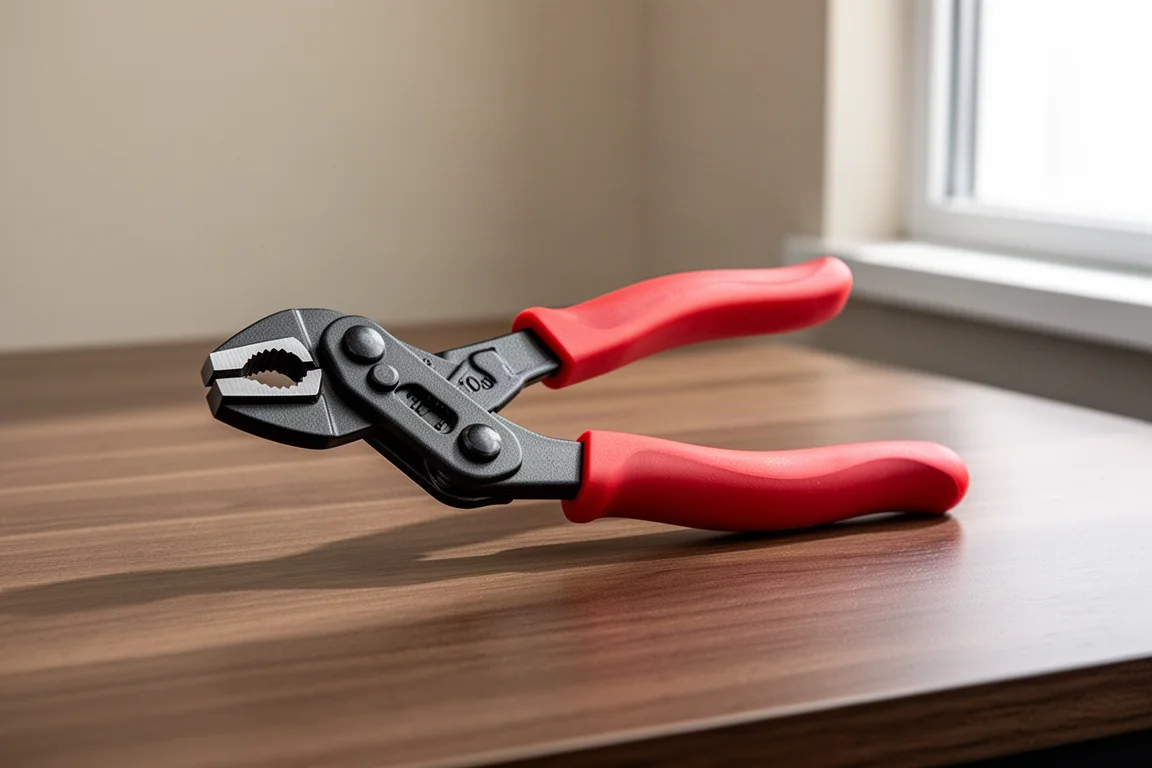
Before comparing the three, it helps to understand what makes a Cobra a Cobra. The signature feature is the angled, hardened gripping surface in the jaws, which bites into hex bolts, nuts, and round stock with an authority ordinary slip-joint pliers cannot match. The self-clamping action means pressure increases as you squeeze, so the fastener does not slip out as you turn.
There is also a naming quirk worth clearing up. Many people call this style of tool a water pump plier and assume it is named for working on water pumps. The more likely origin is the handle shape: traditional water pump pliers have handles resembling an old well pump handle. The Cobra’s flatter handles look nothing like that, which is why Knipex does not use the water pump label.
Knipex Cobra 8751 250: The Extra Slim Pliers
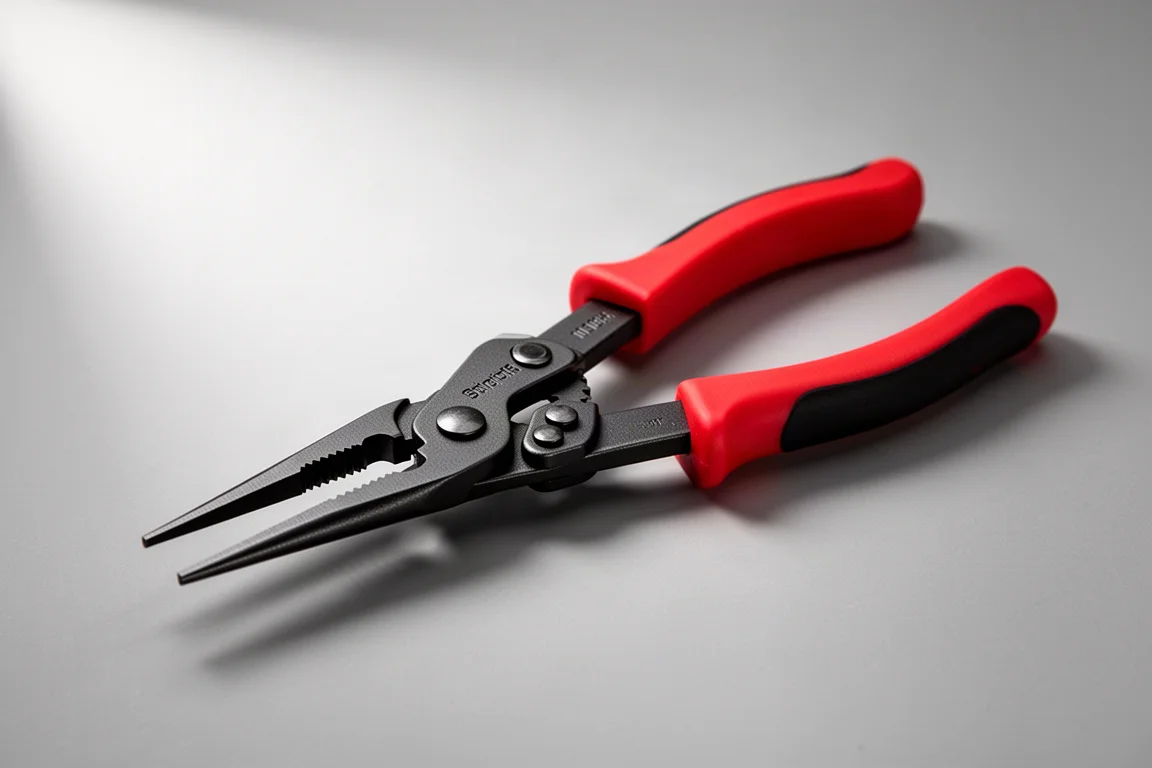
The 8751 250 keeps the famous Cobra gripping surfaces in exactly the same position as the standard model, then extends a long, narrow, needle-nose-style beak out in front. It is not slim in overall head width; the slimness is in the nose. The package lists a 10-inch extra slim plier with long narrow jaws, a 1-1/4 inch (32mm) jaw capacity, 32mm (34mm in hex), and 19 clicking adjustment positions.
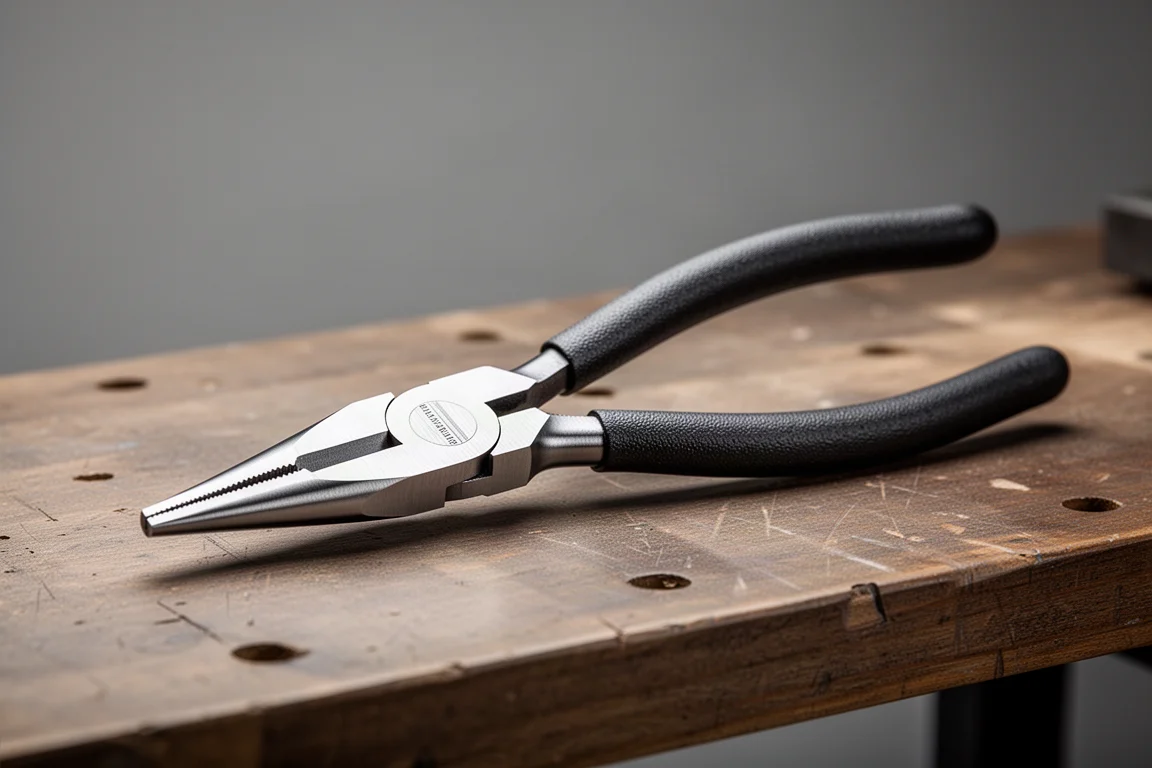
The point of that extended beak is versatility. In real work, a standard Cobra is superb at what it does and weak at what it does not: fine grabbing, reaching past obstructions, and the kind of precision work a traditional needle-nose or slip-joint plier handles. The extra slim adds some of that traditional plier behavior in front of the Cobra grip, so one tool can cover two needs.
There is a trade-off, and it matters. Because the beak sticks out well past the gripping surfaces, you can run out of swing clearance. Grabbing a bolt that sits close to another component can block rotation in a way the standard Cobra shrugs off. Electronics and aviation work, where the slim reach is a deliberate requirement, are natural fits. Confined plumbing work, such as turning a pipe near a wall, is where the extra length can work against you.
Knipex Cobra 8701 250: The Industry Standard
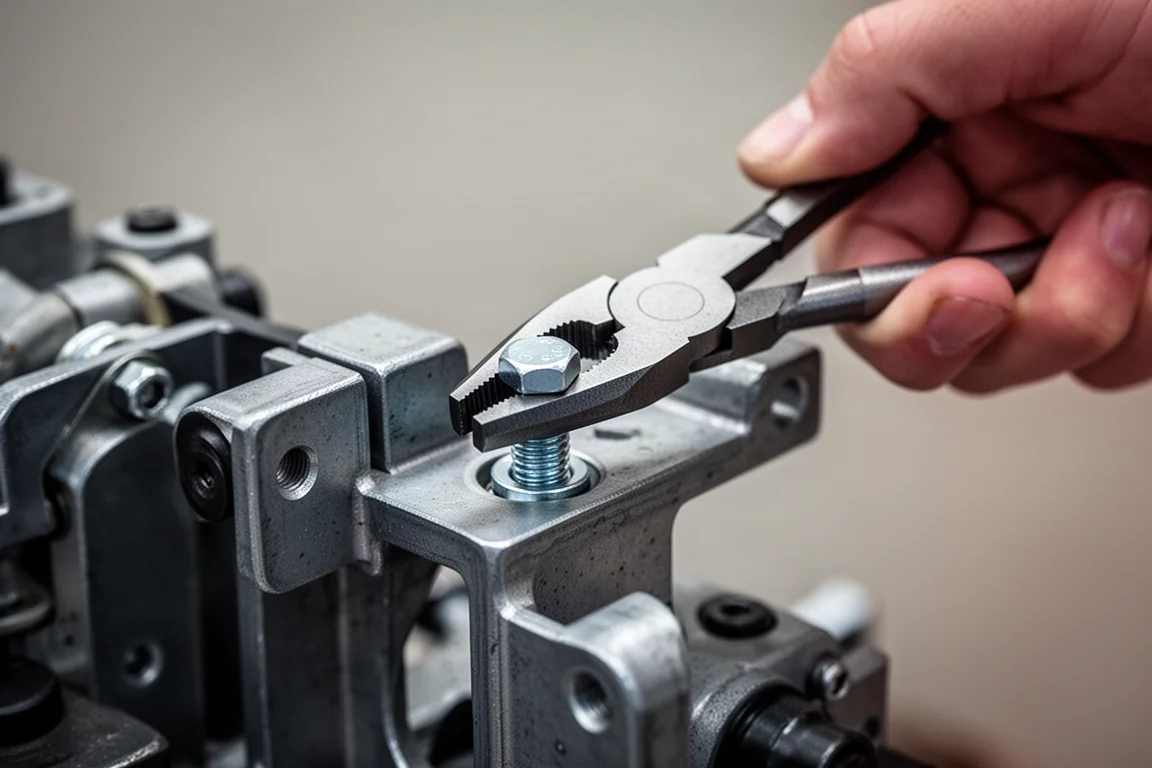
The 8701 250 is the Cobra most people picture when the name comes up. Laid over the extra slim, the two are nearly identical up to the gripping area, then diverge: the extra slim’s beak continues much further forward, while the standard Cobra ends sooner. That shorter nose is exactly why the standard model rotates a fastener more freely in tight quarters, grabbing right up front in either direction.
If your work is mostly fastener grabbing, holding round stock, and general mechanical duty, this remains the safest pick. It does the core Cobra job without any compromise, and the extra reach of the 8751 buys you nothing if you rarely need it.
Knipex Raptor 8741 250: The Confined-Space Specialist
The Raptor 8741 250 sits at the opposite end of the philosophy. Its slim, tapered profile is built for getting powerful grip into spaces where neither Cobra variant can operate. Where a bolt sits so close to surrounding hardware that even the standard Cobra cannot swing, the Raptor can seat its jaws and turn with real force.
That same slimness makes it a poor general-purpose substitute: it is not the tool for broad fastener work in open space. But for manipulating fasteners and components in tight, obstructed areas, it does what the Cobras cannot, and it complements them rather than replacing them.
Buying Advice: Matching the Pliers to the Job
The cleanest way to decide is to think about your clearance, not your tasks. If you often reach fasteners that sit close to walls, panels, or other hardware, the standard Cobra 8701 250 handles them without fuss, and the Raptor 8741 250 covers the truly tight spots. If you regularly alternate between Cobra-style heavy gripping and the finer precision work of a traditional plier, and your workspace has room for the longer beak, the extra slim 8751 250 is a genuinely useful two-in-one and one its owners tend not to regret.
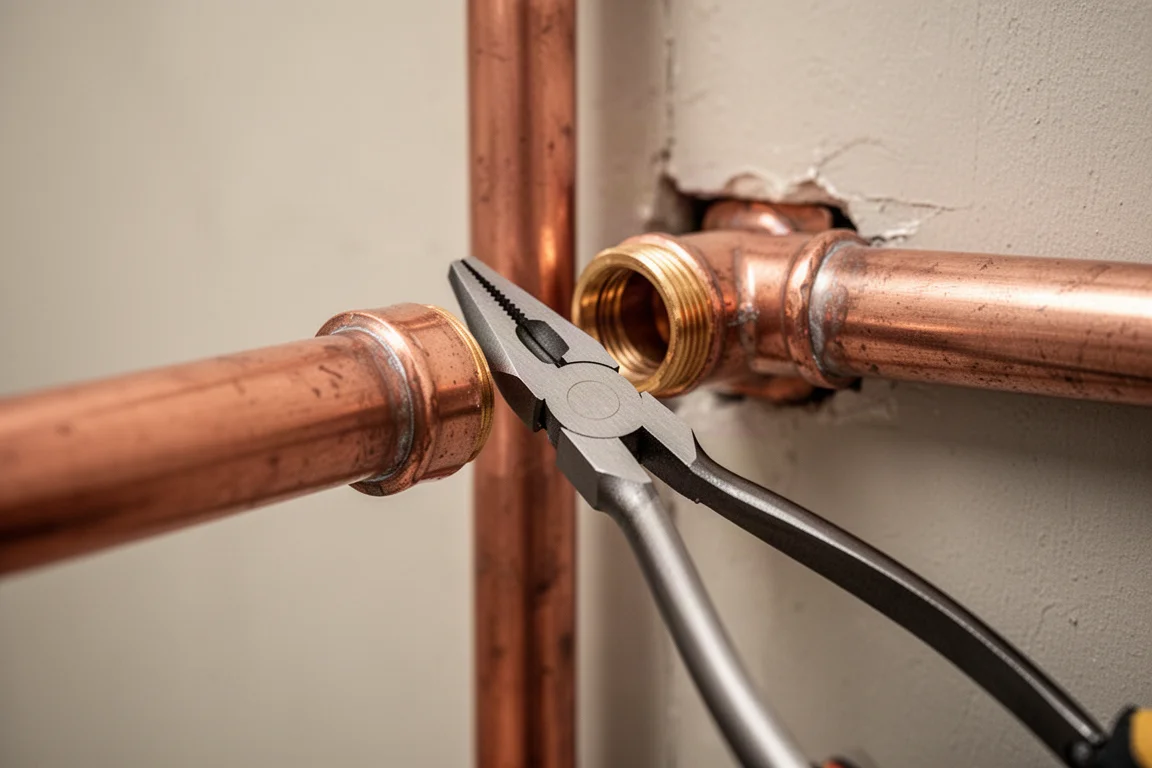
One practical caution: do not buy the extra slim expecting it to beat the standard Cobra at everything. In some tasks, particularly confined rotation work, it can be worse, and the standard model may serve you better.
Conclusion
All three are well-made 250mm pliers, but they answer different questions. The Cobra 8701 250 is the confident default for fastener grip. The Cobra 8751 250 extends that grip with a needle-nose-style reach for mixed-duty work with clearance to spare. The Raptor 8741 250 trades reach-back for access in the tightest spots. Choose based on the space your fasteners live in, and any of the three will feel like a well-made decision.
Further reading
Related Reviews
Hand Tools
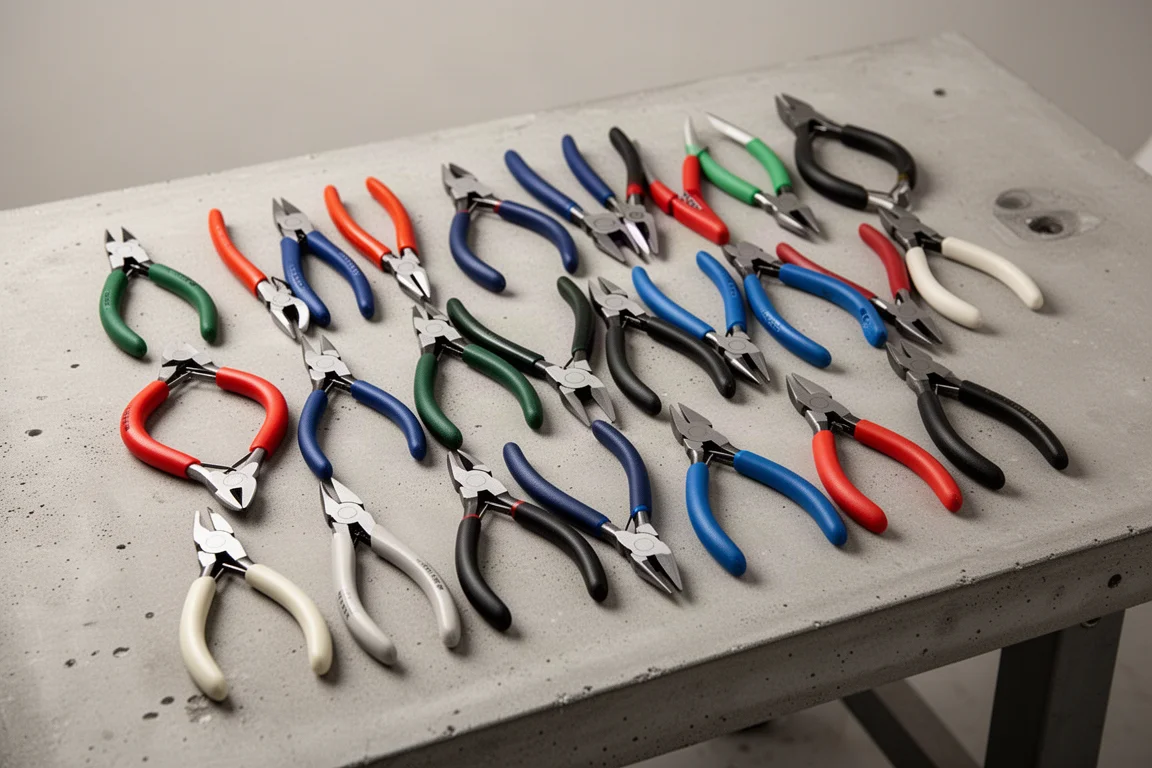
Best Diagonal Cutters 2026: 16 Pliers Tested for Cutting Power and Durability
We put 16 diagonal cutters through nail, screw, drill bit, and hex key tests to find the best value picks for your toolbox.
Hand Tools
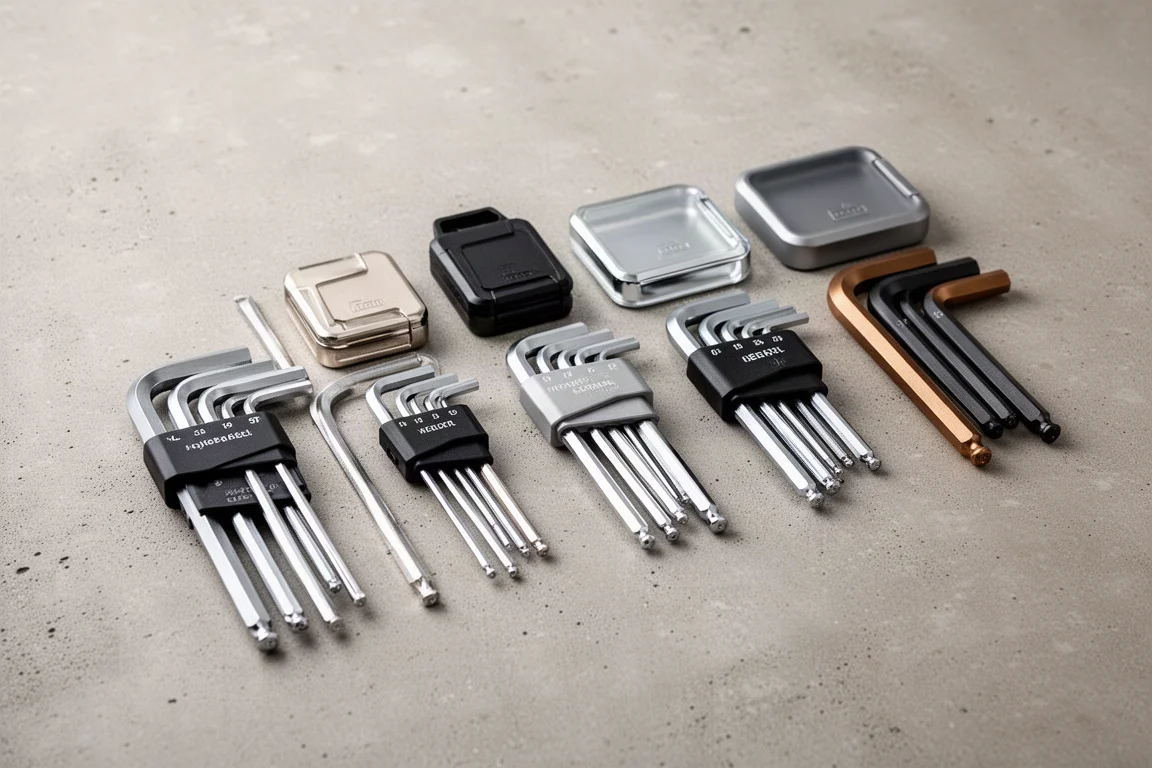
Best Hex L Key Sets 2026: Nine Sets Tested for Real-World Torque
Nine hex L key sets from budget to premium, tested for torque, fit, and durability. See which sets deliver real performance and which ones to skip.
Hand Tools
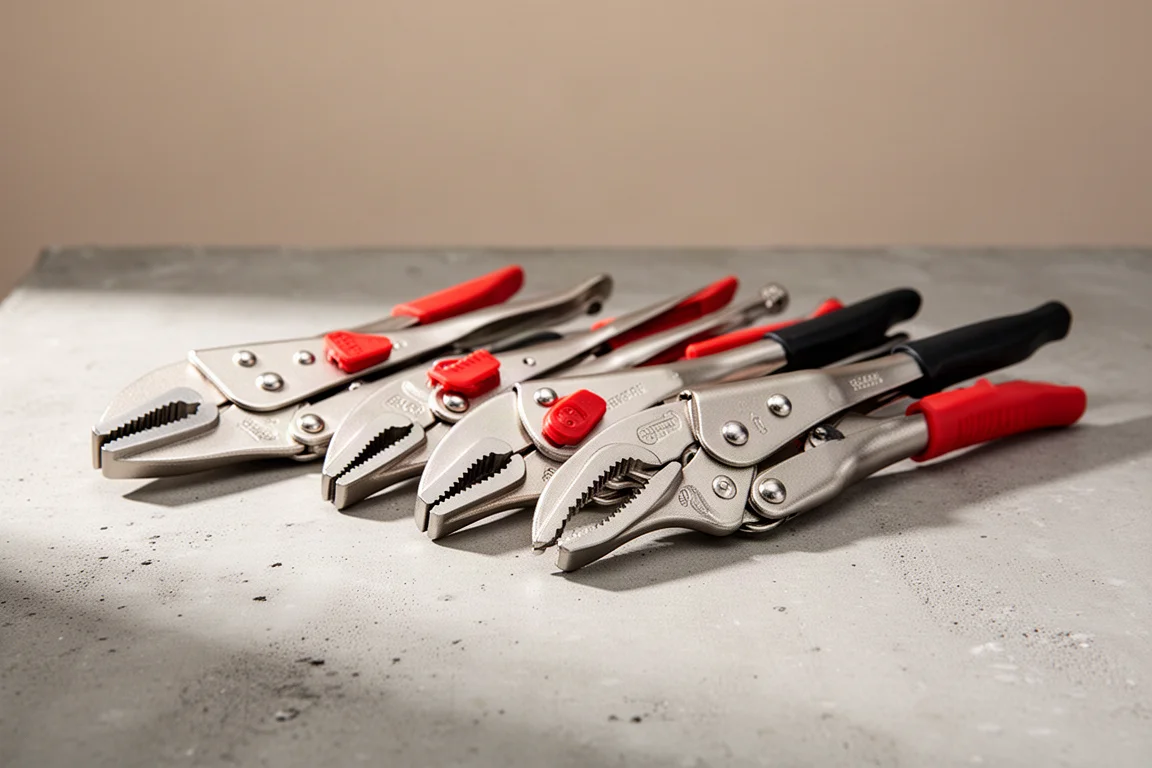
Best Locking Pliers 2026: Top Picks Tested for Grip and Durability
We tested 18 brands of 10-inch locking pliers for grip strength, jaw bite, build quality, and ease of release to find the best options for tough jobs.