Hand Tools
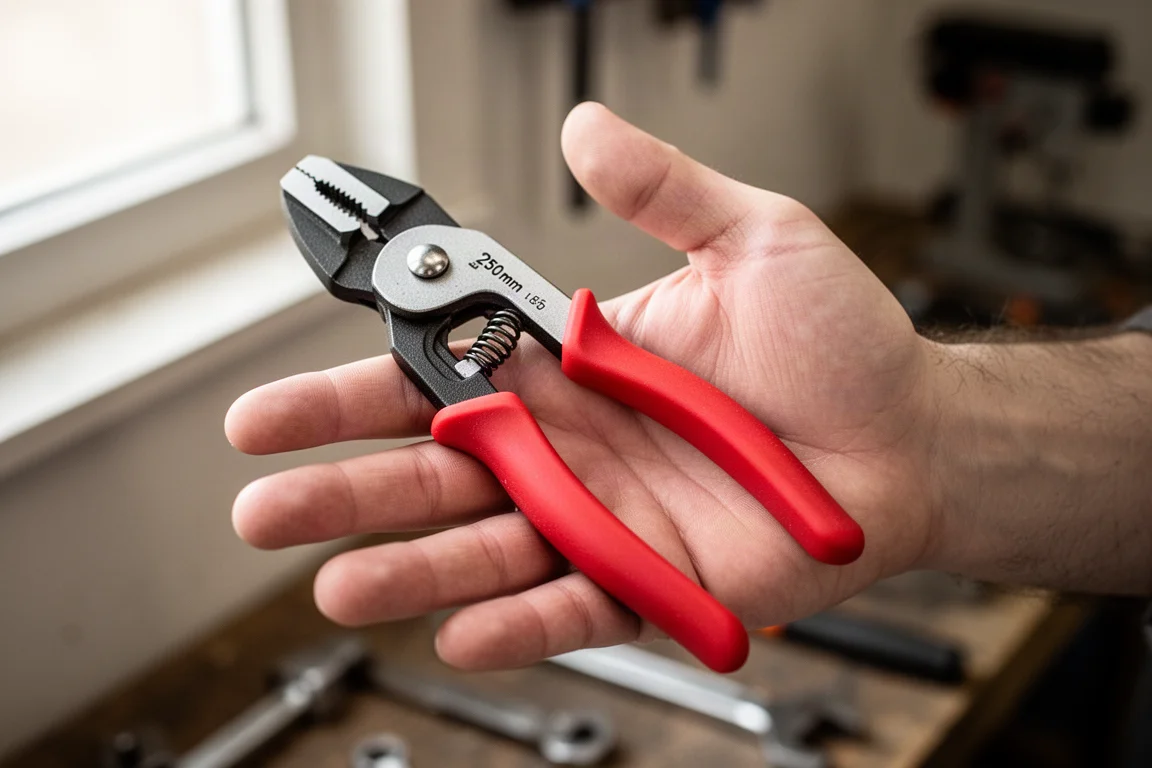
Knipex Cobra 250 Review: Why the Handle You Choose Matters More Than You Think
A closer look at the Knipex Cobra 250 and how Knipex's handle options, from smooth dip to multi-component comfort grip, change the way these pliers feel and perform.
Introduction
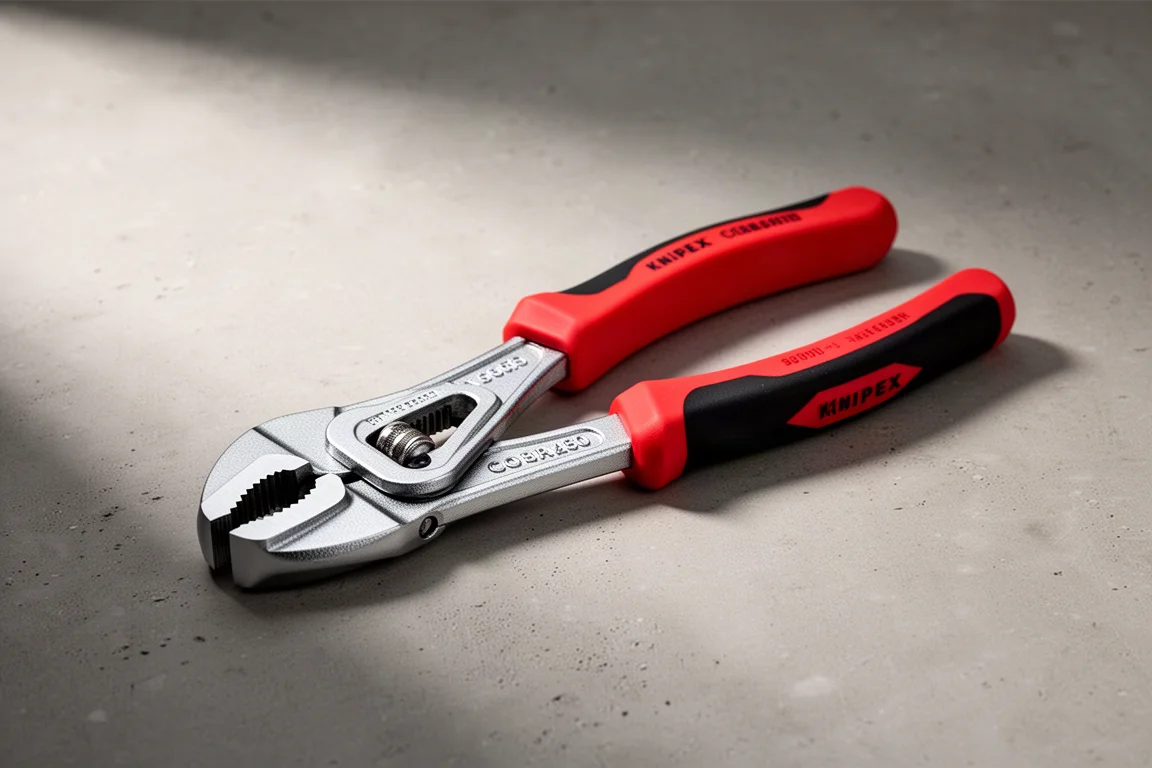
Knipex makes a lot of pliers, and many of those models come in several different handle options. Comparing the smooth dip plastic, the textured dip, the multi-component comfort grip, and the VDE-rated handles can be confusing, especially when the prices jump around from one retailer to the next. The Cobra 250 sits right in the middle of that conversation: a compact water pump plier that has earned a reputation as one of the handiest sizes in the range. This review walks through how the handle you pick changes the experience, and why the Cobra 250 with the comfort grip is such a satisfying choice.
Who These Pliers Are For
The Cobra 250 is a compact water pump plier aimed at people who want serious gripping and cutting power in a small package. It works well for electricians, plumbers, mechanics, and general fix-it users who carry tools in a bag or on a belt rather than in a rolling toolbox. If your work trends toward finer, more precise tasks, a thinner handle keeps you in closer contact with the tool and supports finer motor control. If your work trends toward heavier jobs in a small tool, a thicker comfort grip gives you more to hold onto, which matters when you are biting down on harder metal with a plier this size.
The Handle Is Your Only Contact With the Tool
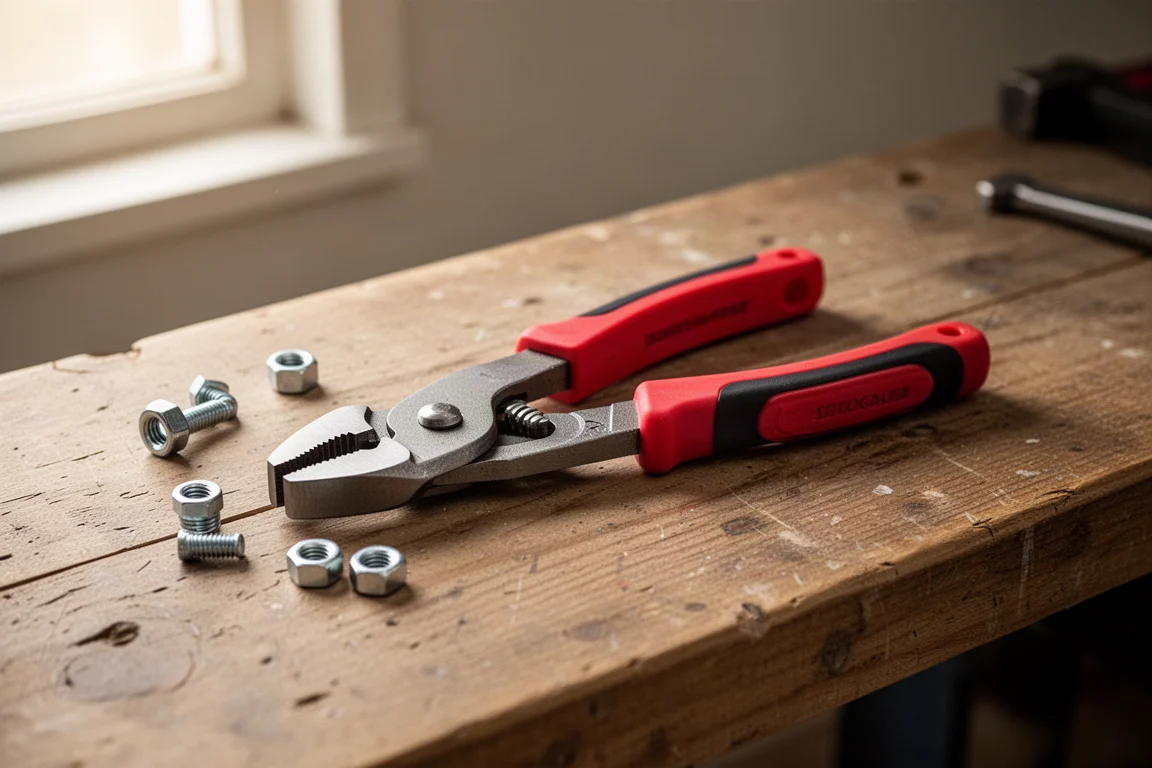
A plier handle is like the tire on a truck: it is the only part that actually touches you, so it shapes the entire experience. Knipex offers several handle styles, and each has trade-offs:
- Smooth dip plastic: easy to wipe clean and pleasant to hold, but it can feel slippery in some situations.
- Textured dip plastic: better grip security, but it dings and scratches more visibly over years of hard use.
- Multi-component comfort grip: two different plastics forming a thicker, softer handle. Harder to clean, but far more comfortable under force.
- VDE rated: a comfort grip that also meets a German electrical standard for voltage protection and electrostatic discharge. It costs more because you are paying for the standard and its testing.
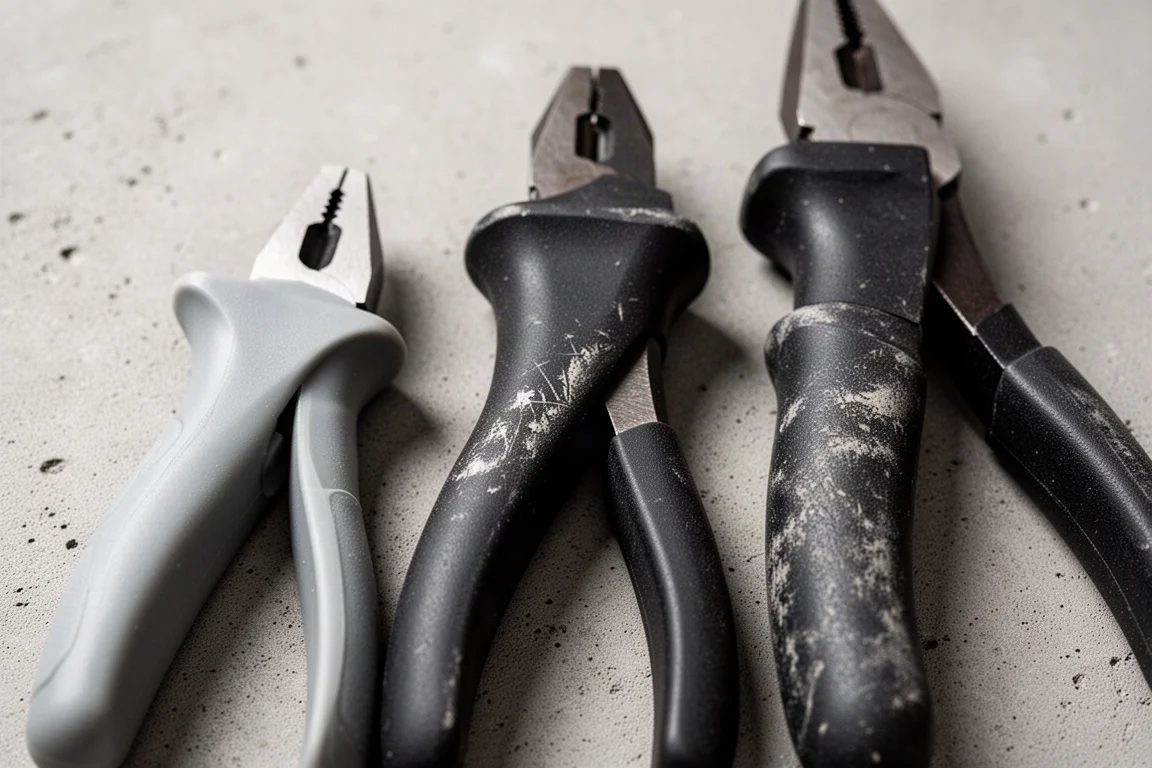
Worn handles tell an interesting story over time. An older textured dip handle that has seen years of use can wear down until it feels nearly as smooth as the smooth dip version, while the dips on Knipex handles hold up remarkably well compared with other brands that peel from the top once damage starts.
Gloves Change the Equation
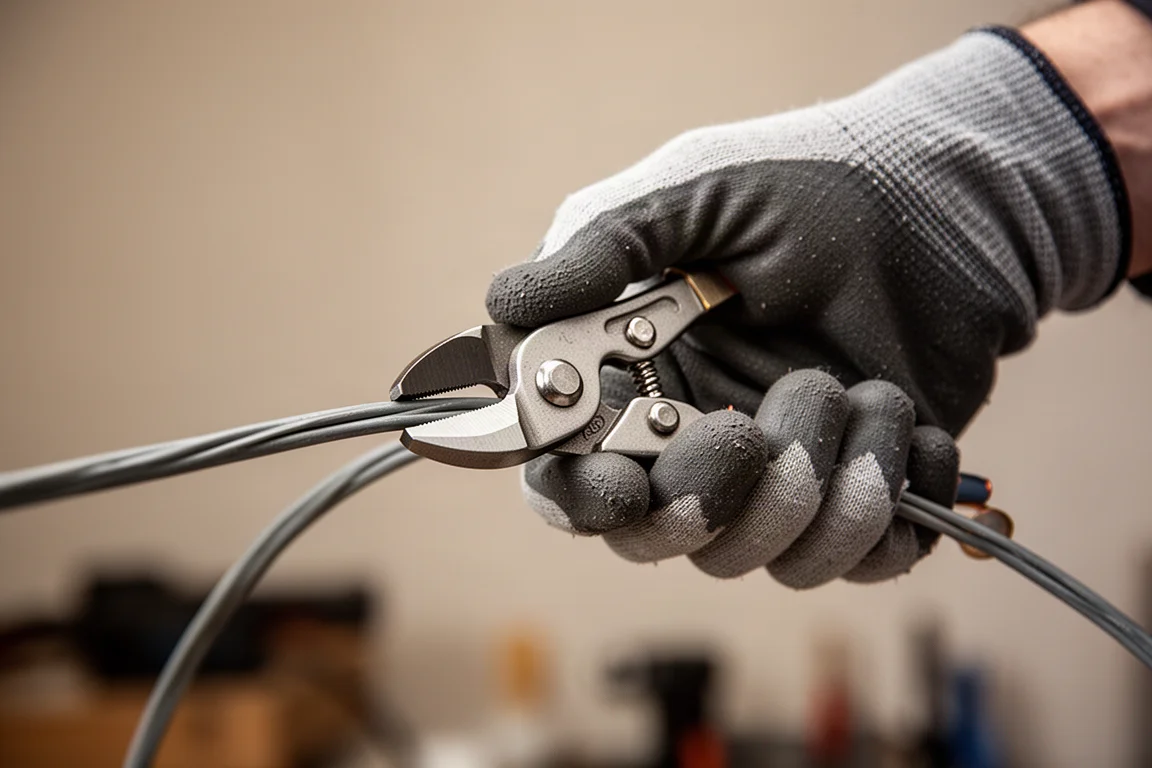
A side cutter or small bolt cutter generates a lot of force, and there is usually a snap when the cut completes. It might seem that a comfort grip would help there, but if you use those tools as intended, you are probably wearing gloves. Gloves absorb some of that snap and pop, which reduces the benefit of a thicker handle on those specific tools. For cutters used for more than one cut at a time, the difference between handle styles shrinks considerably once gloves are involved. The same logic applies in cold weather: the plastic handles insulate against heat and cold, which can matter pulling pliers out of a frozen toolbox, but if it is that cold you are probably wearing gloves anyway.
Size and Handle Thickness: Precision Versus Leverage
Handle thickness and hand size matter more than most people expect. Comparing the same plier style in the thinnest and thickest handles shows a real difference: the thicker handle lets you apply more force and softens the snap when cutting. On a heavier-duty small plier, the comfort grip is worth having at a minimum, because coarse work in a tiny plier otherwise hurts your hand, much like trying heavy work with the pliers on a multitool.
The Cobra 250 hits a sweet spot. It is small enough for precision-minded users but not so small that a comfort grip loses its value. For anyone who wears large to extra-large gloves, smaller handles can practically disappear in the hand, and having a bit more to bite on makes the tool easier to grab in a hurry. The comfort grip version typically carries a price premium of around ten dollars over the dipped version, though prices on Knipex pliers fluctuate widely, and the comfort grip sometimes sells for the same price or less.
Buying Advice
Choose your handle based on three questions. First, what is the plier for? Cutting-heavy work with gloves on makes the handle less critical. Second, how does it interface with your hand? Bigger hands benefit from the thicker comfort grip, and anyone who aches after using thin-handled pliers without gloves will appreciate the extra material. Third, are there secondary concerns that should become primary? If you work around live circuits, VDE rating moves from optional to essential. Cleaning is another consideration: dipped handles wipe clean more easily, which matters more in oily environments than in a dry workshop. Durability across all handle styles is strong; the dipped grips hold up for years of hard use and can even be re-dipped when they eventually wear.
Conclusion
The Knipex Cobra 250 with the multi-component comfort grip is a genuinely handy compact water pump plier, especially for users with larger hands or anyone doing heavier work with a small tool. The handle choice is ultimately personal, but it deserves more thought than it usually gets: match it to the job, your hand, and any safety requirements, and the Cobra 250 will reward you every time you reach for it.
Product link
View more details for Knipex Cobra 250
This product is mentioned in the review. Check the specifications, options, and compatibility before buying.
View more details for Knipex Cobra 250Further reading
Related Reviews
Hand Tools
Best Diagonal Cutters 2026: 16 Pliers Tested for Cutting Power and Durability
We put 16 diagonal cutters through nail, screw, drill bit, and hex key tests to find the best value picks for your toolbox.
Hand Tools
Best Hex L Key Sets 2026: Nine Sets Tested for Real-World Torque
Nine hex L key sets from budget to premium, tested for torque, fit, and durability. See which sets deliver real performance and which ones to skip.
Hand Tools
Best Locking Pliers 2026: Top Picks Tested for Grip and Durability
We tested 18 brands of 10-inch locking pliers for grip strength, jaw bite, build quality, and ease of release to find the best options for tough jobs.