Hand Tools
Knipex Alligator vs Cobra Pliers: Which Mechanism Makes More Sense?
The 400mm Knipex Alligator is one of the biggest pliers the brand makes, but how does its simpler mechanism hold up against the more intricate Cobra when things get dirty?
Introduction
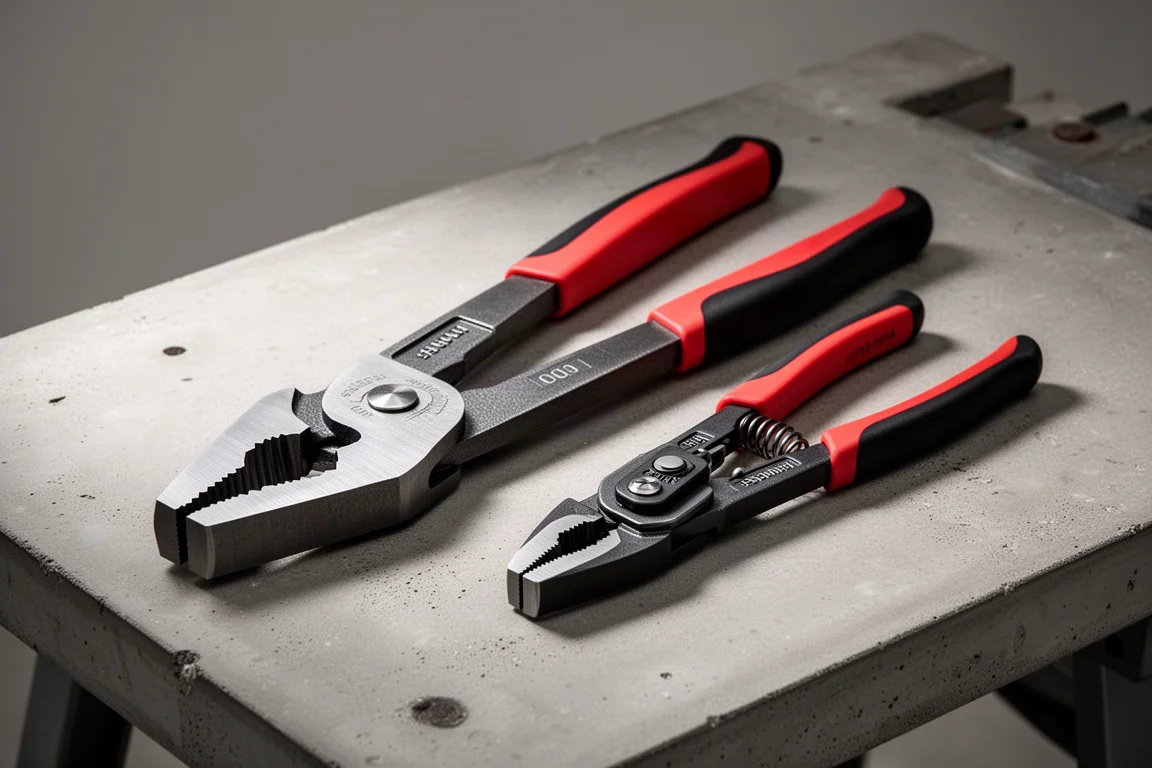
Tongue-and-groove pliers have been around for a long time, and the basic design has proven itself across generations of trade work. Knipex currently keeps two approaches in production: the Alligator, with a simpler mechanism, and the Cobra, with a more refined one. The 400mm Alligator is one of the biggest pliers Knipex makes, second only to a 560mm Cobra in that family, which raises a fair question: why buy the older design at all?
Why the Alligator Still Exists
The Alligator mechanism predates the Cobra and is, by comparison, simpler and more primitive. The Cobra’s mechanism is more intricate but requires at least four additional parts: the push button, the teeth lock, the spring, and a way to attach that spring. A design that needs fewer parts can be easier to keep working, which may explain why the Alligator remains in production alongside its more advanced sibling.
At the front end, the two are essentially the same. Both have fairly large jaws with refinement at the tip for grabbing small items, the traditional trapezoid tooth pattern Knipex is known for, which grips hex fasteners and round pipe thanks to the angles of the teeth, and teeth near the pivot for grabbing things very close in, such as chain, cable, or fish tape, or simply for crushing whatever fits. The 400mm Alligator also opens up hugely wide, which matters on large pipe and fittings.
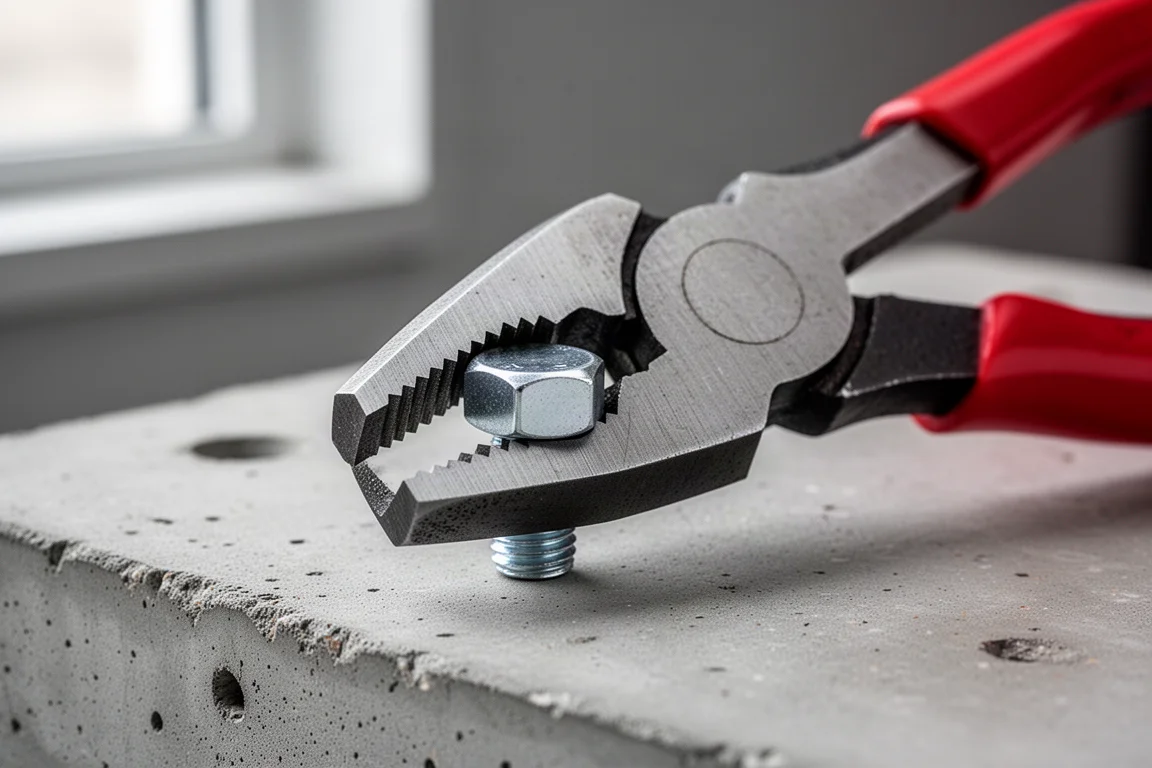
Traditional tongue-and-groove pliers in the style of Channellock have been reliable for decades, though they can be a little hard to adjust, and if the ramp mechanism gets caught between the grooves, the jaws can spread. That long track record of reliability is part of the case for the Alligator’s simpler design.
The Dirty-Environment Test
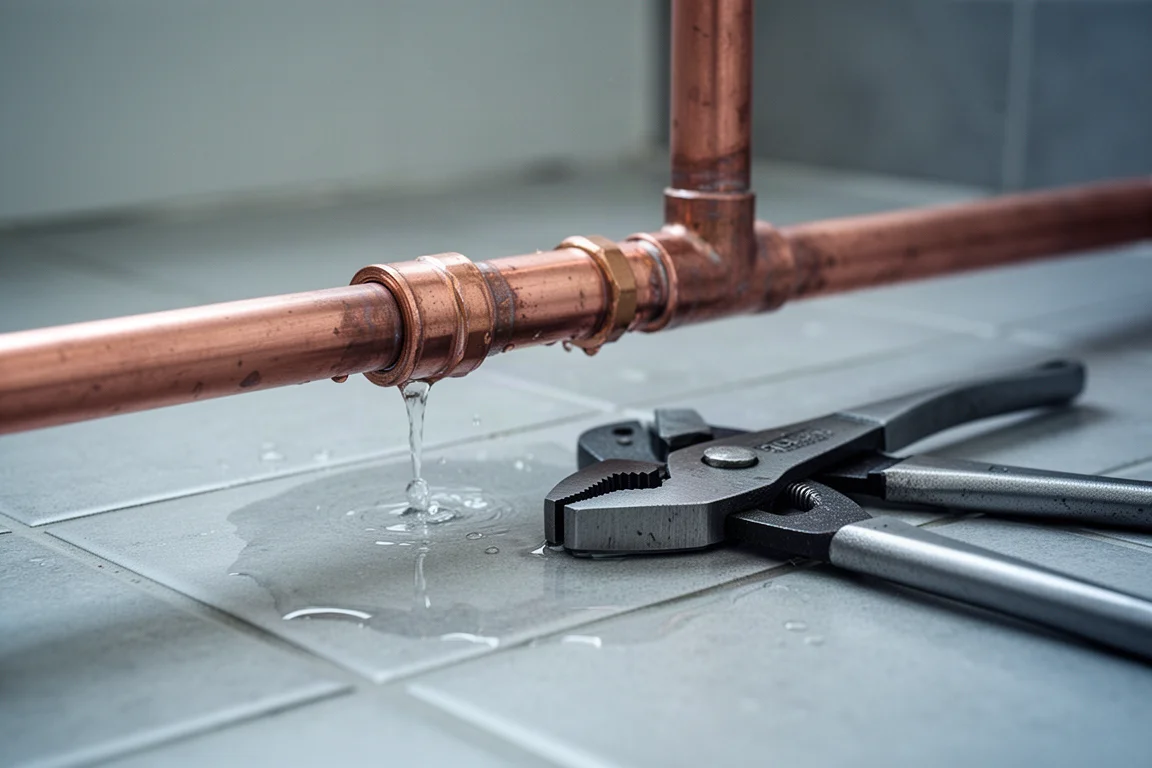
To see whether the simpler mechanism really is more durable in harsh conditions, both designs were packed with dirt, grit, and water, the kind of conditions you’d face doing plumbing on a leaking line where tools inevitably get gooey.
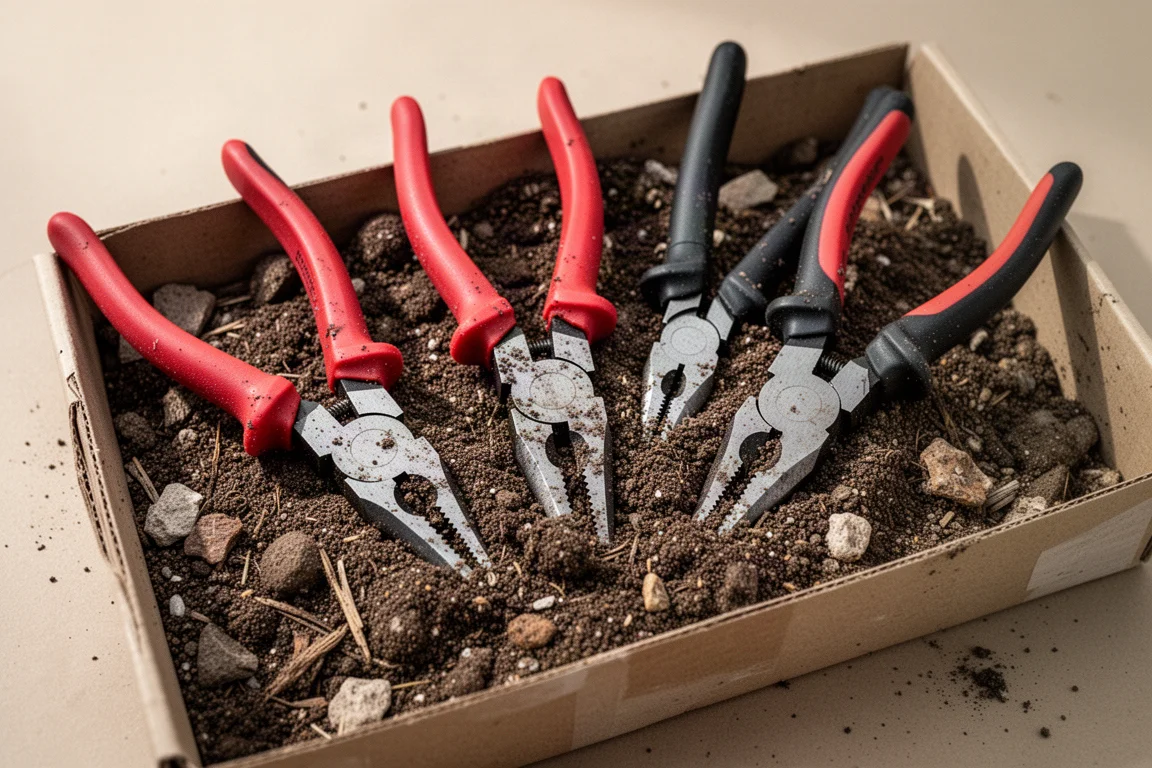
In light dirt, both worked fine with little difference. The Channellock-style pliers cleaned up and worked okay, and the Cobras knocked the dirt off and kept functioning. The Alligators behaved much like the traditional pliers, which suggested the dirt test alone would not settle the question.
Adding water changed the picture. Wet, muddy grit is a common reality for plumbing work, and this is where the mechanisms started to separate.
How Each Design Handled the Muck
The smaller Cobra began to struggle once packed with wet soil, working but clearly laboring. The small Alligators also had their quirks, with one older unit suffering a sticky adjustment that seemed to be a tolerance issue rather than a dirt problem.
The big Alligator 400mm was a surprise: with plenty of clearance in its larger mechanism, it ran smoother than the Cobra even when filthy. The Cobras, though, held up remarkably well overall. A larger Cobra pushed through thick muck with a tight spring still managing to work, and even when it gummed up mid-adjustment, it managed to pop free and keep going.
In the end, the verdict leaned toward the Cobra: in genuinely messy, wet conditions, the Cobra kept working just fine, and there would be no hesitation bringing a Cobra into a dirty environment. The Alligator’s simpler mechanism showed its strength in lighter dirt and in the big 400mm size, where its generous clearances made it feel smoother than anything else tested.
Cobra: The More Refined Mechanism
The Cobra’s extra complexity is real, but the testing showed it pays off where it counts. Even when packed with grit and water, the push-button adjustment and spring-loaded mechanism kept functioning, and in the direct comparison the Cobra beat the Alligator in the muddier conditions.
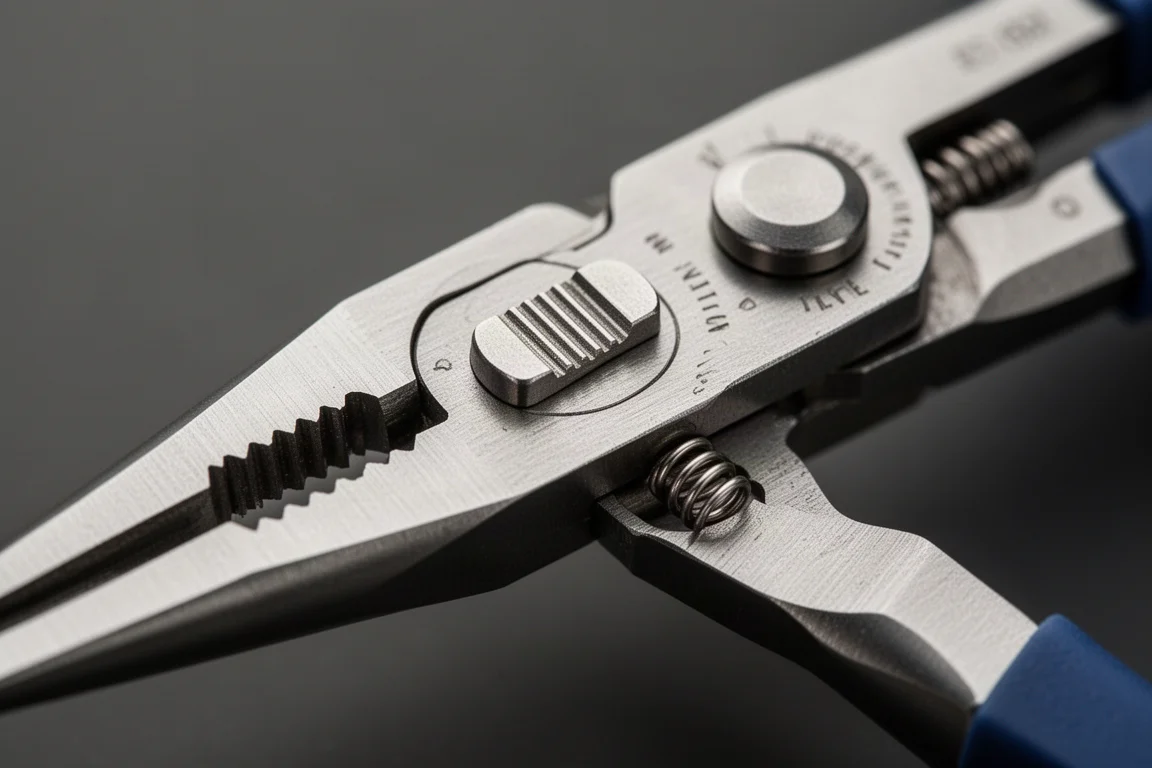
For anyone weighing the two, the takeaway is that the Cobra’s four extra parts are not a weakness in practice. The Alligator remains a sensible, possibly more durable choice in certain environments, but the Cobra earned the win in this head-to-head.
Which One Should You Buy?
If you work in messy, wet conditions regularly, the Cobra is the safer pick. It shrugged off dirt and water better than expected and still adjusted smoothly when fouled.
If you want a big, wide-opening plier for large pipe and heavy gripping work, the 400mm Alligator is genuinely impressive. Its simpler mechanism had plenty of clearance, ran smooth even filthy, and suits anyone who values a proven, part-light design.
Conclusion
Both designs earn their place. The Cobra is the more refined mechanism and won the dirty-environment test outright, while the Alligator, especially at 400mm, offers a smoother feel in large sizes and a simpler mechanism that has kept it in production for good reason.
Product link
View more details for Knipex Alligator Pliers 400mm
This product is mentioned in the review. Check the specifications, options, and compatibility before buying.
View more details for Knipex Alligator Pliers 400mmFurther reading
Related Reviews
Hand Tools
Best Diagonal Cutters 2026: 16 Pliers Tested for Cutting Power and Durability
We put 16 diagonal cutters through nail, screw, drill bit, and hex key tests to find the best value picks for your toolbox.
Hand Tools
Best Hex L Key Sets 2026: Nine Sets Tested for Real-World Torque
Nine hex L key sets from budget to premium, tested for torque, fit, and durability. See which sets deliver real performance and which ones to skip.
Hand Tools
Best Locking Pliers 2026: Top Picks Tested for Grip and Durability
We tested 18 brands of 10-inch locking pliers for grip strength, jaw bite, build quality, and ease of release to find the best options for tough jobs.