Tool Reviews
Knipex 8551 180 vs Snap-on 47 ACF Hose Clamp Pliers: Which One Earns a Spot in Your Bag?
A hands-on comparison of two hose clamp pliers, covering jaw design, grip security, small-clamp performance, and overall value.
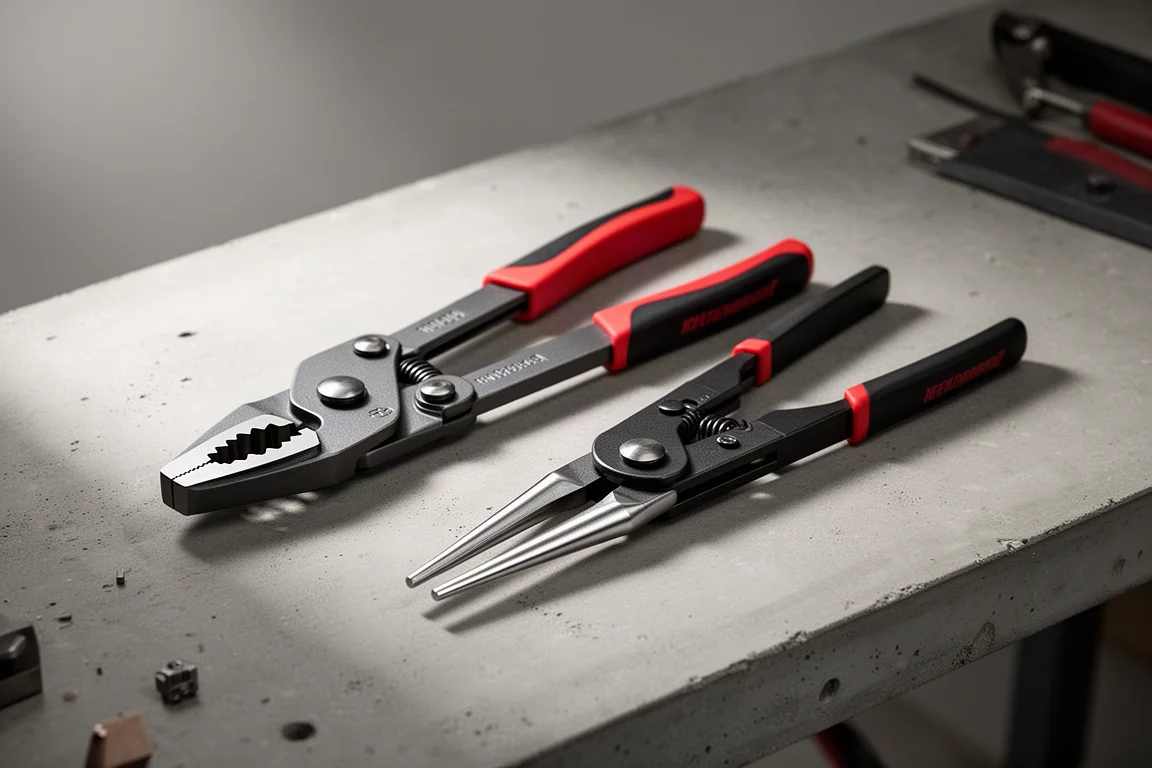
Introduction
Hose clamp pliers look like a simple one-job tool, but the differences between two popular options turn out to matter a lot in real use. The Knipex 8551 180 has been around as a purpose-built hose clamp tool, while the Snap-on 47 ACF is a cheaper alternative based on the company’s conventional slip joint pliers. After working with both side by side on various clamp styles, the trade-offs between them are clear, and the more expensive option earns its price in several important ways.
Jaw Design and Grip Security
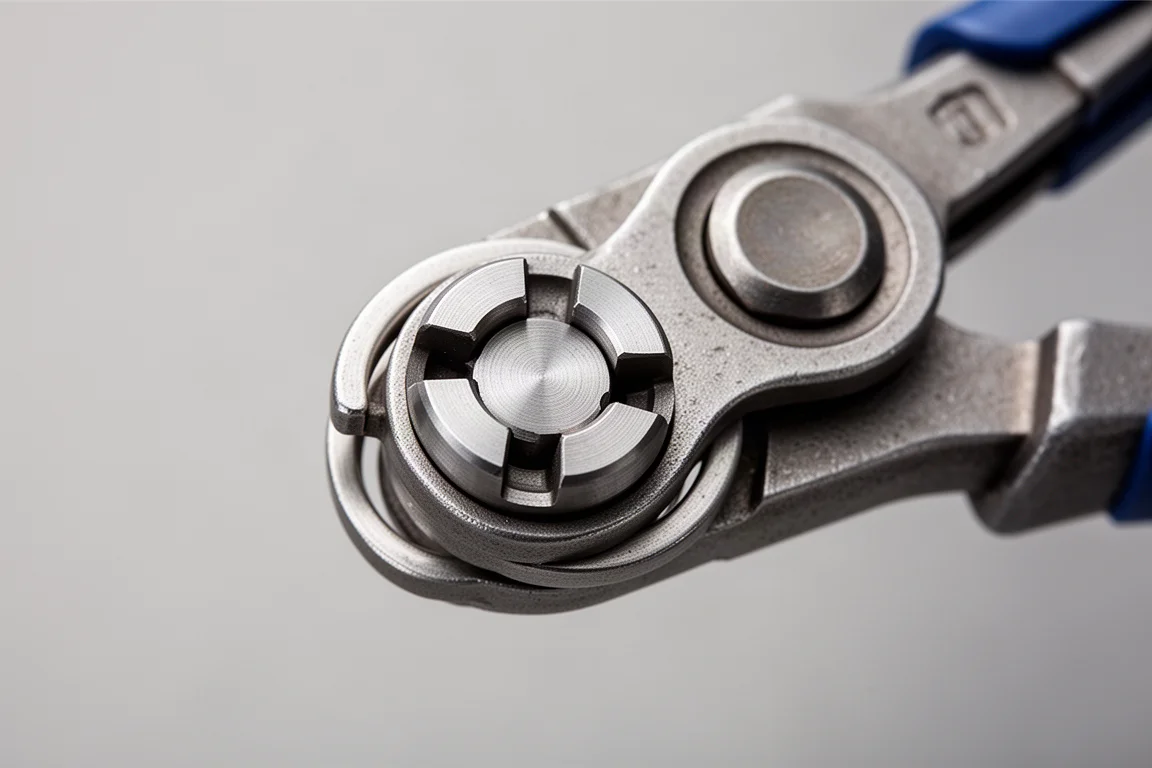
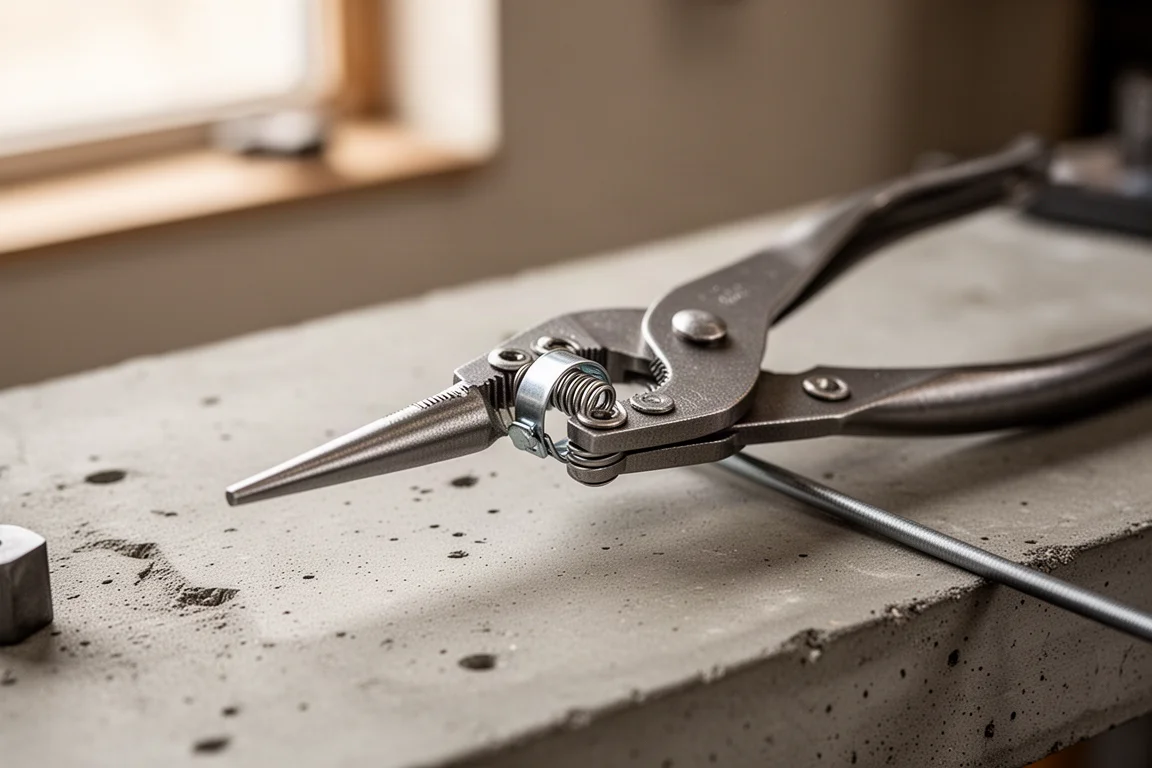
The biggest difference is in the jaws. The Knipex uses a dynamic jaw face that spins, giving a four-sided circular grabbing surface on both sides, much like a molar tooth. That rotation means it can grab a hose clamp from different angles, which is a huge advantage when you cannot line things up perfectly. Once the Knipex seats on a clamp, it stays there with full coverage near the jaw. You can wiggle it back and forth and pull hard against it without unseating, almost like a dog with a chew toy.
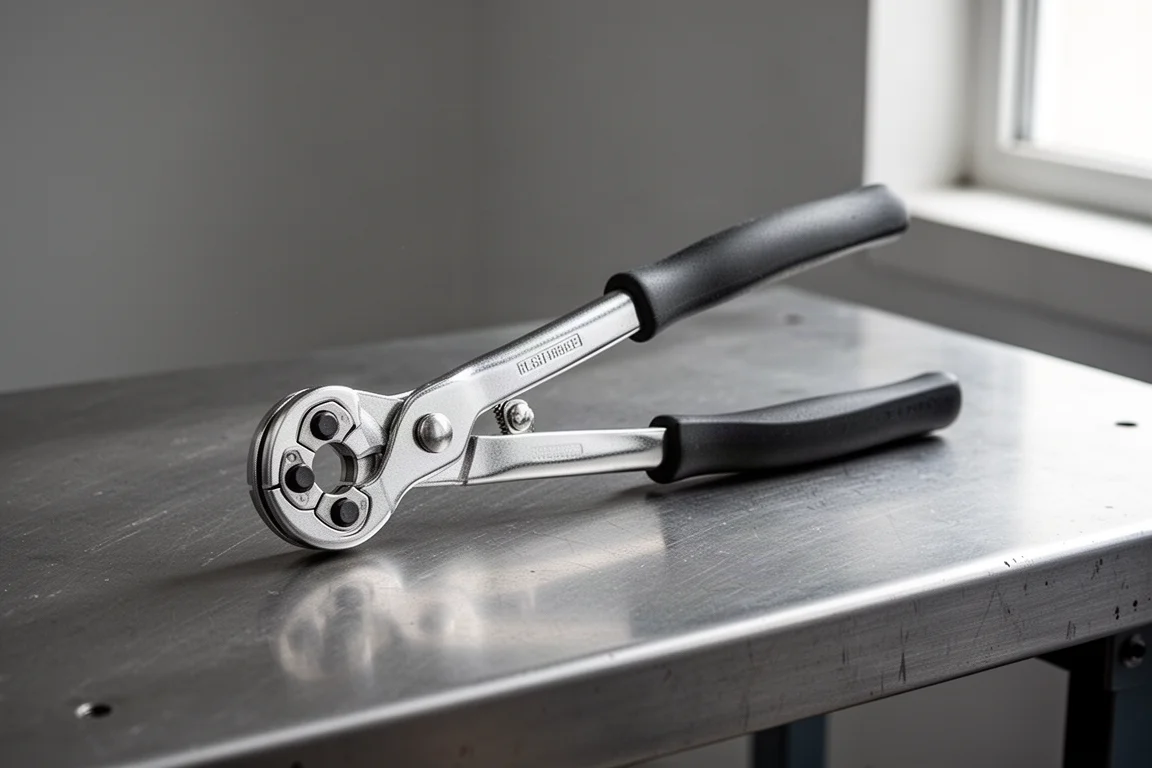
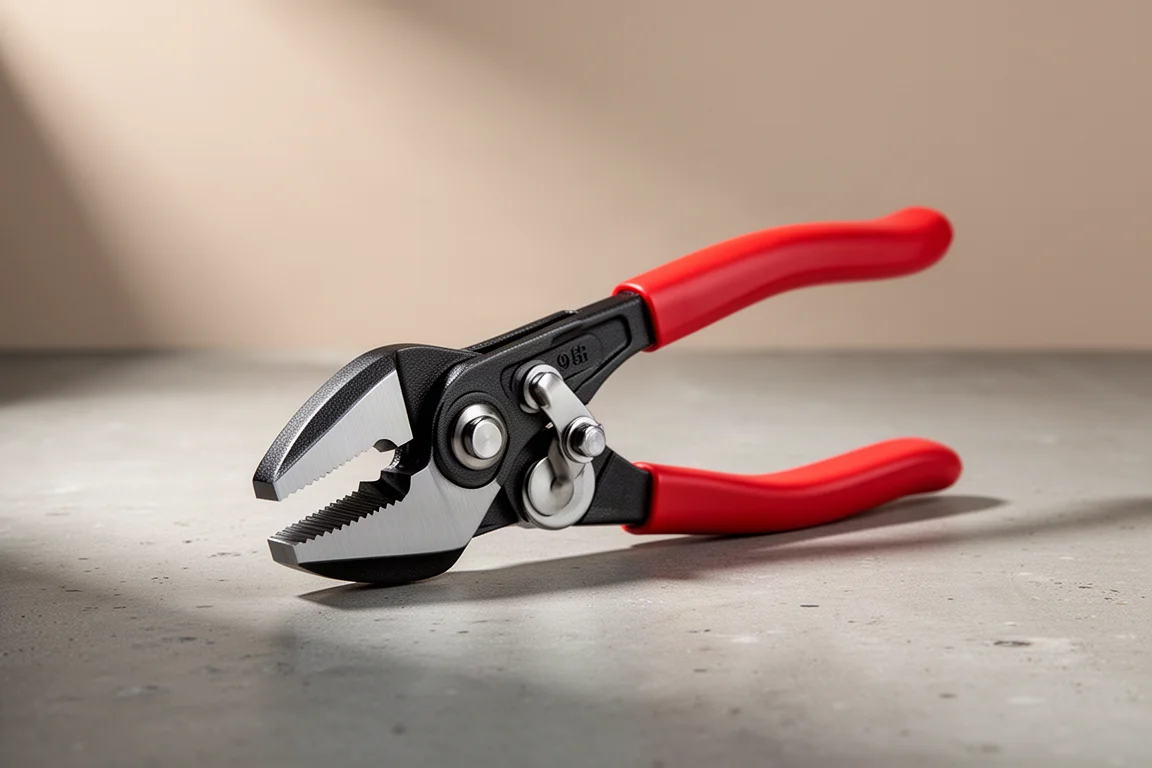
The Snap-on 47 ACF is different. Built on a slip joint plier design, it offers only two grabbing options: one angled channel and one direct channel out the front of the pliers. Once you grab a clamp, that is the only angle you get. Worse, if the clamp is seated even slightly off-center, squeezing can work it right to the edge and eventually pop it out. That little upward arc in the jaw geometry means the Knipex simply holds more reliably when alignment is not perfect.
The Snap-on also has a slip joint, so it can function as a general plier on its larger setting. In practice, though, the smooth faces up front limit that usefulness. You keep the nut-and-bolt grabbing portion, but without a grippy surface at the tips, it does not work well for much beyond hose clamps. It is not a true replacement for a regular pair of pliers.
Double Wire Clamps
On double wire style clamps, the picture gets interesting. The Knipex can grab both wires, though not perfectly, since the two wires fight against each other as they move. It seats fine and works well enough if you are a little careful. It is not as good as a regular plier on these, but it does the job.
The Snap-on struggles here. The clamp does not even fit well in the jaw, it slips out easily, and careful squeezing only gets you so far. For double wire clamps, the Knipex is clearly the better of the two.
Strength and Small-Clamp Performance
For overall strength, a head-to-head pull test with two interlocked hose clamps told the story. Fully engaged and kept centered, the Snap-on held tight and did not want to release, so it can be very strong when everything lines up. The problem is that in real use, clamps are often slightly off-center, and that is where the Knipex design wins: when seated, it simply does not come out.
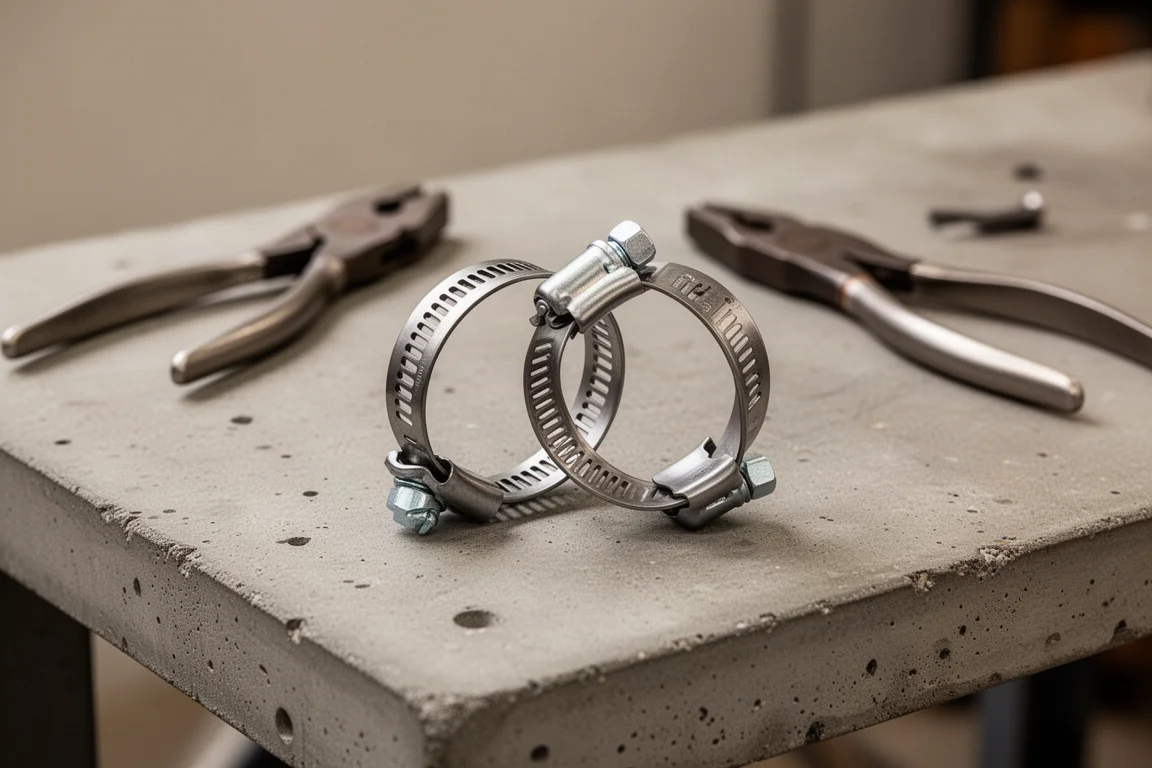
Small clamps are a different weakness. On smaller hardware, the Snap-on faces act more like regular pliers, and the tips are not long enough to seat properly. It grabs smooth surfaces and pops out, so for small stuff it works poorly or not at all. The Knipex handles these better, though it has its own limitation: some users have reported the rotating teeth can break off under extreme use, a trade-off most would accept for the grip advantage.
Overall Buying Advice
The Knipex 8551 180 is noticeably lighter, holds clamps from almost any angle, and would be the first choice for general hose clamp work. It is the more expensive of the two, but the grip security justifies it. The rotating jaw faces appear to be steel, possibly stainless steel, and look replaceable, though replacement availability was not confirmed.
The Snap-on 47 ACF is the budget pick, and it genuinely earns that label. For standard radiator hoses and repeat work on the same vehicles, it is a solid, heavy plier that costs less. Just understand its limits: two fixed angles, weaker performance on small and double wire clamps, and limited usefulness beyond hose clamps.
Conclusion
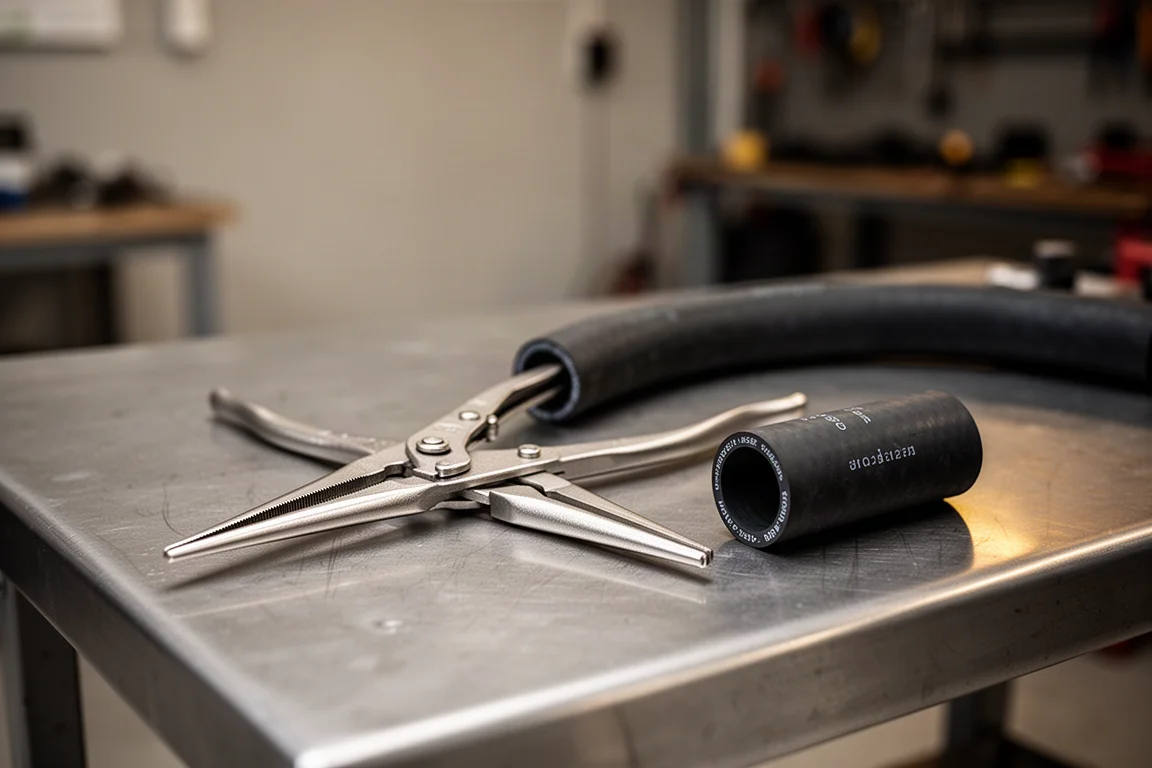
If you want one hose clamp plier that behaves reliably in imperfect real-world conditions, the Knipex 8551 180 is the stronger tool and the one to carry. If your work is mostly standard clamps on familiar vehicles and you want to spend less, the Snap-on 47 ACF is a capable, cheaper alternative that does its core job well.
Further reading
Related Reviews

Tool Reviews
Best Mechanic Tool Sets 2026: Ten Sets Tested for Real Workshop Performance
Ten mechanic tool sets compared across wrench strength, ratchet efficiency, back drag, adapter durability, and overall value.

Tool Reviews
Best Tools of 2025: Top Performers Across Nine Categories
A roundup of the standout tools from a year of head-to-head testing, covering drills, saws, blowers, mowers, trimmers, and more.

Tool Reviews
Metmo Fractal Vise 32 and Dual M18 Battery Adapter: Two TikTok Finds Put to Work
We bought two tools that keep showing up in our feed: a fractal vise that clamps almost anything and a dual battery adapter that promises more power and runtime.