Hand Tools
Knipex 71 01 250 Cobalt XL Review: Full-Flat-Blade Cutting Power
A closer look at Knipex's non-recessed Cobalt XL cutter and why the full flat blade makes fencing wire and flat material noticeably easier to cut.
Introduction
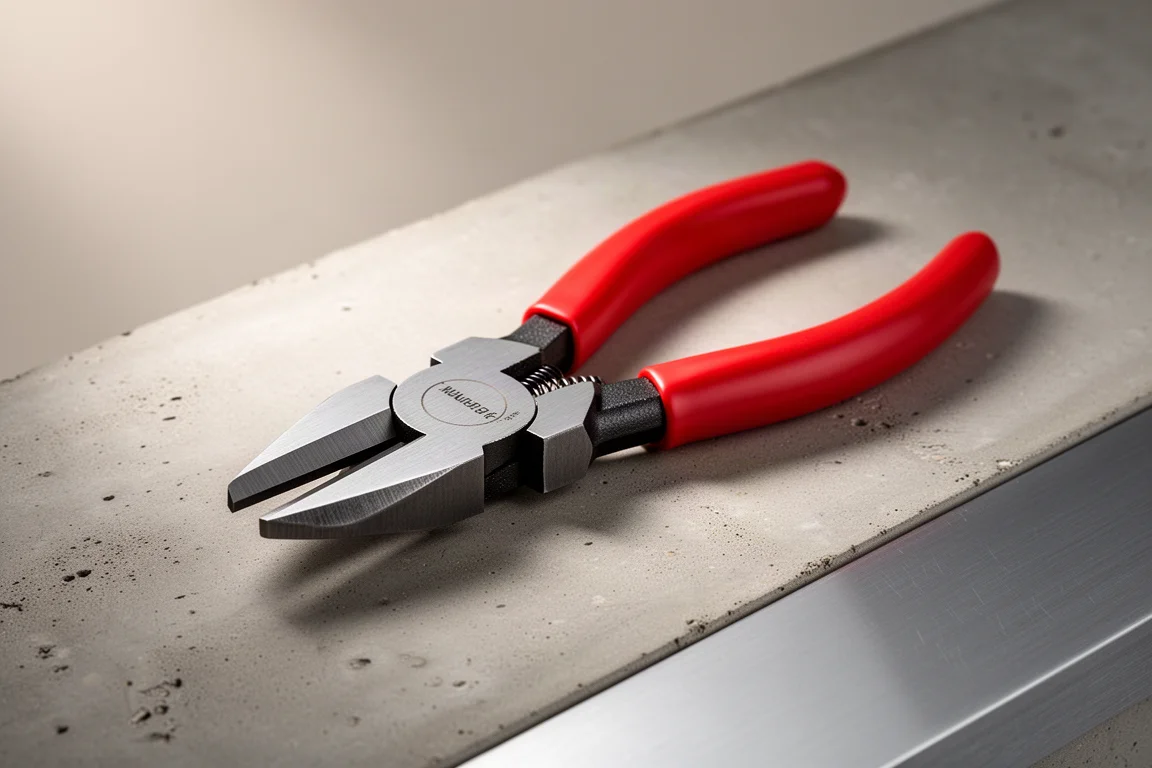
Knipex has built a strong reputation for small design refinements that quietly solve real problems, and the 71 01 250 Cobalt XL is a good example. This is the larger 250 millimeter version of the Cobalt family, and the version reviewed here comes with the non-recessed blade option. It joins a crowded drawer of cutting tools here, from big bolt cutters and ratcheting cable cutters to smaller standard cutters, but there is a specific reason it earned its place.
Unboxing and First Impressions
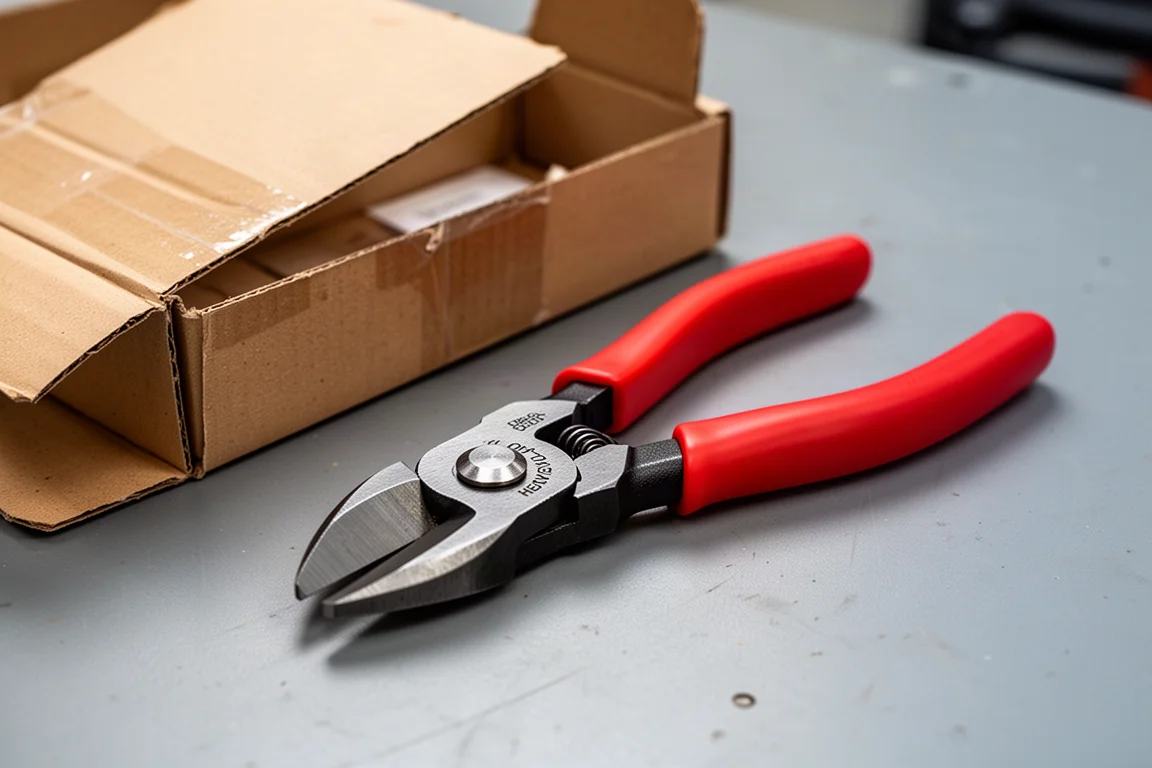
Out of the package, the tool is clean and simple: the 71 01 250 with parallel cutting jaws, a non-recessed blade, and a grabbing set of anvils below the jaws for pulling wire or holding onto something. It arrived lightly oiled, as you would expect from a precision tool. Compared to the smaller Cobalt model with 200 millimeter handles, the XL is only a touch bigger overall in the head area, and the jaws are nearly the same size from the pivot to the top.
That size detail is what makes the XL interesting. The extra 50 millimeters of handle length goes almost entirely into the handle end of the lever, which means it converts to pure leverage rather than being split with larger jaws.
The Recess vs Non-Recessed Blade Difference
This is the detail worth understanding before buying. Knipex sells both recessed and non-recessed versions of this style of cutter. The recessed version has a flat blade up front but a small gap near the pivot, which Knipex says is designed for cutting larger round material. In practice, that recess has a real downside.
With the recessed version, material has to be positioned up above the recess point to cut cleanly. Slide wire down to the pivot on a recessed tool and nothing happens; you can squeeze all day and barely scratch it. The same goes for flat material, which simply will not cut at the recess point at all.
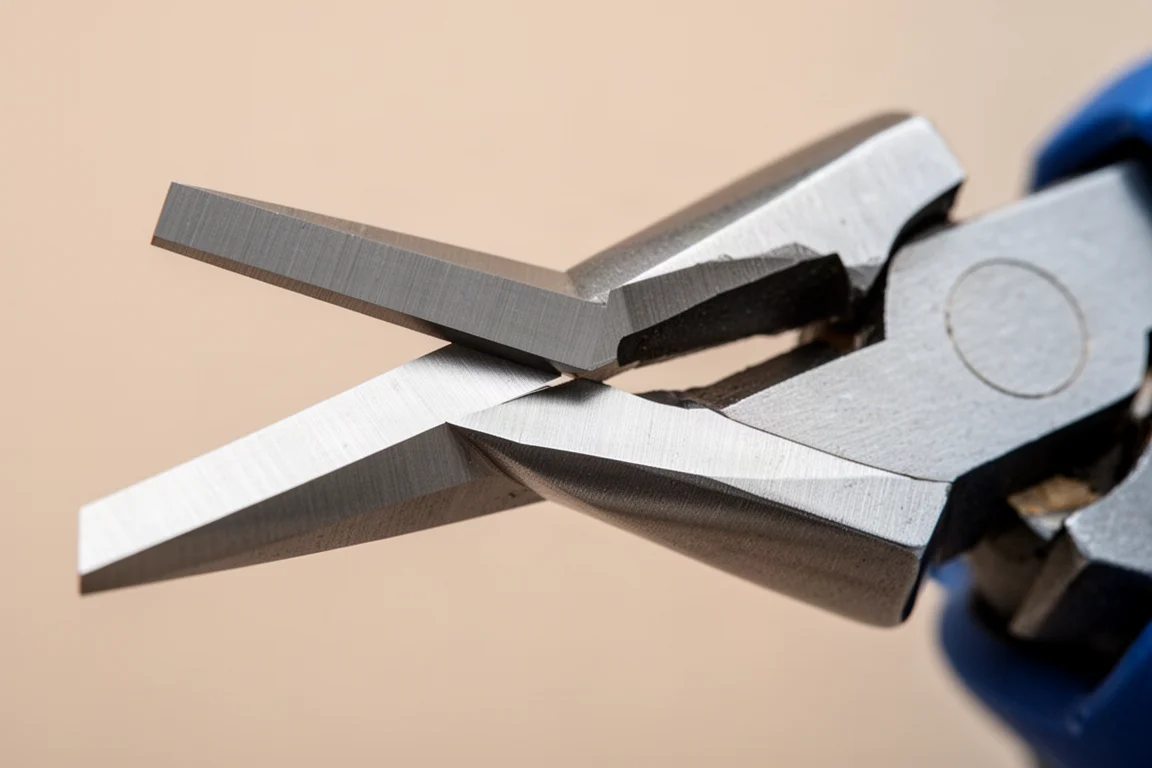
The non-recessed Cobalt XL removes that problem entirely. Hold the blade up to the light and there is no hole, no gap. Wire can be wedged all the way down to the very end of the blade and it cuts, separates, and lets go. That means no more hunting for the sweet spot in the middle of the blade every time you make a cut.
Real-World Use: Fencing Wire and Flat Material
This is where the non-recessed design earns its keep. Cutting a lot of fencing wire in the garden is exactly the scenario where fighting a recess gets frustrating. With the Cobalt XL, you run the wire up to the end of the blade, squeeze, and it snips cleanly. No repositioning, no second try, no sliding the wire back and forth looking for the right spot.
Flat material behaves the same way. Where the recessed version fails completely on flat stock near the pivot, the full flat blade simply cuts it. The wider jaw opening is also handy for grabbing larger items, and the tool has even been used to cut wood thanks to that generous opening.

Build Quality and Finish
Fit and finish is excellent. The cutting blades are polished and sharp where it matters, with a slightly industrial finish elsewhere that is entirely fine. Knipex marks the tool as made in Germany from chrome vanadium steel, with a stated maximum capacity of 3.8 millimeter piano wire, which is substantial. The jaws move with just a little resistance and pass the rubber-band test easily. The XL still feels very handy in the hand despite the added leverage, thanks to the relatively compact head.
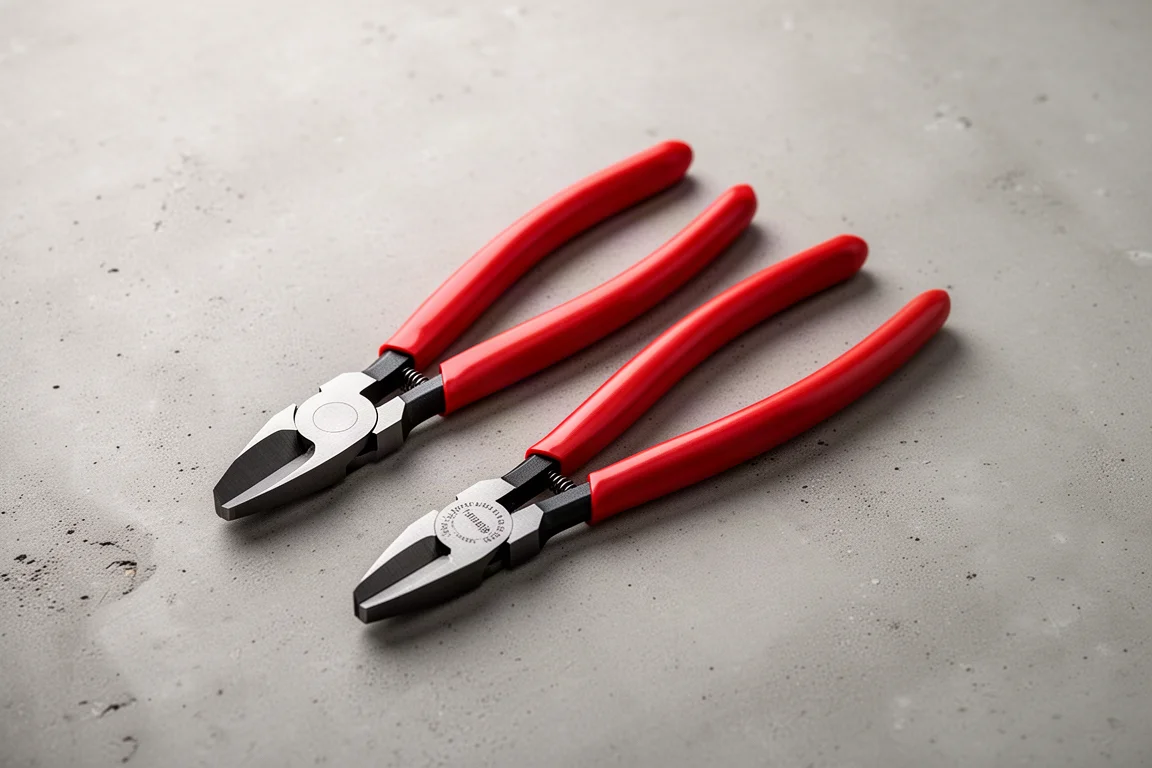
One small note for comparison shoppers: the multi-color comfort-grip handles with a slight spring were not found at the time of purchase, though that version is worth seeking out if available. The spring helps absorb the hard snap at the end of a harsh cut, so it does not send shock waves through your hand and up your arm.
Things to Consider Before Buying
The main trade-off is the blade design itself. The recessed version exists for a reason: it is intended for cutting larger round material, and if that is your primary use case, the recessed variant may suit you better. The non-recessed blade is the right choice if you cut a lot of wire and flat material and want consistent cutting anywhere along the blade.
Also worth knowing: some jurisdictions restrict tools with sharpened edges on top of the blade in addition to the main cutting edge, so check local regulations if that is a concern in your area.
Buying Advice
If you already own a recessed version and have found yourself constantly sliding wire up the blade to find the cutting sweet spot, the non-recessed Cobalt XL is a genuinely useful upgrade. The extra 50 millimeters of handle length delivers more leverage without adding much bulk to the head, and the full flat blade makes everyday cuts effortless.
Conclusion
The Knipex 71 01 250 Cobalt XL is another example of Knipex paying attention to small design details that matter in real use. The non-recessed flat blade cuts anywhere along its length, the leverage from the longer handles is real, and the build quality is exactly what you would hope for. If cutting fencing wire, piano wire, or flat material is part of your routine, this tool removes the friction from the job.
Product link
View more details for Knipex 71 01 250 Cobalt XL
This product is mentioned in the review. Check the specifications, options, and compatibility before buying.
View more details for Knipex 71 01 250 Cobalt XLFurther reading
Related Reviews
Hand Tools
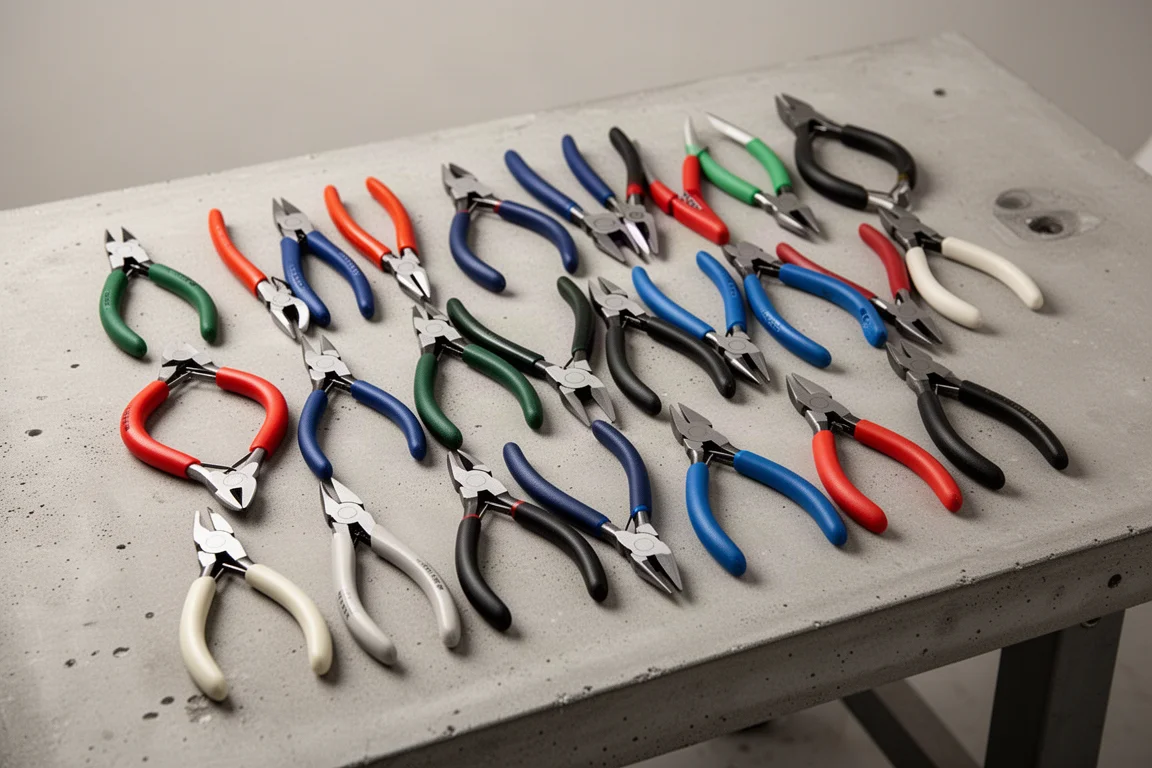
Best Diagonal Cutters 2026: 16 Pliers Tested for Cutting Power and Durability
We put 16 diagonal cutters through nail, screw, drill bit, and hex key tests to find the best value picks for your toolbox.
Hand Tools
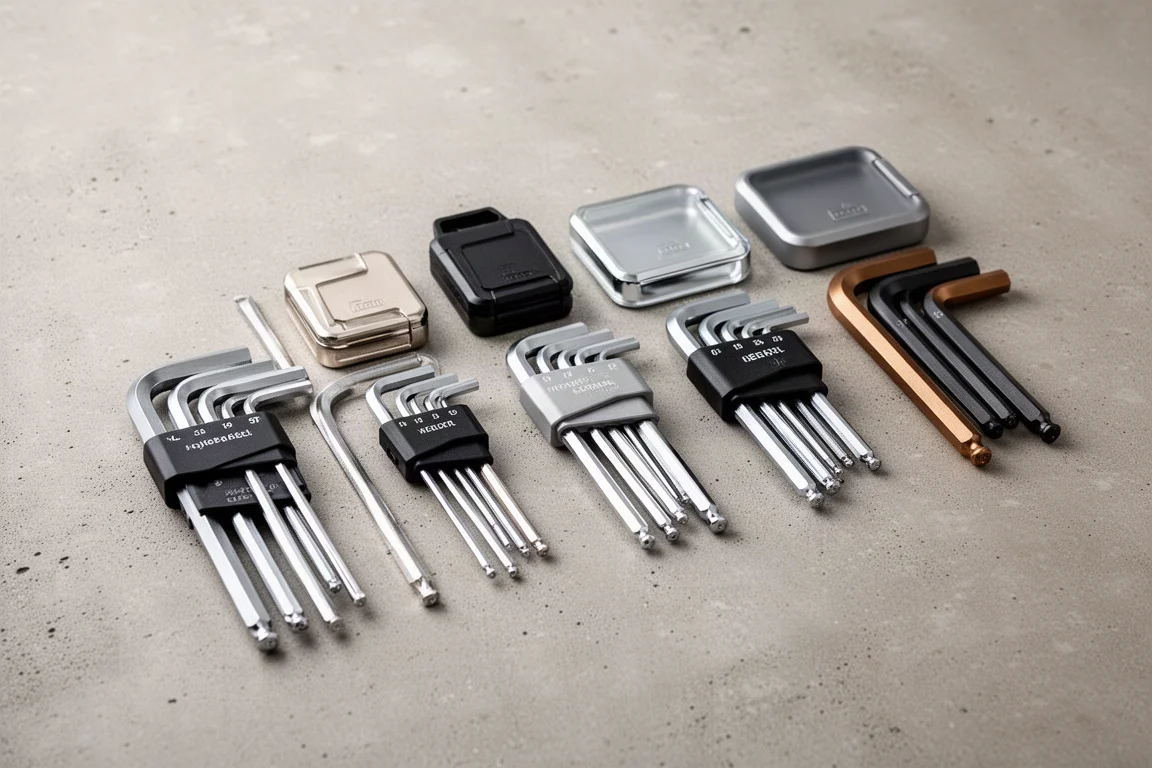
Best Hex L Key Sets 2026: Nine Sets Tested for Real-World Torque
Nine hex L key sets from budget to premium, tested for torque, fit, and durability. See which sets deliver real performance and which ones to skip.
Hand Tools
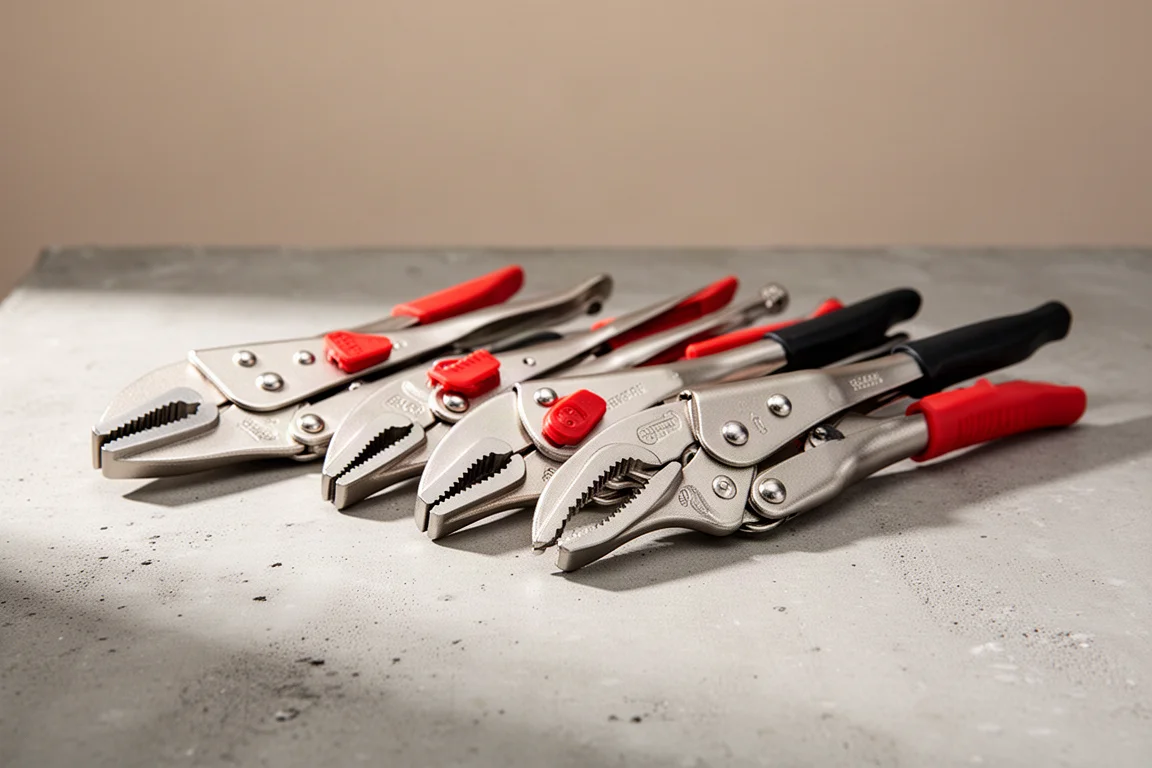
Best Locking Pliers 2026: Top Picks Tested for Grip and Durability
We tested 18 brands of 10-inch locking pliers for grip strength, jaw bite, build quality, and ease of release to find the best options for tough jobs.