Hand Tools
Knipex 1000V Rated Pliers: 986201 and 986202 Reviewed
Two fully non-conductive Knipex pliers built for fuse work, LED bulbs, and live-circuit safety, with honest trade-offs to weigh before buying.
Introduction
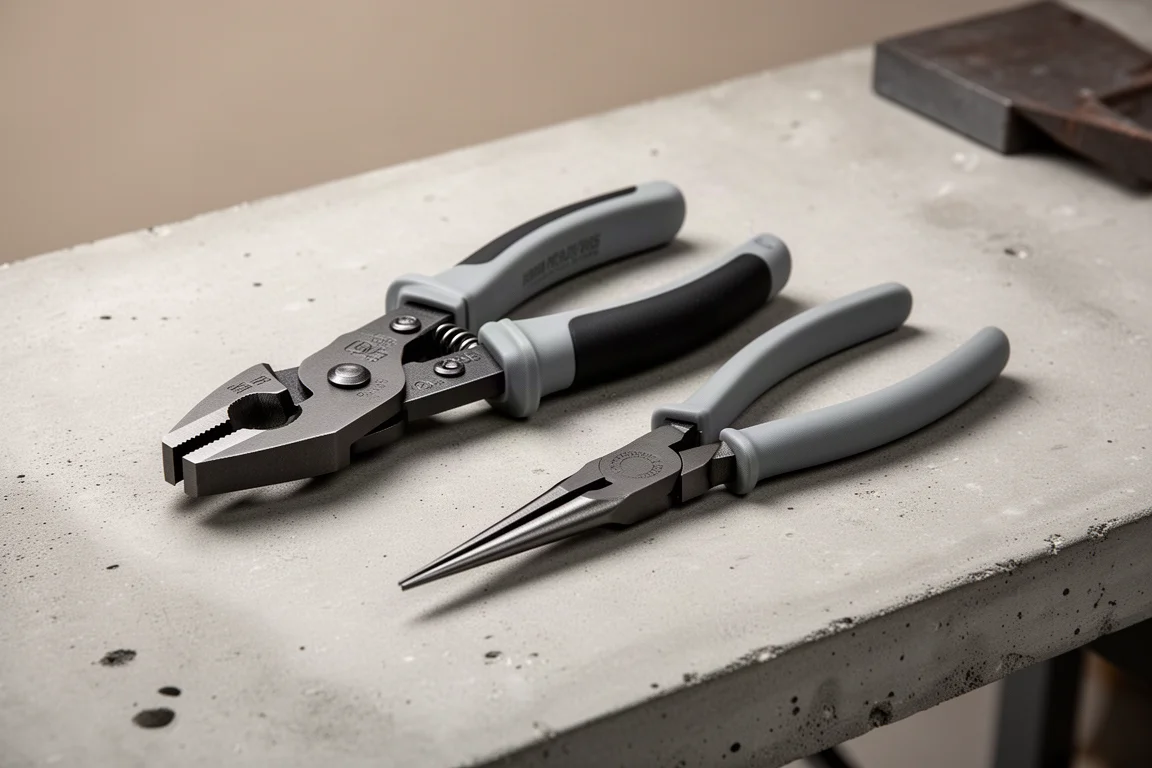
Insulated pliers are easy to overlook. Most people have seen something like these in a catalog and wondered whether they actually earn their place in a tool kit. These Knipex pliers are rated for 1000 volts and are made almost entirely from a non-conductive fiberglass or resin material, which puts them in a category of their own compared to standard steel pliers with dipped handles.
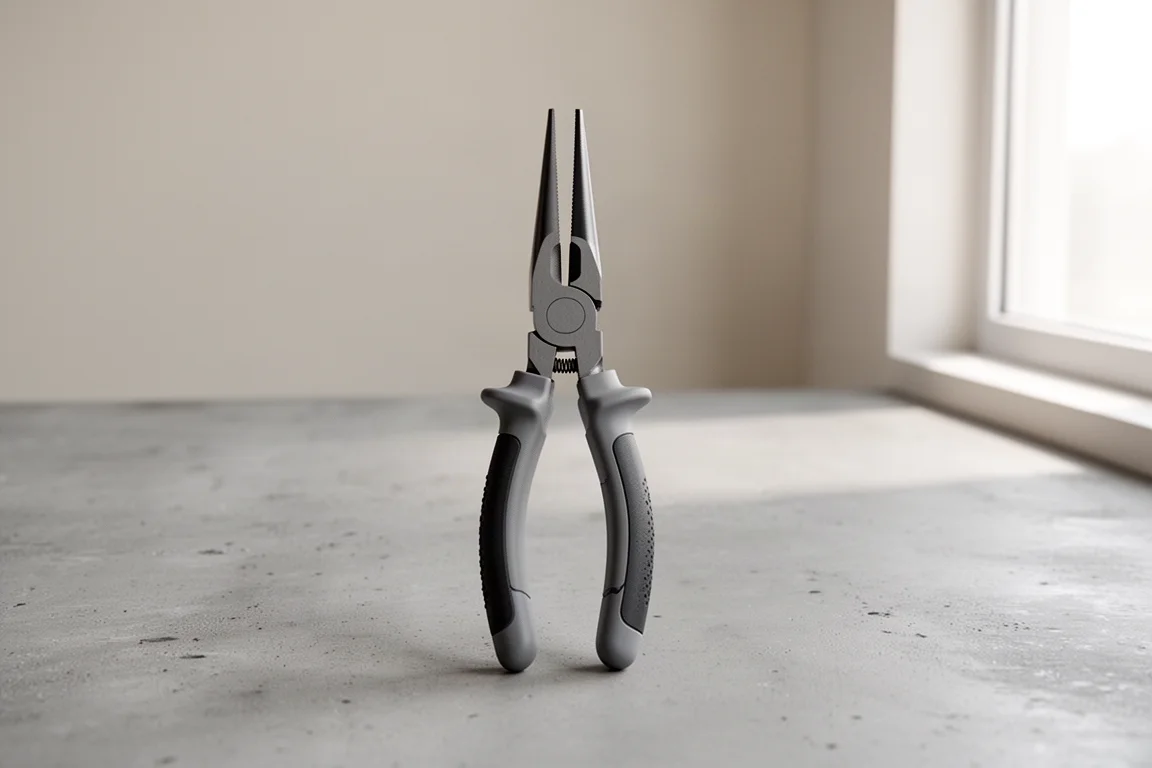
There are two versions here: the 986201, a multi-grip combination-style plier, and the 986202, which takes a more elongated needle-nose form. Both share the same unusual construction, but they suit different tasks, and one of them stands out as the clear favorite.
A Closer Look at the Materials and Jaw Design
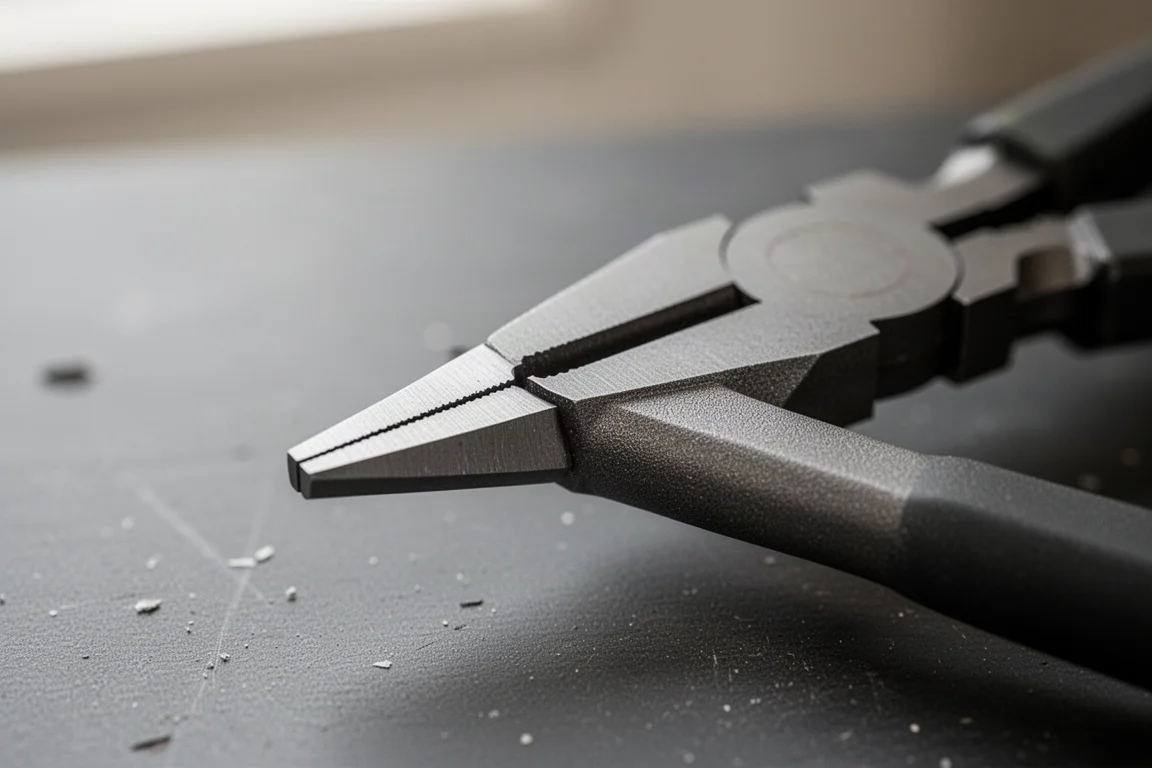
The jaw blades are a hard, almost fiberglass-like material, while the lower handle area uses a multi-component construction with a slightly rubbery, grippier surface. It feels fine for what it is, though not premium in the way familiar Knipex steel tools do.
The way the jaws close is interesting. On both models, there is a thin slot that stays open almost all the way down the jaw, and only the very tips actually touch when fully closed. That tip contact is convenient, since it is usually the workspace for small jobs like grabbing a fuse or a bulb. It is not a flaw, because in practice there is nearly always something in the jaws, but it is worth knowing before you buy.
Fuses and Relays: Where They Shine
Fuse and relay work is where these pliers genuinely justify themselves. Standard fuse pullers that come with most kits work, but these grab far better, especially with larger relays or the old-school larger fuses. The 986201 grips a large fuse rock solid, with essentially no movement, and it lets you manipulate the fuse with real control.
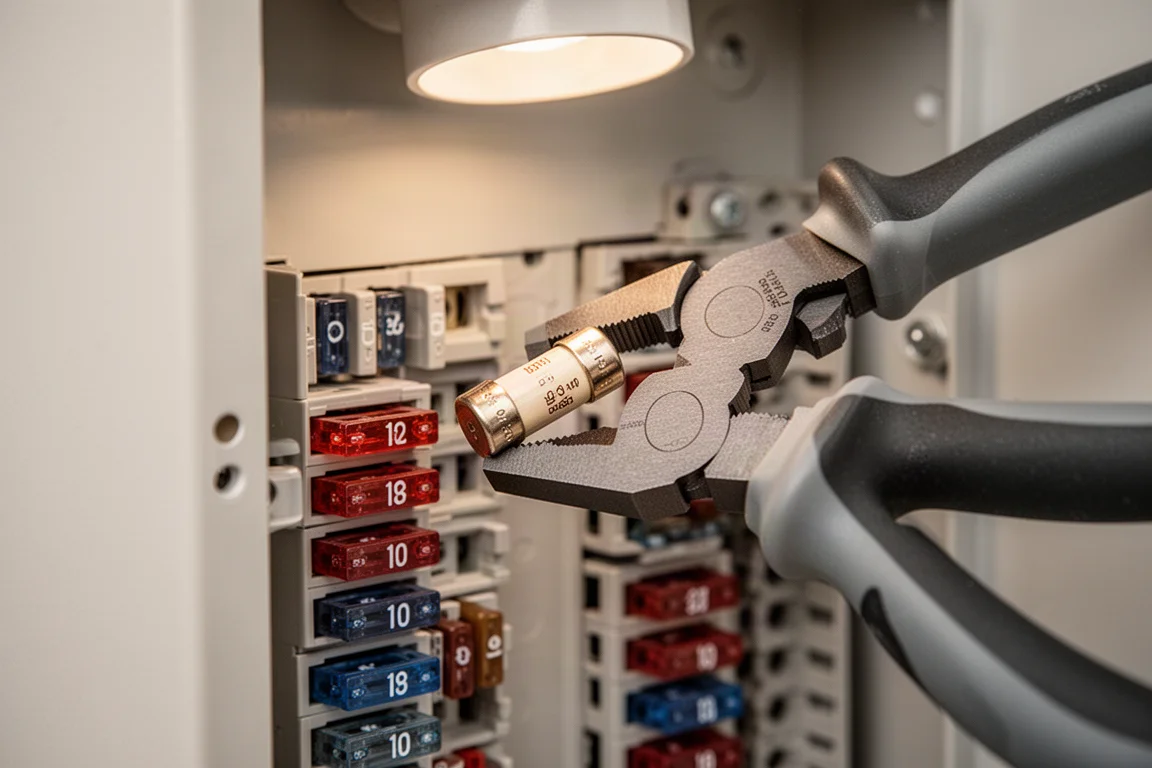
The trade-off is bulk. Because the jaws are fairly thick, there may not be enough room to dig into a crowded fuse box where other fuses sit close by. The smaller fuses are a different story: the 986201 grabs them solidly, but its thicker jaws can be a problem in tight spaces. The 986202 offers more reach and control in those spots, though its grip on small fuses tends to slide a little, and the jaws are still thicker than a standard fuse puller. If there is enough room for the jaws to bite, though, fuses pop out cleanly and hold without wiggle.
LED Bulbs and Tight Fixture Work
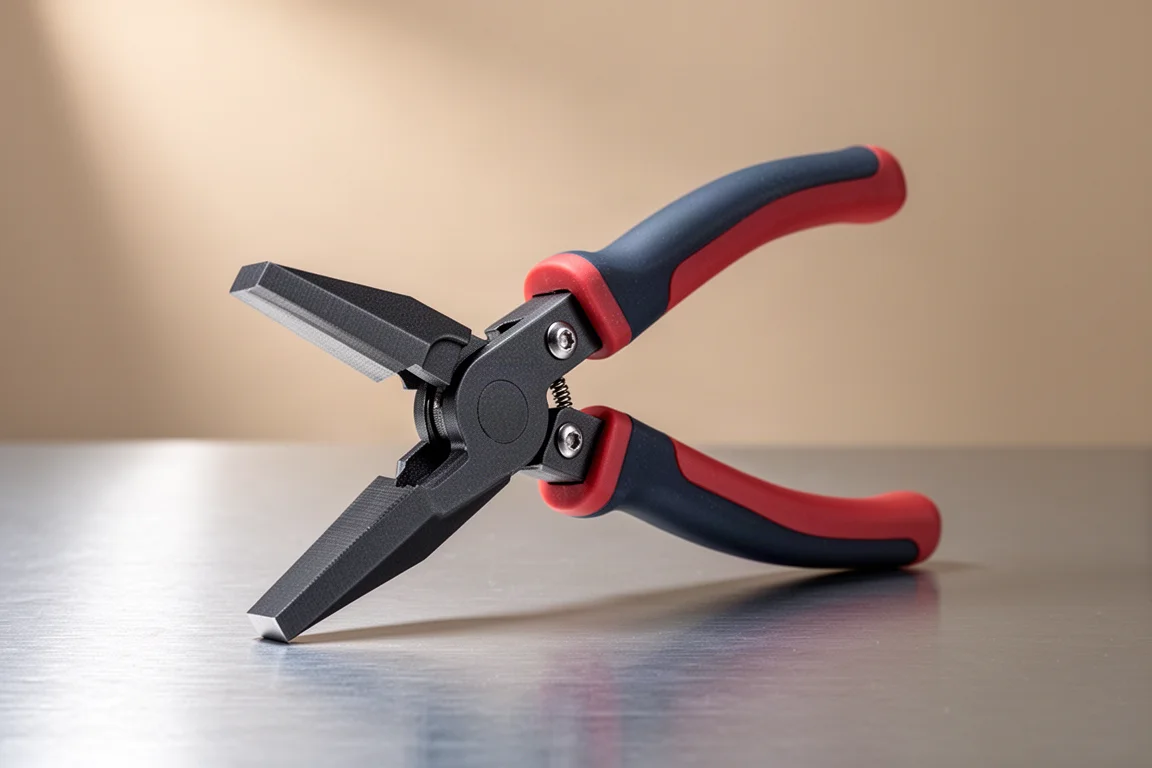
Anyone who swaps a lot of bulbs knows the frustration: the contacts and plug are reused, but the incandescent or halogen bulb is replaced with an LED, and sometimes there simply is not room to get your fingers in. The 986202 grabs small LED bulbs really well, and because the bulb’s rise sits below the edge of the plier, you can usually insert and remove them without busting the glass.
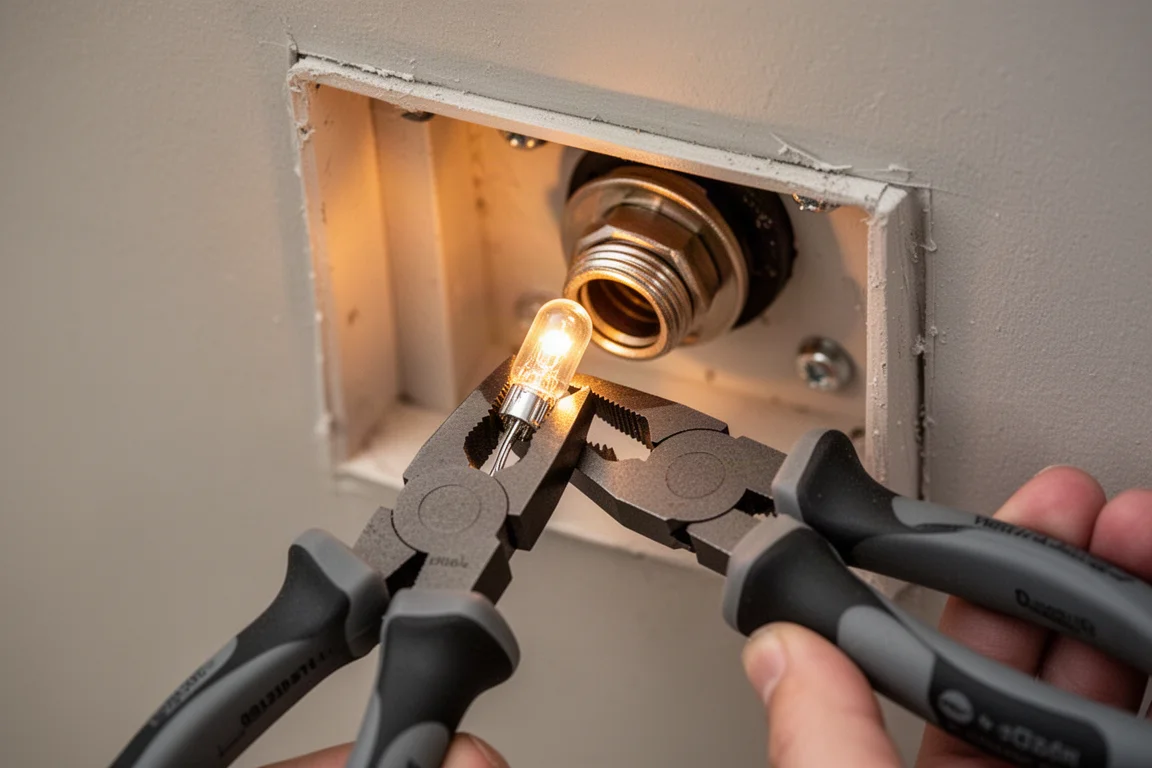
Larger LED panels are also easy to grab, which helps when a fixture leaves no room for a hand. You cannot open the pliers too wide, so very large panels remain awkward, and some delicate LED array designs are still a challenge since gripping them risks damaging diodes and reducing light output or killing the bulb entirely. For those, gentle manual insertion remains the better option when space allows.
Which One Should You Buy
If you are only buying one, the 986201 is the favorite here. It is more versatile, closer in feel to a standard multi-grip plier than a linesman, and it grips fuses so firmly that a hard squeeze effectively locks them in place. The 986202 earns its keep for reach and for delicate bulb work, but its grip on fuses is weaker and more prone to slipping.
Things to Consider Before Buying
These pliers are not super strong. Flex the handles and there is noticeably little resistance; you can even press with your fingers and feel the handle give. That is inherent to the non-metallic construction, so these are not a substitute for steel pliers on high-torque jobs.
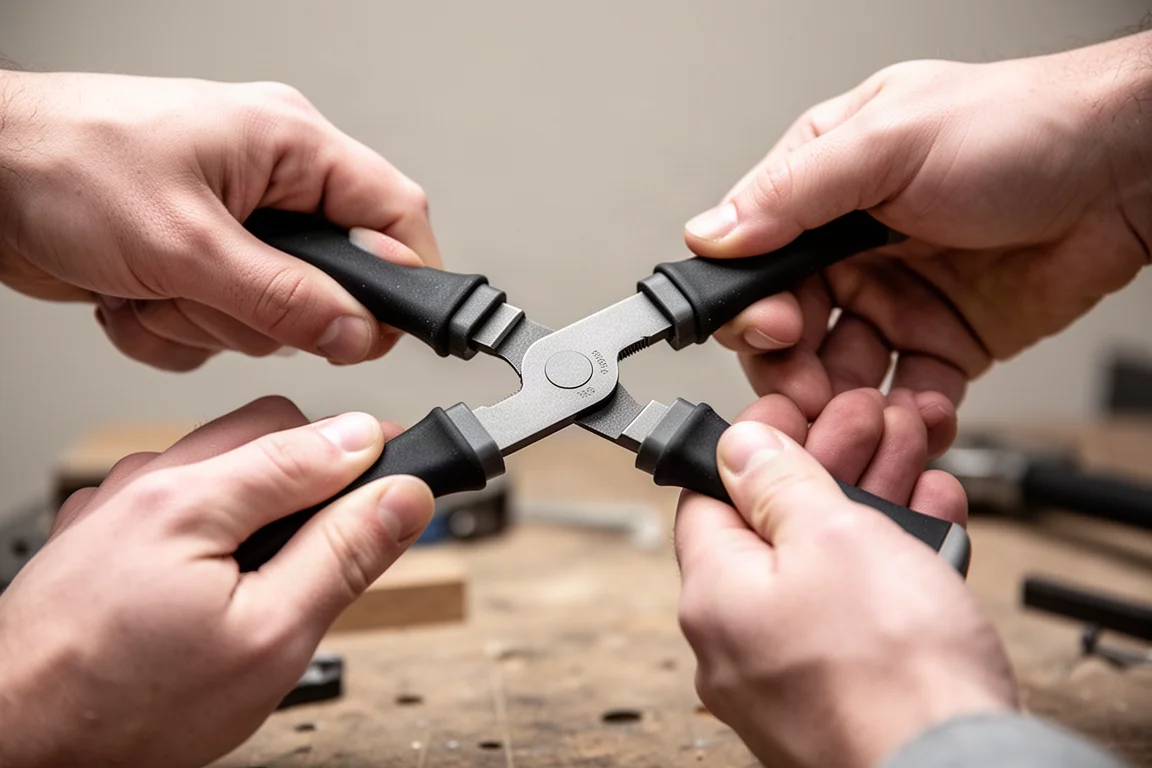
Another limitation: there is no cutting capability. The material is neither sharp enough nor hard enough to cut wire, so think of these strictly as gripping tools. If your priority is the 1000 volt rating, no arcing, and safe contact with live circuits, that is exactly what they are built for, and the slight strength trade-off is the price of the insulation.
Conclusion
The Knipex 986201 and 986202 fill a narrow but real niche: non-marring, non-conductive gripping for fuses, relays, and LED bulbs in tight electrical work. The 986201 is the more capable all-rounder and the one to pick if you are choosing a single pair, while the 986202 adds reach for cramped fixtures. Just go in knowing they flex more than steel pliers and cannot cut, and you will not be disappointed by what they do well.
Further reading
Related Reviews
Hand Tools
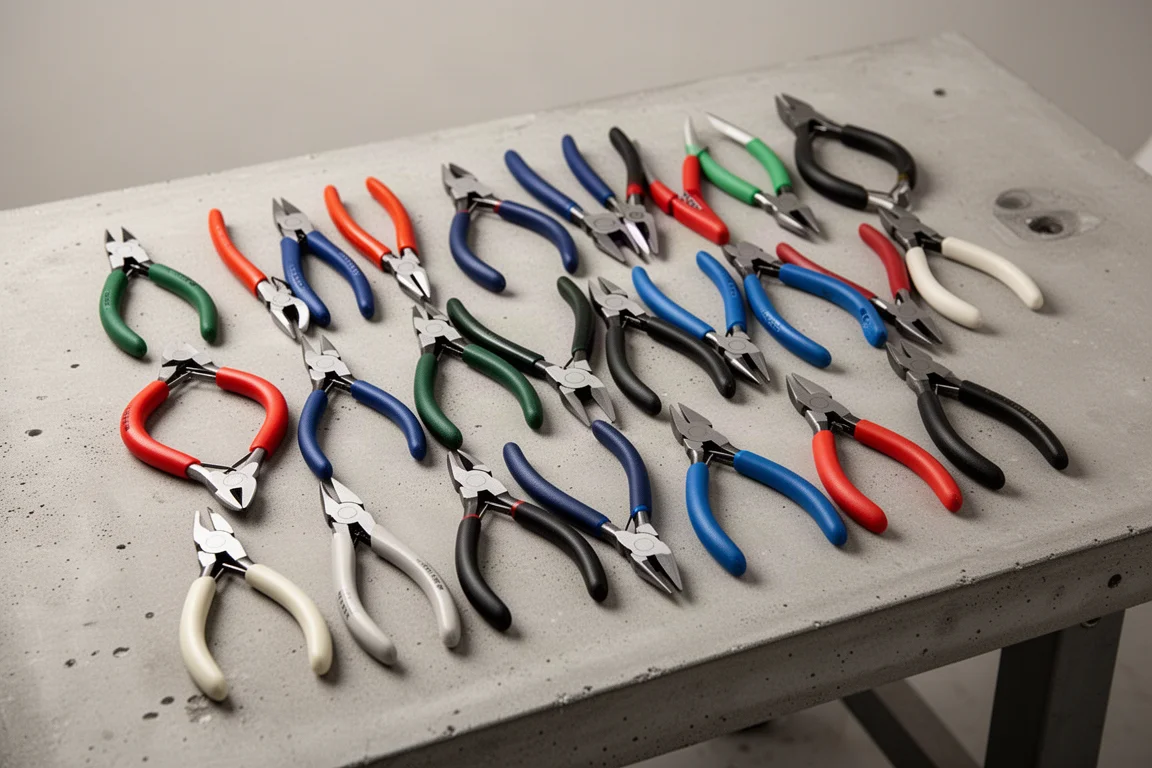
Best Diagonal Cutters 2026: 16 Pliers Tested for Cutting Power and Durability
We put 16 diagonal cutters through nail, screw, drill bit, and hex key tests to find the best value picks for your toolbox.
Hand Tools
Best Hex L Key Sets 2026: Nine Sets Tested for Real-World Torque
Nine hex L key sets from budget to premium, tested for torque, fit, and durability. See which sets deliver real performance and which ones to skip.
Hand Tools
Best Locking Pliers 2026: Top Picks Tested for Grip and Durability
We tested 18 brands of 10-inch locking pliers for grip strength, jaw bite, build quality, and ease of release to find the best options for tough jobs.