Hand Tools
Knipex 03 160 Pliers Compared: Comfort Grip, Insulated, and Standard Dipped Handle
Same plier head, three very different handles. A hands-on comparison of the Knipex 03 160 in Comfort Grip, 1000V insulated, and standard red dipped versions across cutting, gripping, and tip work.
Introduction
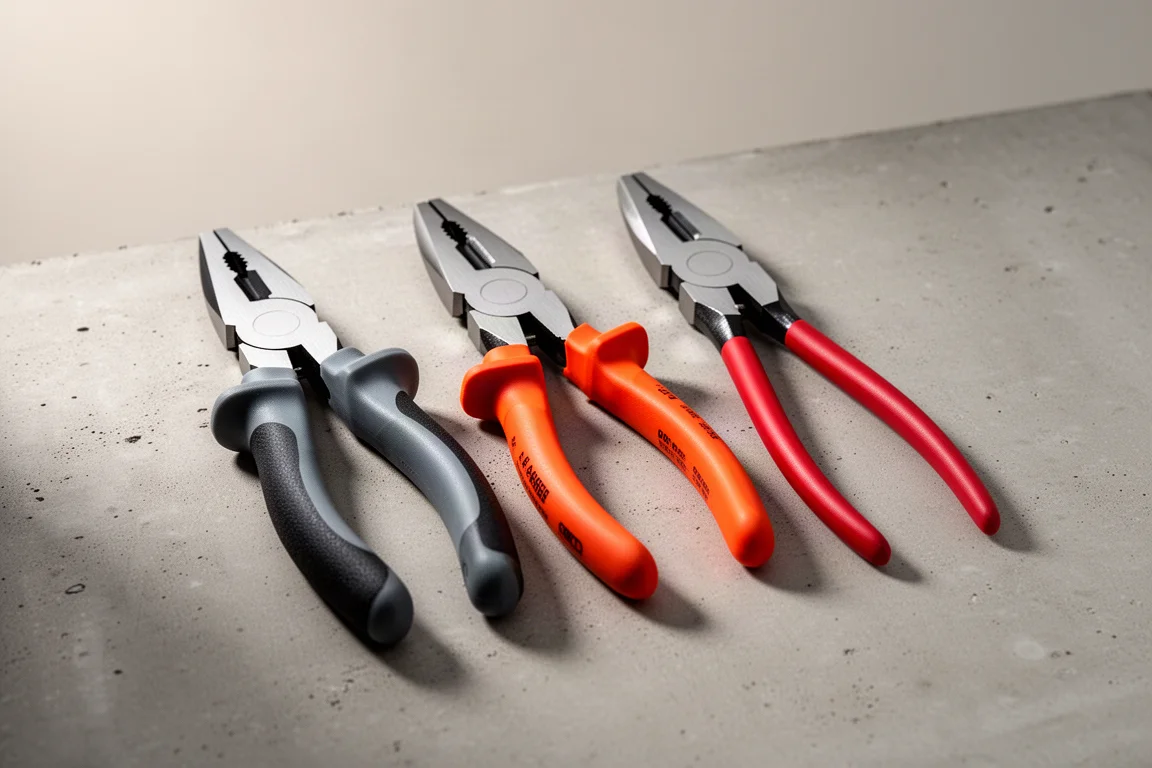
Combination pliers look like a solved problem until you put three handle variants of the exact same head side by side. That is exactly what makes the Knipex 03 160 lineup such an interesting comparison: the cutting and gripping geometry is identical, so every difference you feel comes down to the handle. This article compares the Comfort Grip, the 1000V rated insulated grip, and the standard red dipped handle across four practical tests: cutting stiff wire, snapping wire by hand, gripping small and large hex fasteners, and bending coins at the tips.
Three Handles, One Head
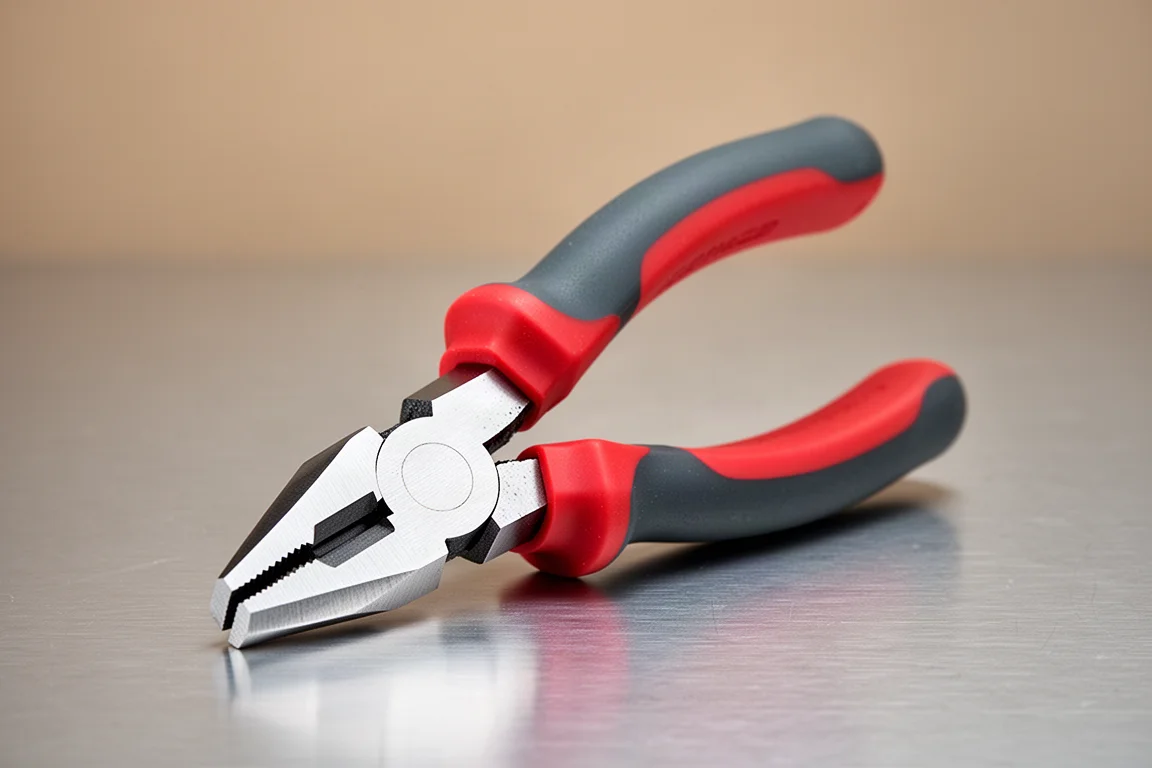
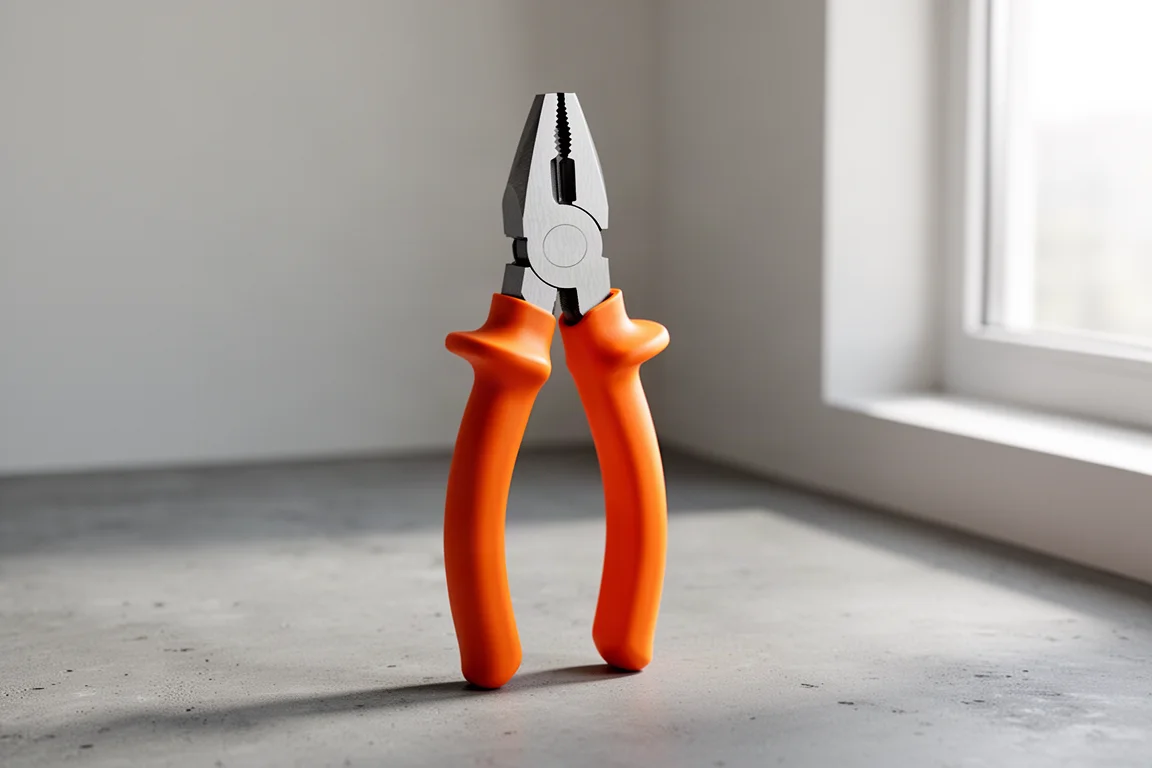
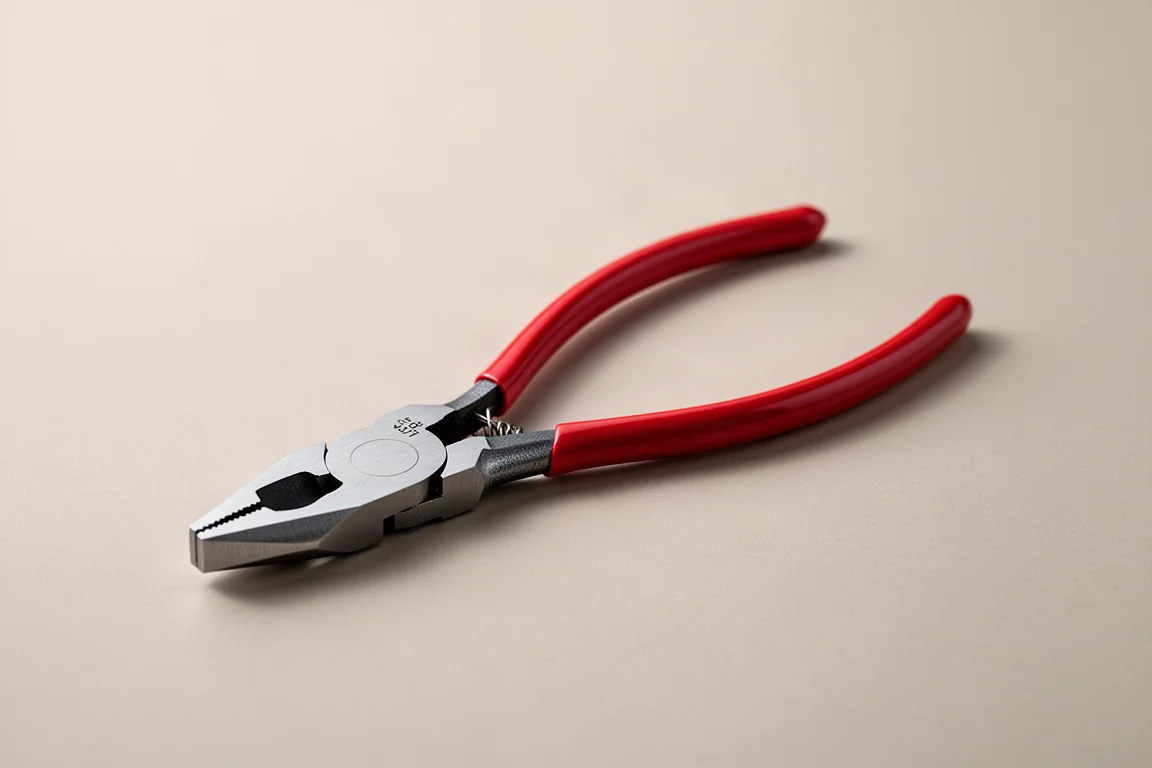
All three pliers share the same 03 160 head, a compact combination design that works like a small lineman’s plier. The 160 refers to the overall length, which keeps the tool nimble in the hand. What changes is the grip: the Comfort Grip uses thick ergonomic two-component handles, the insulated version carries a 1000V safety rating with correspondingly bulkier handles, and the standard version wears a very thin red dipped finish. None of the three are expensive, and prices sit close together, with the standard dipped version slightly cheaper than the others.
Cutting Stiff 12-Gauge Wire
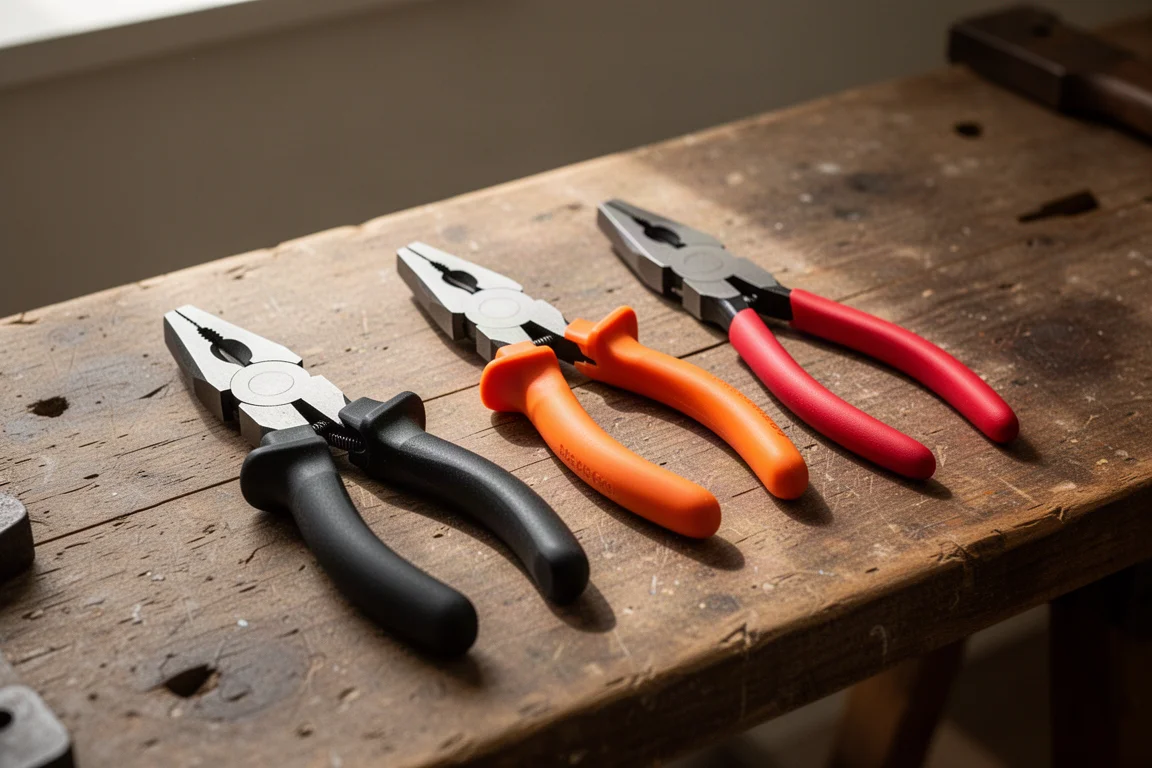
The first test used single-core 12-gauge wire, which is stiff and unforgiving. Using the highest leverage cutting position, the differences showed up immediately. The Comfort Grip was the clear winner here. The cut itself feels similar across all three, because the head is the same, but the Comfort Grip absorbs the shock noticeably better and offers the most secure, slightly stickier hold. The insulated and dipped handles let the plier shift a little in the hand, so more of the cutting pop reaches the palm.
Snapping Wire by Hand
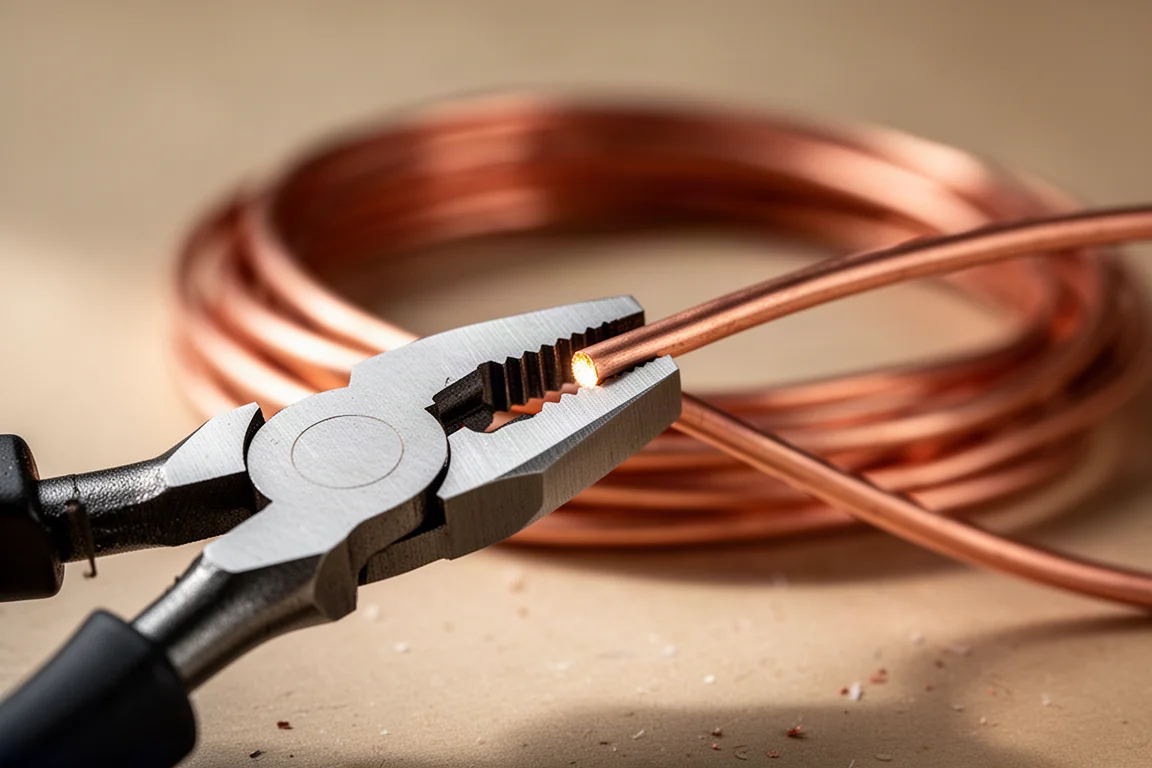
A more realistic test followed: gripping the wire with the jaws and wiggling it until it snapped off. Here the insulated and dipped handles tied for second place, while the Comfort Grip again came out on top. With the thinner dipped handle, the snap could be felt sharply in the hand when holding the plier tightly, while the Comfort Grip’s bulk dampens that impulse nicely.
Gripping Small and Large Hex Fasteners
Next, a small hex fastener was dropped into the jaws and wiggled back and forth. This test flipped the ranking. The Comfort Grip’s thicker handles added noticeable bulk that got in the way on a small grip, so the insulated and dipped versions tied for first. The dipped handle’s thinner profile meant less hand stress despite the slim finish.
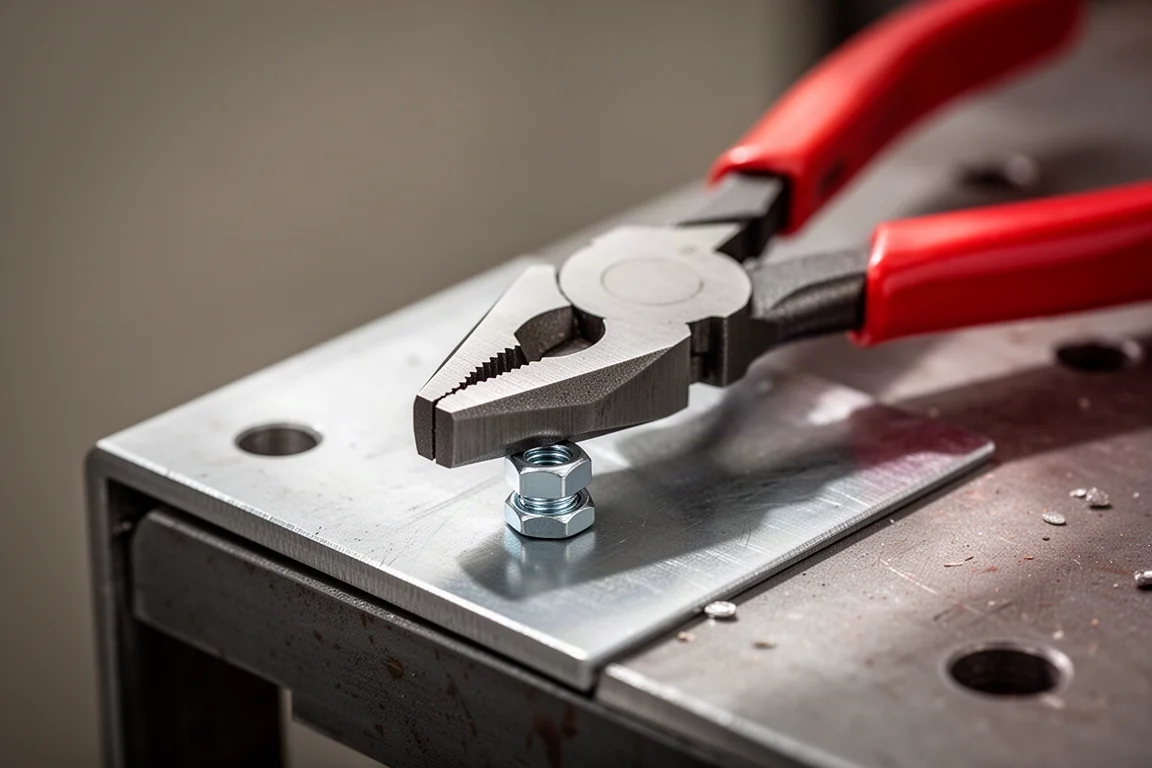
Moving up to a larger fastener changed the picture again. The Comfort Grip earned a slight edge over the insulated grip here, with both beating the standard dipped version, which transmitted a bite into the lower palm during hard cranking. The overall takeaway: on larger fasteners the Comfort Grip barely beats the insulated grip, and both beat the dipped handle.
Bending Coins at the Tips
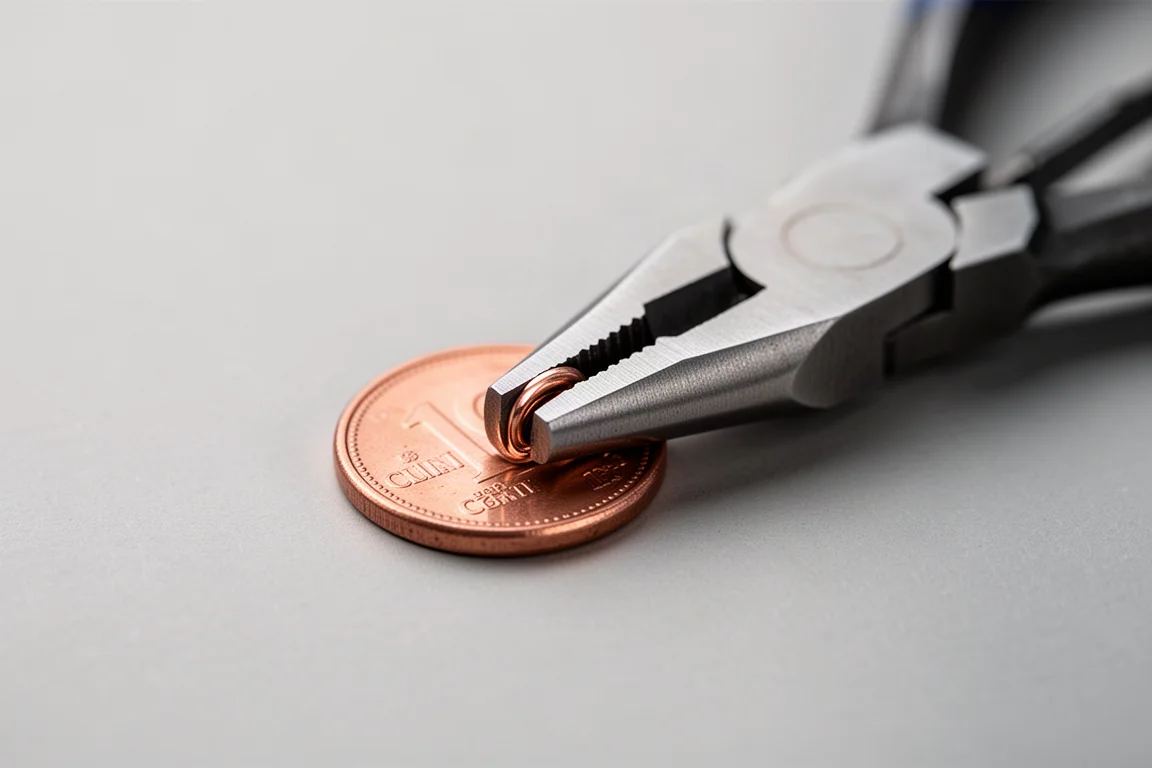
The final test used the plier tips, almost fully closed, to bend pennies until they snapped. The standard dipped handle finished last. The Comfort Grip handled the task effortlessly, and the insulated version also did well. A head-to-head between the Comfort Grip and insulated versions showed no meaningful difference.
Overall Winner
One plier emerged as the overall choice, and it is the same one that won the cutting test: the Comfort Grip. Its handle simply performs well across different jobs, feeling the best in hand and cutting with the least stress, even working the polished non-oxidized chrome side of the jaws. While all three share the same excellent head and none cost much, the Comfort Grip is the version to buy. One practical note: this version can take a while to arrive, as it may ship from overseas.
Conclusion
If you only need one 03 160, the Comfort Grip is the safest bet for all-around use, with the insulated version a sensible pick if you need 1000V rated protection, and the thin dipped handle worth considering if price matters most or you prefer a slimmer profile. The head is the same on all three, so the real decision is entirely about how the handle feels in your hand.
Further reading
Related Reviews
Hand Tools
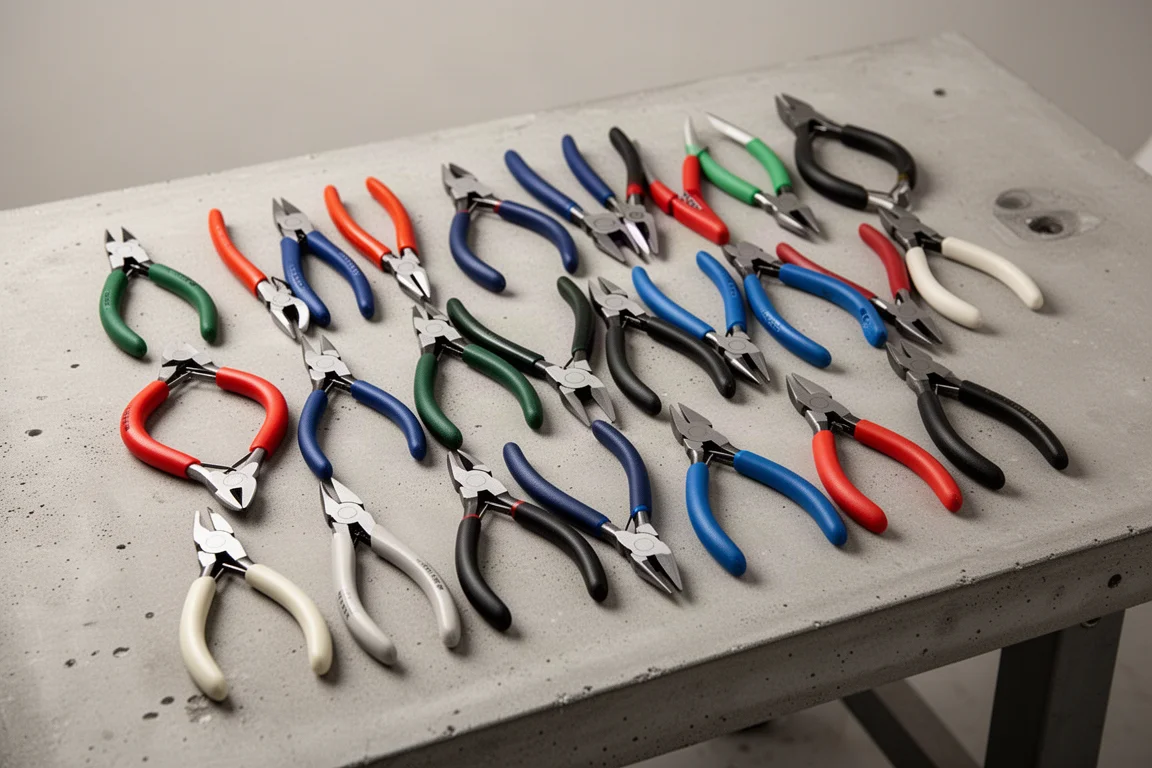
Best Diagonal Cutters 2026: 16 Pliers Tested for Cutting Power and Durability
We put 16 diagonal cutters through nail, screw, drill bit, and hex key tests to find the best value picks for your toolbox.
Hand Tools
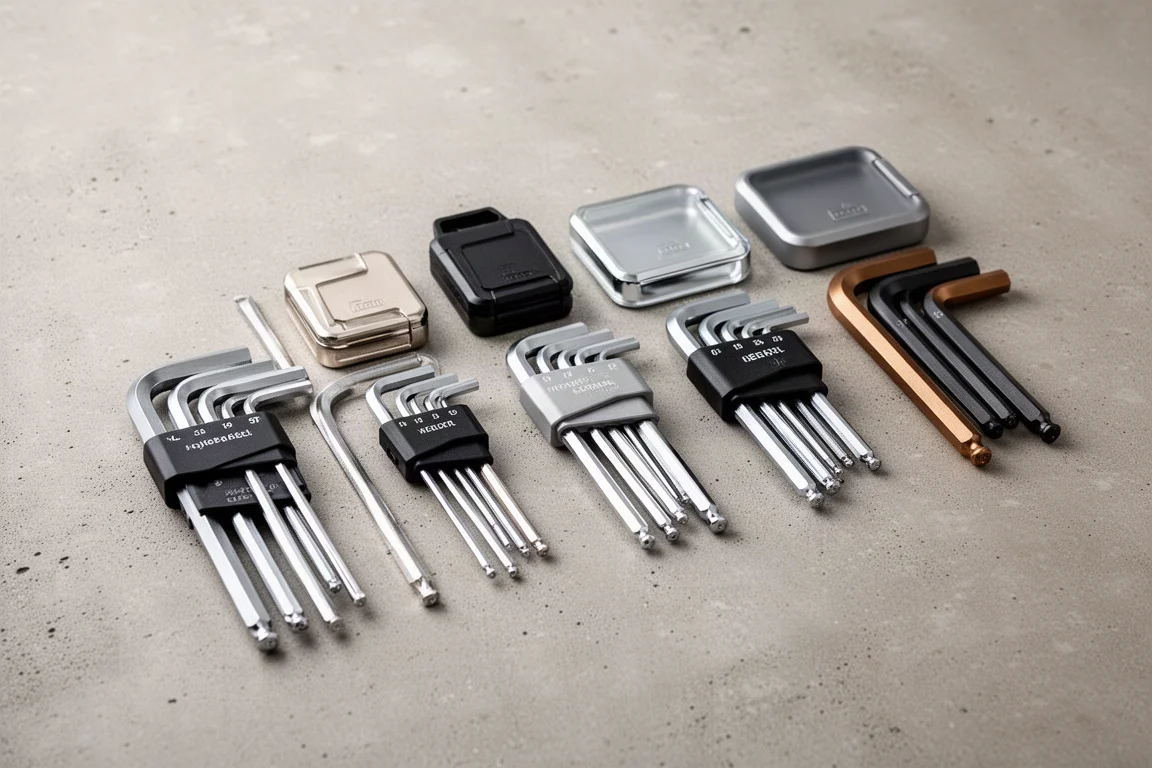
Best Hex L Key Sets 2026: Nine Sets Tested for Real-World Torque
Nine hex L key sets from budget to premium, tested for torque, fit, and durability. See which sets deliver real performance and which ones to skip.
Hand Tools
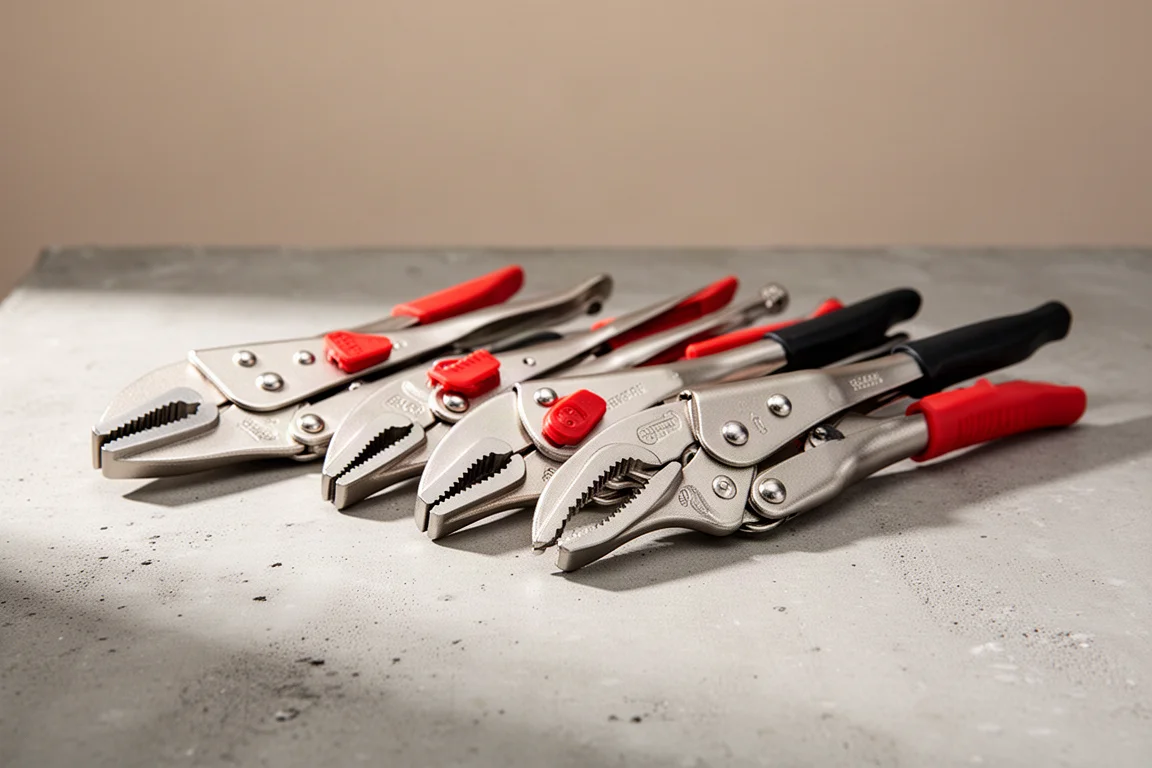
Best Locking Pliers 2026: Top Picks Tested for Grip and Durability
We tested 18 brands of 10-inch locking pliers for grip strength, jaw bite, build quality, and ease of release to find the best options for tough jobs.