Hand Tools
Klein vs Milwaukee 27-in-1 Precision Screwdriver Sets: Which $20 Driver Wins?
Three near-identical 27-in-1 precision screwdriver sets go head to head. Here is where they differ and which one is worth your money.
Introduction
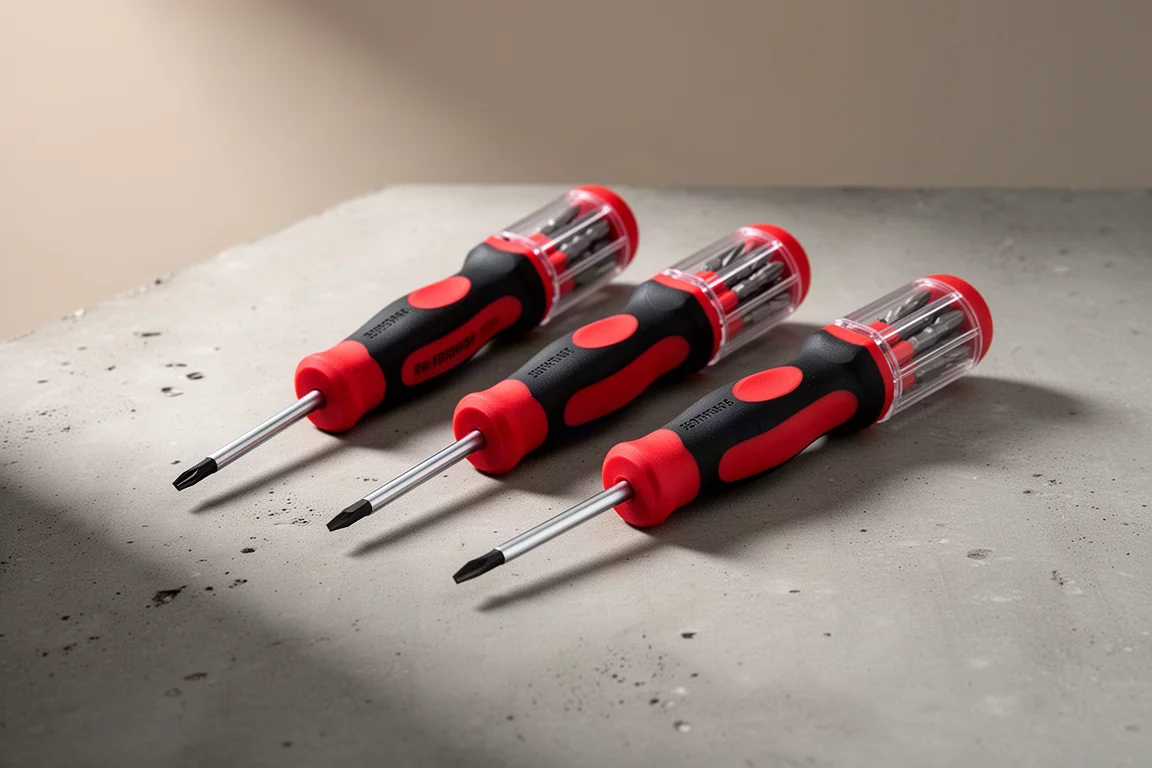
Klein and Milwaukee both make 27-in-1 precision screwdriver sets that look and feel remarkably similar: same size, same price bracket, same overall layout. Both sit around the $20 mark, with each currently on sale for $20.199 and change. But the differences in bit retention, handle comfort, and set variations are enough to matter if you are deciding between them.
This comparison covers three sets: the Klein 27-in-1 (model 32328), the Klein electronics version (model 32327), and the Milwaukee 27-in-1 (model 48-22-2934). The Milwaukee set reviewed here is the electronics variant that includes the bits needed for iPhone work. The Klein 32328 is the standard version with a tamperproof security bit set, while the Klein 32327 is the electronics version with the iPhone-compatible fastener heads and a few other changes.
What Stays the Same
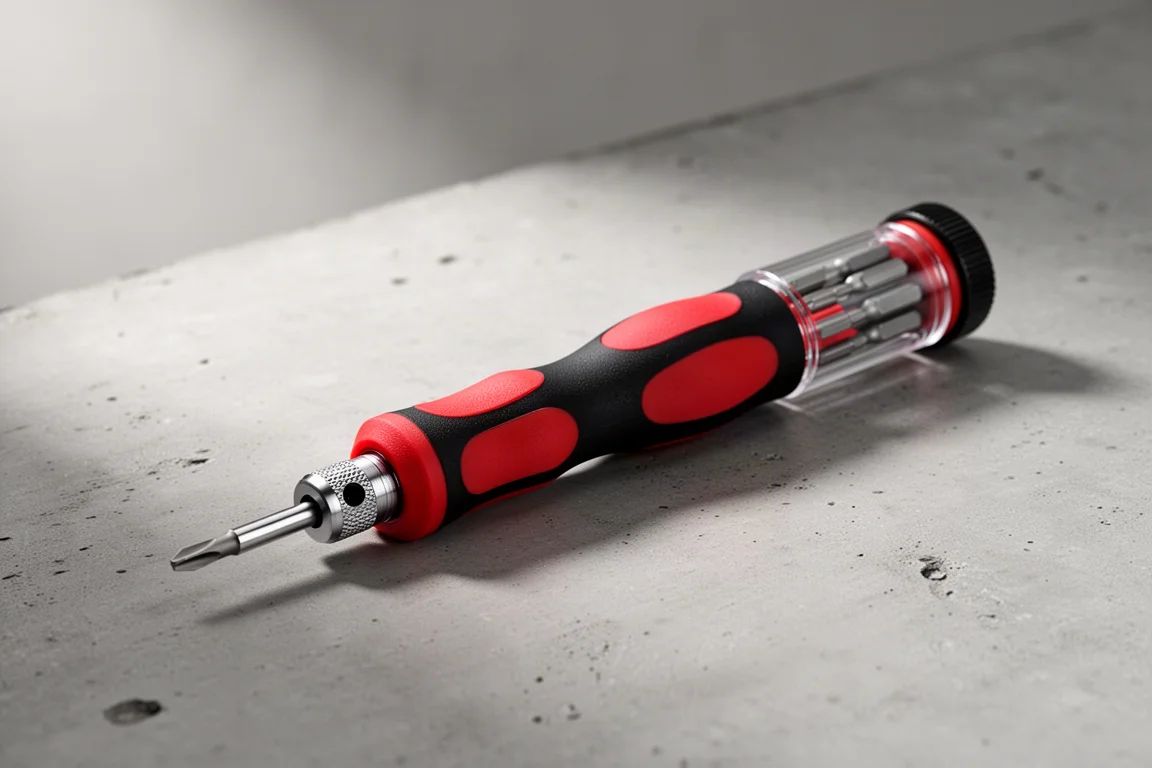
The overlap between these sets is substantial. Both brands use a bit carousel stored in the back of the handle, though the access method differs: the Klein’s carousel pulls straight out, while the Milwaukee’s unscrews and removes. Both have smooth spinning tail caps for one-handed driving.
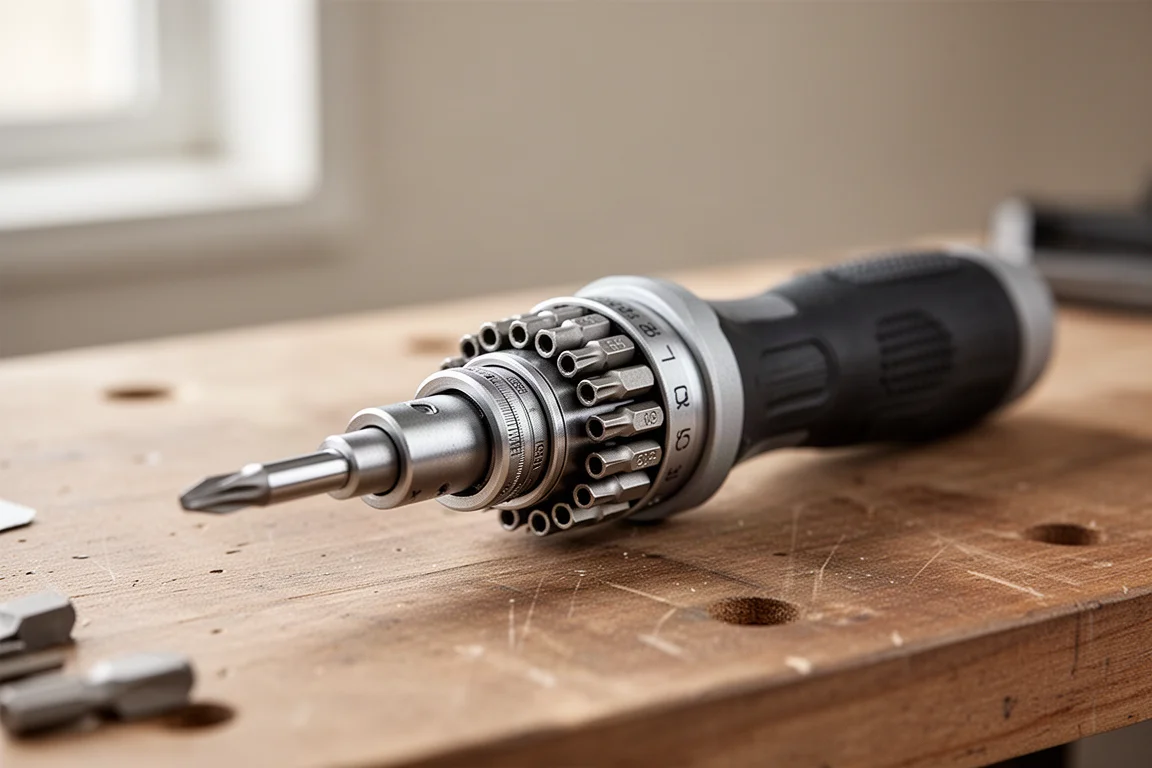
The bit count works out the same way on both: six double-sided bits, doubled for two sides, times two for both sets of bits, plus one bit already in the chuck, plus a 3.5mm driver, for a total of 27. All the bits are 3.5mm shafts. Bit quality, in-hand feel, and the spinning action are all very similar. Bit lengths are effectively the same too, with the Milwaukee possibly a hair longer but nothing noticeable. Bits are even interchangeable between the two brands, so a Milwaukee bit drops right into the Klein chuck and vice versa.
Klein 27-in-1 (32328) and Klein Electronics Version (32327)
Klein offers the stronger set variation story here. You can pick the standard 32328 with its tamperproof security bit set, or the 32327 electronics version with the iPhone fastener heads. The handle uses continuous rubber over-molding with no logo interruptions, which makes it the more comfortable of the two to hold.
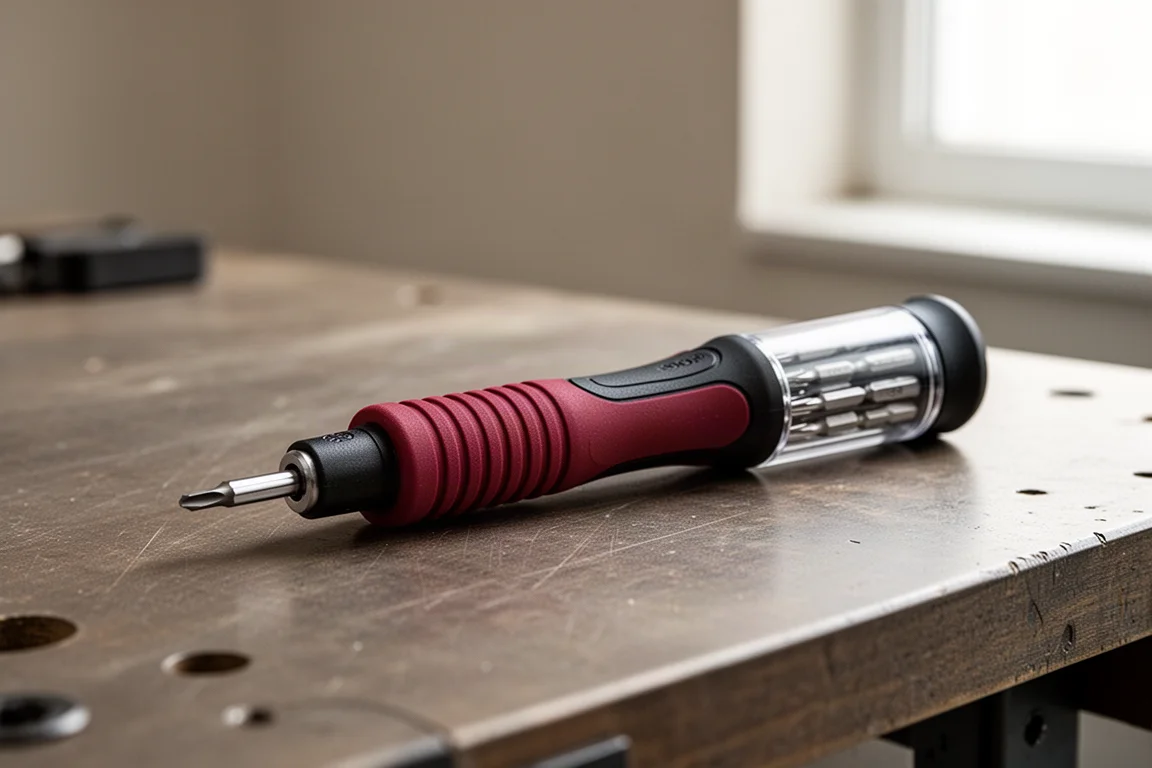
The standout advantage is bit retention. The Klein holds bits with both a magnet and a better grabbing mechanism using a retention ring, so you feel real friction as a bit goes in until it seats fully. That noticeably stronger hold is the single biggest reason this set edges out the Milwaukee.
Milwaukee 27-in-1 (48-22-2934)
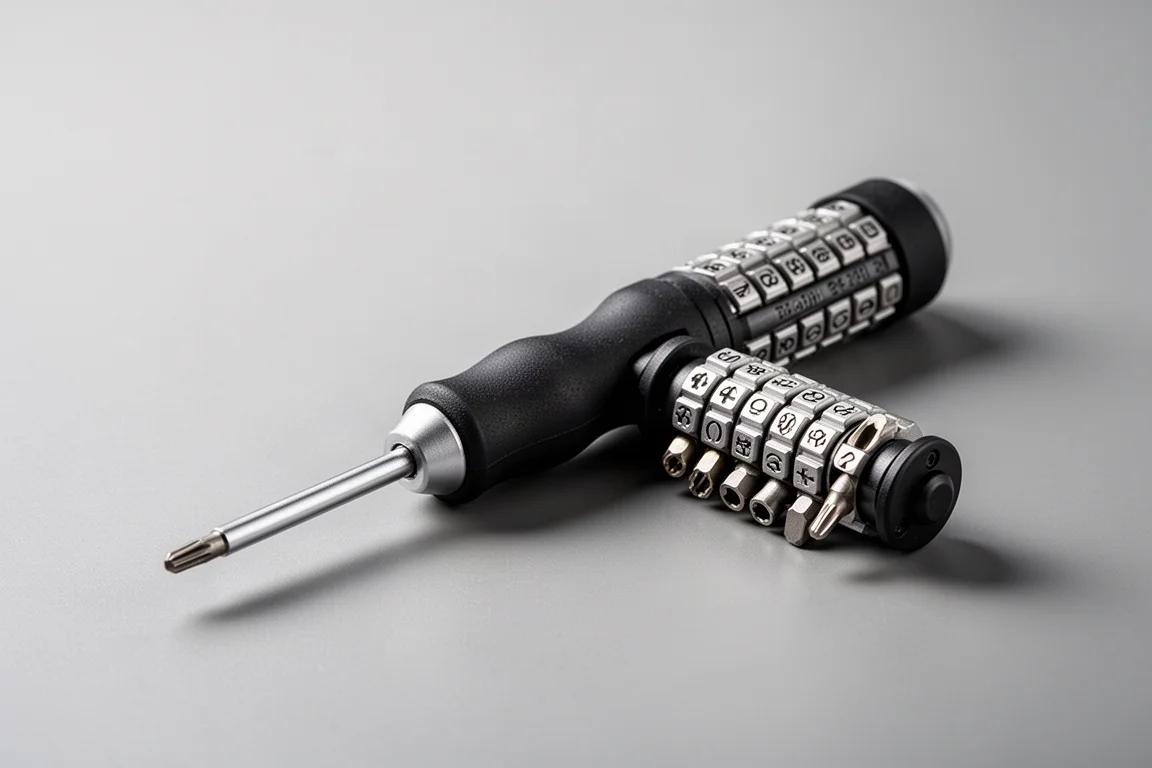
The Milwaukee matches the Klein on size, price, and layout, and comes just a touch taller. Its handle has a few places where the logo and branding interrupt the rubber over-mold, which slightly reduces grip comfort. Bits are marked with a black laser etch, compared to the Klein’s stamped markings.
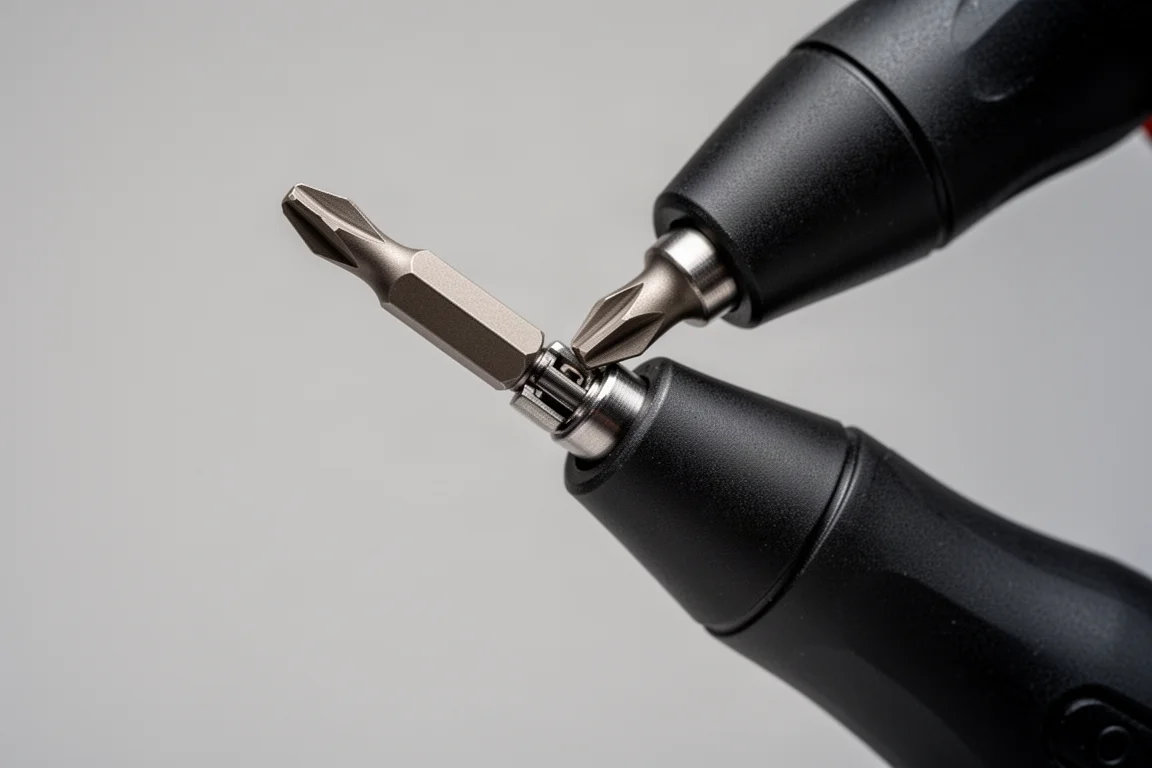
Bit retention is where it falls behind. Milwaukee relies on what appears to be a retention clip that feels really weak, plus a neodymium magnet at the far end. Larger flat bits get slightly better grip, but overall the hold is noticeably weaker than the Klein’s. Another missed opportunity: the retention post on the removed bit carousel has a small c-ring on top, and it could have carried a magnet so the whole carousel could stick to a metal surface. Removing the carousel also costs you the spinning tail cap while it is out.
Small Details Worth Knowing
Both sets have a little bit of rattle in the bits up front. Nothing dramatic, but it is definitely noticeable, and a tighter fit would be needed if you wanted a completely solid feel. This is not high-precision machining at this price, which is a fair trade-off for around $20.
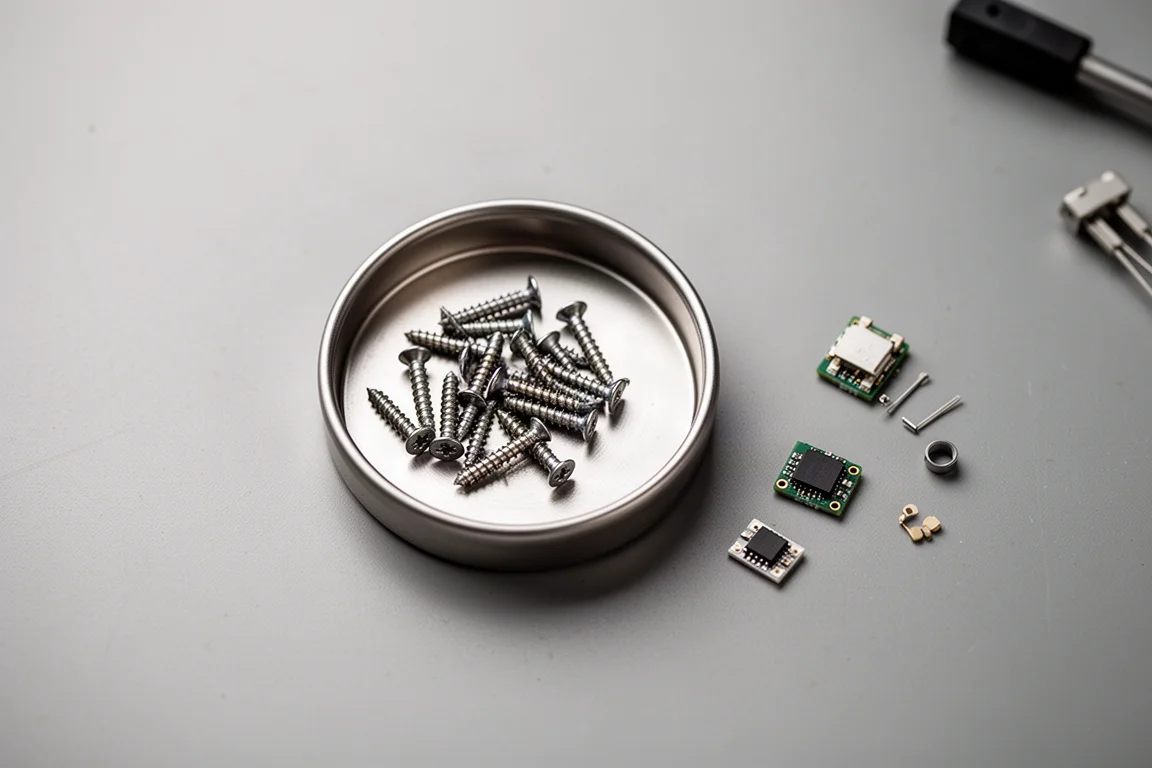
For anyone doing this kind of small-electronics work, a small magnetic parts tray in the roughly $10 range is a useful companion for keeping tiny fasteners organized. And as a fun aside, the sets do include some unexpected bits, like an actual Phillips number two, which is awfully small at this scale but genuinely there.
Which One Should You Buy?
Both are good tools, and brand loyalty is a perfectly valid tiebreaker. If you like Klein, buy the Klein. If you like Milwaukee, the Milwaukee will serve you fine. The deciding factors come down to two things: bit retention, where the Klein is clearly stronger, and set options, where Klein gives you a choice between the electronics version and the security-bit version while Milwaukee comes in one flavor.
If you want one screwdriver that potentially covers every small fastener you will encounter, including that tiny Phillips number two, either will do the job. Just know that the Klein’s firmer bit grip is the real difference you will feel in daily use.
Conclusion
These three 27-in-1 precision screwdriver sets are near twins on size, price, and layout. The Klein sets win on bit retention and offer two variants to match your work, while the Milwaukee is a solid alternative if you prefer that brand or only need the one configuration. At around $20, any of them is an easy addition to a small-repair toolkit.
Further reading
Related Reviews
Hand Tools
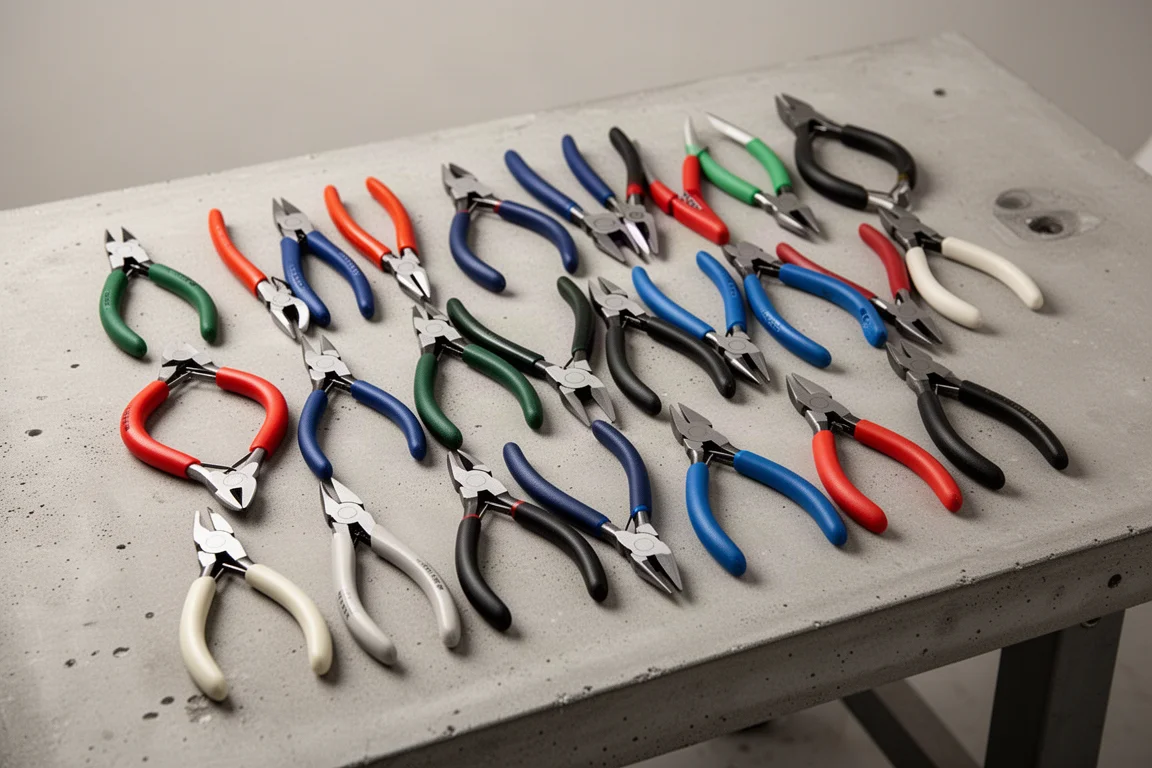
Best Diagonal Cutters 2026: 16 Pliers Tested for Cutting Power and Durability
We put 16 diagonal cutters through nail, screw, drill bit, and hex key tests to find the best value picks for your toolbox.
Hand Tools
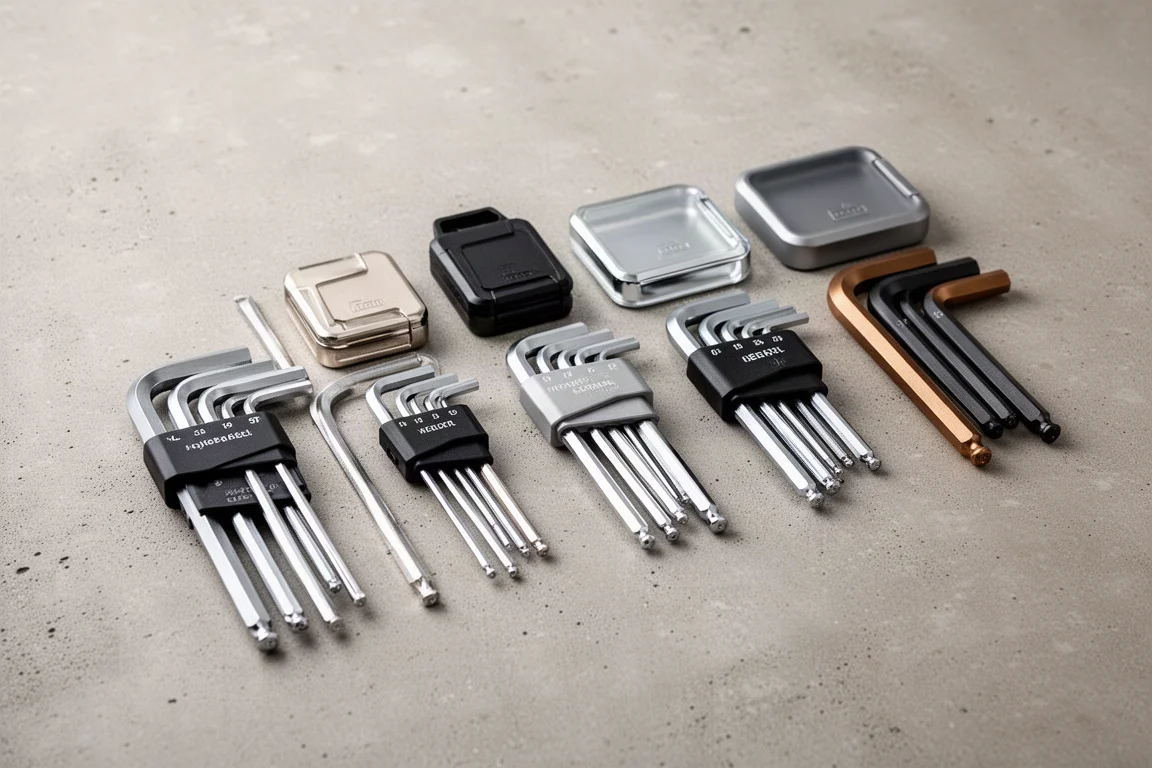
Best Hex L Key Sets 2026: Nine Sets Tested for Real-World Torque
Nine hex L key sets from budget to premium, tested for torque, fit, and durability. See which sets deliver real performance and which ones to skip.
Hand Tools
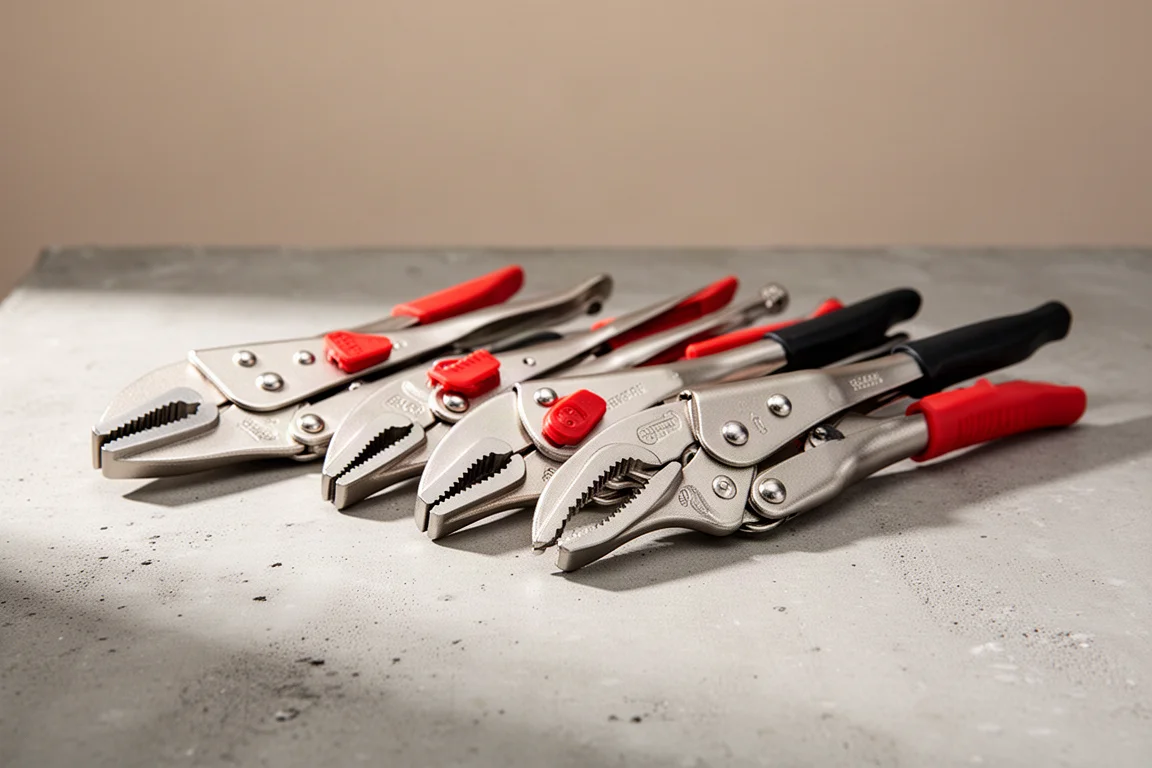
Best Locking Pliers 2026: Top Picks Tested for Grip and Durability
We tested 18 brands of 10-inch locking pliers for grip strength, jaw bite, build quality, and ease of release to find the best options for tough jobs.