Hand Tools
Klein Ratcheting Ball-Head Stubby vs Snap-on Soft Grip: A New Take on the Stubby Screwdriver
Klein's new ratcheting ball-head stubby accepts almost any 1/4-inch bit, while Snap-on's interchangeable shank system remains polished but costly. A practical comparison.
Introduction
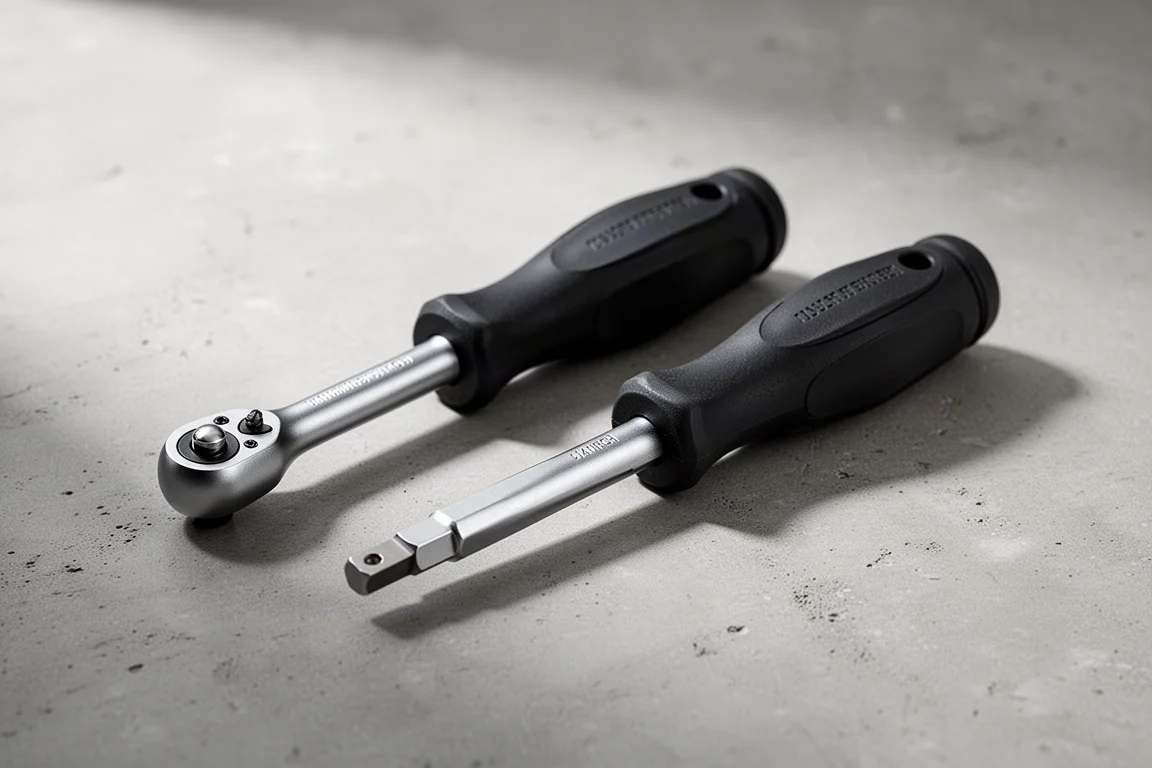
Ratcheting stubby screwdrivers have a devoted following, and for good reason: a short tool that still gives you fast, controlled drive action is one of the most useful things you can keep in a bag or on a bench. For years, the Snap-on soft grip ratcheting interchangeable shank screwdriver has been the benchmark that many enthusiasts consider their favorite. Klein has now entered that space with its ratcheting ball-head stubby, and the two take very different approaches to the same problem.
This comparison looks at how each system works, where each one excels, and which type of user each is really built for.
How the Klein Ratcheting Ball-Head Stubby Works
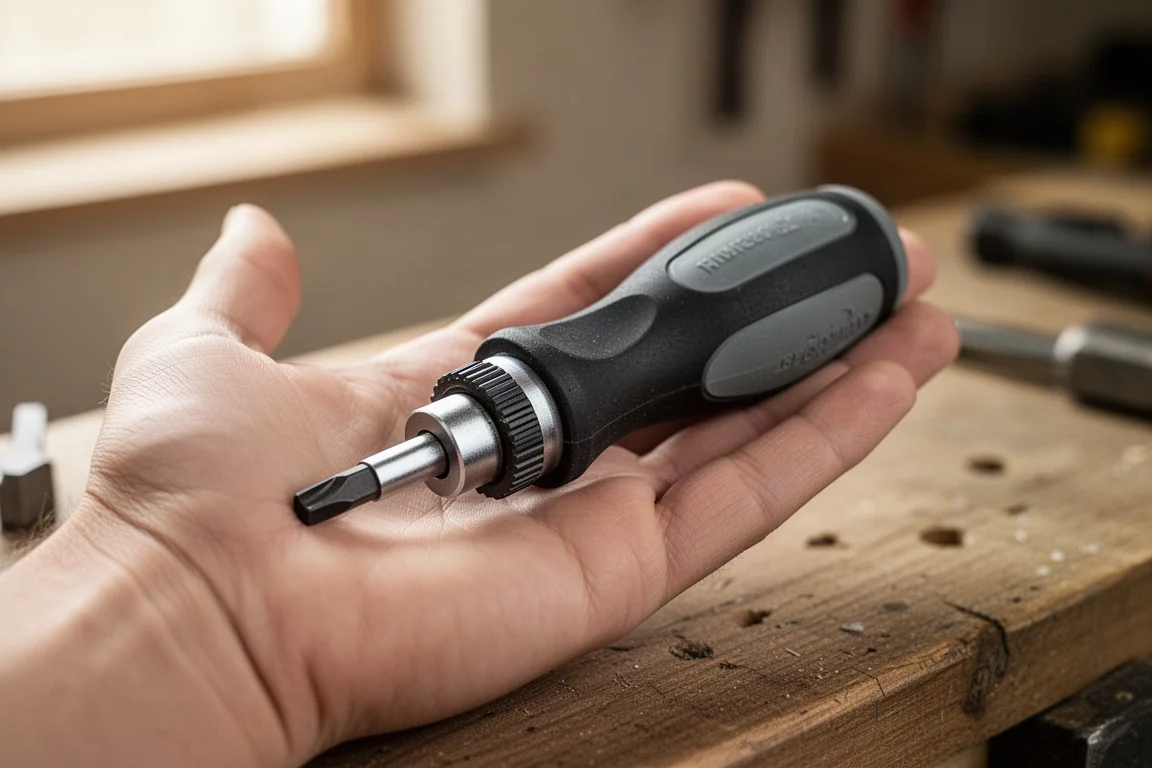
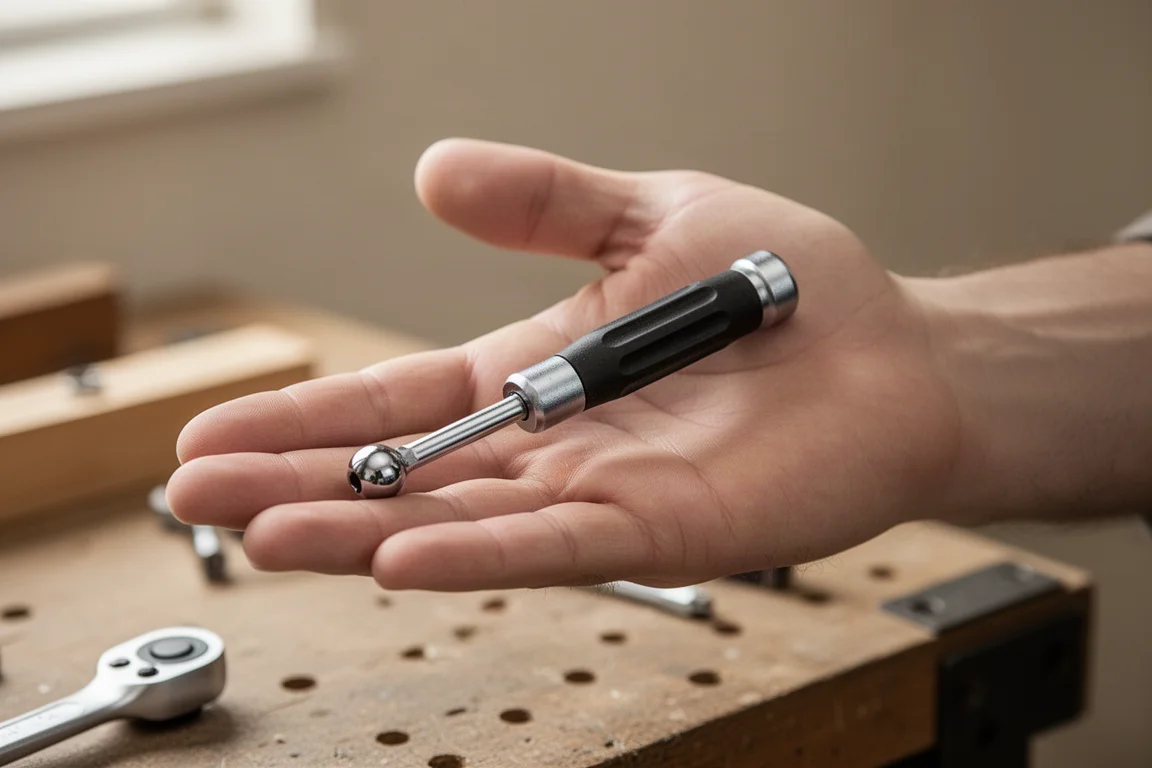
The Klein takes a refreshingly simple approach: it is a stubby-length ratcheting handle with an open 1/4-inch bit receiver, so virtually any standard hex bit drops straight in. The ratcheting direction is controlled by a collar, and it flips exactly the way you would expect: rotate the collar one way and it tightens in that direction, flip it and it spins the other way. That sounds minor, but many ratcheting drivers select the opposite of the direction you want to tighten, and having the collar match your intent makes the tool faster and more instinctive in use.
The ball-head ratchet sits at the back of the handle, which turns out to be a smart placement. With a bit loaded, you can spin the ratchet end with your fingertips without reaching up along the shaft the way you would on a traditional knurled-shank screwdriver. It is a very natural motion, and the short, rounded handle settles into the palm in almost any grip orientation.
Why Bit Compatibility Changes the Game
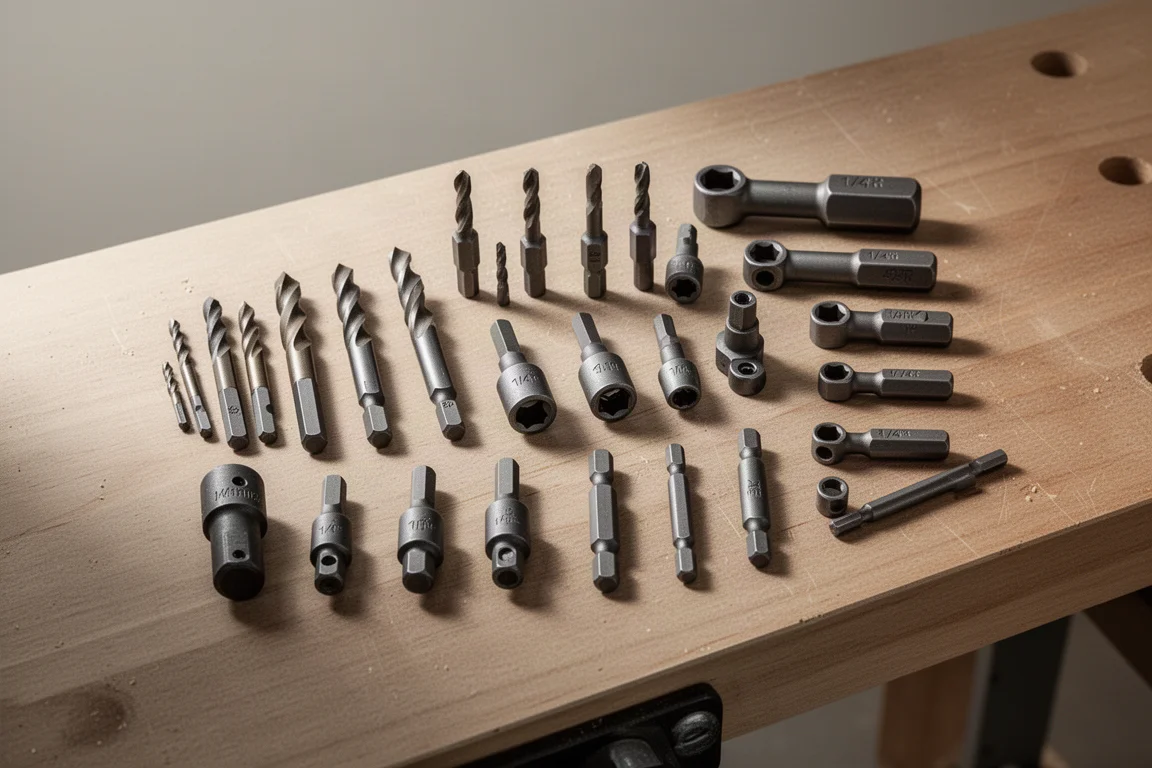
The real shift is what the Klein accepts. Because there is no proprietary middleman in the way, you can run bits from Klein, DeWalt, Milwaukee, PB Swiss, or any other manufacturer. That includes standard Phillips and flat bits, hex sets, drill bits, extra-long locking extensions, nut driver adapters, socket adapters, swivels, screw-holding bits, and long shaft bits that turn the stubby into an excellent mid-length driver.
Klein’s own Phillips #2 bit locks in rock solid, and the source material goes as far as calling that combination possibly the ideal Phillips #2 screwdriver. Smaller 4 mm bits also fit with an adapter, though a loose adapter can leave a little play, so a better 4 mm adapter would be a welcome addition. Shorter bits disappear into the receiver and can be slightly fiddly to pull out, but overall the platform eats just about anything you throw at it.
The Snap-on Soft Grip Ratcheting Interchangeable Shank Screwdriver
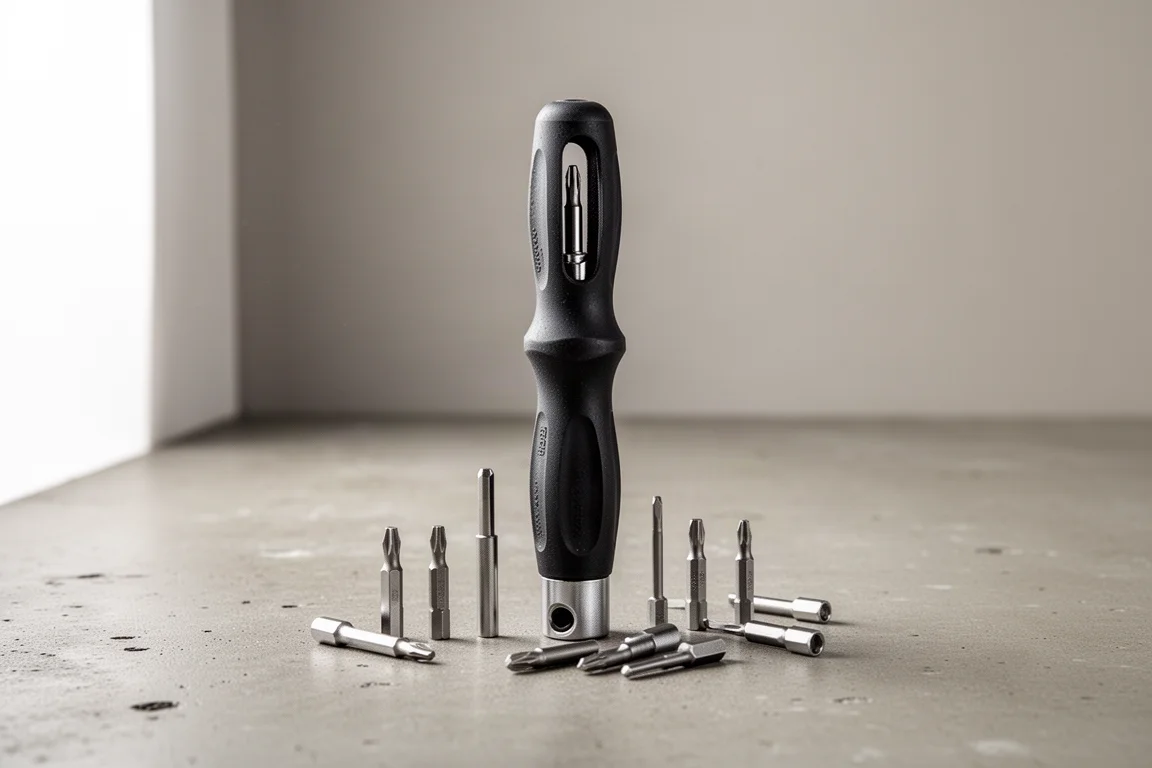
The Snap-on system is built around 1/4-inch interchangeable shanks. You choose a shank, from short versions up to a composite option, and insert it into the magnetic end of the handle. It is a well-executed system with a huge range of dedicated shanks for different needs, and the ratcheting direction also works the way most users want.
The trade-offs are cost and lock-in. Even the small shanks run around $20 or more, with longer and composite versions climbing to roughly $60. You also cannot use the handle at all without one of Snap-on’s own shanks installed, and the magnetic rather than locking end means the system stays within its own ecosystem. A newer shorter shank may trim some length, but the overall footprint remains longer than a true stubby.
Sizing: The New Semi-Stubby Space
Here is where the comparison gets interesting. Snap-on’s own stubby ratcheting screwdrivers are often criticized as being too long for the category, and compared against a classic PB Swiss stubby, the Klein lands in a genuinely new middle zone: shorter than the Snap-on soft grip in its shortest configuration and shorter than full-size classics, but longer and more capable than a pure super-stubby. Think of it the way socket users think of semi-deep sockets: not shallow, not deep, just the handy in-between length that covers more real-world tasks than either extreme.
That sizing, combined with the open bit receiver and the ratchet placed at the rear of the handle, is what makes the Klein feel like a new platform rather than just another screwdriver. It is a mid-size, mid-length tool that handles everything from foot-long extensions down to everyday screws without the proprietary shank acting as a gatekeeper.
Which One Should You Buy?
If you already own a deep set of Snap-on shanks and love the soft grip handle, the Snap-on system remains a pleasure to use, and the direction of ratchet rotation is still one of its best traits. The cost of expanding the shank collection, however, adds up quickly, and you are locked into one brand’s bits for everyday use.
If you are starting fresh, the Klein is the easier recommendation. It fits the hand beautifully, ratchets in the direction you actually want, accepts almost any bit on the market, and opens the door to adapters and extensions without a proprietary toll booth. For most users, it simply removes barriers that the older system had been quietly imposing all along.
Conclusion
The Snap-on soft grip ratcheting interchangeable shank screwdriver earned its reputation, and it is still a great tool if you are already invested in its ecosystem. But the Klein ratcheting ball-head stubby changes the calculus: right-sized, direction-correct ratcheting, universal bit compatibility, and a handle that just works. If a stubby ratcheting driver is on your shortlist, the Klein is the one to look at first.
Product link
View more details for Klein Ratcheting Ball-Head Stubby Screwdriver
This product is mentioned in the review. Check the specifications, options, and compatibility before buying.
View more details for Klein Ratcheting Ball-Head Stubby ScrewdriverFurther reading
Related Reviews
Hand Tools
Best Diagonal Cutters 2026: 16 Pliers Tested for Cutting Power and Durability
We put 16 diagonal cutters through nail, screw, drill bit, and hex key tests to find the best value picks for your toolbox.
Hand Tools
Best Hex L Key Sets 2026: Nine Sets Tested for Real-World Torque
Nine hex L key sets from budget to premium, tested for torque, fit, and durability. See which sets deliver real performance and which ones to skip.
Hand Tools
Best Locking Pliers 2026: Top Picks Tested for Grip and Durability
We tested 18 brands of 10-inch locking pliers for grip strength, jaw bite, build quality, and ease of release to find the best options for tough jobs.