Hand Tools
Klein Hybrid Wire Stripper Cutters Compared: K12045, K12075 and the Knipex Alternative
Klein's new lightweight forged hybrid wire stripper cutters go head to head with the Knipex hybrid on cutting, stripping, weight and price.
Introduction
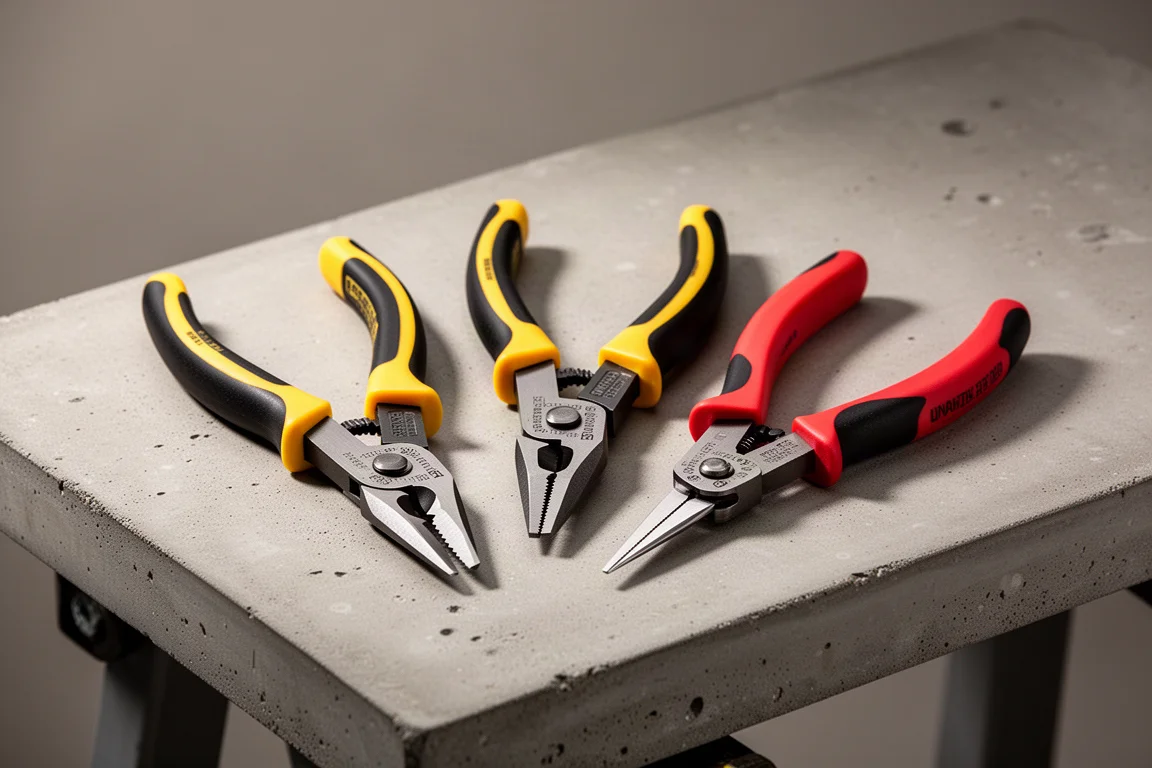
Klein Tools has added a couple of new hybrid wire cutter stripper pliers to its lineup, and they bring something genuinely new to the category: a forged, noticeably thinner, lighter profile that changes how these tools feel in the hand. Both new models sell in the low-to-mid thirty dollar range, roughly five to ten dollars more than the previous stamped-steel versions. This guide walks through what each one does well and how they stack up against the Knipex hybrid many electricians already know.
Meet the New Klein Hybrids
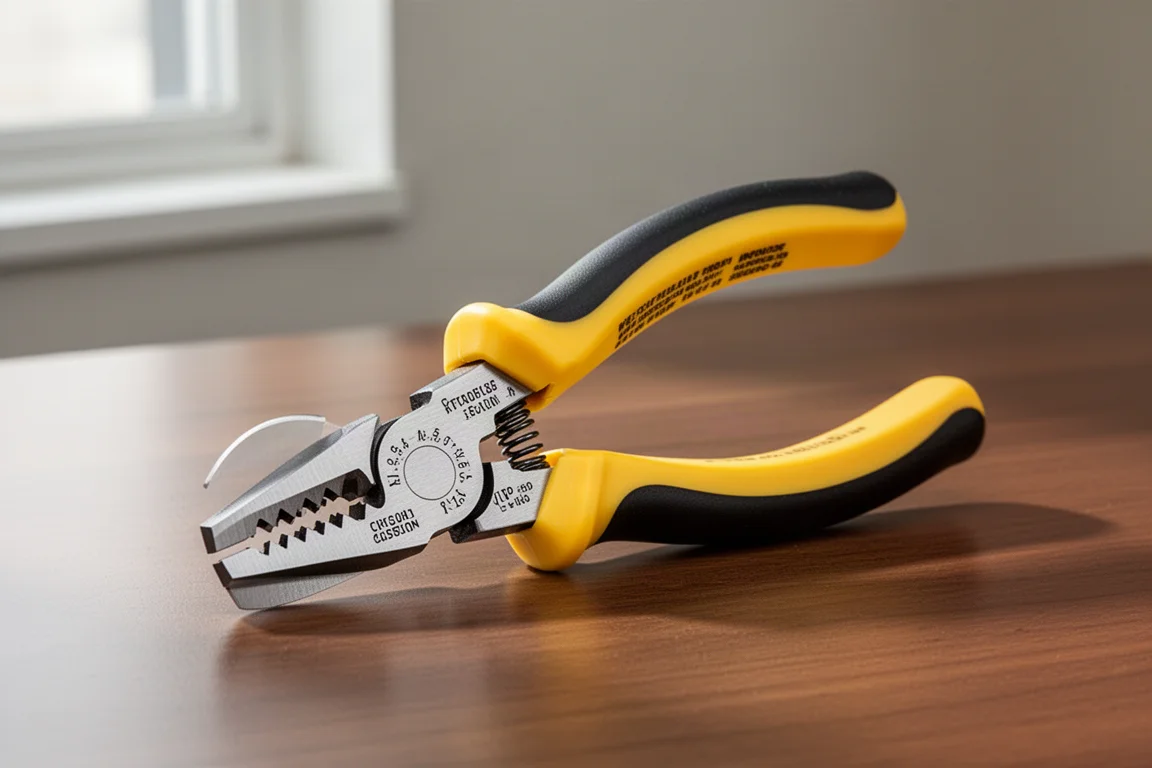
The first model, the K12045, is built to snip off the insulation on Romex sheathing in one motion. It also cuts wire, offers 8-32 and 6-32 bolt cutting, and carries a set of cross-hatched mini lineman-style jaws up at the front end.
The K12075 keeps the same bolt cutting and copper cutting knives but adds real stripping capability: solid core from 18 down to 8 AWG and stranded from 20 down to 10 AWG. It shares the same cross-hatched front jaws. Both tools are made in Taiwan according to the packaging, lightweight, and use a forged rather than stamped steel construction.
One thing worth knowing about the Taiwan sourcing: spinning up a forged plier is not something that happens in a week. It requires factory space, forging machines, dies, and finish work to align everything precisely. Taiwan offers the existing factory capacity and workforce to get a new design out in a reasonable amount of time at an affordable price, which is likely why Klein went this route.
Klein K12045: The Romex Specialist
The K12045 is the more focused of the two. Its main job is slicing Romex sheath insulation quickly and cleanly, and the knives handle it with very little effort: you can hold the pliers mid-handle and snip all day as long as the cable sits near the pivot. Unlike the older rivet-based models, this pivot uses a torque screw, which opens the door to adjustment and service.
Klein K12075: The Full Hybrid
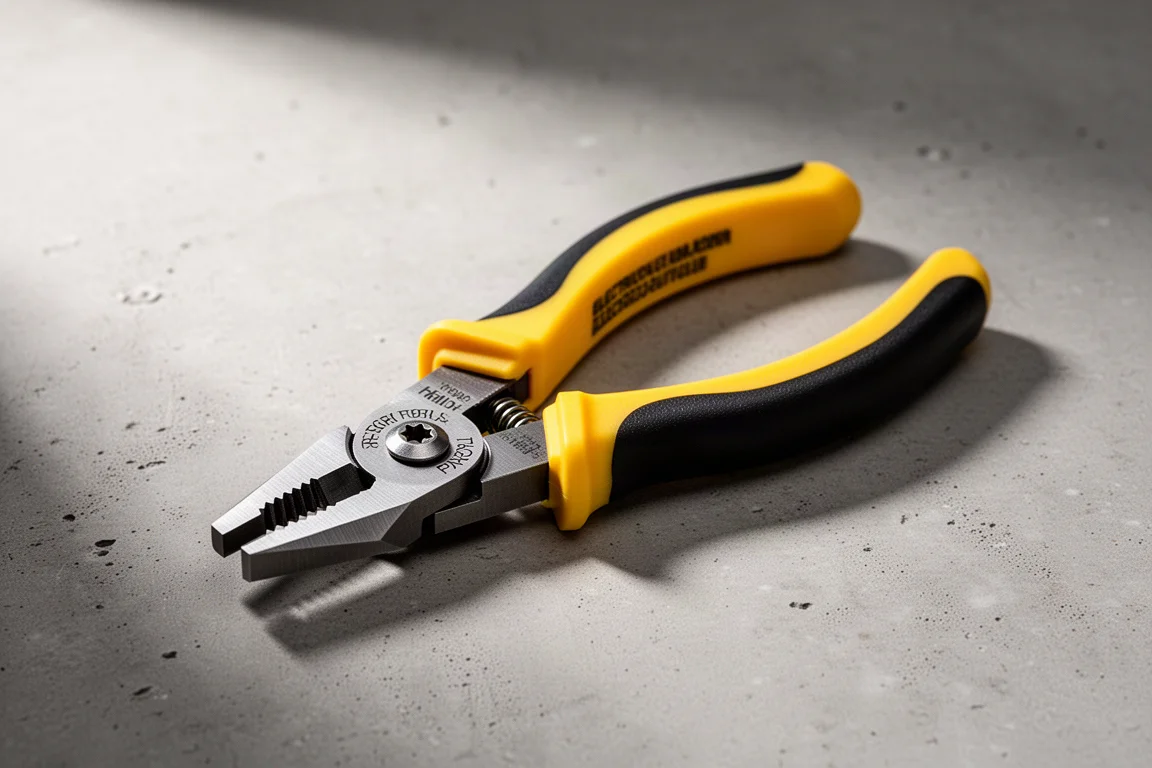
The K12075 is the better-rounded tool for anyone doing actual wire stripping work. With solid 18 to 8 AWG and stranded 20 to 10 AWG stations alongside the cutting and bolt-cutting capability, it covers most residential wiring tasks without a separate stripper. The stripping action is silky smooth, and the curved Klein handle keeps it seated in the palm with spring loading providing extra traction along the handle spine.
Knipex Hybrid: The Established Rival
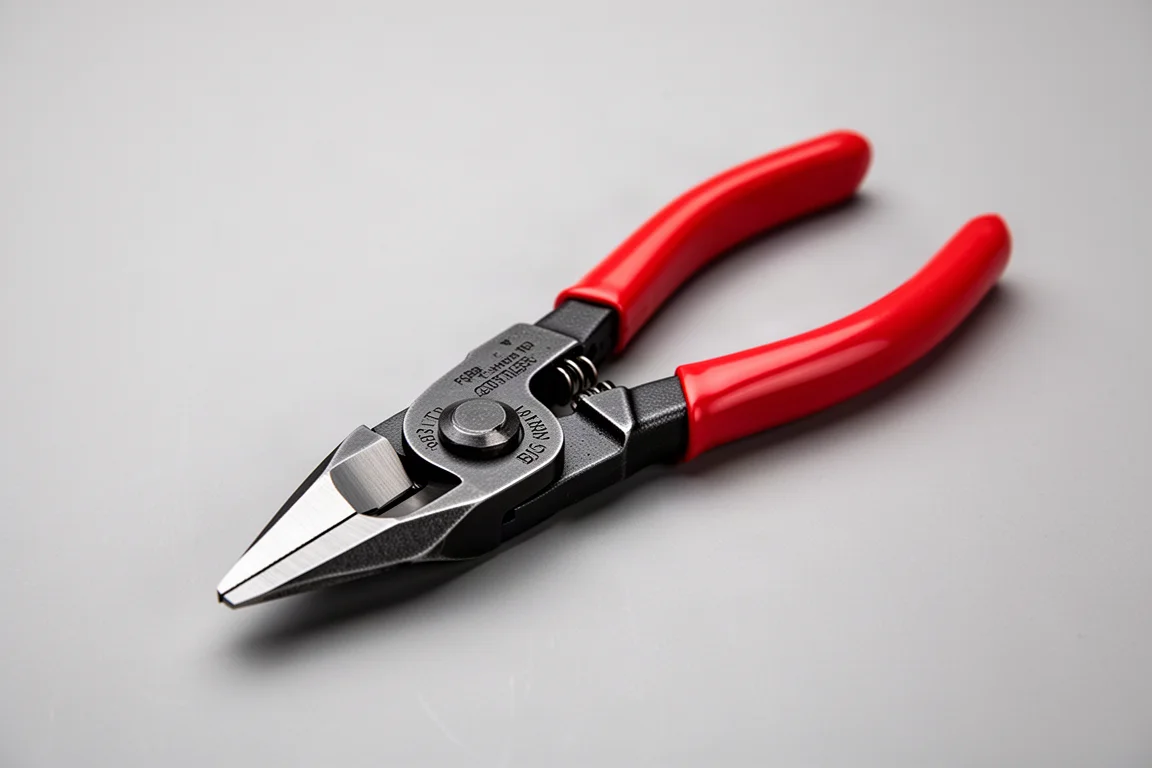
Many people compare these Klein hybrids directly to the Knipex version. The Knipex has big cutting knives, minor stripping capability, bolt grabbing, and a finer tip at the front end. Its knife profile has a nice quality: when cutting stranded wire, it tends to bunch the strands together so they do not splay everywhere. It is also forged, spring loaded, and comes in different handle options including red dip, plus two finish options. If you work in a chemically corrosive environment, the chrome finish version is supposed to hold up a little better. The standard black oxide version runs about $60, and a chrome version with 1000V rated handles has been listed for around $120 on eBay. One quirk: the sharp snap of the lock can feel irritating, though it does mean you can make a cut and simply drop the locked pliers in your tool bag.
Weight and Feel in the Hand
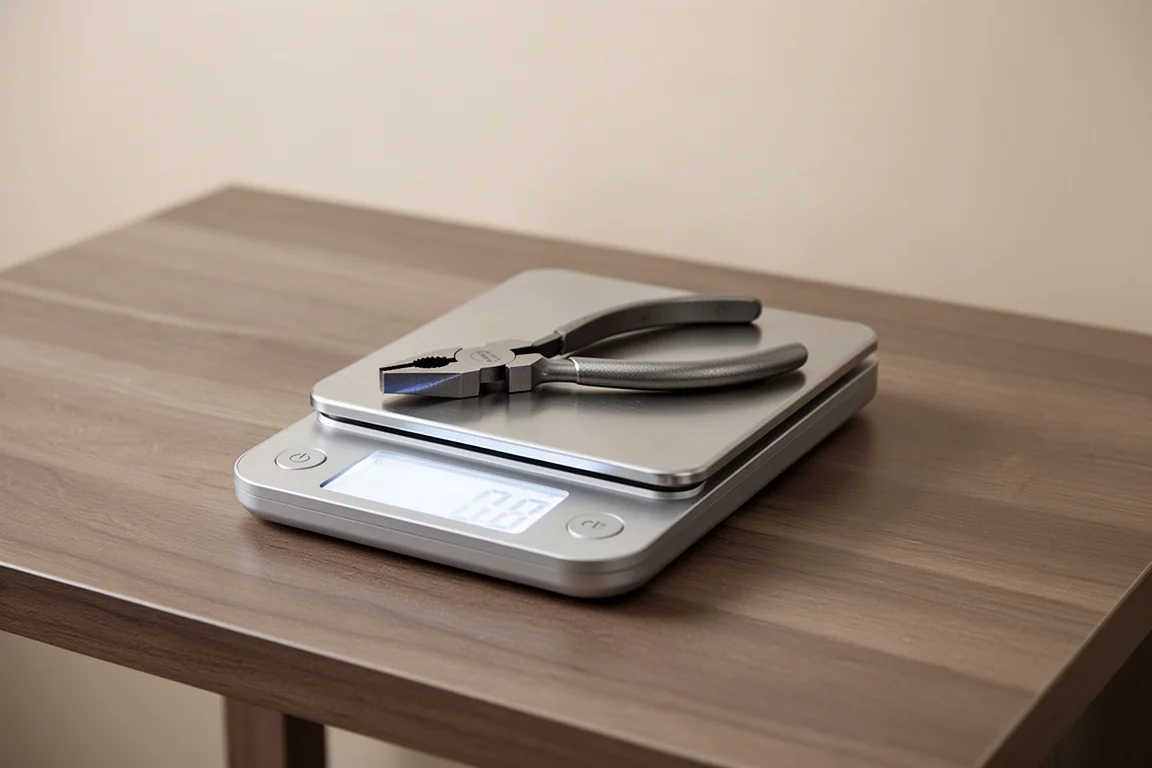
On the scale, the difference is easy to feel and easy to measure. The previous USA-made version weighs about 10 oz (282 g), while the new thinner forged design comes in at roughly 7.3 oz (207 g). That is almost a full 3 oz, or about 70 g, lighter than the conventional version. It is still heavier than a dedicated wire stripper, but not by much, and it is noticeably more nimble. The curved Klein handle design feels right-handed and snug in the palm, and the spring loading keeps contact with your hand through friction rather than requiring a firm grip.
Cutting and Stripping Performance
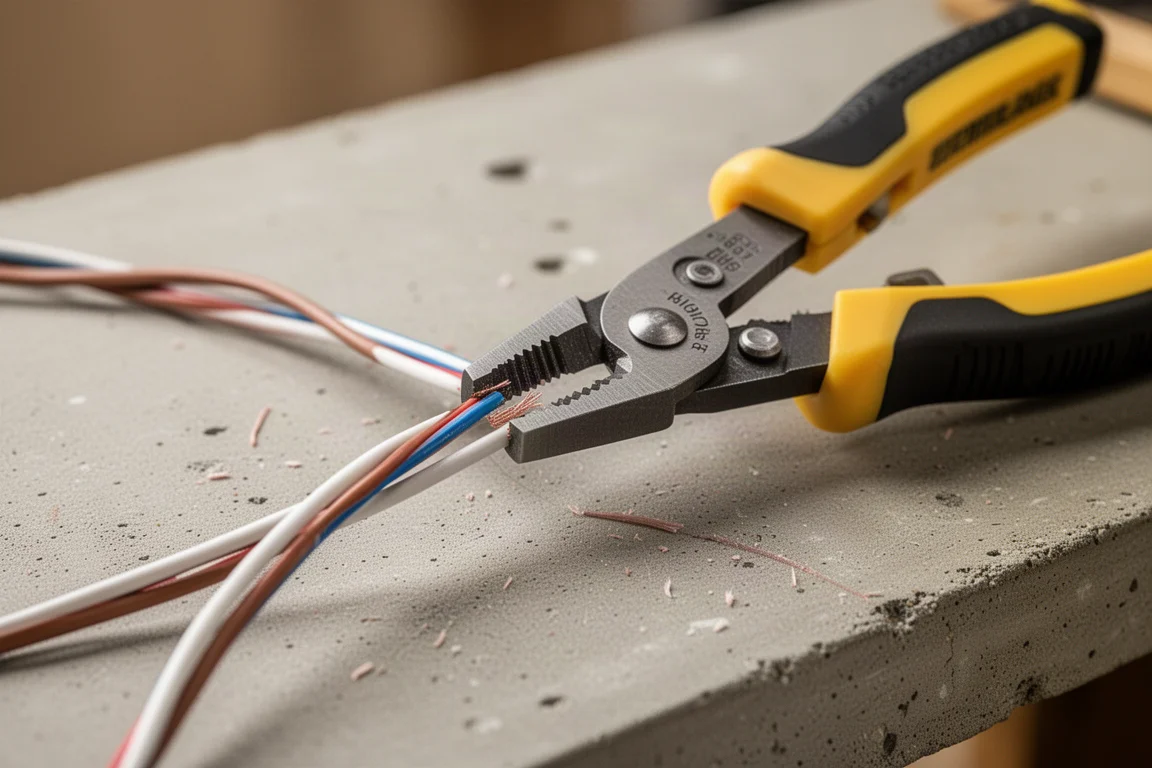
Both new Kleins cut impressively. The Romex sheath slicing feels like cutting through butter, and the knives stay effective down near the pivot. The knife geometry differs slightly between the models: the K12045 uses straight knives, while the K12075 has some curved action in its profile. One practical quirk on both: the spring tension does not push the jaws all the way open, though you can open them further manually. The lock position also leaves a gap wide enough that you may be able to slide wire through, which can be genuinely useful.
For stripping, the K12075 has a ground reference in the jaw to line up Romex, and the two solid-core choices snap cleanly through 12 AWG with a smooth, satisfying action. Compared to the older Klein versions, the knives here overlap as they close rather than simply coming together, which is probably why they cut so nicely.
Jaw Gap and Pivot Design
At first glance, a small gap at the tip when the jaws close looks like a defect. Looking closer, it appears the bottom of the knife is where the jaws stop, which is a good place for them to bottom out. The Knipex shows an even bigger gap at the tip, so this is not unusual unless you are trying to pick up coins. What matters more is the closing behavior: the overlapping knives on the new Kleins produce that clean, effortless cut.
Teardown Notes: Serviceable Pivot
The new Kleins use a Torx bolt at the pivot instead of a rivet, and it opens up cleanly with a T20. Inside, a powerful spring fits into a small box cut into the opposing side, and the locking mechanism is riveted in, similar to earlier versions. Reassembly is tougher than it looks but doable. This design should eliminate a lot of hand-fitting work at the factory and likely solves the sticky plier issues some users have experienced, as long as the joint holds up over time.
Buying Advice
If your main job is slicing Romex sheath all day, the K12045 at around $33 is a focused, excellent value. If you want one tool that also strips 18 to 8 solid and 20 to 10 stranded wire, the K12075 at roughly $36 or $37 is the pick, and both were easiest to find at Lowe’s. The Knipex remains a strong alternative at a higher price, especially if you want the finer tip and strand-bunching knife profile, or if you need the chrome finish or 1000V rated handles for tougher environments. All three are forged, spring-loaded hybrids, so the decision mostly comes down to stripping range, tip geometry, and budget.
Conclusion
Klein’s new lightweight forged hybrid stripper cutters earn a clear win: they are lighter, more nimble, and cut like crazy, all at an accessible price. Whether the Taiwan manufacturing is a test market or a permanent nimble production strategy, the result is a great tool that arrived quickly and affordably, and that is what matters most.
Further reading
Related Reviews
Hand Tools
Best Diagonal Cutters 2026: 16 Pliers Tested for Cutting Power and Durability
We put 16 diagonal cutters through nail, screw, drill bit, and hex key tests to find the best value picks for your toolbox.
Hand Tools
Best Hex L Key Sets 2026: Nine Sets Tested for Real-World Torque
Nine hex L key sets from budget to premium, tested for torque, fit, and durability. See which sets deliver real performance and which ones to skip.
Hand Tools
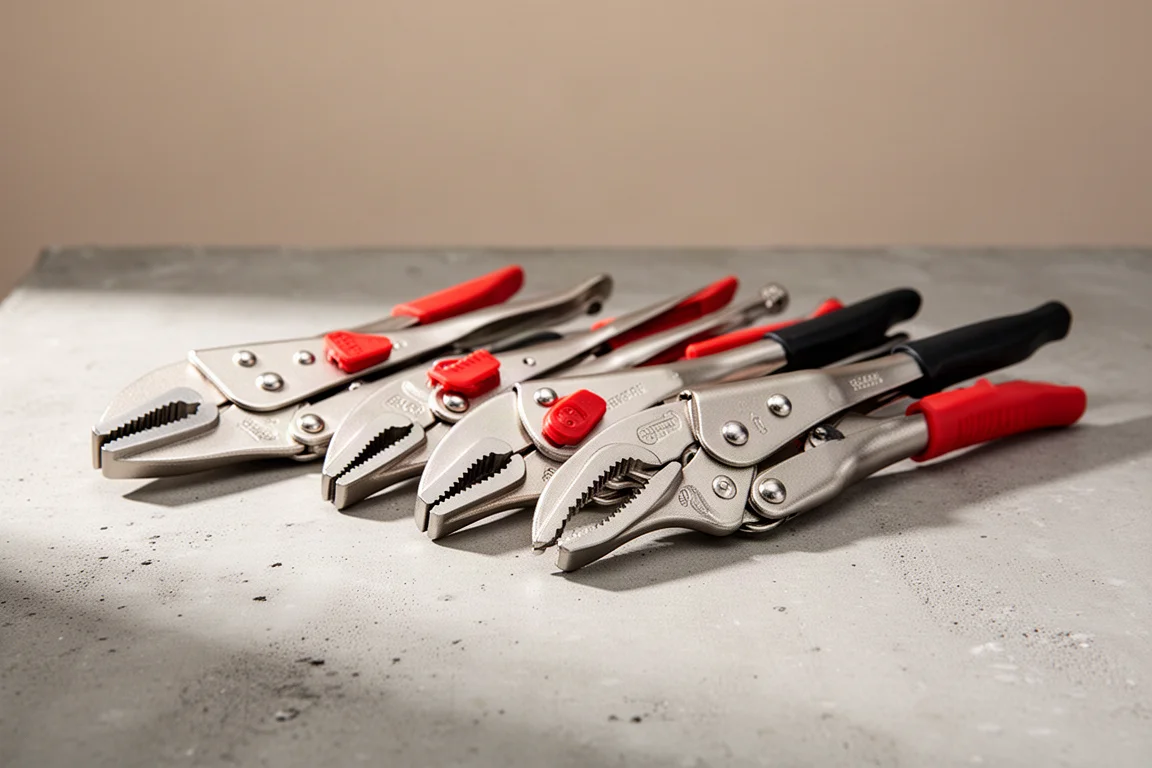
Best Locking Pliers 2026: Top Picks Tested for Grip and Durability
We tested 18 brands of 10-inch locking pliers for grip strength, jaw bite, build quality, and ease of release to find the best options for tough jobs.