Hand Tools
Klein Forged Wire Stripper Cutters: A Hands-On Look at Clean Stripping
Testing the forged Klein wire stripper cutters on 12 gauge stranded wire and other gauges, with practical tips for getting clean, nick-free pulls.
Introduction
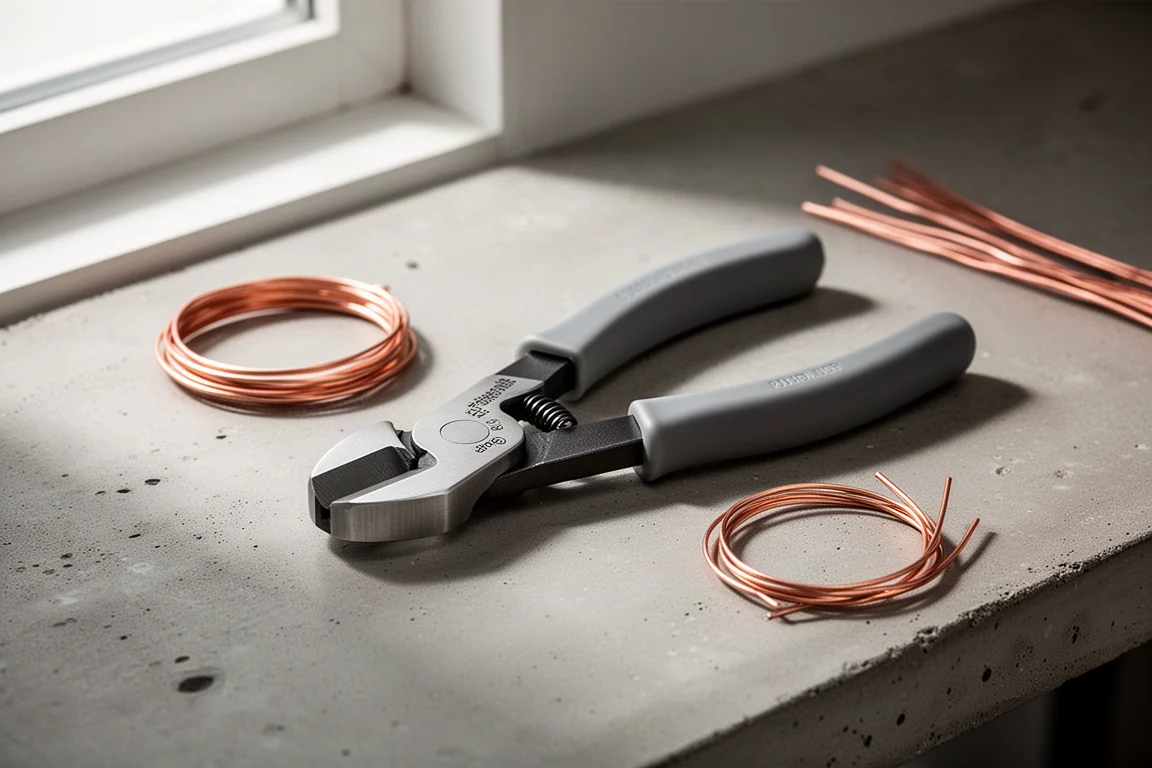
Wire strippers are one of those tools where small details decide whether a job goes smoothly. The forged Klein wire stripper cutters, made in Taiwan, have drawn some attention lately, including questions about whether they nick 12 gauge stranded wire. That concern is worth taking seriously, so this write-up focuses on exactly that scenario, plus a few other wire types and sizes, to see how the tool behaves in real use.
Why These Forged Stripper Cutters Deserve a Second Look
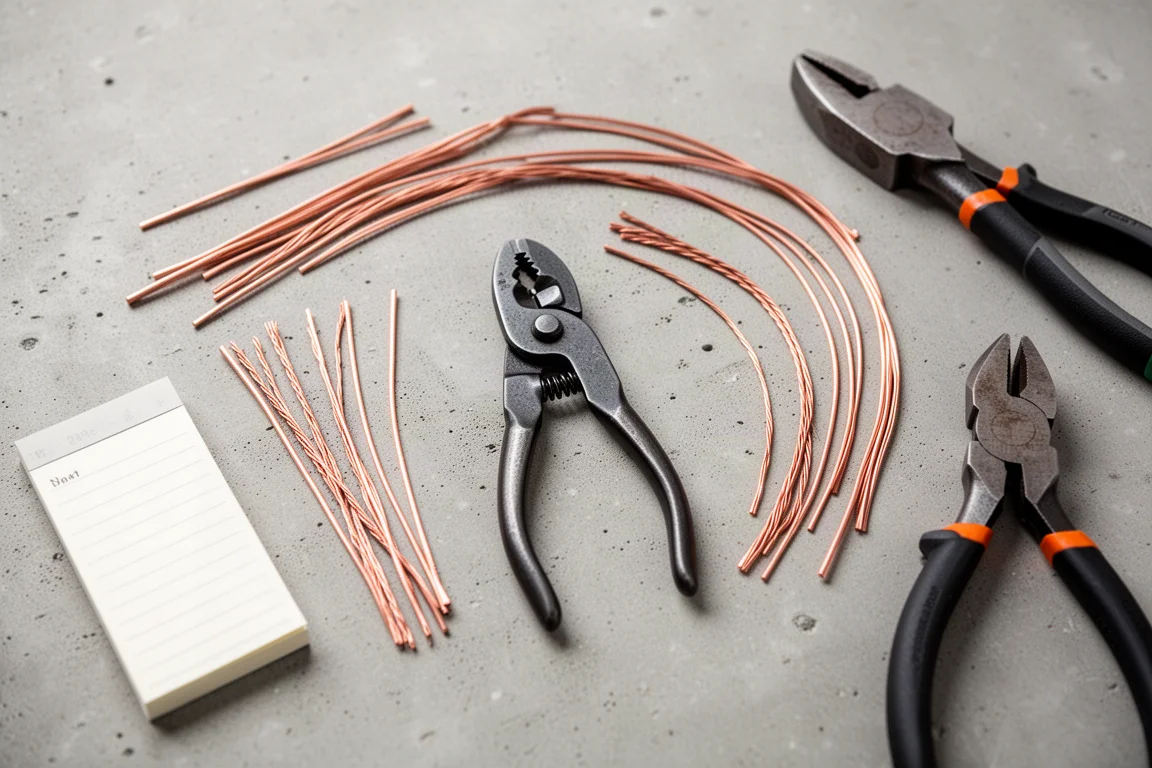
The forged construction gives these pliers a solid, lightweight feel, and the cutting edges arrive sharp. Right out of the package, they handled 12 gauge stranded wire cleanly, with no visible marks on the copper after a straight pull.
One design note worth knowing: the wire gauge numbers are printed on only one side of the tool. For many users, that side is not the natural way of holding the pliers, so lining up the right position means either flipping your grip or counting the positions from the marked side. It is a minor quirk, but one worth practicing before you rely on the tool for precise work.
The Two Mistakes That Cause Nicks
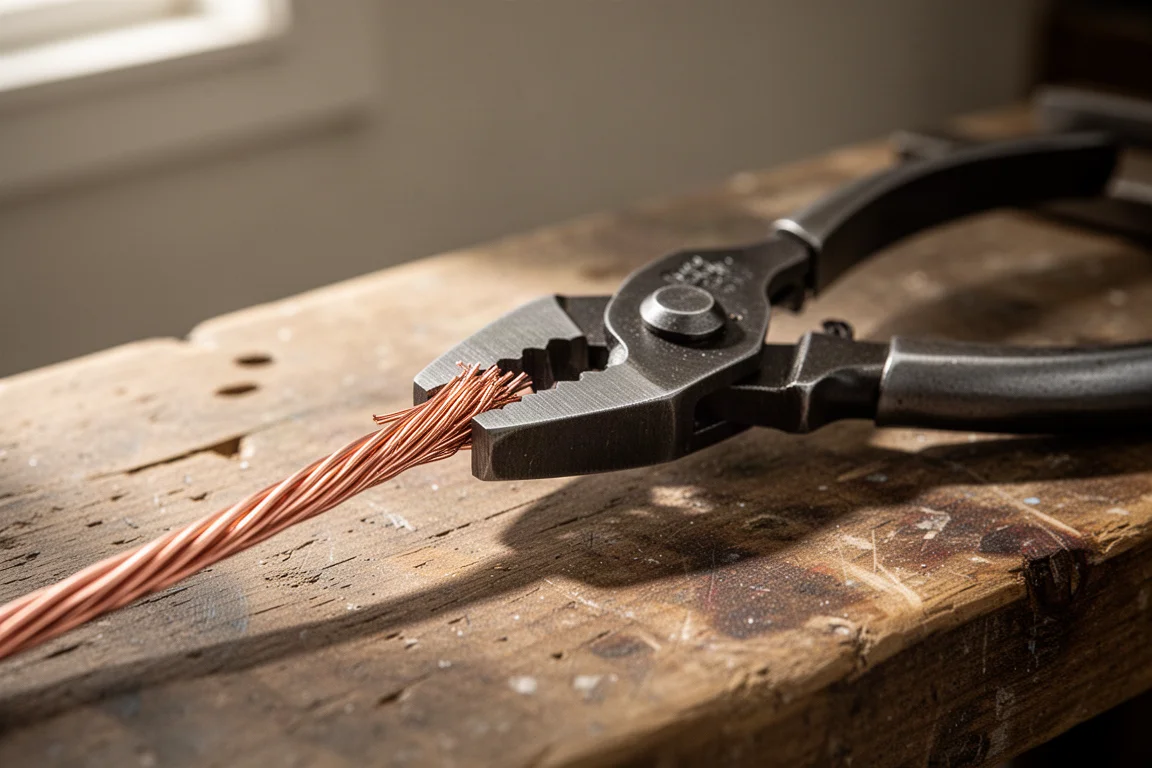
Two habits explain nearly every nick these pliers can leave. The first is using the wrong position for the wire gauge. With 12 gauge stranded wire, the correct slot is the second position, and getting it wrong dramatically increases the chance of cutting into strands.
The second, and more important, mistake is angling the tool. Many people instinctively tilt pliers slightly when pulling insulation off. With these strippers, that tilt is exactly what causes damage: the blades skip along the wire and gouge the strands. The fix is simple. Pull straight out, keeping the stripping blades completely perpendicular to the wire, and the insulation slides off with no marks at all.
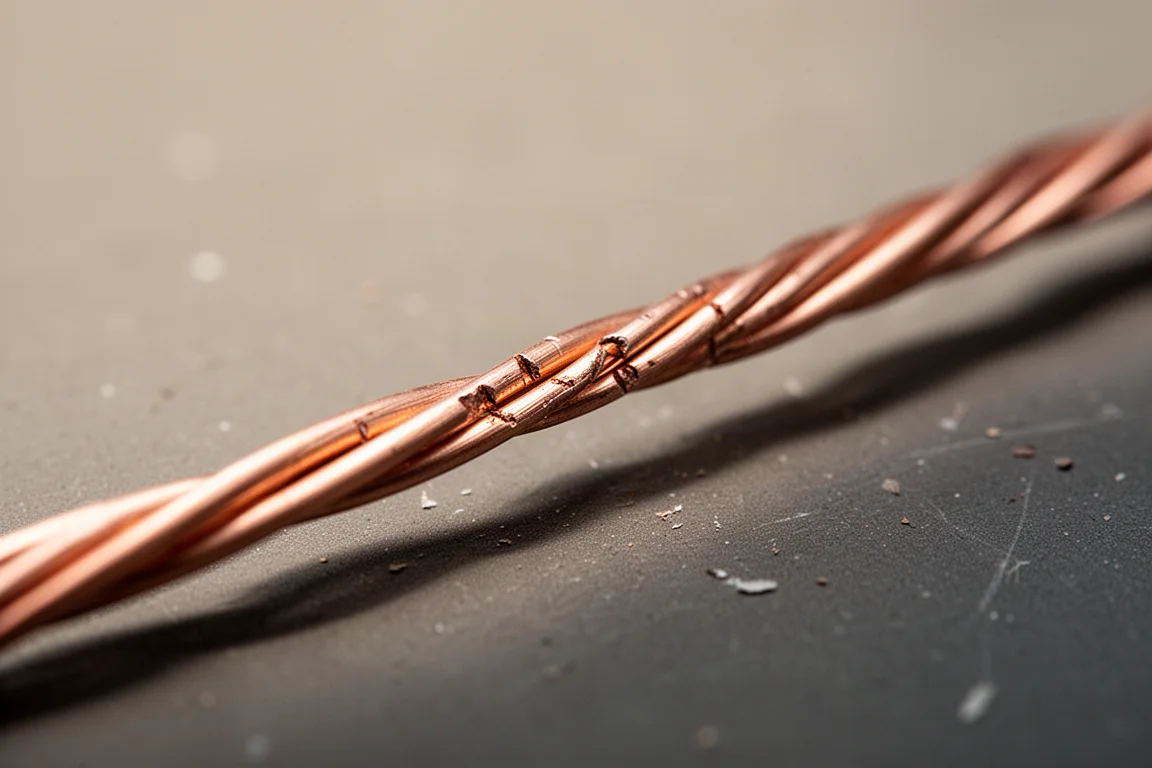
Once the grip is right, the result is consistent. Repeated straight pulls on 12 gauge stranded wire left the copper smooth every time. The caveat is that this applies while the tool is new and the edges are sharp. Like any pair of strippers, these have their own personality: they wear differently, age differently, and behave differently depending on whether you have been cutting mostly solid or mostly stranded wire.
How It Handles Other Wire Sizes
Beyond 12 gauge stranded, the pliers performed well across a range of common wires. An older appliance or extension cord wire, apparently 14 gauge, stripped clean on the third position with no visible marks on either side of the copper.
A 12 gauge stranded wire with thicker insulation, tested in the second position with a straight pull, also came out clean, repeated attempts included. Solid wire was just as easy: 14 gauge solid copper slid out of its slot smoothly, with at most a faint scratch in one attempt that would not concern a typical DIY user.
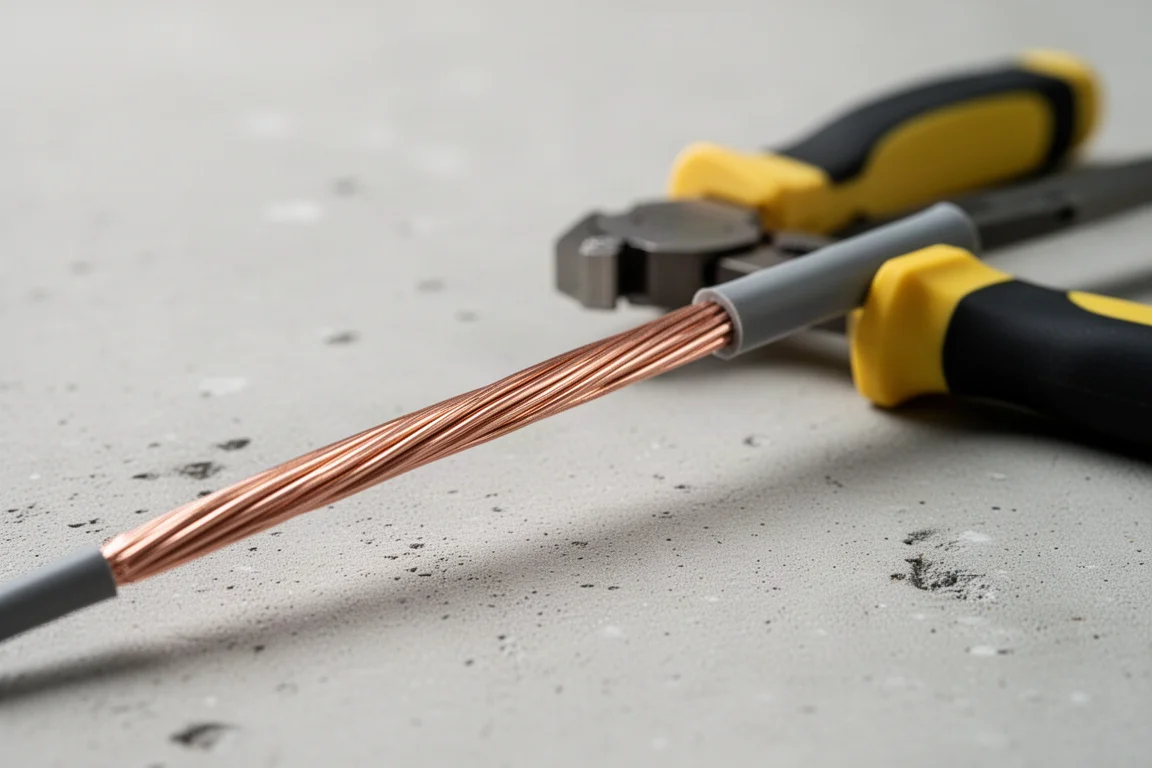
Nothing tested caused any real trouble, and the pliers cut both solid and stranded wire cleanly. On the twisting question that comes up often with combination strippers: three wires is the realistic limit for twisting with a tool like this, and for most jobs beyond that, a dedicated method or connector makes more sense.
Practical Buying Advice
If you do occasional electrical work around the house, these forged Klein wire stripper cutters are easy to recommend. They are lightweight, sharp out of the box, and produce clean results on common solid and stranded gauges as long as you use the right slot and pull straight.
The two things to accept before buying are the single-sided gauge markings, which take a little getting used to, and the fact that performance depends on technique and edge condition. Keeping the tool perpendicular and avoiding sideways twist is the whole game. For DIYers and anyone doing light wiring work, the results speak for themselves, and the tool holds up under repeat testing.
Conclusion
The nicking concerns around these forged Klein stripper cutters turn out to be a technique issue more than a tool issue. Use the correct gauge position, pull straight out, and 12 gauge stranded wire comes out with not a mark on it. For the price-conscious buyer who wants dependable, clean stripping on household wire sizes, these pliers remain an easy recommendation.
Product link
View more details for Klein Forged Wire Stripper Cutters
This product is mentioned in the review. Check the specifications, options, and compatibility before buying.
View more details for Klein Forged Wire Stripper CuttersFurther reading
Related Reviews
Hand Tools
Best Diagonal Cutters 2026: 16 Pliers Tested for Cutting Power and Durability
We put 16 diagonal cutters through nail, screw, drill bit, and hex key tests to find the best value picks for your toolbox.
Hand Tools
Best Hex L Key Sets 2026: Nine Sets Tested for Real-World Torque
Nine hex L key sets from budget to premium, tested for torque, fit, and durability. See which sets deliver real performance and which ones to skip.
Hand Tools
Best Locking Pliers 2026: Top Picks Tested for Grip and Durability
We tested 18 brands of 10-inch locking pliers for grip strength, jaw bite, build quality, and ease of release to find the best options for tough jobs.