Hand Tools
Klein 9362 6-ft Tape Measure: A Compact Tape With Thoughtful Details
Klein's new 6-ft compact tape measure stands out with low tension, easy readability, and a solid lock. Here is how it compares to Milwaukee, DeWalt, and Stanley compact tapes.
Introduction
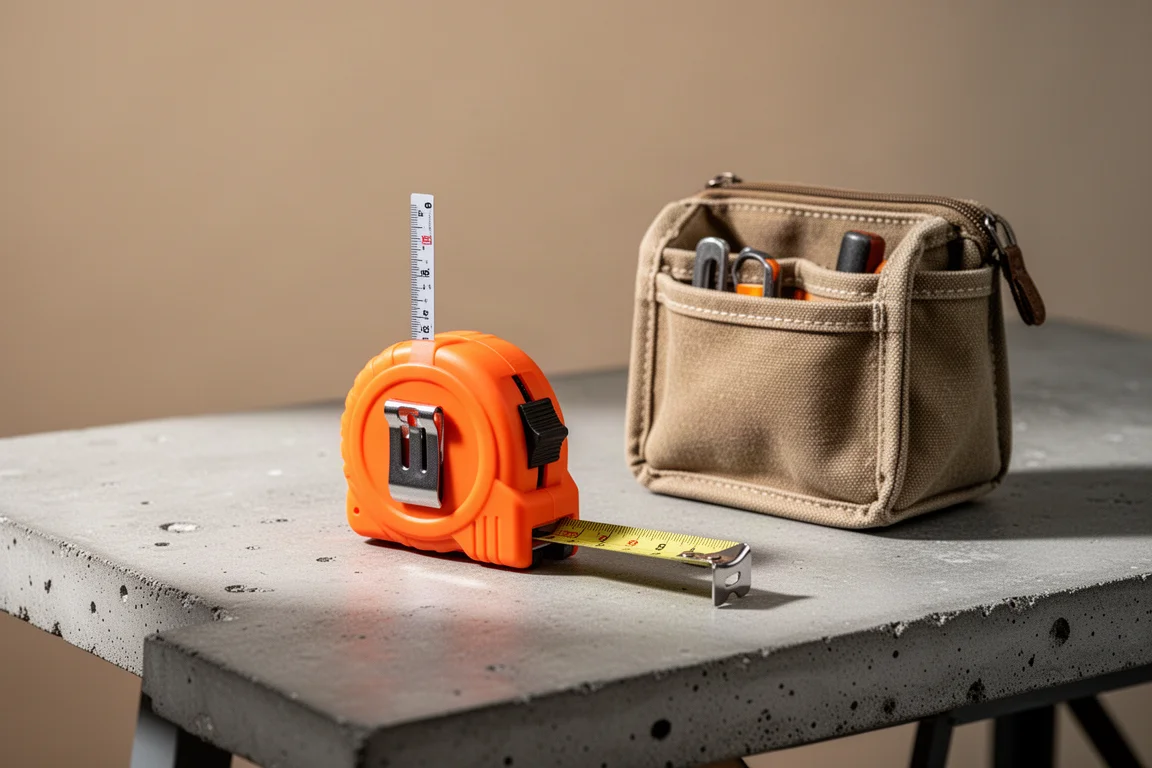
Compact tape measures are cheap, plentiful, and easy to overlook. Klein Tools recently joined the category with a 6-ft (2 m) tape measure, part number 9362, and it brings a few genuinely thoughtful touches to a product style where most options look interchangeable. Yes, similar compact tapes exist at every price point, including very basic ones at hardware stores. But after living with the Klein alongside Milwaukee, DeWalt, and Stanley compact tapes, a handful of small design decisions make it the one that keeps getting picked up first.
This post walks through what makes the Klein different, where the competition still holds its own, and one useful accessory that pairs well with any of these tapes.
What Makes the Klein 9362 Stand Out
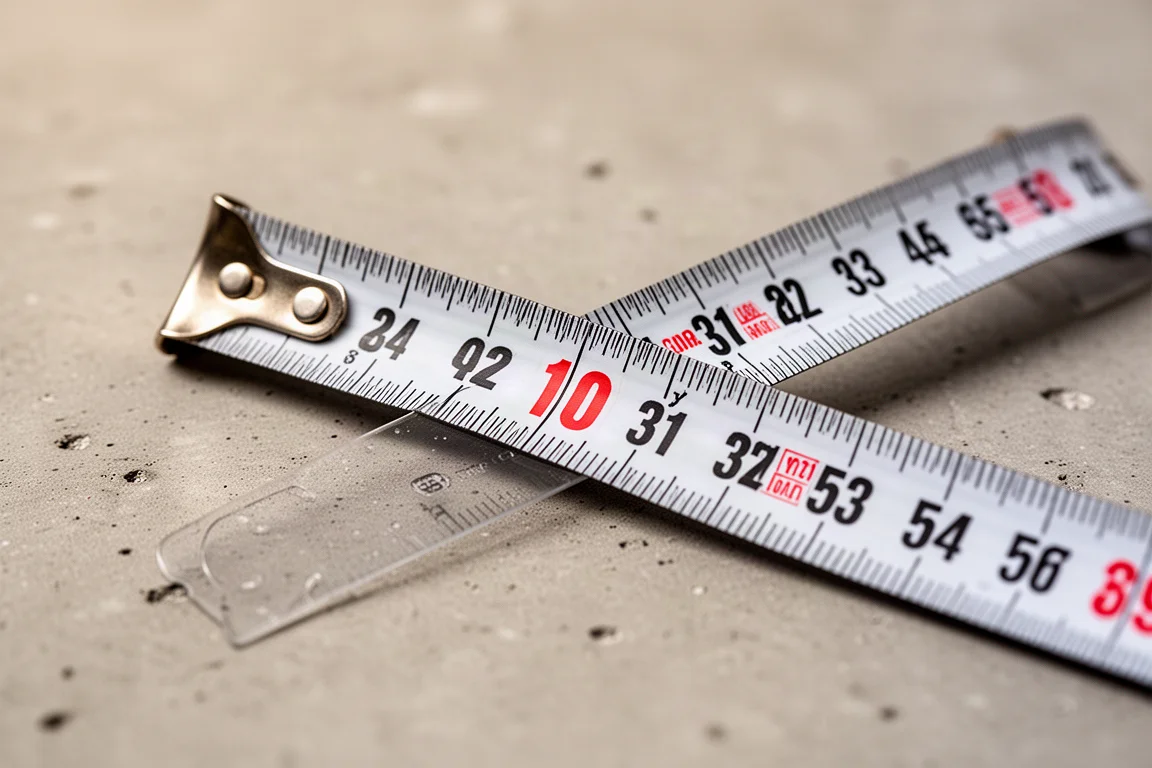
The first thing worth noting is readability. The Klein’s markings are noticeably bolder than the Milwaukee’s, particularly on the metric side. At 12 inches, the Klein actually designates the foot mark rather than just continuing to count inches, which removes the mental math of converting a number like 86 and 2/3 inches back into feet. If you work in both SAE and metric, having both scales readable at a glance is a real benefit, and the blade is oriented so both are easy to see when the tape is spun out on a surface.
The orange housing also helps it stand out in a crowded bag or on a busy workbench, which sounds trivial until you have spent a minute hunting for a small black tape.
One small caveat: the Klein includes a keychain ring. Like a belt clip on a compact tape, a keychain ring tends to catch on things, especially when you set the tape down flat. It comes off easily, and many users will want to remove it.
Low Tension Is a Genuine Advantage
Compact tapes usually have a small hook with limited real estate, so hooking and walking away is already tricky. Add a stiff return spring and the hook tends to slip off whatever you attached it to, or yank the tape out of your pocket clip. Softer materials like cardboard, canvas, or plastic make the problem worse, because a high-tension spring can drag the material around.
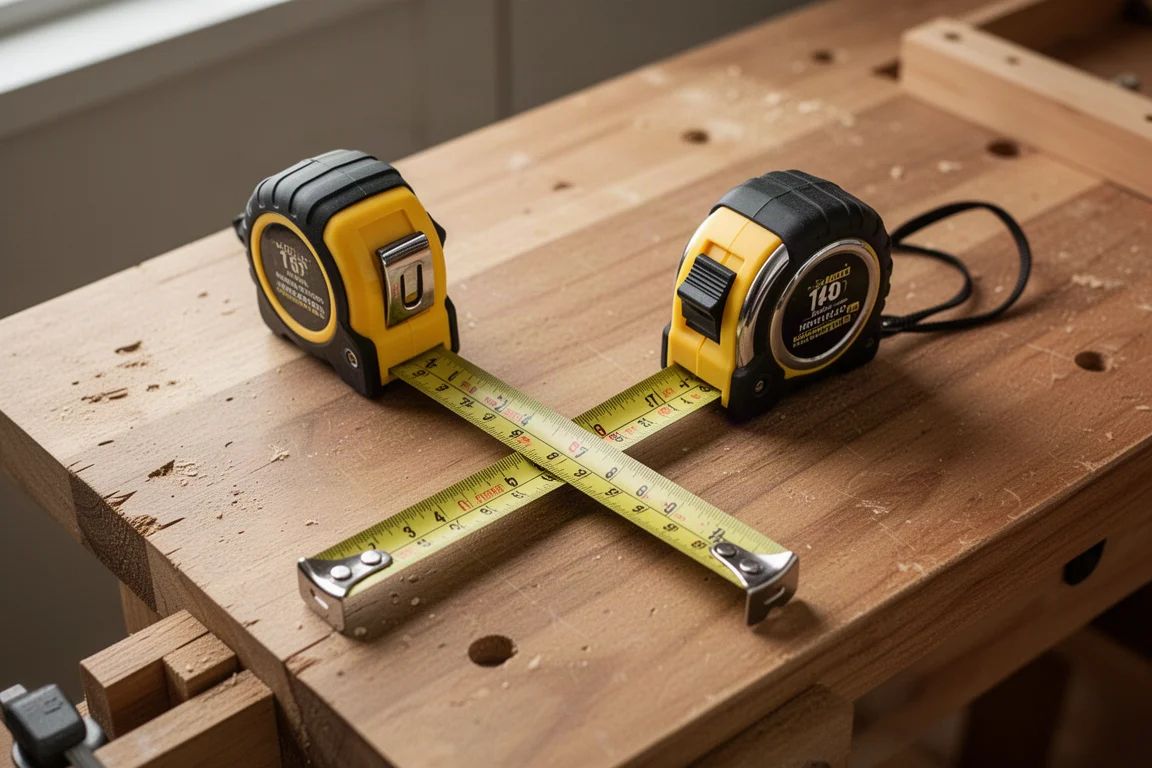
The Klein uses very light spring tension, and it is immediately noticeable. In an overlap test pulling out multiple tapes, the Klein’s pull was far lighter than both the Milwaukee and the DeWalt. The Stanley sits at the stiff end of the range, and the Milwaukee models are notably vicious. The payoff is practical: hooks stay attached, and the tape does not fight you on small measurements.
Lock Mechanism: Small Motion, Big Difference
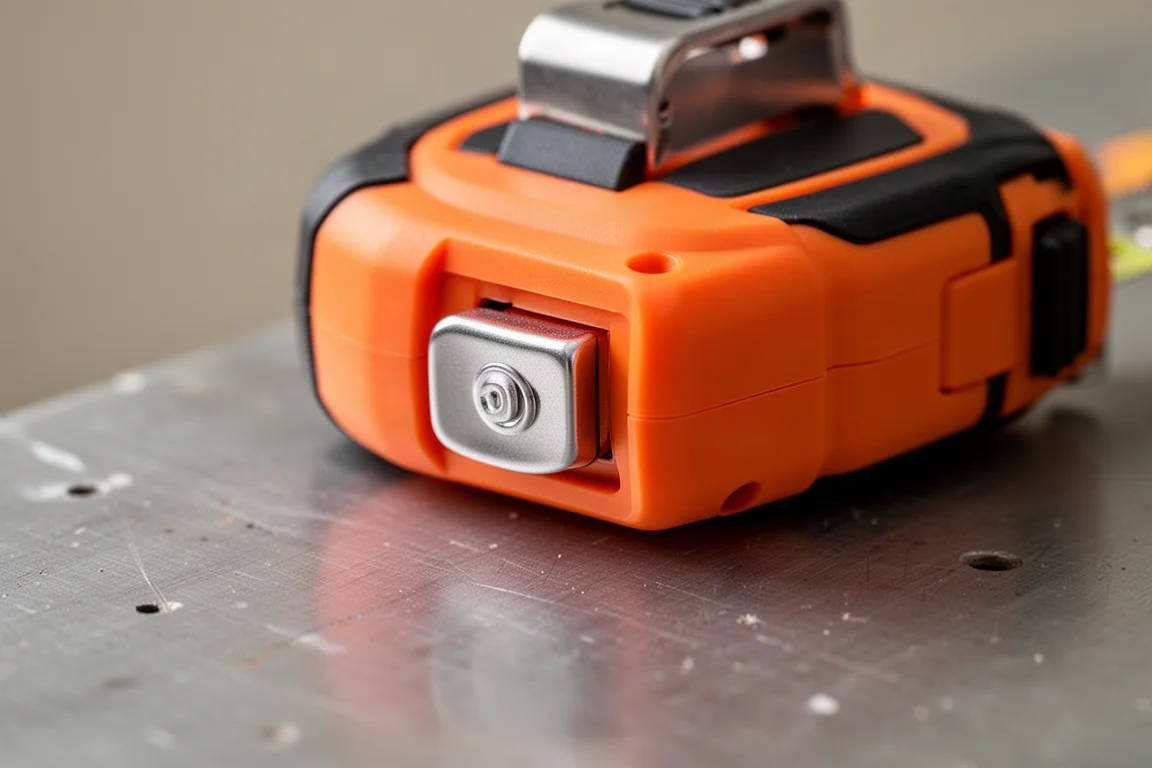
The Klein’s thumb lock uses a short, almost all-or-nothing motion. That matters more than it sounds. On the Milwaukee, the lock has to be pushed all the way down; on the DeWalt, all the way up, and it occasionally slips. A quick, solid lock is exactly what you want on a tape this small.
One trade-off: because the spring tension is so light, the hook can lose traction more easily when you are working with soft or flexible materials, though in practice the low tension means it flips off far less often overall.
How the Competition Compares
Milwaukee Compact Tape Measure
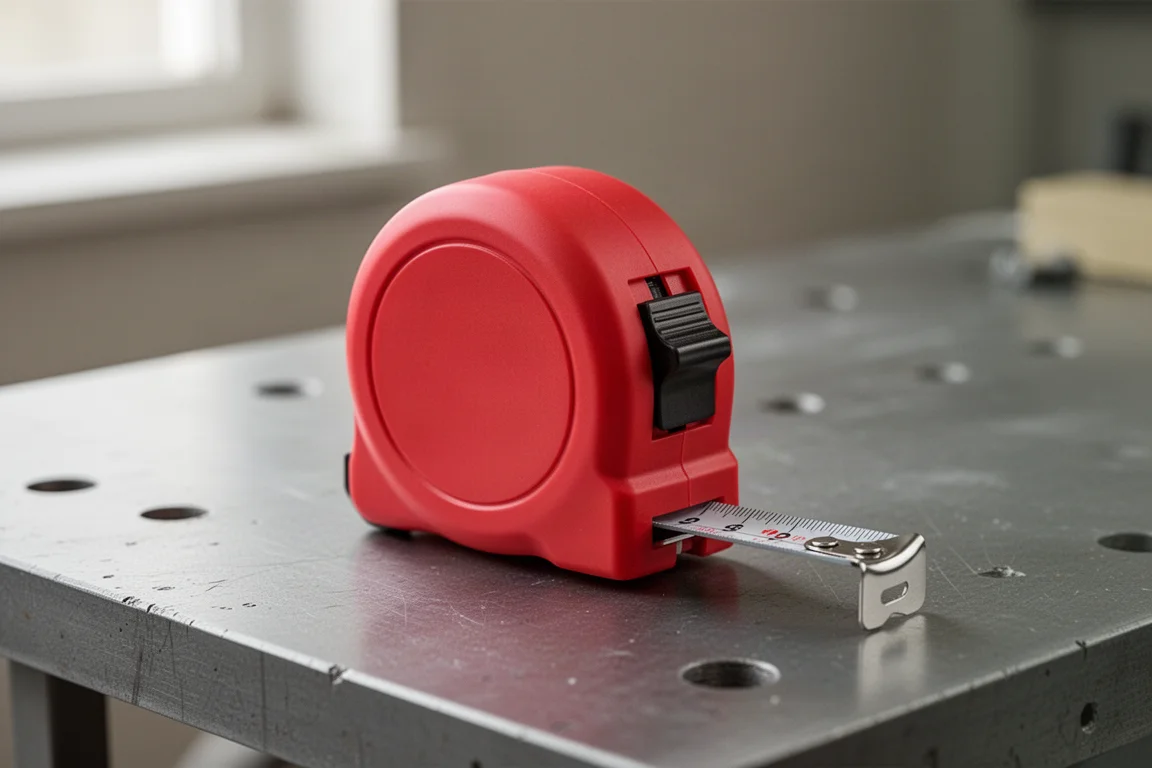
Milwaukee was early to this compact format and got a lot right, especially including both SAE and metric scales. The tapes are well made and widely available, though the spring tension is high and the markings take a moment to orient when reading quickly.
DeWalt Compact Tape Measure
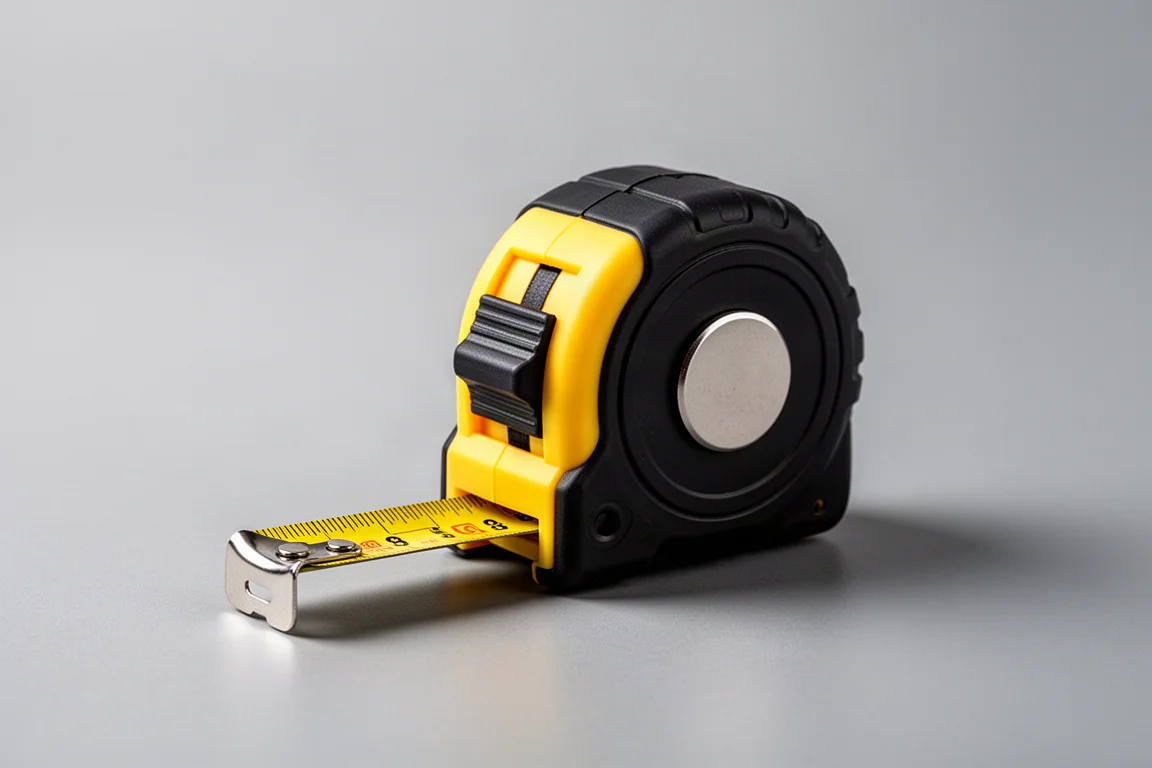
The DeWalt skips the metric scale, which is a limitation if you measure in both systems. It also carries a magnet on the back that catches on things and can drag the lightweight tape along with it, and its lock occasionally slips. Its 9-ft blade reach is generous, but most users rarely need beyond 6 ft on a tape this size.
Stanley Compact Tape Measure
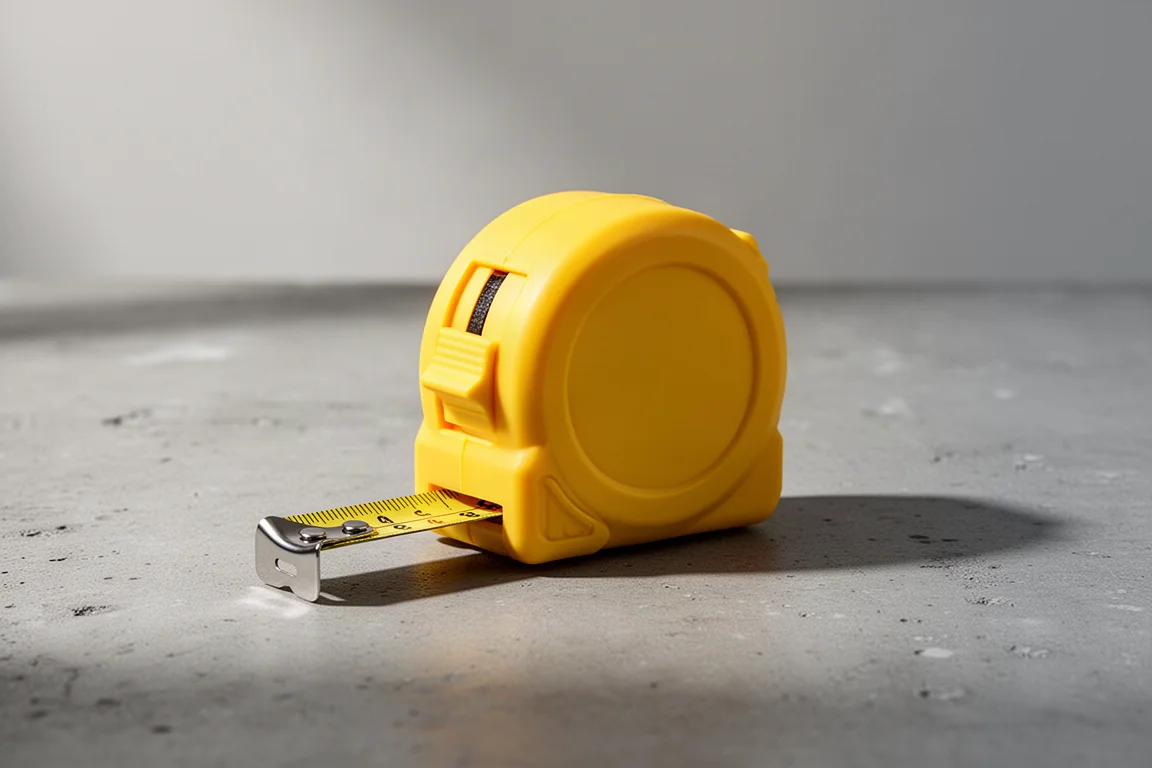
The Stanley also lacks a metric scale, which pushed the switch to dual-scale alternatives. Its return spring tension is among the stiffest of the group, which makes hooked measurements harder to hold on small or soft objects.
Klein 5707 Tape Measure Holder
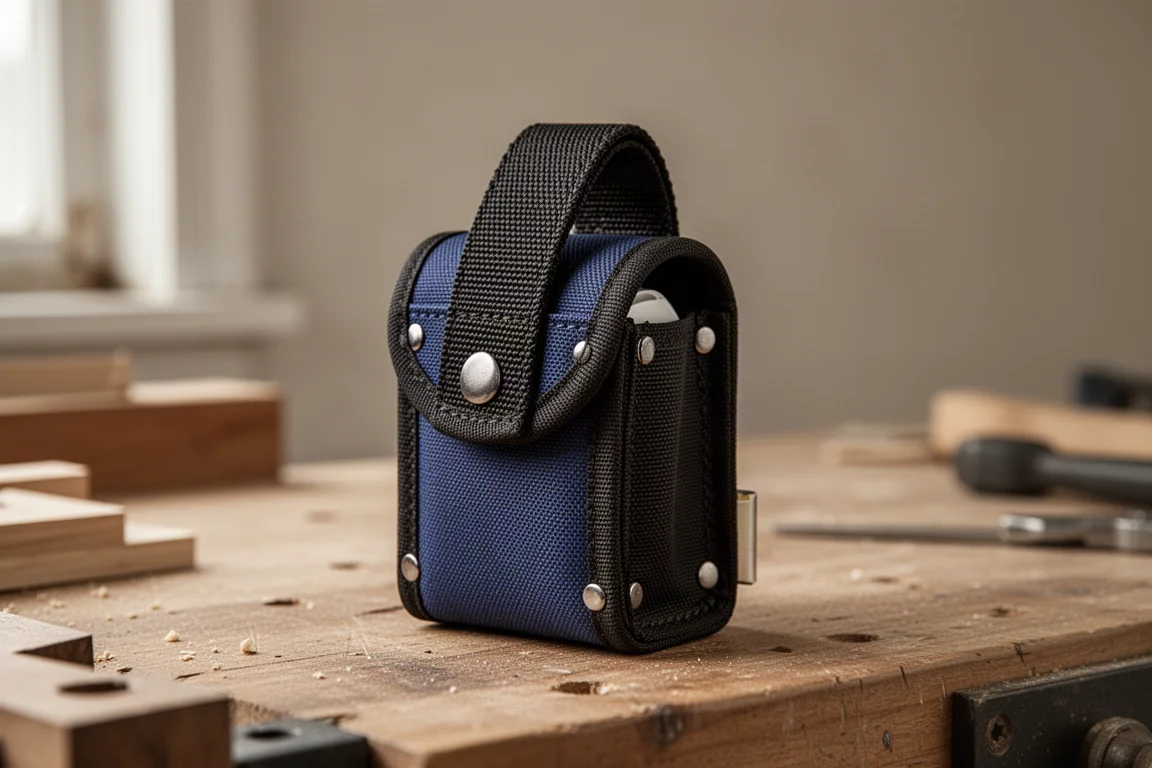
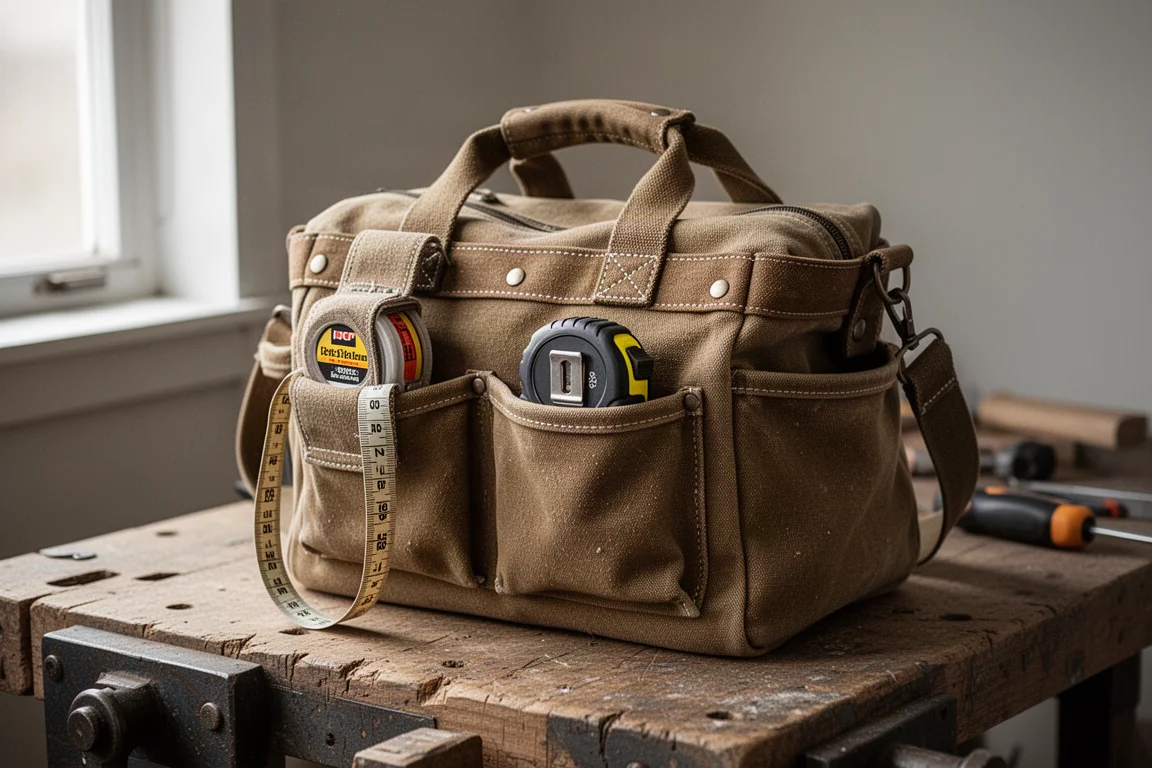
Klein has long made larger tape measures, and its fabric facility also produces support gear like the 5707 tape measure holder, made in the USA. This fabric holder is handy on its own and retrofits easily onto bags that lack a clean tape measure pocket. If you carry a compact tape daily, it is a simple way to keep it accessible.
Buying Advice
The Klein 9362 sells for under eight dollars, which is easy money for a tape that is easier to read, has both scales, and does not fight you with spring tension. If you already run Milwaukee compacts and like them, there is no urgent need to switch, but the Klein’s low tension and foot markings are the kind of small refinements that add up in daily use. For anyone working in both SAE and metric, the Milwaukee and Klein are the dual-scale picks here; the DeWalt and Stanley are better suited to imperial-only users who do not mind higher tension.
Conclusion
Compact tape measures are a category of small compromises, and the Klein 9362 quietly makes the right ones: bold dual-scale markings, foot designations, a light return spring, and a fast lock. It is cheap, well designed, and easy to recommend to anyone who carries a small tape every day.
Further reading
Related Reviews
Hand Tools
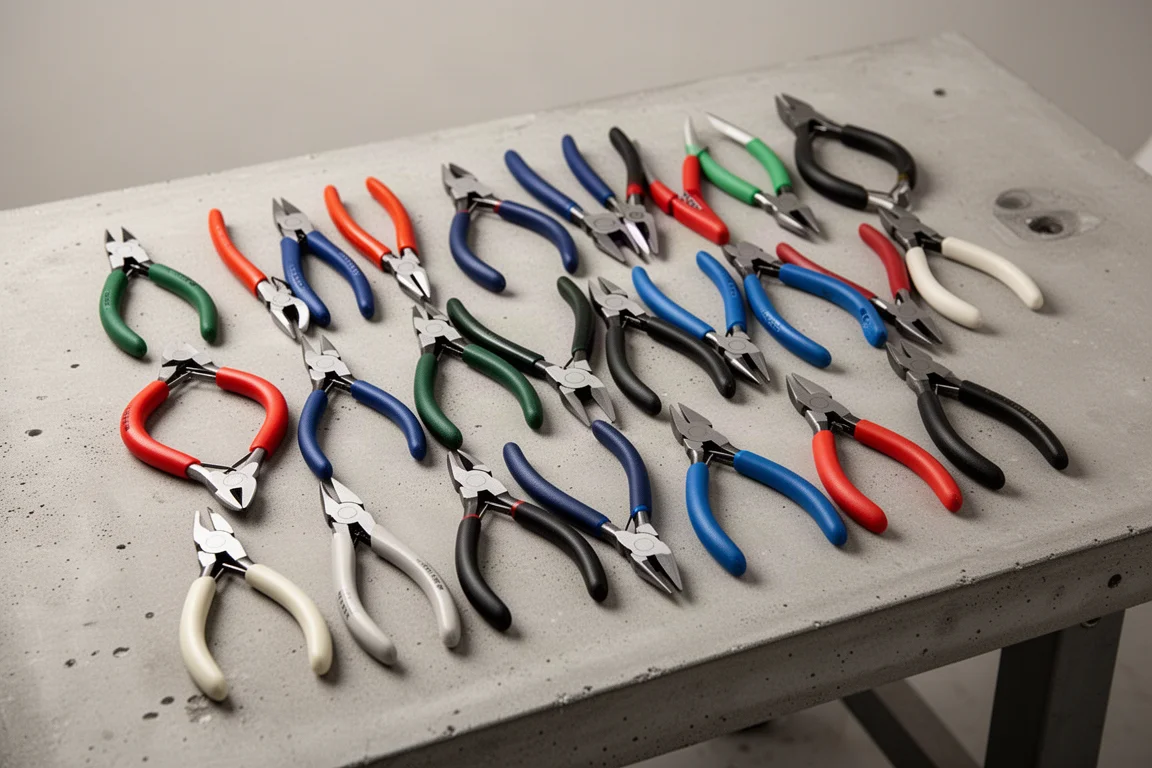
Best Diagonal Cutters 2026: 16 Pliers Tested for Cutting Power and Durability
We put 16 diagonal cutters through nail, screw, drill bit, and hex key tests to find the best value picks for your toolbox.
Hand Tools
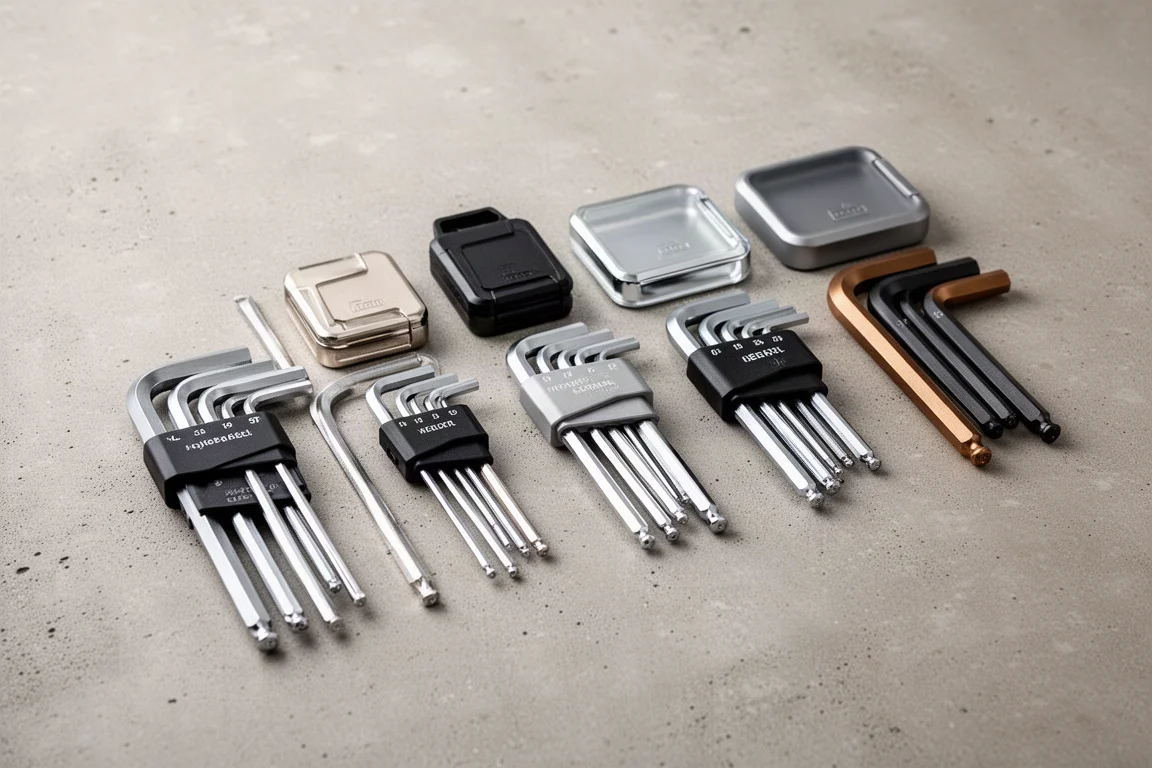
Best Hex L Key Sets 2026: Nine Sets Tested for Real-World Torque
Nine hex L key sets from budget to premium, tested for torque, fit, and durability. See which sets deliver real performance and which ones to skip.
Hand Tools
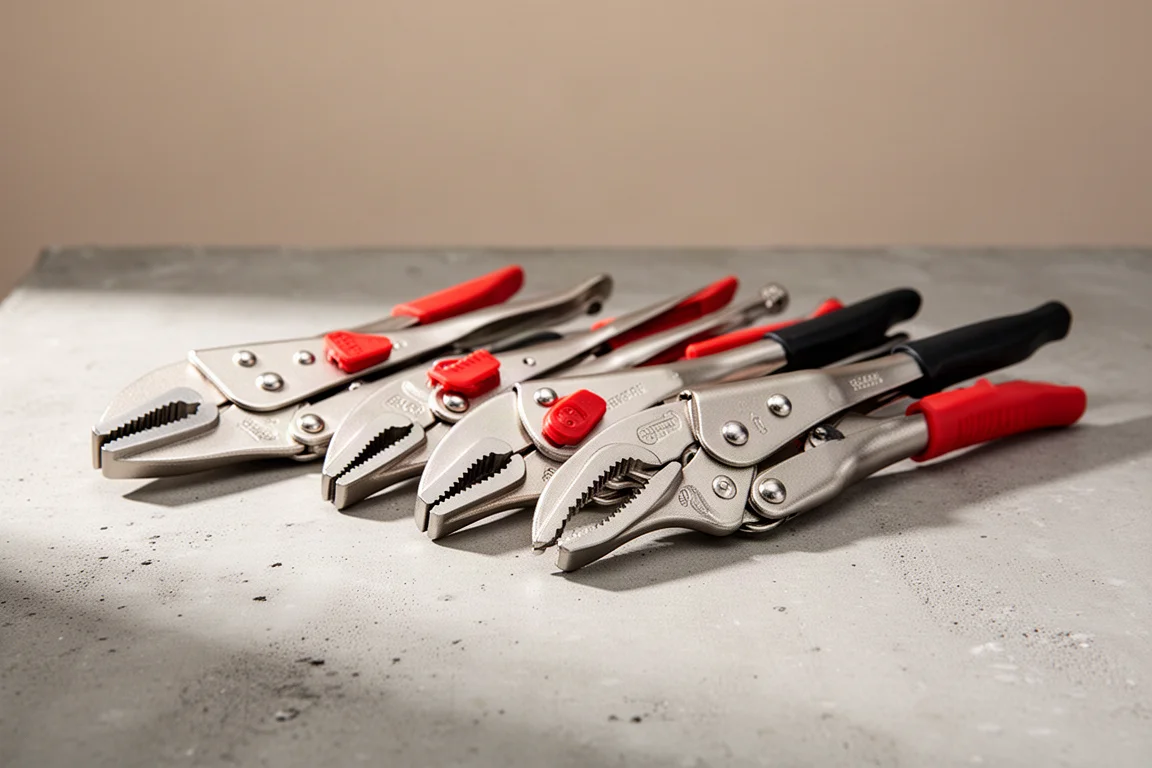
Best Locking Pliers 2026: Top Picks Tested for Grip and Durability
We tested 18 brands of 10-inch locking pliers for grip strength, jaw bite, build quality, and ease of release to find the best options for tough jobs.