Flashlights
Klarus XT11 GT Pro V2 vs SureFire P3X Fury: Two Flashlight Philosophies Compared
A 3,300-lumen rechargeable all-rounder goes up against a 1,000-lumen all-or-nothing tactical light, with the trade-offs that decide which one belongs in your bag.
Introduction
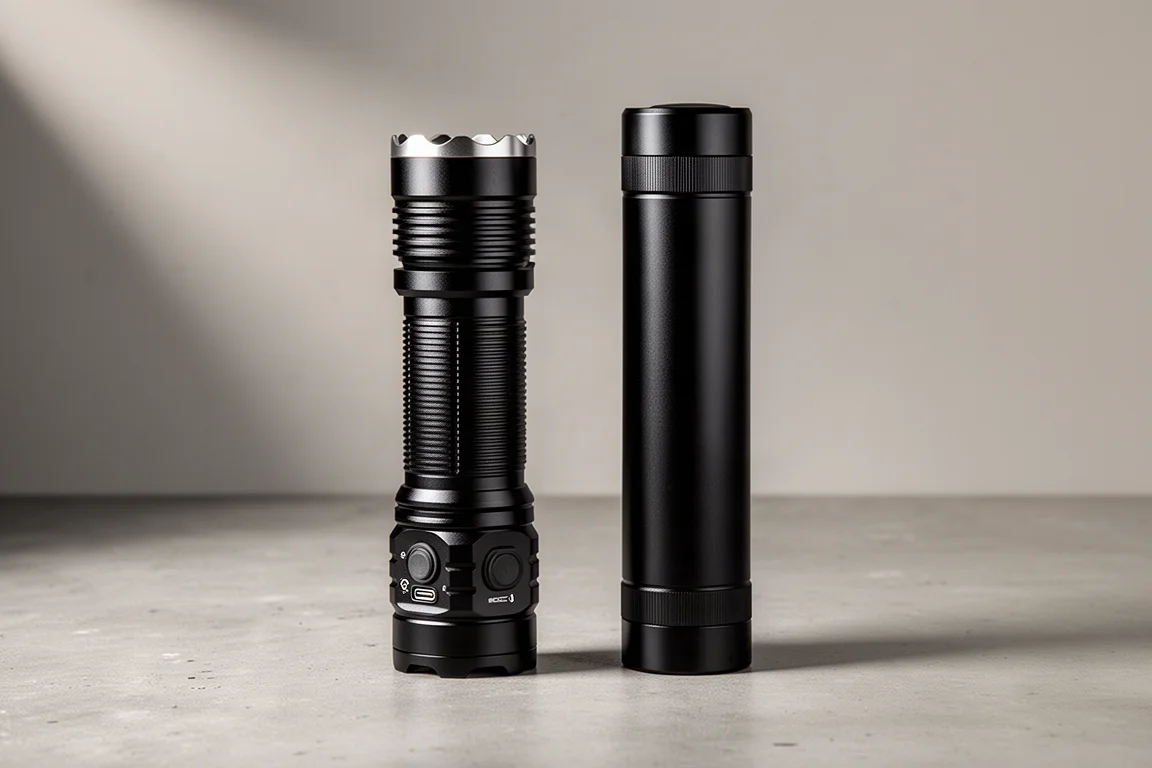
Some flashlights try to do everything, and some do exactly one thing. The Klarus XT11 GT Pro V2 and the SureFire P3X Fury sit on opposite ends of that spectrum, and comparing them makes the trade-offs unusually clear. One is a rechargeable, dual-mode light with a 3,300-lumen turbo mode; the other is a hard-use tactical light with a 1,000-lumen output and nothing in between. Which one is right for you depends almost entirely on how you plan to use it.
Klarus XT11 GT Pro V2: A Modern Do-Everything Light
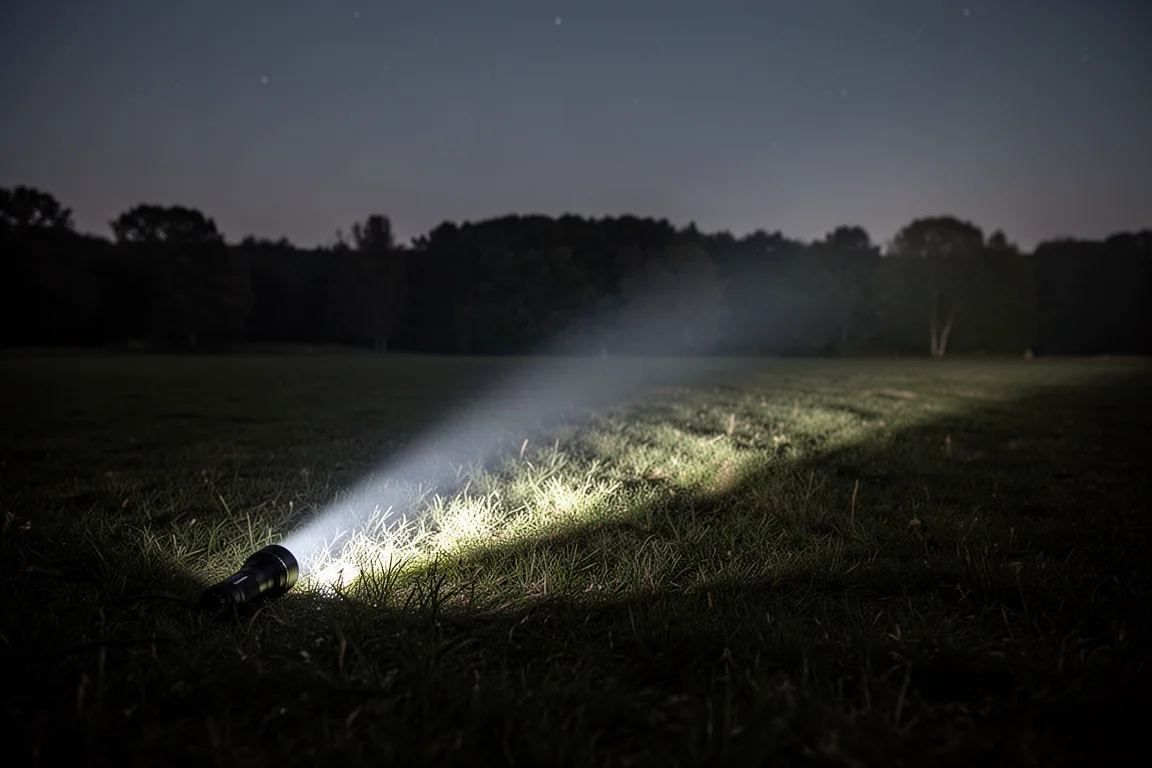
The XT11 GT Pro V2 is the second iteration of Klarus’s long-running XT11 GT platform. The headline number is 3,300 lumens on turbo, with a throw the maker describes as reaching over a quarter mile. It is waterproof to two meters, drop tested, and charges over USB-C, which means you can start every trip with a full battery rather than wondering how much life is left in loose cells.
The battery setup is also worth noting. The light runs on a Klarus 3,100 mAh 18650, seated between two springs so the cell stays under tension even if the light takes a violent jolt. That matters more than it sounds: lights that skip the front spring can momentarily lose battery contact when shaken, causing the beam to flicker or the mode to change. Here the cell stays put.
What Makes the XT11 GT Pro V2 Stand Out
The most interesting design decision is the dual control scheme. There are two tail switches: a standard compression switch that works as momentary or locked-on, plus a hinged secondary toggle that bends down to turn the light on or step through modes. Klarus ships the light with two personalities.
In the outdoor setting, it starts at 10 lumens, appropriate for close work in a tent or vehicle, and the secondary switch steps through 200, 1,200, and 3,300 lumens before cycling back to 10. Holding the secondary button for a few seconds activates an SOS mode. The tactical setting reverses the logic: any button press fires the full 3,300-lumen output immediately, and the secondary switch triggers strobe instead of SOS.
Other details reinforce the outdoor-versatile character. The classic one-inch body diameter works with standard mounting attachments, a snap-on steel pocket clip is included, and the tail cap can be backed off slightly to lock the light out so it cannot accidentally switch on in a bag.
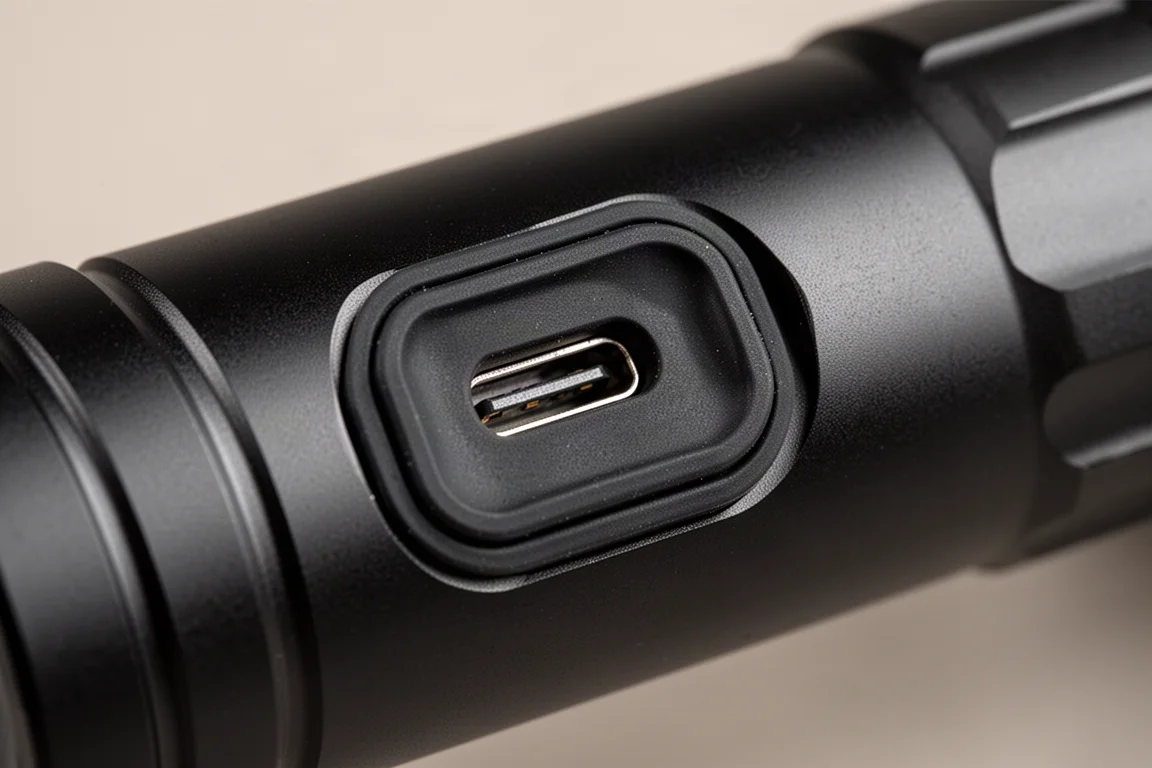
The build quality shows up in small places. The USB-C cover is unusually thick and recessed into the body rather than sitting as a thin flap on the surface, which is part of what earns the two-meter water resistance rating. The steel bezel is another standout: instead of forming the striking surface from the aluminum head, Klarus uses a screw-in steel bezel that reaches the edge of the glass lens. It is hard enough to break glass, and the scalloped edge has a practical bonus: when the light is set down while still on, you can see the glow, which prevents the classic mistake of leaving it running and draining the battery.
Klarus has been around since 2011 and has a habit of refining existing designs rather than scrapping them, and this second generation shows it, with substantial updates over the original XT11 GT Pro in both output and design.
SureFire P3X Fury: The Old-School Tactical Approach
The P3X Fury takes the opposite approach. It runs on three CR123 batteries and puts out 1,000 lumens, with no mode ramping at all. It is all or nothing: press the tail cap and the light is on at full output, press again and it is off. There is a tactical version with a twist tail cap for constant-on plus momentary activation, and a standard version with a click switch, but either way there are exactly two states.
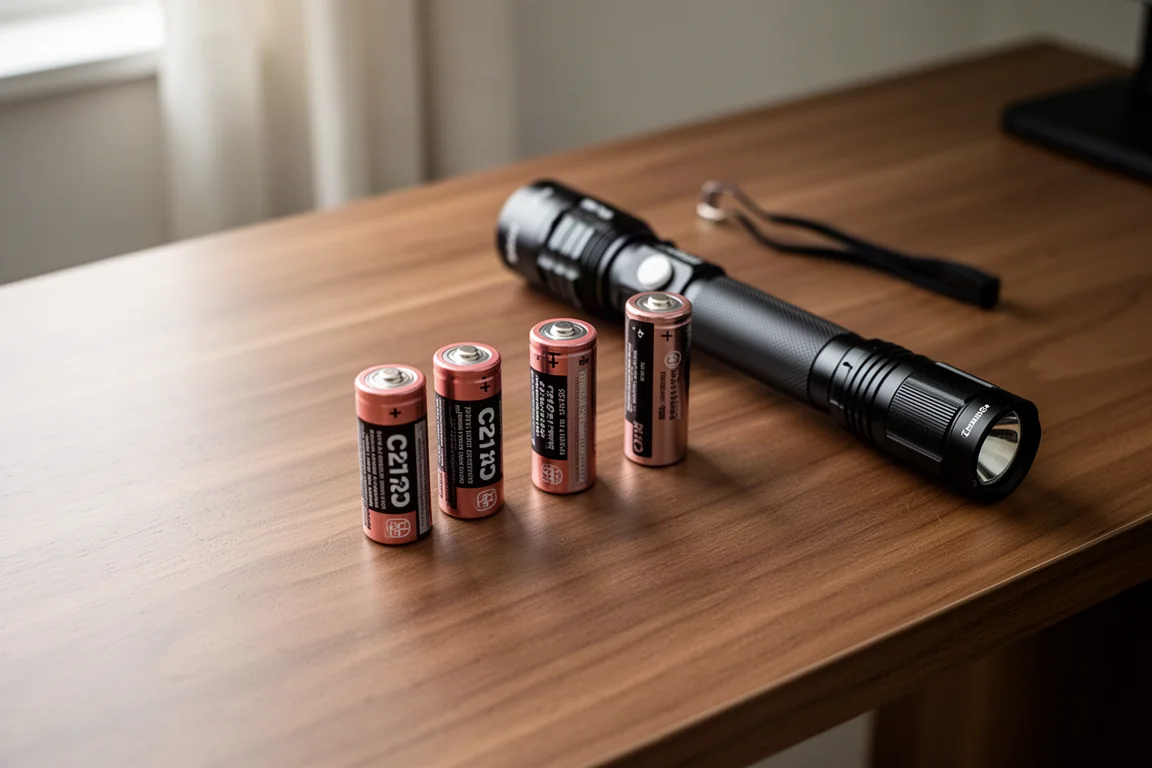
That simplicity is the appeal. Under stress there is nothing to fumble, no modes to cycle through, and no chance of ending up in the wrong brightness. The trade-off is battery economics. Three CR123 cells drain together, and if you use them infrequently, you can end up carrying a flashlight with partially depleted batteries inside. That is precisely why many users are moving to 18650-based lights like the Klarus, where USB-C charging removes the guesswork entirely.
Which One Should You Buy?
If you want one light that covers camp chores, vehicle use, trail walking, and defensive brightness without swapping modes or batteries, the XT11 GT Pro V2 is the more flexible tool. The dual outdoor and tactical settings mean it genuinely crosses between both roles, and rechargeability makes it far easier to live with day to day.
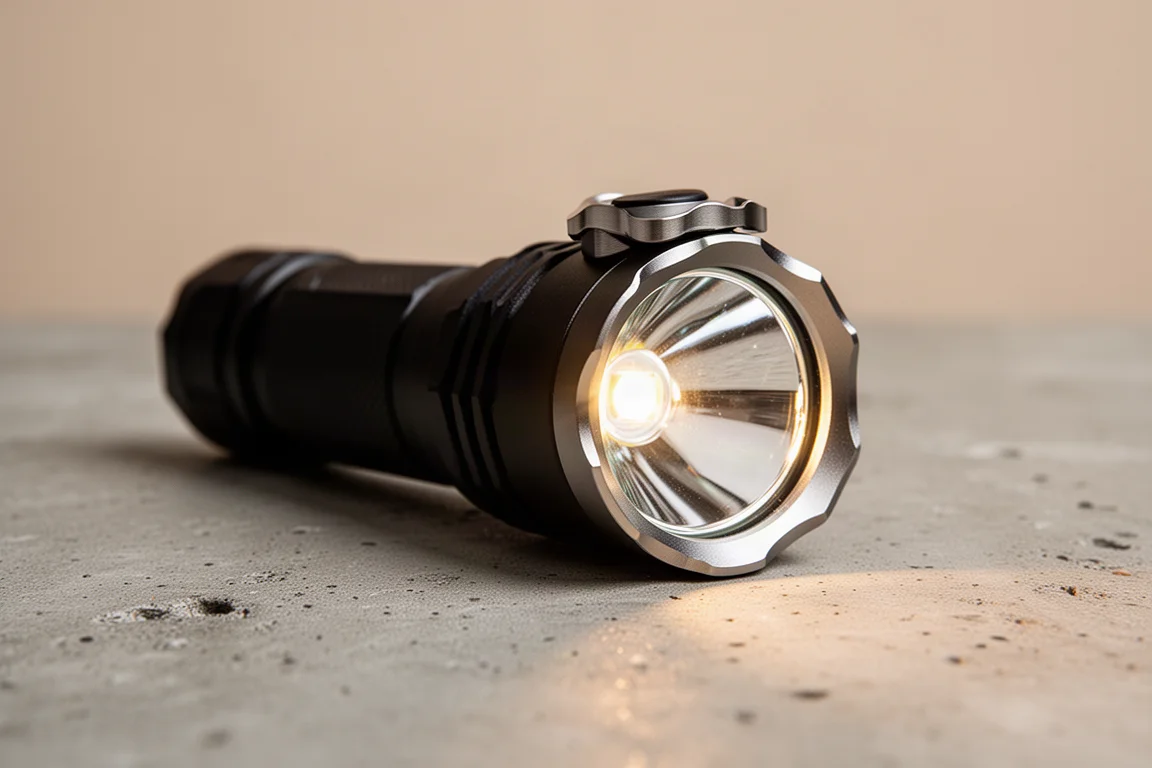
If your priority is instant, predictable full output with zero interface complexity, the P3X Fury still delivers that better than anything with a menu. The scalloped steel bezel on the Klarus even borrows some of that tactical confidence while keeping everyday usability intact.
Conclusion
The SureFire P3X Fury remains a purpose-built tactical light that refuses to complicate anything, and that is exactly why people buy it. The Klarus XT11 GT Pro V2, meanwhile, shows how far a refined rechargeable platform has come: 3,300 turbo lumens, dual personalities, dual spring battery retention, USB-C charging, and a screw-in steel bezel. For most people who want a single do-everything light, the Klarus is the more practical pick. For those who want simplicity above all, the SureFire is still a legitimate choice.
Product link
View more details for Klarus XT11 GT Pro V2
This product is mentioned in the review. Check the specifications, options, and compatibility before buying.
View more details for Klarus XT11 GT Pro V2Further reading
Related Reviews
Flashlights
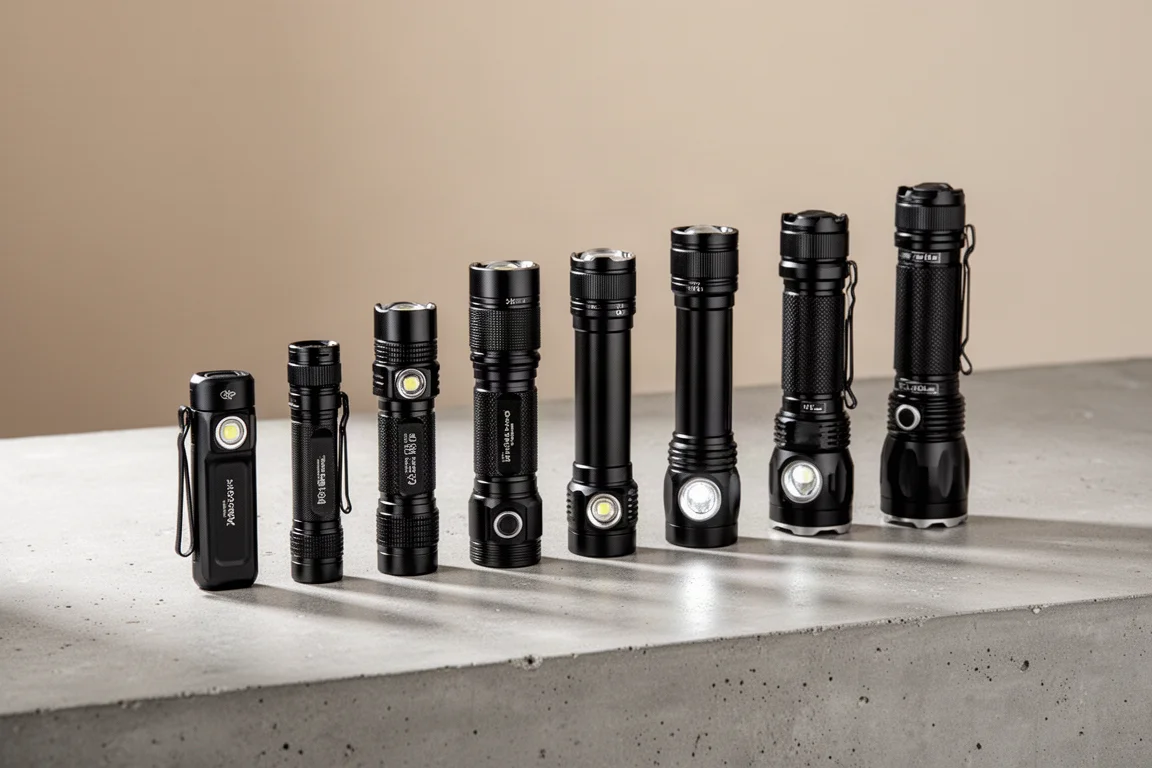
Best Flashlights 2026: Brightness, Battery, and Value Compared
We tested 18 flashlights across a wide price range to find the best performers in brightness, battery life, and durability.
Flashlights
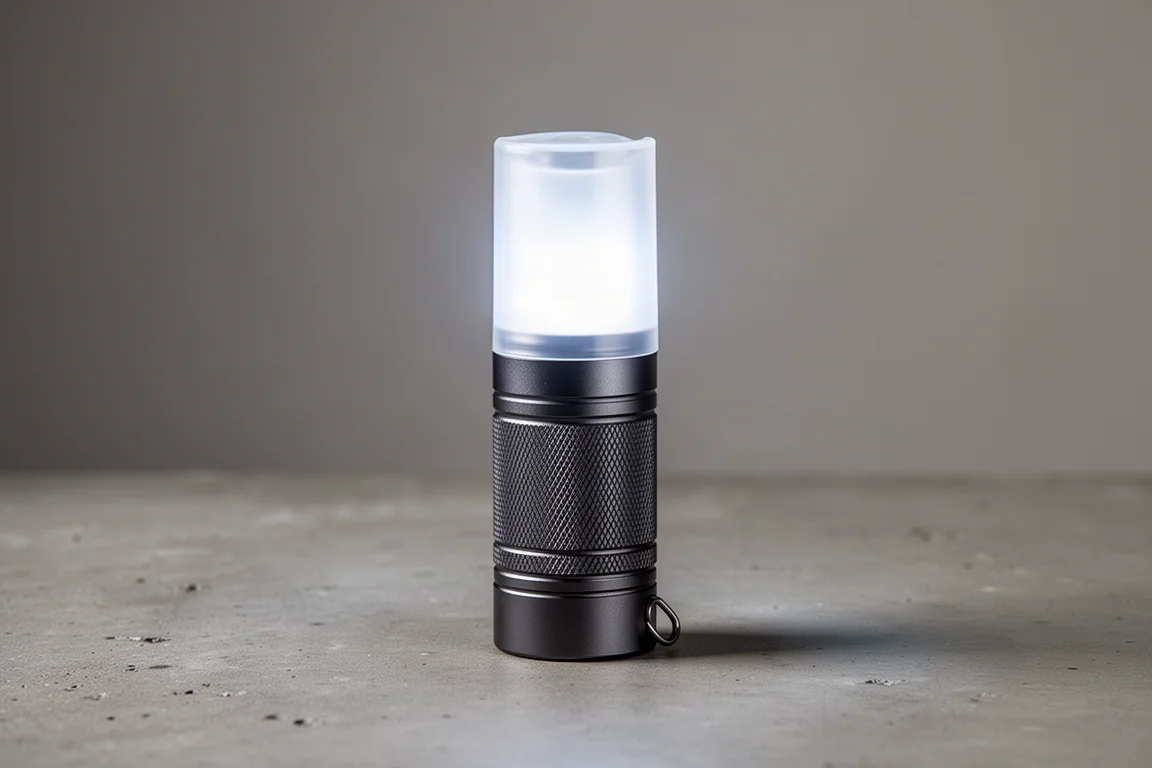
Nitecore LA10 Review: A Tiny 2-in-1 Lantern That Nails the Basics
The Nitecore LA10 pairs a pocket-sized lantern with a single AA battery, a magnetic tail cap and a five-year warranty. Here is where it shines and where it struggles.
Flashlights
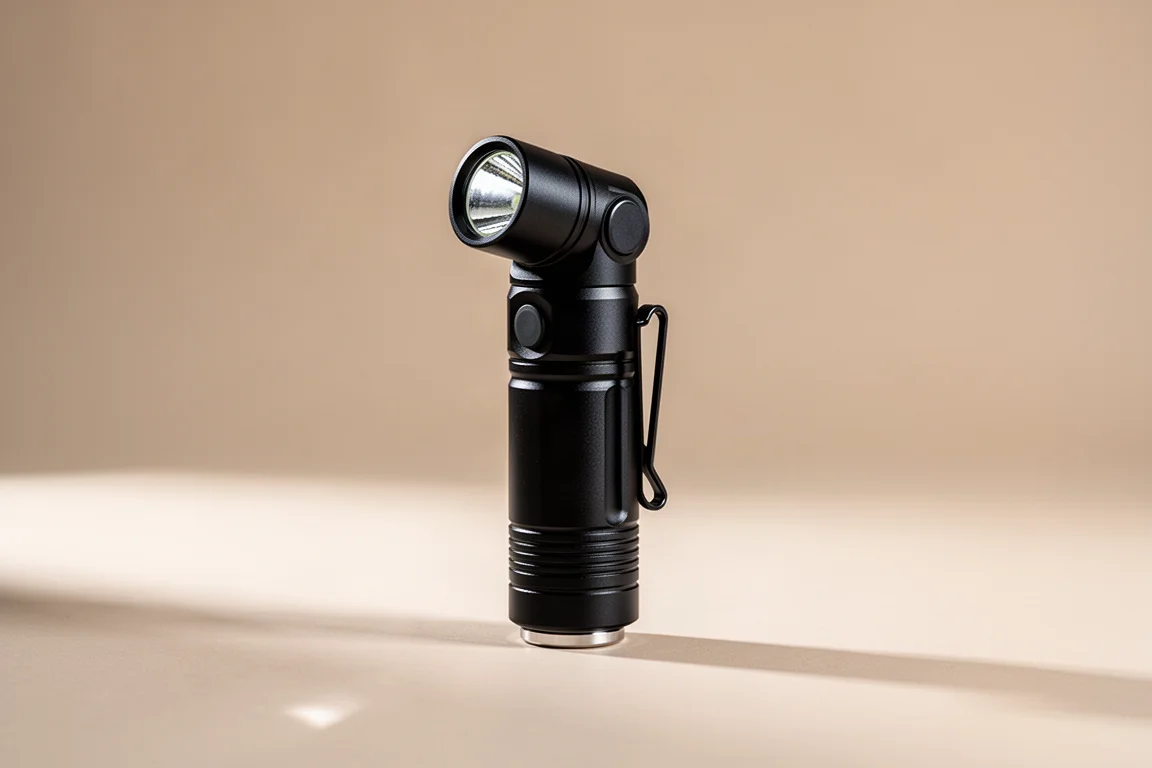
Wuben G5 Review: A Compact Everyday Carry Flashlight
The Wuben G5 is a small, rechargeable flashlight with a pivoting head, magnetic base, and color modes. Here is how it performs as an everyday carry light.