Kitchen Gadgets
Kitchen Unitaskers Worth Buying (and Skipping): Six Single-Function Tools Tested
From julienne peelers to meat shredding claws, we break down which single-function kitchen gadgets earn their drawer space and which ones you should skip.
Introduction
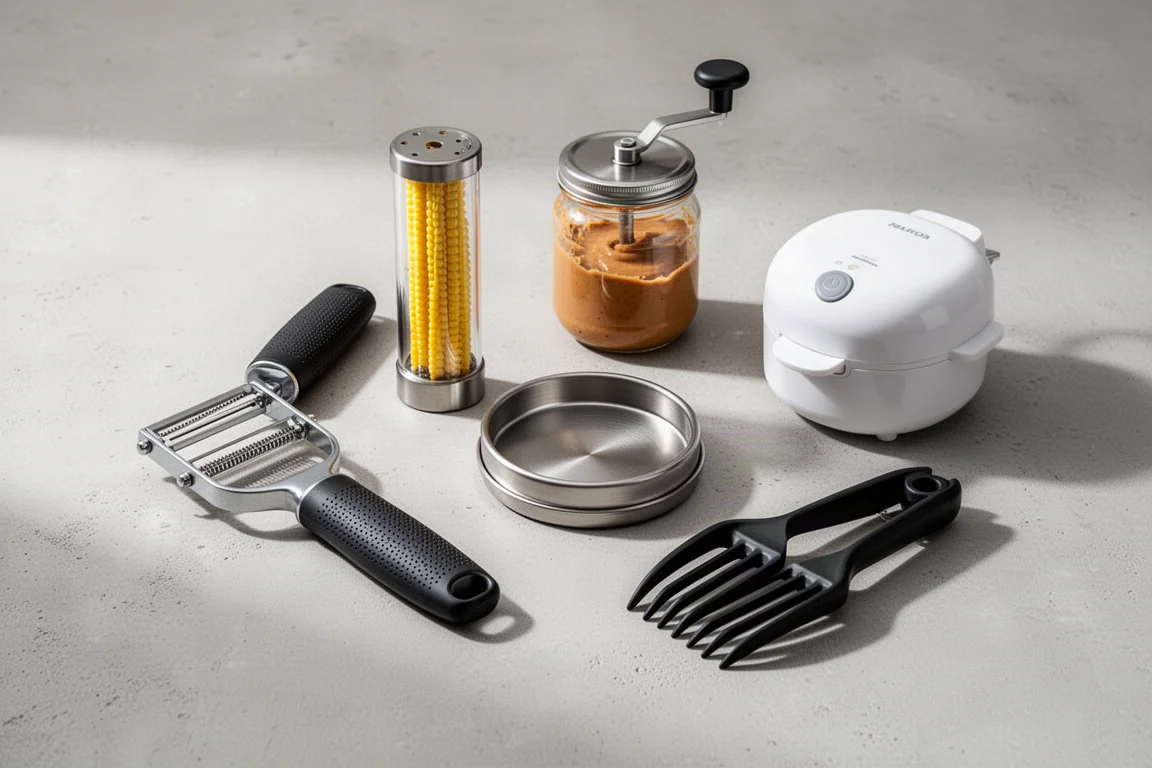
In a world of kitchen gadgets, there are hundreds of items designed to do exactly one task. Critics have long dismissed these “unitaskers,” but the real question is simpler: can a single-purpose tool do its job better than the gear you already own? After extensive hands-on testing, the answer splits cleanly. Some of these gadgets save real time and effort. Others just add clutter. Here is the full rundown of our favorite and least favorite single-function tools, so you can decide which are worth your money.
Worth It: Oxo Julienne Peeler
Julienne is a classic knife technique: long, thin, rectangular matchstick cuts, perfect for salads, slaws, garnishes, stir fries, and vegetable noodles. The traditional route is a chef’s knife, which takes time and skill, or a mandoline, which handles big quantities well but is pricey, a pain to clean, and genuinely a bit dangerous.
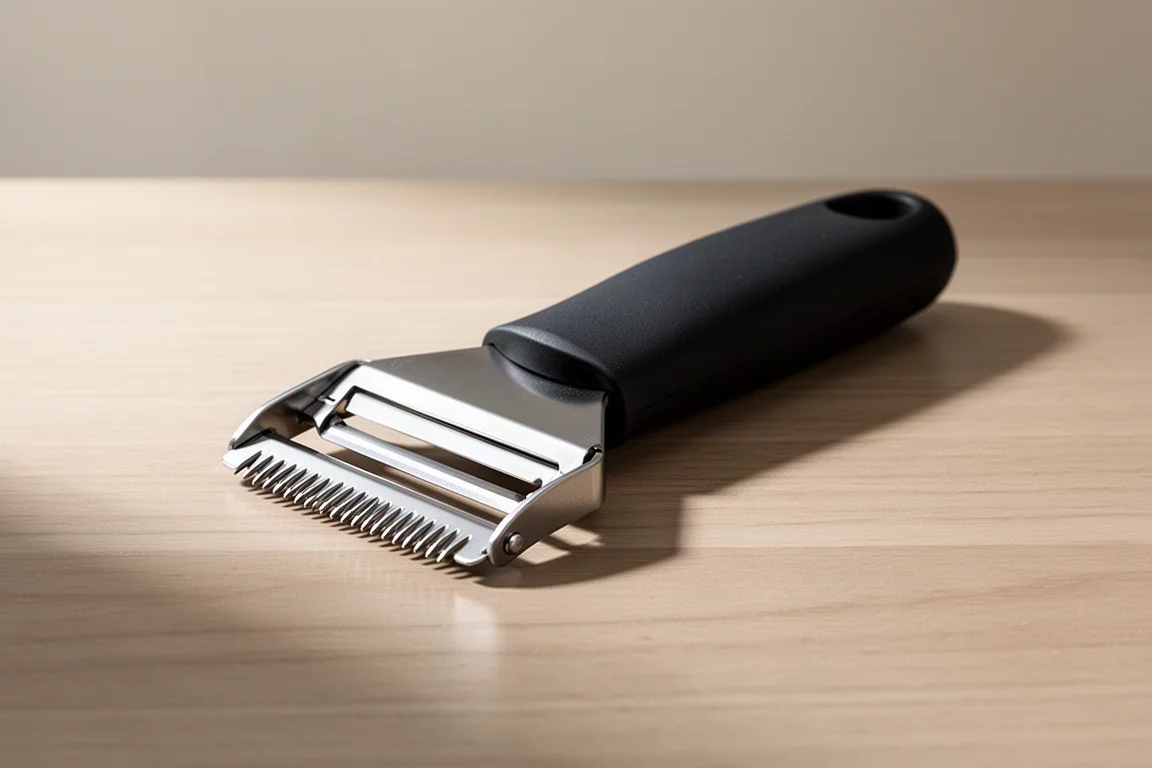
A julienne peeler sits in the sweet spot for small jobs. You peel the produce first with a regular vegetable peeler, then draw the tool across it and get neat matchsticks in seconds. After testing a full lineup, the Oxo version stood out. Its blades stayed sharp through the entire test, while cheaper models dulled noticeably. The short, grippy handle stays secure even with wet hands and gives you excellent leverage and control. Wider spacing between the blades means food does not get stuck, and the wide head with lots of teeth cuts more food in a single pass.
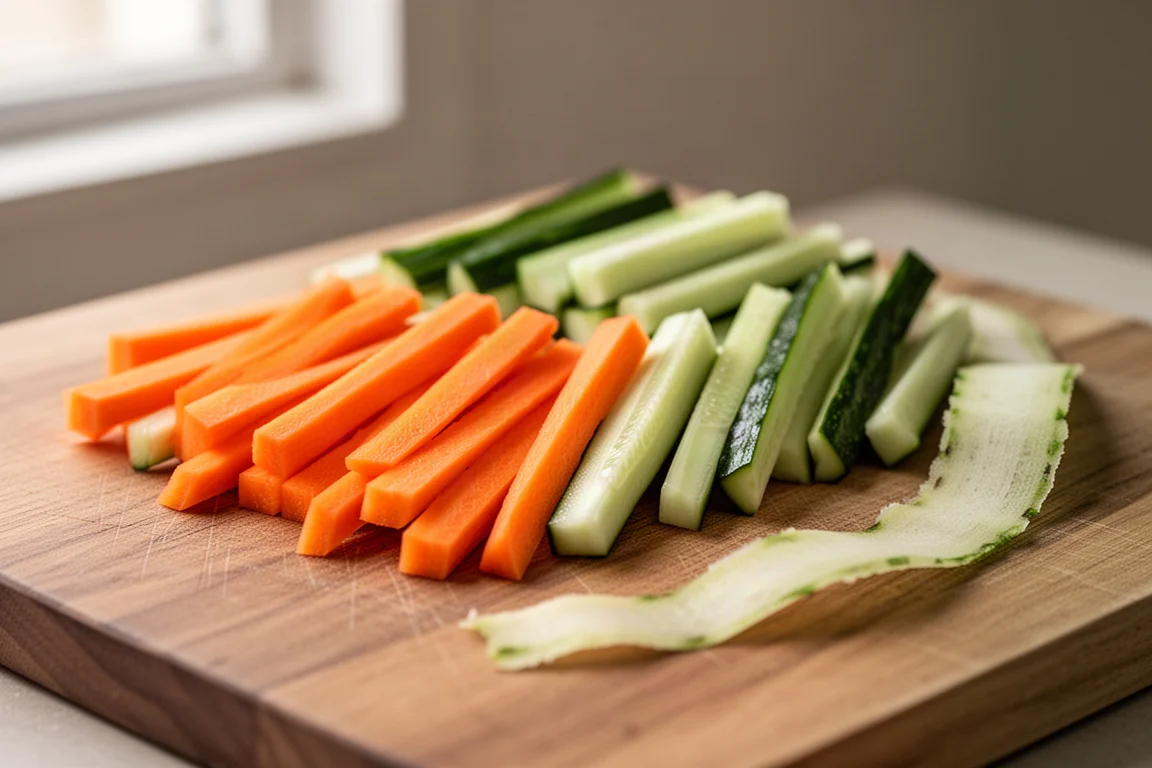
If you only make small batches of julienne now and then, this is the easiest and quickest option to set up, use, clean, and put away. It is probably the least wasteful method too.
Worth It, With a Caveat: RSVP International Corn Stripper
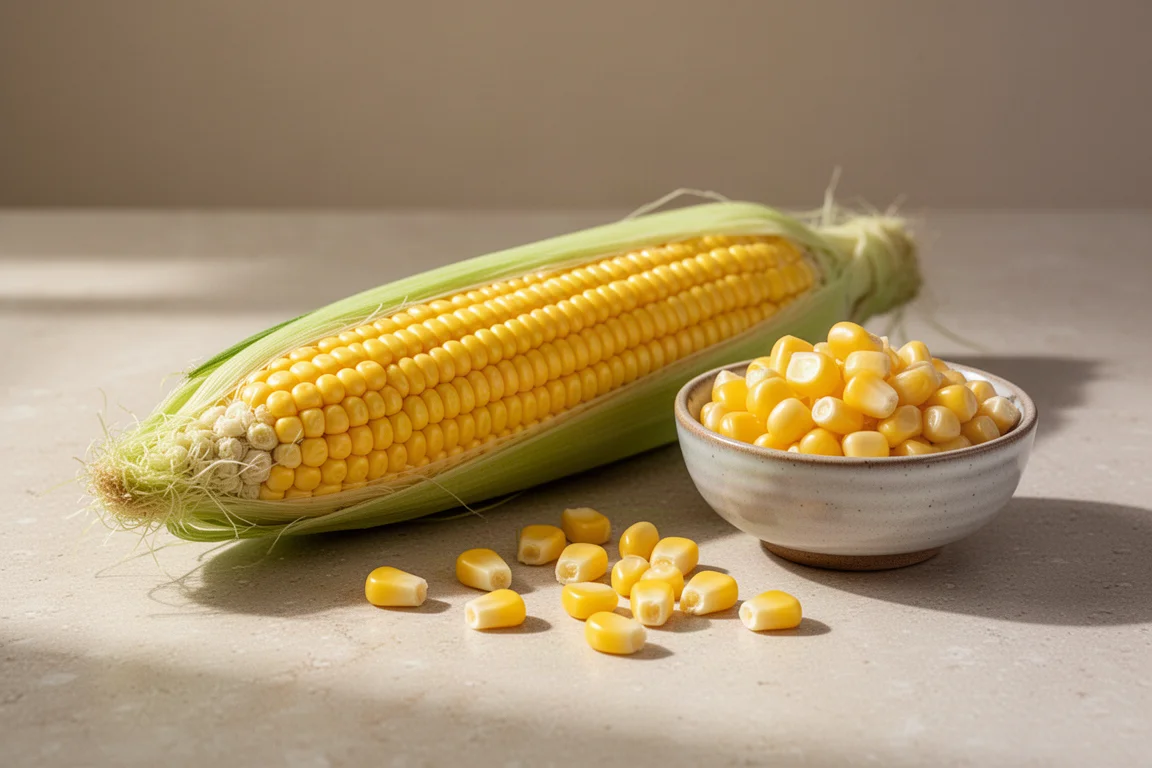
Cutting corn off the cob with a knife is a mess. Kernels pop all over the kitchen, and it is easy to cut too deep and hit the hard cob or too shallow and leave sweet corn behind. Corn strippers promise an easier, safer, less messy process, but most of the seven models tested fell short. Peeler-style versions were hard to control, a ring-shaped model only worked on perfectly straight cobs and was hard on the wrists, and a wooden mandoline-style one simply mashed the corn.
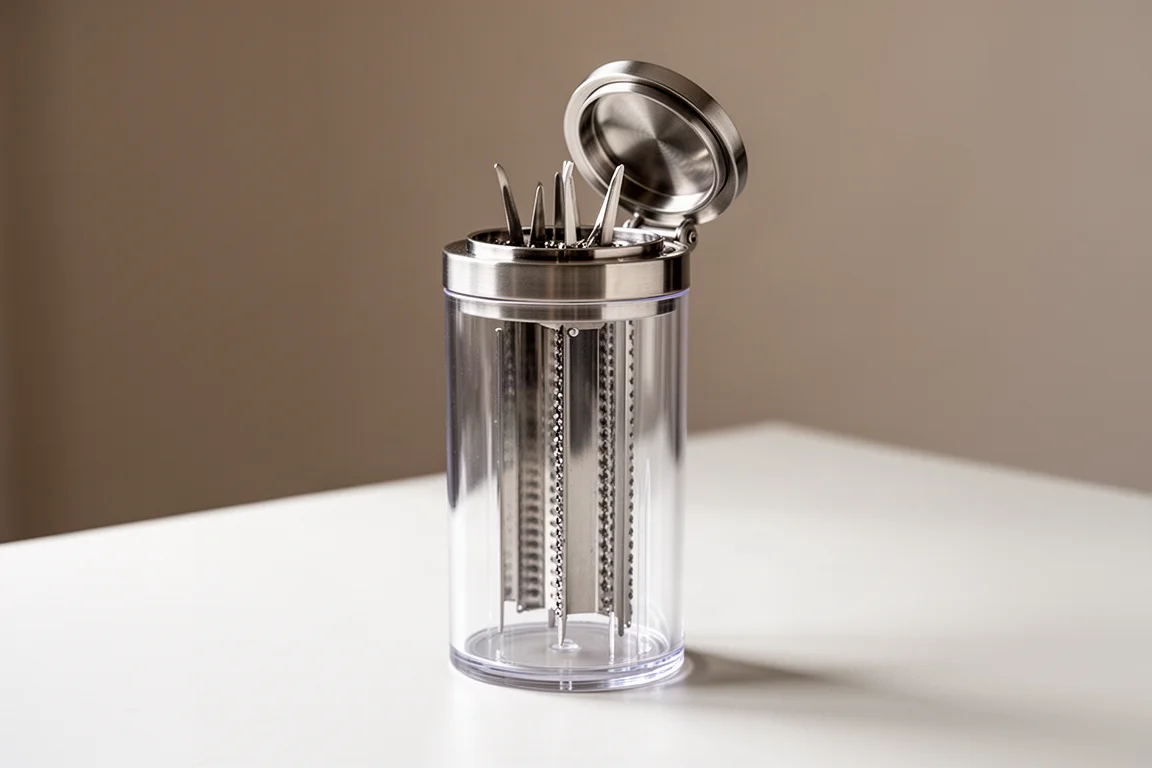
The one clear standout is the RSVP International corn stripper. You open the top, seat the corn on prongs in the base, place the core piece on top, and press down and turn. The kernels collect inside the tube; pull off the top and pour them out. The only real drawback is cleanup: five pieces to wash and dry, quite a bit more than a knife and cutting board. If you genuinely dread cutting corn off the cob, though, this is your best bet.
Worth It: Grandpa Witmer’s Old-Fashioned Peanut Butter Mixer
Natural peanut butter separates. Without hydrogenated fats to hold the emulsion together, the peanut solids settle into a cement-like layer at the bottom with oil sitting on top. Mixing it back together by hand is messy, and spilling that oil costs you flavor and texture.
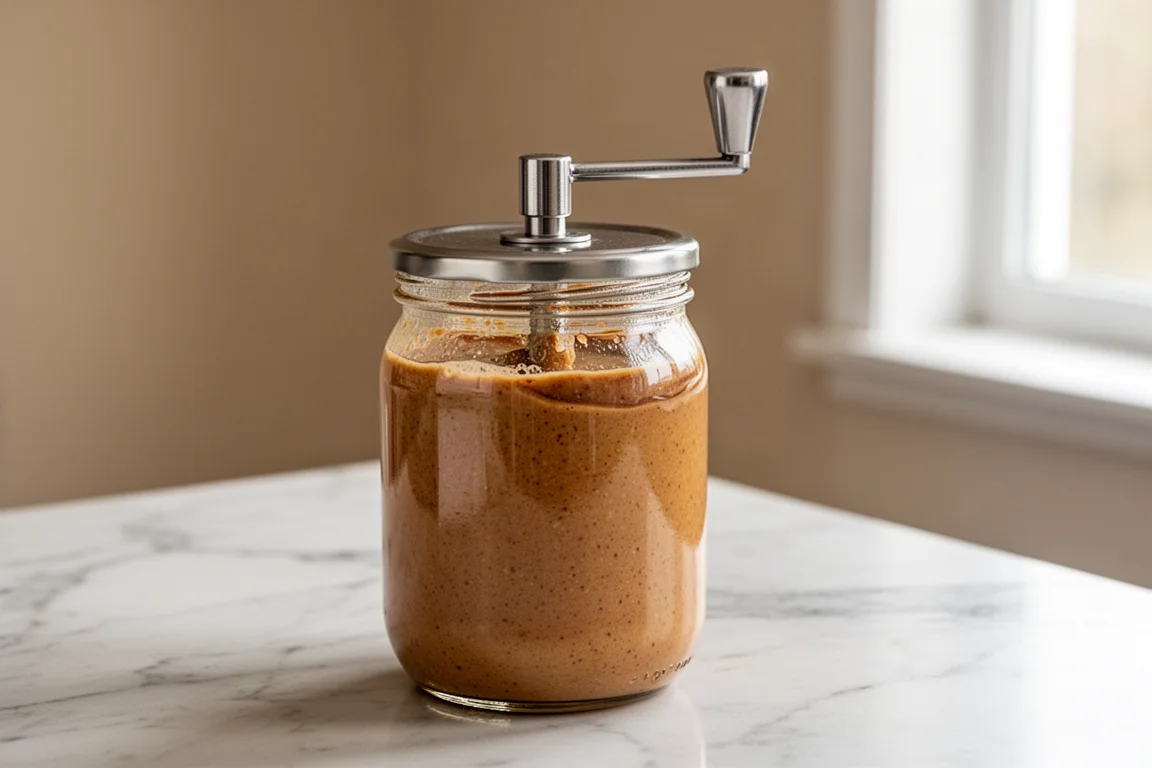
This gadget costs about 10 dollars and solves the problem almost perfectly. It is a replacement lid that fits standard 16-ounce jars (12-ounce and larger industrial versions are also available), with a crank that passes through it and a silicone gasket inside. Screw it on, insert the crank, and turn. As you pull the crank back out, the gasket wipes it clean, so there is no mess at all. Swap the original jar lid back on and the peanut butter is fully mixed. Stored in the refrigerator it will not separate again, and if it does, a couple of cranks remixes it. You do have to hand wash the parts, but there are only a couple, and the self-cleaning gasket makes it easy. It is arguably the ultimate unitasker: it does one thing, and does it perfectly.
Skip It: Weber Burger Press
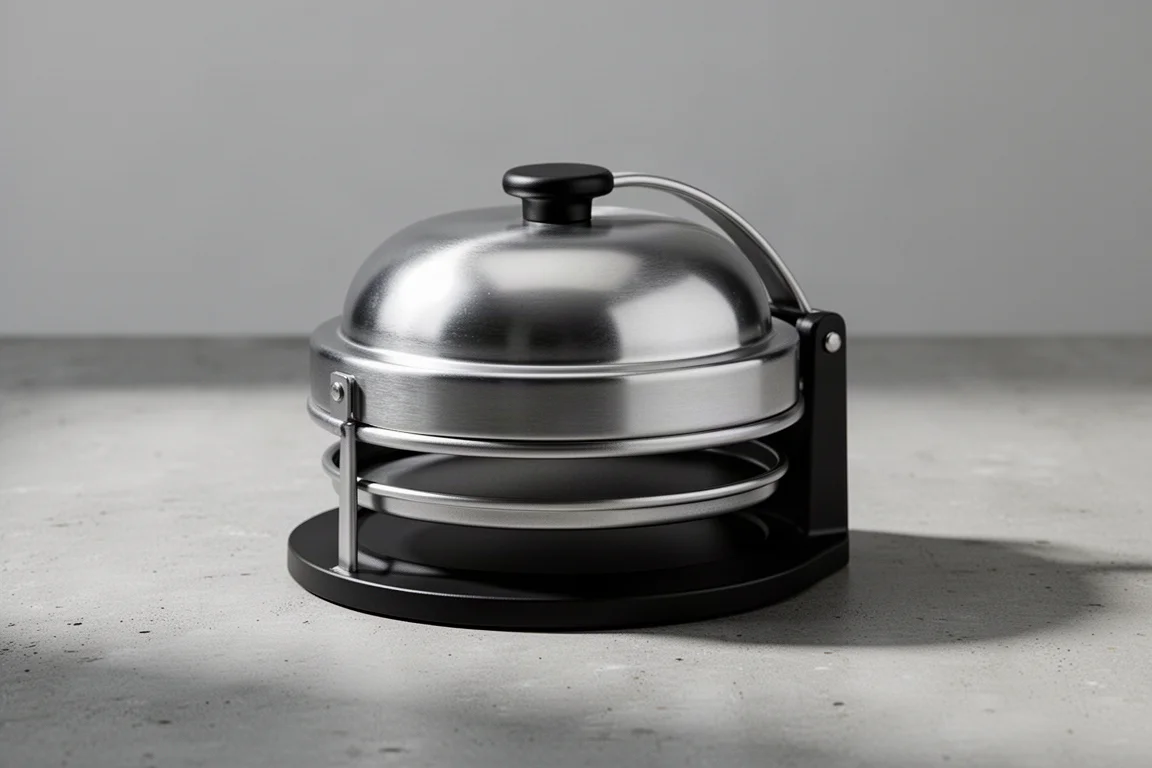
A burger press promises perfectly shaped patties, but compression is exactly the problem. Every time you work and press hamburger meat, the fibers knit together and the result trends toward sausage: chewy and tough. The Weber version has two platforms, one for half-pound patties and one for quarter-pound, with a dome that presses down only as far as the amount of meat allows. In theory it sounds fine. In practice, it compresses the meat in a way that hurts the final product. Skip it.
Instead, separate the meat very gently into four-ounce portions, shape each as delicately as you would pat a baby on the head, and press a small dimple in the middle so the patty does not puff up. Then let it cook and leave it alone.
Skip It (Mostly): Cuisinart Electric Egg Cooker
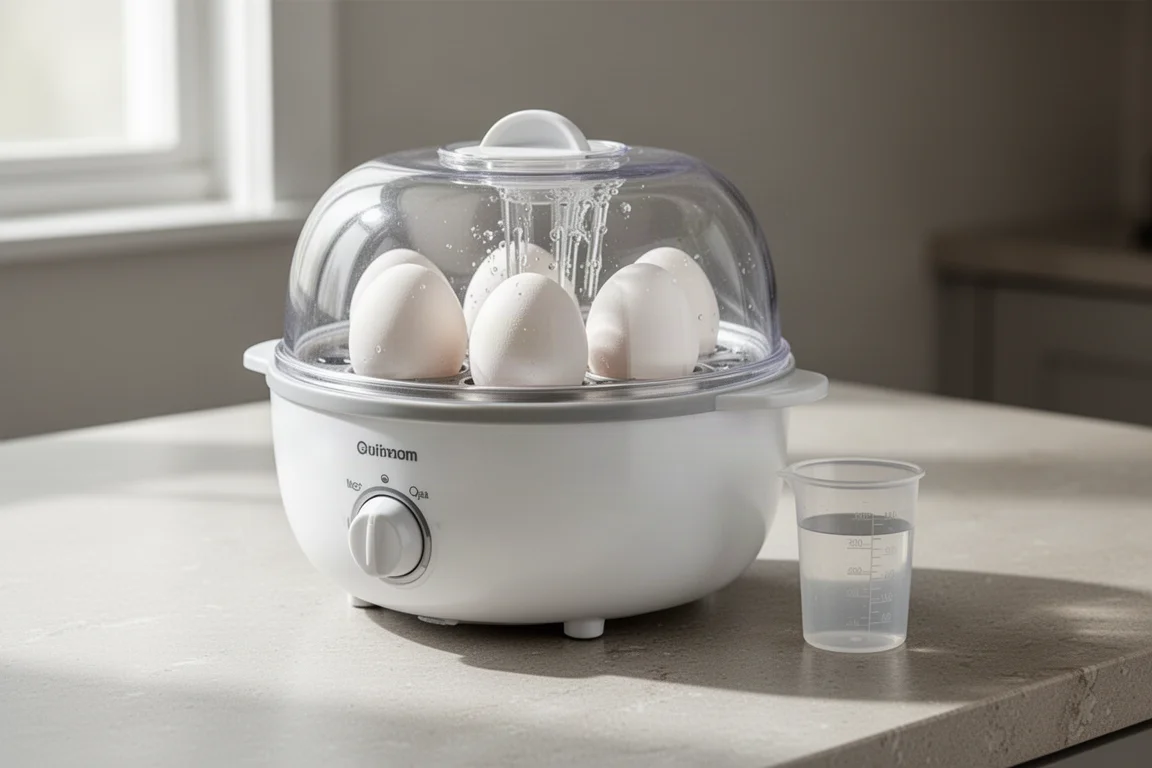
Electric egg cookers promise easier hard- and soft-cooked eggs, and some add poached eggs or omelet trays. People swear by them, but in testing they mostly did not work very well. They are essentially tiny steamers, and the core flaw is the water-measuring system: you add water, the unit steams, and when the water evaporates it signals done. The included measuring tools were imprecise and vague, so results swung between overcooked and runny. It was especially noticeable when cooking fewer than a full load, meaning you effectively always cook six or ten eggs.
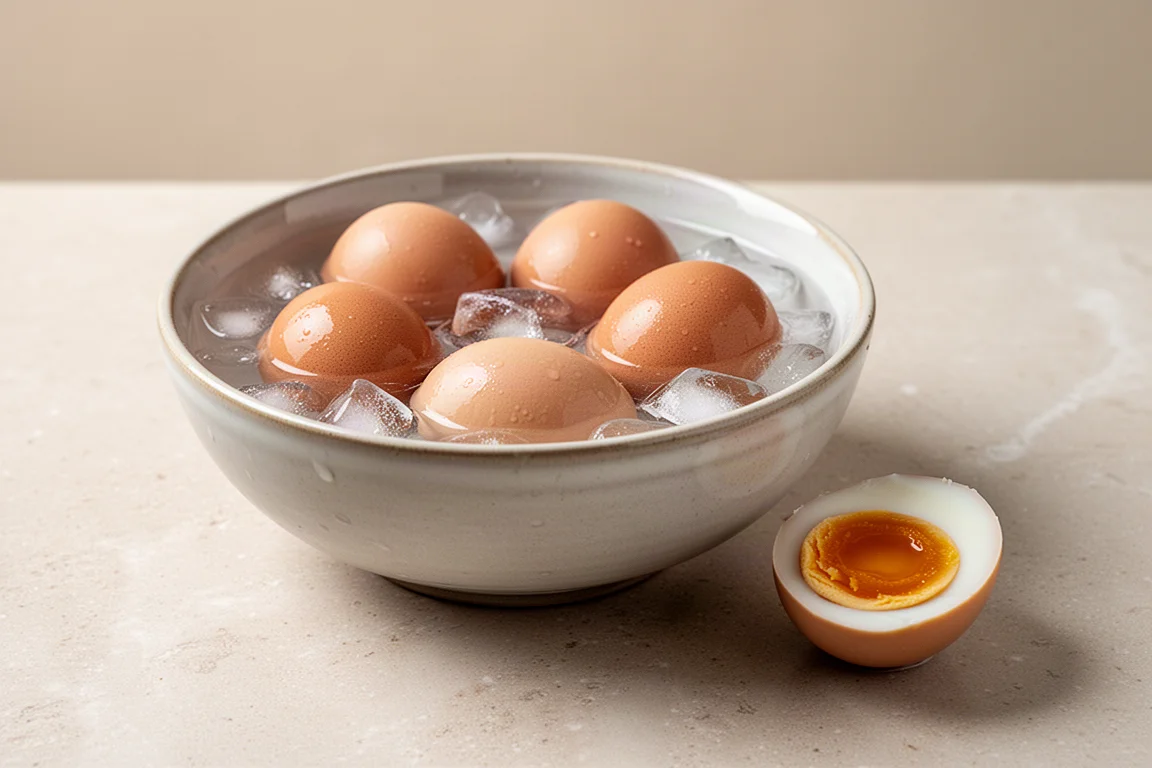
Most models handled hard-cooked eggs acceptably but faltered on soft, medium, and poached eggs. The simpler method wins: put about an inch and a half of water in a saucepan, set eggs in a steamer basket, and cook six and a half minutes for soft-cooked or 13 minutes for hard-cooked. It works every time.
If you still want an electric cooker, the Cuisinart model is the one to get, with reservations. After experimenting with the water amount, it produced pretty good results and shaved about four minutes off the usual 13-minute cook time. But it is not fail-proof, not especially convenient, and it is one more appliance to buy, store, clean, and maintain.
Worth Considering: Onion Goggles
They look silly, but onion goggles have real science behind them. Cutting onions combines acids and enzymes, releasing an irritating gas; when it reaches your eyes, they tear up to flush it out. In testing, the goggles worked really well. A comfortable foam seal around the back genuinely blocks the gas from reaching your eyes. Regular sunglasses will not do the job, since fumes slip under and around the lenses. If you slice or dice a lot of onions and cry every time, these are worth a look. Beyond cooking, their main secondary use is mainly looking cool.
Worth It: Bear Paws Meat Shredding Claws
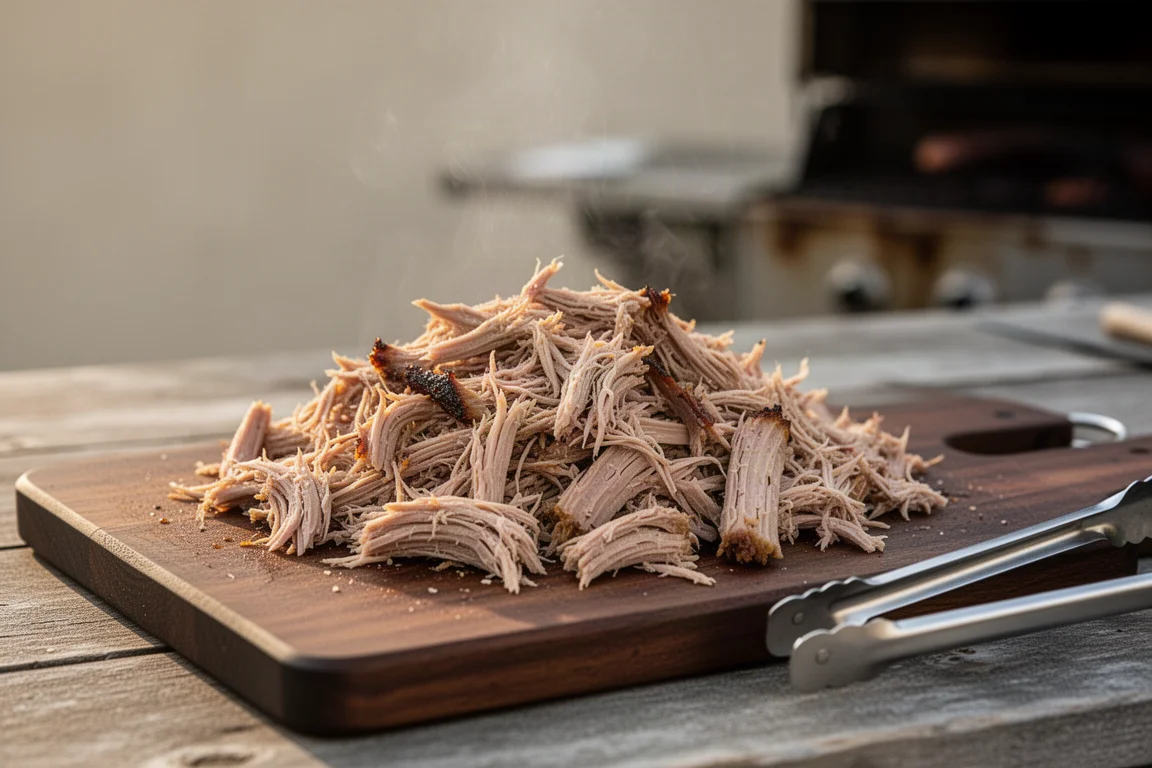
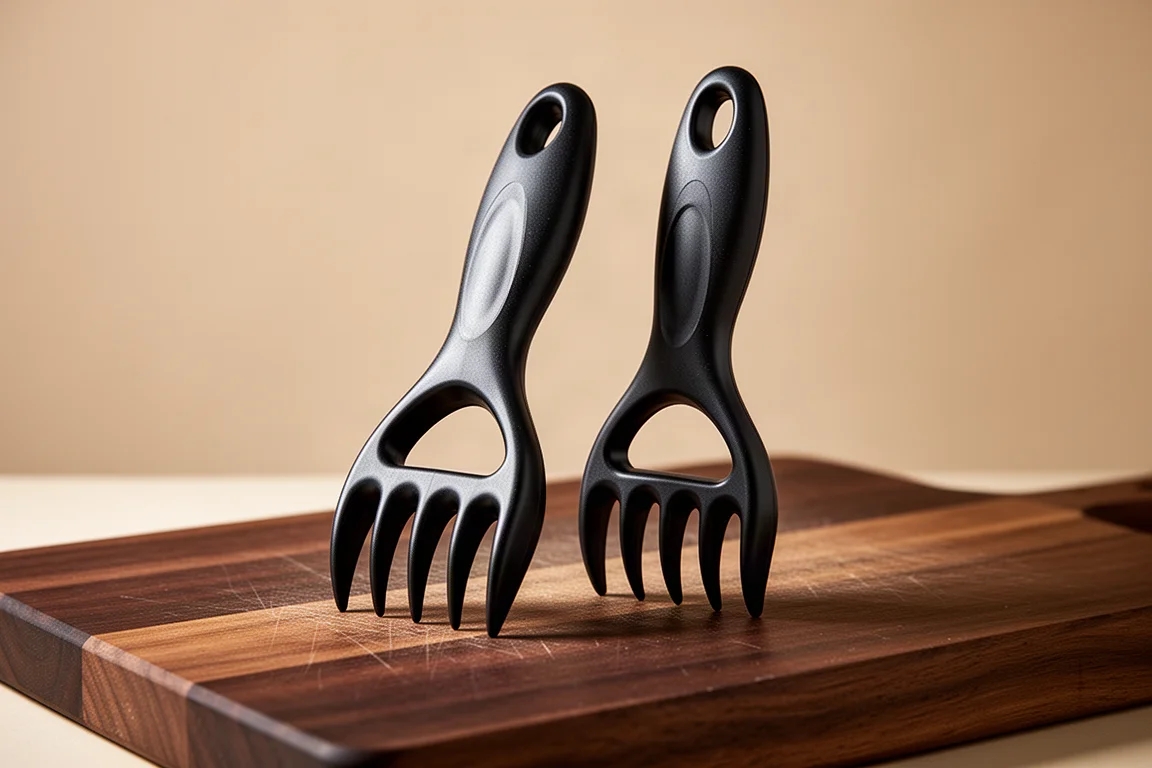
Picture a freshly roasted pork butt coming off the grill or out of the oven, still hot, and needing to be shredded right away. Tongs and forks work, but meat shredding claws are a genuinely well-designed alternative. The handles stay cool, the widely spaced tines resist food getting stuck, and the sharp claws let you anchor one chunk of meat and pull-shred with the other, breaking it apart quickly and easily. They do demand a little care given how sharp the tines are.
They were also tested against fleece-lined silicone shredding gloves, which came up short: bulky, awkward, too big for many hands, and too rigid to shred effectively. The claws are efficient, faster than the alternatives, and simply work well.
Also Skip: Watermelon Slicers
Watermelon slicers drag through a halved melon and let you pull out slices like tongs. The test results were clear and disappointing. They released just as much juice as a knife, were surprisingly hard to control against the rind, and left a lot of fruit behind. Depth was difficult to judge, so slices ran too deep or too shallow, and while thickness was fairly uniform, slices came out jagged and erratic underneath. The manufacturer also claims it can cut cake; it was just as bad at that. Since you need a serrated knife to halve the melon anyway, just use the serrated knife for the whole job.
Buying Advice
The rule that emerged from all this testing is simple: a single-function tool is worth buying if it saves you time, eases use, is easier to clean, or simply does its job better than the alternatives. The Oxo julienne peeler, the RSVP corn stripper, Grandpa Witmer’s mixer, and the Bear Paws claws all clear that bar. The Weber burger press and electric egg cookers do not, and watermelon slicers fail on both counts. Match the tool to a task you actually do often, and the unitasker label stops being an insult.
Conclusion
Not every single-function gadget deserves its bad reputation. The winners here earn their place by making a frequent, annoying task genuinely easier, while the losers mostly re-create problems a knife or a saucepan already solves. Buy the tools that fit your cooking habits, skip the ones that only promise convenience, and your kitchen drawer will be better for it.
Further reading
Related Reviews

Kitchen Gadgets
Kitchen Gadgets Tested 2026: Five Tools Worth Considering
A practical look at five kitchen gadgets, from egg shapers to peanut butter stirrers, with honest assessments of what works and what doesn't.
Kitchen Gadgets
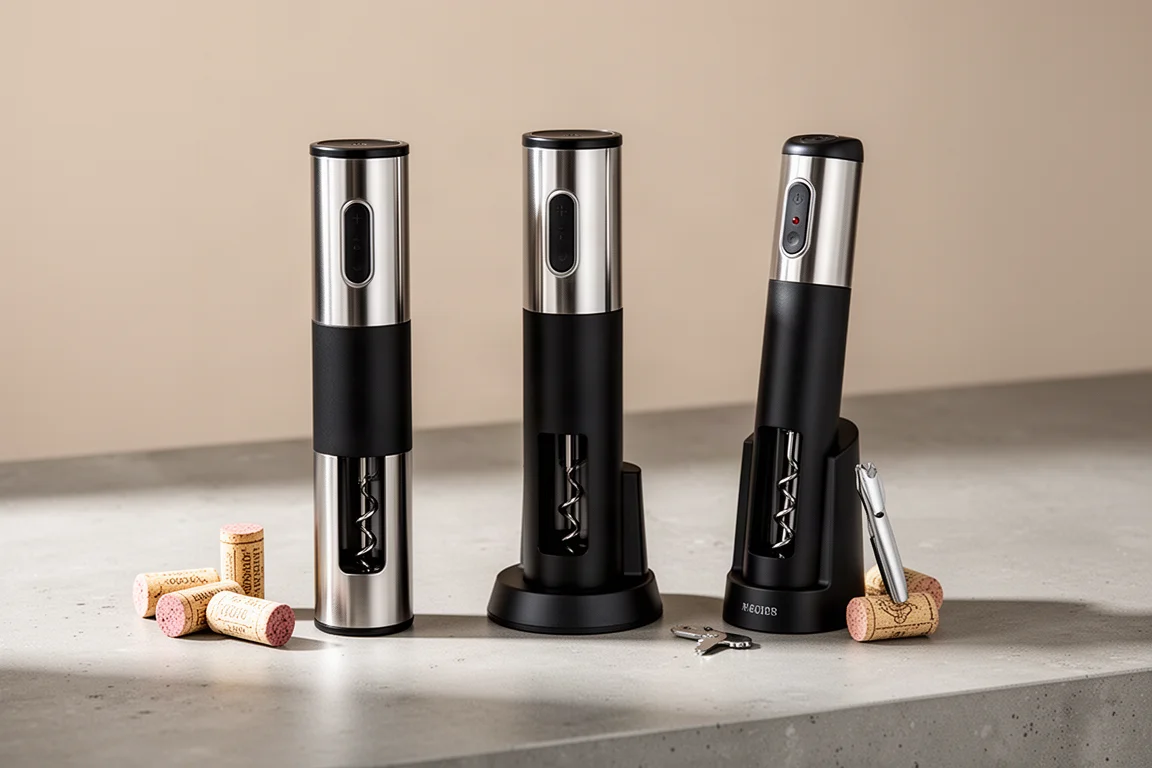
Best Electric Wine Openers: Our Top Picks From Eight Tested Models
We tested eight electric wine openers priced from $20 to $110 on hundreds of bottles. The Secura came out on top, with a Peugeot and a Rabbit model also worth knowing about.
Kitchen Gadgets
Best Kitchen Gadgets Under $15: Eight Small Tools That Earn Their Keep
Eight kitchen tools that cost less than $15 but perform like far more expensive gear, from a razor-sharp peeler to a champagne saver that really works.