Kitchen Gadgets
4 Kitchen Gadgets Put to the Test: What Actually Earned a Spot on the Counter
Fruit savers, a mini bag sealer, a bacon cooker and a spice grinder, tested in real kitchen conditions with honest verdicts on each.
Introduction
Kitchen gadgets tend to fall into two camps: the ones that quietly solve a small daily annoyance, and the ones that promise a lot and deliver very little. We put four popular gadgets through hands-on testing to find out which camp each one belongs to. The results were mixed, occasionally surprising, and in one case genuinely disappointing.
How We Tested
Each gadget was used in normal kitchen conditions rather than staged demonstrations. Where a product made a measurable claim, such as extending the life of fresh produce, we ran a side-by-side comparison under identical conditions. Where the value came down to everyday convenience, we asked a simple question: does this earn its place on the counter, or does it just add another thing to wash up?
Nanology Fruit and Veg Savers: The Promise
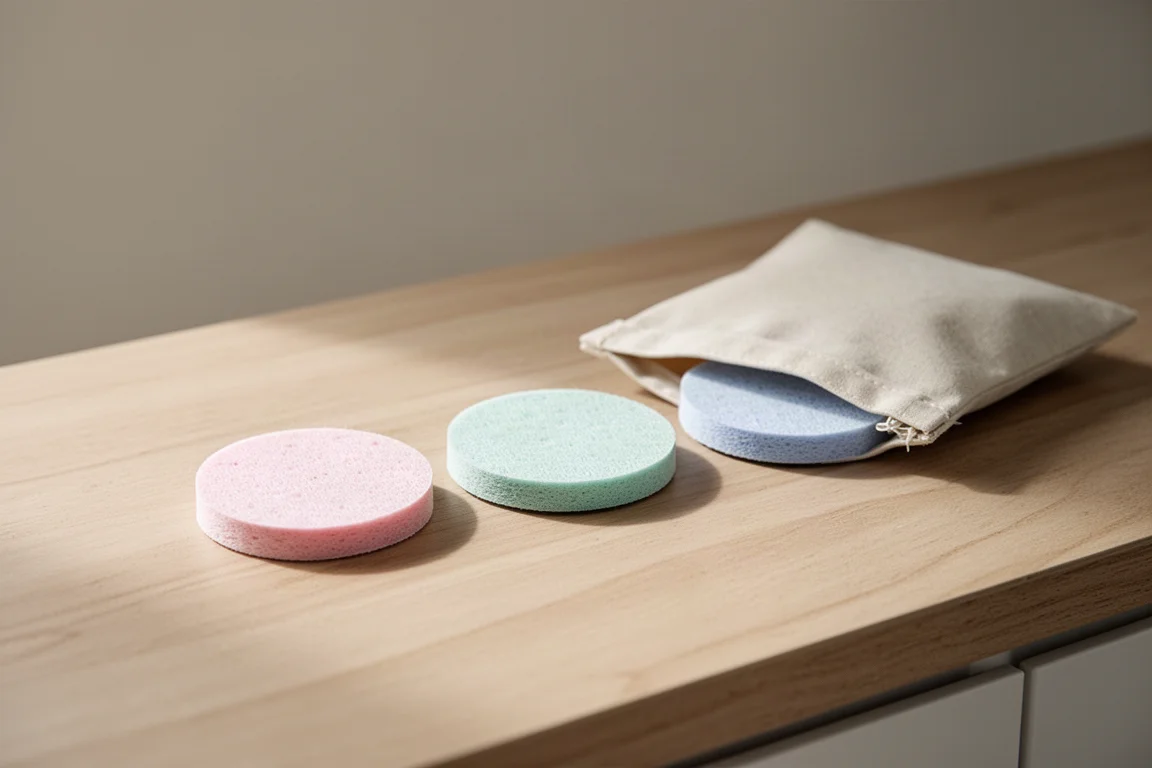
The idea behind the Nanology Fruit and Veg Savers is appealing. Fruit, vegetables and salads emit ethylene gas as they ripen, and that harmless gas speeds up decay. The discs are designed to absorb ethylene, so placing one in a fridge drawer, storage box or fruit bowl should, in theory, double or triple storage life. They are organic and toxin free, so they are safe to keep alongside food.

To test that claim, two identical bowls of fruit were wrapped in film and left at room temperature for two weeks, one with a saver disc inside and one without. After a week the two bowls looked nearly identical. After two weeks the differences were there, but not in the direction we expected.
The bowl without the saver showed a sweatier banana with a furry tip and a sweatier orange and grape. But the bowl with the disc had more visible white mould on some items, the blueberries tasted slightly worse with a few showing early fluff, and the avocado was completely soft while the unsaved one was still firm. It absorbed odours, but it did not stop the rotting. The science behind ethylene absorption is real, and high-end fridges already use it, but in this direct comparison the discs simply did not outperform the control.
At 3.99 for three discs, the price is not the issue. The performance is. On the strength of this test alone, it is hard to recommend them.
Mini Bag Sealer: Small Tool, Genuine Everyday Use
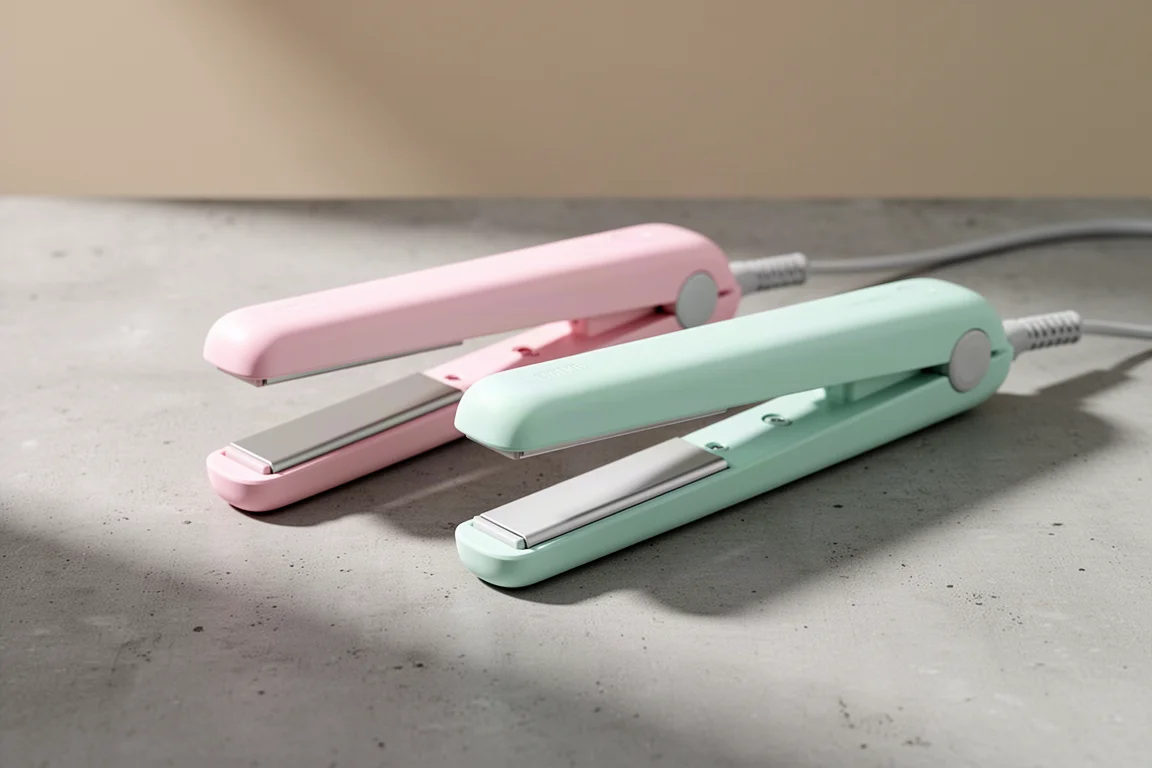
These two small pastel handheld sealers look like mini hair straighteners, and their purpose is easy to miss until it is explained: they reseal opened plastic bags by melting the top edge shut. They work on plastic snack bags, foil-lined bags, chip bags and similar packaging, and resealing opened packets is a genuine everyday problem, especially for larger sharing bags.
The sealing process is slow. It took a minute or so for the sealers to heat up, and working the heated edge across the top of a bag takes patience. In the time it took, you could have eaten the rest of the packet. But once sealed, the result held up: a sealed bag of crisps survived the shake test with no leaks.
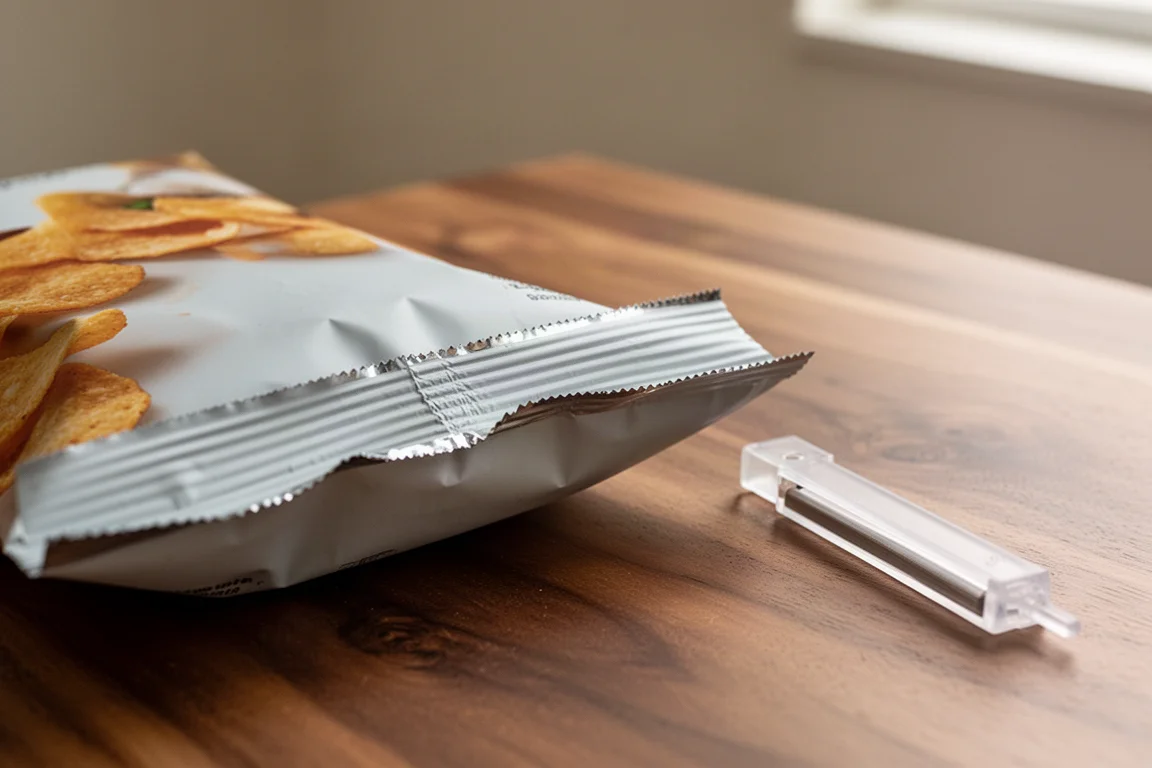
Chocolate bars are a partial success. The plastic seals, but the heat can melt close to the chocolate itself, so you need to keep some distance. Interestingly, the sealer shines most where the bag already has structure, like a coffee bean bag. Sealing a half-used bag of coffee beans kept the contents shut tight, and for anyone who opens a pack of beans every couple of weeks and finds them losing life by the time they return, that is a genuinely useful application.
At 20.99 for the pair, they are not expensive, and while some bags now come with their own reseal strips, not everything does. Tacky at first sight, but surprisingly practical once you find your use case.
SMART Bacon Express: Vertical Cooking, Mixed Results
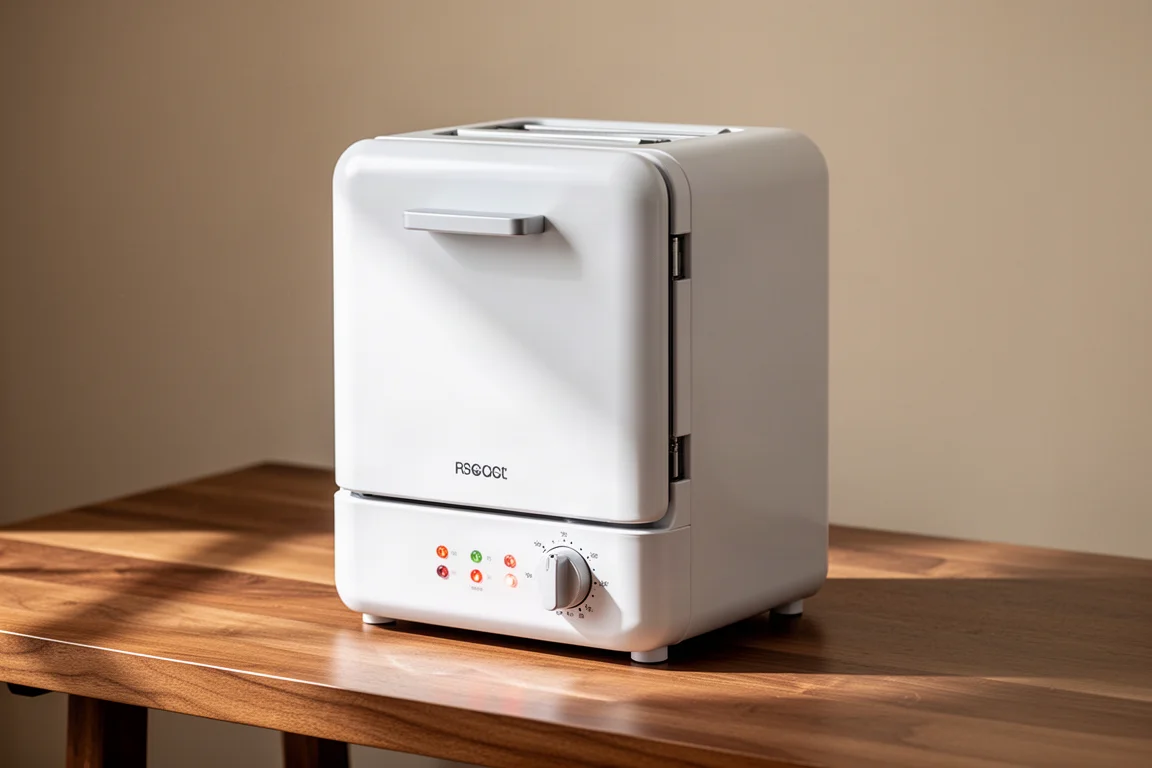
The SMART Bacon Express is a dedicated vertical bacon cooker that takes up to six strips of regular or thick-cut bacon. The pitch is simple: adjust the illuminated dial timer, no flipping needed, and the vertical cooking method drains fat and grease away for healthier, faster cooking.
In practice, the results were inconsistent. Thick-cut bacon on the crispy setting came out leathery rather than crispy, and thin bacon ended up overcooked but oddly not crisp, though it does crisp up as it cools. The best part was the top where the fat had not dripped away, which somewhat defeats the healthy-cooking pitch. A look at the drip tray confirmed plenty of fat had drained off, so the mechanism works as advertised, just not impressively.
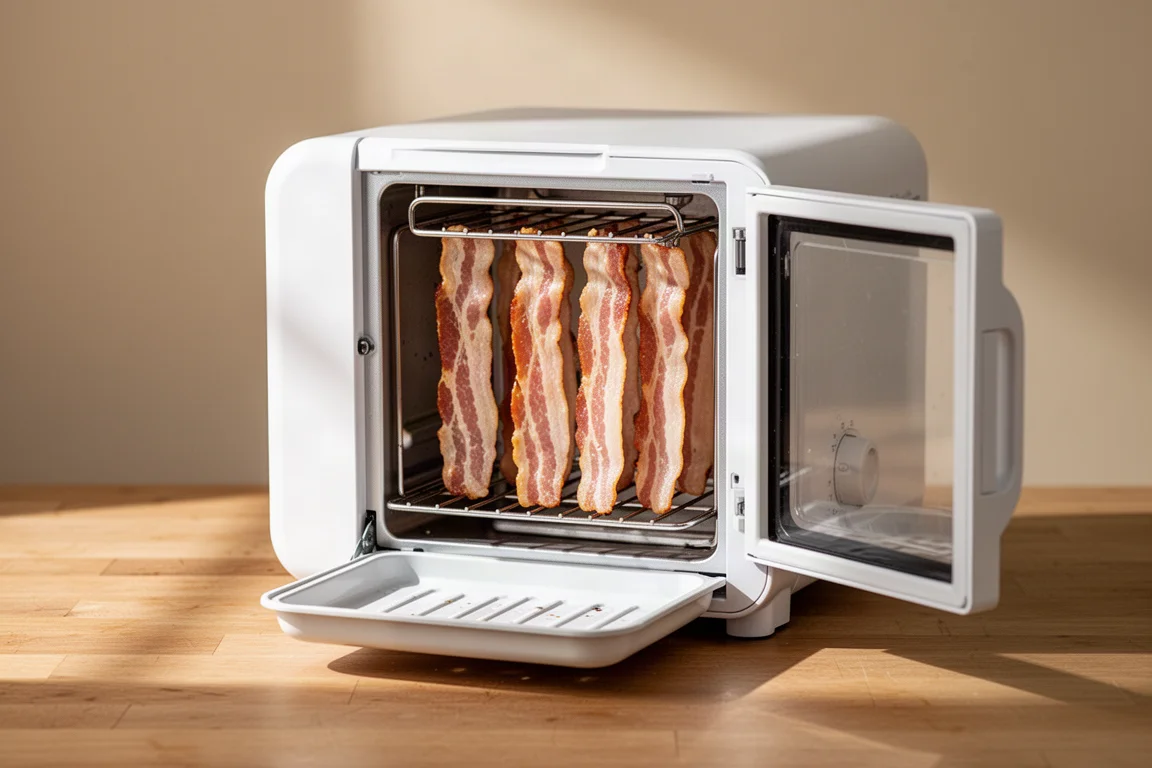
The bigger problem is practicality. Cooking bacon in a pan takes minutes and leaves you with one hot pan that rinses clean in seconds. The Bacon Express needs preheating, then leaves you with multiple fiddly parts to disassemble and clean once cooled. In a side-by-side timing test against simply baking bacon in the oven, the total time was the same, with worse results and more washing up. You would have to eat bacon remarkably often to justify the counter space.
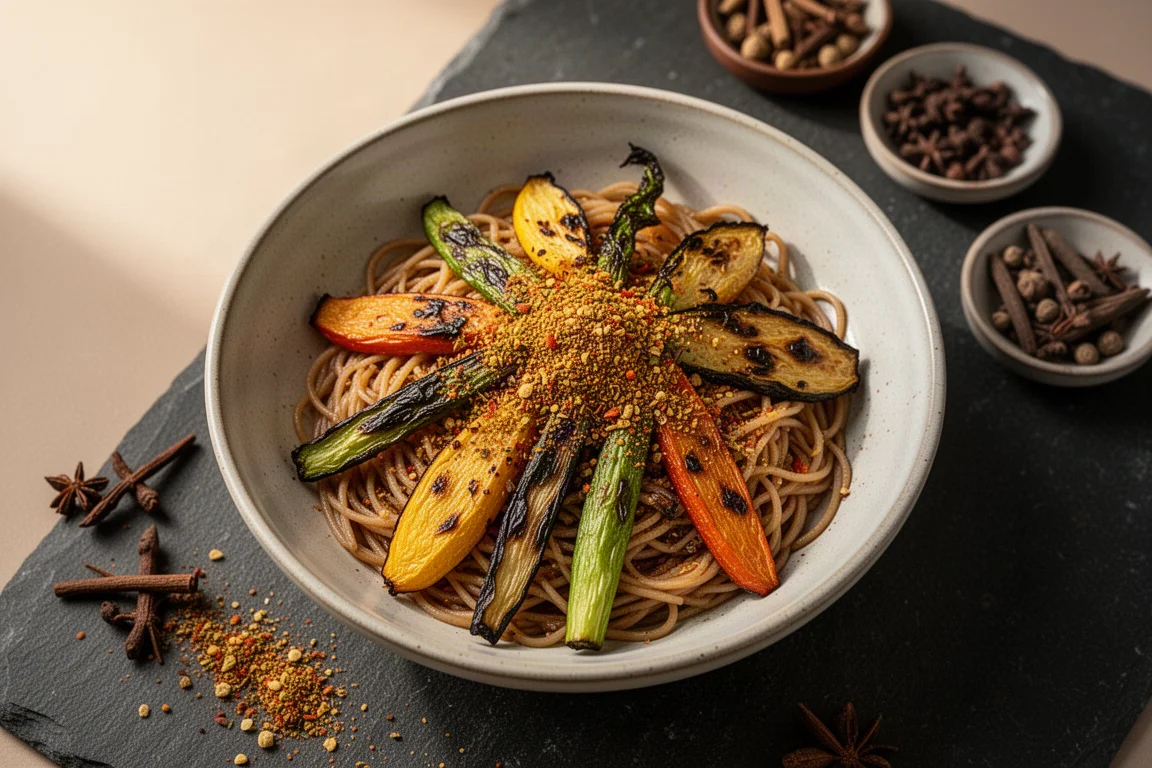
At 55 pounds, it is also far from cheap. The dish it was tested alongside was delicious, but that credit goes to the recipe, not the appliance.
FinaMill and FinaPods: Fast Grinding With Real Limits
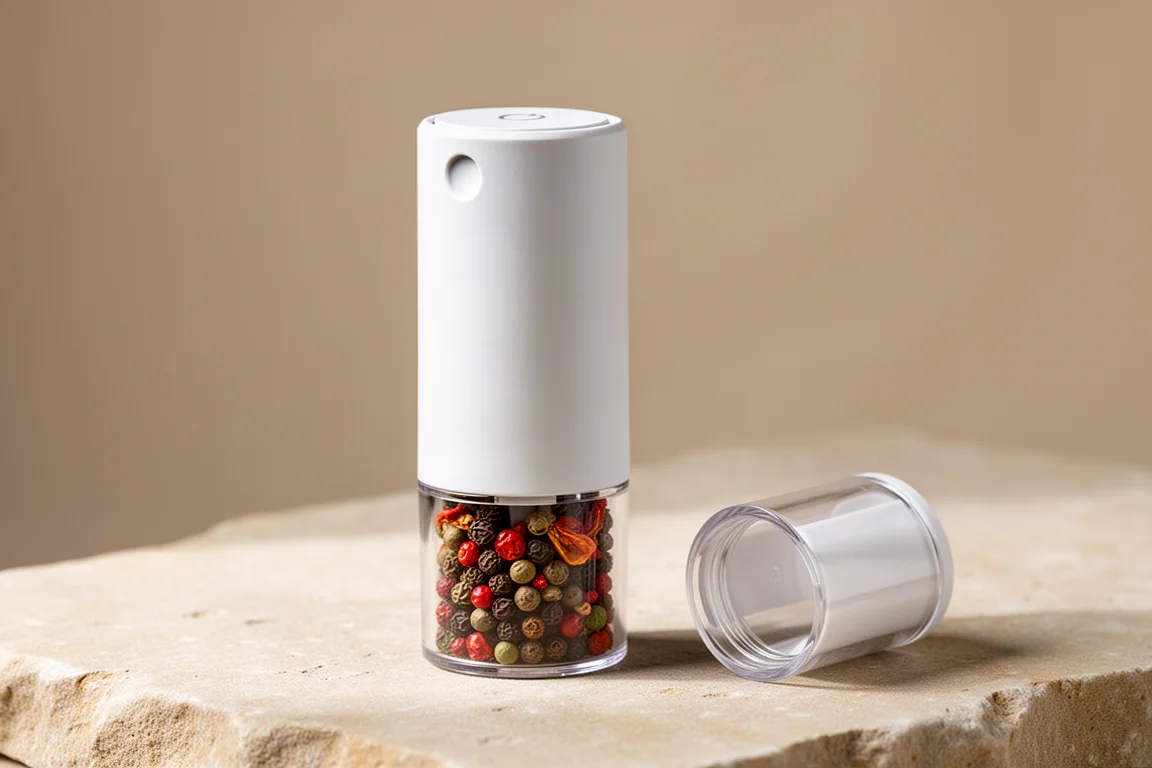
The FinaMill is a push-button spice grinder with swappable FinaPods you fill with whole spices. The pods double as storage containers, you clip one in, press the button on top, and a small light helps guide the ground spice onto your dish. There are also thick and thin pod variants, one with a paddle for large spices and one that pushes finer ingredients down toward the blades.
Grinding performance is genuinely decent for single ingredients. Szechuan peppercorns and chilli came out nicely ground, and grinding cocoa nibs over banana worked well. But the mixed-blend experiment exposed a real weakness: when several spices are loaded together, they sort themselves by weight, density and size. Sesame seeds came out whole, bay leaves rose to the top and did absolutely nothing, and only a fraction of the blend actually got ground.
That matters because the marketing suggests personalising your own spice blends, yet the instructions and photos point to one spice at a time. For a curry, you would need four or five whole spices, which means emptying the pod between each one. And since the pods are not airtight, you still have to store your spices elsewhere, transfer them in, grind, then tip them out. For many cooks, that is too much friction.
At 49.99 for the mill with two FinaPods, and 13 pounds per additional pod, it is an expensive system that does a fraction of what it promises, though the fraction it does deliver, it does well.
Overall Buying Advice
Of the four, the Mini Bag Sealer is the easiest to recommend. It solves a small but real problem, costs little, and works as described on plastic and foil-lined bags, even if the process is slow. The FinaMill suits cooks who mostly grind one spice at a time and value the push-button convenience, but blend-happy cooks should think twice. The Nanology Fruit and Veg Savers and the SMART Bacon Express both failed to justify their claims in testing, and we would spend that money elsewhere.
Conclusion
Hands-on testing is the great equaliser for kitchen gadgets. Some earn their keep, like the humble bag sealer that quietly keeps your coffee fresher. Others, like the fruit savers and the vertical bacon cooker, look convincing on paper and fall apart in practice. Before buying any gadget, ask what problem it actually solves and whether your existing tools already solve it. Often, they do.
Further reading
Related Reviews

Kitchen Gadgets
Kitchen Gadgets Tested 2026: Five Tools Worth Considering
A practical look at five kitchen gadgets, from egg shapers to peanut butter stirrers, with honest assessments of what works and what doesn't.
Kitchen Gadgets
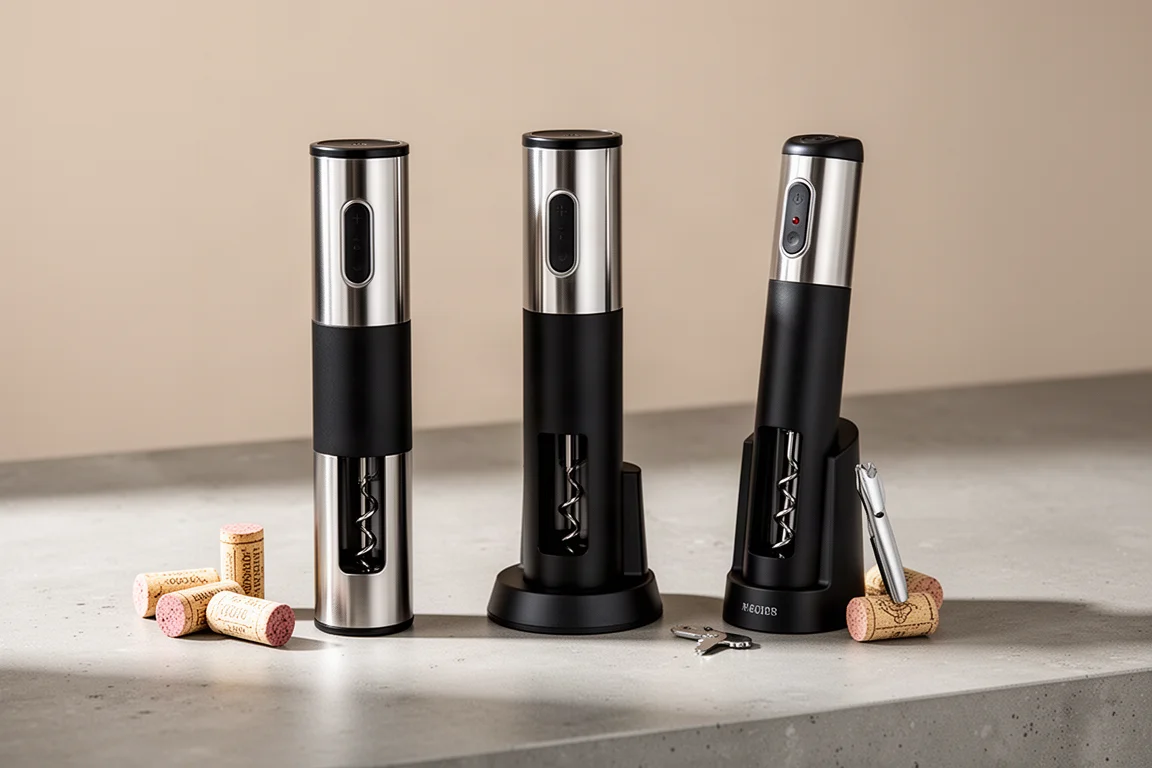
Best Electric Wine Openers: Our Top Picks From Eight Tested Models
We tested eight electric wine openers priced from $20 to $110 on hundreds of bottles. The Secura came out on top, with a Peugeot and a Rabbit model also worth knowing about.
Kitchen Gadgets
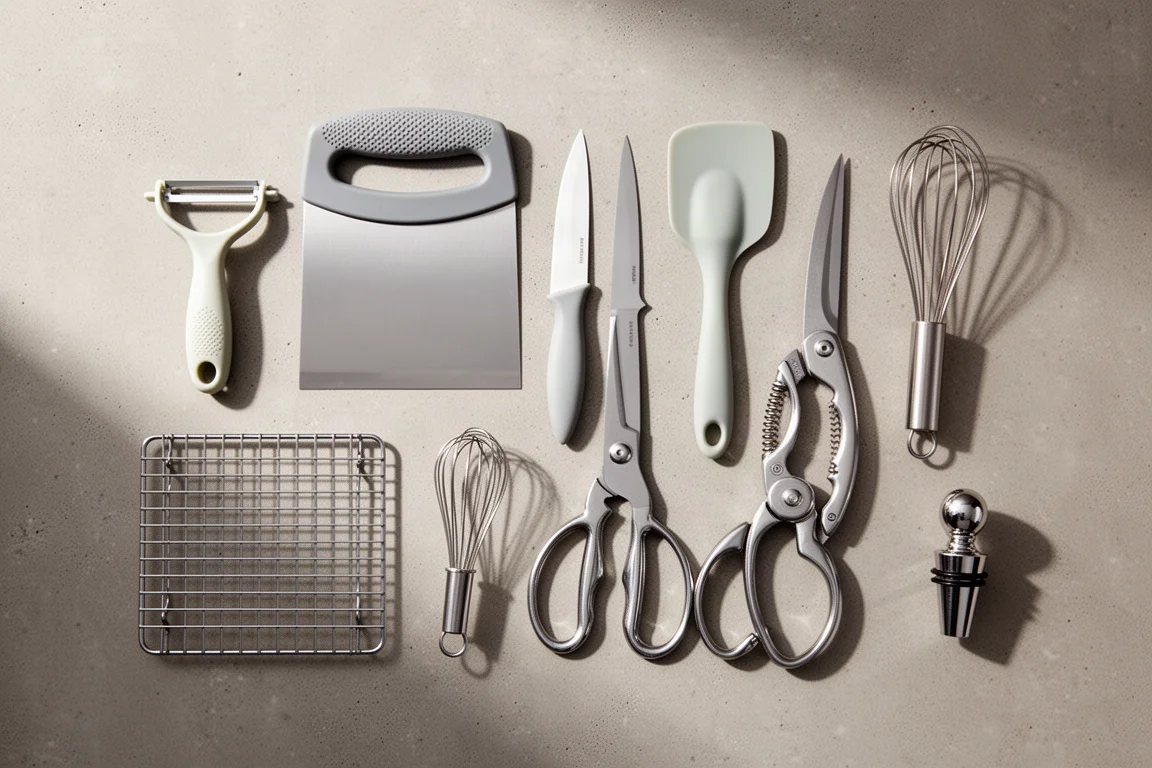
Best Kitchen Gadgets Under $15: Eight Small Tools That Earn Their Keep
Eight kitchen tools that cost less than $15 but perform like far more expensive gear, from a razor-sharp peeler to a champagne saver that really works.