Kitchen Gadgets
Four Kitchen Gadgets Put to the Test: Sushi Maker, Samosa Maker, Vegetable Slicer and Draught Keg Machine
A hands-on look at four popular kitchen gadgets, covering what works well, what frustrates, and who each one is actually for.
Introduction
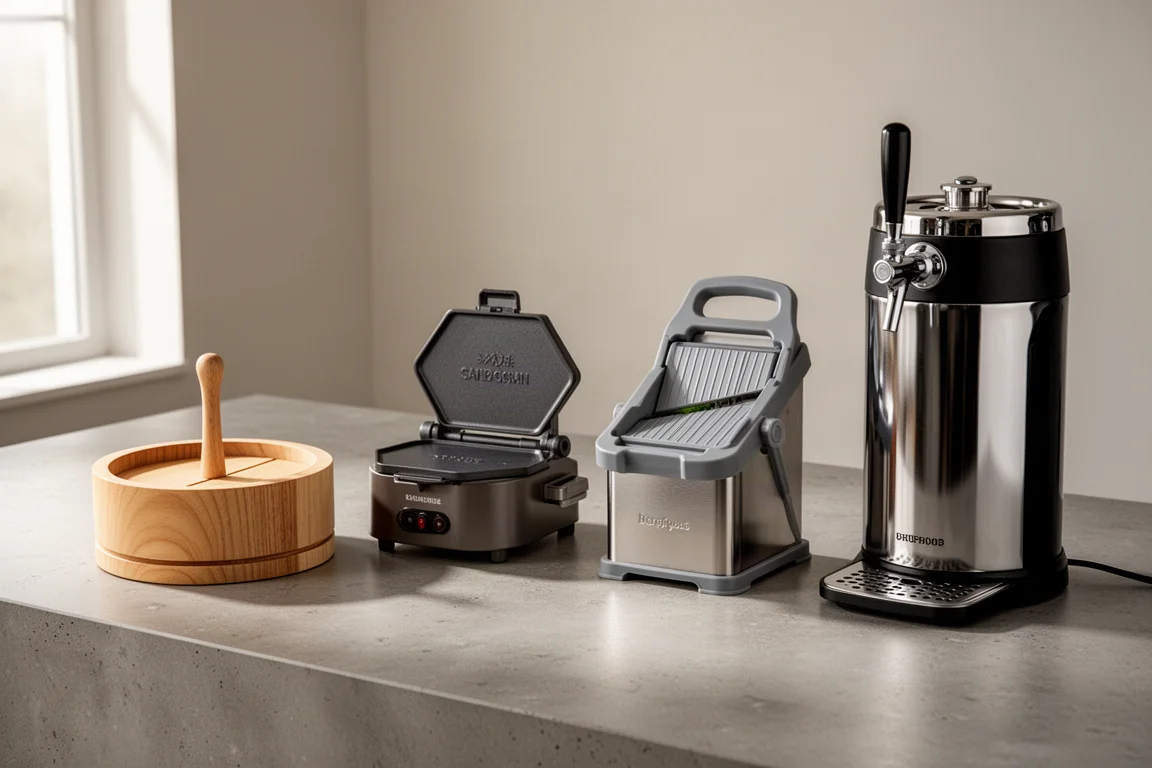
Kitchen gadgets rarely have a good reputation with experienced cooks, and for good reason: most promise convenience and deliver clutter. Every so often, though, a gadget earns a genuine place on the worktop. We put four popular options through their paces: a wooden sushi press, a countertop samosa baker, a multifunctional vegetable slicer, and a keg machine that promises proper draught beer at home. Here is what each one does well, where it falls short, and whether it deserves your money.
Sooshi Sushi Maker
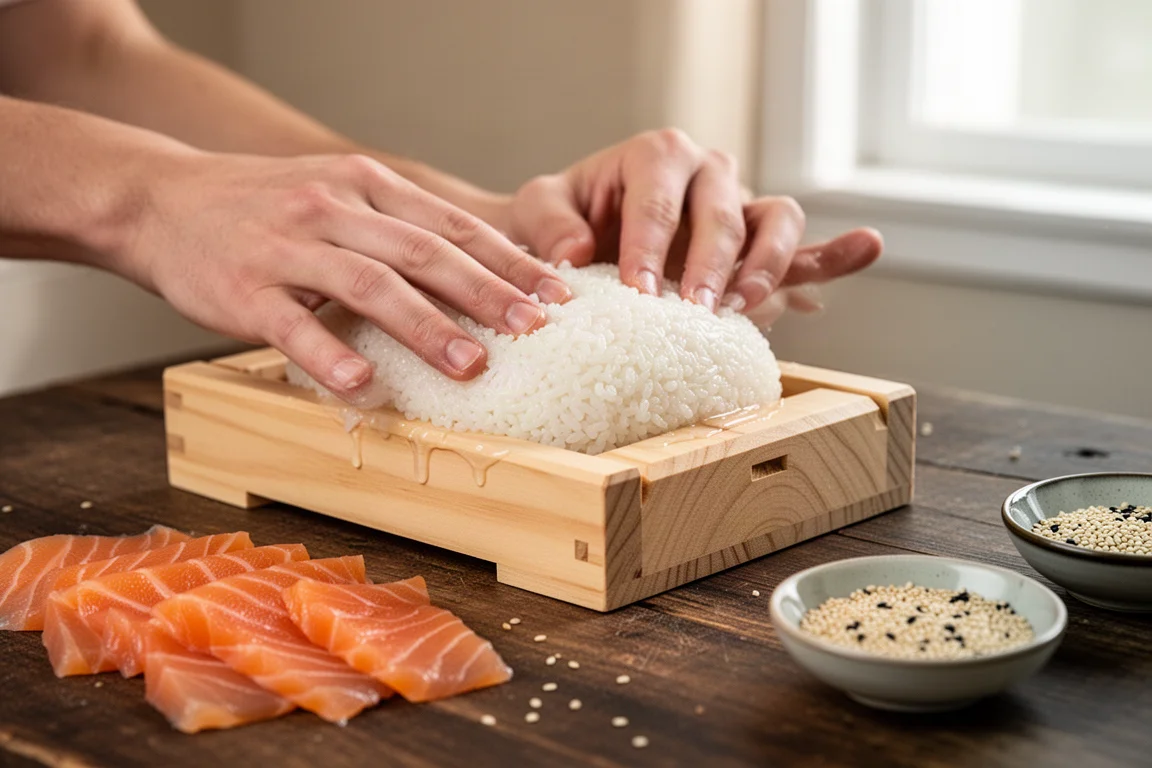
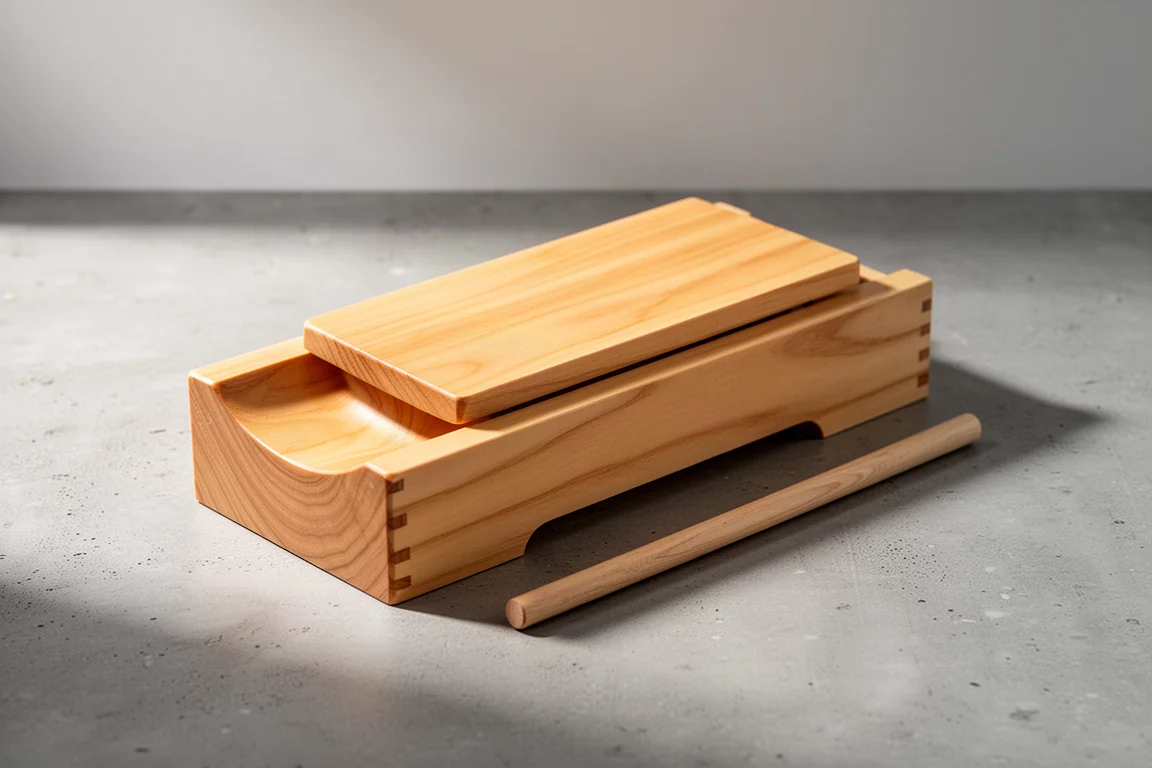
The Sooshi is a sushi maker made entirely from clean, smooth wood, and it looks the part straight out of the box with a satisfying hinge, a firm snap, and a nicely engraved brand name. It comes with everything a beginner needs: a mould for sticky rice and your chosen filling, plus a prod to push the rice evenly in and out.
The process is simple. You soak the maker thoroughly, pack in the rice, add your filling in the centre channel, then press. Filling placement is where it genuinely shines: getting salmon dead centre in a hand-rolled piece is notoriously fiddly, and the mould nails it every time. The resulting pieces are pleasingly uniform, and it is oddly satisfying to watch them tessellate neatly.
There are trade-offs. Wet the mould poorly and the rice gets sodden and hard to work with, so prep matters more than you would expect. The finished rice is also packed slightly less tightly than a hand-rolled piece made with a mat, which is what you are giving up for that consistency. At £27.99 it is a fair bit pricier than expected, and if you already make sushi often you probably have the knack and do not need it. But as a stepping stone for beginners who always end up with clumsy rolls, it absolutely works.
Smart Samosa Maker
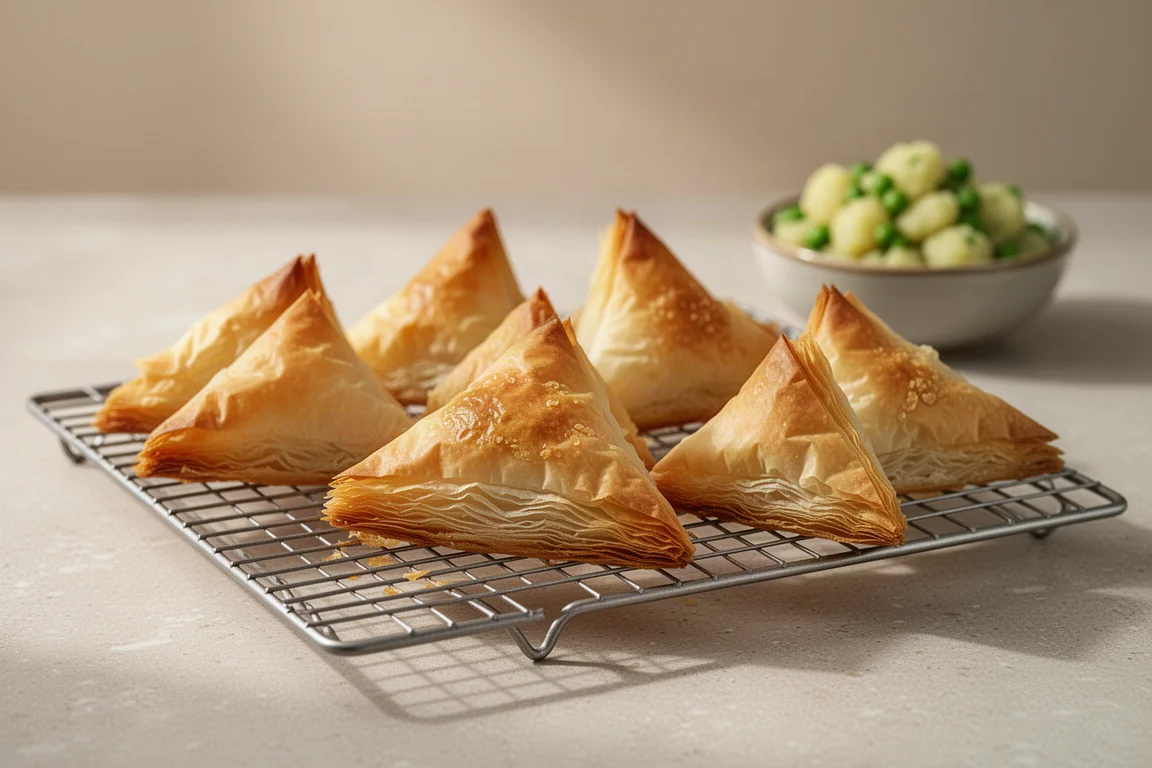
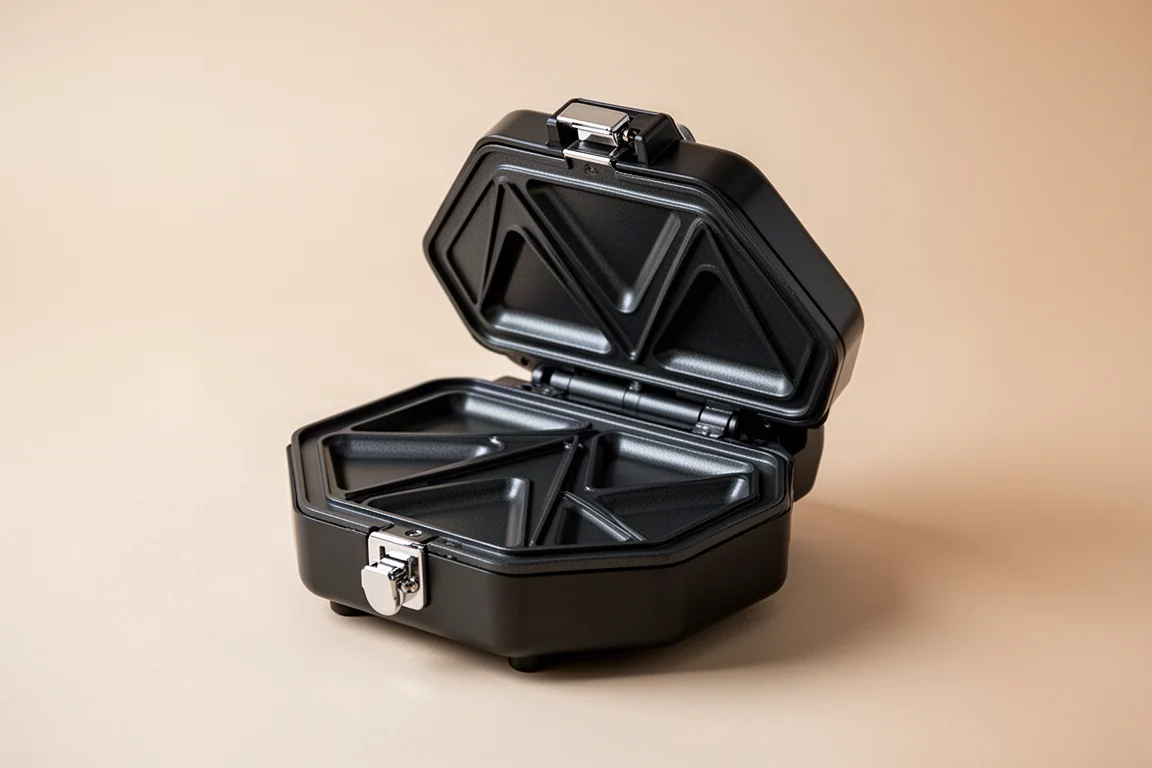
The Smart Samosa Maker takes a different angle on convenience: instead of frying samosas in oil, it bakes them, and it can handle batches of up to 24 deep-filled samosas at once, which the manufacturer positions as a way to avoid spending all day in the kitchen.
In practice, there is some friction. The machine needs greasing before you start, the layout does not tessellate as neatly as it should, and pre-made filo pastry has a habit of cracking as you lay it on. The results are not traditional samosas: the folded filo gives a different texture, and double-wrapped ones came out paler in the middle. But nobody found them unappetising, and the filling recipe from the manual tastes genuinely delicious.
The real appeal is the batch size. Making samosas by hand, even baked rather than fried, carries a lot of admin that most people will not face midweek. If the thought of knocking up 24 samosas from scratch makes you sigh, having a machine that simplifies it is a legitimate hack, and it leaves room to experiment with different pastries and fillings, from feta and spinach to sweet versions. At around £49 it is not cheap, but for a specific, regularly repeated use case, the price feels about right. Some testers liked it enough to want to take it home.
Once for All Multifunctional Vegetable Slicer
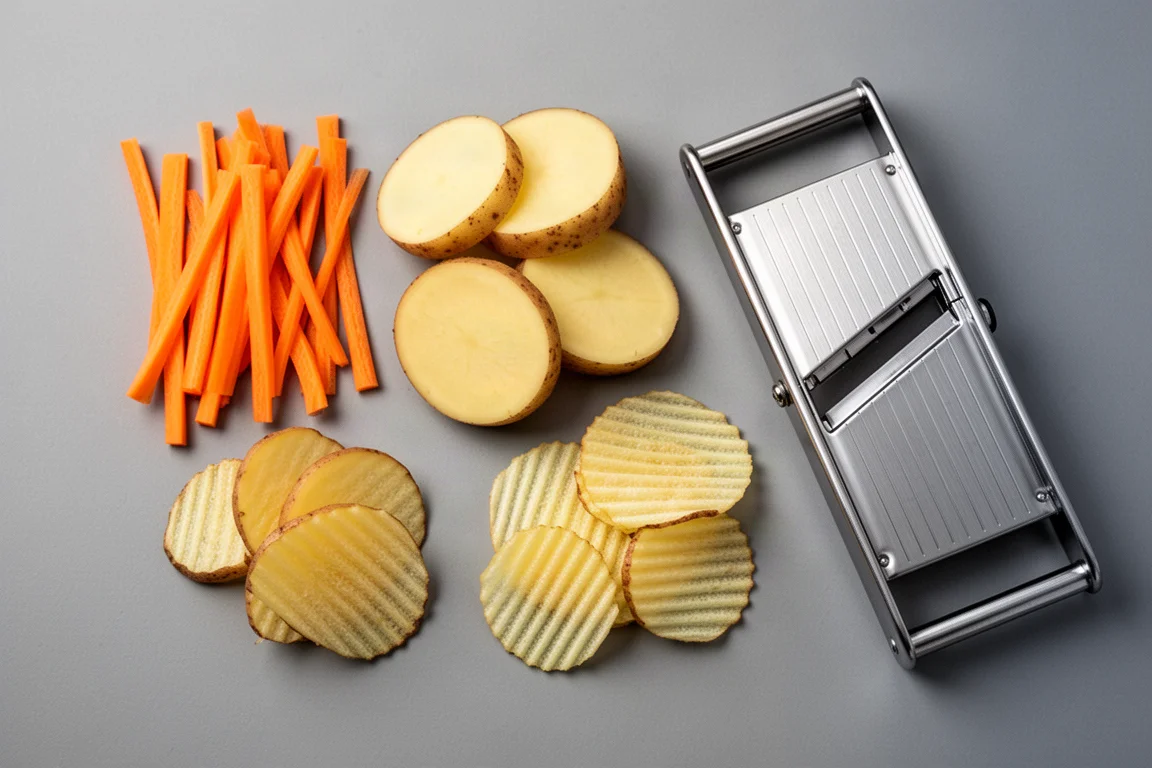
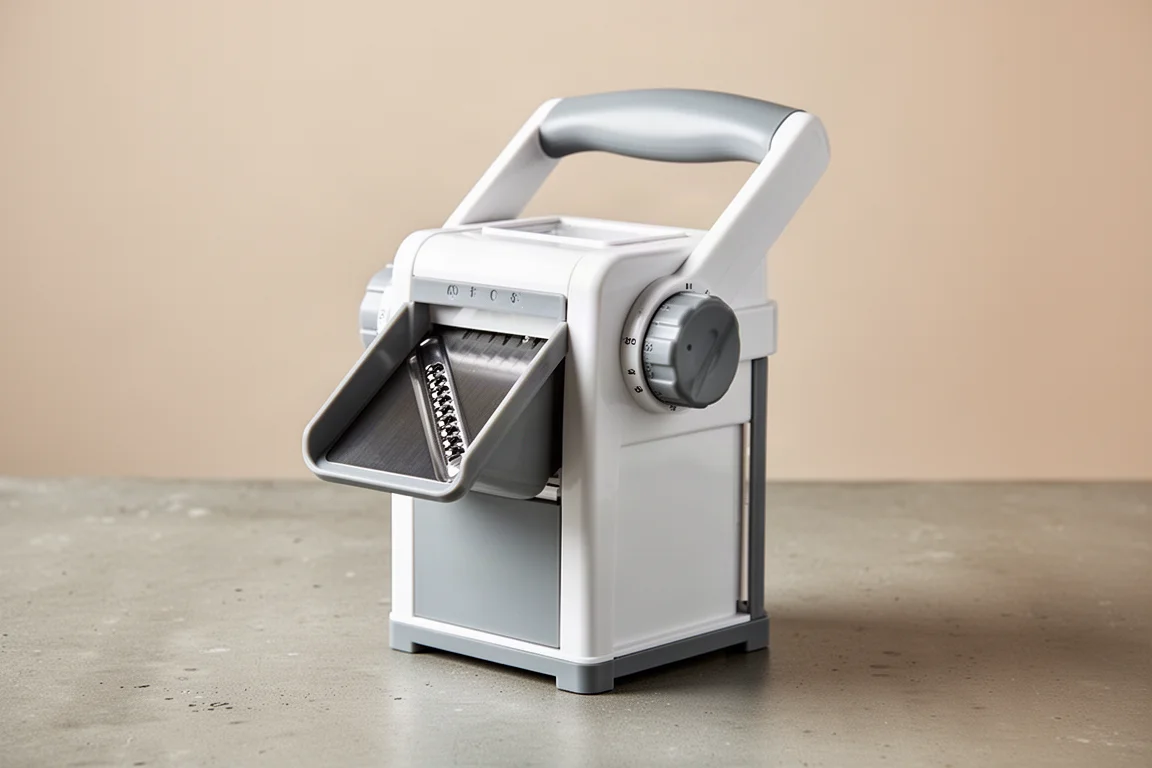
This one looks like a futuristic vacuum cleaner when you lift the box, and it initially feels flimsy until you discover the collapsible feature that locks the base down and makes it sturdy on the counter. It is a manual all-in-one vegetable chopper with stainless steel blades that handles slicing, stripping, julienning and dicing, with no blade changes required. Instead, you turn a combination of three knobs: a large one for thickness and two smaller ones that redirect the blades for slices, dices, juliennes or batonnets.
The consistency is the standout. Slices of cucumber come out remarkably uniform, turning the big knob produces ridged chip-cut potato strips, and thick slices can be fed back through to produce something close to a dice, albeit less perfect than careful hand-cutting. The internal mechanism even flicks finished pieces forward for you. Performance does depend on the shape of the vegetable, which is true of most machines of this type, but when it works, it works well.
Where would it actually earn its keep? For good presentation or bulk prep, mostly: large portions, time-sensitive cooking, anything where speed matters. At £27.59 it sits right in the range where it pays for itself if you use it, and it is a genuine waste of money if you buy it thinking you will and never do.
Philips The Perfect Draught Keg Machine
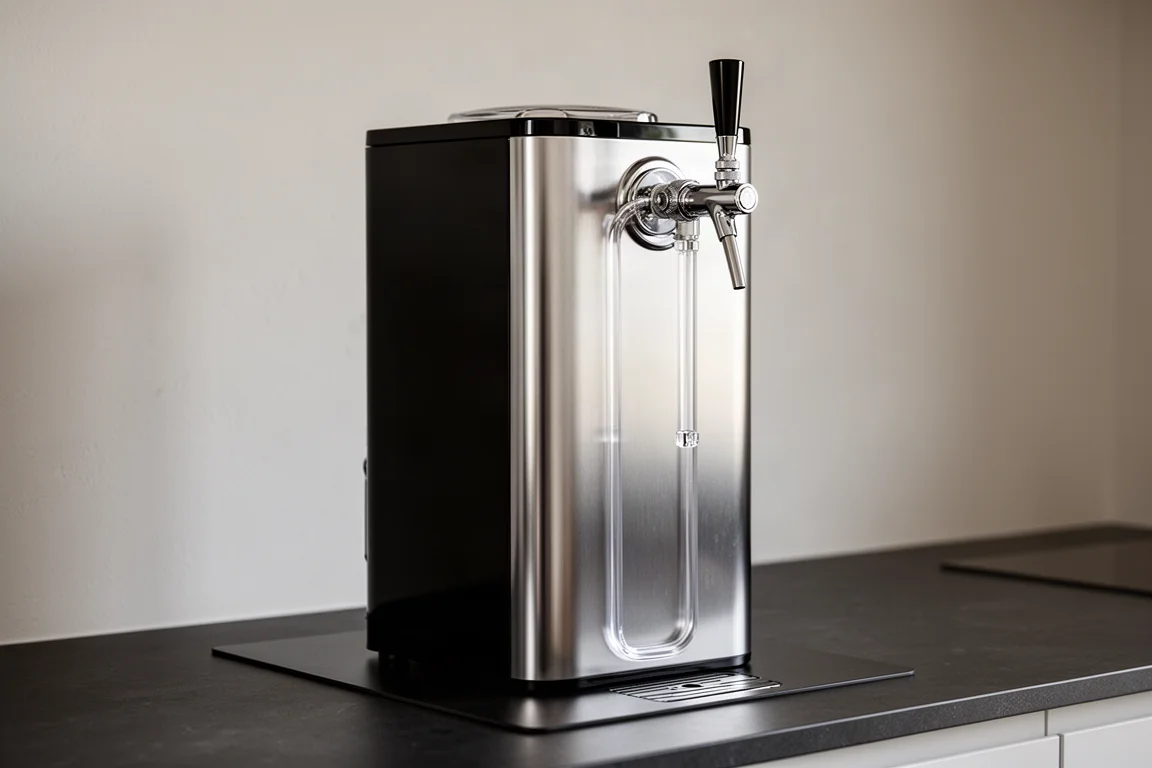
The final gadget is a different beast entirely. Philips The Perfect Draught Keg Machine looks a little like a coffee machine with a tap on the front, and its pitch is simple: perfectly cold draught beer from tap at home, with a sturdy build and a real bar tap handle that suits a kitchen, man cave, or holiday house.
Unlike cheaper draught devices tried in the past, this one chills the keg for you inside a built-in refrigerator base. Setup is straightforward: a quick-start guide with clear diagrams shows how the pump sits on the keg, the tube clicks down the front, and everything clamps into the base to chill. The first pour mostly flushes air from the pipe, and after that it pours cleanly.
The results impressed. One pour was described as almost indistinguishable from a draught pint, with a creamy, slightly more bitter head that balances the beer underneath nicely. On running costs, a keg yields roughly 18 glasses at 33 centilitres or 30 at 20 centilitres, with the keg itself costing about £37, which works out comparable to buying cans. The machine with a keg and two glasses came to £249, which firmly places it in splurge territory. It is also genuinely large, so you need a decent kitchen. And there is one more consideration: if cold beer is sitting ready on your worktop, it takes real willpower not to pour one at lunchtime. As a bonus, the tap tower is detachable and can be moved for serving straight from the keg, which turns out to be a party-winning feature.

Overall Buying Advice
These four gadgets serve very different buyers. The Sooshi suits beginners who want consistent sushi without the learning curve of a mat. The Smart Samosa Maker earns its spot for batch baking and entertaining, not everyday cooking. The Once for All slicer is the most broadly useful of the group, provided you genuinely cook in volume. The Philips keg machine is a lifestyle purchase: excellent at what it does, but a significant spend with a large footprint.
Conclusion
Most kitchen gadgets fail the reality check, but these four each passed in their own way. If you buy one, match it to a real habit you already have rather than one you hope to start, and each of these can be a worthwhile addition rather than cupboard clutter.
Further reading
Related Reviews

Kitchen Gadgets
Kitchen Gadgets Tested 2026: Five Tools Worth Considering
A practical look at five kitchen gadgets, from egg shapers to peanut butter stirrers, with honest assessments of what works and what doesn't.
Kitchen Gadgets
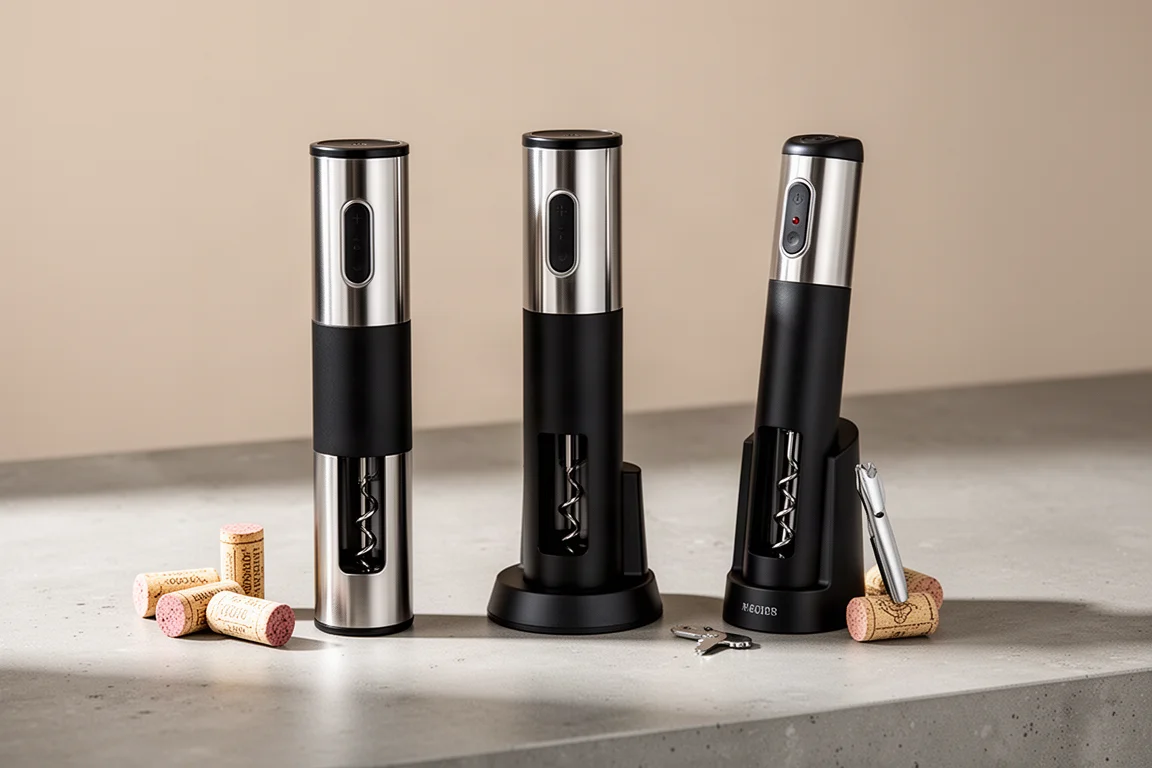
Best Electric Wine Openers: Our Top Picks From Eight Tested Models
We tested eight electric wine openers priced from $20 to $110 on hundreds of bottles. The Secura came out on top, with a Peugeot and a Rabbit model also worth knowing about.
Kitchen Gadgets
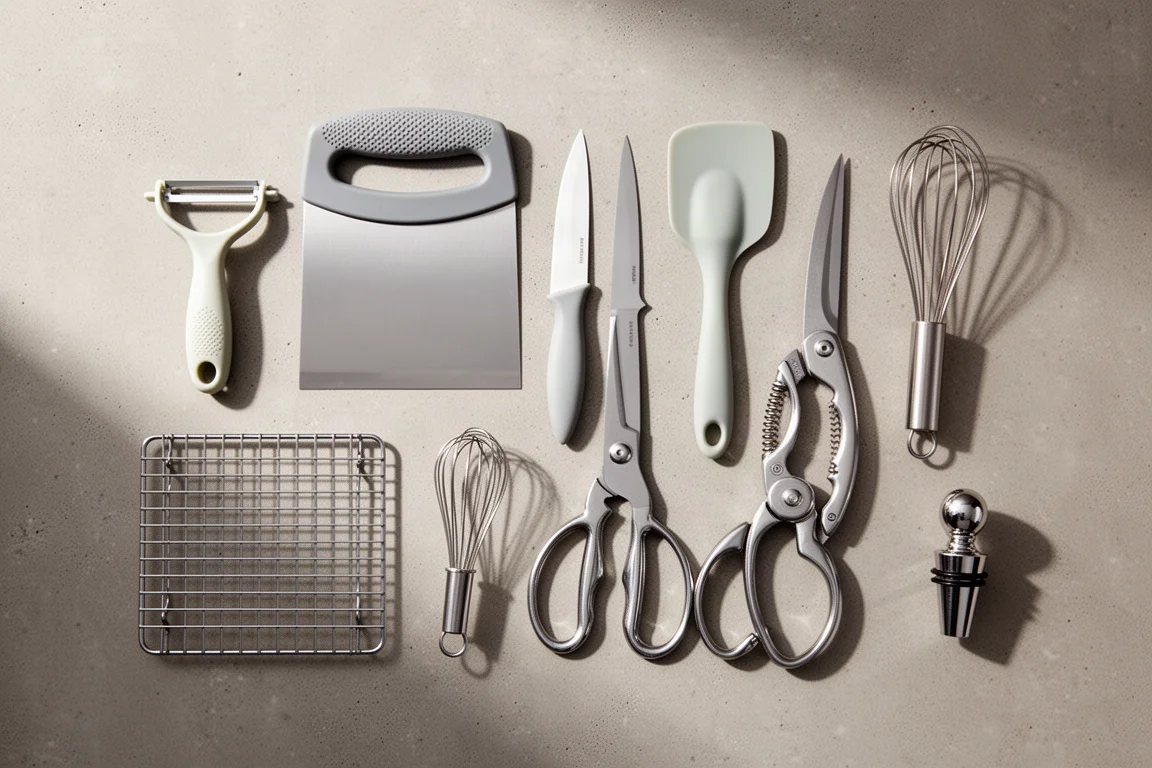
Best Kitchen Gadgets Under $15: Eight Small Tools That Earn Their Keep
Eight kitchen tools that cost less than $15 but perform like far more expensive gear, from a razor-sharp peeler to a champagne saver that really works.