Hiking Gear
Kilimanjaro Gear Guide: What Worked on the Mountain
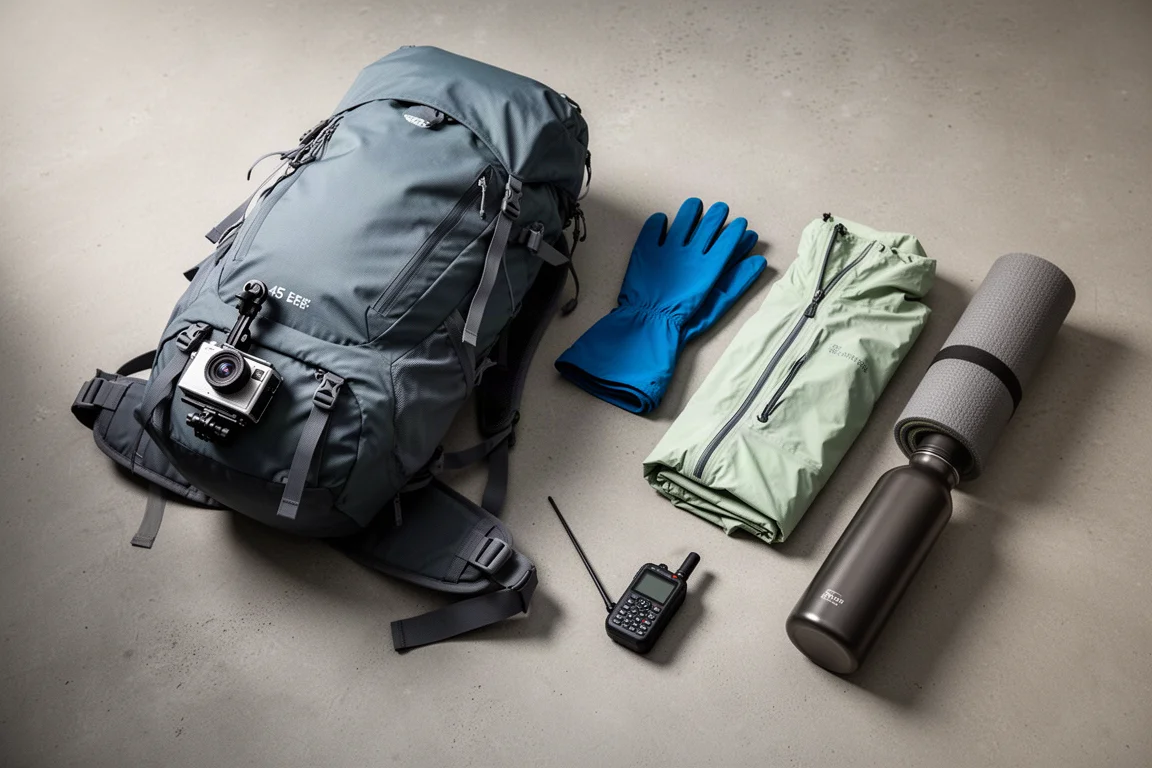
A practical Kilimanjaro gear list covering the pack, sleep system, gloves, rain shell and communicator that performed on a guided eight-day trek, plus the choices worth reconsidering.
Introduction
Kilimanjaro is not a technical climb, but it is a long one. Most routes spend several days above 3,000 metres, the weather swings from warm afternoons to freezing summit nights, and rain can arrive on any day of the trek. The packing problem that follows has less to do with climbing skill than with keeping yourself, and your sleeping bag, dry.
This list is built around a guided eight-day trek on the Lemosho route, where the operator supplied the camp infrastructure and trekkers carried only a day pack. It covers the gear that earned its place, the upgrades worth considering, and the choices that would be made differently next time.
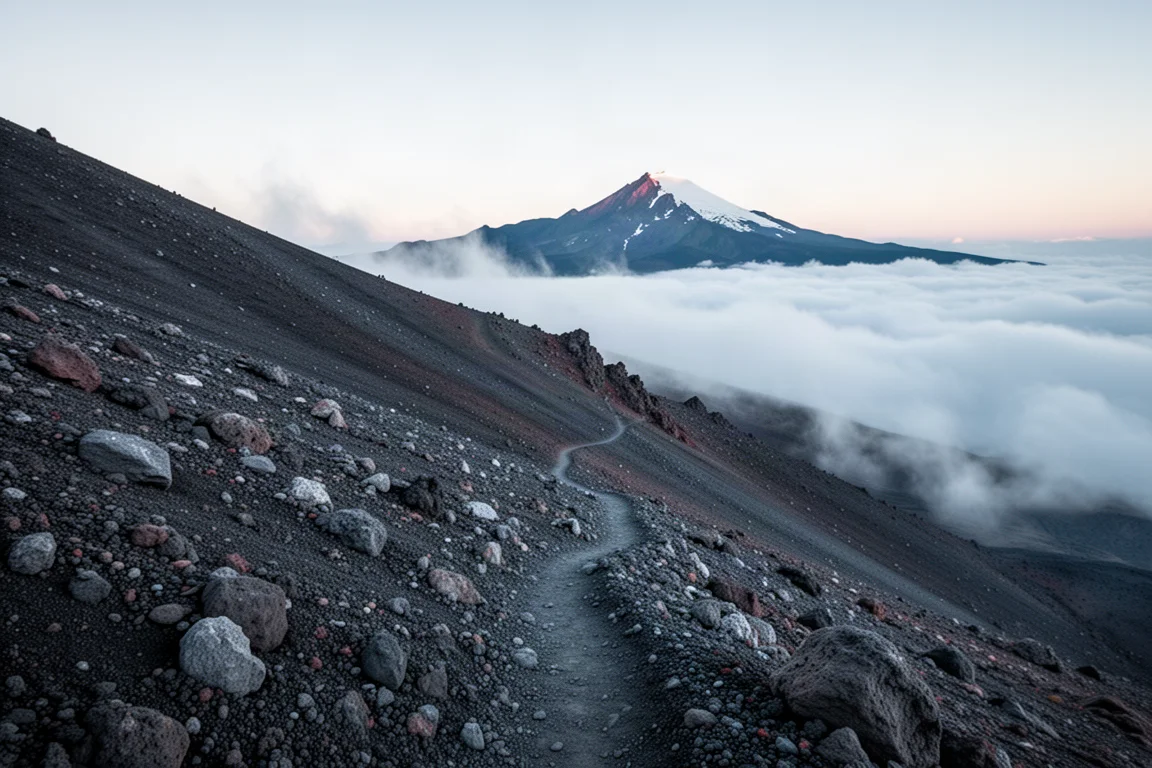
Cold, altitude and moisture are the three problems a Kilimanjaro kit has to answer for, and they rarely arrive one at a time. A rainy afternoon at mid-altitude can soak boots and gloves hours before a cold, windy summit push, which is why so much of the advice below is about redundancy rather than shaving grams.
What Trek Operators Usually Provide
Most Kilimanjaro operators include a substantial amount of equipment in the trek price, and it is worth confirming the details before you shop. A typical fully supported trek includes four-season tents, a thick sleeping mat, and all kitchen equipment such as cups, utensils and plates. Because the crew cooks every meal, there is no need to bring a stove or fuel.
Water is usually handled as well. The operator supplies water at camp and sends trekkers out each morning with water for the day, so filtration and chemical treatment are not required. Toilet arrangements vary more: some operators include a private toilet tent with toilet paper, while others charge extra for it or expect trekkers to use the shared facilities.
Every operator should also issue a gear list that separates what you must bring from what the company supplies. Ask for that list early, because it is the fastest way to avoid buying something the crew is already carrying for you.
How This Gear List Was Chosen
The criteria here are practical. First, does the item solve a problem the mountain actually creates, such as cold at night, rain during the day, or unreliable phone service? Second, does it survive a wet trek, since gear that only works in dry conditions is a liability above the tree line? Third, is it worth carrying, either because it is light or because it replaces something heavier?
Weight matters, but the duffel limit is usually the harder constraint. A common cap is 15 kilograms, or about 33 pounds, and a porter carries that bag for the entire trek. Packing a duffel to the limit is possible; packing it lighter is kinder.
Best Camera Pack: Moment Strohl Mountain Light Pack
Day pack guidance for Kilimanjaro usually lands between 30 and 35 litres, which is plenty for layers, snacks, water and rain gear. Photographers carrying a full camera kit often need more room, and more importantly a way to carry that weight without loading the shoulders for eight hours a day.
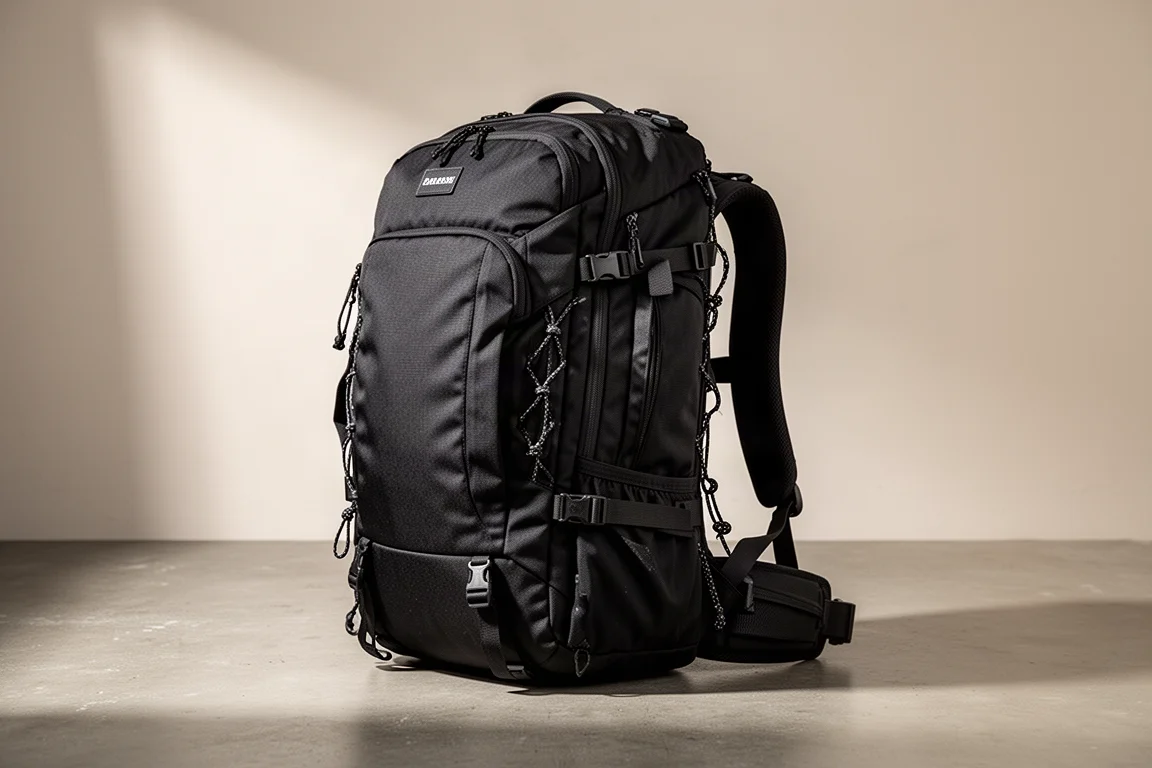
The Moment Strohl Mountain Light Pack is a 45-litre pack designed for photography. The feature that mattered most was the ability to mount a camera clip on the hip belt. Carrying a camera at the hip rather than on a shoulder strap takes a noticeable load off the shoulders and keeps the camera reachable while walking. The trade-off is muscle memory: if you are used to drawing a camera from a shoulder strap, hip carry takes a few days to feel natural, and a few shots will be missed while you adjust.
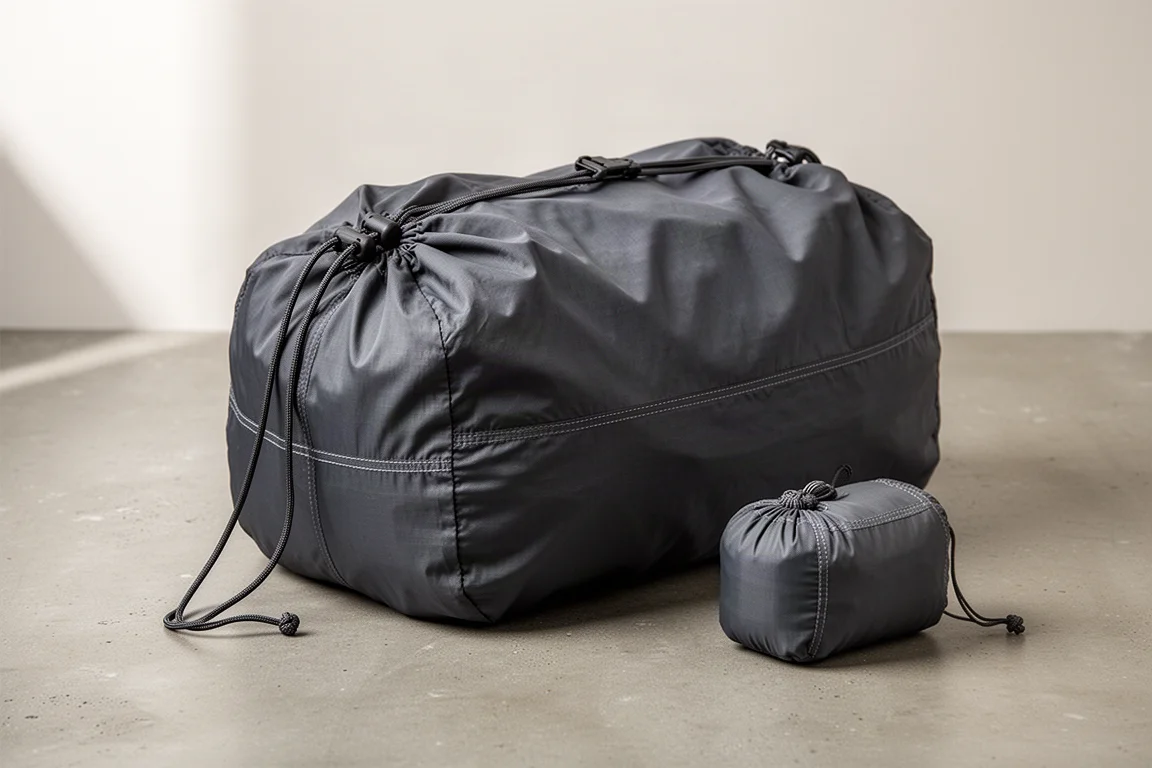
Best Duffel Protection: Zpacks Airplane Case
Duffels for a supported trek are usually sized between 75 and 90 litres, and they carry everything you will not need until camp: spare clothing, extra batteries, spare footwear and your sleeping bag. Once the duffel leaves in the morning, you will not see it again until you reach camp, so whatever happens to it in transit happens to your dry clothes.
Waterproofing is where most kits fall short. Pack covers are widely sold but unreliable in sustained rain, and a day pack with only a cover can end up soaked inside. The better approach is a liner or dry bags inside the bag, so that water getting into the pack does not reach the contents. On a wet day during this trek, a duffel that travelled without its protective cover came back damp, and only the dry bags inside kept the sleeping bag and clothing usable.
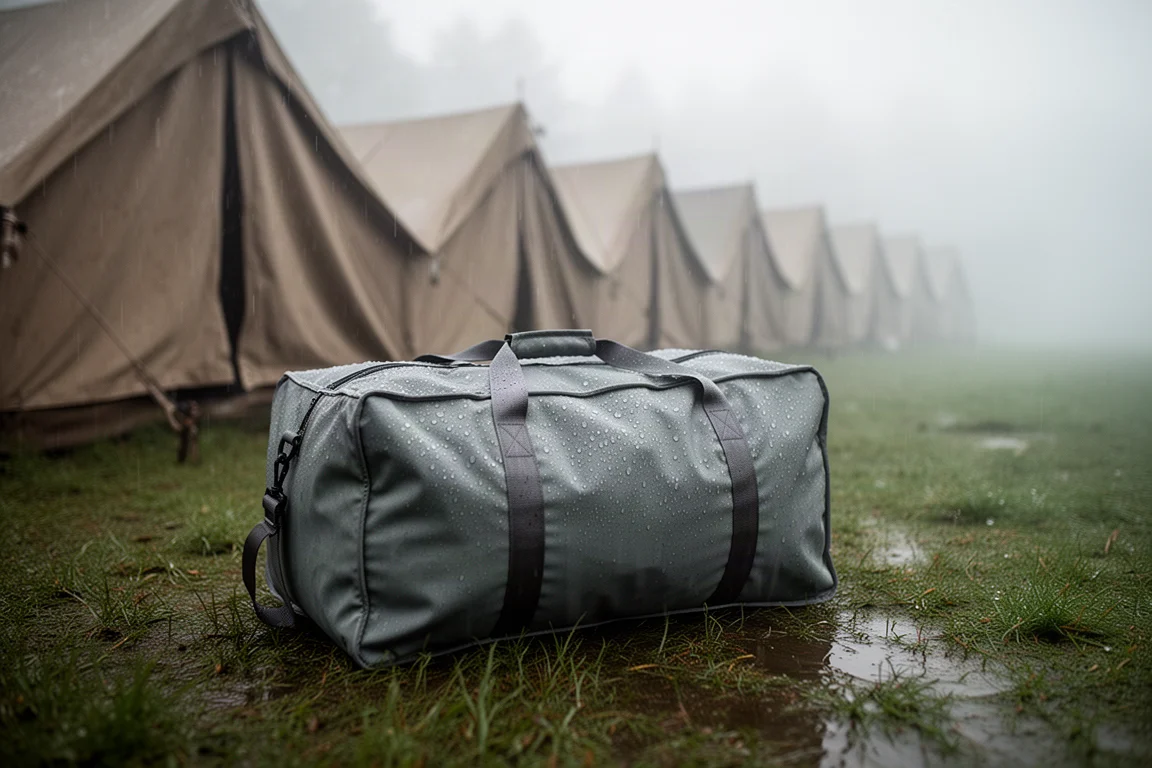
The Zpacks Airplane Case solves the duffel side of that problem. It is made from Dyneema, which makes it waterproof, and it weighs 3.2 ounces, so it adds protection without adding meaningful weight. It was originally designed to wrap a pack during air travel so that straps do not snag, which means it earns its place on the flight as well as on the mountain. A waterproof duffel is the simpler answer if you are buying from scratch, but this is the lighter route if you already own a duffel you like.
Best Sleeping Pad: Nemo Tensor Insulated
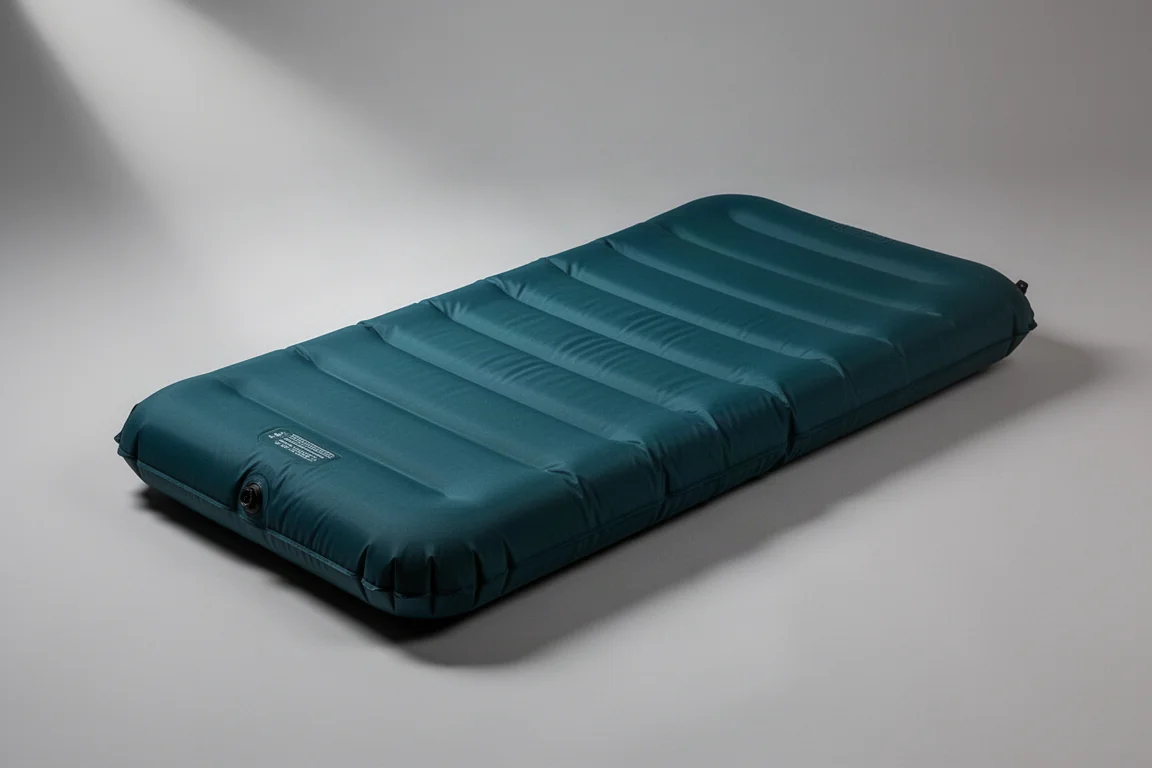
Operators supply a thick sleeping mat, and for many trekkers that is enough. Cold sleepers, or anyone who dislikes foam, may want to bring their own pad anyway, both for comfort and for the extra warmth at the higher camps.
The Nemo Tensor Insulated has an R-value of 4.2 and weighs 15 ounces in the regular length. A full-length pad is a real change if you are used to a shorter, knee-length mat, and the added coverage helps on the coldest nights.
Best Sleeping Bag: Enlightened Equipment Enigma
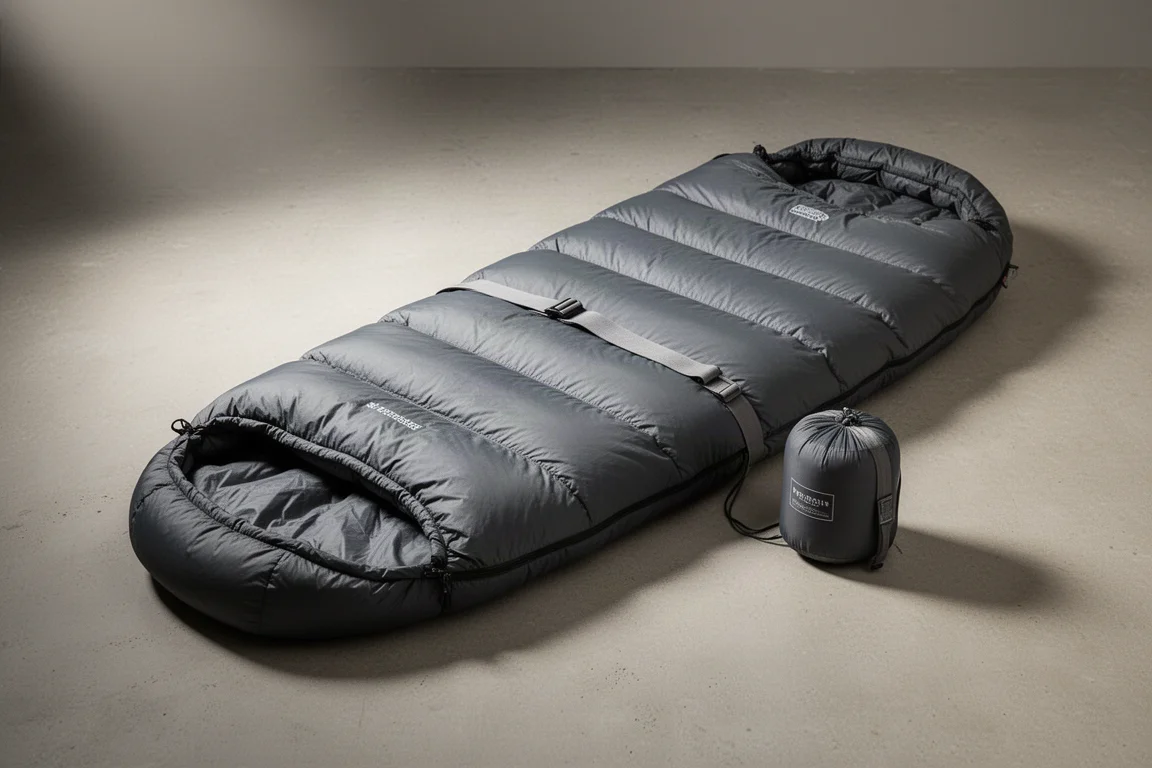
A zero-degree sleeping bag is the common recommendation for Kilimanjaro. The Enlightened Equipment Enigma is rated to 20 degrees Fahrenheit, which is warmer than ideal on paper, so a sleeping bag liner rated to add up to 25 degrees of warmth went with it. That combination held up through the trek, including on summit night.
The lesson is not that a 20-degree bag is the right choice for everyone. It is that a warmer-than-recommended bag can be made to work with a liner, which is useful if you already own one and would rather not buy a second bag for a single trip.
Best Waterproof Gloves: Showa Temres 281
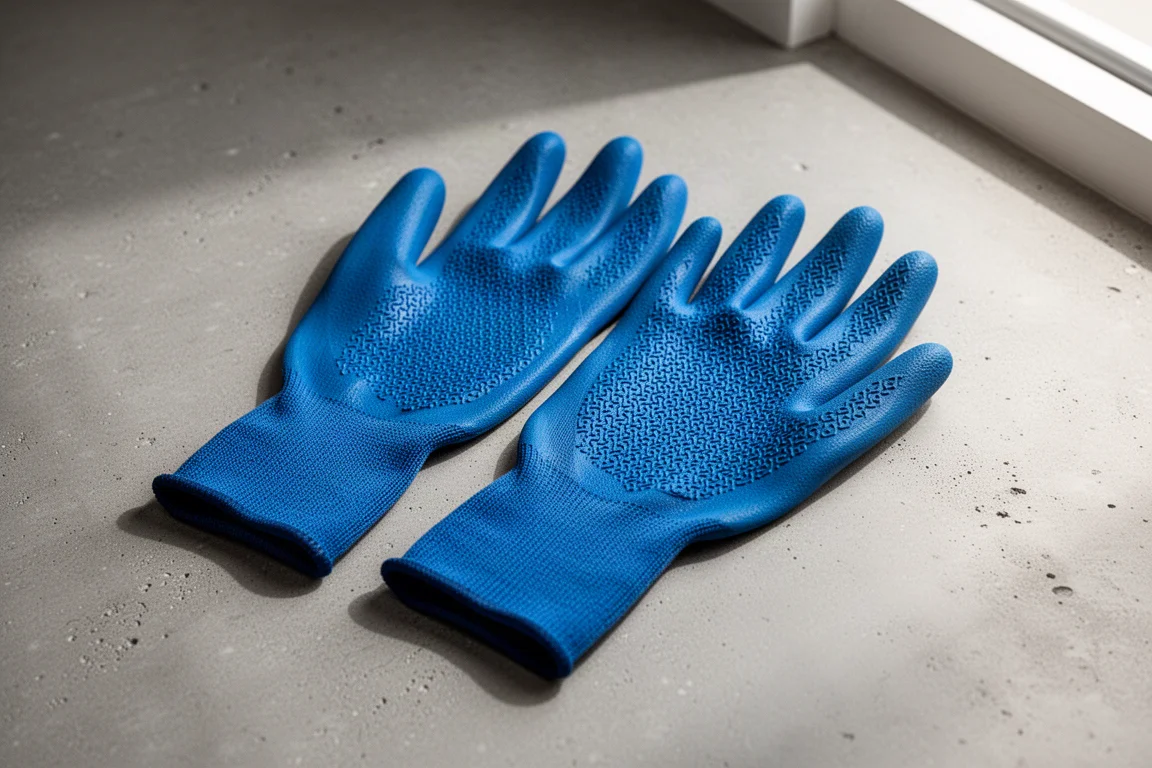
Glove recommendations for Kilimanjaro usually pair a thin liner glove with a warm, waterproof mitten. The detail that matters more than the brand is whether the glove is genuinely waterproof, because cold hands on summit night are miserable and largely avoidable.
Test any glove before you travel, ideally by submerging it, because several trekkers on this trip believed their gloves were waterproof and ended up with freezing hands. The Showa Temres 281 is a bright blue fully waterproof glove that handled cold, wet trekking days without leaking. Battery-heated gloves are tempting for summit night, but on this trek they kept palms warm while fingertips stayed cold, and the battery did not last the full ascent.
Best Satellite Communicator: Garmin inReach Mini
Mobile coverage on the mountain is unreliable. A local SIM card can improve things, and guides and porters often have service at points where visitors do not, but a local SIM was not available at the airport on arrival and the matter was easy to overlook while in town.
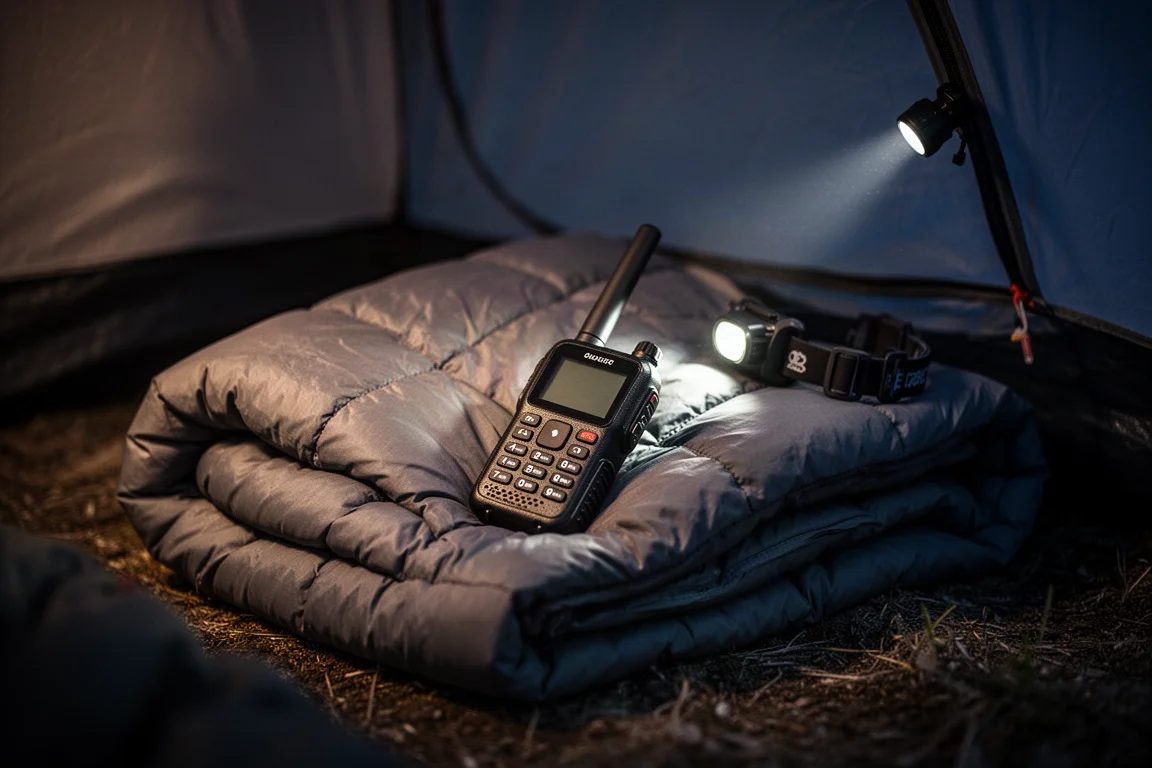
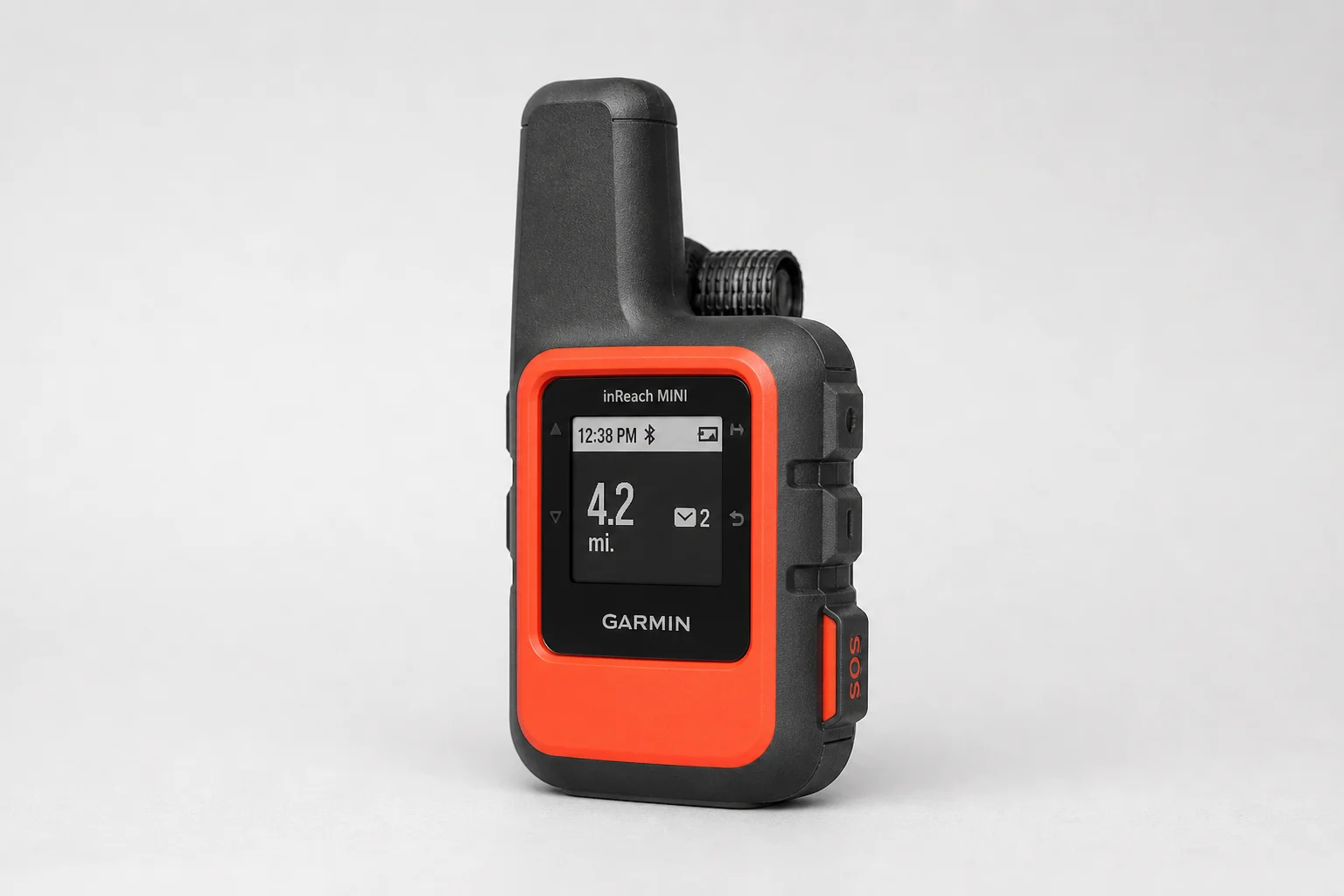
The Garmin inReach Mini filled that gap. It is small enough to live in a day pack, and it allowed regular check-ins with family while the trek was underway. There are no outlets on the mountain, so any device like this depends on a battery bank.
Battery capacity is a personal calculation. A single 30,000 mAh bank was more than enough for one trekker charging only a phone, while three banks of the same size was excessive for the same trip. Work out what you actually need to charge, add the camera and headlamp to the list, and size the bank from there. A plug adapter for the local sockets is worth carrying for the nights in the lodge before and after the trek, but it has no use on the mountain.
Best Rain Shell: AntiGravityGear Raincoat
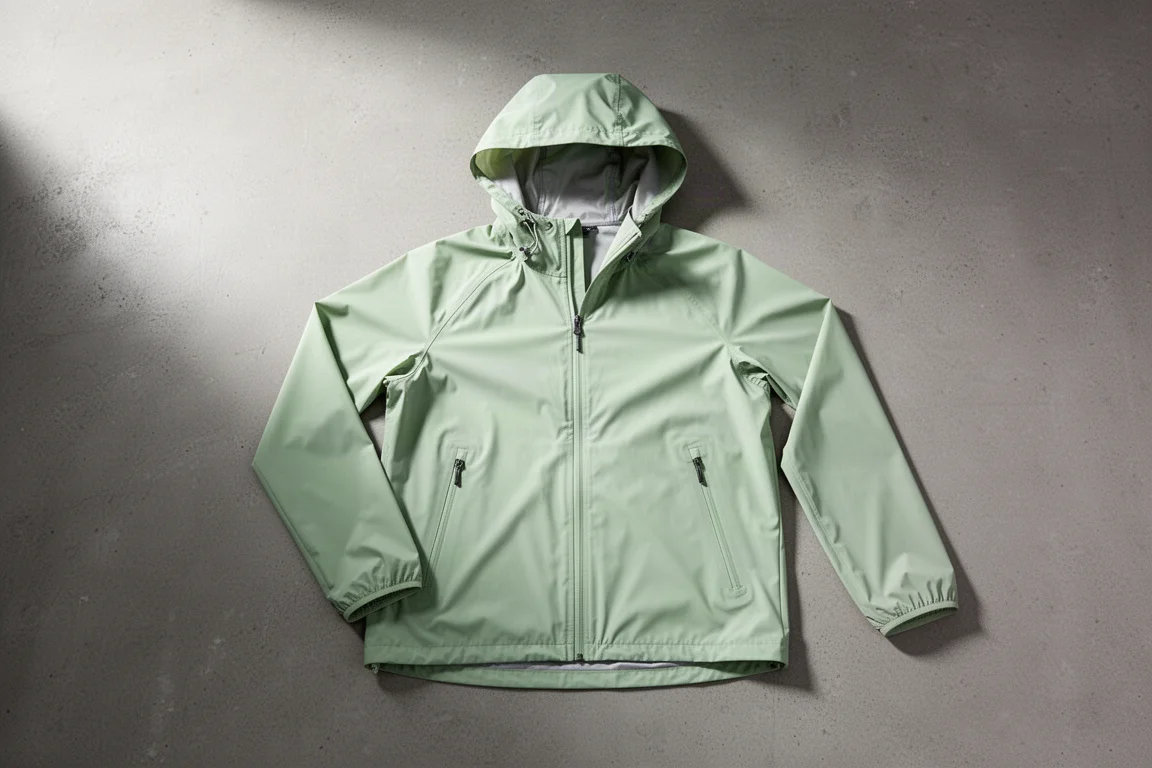
Rain gear is not optional on Kilimanjaro, and the summit night layering system depends on it: a waterproof shell over a fleece and a puffy is what keeps the wind out high on the mountain. The AntiGravityGear Raincoat was the heaviest of the ultralight shells available for the trip, and it handled a full day of cold rain without any wish for something thicker. The pit zips matter more than they sound, because they let you dump heat while you are moving without stopping to take the shell off.
Buying Advice: Rent, Borrow, or Buy
The cost of a Kilimanjaro trek is significant before you add gear, and most operators rent equipment. Puffies, duffel bags, hiking pants and other items are commonly available to hire, so it is worth asking what a company has on its rental list before you book. That answer can influence which operator you choose, and it can keep a single trip from turning into a full wardrobe purchase.
Expect a gear check the day before the climb. Guides use it to confirm that your layers will actually work at altitude, and they may insist on proper hiking pants rather than a stack of leggings with rain trousers pulled over the top. It is easier to accept that advice than to argue with it, and the rented pair earned its place in the kit.
Two logistics points are worth planning for. First, tips for guides and porters are usually paid in cash at the end of the trek, so carry enough for that plus a little extra for the small shops on the drive to the gate. Second, lodges that host treks before and after the climb will often store luggage you do not need on the mountain, which solves the problem of what to do with safari clothes or travel clothing.
Conclusion
Kilimanjaro gear is mostly about redundancy. Two of everything that can get wet, a dry bag inside every bag, and a sleep system that is warmer than the minimum will carry you through the wet days and the cold summit night far more reliably than any single clever item.
The kit above reflects one guided eight-day trek, so treat the specifics as a starting point. Confirm what your operator supplies, ask what they rent, and test the gear that has to perform in the worst conditions, especially gloves and rain gear. Get those decisions right and the rest of the mountain is mostly about putting one foot in front of the other.
Further reading
Related Reviews
Hiking Gear
Best Hiking Pants on Amazon: Five Practical Options for Different Needs
A practical review of five hiking pants with clear strengths and trade-offs, from lightweight convertible styles to durable work-ready trousers.
Hiking Gear
Best Hiking Poles 2026: Five Options for Different Trail Needs
A practical review of five hiking poles, from lightweight carbon designs to versatile all-terrain options, with clear strengths and trade-offs for each.
Hiking Gear
Best Hiking Socks 2026: Five Top Choices for Different Trail Needs
A practical roundup of five hiking socks, from lightweight merino options to heavy-duty compression styles, with clear guidance on which suits your outdoor activity.