Skis
Kessler PX81 Review: A Metal-Free Frontside Ski With Race-Ski Composure
The Kessler PX81 pairs a metal-free poplar, beech, carbon, and fiberglass build with a damp, energetic ride that suits intermediate through expert frontside skiers.
Introduction
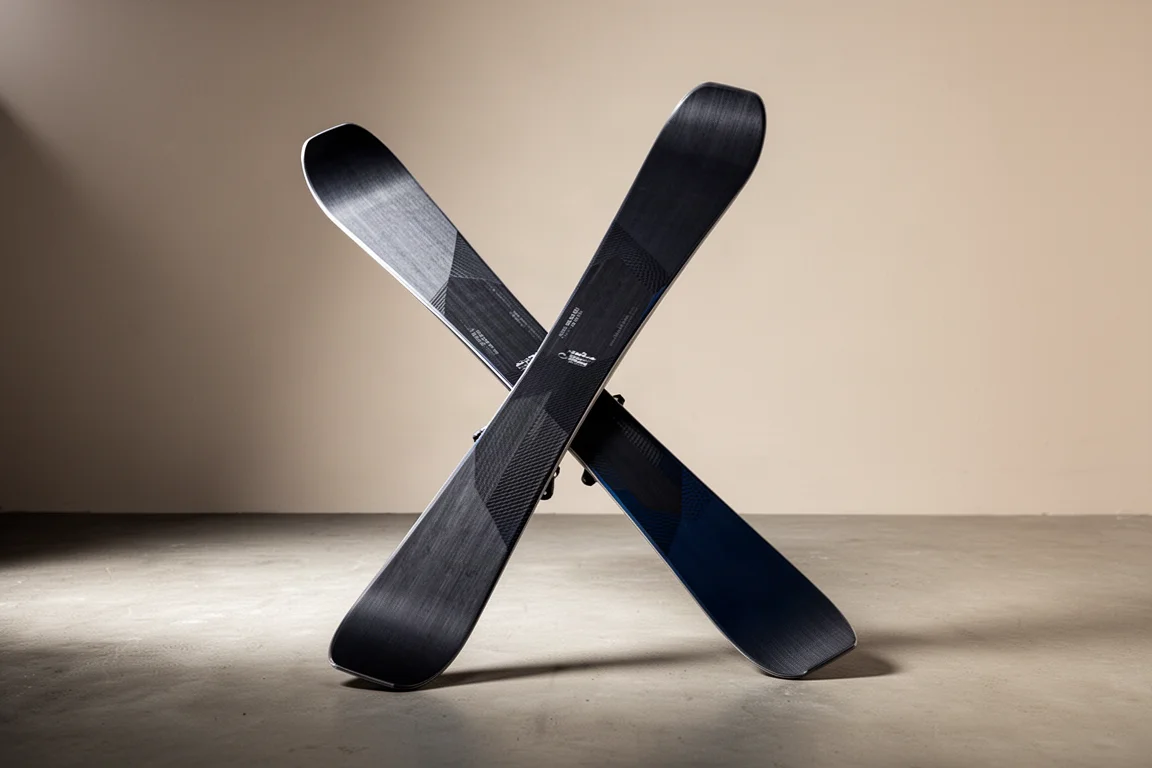
The Kessler PX81 is a frontside ski with a familiar shape and profile attached to a construction that sets it apart from most of its peers. The defining detail is what it leaves out: there is no metal in the build. On snow, you would not guess that. The ski feels damp, stable, and solid, with the composure of a full race build, while staying lighter, more maneuverable, and easier to manage than that description suggests.
Give it room on groomed terrain and it holds up as strongly as almost anything in its class. It is an unusual combination of attributes, and it returns unchanged from the previous season.
Who This Ski Is For
The PX81 covers a wide ability range. Intermediate skiers will find it accessible, and experts will find enough energy and stability to keep pushing. The common thread is where you ski: this is a frontside tool, built for the groomed terrain that most skiers spend the majority of their days on.
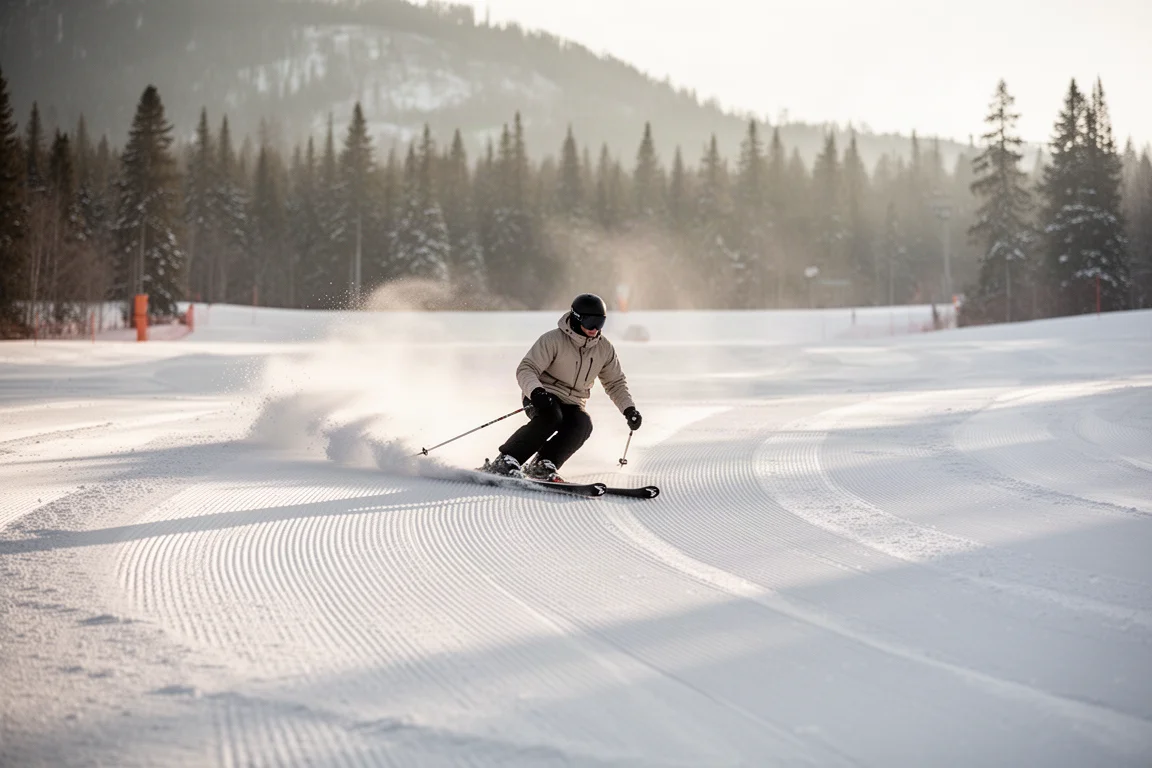
If your season is built around hardpack, freshly groomed corduroy, and long descents, the PX81 fits naturally. Skiers who regularly chase soft snow will likely want a wider ski alongside it rather than instead of it.
Construction and Materials
The core blends poplar and beech wood stringers. It is a little thinner than what appears in some other skis in this range, and clearly thinner than the MX line. On top of that core sit a carbon application and two sheets of fiberglass.
Together those materials produce a ski that feels strong without metal. The carbon contributes pop and energy, while the fiberglass delivers a lively rebound from tip to tail. You notice it most when you link turn after turn, where the ski gives something back on every transition.
A Holotech cutout in the shovel manages vibration. Carbon can introduce a pingy feel, and a damping element in that zone goes a long way toward muting it. The ski comes across as quieter and more stable as a result, without giving up the energy that makes it engaging.
Main Strengths: Damping, Stability, and Energy
The headline strength is how much this ski delivers without metal in the layup. It feels planted and calm at speed, and it grips hardpack with the kind of authority that suggests a race-level build. There is not one, and the trade-off works in your favor: a lighter ski that stays manageable when you are not charging.
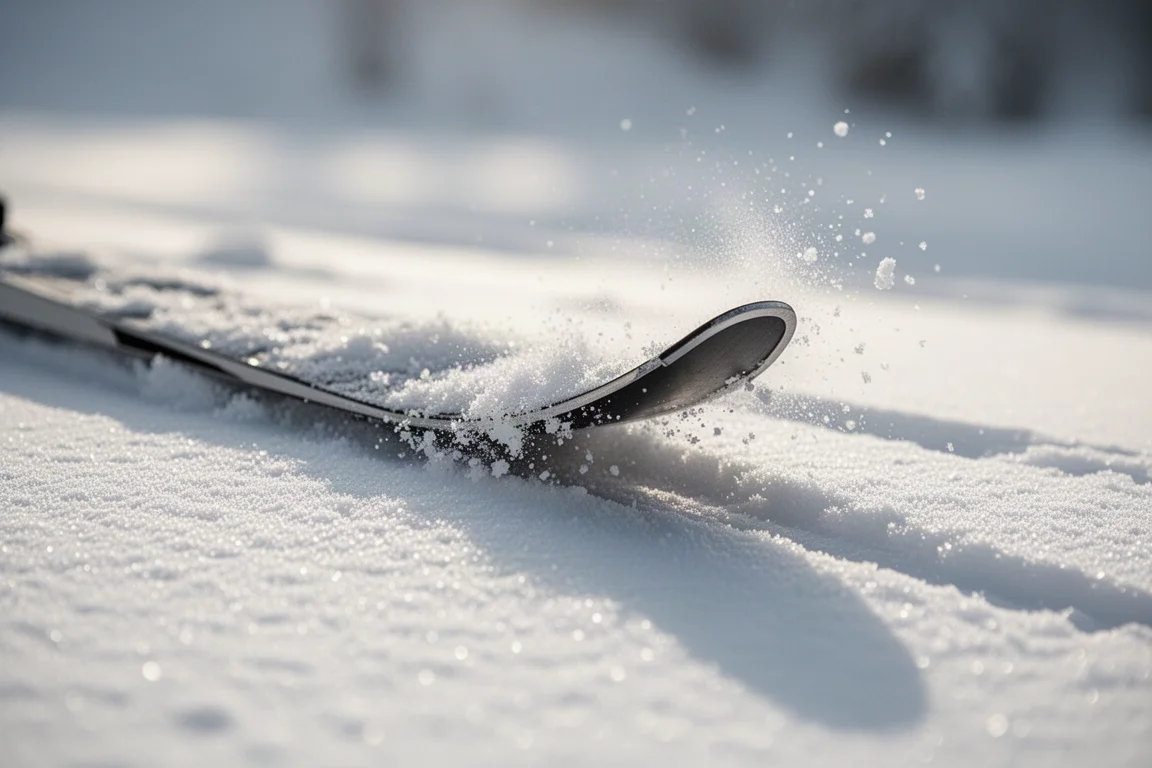
Energy is the other half of the story. Because there is no metal, the camber can be shaped with more freedom, and the PX81 uses that freedom to store energy. The ski wants to return to its natural form, so a bent ski snaps back and hands you something to work with out of every turn. That rebound runs consistently from tip to tail, which keeps long sequences of turns feeling rhythmic rather than flat.
Camber, Shape, and Turn Radius
The PX81 is best understood as a fully cambered ski. It has a long effective edge and very minimal taper, which is a large part of why it holds so well. The tip is rounded and the shovel is oversized, a choice that was ahead of where the wider market has since moved for skis in this width. The tail is squared off and carries a metal insert, which adds a little extra horsepower at the very end of the turn while keeping the finish quieter and more predictable.
There is a small amount of splay at the ends, just enough to separate it from a true race ski and open up accessibility for intermediate skiers. In the 165 cm length the sidecut measures 13.8 meters. That radius loves carving across the fall line, but the light build also lets you break free of it for shorter, skidded turns with your edges jammed in. Both approaches work.
Performance on Groomed Terrain
Groomed terrain is where this ski makes its case. Long, clean, round turns come naturally, and edge grip stays reassuring when the surface firms up. The light build also means the ski transitions quickly between turn shapes, which suits skiers who mix carved arcs with shorter, more aggressive edge sets.
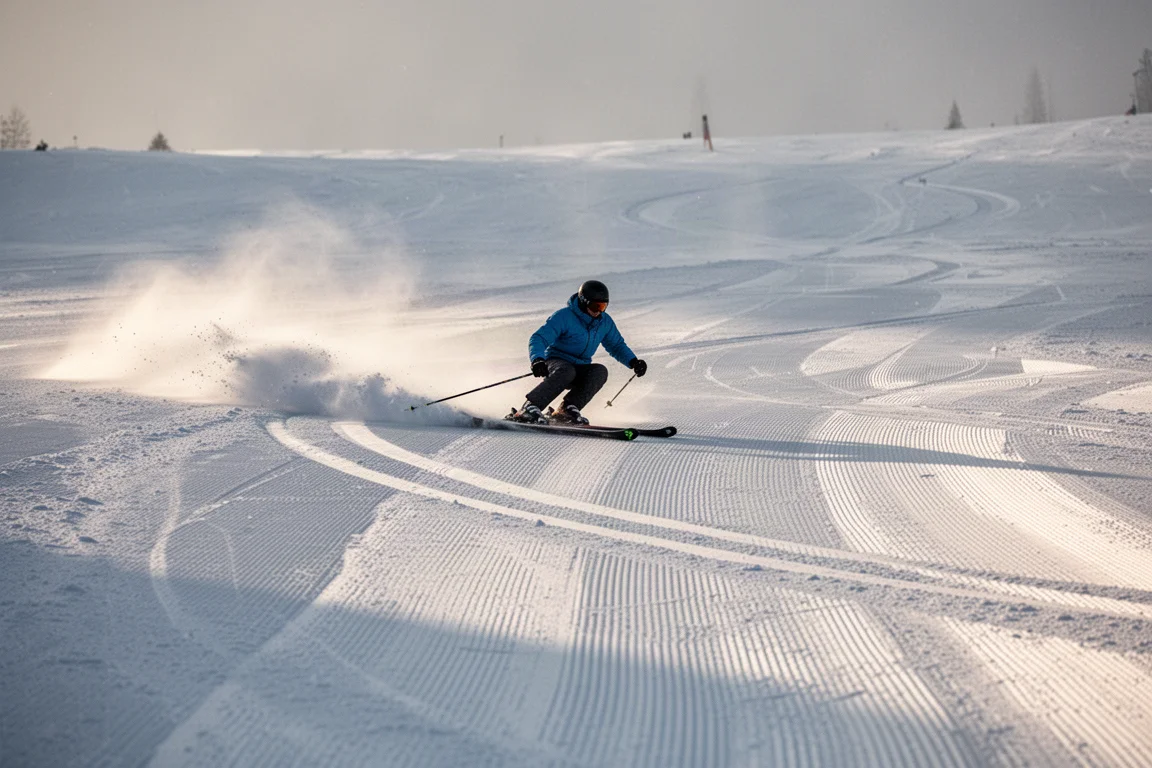
Because the ski is damp without being heavy, it stays composed late in the day when the snow gets cut up and less predictable. That blend of calm and energy is what separates it from the usual frontside options.
Things to Consider Before Buying
The PX81 is a frontside ski. It is built for groomed runs and hardpack rather than soft snow, so it makes the most sense as part of a quiver or as a primary ski for someone who stays on piste.
Skiers who prefer the heavier, more inert feel of a metal laminate should note that this ski deliberately goes another direction. The oversized shovel, minimal taper, and squared-off tail give it a specific personality, and the near-fully-cambered profile rewards an engaged, edge-driven style.
It is also a ski that tends to be overlooked, which is worth knowing if you are comparing it against more heavily marketed options in the same category.
Buying Advice
The strongest argument for the PX81 is its range. It is friendly enough for an intermediate stepping into a more performance-oriented ski, and substantial enough that an expert will not run out of ski on groomed terrain. If most of your days happen on the frontside, that versatility is worth more than a narrow specialty.
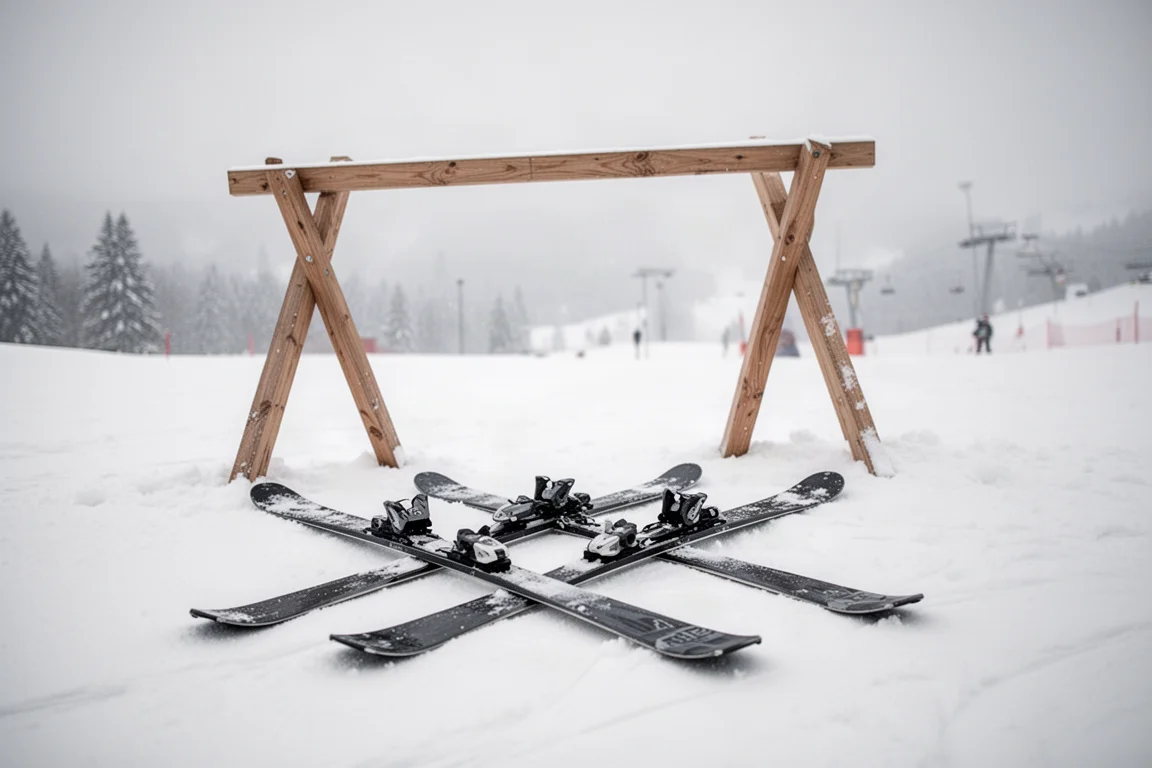
Match it to the terrain you actually ski. If you spend the majority of your time on groomed runs and want a ski that feels strong, damp, and energetic without the weight of a metal build, the PX81 is a coherent choice. If soft snow performance is your priority, look elsewhere or plan to add a wider ski to the quiver.
Conclusion
The Kessler PX81 is unusual in the best sense. It skips metal entirely yet delivers a damp, stable, and solid ride with genuine energy and pop. The poplar and beech core, carbon, fiberglass, and Holotech damping work together to produce a ski that feels like a race build but behaves like something lighter and more forgiving. For intermediate through expert skiers who spend most of their time on groomed terrain, it is a compelling and often overlooked option.
Product link
View more details for Kessler PX81
This product is mentioned in the review. Check the specifications, options, and compatibility before buying.
View more details for Kessler PX81Further reading
Related Reviews

Skis
Armada Anti Matter 82 W Review: A Light, Approachable All-Mountain Carver
Armada's Anti Matter 82 W pairs a lightweight Karuba and carbon build with an easygoing all-mountain shape, aimed at intermediates through lighter-footed advanced skiers.

Skis
Armada Anti Matter 88W Review: A Light, Playful 88mm All-Mountain Ski Plus Two Alternatives
The Armada Anti Matter 88W returns unchanged in spirit from its Reliance 88C days, and it remains one of the most versatile 88mm skis around. We also look at the Nordica Santa Ana 87 and Anti Matter 92 W as alternatives.

Skis
Armada ARV 100 vs Atomic Bent 100: Which 100mm Freestyle Ski Should You Buy?
Two of the best all-mountain freestyle skis of the season compared: one leans playful and park-ready, the other holds up better everywhere else.