Skis
Kesley Paragon 107 Review: A Directional All-Mountain Ski Built for Variable Snow
The Kesley Paragon 107 pairs two sheets of metal with a light, energetic core. Here is how it performs in crud, chop, and groomers, and who it suits.
Introduction
Wide all-mountain skis usually ask you to pick a side. Float and playfulness pull one way, power and edge grip pull the other. The Kesley Paragon 107 is designed to sit across that divide, and it returns for another season as a carryover model, now in its second year in this shape.
With a 107 mm waist and two sheets of metal in the layup, it reads like a freeride ski on paper. On snow, it stays light and energetic enough to be thrown sideways when the terrain calls for it. That balance is what makes it such a useful ski in this width range, and it is the reason it has become a personal reference point for this category.
The ski leans toward the wider and softer side of the all-mountain and freeride spectrum, which makes it a natural fit for days when the snow underneath you keeps changing.
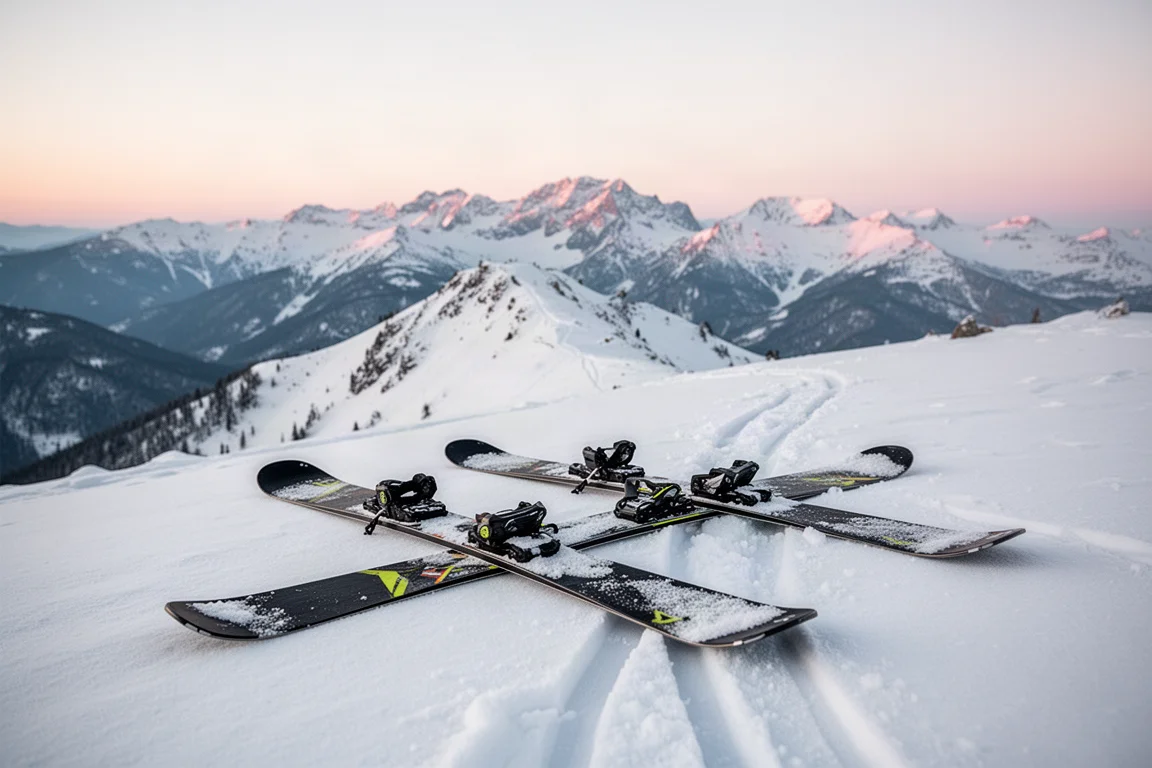
In a direct on-snow comparison against the narrower 101 version on a snowy day, the difference in soft-snow compliance was noticeable. The 107 cut through crud, pushed through chop, and held its intended turn shape without demanding much correction from the skier.
Who the Kesley Paragon 107 Is For
This is a directional ski aimed at advanced skiers who trust their edges and want a stable platform that does not require perfect conditions to perform.
Riders who spend nearly all their time on smooth groomers, or who chase only deep, untracked powder, may find a more specialized ski suits them better. The Paragon 107 is at its best in mixed, variable and softer snow, where its shape and construction do the work for you.
It also suits skiers who want a single ski for a wide range of days, from chopped-up resort snow to soft off-piste lines, without giving up carving performance on the way back to the lift.
Main Strengths
Power and stability are the headline traits, but they do not come at the expense of energy. The ski feels light and lively underfoot while staying planted at speed, which is a hard balance to strike at this width.
Construction and Flex Pattern
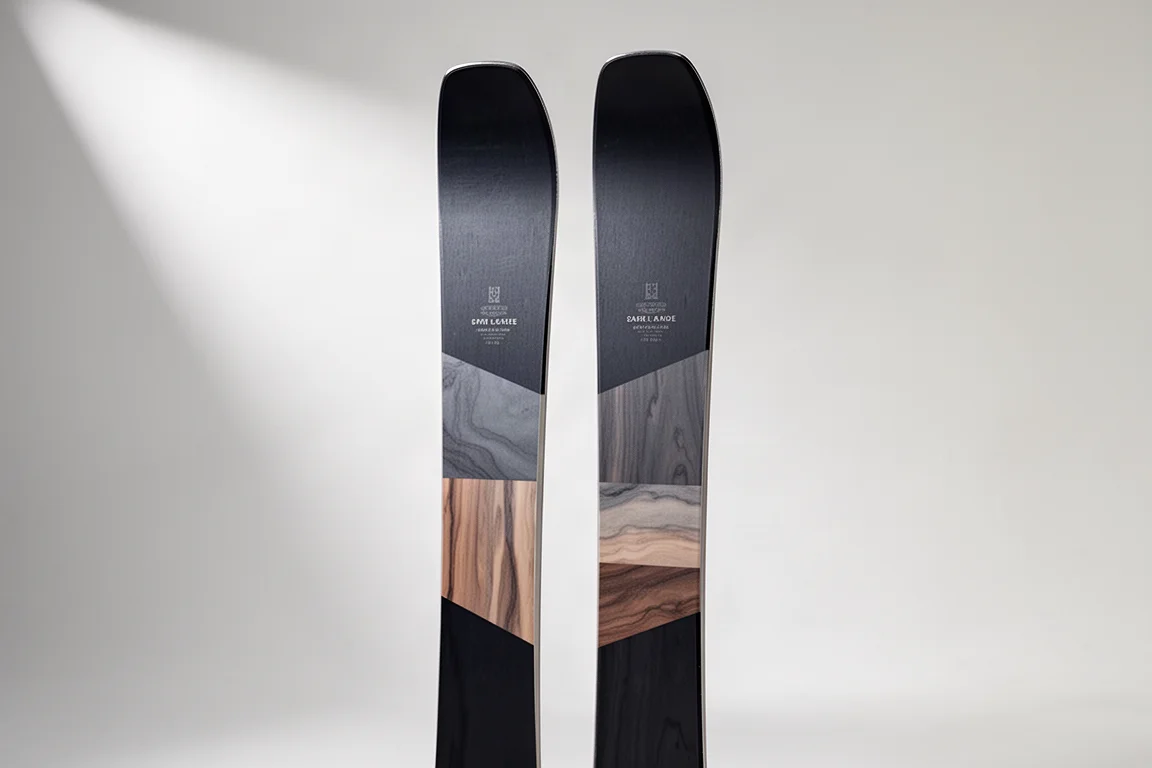
The core is built with thin stringers of poplar, paulownia and beech. Beech forms a strong central spine, while poplar and paulownia make the outer sections softer and lighter. The result is a ski that is strong and stable through the middle and more forgiving toward the edges, which is what delivers the stable-yet-playful character.
Two sheets of metal run through the layup, paired with a vibration-damping element intended to reduce chatter. The overall core profile is thinner than many skis in this class, and that thinness allows a decent amount of flex despite the metal. The tail and the section underfoot are stiffer than the shovel, so the front of the ski engages easily in softer snow while the rear stays composed.
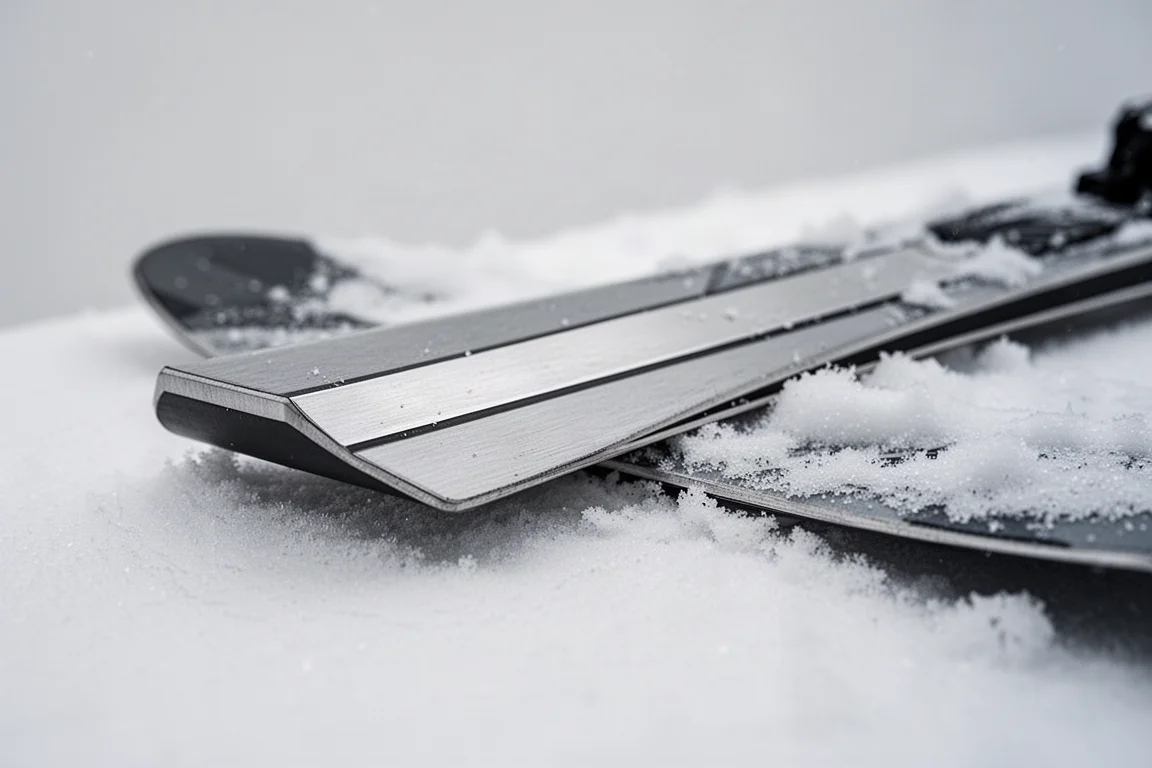
Weight sits on the lighter side of the spectrum for a 107 mm ski with two sheets of metal in the 178 cm length, which helps explain how easily it can be pivoted and thrown sideways when you want to change rhythm.
Performance in Variable Snow
Variable conditions are where this ski makes its strongest case. It does not seem to care what type of snow is underneath it, holding its line through crud and chop and staying true to the intended turn shape.
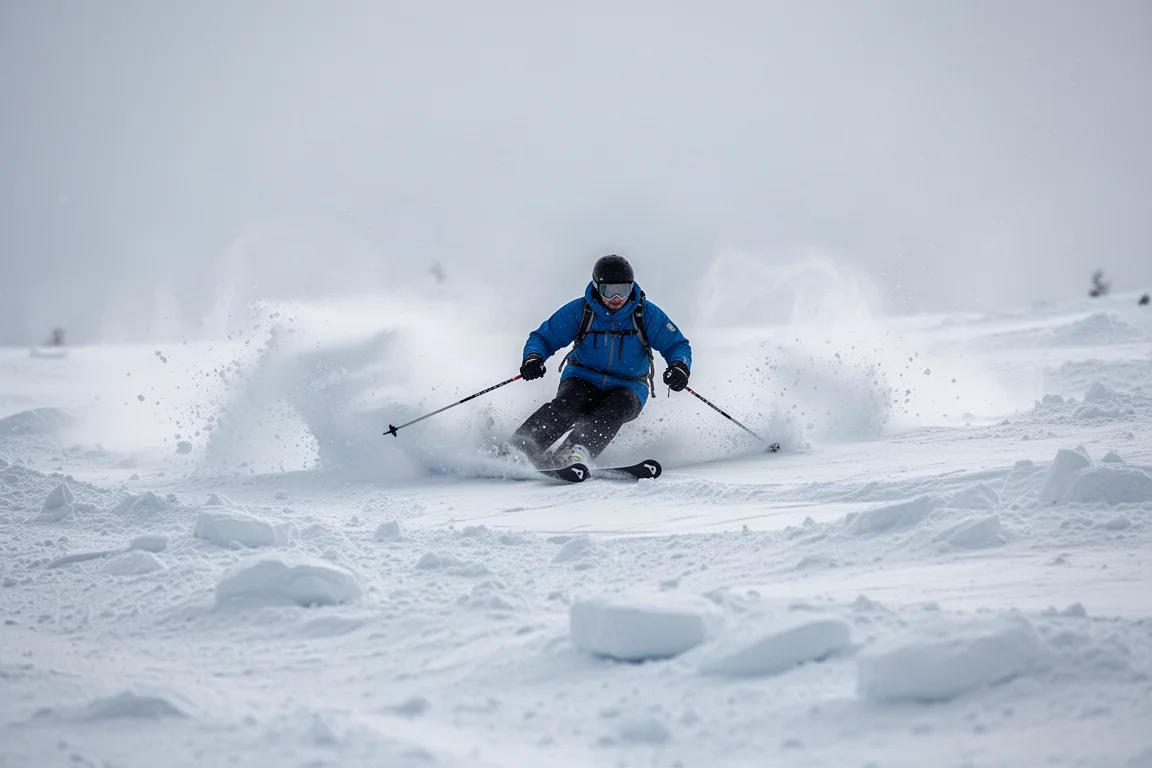
It is also more than capable on groomers. Among skis in this width range, it stands out as one of the better carving options, which makes it a realistic one-ski choice for a trip rather than a dedicated powder-day tool.
Maneuverability is the other strength worth calling out. For a ski with two sheets of metal at this width, it can be thrown sideways and ridden in a more creative, playful manner when the mood takes you, even though its natural home is a driving, directional turn.
Shape and Rocker Profile
The silhouette is traditional and directional. There is positive camber underfoot, but it is fairly flat, followed by longer, lower rocker toward the tip. The taper is dramatic at the shovel, with the widest point brought well back into the ski, which produces strong flotation in the front fifth.
At the tail the shape is flatter and squarer. There is some early taper, but not a great deal, and only modest splay to go with a fairly short rocker length. The takeaway is a tail that wants to finish a turn rather than release into one, while the tip leans toward freeride and softer-snow preferences. The two ends blend those intentions successfully.
Things to Consider Before Buying
Directional personality is the main one. The squared tail, limited splay and short rocker reward a forward, driving style. Skiers who want a loose, symmetrical feel for switch riding or freestyle terrain should look elsewhere.
The build is demanding. Two sheets of metal and a stiff tail suit skiers who already trust their edges and are comfortable at speed. Less experienced skiers may find the ski asks more of them than they are ready to give.
The width is a consideration too. At 107 mm it leans toward softer and wider snow. If your season is mostly hardpack and groomers, a narrower ski will likely serve you better.
Buying Advice
If you ski a mix of soft snow, chopped-up resort terrain and groomers, and you want a stable ski that still feels light underfoot, the Paragon 107 is a strong candidate. It earned top marks in on-snow impressions for being stable, damp and easy to turn at full speed, which is exactly the combination most advanced skiers are shopping for.
It is a directional ski, so match it with a stance and style that drives the front of the ski. Ride it centered and passive and you will leave performance on the table.
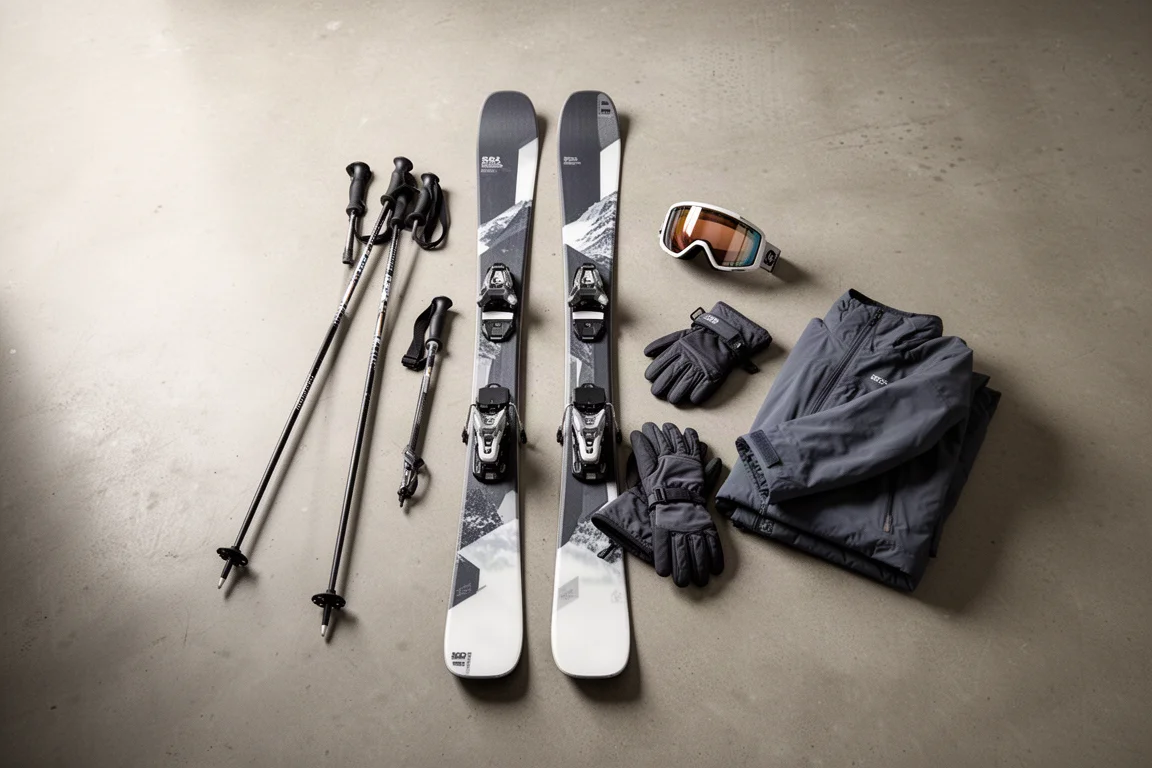
Length matters here. The 178 cm we spent time on carried its weight well and stayed manageable in tight terrain, so if you are between sizes, think about whether you want the extra float of a longer ski or the quicker handling of a shorter one. Either way, this is a ski that rewards an assertive pilot.
Conclusion
Carryover status is not a lack of ambition here, it is a sign the shape works. The Kesley Paragon 107 blends power and stability with a light, energetic feel, and it handles variable snow better than most skis at this width. It is not the right pick for every skier, and it is honest about that: it wants an advanced pilot, a directional approach and a mix of conditions. For skiers who fit that profile, it deserves a place on the shortlist.
Product link
View more details for Kesley Paragon 107
This product is mentioned in the review. Check the specifications, options, and compatibility before buying.
View more details for Kesley Paragon 107Further reading
Related Reviews

Skis
Armada Anti Matter 82 W Review: A Light, Approachable All-Mountain Carver
Armada's Anti Matter 82 W pairs a lightweight Karuba and carbon build with an easygoing all-mountain shape, aimed at intermediates through lighter-footed advanced skiers.

Skis
Armada Anti Matter 88W Review: A Light, Playful 88mm All-Mountain Ski Plus Two Alternatives
The Armada Anti Matter 88W returns unchanged in spirit from its Reliance 88C days, and it remains one of the most versatile 88mm skis around. We also look at the Nordica Santa Ana 87 and Anti Matter 92 W as alternatives.

Skis
Armada ARV 100 vs Atomic Bent 100: Which 100mm Freestyle Ski Should You Buy?
Two of the best all-mountain freestyle skis of the season compared: one leans playful and park-ready, the other holds up better everywhere else.