Hiking Boots
Keen Ridge Flex Review: A Flexible Hiking Boot That Skips the Break-In
The Keen Ridge Flex pairs a mid-height, waterproof hiking boot with a bellows flex panel that moves with the foot. Here is who it suits and what to weigh first.
Introduction
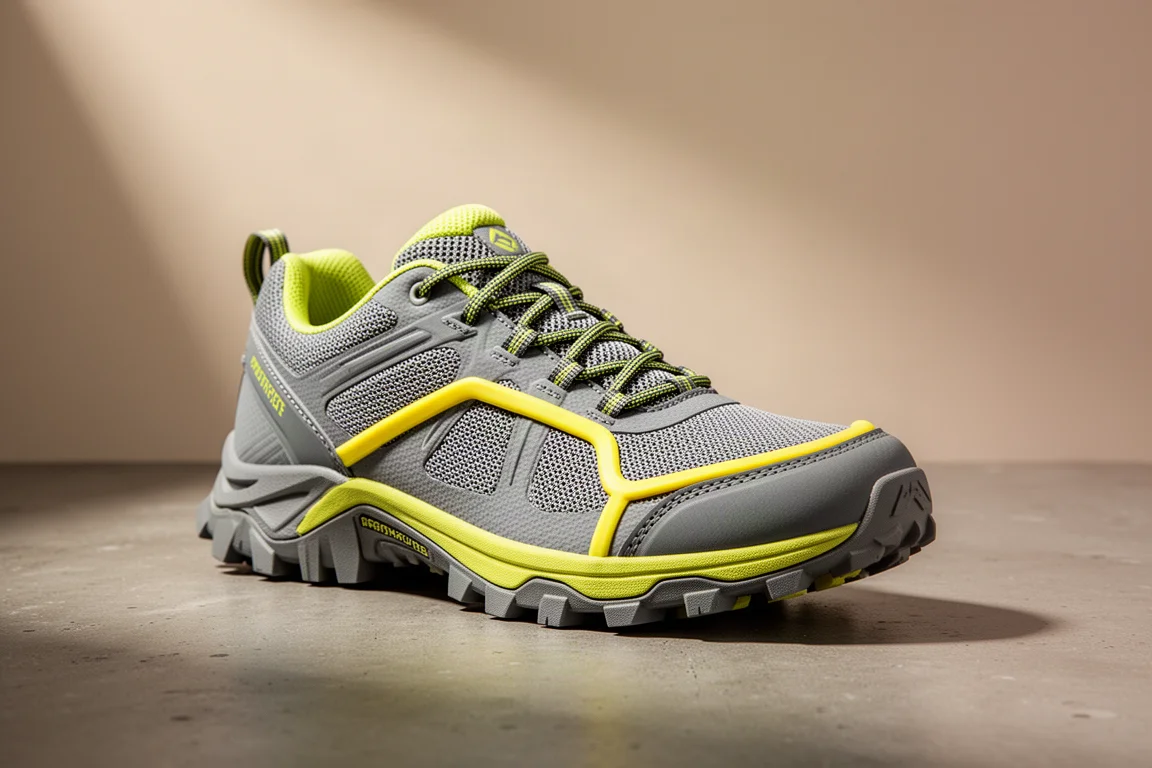
Most hiking boots come with the same warning attached: do not take them straight onto the trail, because stiff leather needs weeks of short walks before it stops punishing your feet. The Keen Ridge Flex is built around a different answer. Rather than depending on the upper to soften over time, it places a bellows panel directly across the point where the foot bends, so the boot moves with the foot instead of resisting it. That one decision shapes nearly everything about how this mid-height, waterproof boot behaves, from how much effort each push-off takes to how it carries a loaded pack on uneven ground. It is a boot with genuine strengths, and an equally clear set of situations where a lighter shoe is the better call.
Who This Boot Is For
This is a boot for hikers who carry weight. A mid-height collar earns its keep when there is a loaded pack on your back: the taller upper adds ankle support and helps you feel planted when the trail gets rough. It also makes sense for anyone who has rolled an ankle repeatedly or deals with ligament problems, where extra structure around the ankle is worth more than a few grams saved.
Cold, wet, snowy conditions are where the Ridge Flex is most at home, thanks to a waterproof build and a warm feel underfoot. Hikers who want one boot for winter day trips, wet-weather backpacking, and mixed terrain will get the most out of it.

The wider fit matters here as well, because it opens the boot up to hikers who usually find narrow hiking footwear uncomfortable across the forefoot.
Bellows Flex: The Standout Feature
The defining detail is the bellows panel across the bend of the foot. It behaves like an accordion: as the foot rolls forward, the panel compresses and expands rather than forcing a hard crease through the upper. The practical effect is that moving the boot takes less effort, and the foot does less work with every step, which becomes most obvious on long climbs and on trails with constant push-offs.
Because the flex zone is engineered into the boot rather than created by wearing it in, the upper does not need to soften before it feels comfortable. There is a durability angle too: concentrating the bend in a purpose-built panel means the leather and textile across the top of the foot are not the parts absorbing every flex, which should help the upper keep its shape over time.
Main Strengths
Comfort leads the list. Even with a tall collar and a substantial sole underfoot, the Ridge Flex does not feel like a boot on the foot. It feels closer to a shoe, and that difference matters over a full day, because the boot stops demanding attention and simply moves with you.
Traction is solid in winter conditions, gripping snow and ice without slipping, and the waterproof construction keeps water out through stream crossings and wet snow. The boot stays warm in cold weather, and it remains a relatively lightweight option for its category.
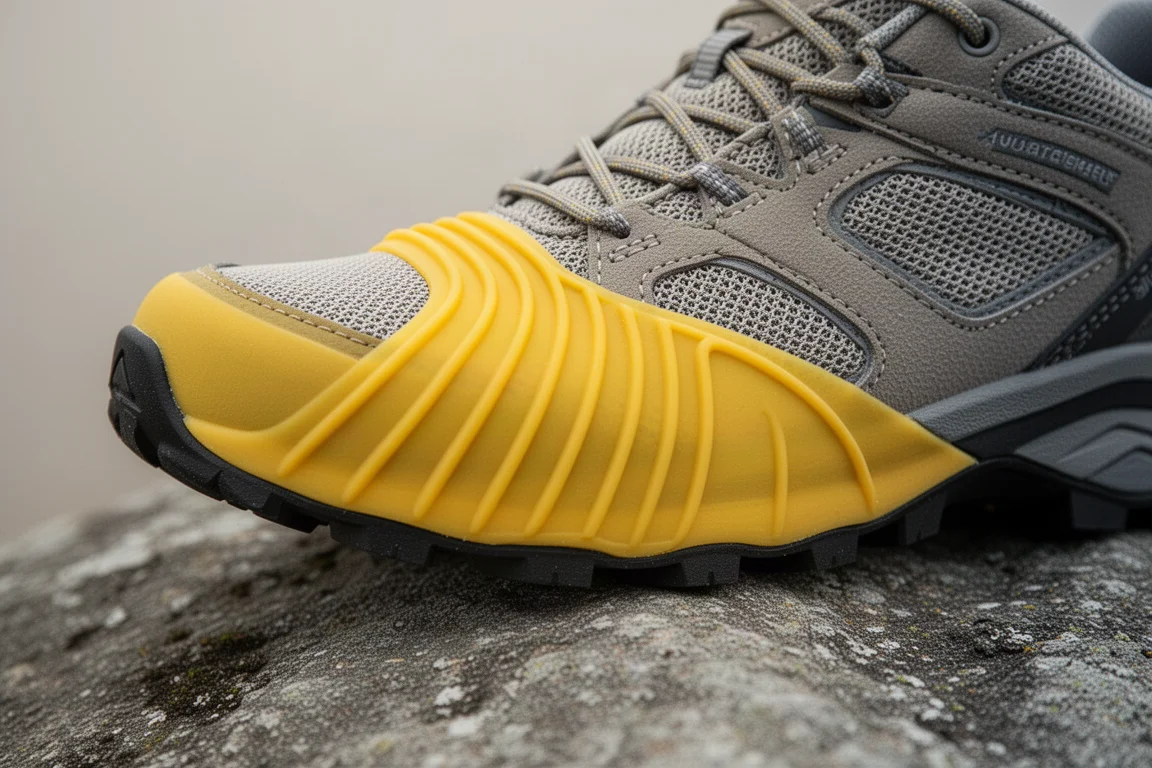
What ties these strengths together is the flex panel. Warmth, waterproofing, and grip are all useful on their own, but the reason this boot feels easy to wear from the first mile is that the upper bends where your foot bends.
Fit, Width, and Waterproofing
The fit runs a little wider than some comparable boots, which is a meaningful detail if you normally size up just to find room across the toes. Combined with the rounded toe box, it gives the foot space to spread rather than pressing the toes together on descents.
The waterproof construction is the other practical strength. Wet snow, slush, and shallow stream crossings are handled without water working its way in, which makes the boot viable for shoulder-season hiking and cold-weather backpacking where dry feet matter more than breathability.
Things to Consider Before Buying
The trade-offs are the same ones that come with any boot in this class. Bulk is the main one. A boot this substantial gives you less precise feedback from the ground, so placing your foot on technical terrain takes more guesswork than it does in a low-profile trail runner. There is noticeable bulk in the toe area as well, and that costs sensitivity when you are picking lines through rocks and roots.
For quick day hikes in warm weather, or for lightweight trips where you are not carrying much, this boot is more than the job requires. The bellows design is impressive, but it does not change the fact that a mid-height, waterproof boot is overkill when the conditions are mild and the pack is light.

That does not make it the wrong choice, only the wrong choice for some trips. Matching the boot to the load and the conditions is what determines whether the extra structure feels like support or like weight.
Boot or Trail Runner?
The clearest way to decide is to compare the Ridge Flex against what a trail runner offers. A trail runner wins on ground feel, sensitivity, and precise foot placement on boulders and technical ground, and it is lighter on fast, unloaded hikes.
A boot wins when the load gets heavier, the ankle needs protection, or the ground and weather turn hostile. The Ridge Flex sits on the boot side of that line, and it narrows the gap more than most, because the flex panel removes much of the stiffness that usually makes a boot feel clumsy.
Buying Advice
Buy the Ridge Flex if you want ankle support and a waterproof, warm upper for cold and wet conditions, especially if you carry a pack with real weight in it. It is also a strong option for hikers with ankle instability, since the mid-height collar adds security that a low shoe cannot. The wider fit helps if standard boots pinch across the forefoot.
Look elsewhere if your hiking is mostly short, warm-weather day trips, or if you rely on precise ground feedback on technical terrain. In those cases a trail runner will serve you better, and the extra structure of a boot will feel like unnecessary weight.

Use case is the deciding factor here more than anything else. This is a boot to buy for the conditions it was built for: wet, cold, loaded, and uneven.
Conclusion
The Keen Ridge Flex takes a genuinely different approach to a familiar problem. By putting a bellows panel across the flex point of the foot, it reduces the effort of every step and sidesteps the long break-in that stiff boots usually demand, while still delivering the ankle support, waterproofing, and winter traction that a boot is supposed to provide. It is overkill for light, warm-weather hiking and it gives up some ground feel on technical terrain, but for hikers carrying weight in cold and wet conditions, it is a comfortable and capable choice.
Product link
View more details for Keen Ridge Flex
This product is mentioned in the review. Check the specifications, options, and compatibility before buying.
View more details for Keen Ridge FlexFurther reading
Related Reviews
Hiking Boots
Best Hiking Boots 2025: Seven Options for Different Trail Needs
A practical guide to seven hiking boots spanning lightweight day hikes, comfort-focused designs, rugged terrain, budget options, and alpine performance.
Hiking Boots
Best Hiking Boots 2026: Five Reliable Options for Different Trail Needs
Five hiking boots that balance waterproofing, comfort, and durability across casual day hikes and serious backpacking trips.
Hiking Boots
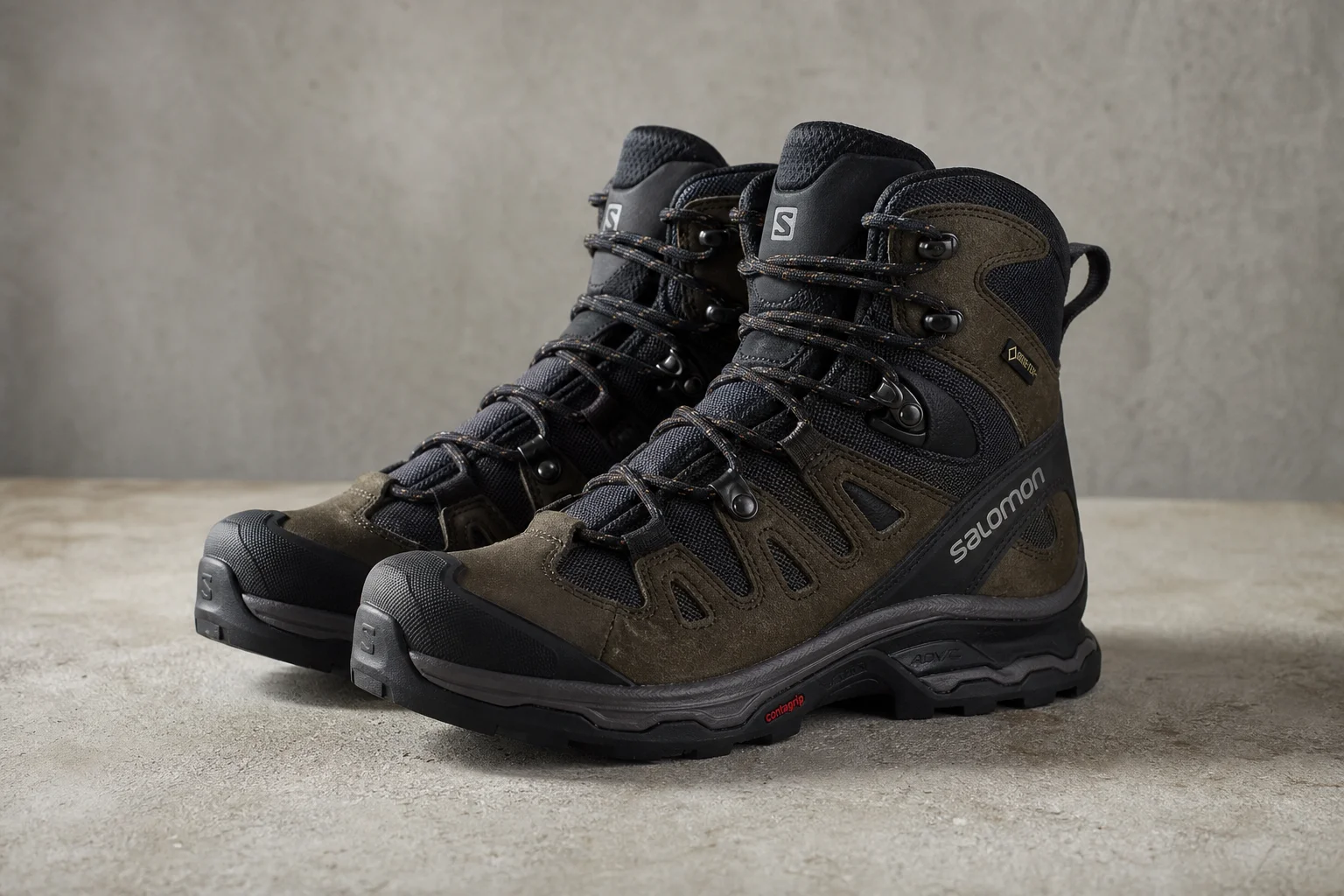
Salomon Quest Element GTX Review: A Reliable Hiking Boot for Serious Terrain
After 30+ kilometers of testing in varied conditions, the Salomon Quest Element GTX proves itself a capable, comfortable hiking boot with genuine waterproofing and solid long-term value.