Hiking Footwear
Keen NXIS Hiking Shoes Review: Lighter Than Boots, More Agile on Rough Ground
A closer look at the Keen NXIS hiking shoes, including real-world weight comparisons, waterproofing behavior, out-of-box fit, and the break-in trade-offs worth knowing before you buy.
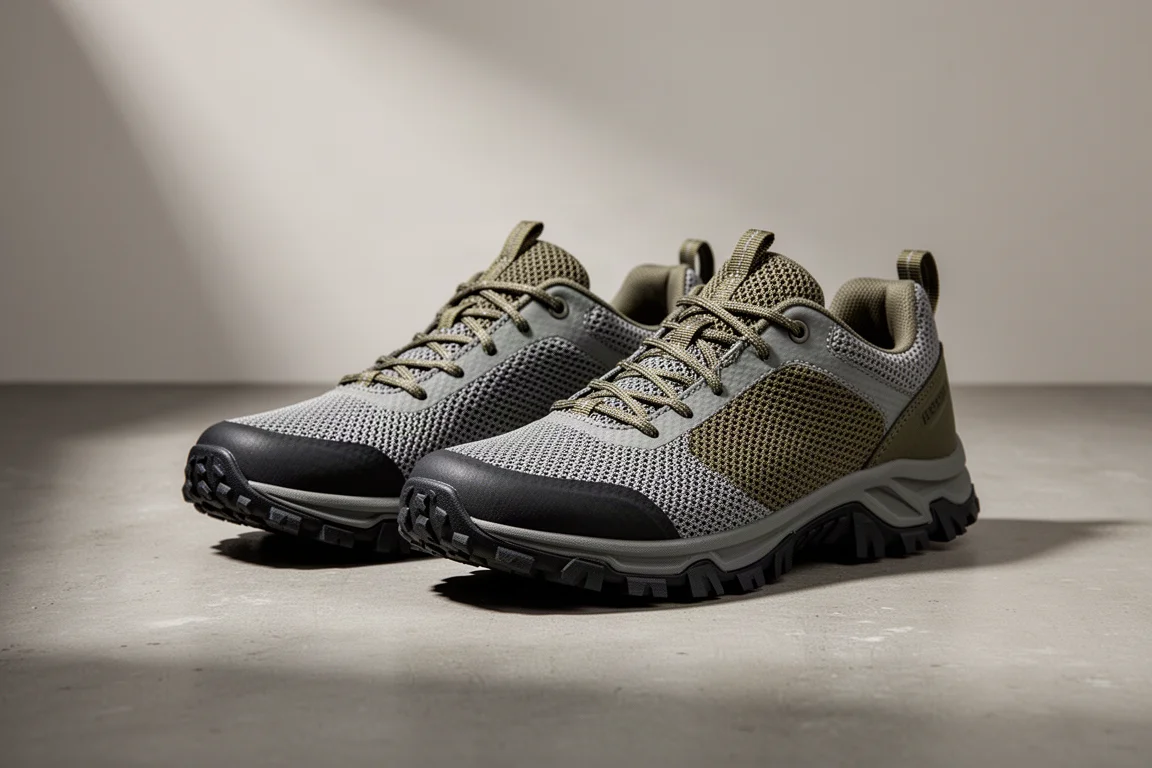
Introduction
Heavy leather boots have earned their reputation. Stiff uppers, deep lugs, and a supportive midsole are forgiving on rough ground, and plenty of hikers have happily worn the same pair for a decade or more. The counterargument is weight. Every step lifts the same shoe again and again, and over a long day that repetition adds up.
The Keen NXIS is a hiking shoe rather than a boot, and the first useful fact is how modest the weight gap can be. The test pair came in at roughly 14 oz per shoe, while a well-worn pair of boots measured about 16 oz per shoe. That is a genuine saving, but it is not the dramatic drop that marketing language often implies.
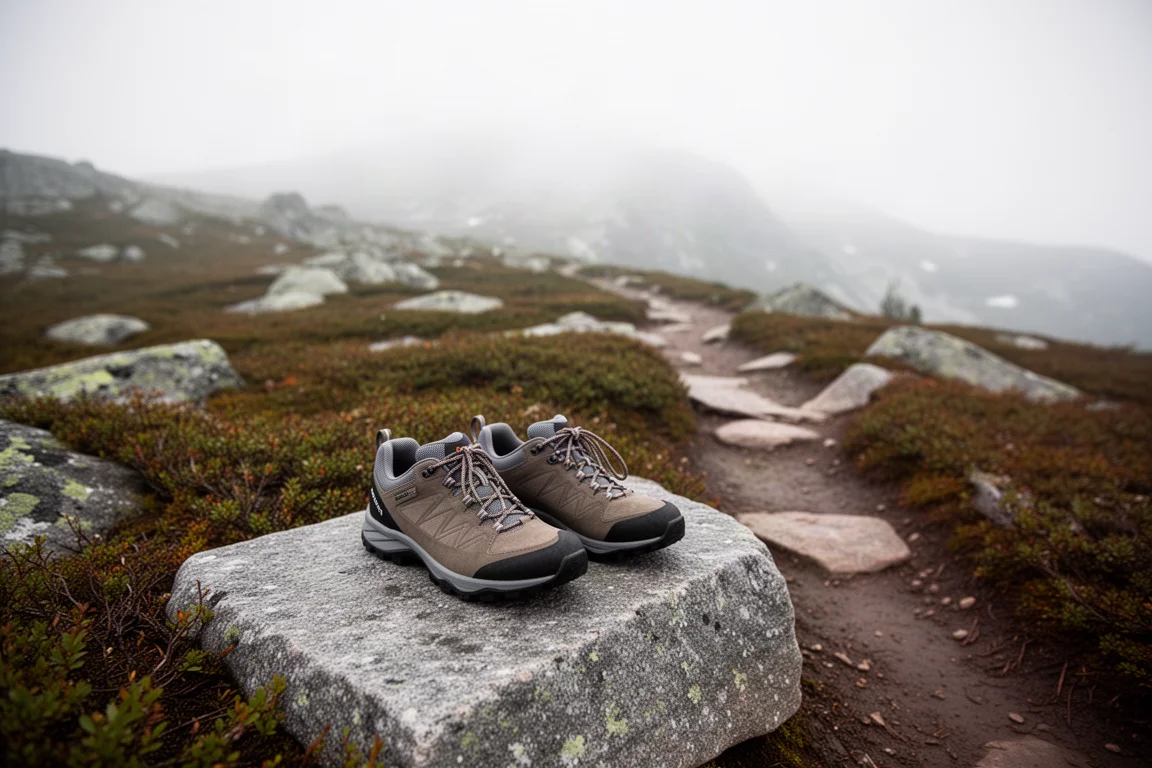
Context helps here. A survey of 12 pairs of boots, 12 pairs of hiking shoes, and 12 pairs of trail runners found the average difference between a hiking shoe and a trail runner is only about 6 oz per pair. The average difference between a hiking boot and a hiking shoe is closer to 10 oz per pair. If the familiar rule holds that a pound on the foot is worth about five pounds on the back, that 10 oz per pair works out to roughly 3 lb of effective load. For anyone carrying heavy boots, the switch to a hiking shoe is the bigger step, and the switch from a hiking shoe to a trail runner is comparatively small.
Who These Hiking Shoes Are For
The NXIS makes the most sense for hikers who want a lighter, more flexible platform without giving up the traits they like about boots. It sits between a traditional boot and a trail runner: softer and more breathable than a boot, but with deeper lugs and more all-round traction than a specialized trail shoe.
That middle position suits mixed terrain. A trail runner may be tuned for one surface, such as loose ground or grippy rock slabs, while a hiking shoe tends to stay useful across mud, roots, rock, and water in the same outing.
It is also a sensible option for hikers with foot or arch concerns who still want a supportive sole. Stiffness in the midsole is what delivers support, and the NXIS felt notably supportive during testing, in some moments more so than the boots it was compared against.
Main Strengths
The first strength is fit out of the box. Keen’s comfort fit has been refined over roughly 18 years, and the goal is a hold that keeps the foot firmly in place while still giving the toes room to spread. That combination showed up immediately: the shoes fitted well on the first wear, with no adjustment period needed before a multi-day outing.
Breathability is the second clear advantage. Boots lean on leather, which does not breathe well, while hiking shoes lean on mesh, which does. In warm conditions that difference keeps feet cooler and moves sweat away faster.
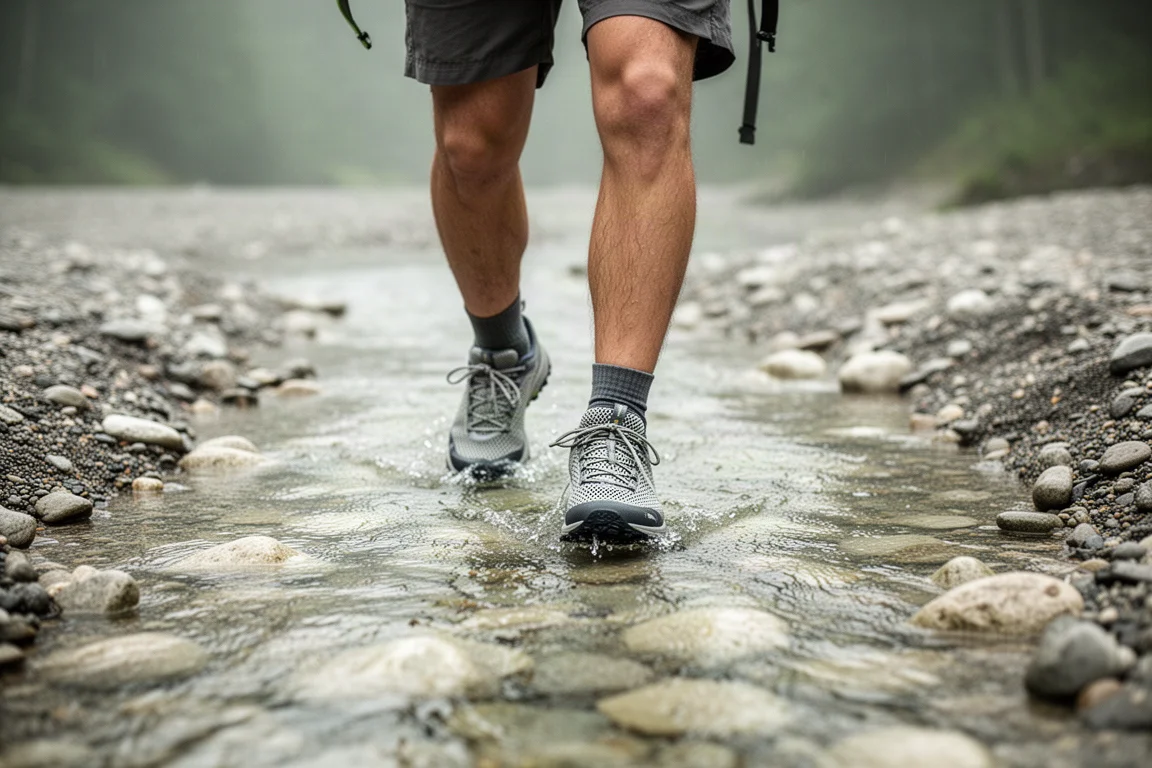
Support came as a genuine surprise. Support comes from a stiff midsole, and more flexible footwear generally provides less of it. In this case the NXIS felt like it offered more support than a familiar pair of boots, which is not the usual outcome when moving to a lighter shoe. For a hiker with long-standing arch problems, that mattered more than the weight saving.
Traction is the fourth strength. Deep lugs hold on mud, rocks, and tree roots, and the shoes handled slabs, mud, rock, and water without complaint across several days of hard use.
Breathability and Water Crossings
Waterproofing is a choice rather than a rule. Boots, hiking shoes, and trail runners are all available with a waterproof membrane such as Keen Dry, and all are also available without one. Preference usually decides it, but the practical trade-off is worth understanding.
A waterproof shoe keeps water out, which means walking through mud, early morning dew, and shallow crossings with dry feet. The catch is drying time. Once water gets inside a waterproof shoe, it can take longer to dry than a non-waterproof equivalent.
That trade-off was tested properly. After light water ingress, the NXIS felt dry again in around 15 minutes. After roughly 7 miles of near-constant water crossings left the shoes fully saturated, they took about an hour to feel dry. For a waterproof shoe, that is a quick recovery, and it removes much of the usual worry about getting caught out.
Support, Traction, and Agility
The clearest difference between a boot and a hiking shoe is how the platform behaves underfoot. A boot carries more material and more ankle coverage, while a hiking shoe trims both in exchange for flexibility. Trail runners go further still, with the least stiff uppers and soles of the three.
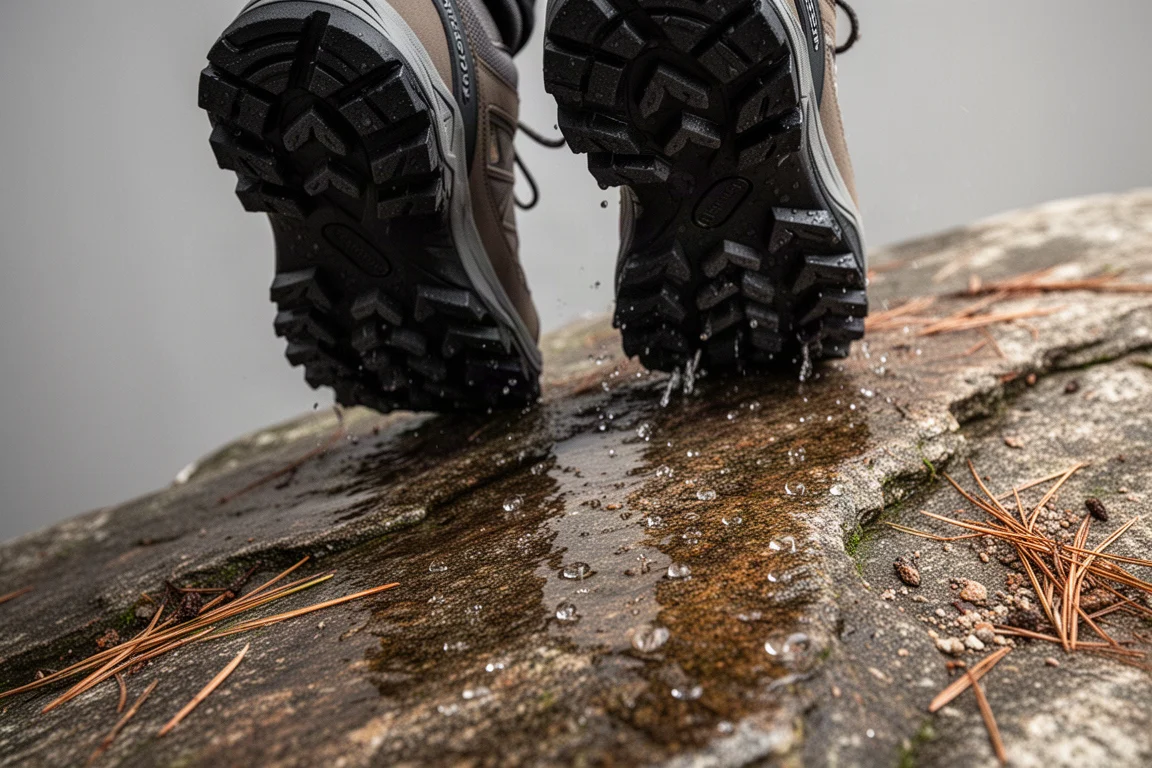
Agility is where the change becomes obvious. The NXIS felt quicker going up and down steep banks, more adaptable on uneven ground, and generally less clunky underfoot. On genuinely rough terrain, the shoes handled conditions that would have been awkward in a heavier boot, and they did it while staying stable.
The model name reflects that intent, standing for the idea that no terrain is the same. Across slabs, mud, rock, and water, the shoes kept going without needing a change of approach.
Things to Consider Before Buying
Break-in still matters, even with a softer shoe. Boots generally need a week or two of wear around the house and on short walks to soften leather and other stiff materials, and skipping that step on a long hike is a reliable way to earn painful blisters. Hiking shoes are less likely to cause problems out of the box, but less likely is not the same as immune.
That showed up during testing. Hot spots appeared on both heels on the first day, tape was applied to head them off, and by the end of the second day two small blisters had formed, growing to roughly a centimeter each by the end of the trip. Conditions were rough and the shoes had not been broken in, so the footwear cannot be blamed outright. The lesson is straightforward: give any new pair some easy miles first.
There was one other point to note. A light bruising appeared at the top of the back of one ankle, exactly where the shoe collar made contact. It occurred on only one foot rather than both, which points to an individual fit interaction rather than a design flaw, and it may also have settled with a proper break-in period. Trying the shoes on and walking in them before committing to a long trip is the sensible approach.
Buying Advice
For anyone still hiking in boots that sit near 3 lb per pair or more, a hiking shoe is a practical first move. It delivers much of the weight benefit of a trail runner while keeping the deeper lugs, broader terrain capability, and support that made boots appealing in the first place. Riders of the boot-to-trail-runner jump may find the intermediate step easier to live with.

Two decisions deserve attention before buying. The first is waterproofing: a membrane keeps feet dry through mud and shallow crossings, while a non-waterproof build dries faster once water gets in. The second is fit. Keen’s comfort fit holds the foot securely while leaving toe room, so it is worth checking that the collar sits comfortably against the ankle and that heels stay locked in place during a short walk.
Breaking the shoes in gradually, even though they need far less of it than boots, remains the simplest way to avoid the blister problems that can otherwise overshadow an otherwise capable pair of hiking shoes.
Conclusion
The Keen NXIS sits in a useful spot for hikers who want less weight and more agility without abandoning the support and traction they rely on. The weight saving over a typical boot is real, the out-of-box fit is strong, breathability is a clear step up from leather, and recovery after full saturation was quick for a waterproof shoe. The caveats are ordinary ones: break them in, check the collar against your ankle, and decide whether a waterproof membrane or faster drying suits your terrain. Handled that way, these shoes are a confident choice for mixed backcountry ground.
Product link
View more details for Keen NXIS Hiking Shoes
This product is mentioned in the review. Check the specifications, options, and compatibility before buying.
View more details for Keen NXIS Hiking ShoesFurther reading
Related Reviews
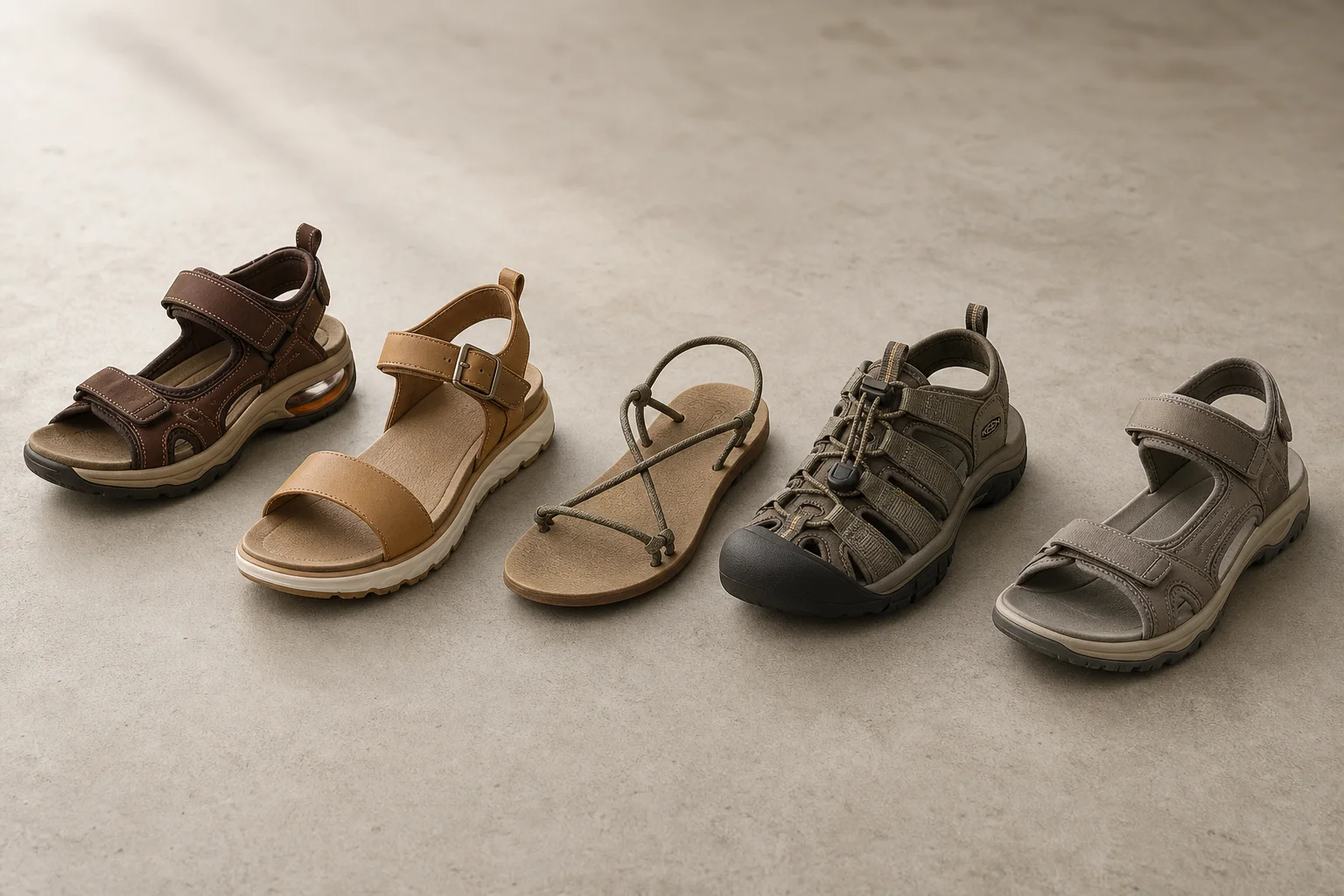
Hiking Footwear
Best Hiking Sandals 2026: Five Options for Different Trail Needs
Five hiking sandals tested for comfort, protection, and versatility. Find the right pair for your hiking style, from minimalist designs to heavy-duty closed-toe options.
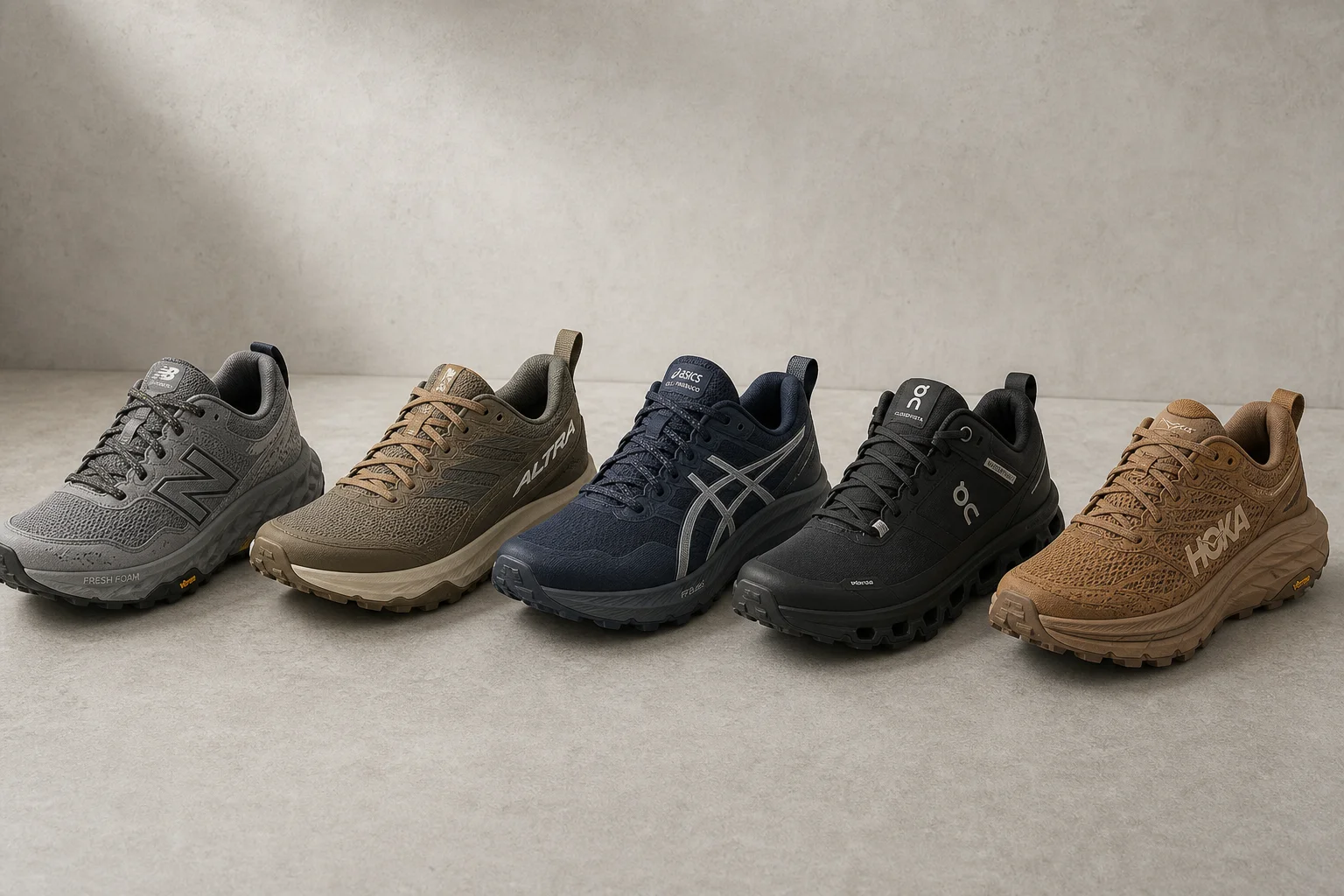
Hiking Footwear
Best Hiking Shoes 2026: Five Options for Different Terrain and Support Needs
A practical guide to five hiking shoes covering max cushioning, zero-drop design, all-around versatility, waterproof protection, and balanced comfort for long-distance trails.
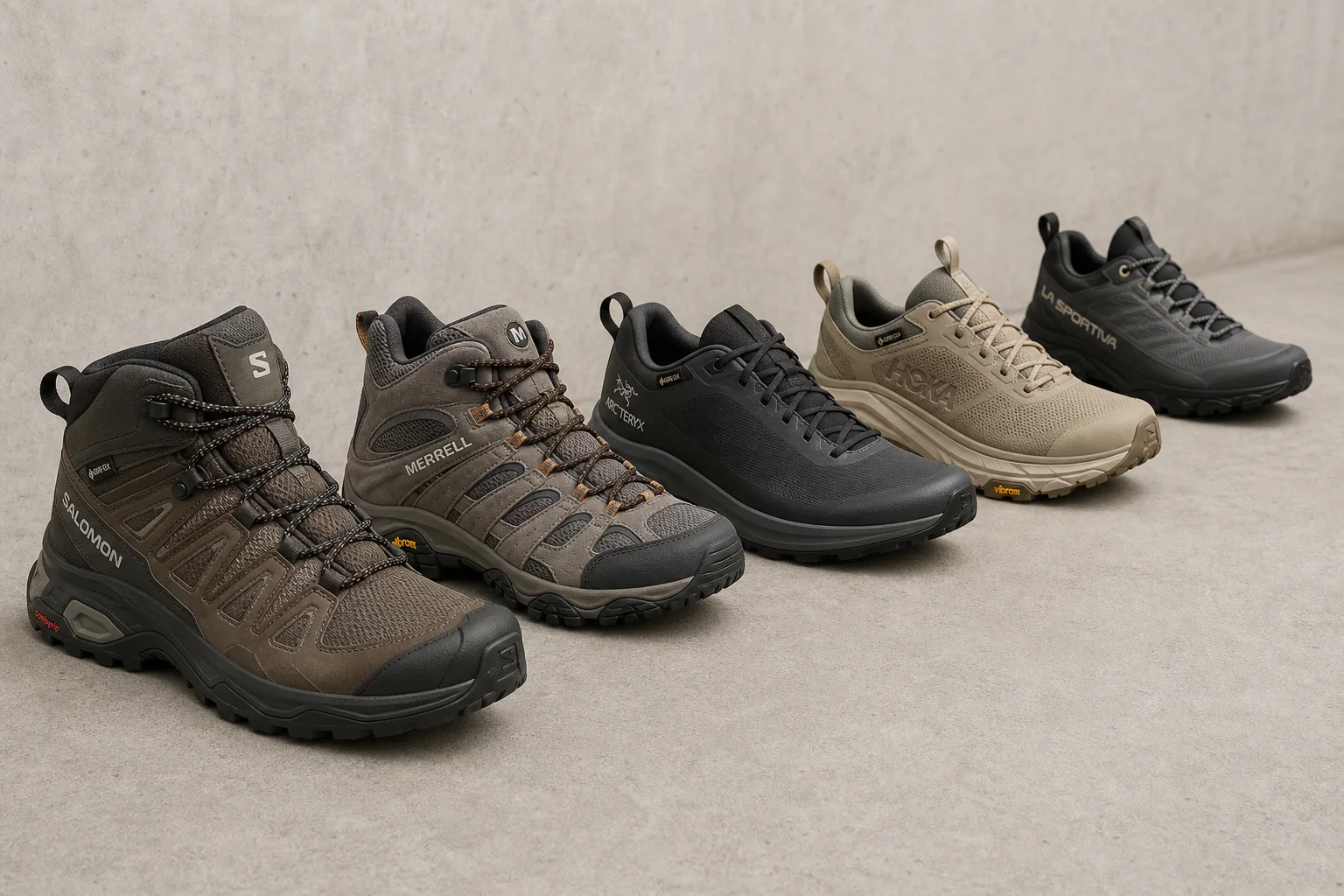
Hiking Footwear
Best Hiking Shoes for Men: Five Tested Options Ranked
A detailed ranking of five hiking shoes tested for comfort, traction, and durability across varied terrain and conditions.