Travel Backpacks
Kathmandu Light Haul 38 vs Thule Landmark 40: Same Gear, Two Travel Packs
We packed identical gear into the Kathmandu Light Haul 38 and the Thule Landmark 40 to see how much each holds, how they carry, and which fits your packing style better.
Introduction
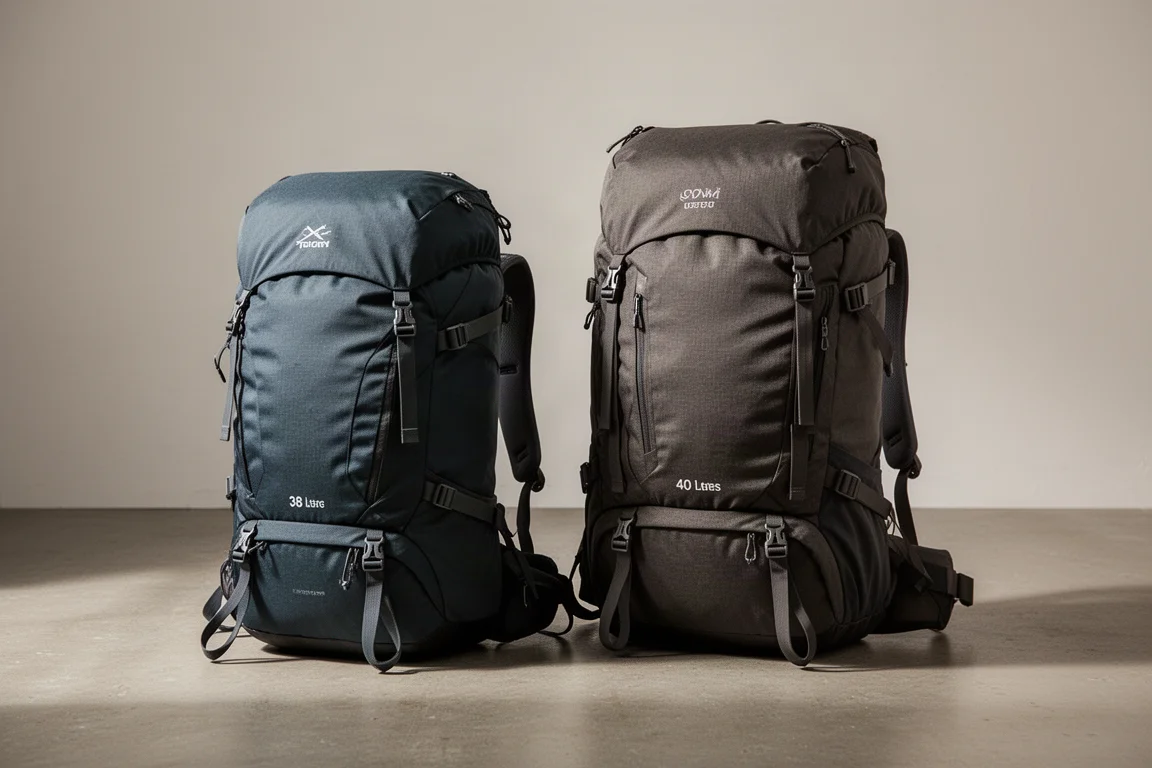
Choosing between a 38-litre and a 40-litre travel pack sounds like a small decision until you are the one zipping them shut. To make the difference concrete, we loaded the Kathmandu Light Haul 38 and the Thule Landmark 40 with exactly the same gear, packed both to a realistic fullness, and compared capacity, carry comfort, and packed weight.
The result is a useful picture of how two similarly sized packs behave very differently in practice.
The Packing Test Setup
The gear list was identical for both bags: three Eagle Creek packing cubes (a medium pair, one small cube, and a clean/dirty cube), a swimsuit, two long-sleeve thermal tops, thermal bottoms, five t-shirts, four pairs of underwear, three pairs of wool socks, miscellaneous electronics, a toiletry kit, sandals, an e-reader, a puffy jacket, and a 15-inch Dell laptop.
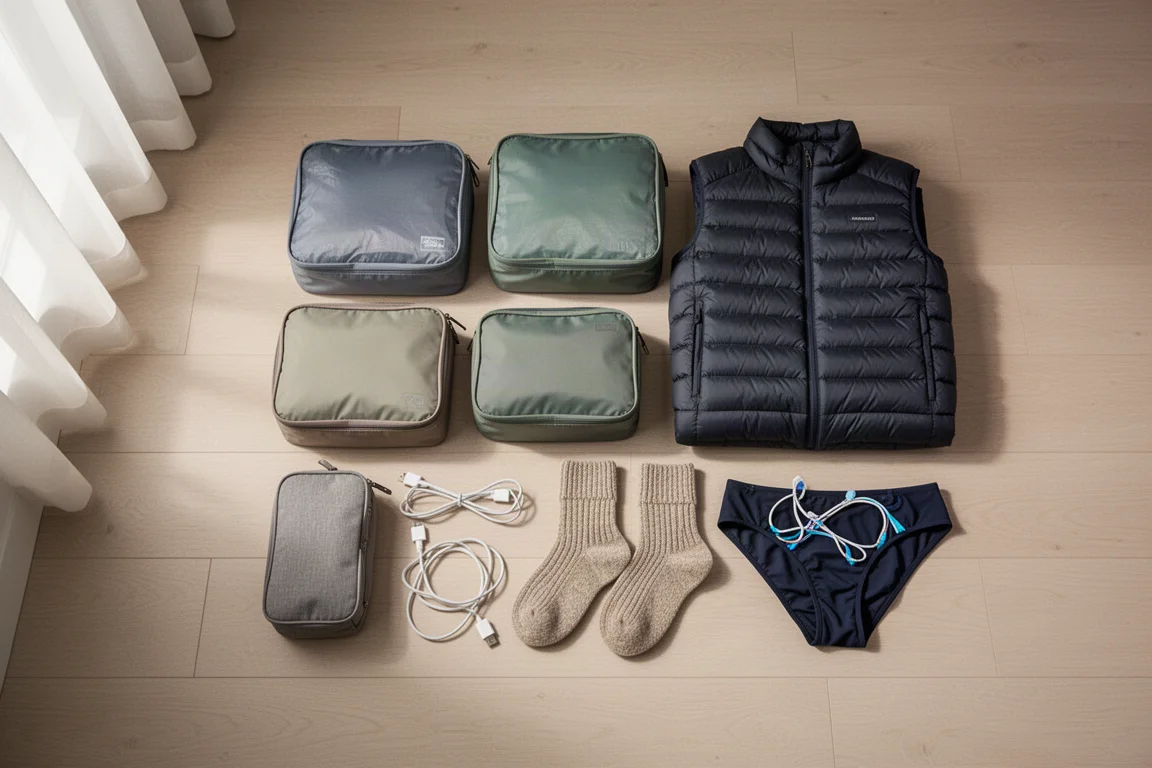
Using the same load in both packs removes the guesswork. Any difference in how the bags close, bulge, or balance comes down to the packs themselves, not the packing list.
Packing the Kathmandu Light Haul 38
The Light Haul 38 is the smaller of the two at 38 litres, and it packs with a distinct quirk: two very large top pockets give you two strategies. You can pack the main compartment plus the bottom and stuff the rest into those top pockets, or fill the main compartment completely and keep the top pockets free for small gear.
For a fair comparison, the main compartment was filled first. It is wide enough to fit two medium packing cubes side by side, and the bag accepts more gear than it appears to. The sandals went into the mini scrubber bag in the top lid pocket, with the small cube, toiletry kit, and puffy jacket layered on top. The jacket sticks out slightly, but folding the lid over and working the zipper around closes everything up.
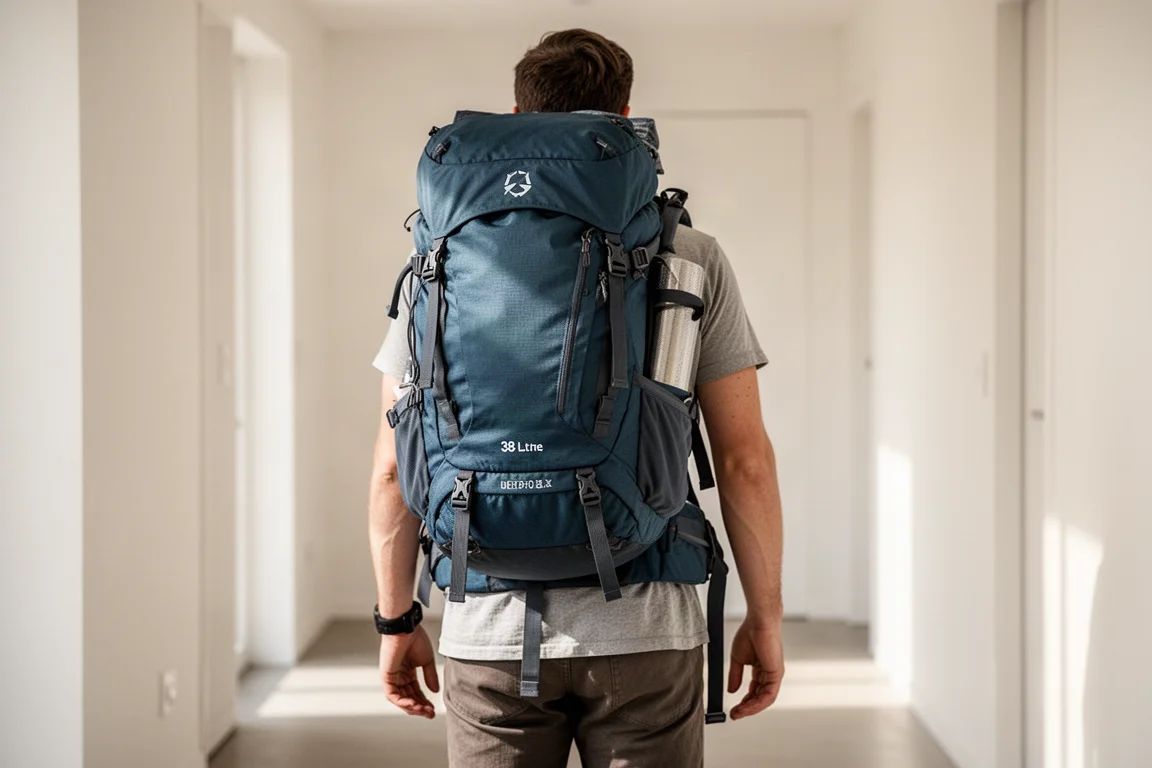
Once closed, there was still room in the top area for a day pack, sunglasses, and electronics. The unpadded front pocket held the e-reader, cushioned by the rest of the pack, and the 15-inch Dell laptop slotted into its dedicated laptop compartment.
Fully packed and weighed on a travel scale, the Light Haul came in at about 9.5 kg (20.8 lb). It carries very comfortably: the weight distributes well, and the top load adjusters and hip belt take pressure off the shoulders.
Shape and Interior Layout
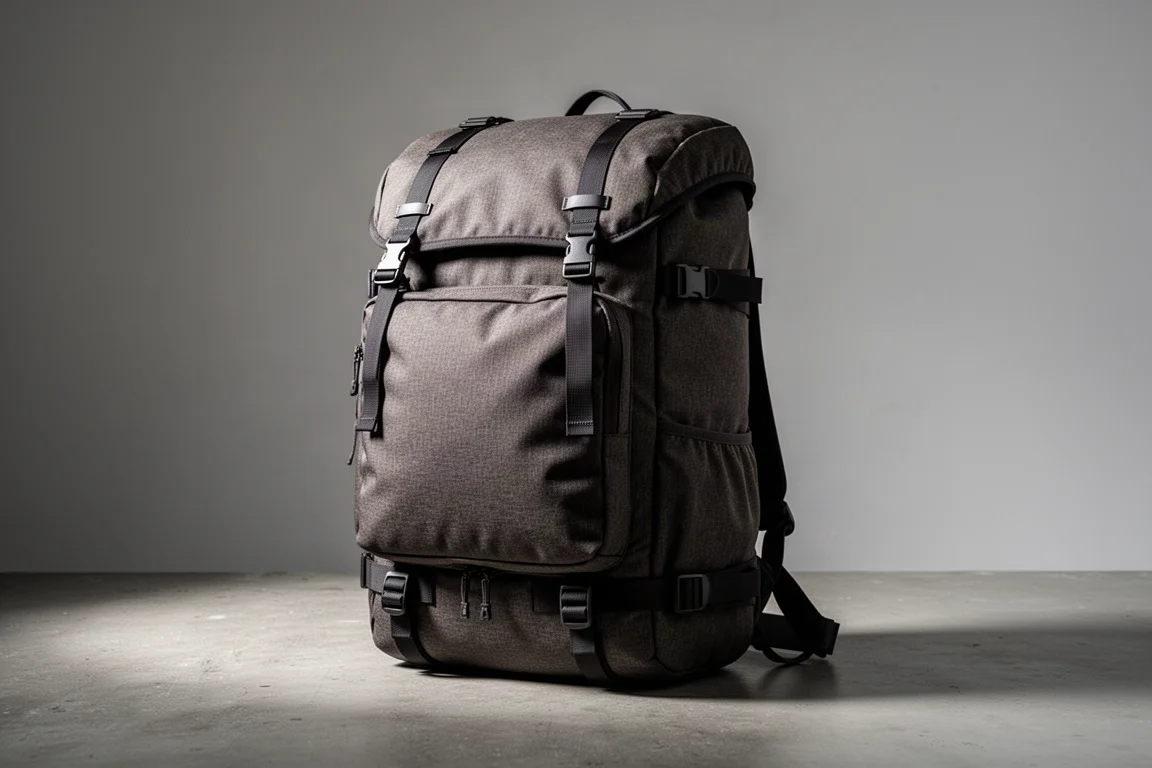
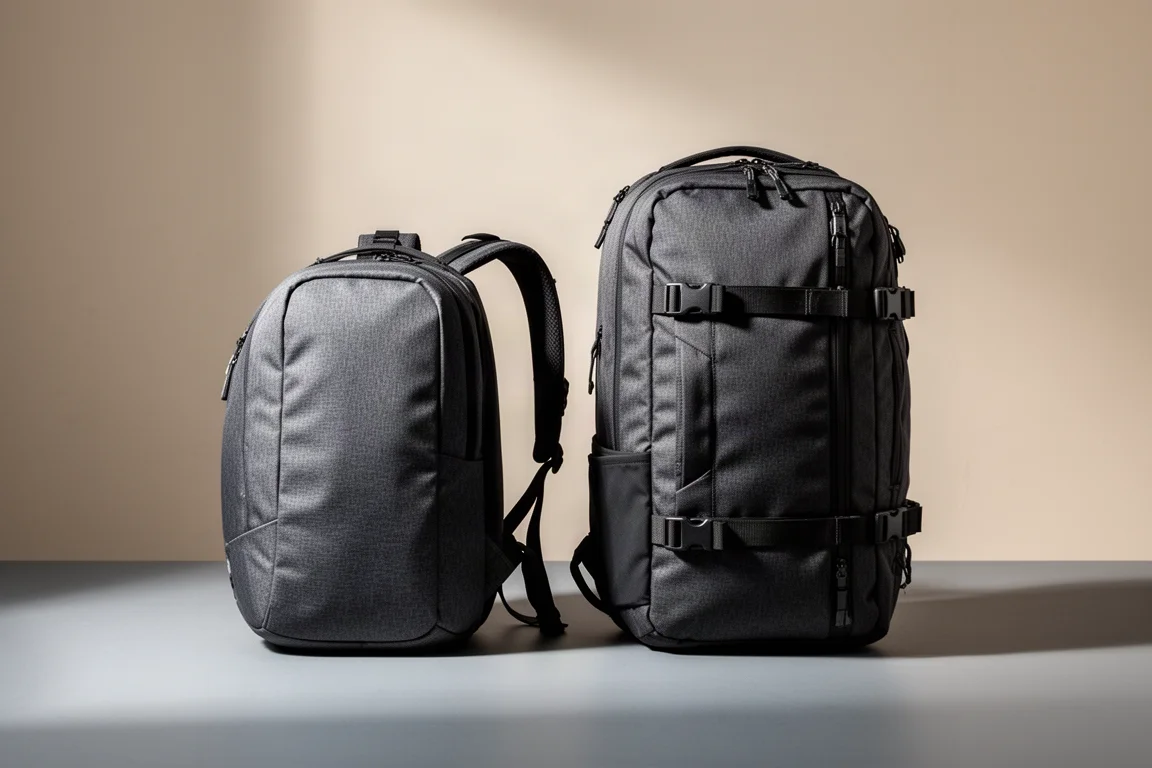
Side by side, the differences become obvious. The Light Haul is more rectangular: shorter and wider, with a boxy, rounded profile. The Landmark is a little taller, and its main compartment is deeper but not quite as wide.
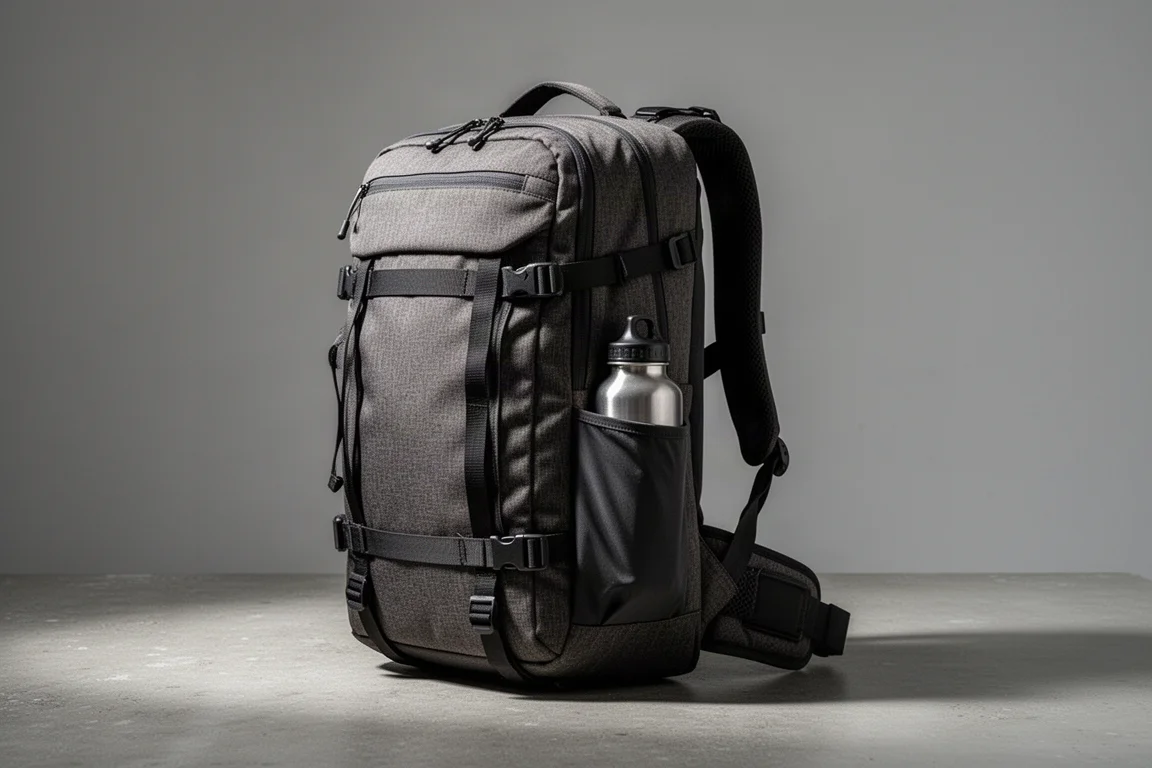
The Landmark also gives up some usable capacity to its top padded compartment, and its external water bottle pocket pushes inward when a large bottle is inside, which makes fitting the medium packing cubes slightly harder. In the Landmark, the two medium cubes fit sideways but sit tighter, overlapping and squishing in from the sides rather than nesting perfectly.
Packing the Thule Landmark 40
Transferring the same gear into the Landmark told a different story. The sandals went into the top pocket, then the small cube, toiletry kit, and puffy jacket into the main compartment. Right away there was visibly more room, and the lid closed much more easily than on the Light Haul.
The top pocket swallowed the sunglasses and headphones, while the charger, battery pack, and cables fit in a second pocket. The laptop sleeve has a second slot, so the e-reader went there and the 15-inch Dell into the main sleeve.
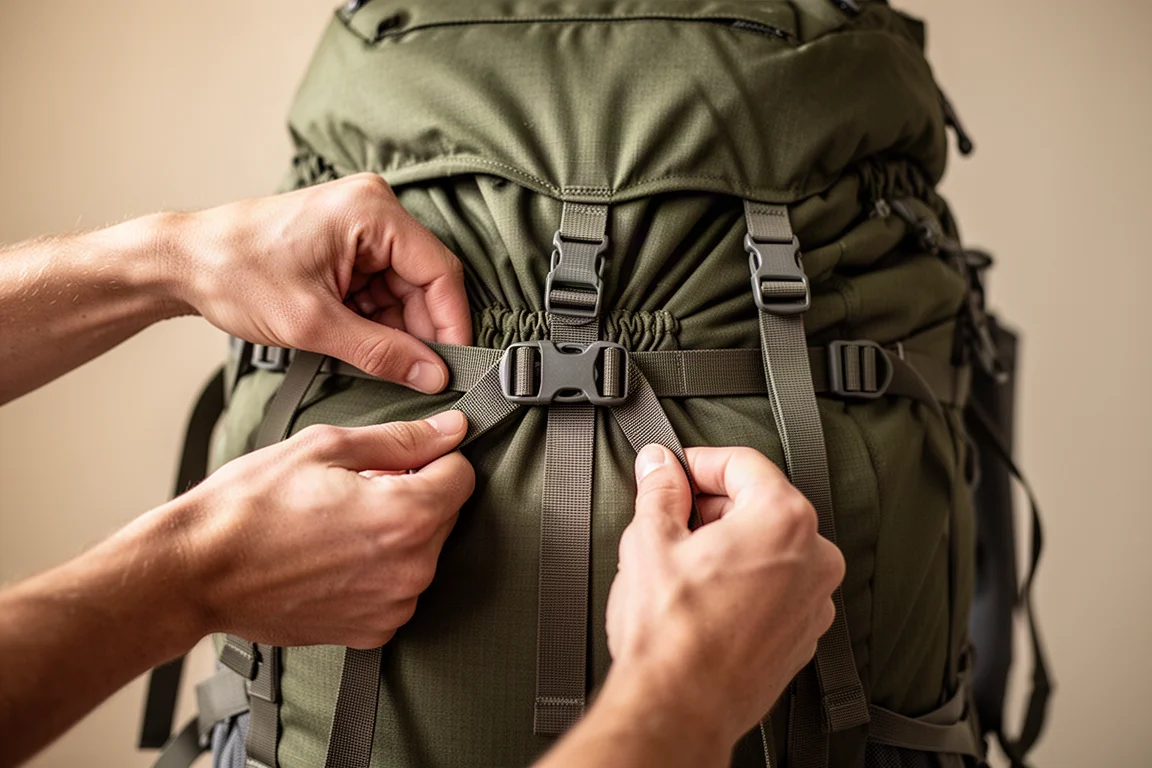
Packed out, the size feels true, and there was probably room for one more jacket, though not dramatically more than the Light Haul held. Four compression straps cinch the bag down so it does not grow too wide. Weighed the same way, the Landmark came in about half a pound heavier at 9.7 kg (21.4 lb).
Carrying Comfort and Packed Weight
Both packs carry very well fully loaded. The Landmark fit well on the tester’s frame, with a firmer, slightly more rounded back panel, while its hip belt is a little wider and better padded than the Light Haul’s.
The Light Haul rewards with excellent weight distribution and supportive load lifters, while the Landmark counters with superior hip belt padding and easier lid closure thanks to its extra depth. At half a pound apart, packed weight is effectively a tie.
Which One Should You Buy?
Pick the Kathmandu Light Haul 38 if you like a wide, boxy main compartment that swallows packing cubes side by side and you value excellent weight distribution on your shoulders.
Pick the Thule Landmark 40 if you want a deeper main compartment, an easier-closing lid, room for a second laptop-sleeve device, better-padded hip belt, and compression straps to keep the profile tidy.
Both held essentially the same gear list. The real difference is packing style: the Light Haul rewards careful tetris-style loading, while the Landmark forgives a fuller load.
Conclusion
With identical gear, the Kathmandu Light Haul 38 packed tight at 9.5 kg and the Thule Landmark 40 closed easier at 9.7 kg. Neither is a clear winner; the better choice depends on whether you prefer a wider main compartment or extra depth and hip belt padding.
Further reading
Related Reviews
Travel Backpacks
Outdoor Vitals Dakota UL Review: One 45L Pack for Travel and Backpacking
A practical look at the Outdoor Vitals Dakota UL, a 45 liter pack that opens like luggage, carries a laptop, and converts for trail use with a removable frame and detachable hip belt.
Travel Backpacks
Outdoor Vitals Koda UL Review: One Bag From Terminal to Trail
A hybrid travel and backpacking pack with a sleek carry-on shape and a frame tuned for all-day comfort under a real multi-day load.
Travel Backpacks
Outdoor Vitals Kota UL Review: One Pack for Flights, Cars, and Backcountry Camps
A close look at the Outdoor Vitals Kota UL, a travel-first backpack designed to stay comfortable under backpacking loads and still slide into an overhead bin.