Skis
Kästle Paragon Collection Review: Paragon 93, 101 and 107 Compared
A closer look at the Kästle Paragon 93, 101 and 107, the three freeride all-mountain widths that replace the FX collection.
Introduction
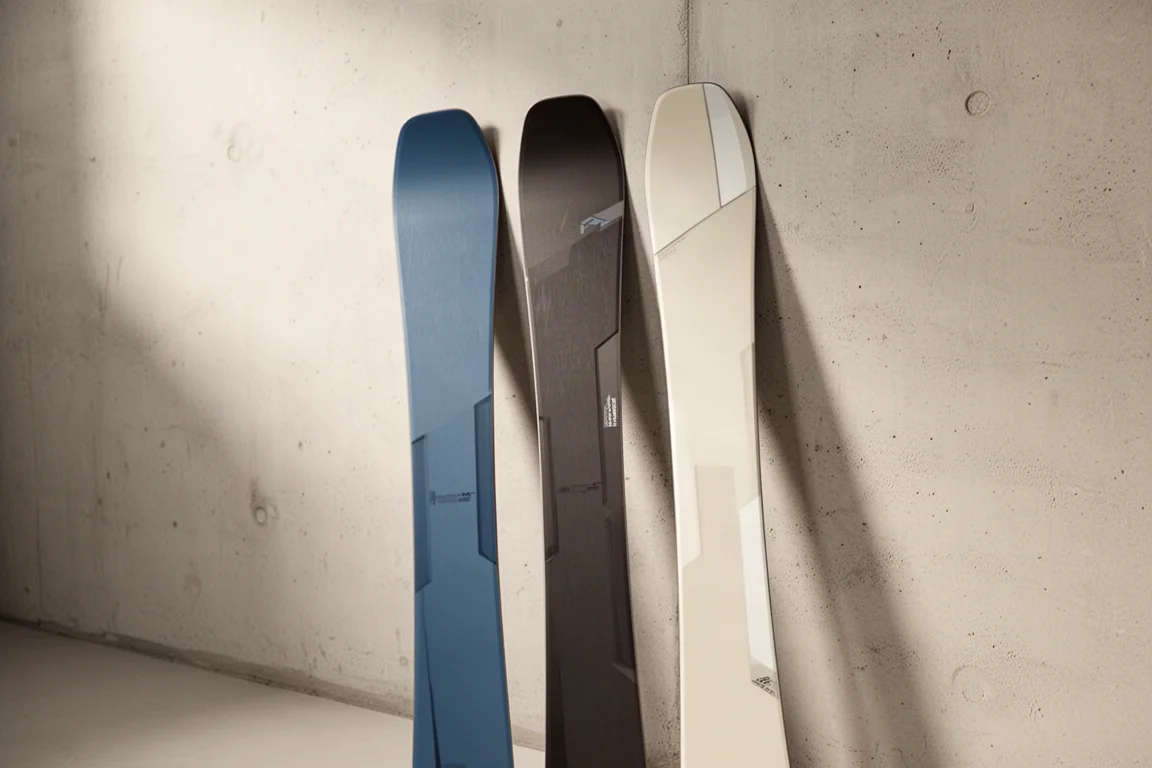
The Kästle Paragon collection is new for 2025 and it takes the place of the FX line in the brand’s freeride all-mountain range. Three widths make up the series: the Paragon 93, the Paragon 101 and the Paragon 107. Between them they cover a progression from a narrower all-mountain ski to a wide, high-speed freeride platform, and every model in the collection shares the same construction and the same price.
That last point is worth stating early. All three Paragon skis list at $849, which is an approachable number for a ski with two sheets of metal in it, and the pricing structure is refreshingly simple: the wider models do not cost more than the narrow one.
What the Paragon Collection Changes
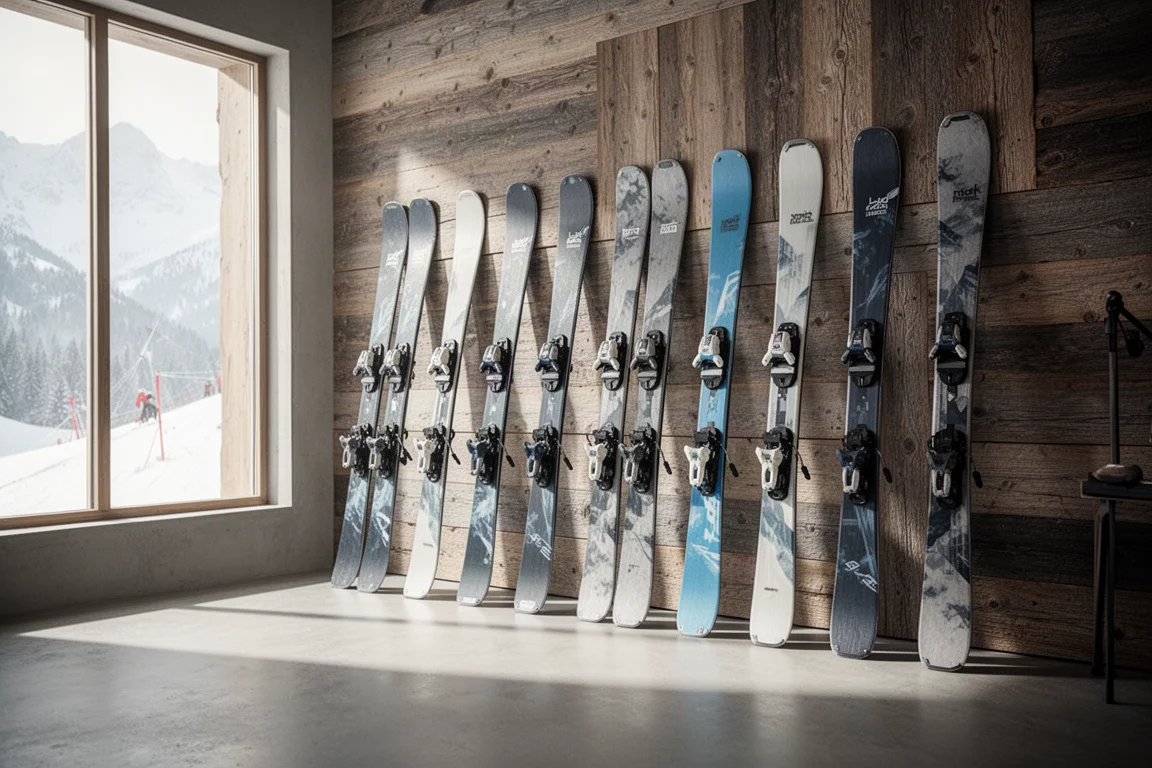
The Paragon replaces the FX collection, but the bigger story is the width line-up across the whole brand. The MX collection moves to 74, 84 and 88 for 2025, so the MX 98 is discontinued, and the Paragon range begins at 93. The result is a more natural step between the narrowest all-mountain models and the freeride widths, with far less overlap than the old FX and MX pairing, where the FX ran all the way down to 86.
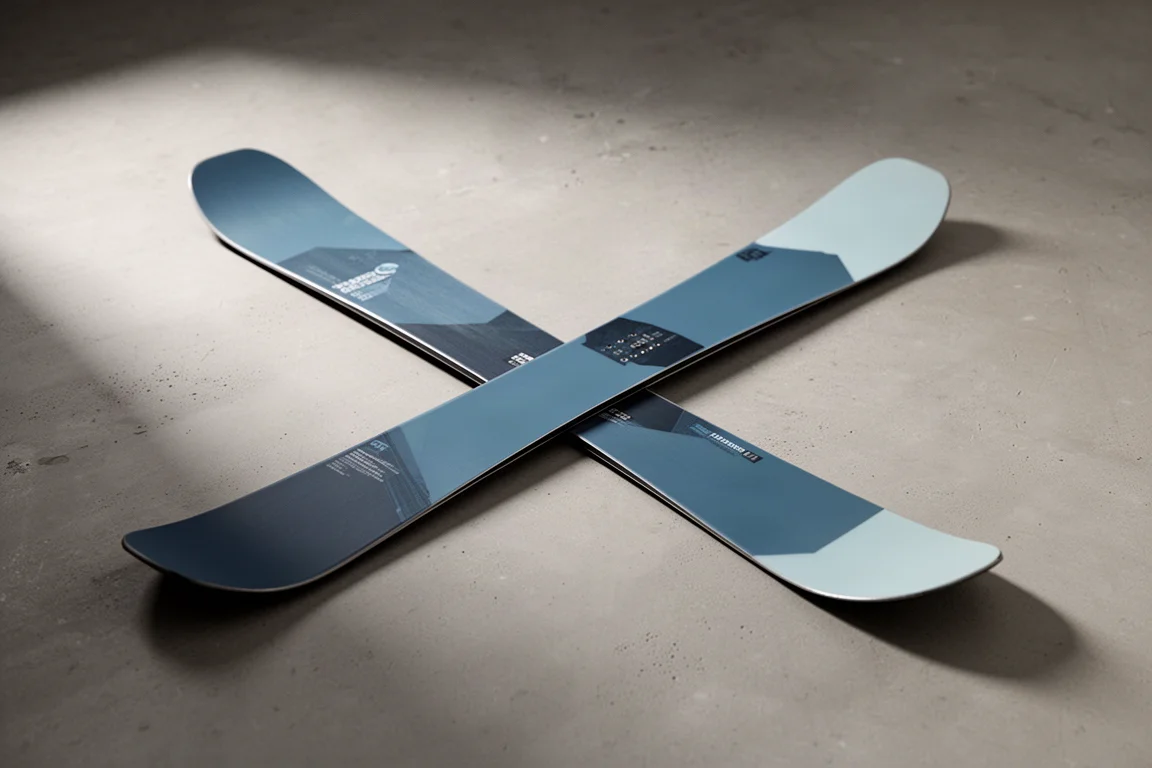
The shape is the other significant change. The FX series was close in shape to the MX skis, with a fairly flat, squared-off tail. The Paragon takes a more modern freeride direction, and the influence of the ZX collection is clear: longer tip rocker, more taper, the widest point moved back, and a much longer tail rocker with taper and splay at the end.
Construction and Flex: Inside All Three Skis
All three Paragon models use the same core, which Kästle calls Infinicore Free. It is built from very thin vertical wood stringers in three wood types: paulownia and poplar along the outer edges, and poplar and beech stringers through the middle. The denser beech keeps the central spine strong, while the lighter outer woods keep swing weight down and let the ski feel looser in soft snow.
Two sheets of metal run through the ski and finish just below the Holotech tip. That tip construction removes mass from the shovel, which lowers the amplitude of vibration and chatter and improves swing weight. Weight lands in the middle of the category rather than at either extreme: roughly 1,920g for the Paragon 93 in the 180 and 184 lengths, just under 2,000g for the 101 in the 182, and just over 2,000g for the 107 in the 184.
Flex is stiff without being extreme, and it is consistent from tip to tail, with a slightly softer shovel. The metal gives the flex a springy, damped quality rather than a dead one, and the front of the ski is noticeably softer than the ZX models it draws from.
Turn radius and rocker progress with width. The 101 carries an 18m turn radius at 182, while the 107 adds roughly a metre at 19.2m. The 107 also sits flatter than the rest of the range, with less camber, which suits drifting and smearing in soft snow.
Kästle Paragon 93
The 93 is the narrowest ski in the collection and the most versatile on firmer ground. It handles short turns well and stretches comfortably into longer arcs, but it comes alive when the radius is tightened. Turn initiation is easy and the tail delivers quick, dynamic energy out of the finish, which makes the ski feel smooth and stable without demanding much input.
Riders coming from a low to mid 90s all-mountain ski who want more stability and power without stepping up to a wider platform will find a natural home here. It keeps a freeride flavour while remaining the most well-rounded option for everyday all-mountain use, particularly in regions where soft snow is a bonus rather than the default. The narrower waist does mean less float than the two wider models, so deep days are not its specialty.
Kästle Paragon 101
If one width defines the collection, it is the 101. It sits between an all-mountain ski and a freeride ski and does both jobs convincingly, which is why it is likely to be the volume seller of the three.
The surprise is how flickable it feels for a ski with two sheets of metal. It can be thrown sideways quickly when a line tightens up, and the mostly cambered profile underfoot keeps plenty of stability when the terrain opens out again. It is not the best carving ski at 101mm underfoot, but it holds an edge well enough to link long, sweeping turns on groomers.
Compared with a traditional directional freeride ski of similar width, the Paragon 101 gives up a little power and stability, and returns noticeably more precision and reactivity. Riders who want the strongest possible platform will prefer something more conventional; riders who want a ski that responds instantly will prefer this.
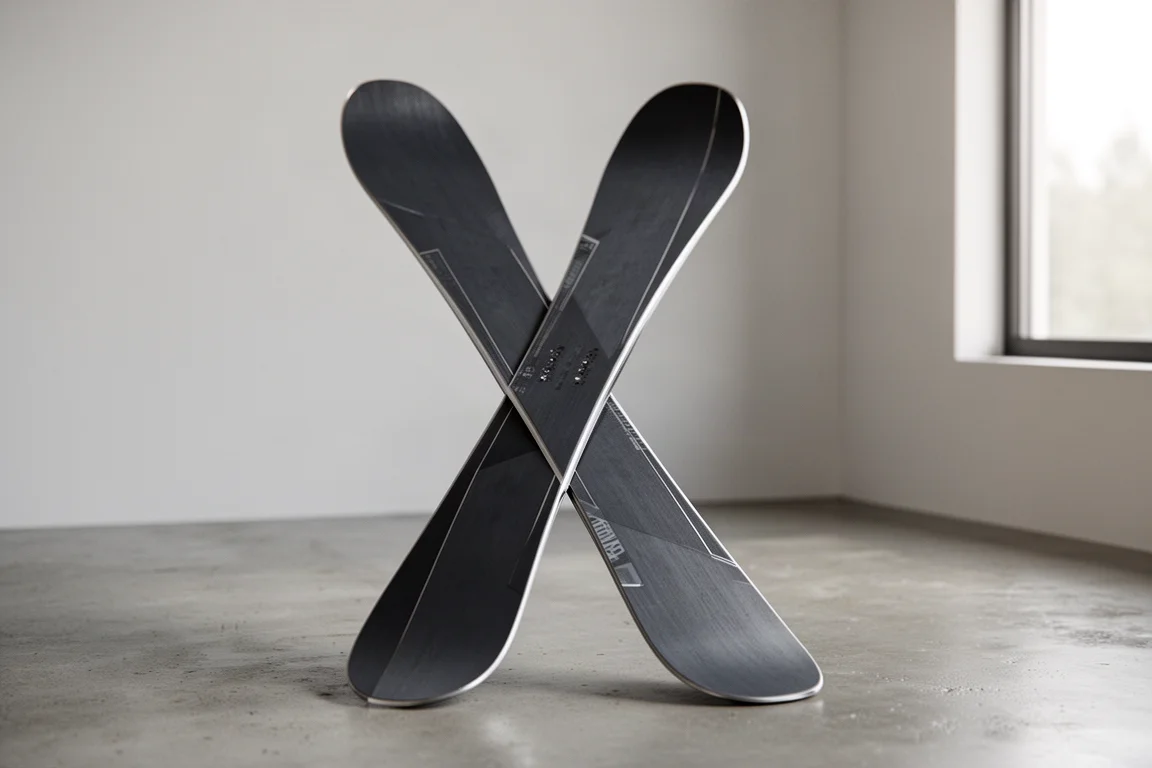
Kästle Paragon 107
The 107 is the widest and the most material-heavy ski in the range, and it behaves differently from the two narrower models. It has a slightly longer turn radius, a longer rocker profile and a flatter overall shape with less camber, all of which encourage drifting and smearing in soft snow.
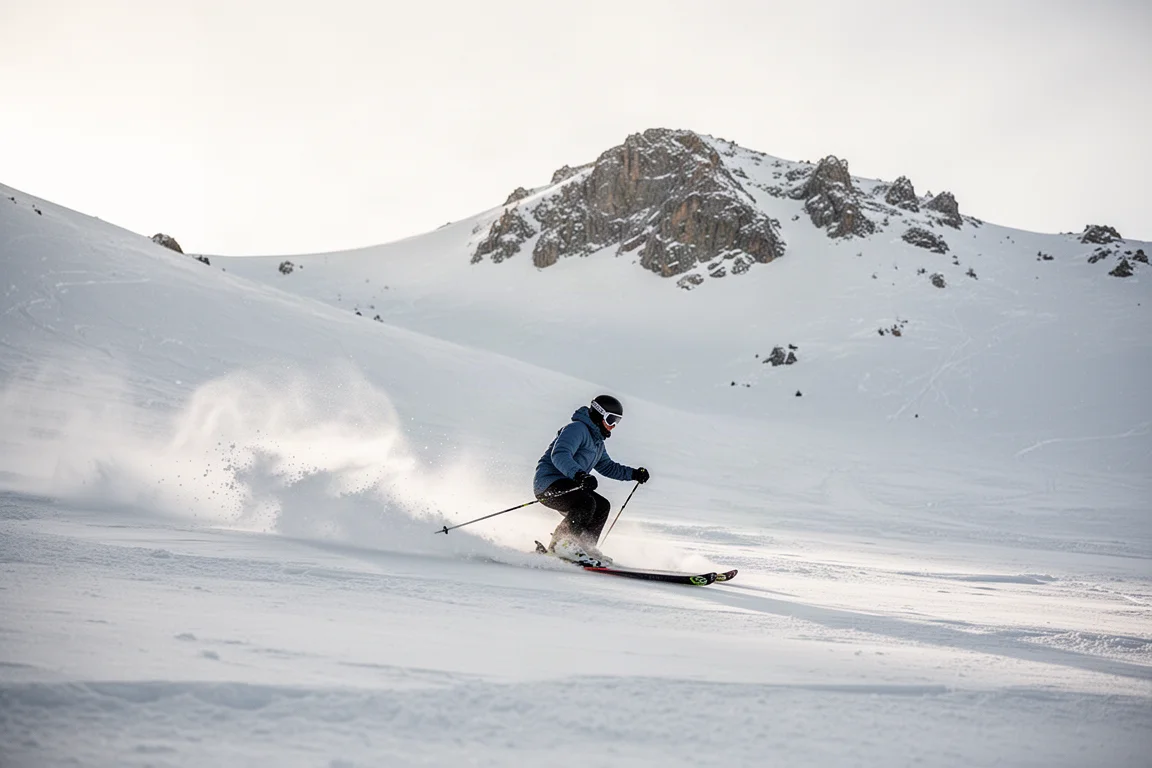
It is also the model that most clearly asks to be skied fast. Confidence at speed is excellent, and it keeps taking more without an obvious limit, which makes it a strong choice for big, open terrain and higher speeds. In smooth softening spring snow it feels composed and predictable, and it stays composed when conditions turn firmer or deeper.
That appetite for speed is the trade-off. Less aggressive intermediates will not get much out of it, and it takes real effort to bring around in tight turns compared with the 101. It is a ski that rewards fresh legs, open space and a rider who is willing to commit.
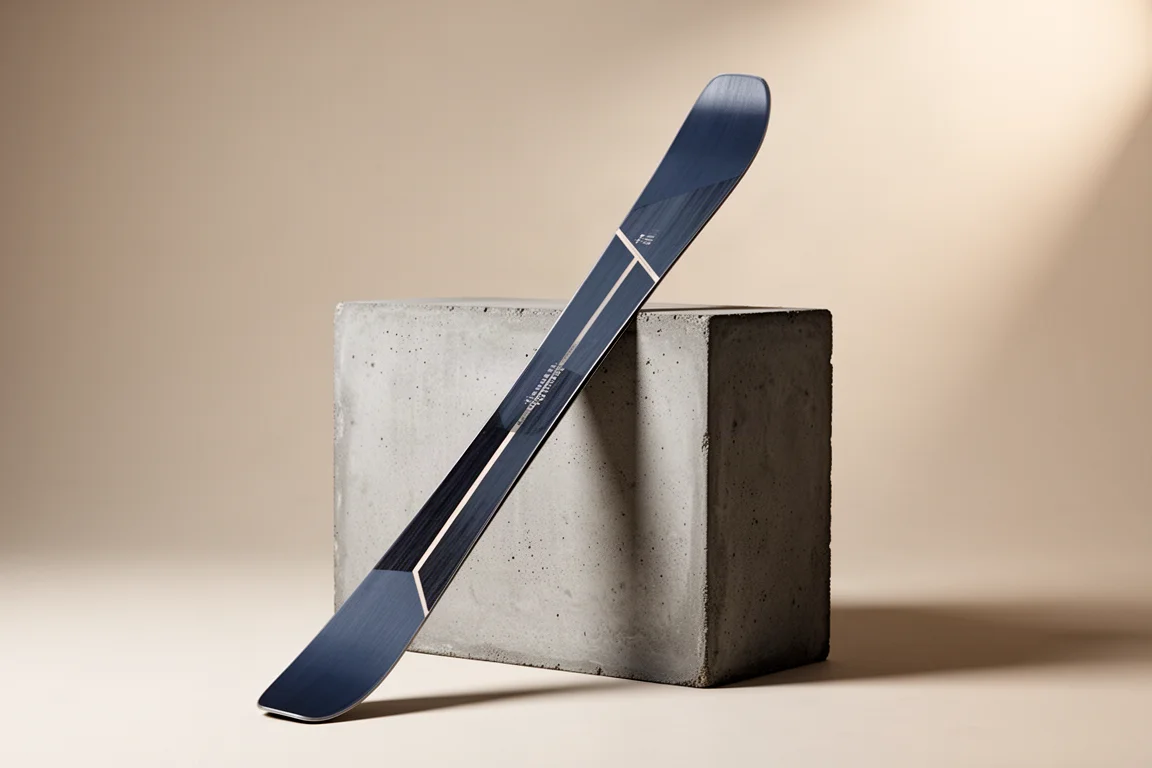
Who Each Width Suits
The progression across the range is consistent. Narrower models are quicker edge to edge and easier to manage on firm groomers, while wider models add float and high-speed composure, along with a slightly longer turn radius.
The 93 suits a rider who wants one ski for mostly on-piste days and mixed conditions with the occasional soft-snow morning. The 101 suits the rider who wants a ski that does not need to be thought about, whether the day involves groomers, bumps or a few inches of fresh. The 107 suits a rider with a big-mountain mindset who spends time in open terrain and soft snow and is comfortable working a wider platform at speed.
Buying Advice
At $849 across all three models, the decision comes down to width and intent rather than budget. Kästle prices every ski within a category the same, so there is no premium for stepping up to the 107.
Choose the 93 if your home mountain is firm, your days are mostly on piste and you want a ski that stays engaging at moderate speeds. Choose the 101 if you want a single ski that covers the widest range of conditions, since it is the most broadly capable of the three. Choose the 107 if you ski open terrain, chase soft snow and are happy to trade some low-speed ease for stability at speed.
All three share the same core, the same metal laminate and the same Holotech tip, so the difference in feel between them comes from width, rocker profile and turn radius rather than build quality. None of them requires a specialised quiver to make sense, and the two narrower options work as a one-ski choice for most riders.
Conclusion
The Paragon collection replaces the FX line with a more modern freeride shape, a consistent build across all widths and a price that undercuts what the outgoing model asked. The 93 is the versatile all-mountain option, the 101 is the do-everything middle that will suit the most riders, and the 107 is the wide, fast, big-terrain ski for confident skiers. All three feel unmistakably like Kästle, and the range as a whole is easier to shop than the line-up it replaces.
Further reading
Related Reviews

Skis
Armada Anti Matter 82 W Review: A Light, Approachable All-Mountain Carver
Armada's Anti Matter 82 W pairs a lightweight Karuba and carbon build with an easygoing all-mountain shape, aimed at intermediates through lighter-footed advanced skiers.

Skis
Armada Anti Matter 88W Review: A Light, Playful 88mm All-Mountain Ski Plus Two Alternatives
The Armada Anti Matter 88W returns unchanged in spirit from its Reliance 88C days, and it remains one of the most versatile 88mm skis around. We also look at the Nordica Santa Ana 87 and Anti Matter 92 W as alternatives.

Skis
Armada ARV 100 vs Atomic Bent 100: Which 100mm Freestyle Ski Should You Buy?
Two of the best all-mountain freestyle skis of the season compared: one leans playful and park-ready, the other holds up better everywhere else.