Skis
Kästle DX85 Review: A Full-Camber Frontside Ski for Groomed Runs
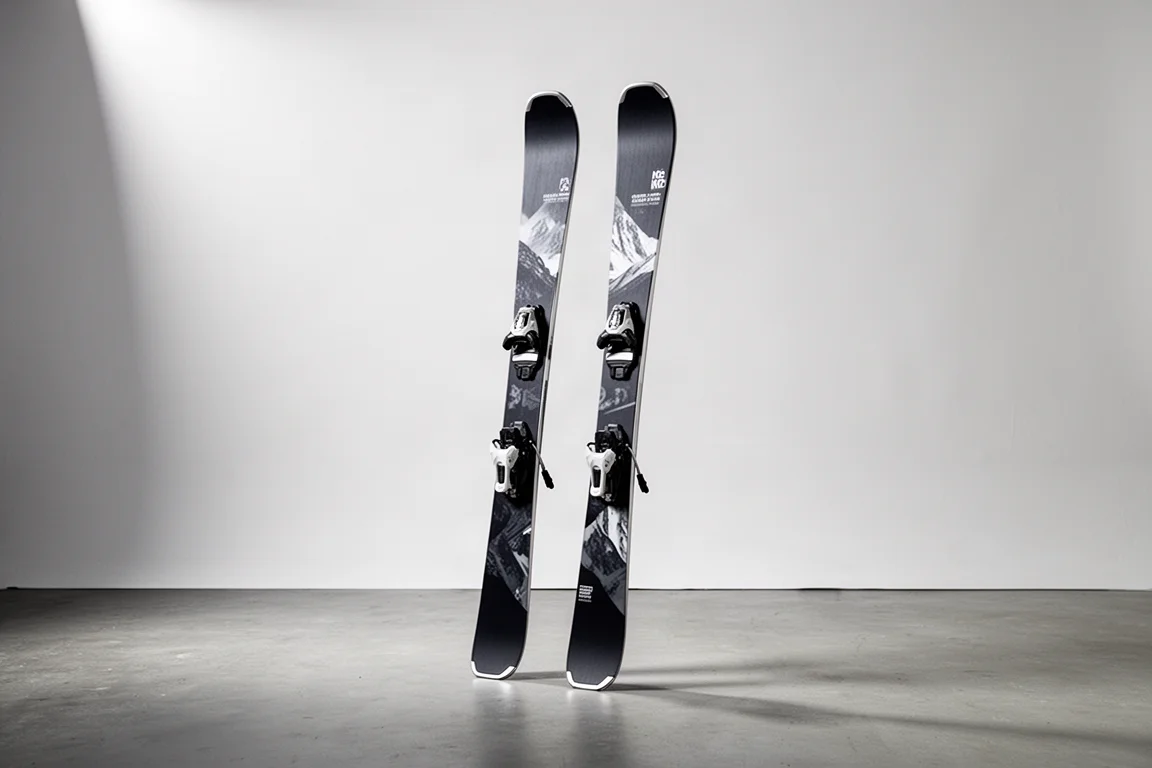
The Kästle DX85 pairs an 85mm waist with a fir and beech core, two metal sheets, and full camber, making it an easy-going but energetic choice for intermediate to advanced skiers on groomed terrain.
Introduction
The Kästle DX85 is one of those skis that does not shout for attention. It sits behind the more prominent MX and FX models in the range, yet it carries much of the same high-end construction and puts that build to work in a package that is noticeably easier to manage. The 85mm waist adds a little width over a pure carving ski for all-mountain versatility, but the ski’s real home is groomed terrain and smooth surfaces.
What makes the DX85 interesting is the combination of traits. The build is burlier than its easy-going personality suggests: two sheets of metal and fiberglass wrap a wood core, the profile runs with full camber tip to tail, and the flex is a touch stiffer than a casual frontside ski. The result is a ski that stays calm and predictable while still returning a lot of energy when it is asked to.
That balance is the core of the pitch. The DX85 is not a detuned version of a race ski, and it is not a soft cruiser either. It is a well-built frontside ski with a rounder, more forgiving character than the stiffer options in the line.
Who the Kästle DX85 Is For
This ski is aimed at intermediate through advanced skiers. It suits someone who has solid fundamentals, spends the majority of their time on groomed runs, and wants a ski that engages early and holds through the turn without demanding constant input.
It also fits a rider who is curious about a fully cambered ski. Many modern all-mountain shapes rely on rocker in the tip or tail, and it is easy to forget how direct a full camber profile feels. The DX85 delivers that sensation: a strong pull into the turn and a lively exit that rewards a confident, progressive edge angle.
If your season is mostly lift-served groomers, morning corduroy, and afternoon chop on smooth surfaces, this is the kind of ski that quietly does everything asked of it. If you are chasing deep snow or spending most of your time off-piste, it is not the tool for the job.
Construction and Materials
The core blends fir and beech, a combination that pairs a stiffer wood with a more energetic one. Around that core sit two sheets of metal plus fiberglass, which is a substantial layup for a ski with such an approachable on-snow feel.
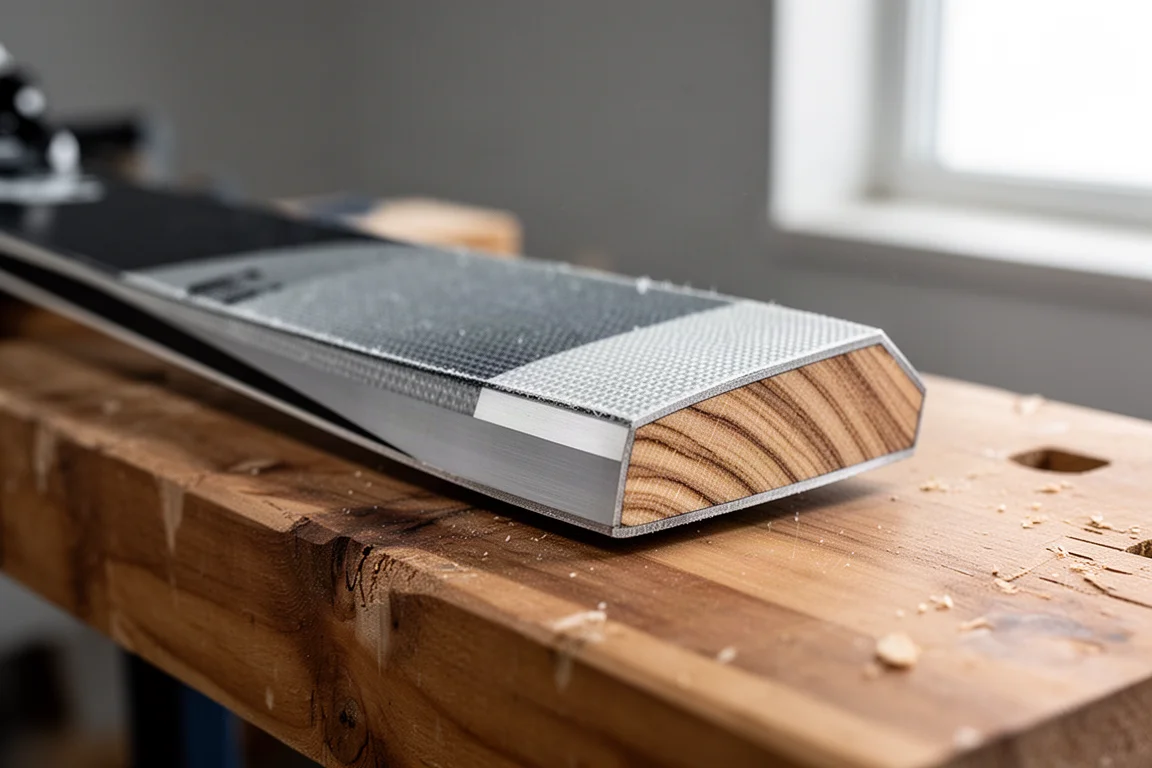
The tip uses a hollow construction that contributes to edge grip at the front of the ski, helping the shovel bite early in the turn. Combined with the slightly stiffer flex, the whole package gives the DX85 a higher-end feel that is consistent with what this range is known for.
The practical takeaway is durability and composure. A metal-laminate ski tends to hold its shape and its edge hold over time, and the DX85 is built with enough material to stay settled when the surface gets firm or when speed picks up.
Shape, Camber, and Turn Radius
The profile is full camber with no rocker in the tip and no rocker in the tail. There is no taper either, which means the widest part of the ski is right at the very end of the tip. That geometry produces immediate engagement: the edge is already in contact when the ski is tipped, so the turn starts without a delay.
In the 168cm length the turn radius is 16.5 meters, which is short for a ski in this width class. It is a rounder overall shape, and it prefers tighter arcs over long, drawn-out carves. The tail is slightly rounded rather than squared off, with just a small amount of splay to help the ski release from one turn and move into the next.
That rounded tail is one of the clearer differences from the stiffer MX and FX shapes. It makes turn-to-turn transitions feel lighter without taking away the grip that the rest of the construction provides.
Terrain and Conditions Where It Shines
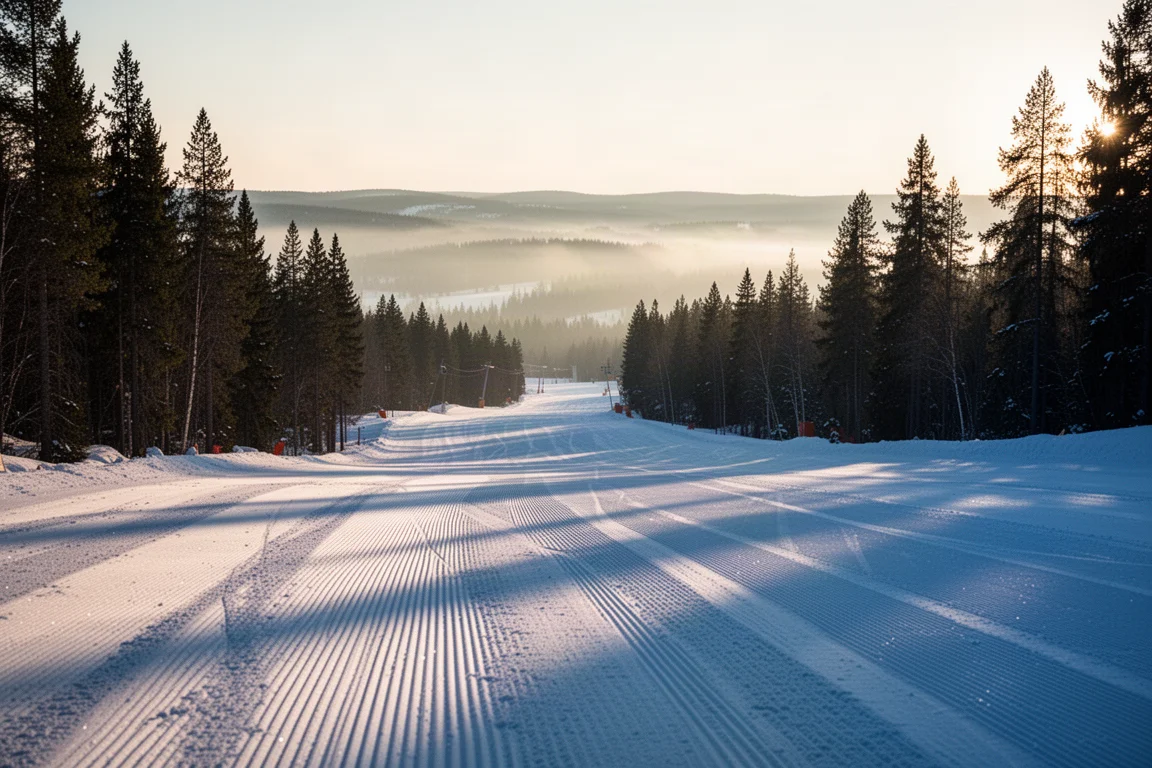
Groomed runs are where this ski makes the most sense. The 85mm waist gives it a bit more platform than a dedicated carving ski, so it handles a wider range of groomed conditions, but it is still at its best on smooth surfaces where the full camber can load and release cleanly.
On firm, well-maintained pistes the edge grip is a clear strength. The camber pushes the whole edge into the snow, and the metal laminate keeps the ski quiet underfoot. The energy that comes back at the end of a turn is the part that tends to stand out most.
Where it gives up ground is anything soft or deep. With no rocker in the tip or tail, there is nothing to help the ski float, and the width is modest compared with wider all-mountain designs. It is a groomer-focused ski first and an all-mountain ski second.
How It Fits the Wider Kästle Line
The DX models tend to fly under the radar next to the MX and FX series. Those stiffer skis want to go hard, and they reward a strong, aggressive pilot. The DX85 takes the same high-end construction language and makes it easier to access.
The differences show up in the shape and the flex. The DX85 has a slightly rounder outline and a more approachable flex, and its tail is more rounded than the squared-off tail found on the MX and FX skis. Everything else, from the wood core to the metal and fiberglass layup, keeps the ski firmly in premium territory.
For a skier who has looked at the stiffer models in the range and wondered whether they would be too much ski, the DX85 is the more sensible entry point. It keeps the grip and the composure, but it asks less of the person standing on it.
Things to Consider Before Buying
The first consideration is terrain. This is a ski built for groomed and smooth surfaces, and it is happiest when it stays there. If your days regularly include fresh snow, tree lines, or soft variable conditions, a wider shape with rocker in the tip would be a better match.
The second is the camber profile. Full camber is engaging and energetic, and it does most of the work in the turn, but it also means the ski is always in contact with the snow. Riders coming from a heavily rockered ski may need a run or two to adjust to how directly the DX85 responds.
The third is fit against ability. The DX85 is described as a choice for intermediate through advanced skiers, which is a wide band. A progressing intermediate will find it manageable, and an advanced skier will find it responsive rather than limiting, provided the focus stays on groomed terrain.
Buying Advice
If your skiing is mostly on-piste and you want a ski that grips early, holds quietly, and gives back energy at the end of every turn, the Kästle DX85 is a strong candidate. The fir and beech core, the metal and fiberglass layup, and the full camber profile add up to a ski with a genuinely high-end feel and a friendly on-snow character.
The decision usually comes down to where you actually ski. Treat the DX85 as a groomed-terrain specialist that can handle the rest of the mountain, and it will not disappoint. Buy it expecting a powder or off-piste ski and you will be working against its design.
For anyone comparing it with the stiffer models in the range, the trade is straightforward: you give up a little top-end aggression and gain a lot of ease. For most intermediate and advanced skiers who spend their time on groomers, that is the better side of the trade.
Conclusion
The Kästle DX85 is an easy-going ski with a serious build behind it. An 85mm waist, a fir and beech core, two sheets of metal, fiberglass, and full camber with no rocker come together in a shape that engages instantly and pulls through the turn with real energy. In the 168cm length the 16.5 meter radius keeps it nimble, and the rounded tail makes each transition feel light.
It is not a deep-snow ski, and it does not pretend to be. It is a frontside ski for intermediate to advanced riders who spend their days on groomed terrain and want a ski that feels composed, responsive, and quietly premium every time they click in.
Product link
View more details for Kästle DX85
This product is mentioned in the review. Check the specifications, options, and compatibility before buying.
View more details for Kästle DX85Further reading
Related Reviews

Skis
Armada Anti Matter 82 W Review: A Light, Approachable All-Mountain Carver
Armada's Anti Matter 82 W pairs a lightweight Karuba and carbon build with an easygoing all-mountain shape, aimed at intermediates through lighter-footed advanced skiers.

Skis
Armada Anti Matter 88W Review: A Light, Playful 88mm All-Mountain Ski Plus Two Alternatives
The Armada Anti Matter 88W returns unchanged in spirit from its Reliance 88C days, and it remains one of the most versatile 88mm skis around. We also look at the Nordica Santa Ana 87 and Anti Matter 92 W as alternatives.

Skis
Armada ARV 100 vs Atomic Bent 100: Which 100mm Freestyle Ski Should You Buy?
Two of the best all-mountain freestyle skis of the season compared: one leans playful and park-ready, the other holds up better everywhere else.