Skis
K2 Sight Review: A Durable Park-Focused All-Mountain Twin Tip
The K2 Sight is a burly, park-leaning twin tip with an Aspen core and carbon-boosted fiberglass. Here is who it suits, what it does well, and what to weigh before buying.
Introduction
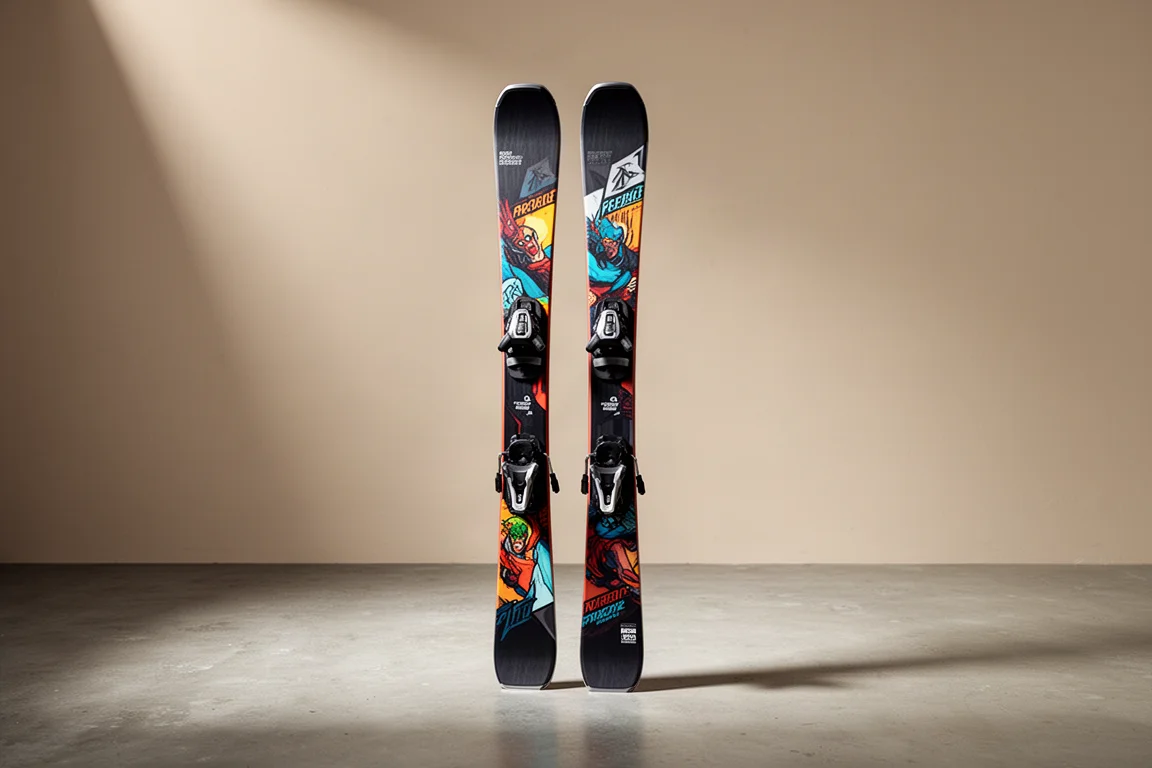
The K2 Sight is an all-mountain twin tip with a deliberate lean toward the park side of the sport, while keeping general all-mountain skiing comfortably within reach. For the current season it returns unchanged apart from a graphic update, which means the shape, core, and build that freestyle riders have relied on for several seasons carry over, with a fresh top sheet aimed at drawing in a new generation of younger park skiers.
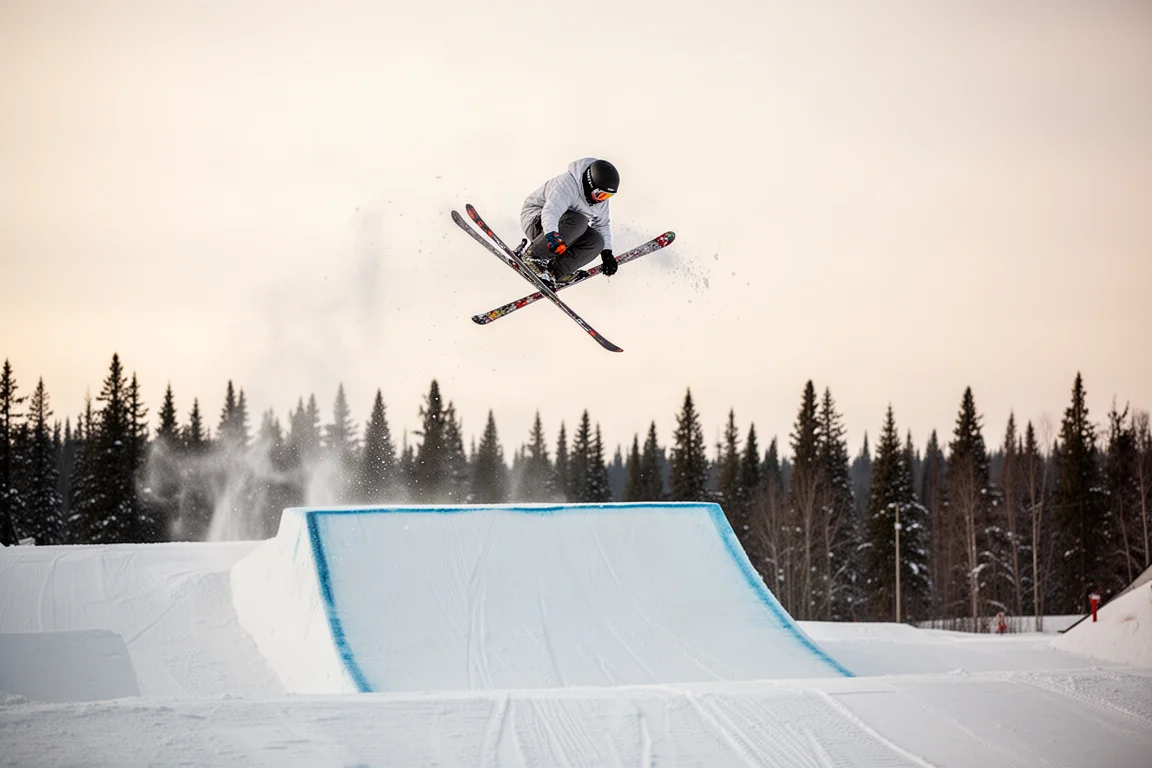
That continuity is worth noting if you are shopping. A ski that keeps its construction year after year is usually one that has found a stable place in its category rather than one chasing trends, and the Sight sits firmly in the durable freestyle twin tip bracket.
Who the K2 Sight Is For
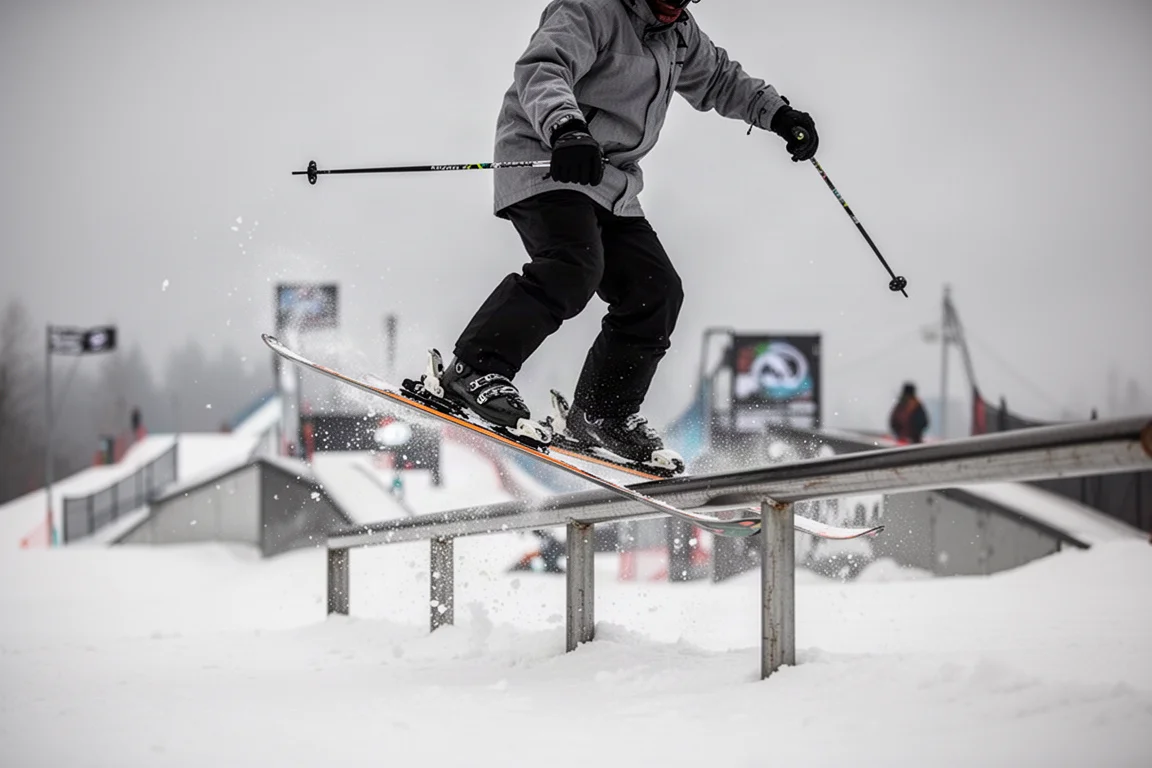
The Sight is built for riders who spend their time on rails, jumps, and drops, and who want a ski that can take repeated abuse across a full season or more without feeling fragile. It suits younger skiers moving into the park for the first time, tweener skiers still growing into their technique, and adults or larger riders working on landing and perfecting tricks as they progress.
It also works for anyone who wants a twin tip that still handles general all-mountain skiing rather than a pure park-only tool. The nearly symmetrical tip and tail give equal confidence riding forwards and backwards, which is exactly what multi-directional freestyle skiing demands.
Main Strengths
Construction and Materials
K2 builds the Sight around an Aspen wood core, a choice that balances light weight with energy and produces a smooth, even feel. Nearly the whole K2 range uses this core, and it works well here because it keeps the ski lively and stable without adding unnecessary bulk.
The core is paired with K2’s Carbon Boost Braid, which infuses carbon stringers into a triaxial fiberglass weave. The fiberglass layup carries a substantial amount of epoxy, and epoxy is heavy, which is part of why this ski feels heftier in the hand than some twin tips. The carbon takes up that slack, adding stiffness, energy, and snap back into the ride without piling on more weight. It is a simple construction executed well.
Shape and Flex
At 88mm underfoot, the Sight is a narrow, versatile freestyle platform. It carries a healthy amount of positive camber underfoot and only minimal rocker, which is a departure from what you would expect from a freeride-oriented ski. What it lacks in rocker depth it makes up for in splay: the tip and tail both flare dramatically into the twin tip shape, and the tail is close to symmetrical with the tip in rocker and splay, even if the shapes differ slightly.
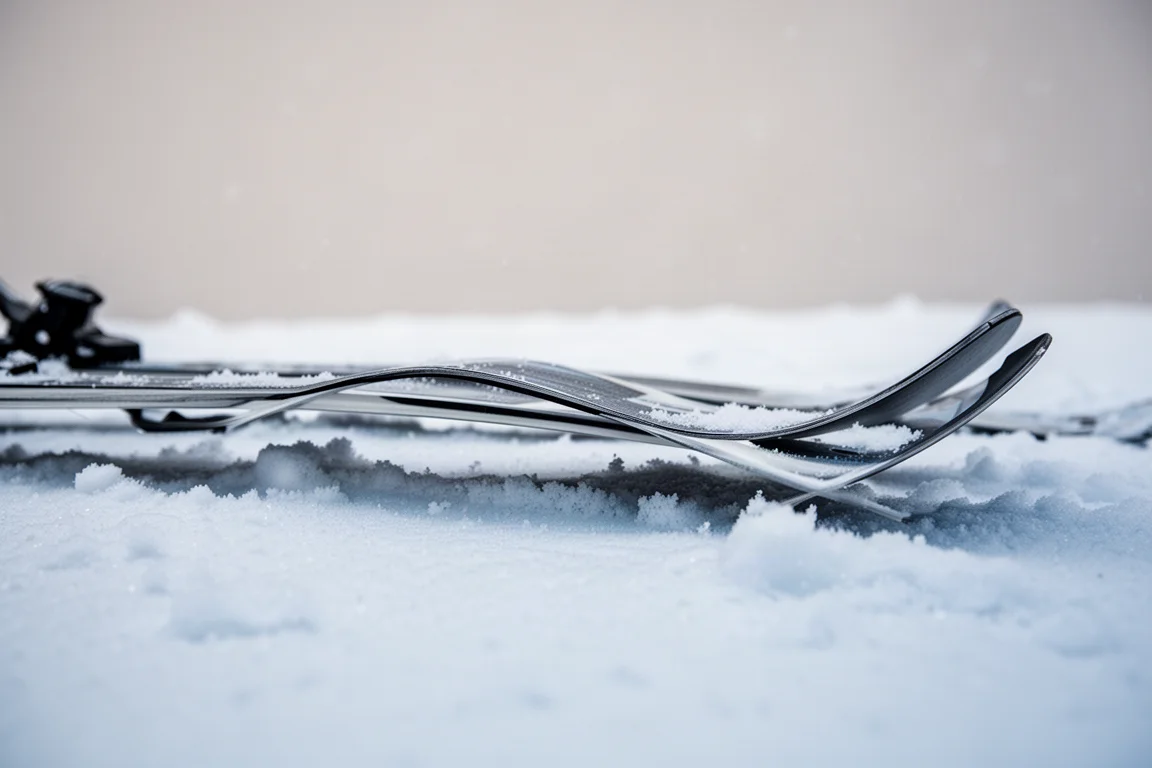
The practical result is a ski that holds a strong edge and feels planted underfoot, while still releasing easily when you want to pivot, press, or land switch. Equal splay front and back translates into equal confidence in both directions, which is the whole point of a multi-directional freestyle ski.
Durability
Twin tips sometimes get a reputation for being light or flimsy, and the Sight is the counterexample. Pick it up and it reads as a burly, rugged ski built to stand up to rails, jumps, big drops, and the general wear that park gear absorbs. If you want one pair that can survive a full season of that kind of use, this is the strongest argument in its favor.
Things to Consider Before Buying
Weight is the main trade-off to understand going in. The 179cm Sight comes in at 1,900 grams, which is on the heavier side for an 88mm underfoot twin tip. That weight comes from the epoxy-rich fiberglass layup, and while the carbon infusion keeps the ski energetic, it does not make it featherweight. The good news is that the extra mass does not make the ski unapproachable. It still feels manageable, and the payoff is stability and a planted ride.
The low rocker profile is the second consideration. This is a park and all-mountain twin tip, not a freeride ski, so if you are looking for a ski that floats and surfs in deep snow, the Sight is not built for that job. Its strengths are edge hold, energy, and durability on groomed terrain and in the park.
There is also the question of what you are actually getting for the season. Because the ski returns unchanged apart from graphics, riders who already own a recent Sight have little reason to upgrade purely on performance grounds, while new buyers get a proven package rather than an unproven redesign.
Buying Advice
Match the ski to how you actually ride rather than to the biggest number on the size chart. The Sight is a good pick if your days are split between park laps and general all-mountain skiing, and if durability over a long season matters more to you than shaving grams. If your priority is lightweight touring or deep-snow float, look elsewhere.
Sizing and Length Options
The Sight comes in a wide range of lengths, including 149, 159, 169, and 179cm. That spread means there is a size for younger and lighter skiers stepping into the park, for tweener skiers in between sizes, and for adults and bigger riders who want a longer platform for landing tricks and progressing. Choosing within that range comes down to your height, weight, and how much of your time is spent in the park versus cruising the rest of the mountain.
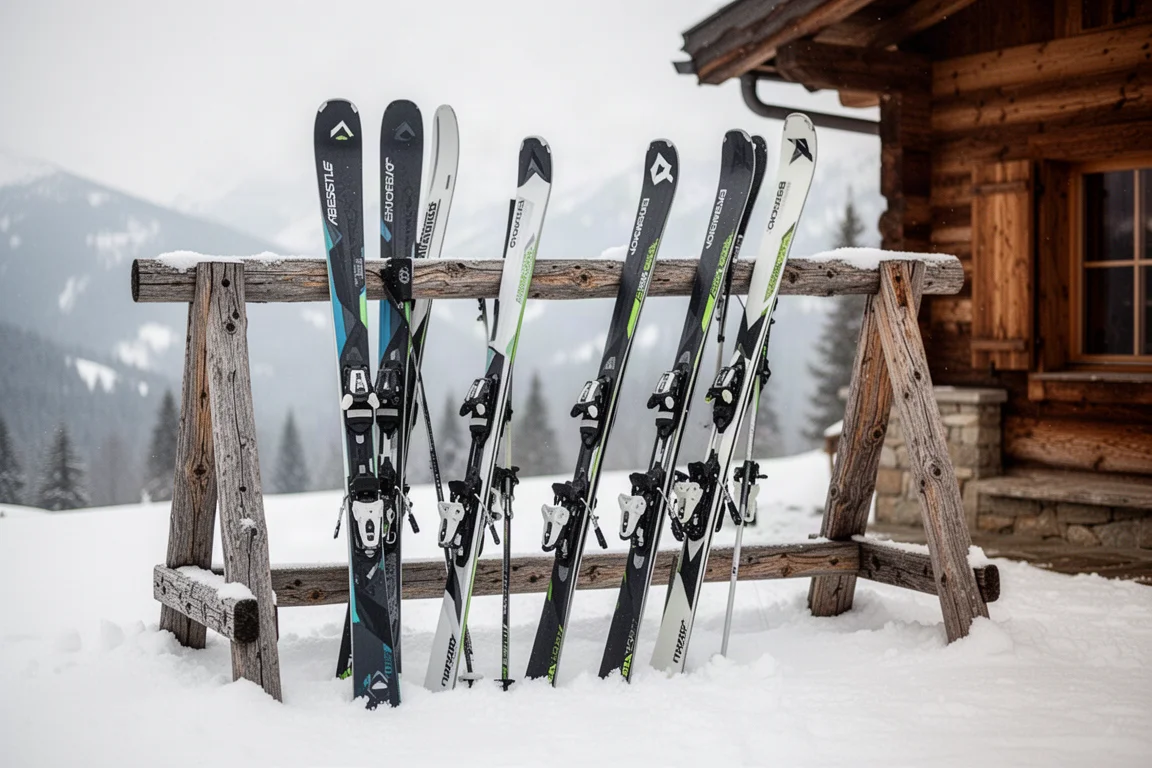
If you are between lengths, think about what you want more of. A shorter option will feel quicker to swing and easier to press, while a longer one gives more stability at speed and on landings. Either way, the construction and shape stay the same across the range, so the character of the ski does not change dramatically from size to size.
Conclusion
The K2 Sight makes a clear case for itself: an Aspen core, carbon-boosted triaxial fiberglass, an 88mm waist, and a near-symmetrical twin tip shape with strong camber and generous splay. It is heavier than some park skis at 1,900 grams in the 179cm length, and its minimal rocker keeps it away from deep-snow duties, but neither of those points undermines what it is designed to do. For riders who want a rugged, durable freestyle twin tip that still handles everyday all-mountain skiing and comes in a length for nearly every skier, the Sight is a confident, low-risk choice.
Product link
View more details for K2 Sight
This product is mentioned in the review. Check the specifications, options, and compatibility before buying.
View more details for K2 SightFurther reading
Related Reviews

Skis
Armada Anti Matter 82 W Review: A Light, Approachable All-Mountain Carver
Armada's Anti Matter 82 W pairs a lightweight Karuba and carbon build with an easygoing all-mountain shape, aimed at intermediates through lighter-footed advanced skiers.

Skis
Armada Anti Matter 88W Review: A Light, Playful 88mm All-Mountain Ski Plus Two Alternatives
The Armada Anti Matter 88W returns unchanged in spirit from its Reliance 88C days, and it remains one of the most versatile 88mm skis around. We also look at the Nordica Santa Ana 87 and Anti Matter 92 W as alternatives.

Skis
Armada ARV 100 vs Atomic Bent 100: Which 100mm Freestyle Ski Should You Buy?
Two of the best all-mountain freestyle skis of the season compared: one leans playful and park-ready, the other holds up better everywhere else.