Skis
K2 Pinnacle 93 Review: A Narrow-Waist All-Mountain and Freeride Blend
A close look at the K2 Pinnacle 93, a 93 mm all-mountain ski with an InfiniCore wood core, two sheets of metal, and a playful shovel that still carves firmly.
Introduction
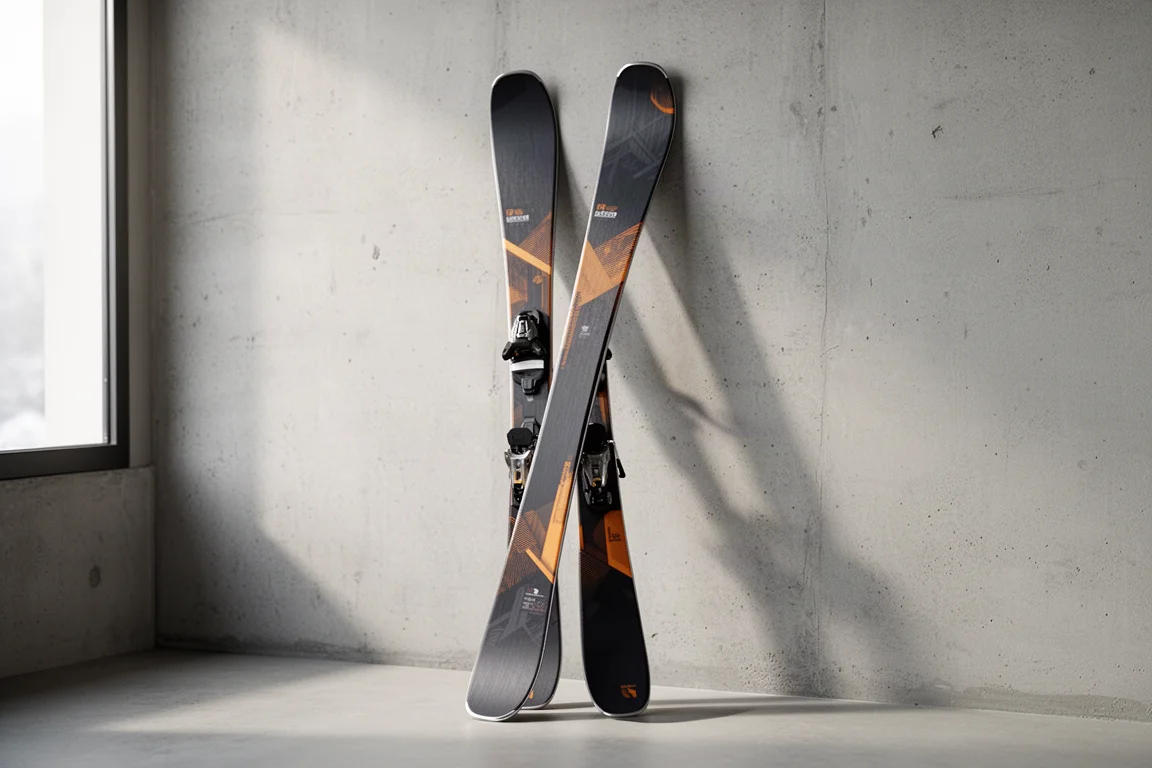
The K2 Pinnacle 93 returns as a carryover model, which means the shape, construction, profile, and graphics are unchanged from the previous season. That is useful context for anyone considering it for the first time: the design has had time to settle.
It is a ski built to blend all-mountain and freeride characteristics at a narrower waist, with 93 mm underfoot. The shovel has a genuinely shapely, tapered profile, yet the ski is also built strong and sturdy, so it carries hints of both categories rather than sitting cleanly in one.
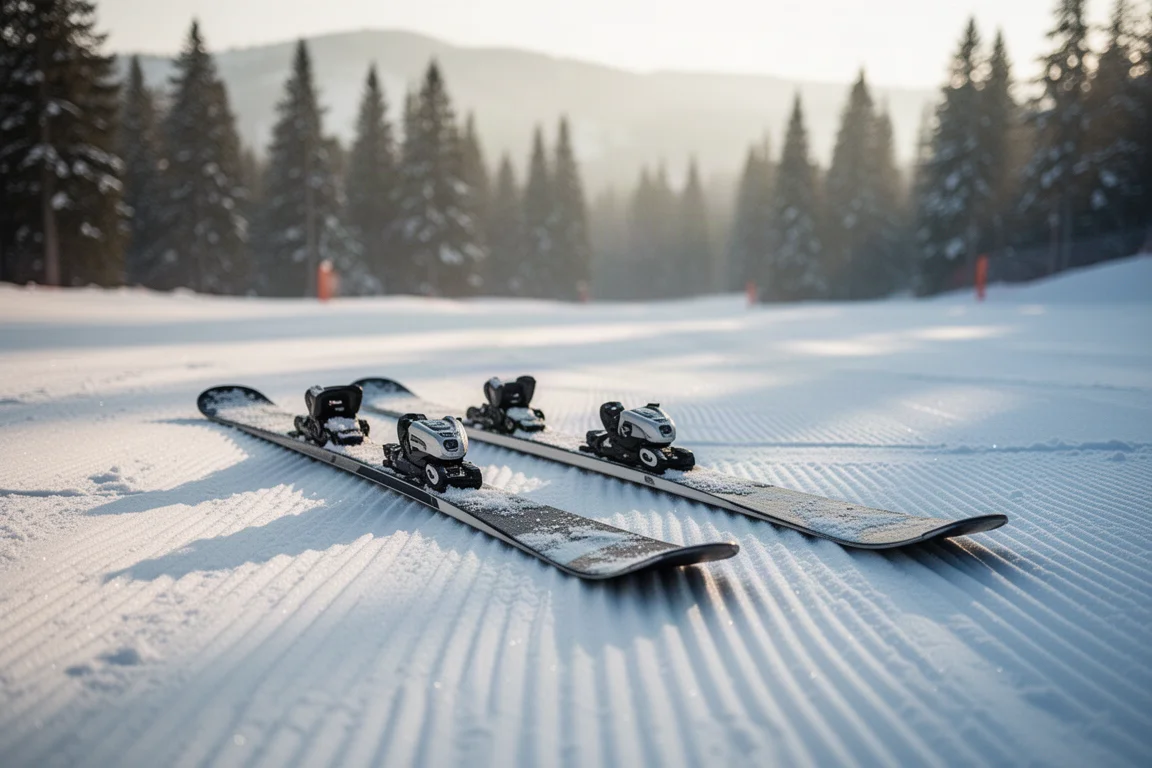
This is also the only ski retaining this particular footprint. The ZX 100 and ZX 92 shared a similar outline, and the ZX line is gone for 2027, leaving the Pinnacle as the model that carries it forward. Wider Paragons exist at 101 and 107 mm, sharing the same overall footprint scaled up or down.
Who This Ski Is For
The clearest use case is variable conditions. If you ski a mountain where you do not know what the day will deliver, a few inches of new snow in the morning and firm groomers by afternoon, or a surface that changes as you move around the hill, a ski like this makes sense because it mixes attributes rather than optimizing for one.
It suits skiers who want a strong, sturdy platform that still has a playful front end. It is also a reasonable fit for advanced skiers who like to vary turn shape and style rather than lock into one radius all day. At 93 mm underfoot it is not aimed at deep-snow days; the wider models in the family cover that ground.
Main Strengths
Construction and Core Technology
The core is built with InfiniCore technology, which uses very thin stringers of poplar, beech, and paulownia. That is three different wood types in one ski, combined with two sheets of metal. The metal does most of the heavy lifting when it comes to damping and stability.
Hollowtech in the tip reduces mass at the very end of the ski. Less mass there means less vibration, which helps keep the ski relatively chatter free. The result is a construction that feels sturdy and planted on snow without becoming vague underfoot. At 170 cm, the ski weighs just under 1,800 g.
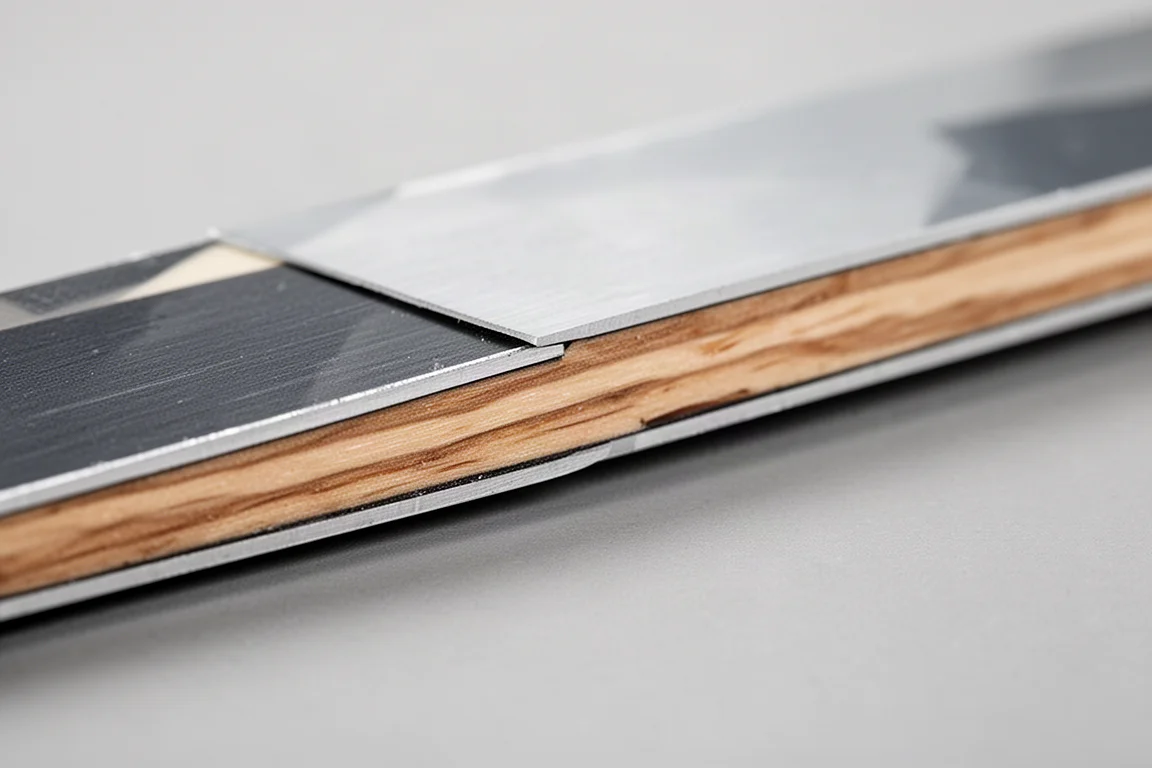
That combination matters more than any single element. The thin wood stringers keep the core profile relatively slim, while the metal layers give the ski its composure.
Shape and Flex
Flex is fairly consistent through the ski, with one deliberate exception: the shovel is slightly softer, right where it contacts softer snow. That lets the front end ride up and play over fresh snow. Through the tail and underfoot the ski is stiff, even with that relatively thin core profile.
Underfoot there is positive camber, and it is a stiff camber. In the tip there is quite a bit of rocker, more drama in that tip shape than you find on many skis in the low to mid 90s that also use two sheets of metal. There is also a good amount of taper in the shovel, with the widest point brought well down the ski. Together, the rocker and taper keep the tips up and off the snow.
Behind the shovel the design becomes more traditional. Some tail rocker, but not a lot, and only a little tail taper. The net effect is a ski that is more directional in the rear and more playful and creative in the front.
Turn Versatility
The 170 cm length measures 93 mm underfoot with a 14.6 m turn radius. Radius increases as length increases, so a longer ski will arc on a larger natural arc.
What stands out is how willingly the ski moves between turn shapes and styles. It is happy to run and make longer, GS-style turns on firmer snow, where it feels closer to a race ski than its width would suggest, even though it is far too wide to actually be one. It is equally comfortable being drifty, smeared, or skidded, and it handles moguls and anything else that requires more technical turning. Crucially, it is not locked into its stated radius.
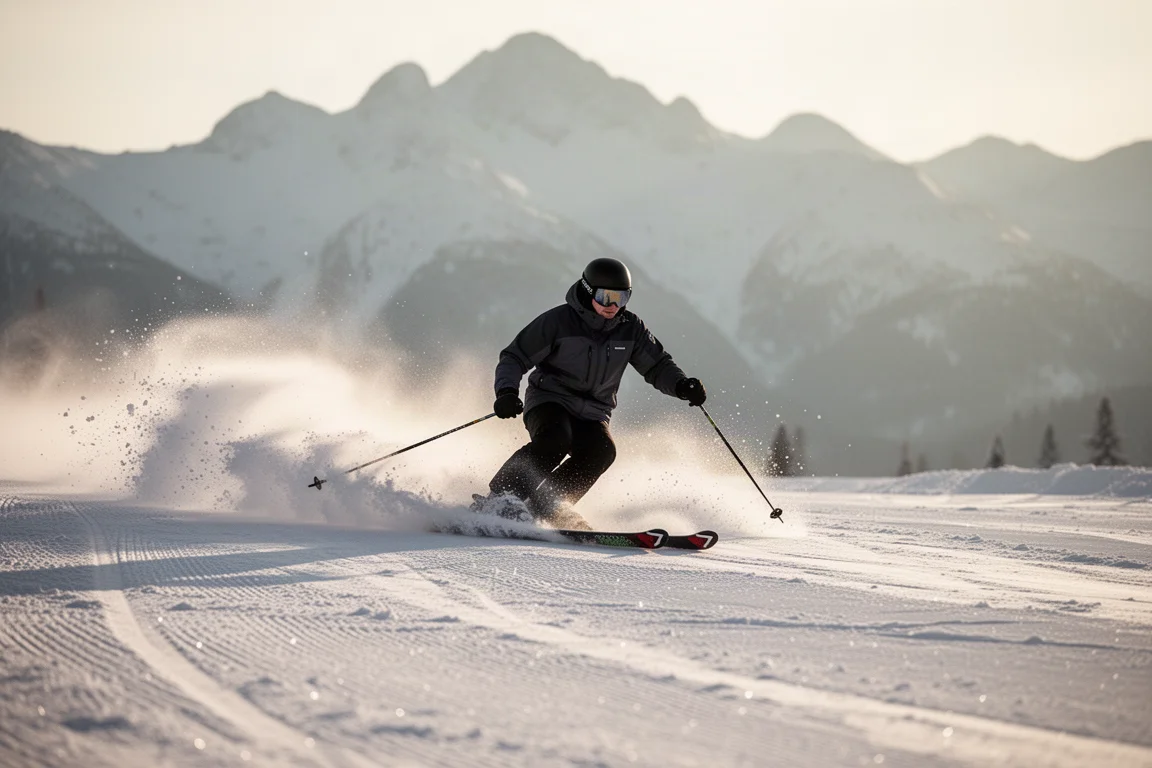
That range comes from the split personality described above: a strong, sturdy rear and a more playful front. On firm snow the ski carves with authority; in softer snow the shovel keeps it afloat.
Things to Consider Before Buying
- This is a carryover model. Shape, construction, profile, and graphics are unchanged from the previous season, so there is no new-generation update to wait for.
- It is not a deep-snow specialist. At 93 mm underfoot it handles a few inches of fresh snow well, but the wider options in the family, at 101 and 107 mm, are the ones for bigger snow days.
- The build favors sturdiness over light weight. Two sheets of metal and a multi-wood core give it a planted feel, and the 170 cm length comes in at just under 1,800 g.
- The stated turn radius changes with length, so the 14.6 m figure applies to the 170 cm version rather than the whole range.
- The ZX models that shared this footprint are gone, so if you were cross-shopping that line, the Pinnacle is the remaining option in this shape.
Buying Advice
Start with length. The 170 cm version is the one with published detail here, at 93 mm underfoot, just under 1,800 g, and a 14.6 m radius, and the radius grows as the ski gets longer. Skiers who want a tighter natural arc should lean shorter; those who want a longer, more GS-like arc should lean longer.
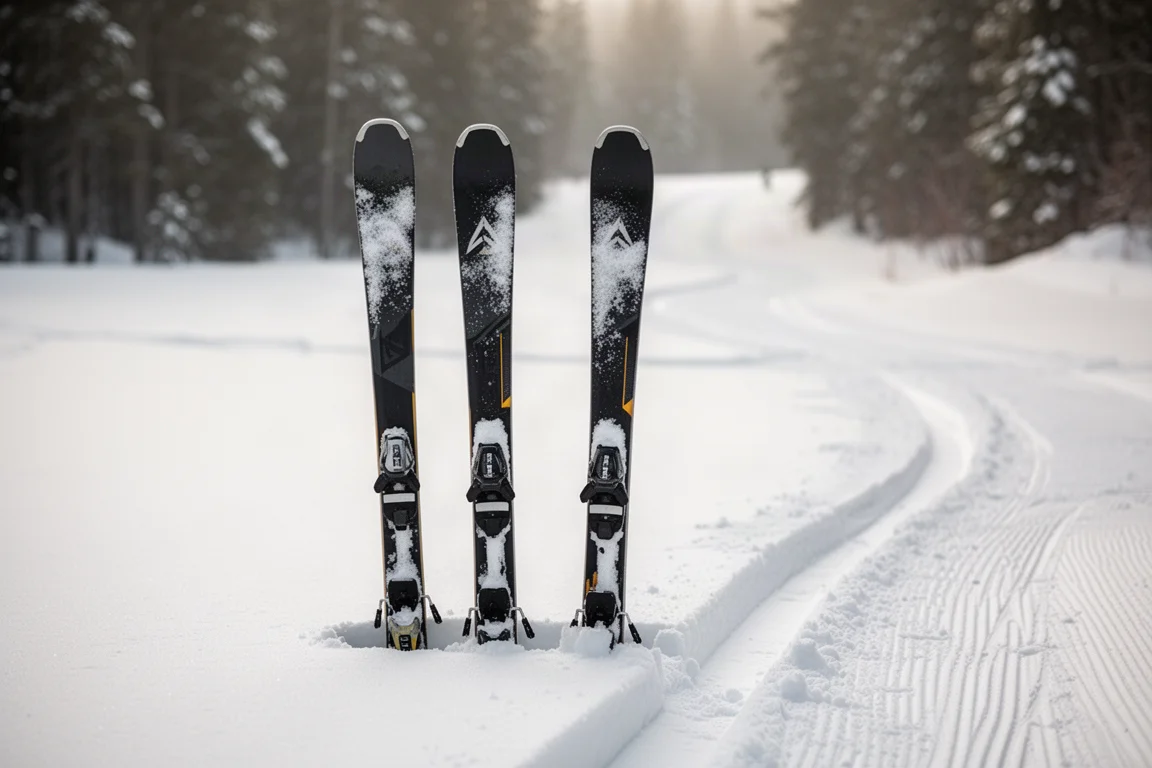
Beyond length, the decision is mostly about the kind of days you actually ski. If your season is a mix of firm groomers, afternoon chop, and occasional small snowfalls, this blend of sturdy construction and a playful shovel is exactly the point. If you spend most of your time hunting deep snow, the wider models in the same family are the better match.
Conclusion
The K2 Pinnacle 93 blurs the line between all-mountain and freeride. Two sheets of metal and an InfiniCore core of poplar, beech, and paulownia give it a strong, damp, planted character, while tip rocker and a tapered, slightly softer shovel give it float and a playful front end. It carves firmly enough to feel race adjacent, yet it is not locked into a single turn shape.
For skiers who ride variable conditions and want one ski that covers firm snow and light fresh snow without specializing in either, it is a coherent, well-resolved design. Just size it deliberately, and know that its limits start where the snow gets deep.
Product link
View more details for K2 Pinnacle 93
This product is mentioned in the review. Check the specifications, options, and compatibility before buying.
View more details for K2 Pinnacle 93Further reading
Related Reviews
Skis
Armada Anti Matter 82 W Review: A Light, Approachable All-Mountain Carver
Armada's Anti Matter 82 W pairs a lightweight Karuba and carbon build with an easygoing all-mountain shape, aimed at intermediates through lighter-footed advanced skiers.
Skis
Armada Anti Matter 88W Review: A Light, Playful 88mm All-Mountain Ski Plus Two Alternatives
The Armada Anti Matter 88W returns unchanged in spirit from its Reliance 88C days, and it remains one of the most versatile 88mm skis around. We also look at the Nordica Santa Ana 87 and Anti Matter 92 W as alternatives.
Skis
Armada ARV 100 vs Atomic Bent 100: Which 100mm Freestyle Ski Should You Buy?
Two of the best all-mountain freestyle skis of the season compared: one leans playful and park-ready, the other holds up better everywhere else.