Snowboarding
K2 Embassy Snowboard Review: One Board for Everything
The K2 Embassy combines camber drive with rocker ease, aiming squarely at intermediate riders who want a single do-it-all directional twin.
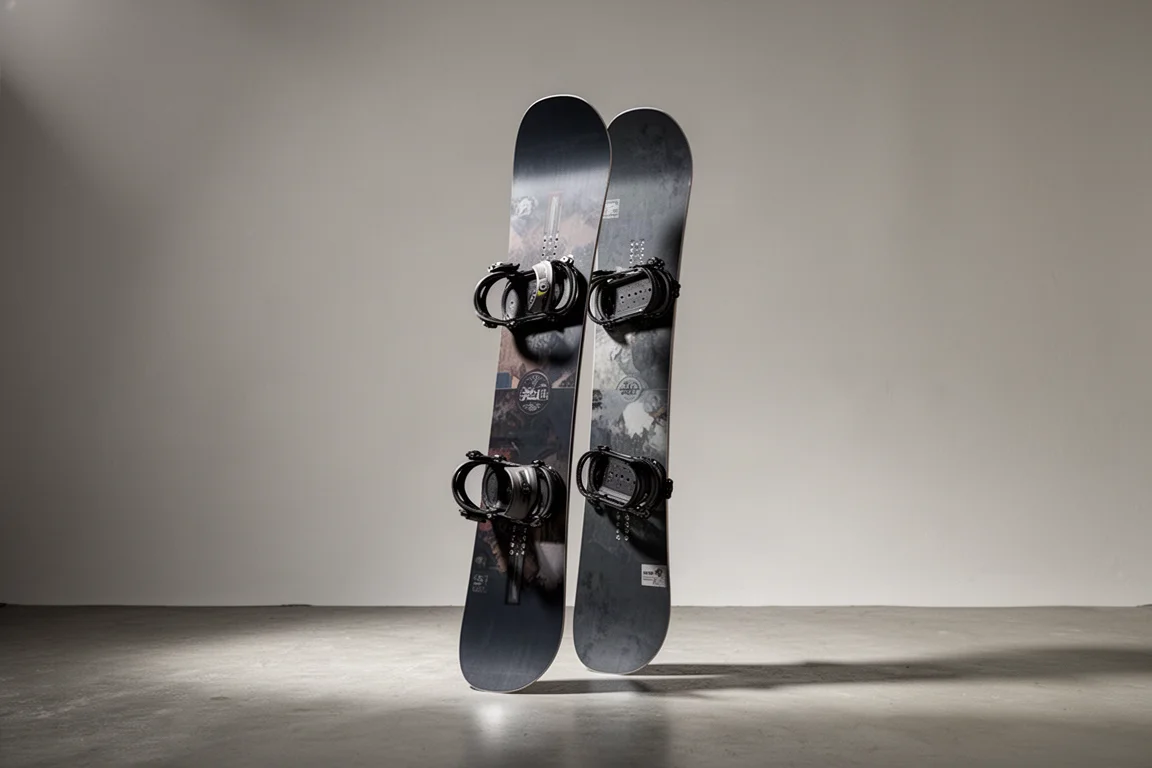
Introduction
The K2 Embassy is built for one specific kind of rider: the intermediate snowboarder who wants a single board that can handle the whole mountain and a park lap without complaint. It is a directional twin with K2’s twin combination camber profile, sized from 149 up to a 165 wide, and it aims to blend camber drive with rocker forgiveness rather than committing fully to either.
If you are tired of swapping between an all-mountain deck and a park board, this is the category the Embassy is aiming at. Here is how it performed on snow.
First Impressions on Snow
The test day at Copper Mountain delivered warm sun, fast-packed snow at the top of the mountain, and thinning cover lower down with exposed dirt patches and rocks. That kind of mixed surface is a genuine stress test, and the Embassy handled it well.
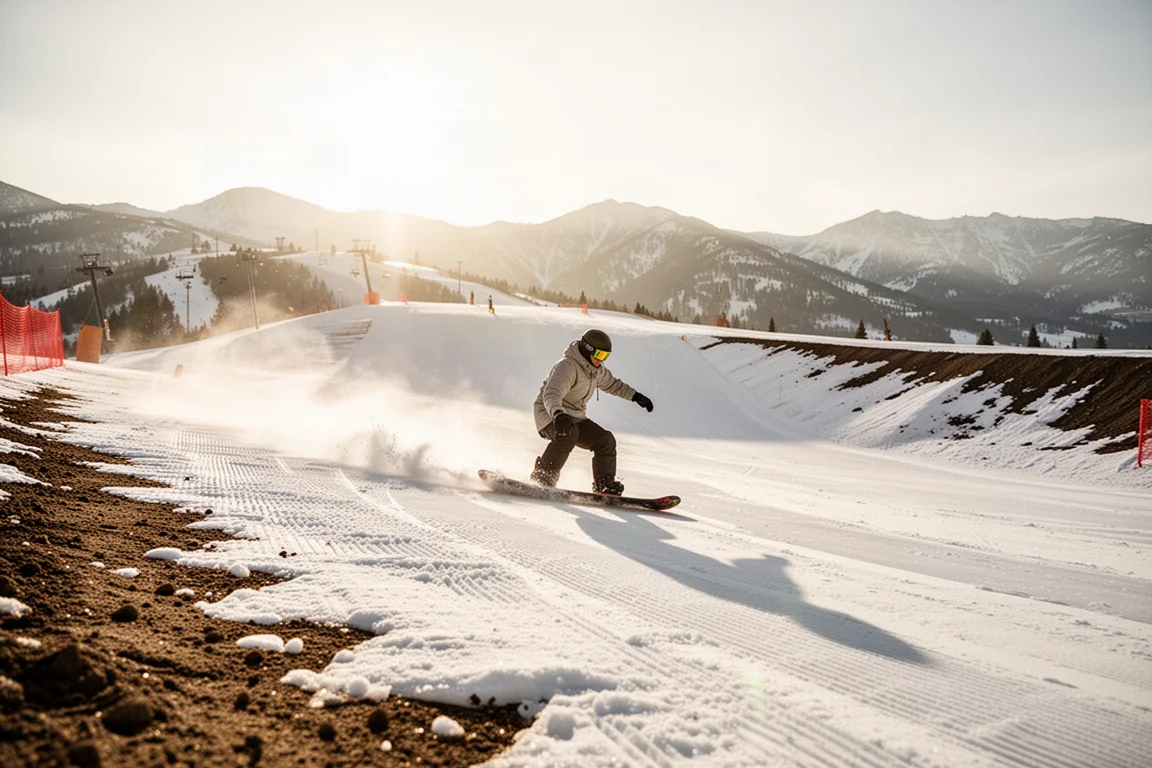
Staying toward the top of the mountain, the snow stayed soft but fast, and the board rewarded aggressive carves. Push too hard on the lower, crustier sections and you would feel the hard pack underneath, but the board’s damping kept most of that feedback from being punishing.
Twin Combination Camber Profile
The Embassy uses a camber profile between the feet that extends out past the inserts, with rocker on the nose and tail. In practice, that means you get the drive, stability, and pop that camber is known for, while the rocker zones ease turn entry and exit and help with float when you find fresh powder.
It is a familiar recipe for a do-it-all board, and it works. The camber section gives the board plenty of grip on firm snow, and the rocker tips keep it forgiving when you are not riding perfectly.
Flex and Feel
Overall flex sits a touch stiffer than the middle of the road on the larger sizes. On a 157 the tester expected it to feel right at mid-stiffness; on the 162 it rode slightly stiffer. Working out toward the nose and tail, the flex softens noticeably, because the hinge point where the rocker meets the camber is where the board wants to bend.
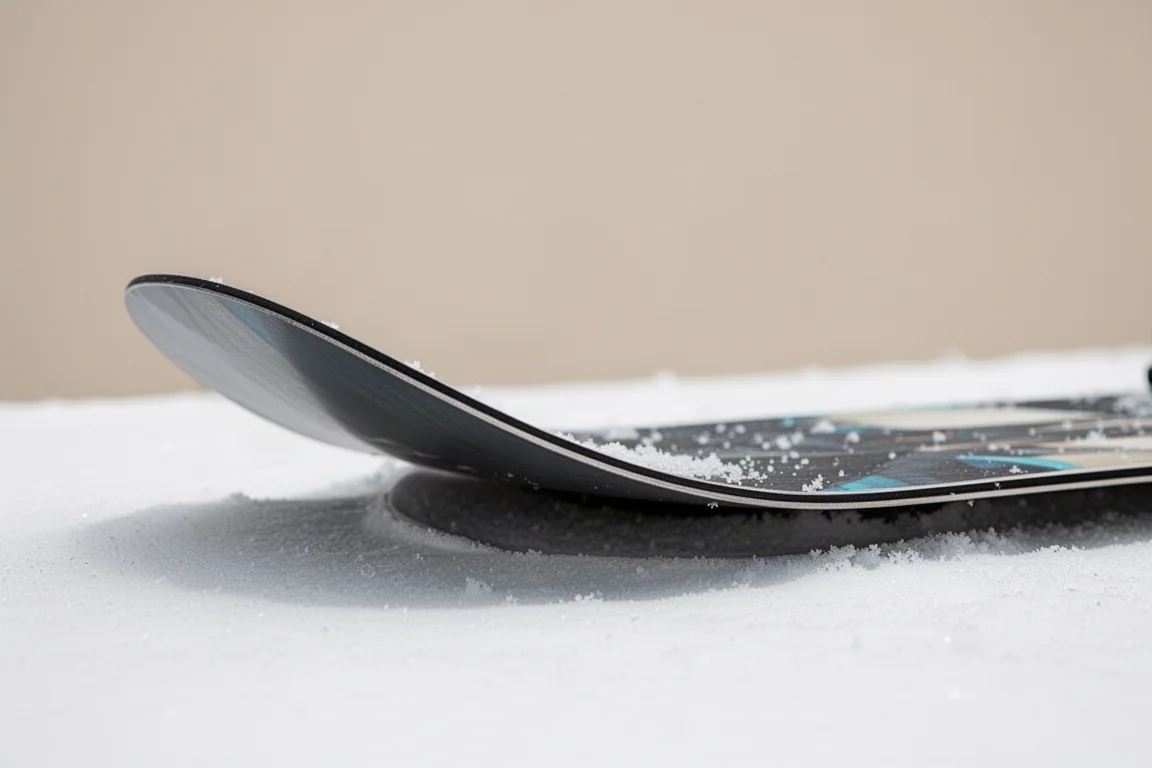
Torsional flex matches the overall feel, so foot steering takes a bit of effort, which in turn supports stability at speed. The board is also on the damper side: icy patches at the bottom were audible through the deck rather than felt, and the lively chatter you might get from a stiffer deck was largely absent.
Pop, Ollies, and Jumps
Pop is a highlight. Despite riding the 162, the tester could load the board like a regular ollie and get a clean, predictable launch. Because it lacks aggressive stiffening agents, the flex feels fluid rather than violently snappy, so it does not buck you in unexpected directions.
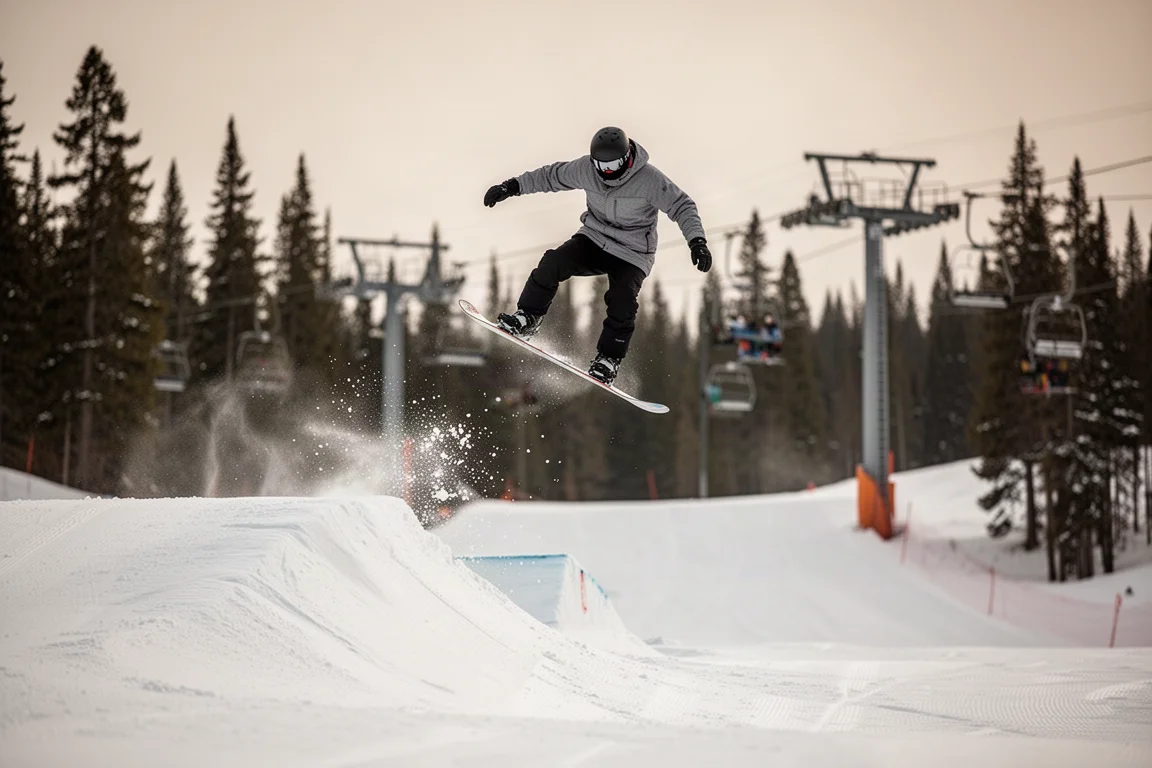
On jumps, the Embassy handled a medium line without issues, and spinning was not hampered by the length. The longer size actually helped on landings, ploughing through chop and blown-out landings from under-rotated tricks. Rollers and side hits cleared easily, dirt patches and all. It is not the loudest pop in its class, but it is confidence-inspiring and consistent.
Buttering and Jibs
Buttering takes work on the bigger sizes. The hinge point where rocker meets camber gives you clear feedback that you are pressing, and there is a slight pop-out to help you out of tricks, but expect to throw real weight into the tail or nose on anything above 159. In a properly matched size, this would be much easier.
Rails were the biggest adjustment. On the oversized test board, jibbing required focus and speed to avoid slipping out on tail presses, which were harder than nose presses. Board slides felt comfortable thanks to the wider surface, and the board cradled the rail rather than loading up and launching you off awkwardly. In your correct size, the clipping and slipping issues should largely disappear.
Carving and All-Mountain Performance
This is where the Embassy shines. On short, quick carves it was fast and responsive with no lag, and on medium carves it simply pushed through everything. Larger carves have a top speed ceiling: on uneven patches at full charge the board can get a bit bucked, so staying low helps. In euro carves, keeping your weight centered over the rocker zones produced the most stable results; shifting back let the tail flex unpredictably.
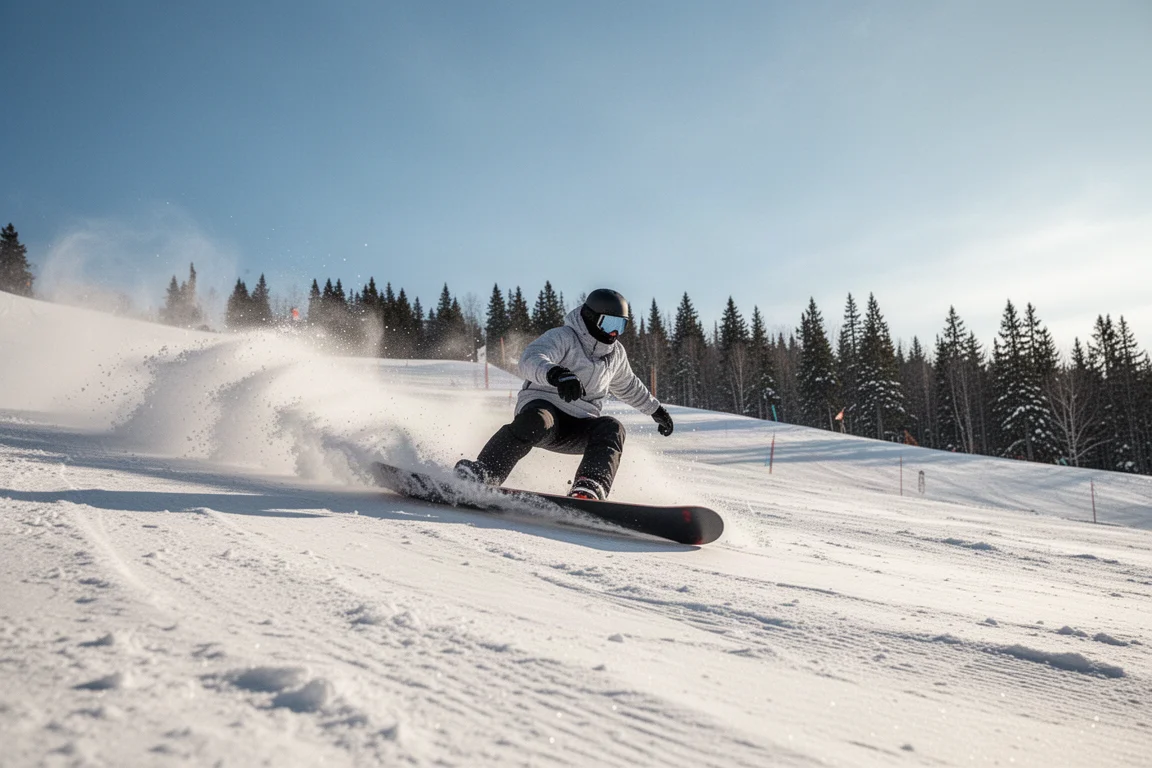
For a directional twin that is not aiming to be an aggressive charger, the carving performance is genuinely impressive and arguably the board’s strongest suit.
Who the K2 Embassy Is For
The Embassy is designed for the intermediate rider with a one-board quiver. It needs to take them all mountain, into the park, and everywhere in between, and the Embassy is built to do exactly that. Riders a bit below the intermediate level can also grow into it, since it will not hold them back and should help them progress through the season.
Riders who want a board with more aggression and bite may find it a touch mellow, but for its intended audience it is a solid, versatile platform.
Buying Advice
If the Embassy interests you, compare it against similar directional twins such as the Capita Mercury, the Salomon Assassin, and the Ride Shadowban. For bindings, the K2 Edition, Union Force, and Jones Meteorite are recommended pairings. Sizing matters a lot with this board: riding it too big makes butters and rails noticeably harder, while the correct size unlocks the easier, more forgiving ride it is meant to deliver.
Conclusion
The K2 Embassy is a solid, well-rounded directional twin that does everything reasonably well and carving exceptionally. It will not blow away riders chasing maximum pop or aggression, but for the intermediate rider who wants one dependable board for the whole mountain, it is an easy recommendation.
Product link
View more details for K2 Embassy
This product is mentioned in the review. Check the specifications, options, and compatibility before buying.
View more details for K2 EmbassyFurther reading
Related Reviews
Snowboarding
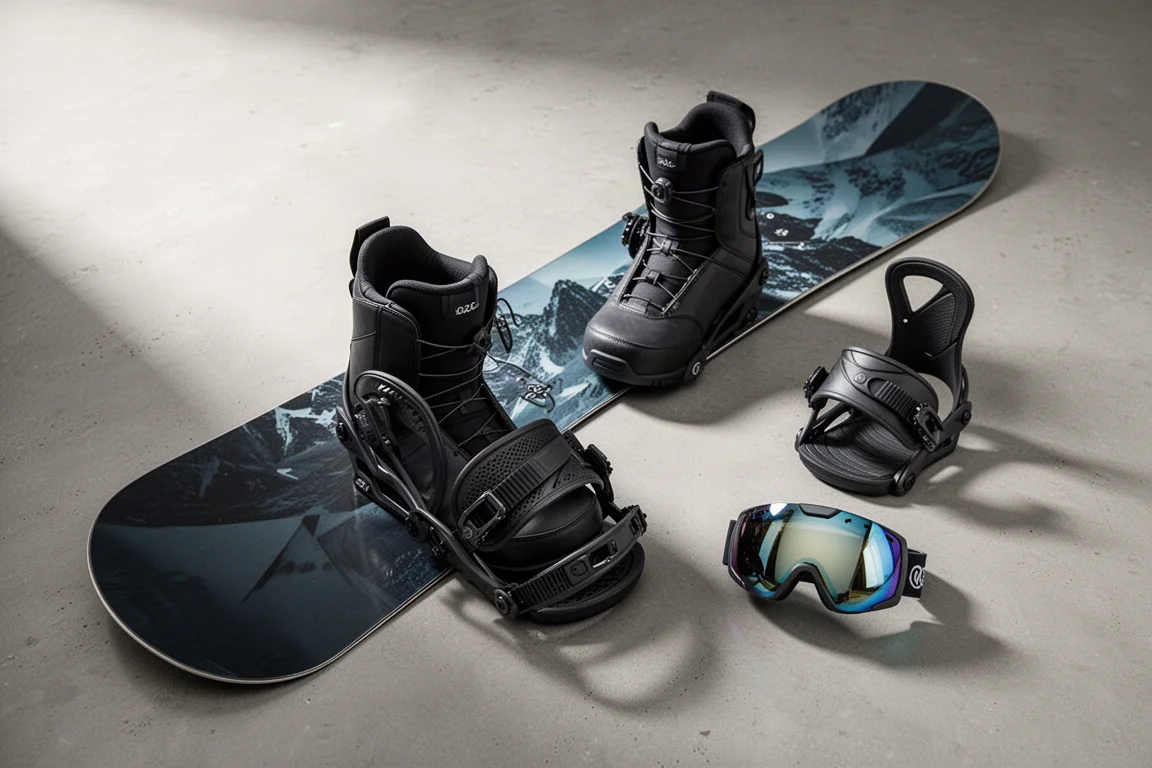
2025 Snowboard Gear List: Five Picks That Earned Their Place on the Mountain
From Zeiss-lens goggles to a hybrid step-in binding, here are five pieces of 2025 snowboard gear that held up across a full season of riding.
Snowboarding
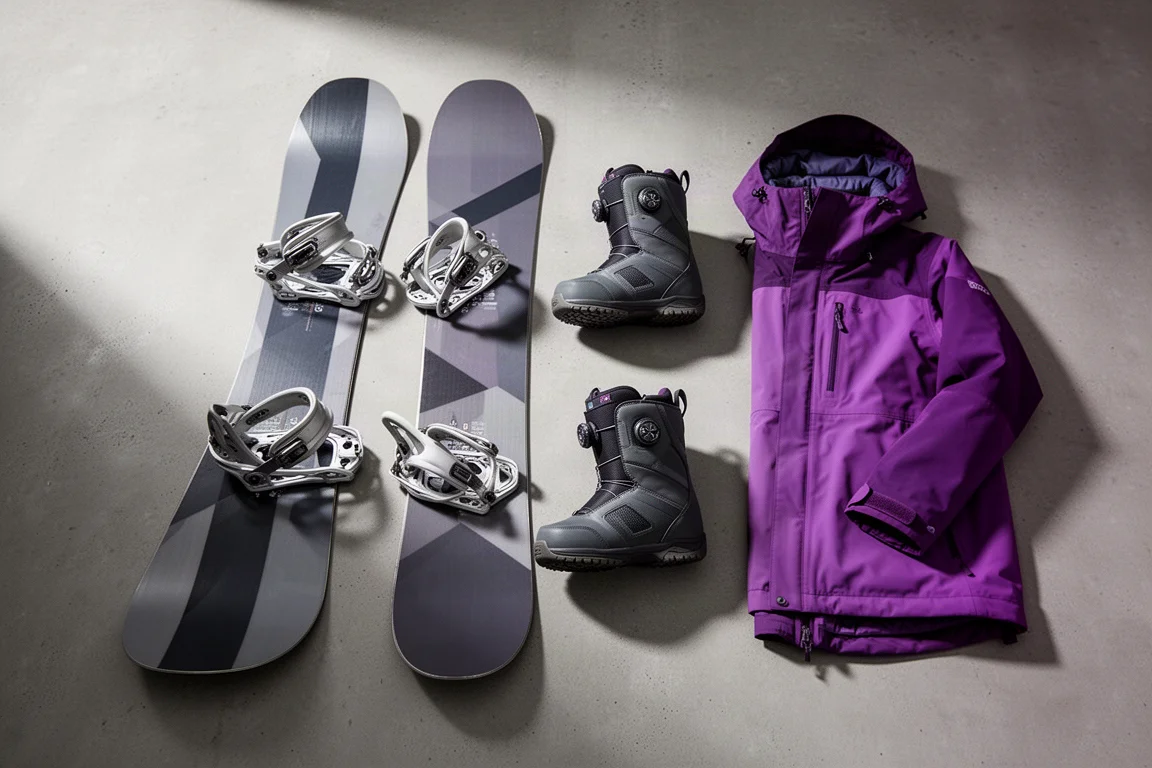
2026 Snowboard Gear List: Boards, Bindings, Boots and Outerwear Worth a Look
A season-ready snowboard setup built from the bottom up: base layers, Strafe outerwear, Ride and Union boots, Union bindings, and two new Capita boards.
Snowboarding
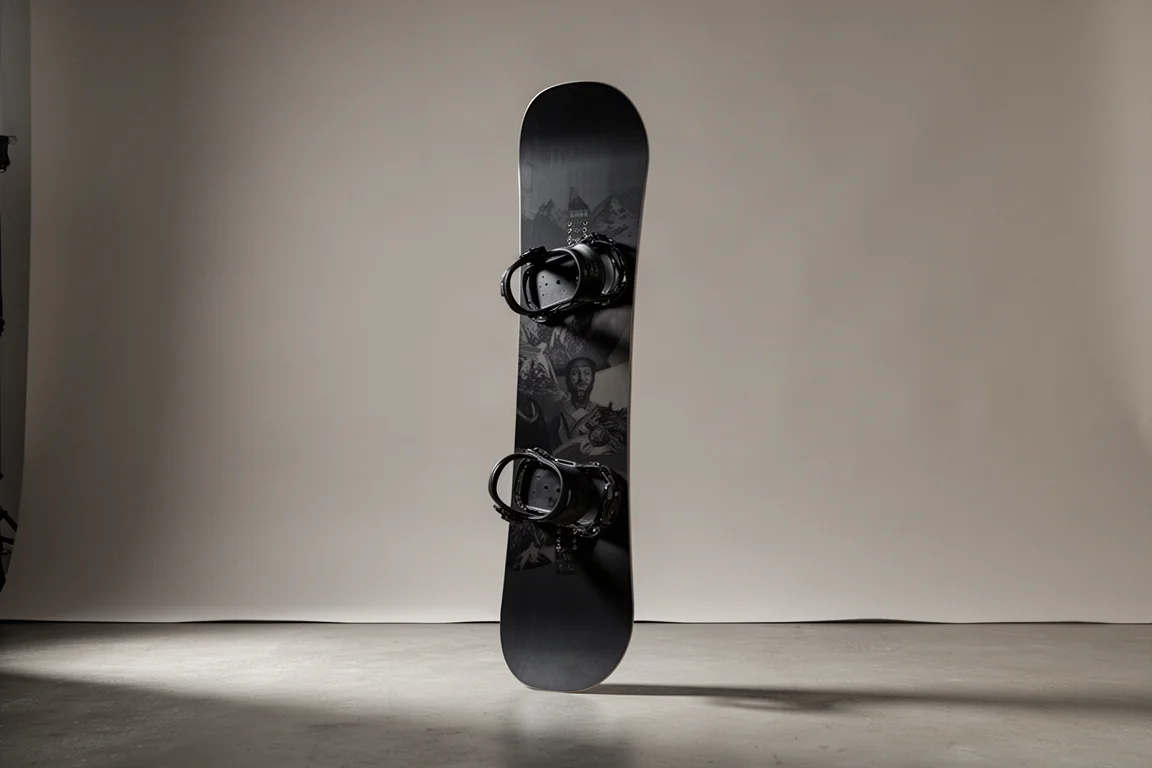
32 Cold World Review: A Playful Hybrid Camber Board for Park Laps
The 32 Cold World blends classic camber underfoot with flat nose and tail sections for a predictable, butter-friendly ride aimed at intermediate park riders.