Skis
K2 Disruption 75W Review: A Beginner to Intermediate Ski With a Higher-End Feel
A close look at the K2 Disruption 75W, a women's ski that filters higher-end construction into a value-focused package for beginner and intermediate skiers.
Introduction
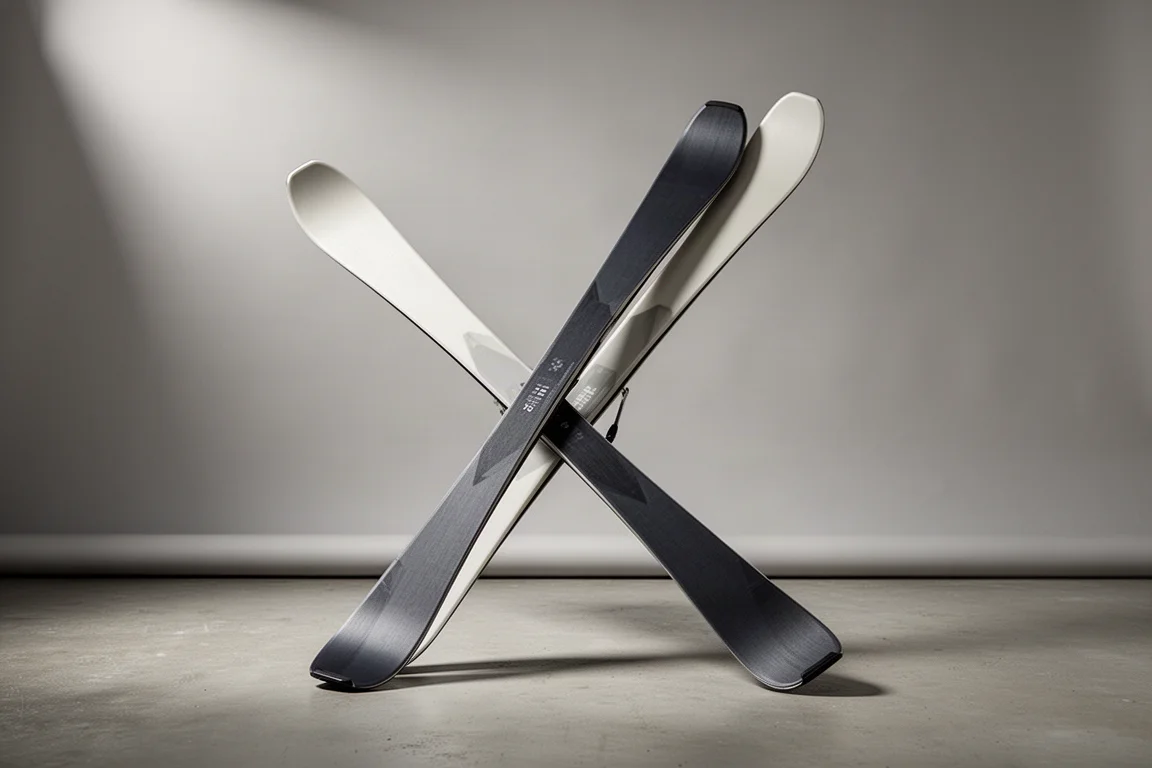
The K2 Disruption 75W is a women’s ski built for the beginner to intermediate part of the spectrum. It is designed to be easy to use while still carrying a more refined feel than a typical entry-level ski, largely because K2 borrows technology from its higher-end Disruption models and filters it into this more accessible build.
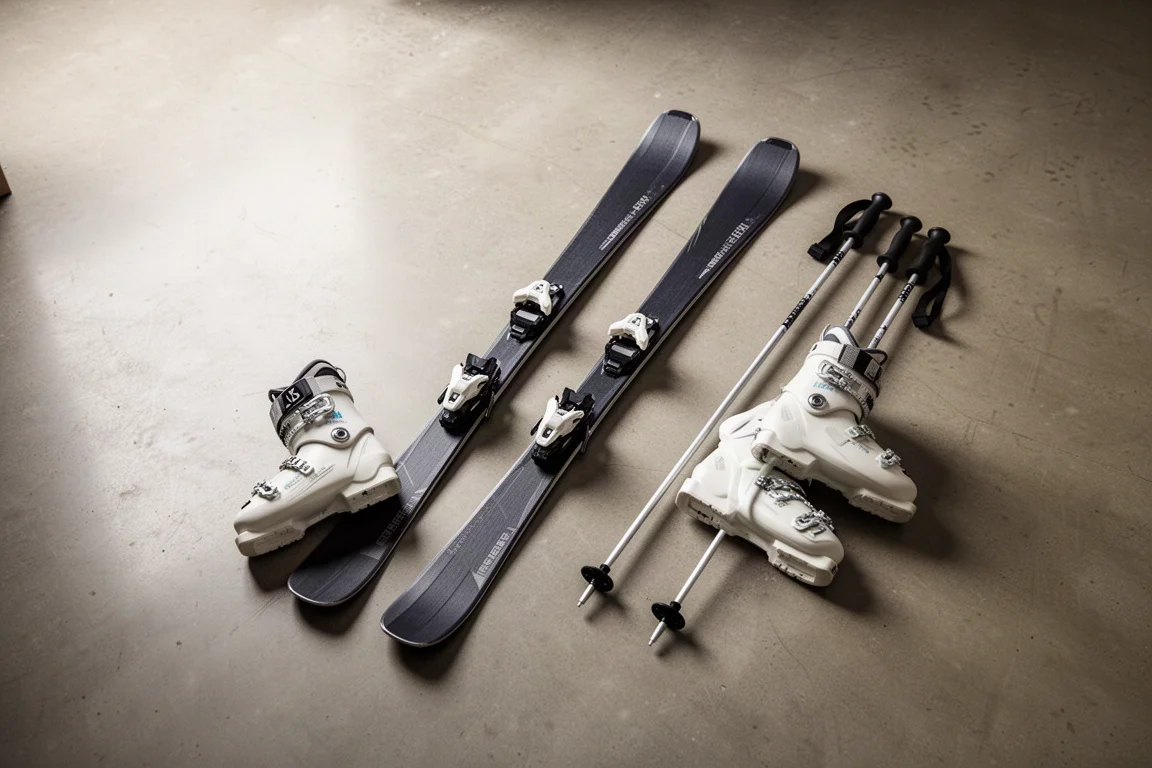
That combination matters for anyone shopping for a first pair. The 75W is a substantial step up from a rental ski, and it is positioned as a value-oriented option rather than a stripped-down starter ski. It comes with bindings as a package, and K2 also offers a fuller setup with boots and poles, which makes it a realistic starting point for a skier who wants to own equipment instead of renting every season.
Who the K2 Disruption 75W Is For
This ski suits an emerging skier who is learning how to link carved turns and wants a platform that feels stable and predictable while confidence builds. It is also a good fit for a woman who spends most of her time on groomed terrain and wants a ski that will hold up over several seasons rather than a one-season compromise.
Because the construction favors durability and an easygoing feel, the 75W works well as a first purchase. It is not a straight-up beginner ski, so it leaves room to progress, but it is also not demanding enough to punish a skier who is still developing technique.

Riders who mostly follow groomed runs, take the occasional lesson, and want equipment that feels consistent from one weekend to the next are the core audience here.
Main Strengths
Three things define this ski: a composite core paired with an I-beam through the middle, a cap construction that keeps the whole package tight and durable, and a shape that balances easy turn initiation with a slightly longer, more controlled turn radius.
Composite I-Beam Core and Dampness
The higher-end Disruption skis use either a titanal I-beam or a carbon I-beam. The 75W uses a composite I-beam instead, which means the composite core is reinforced along the central spine of the ski and then taken edge to edge underfoot.
The result is more dampness and a more premium feel than the core alone would provide, without the weight penalty that comes with metal. For a developing skier, that shows up as extra stability in the forebody and tail and reliable edge-to-edge grip underfoot.
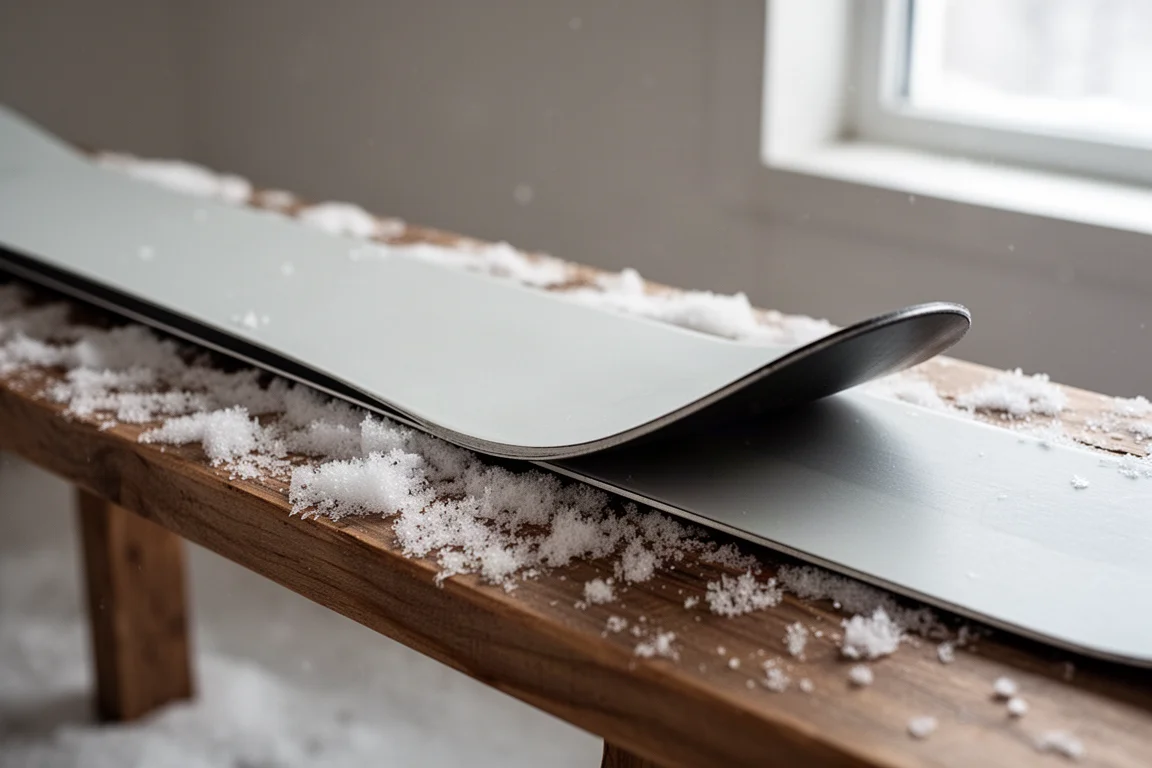
That grip underfoot is what makes the ski feel planted when a skier is still working out how much edge angle a turn needs.
Cap Construction for Durability
Cap construction helps this ski in two distinct ways. The first is durability: with no sidewall edge to catch, chip, or hang off, the ski holds its shape and its finish far better over time. That matters for anyone planning to keep a pair for at least a few seasons, and it is the same approach used on high-end park skis that take constant abuse.
The second is cohesion. Because the top sheet wraps over the side rather than sitting above a separate sidewall, the ski behaves as a single unit. That contributes to quickness and agility and gives the 75W a more predictable feel overall, which is exactly what a progressing skier wants from a ski.
Waist Width and Turn Radius
At 75 millimeters underfoot, the 75W is narrow enough for most groomed terrain, with just a little extra width that helps later in the day when the snow starts to pile up. That width gives the ski a smoother platform and a better balance point to stand on.
In a 163, the turn radius comes in at 13.1 meters. That is longer than the very tight radius found on some beginner-oriented skis, which tend to pull a skier into a turn. The 75W instead puts the skier in more of a driver’s seat: it is possible to lengthen the turn and dictate the shape and duration of the carve, which is part of what gives the ski its higher-end feel.
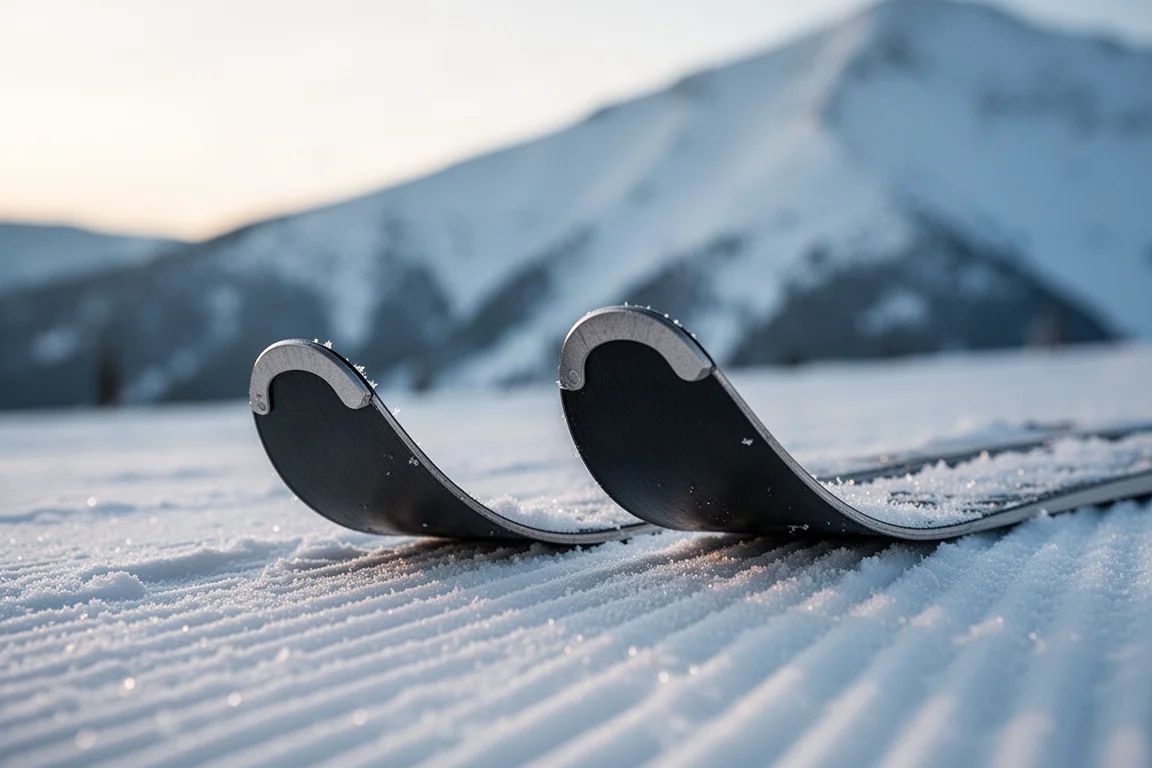
There is a small amount of tip rocker as well. Nobody will mistake this for a powder ski, but the rocker helps with turn initiation by letting the ski slide into the turn before the rest of the edge engages. A touch of tail rocker adds a friendlier release and makes it easier to stay confident and on edge from turn to turn. K2 also adds a metal bumper at the front and rubber at the rear, both aimed at durability and longevity.
Things to Consider Before Buying
The 75W is a groomed-terrain ski at heart. Its 75-millimeter waist and modest rocker profile make it a poor match for deep snow or for a skier whose priority is off-piste terrain.
The composite I-beam also represents a deliberate trade-off. It delivers dampness without metal’s weight, but it does not offer the same level of dampness as the titanal or carbon I-beam found further up the Disruption range.
Finally, the 13.1-meter radius is longer than what very beginner-focused skis use. That is an advantage for control and turn shaping, but it does ask slightly more of a skier than a ski that turns almost on its own.
Buying Advice
For a beginner to intermediate woman who skis mostly groomed runs and wants to progress on equipment she owns, the K2 Disruption 75W is a sensible purchase. It is a clear upgrade over rental skis, it is built to last, and it leaves room to grow into without feeling like a compromise.
If the goal is a first complete setup, the ski is available as a package with bindings, and K2 also offers it bundled with boots and poles. That option puts a skier in the driver’s seat from day one, skipping the rental shop and heading straight to the mountain with a set that can serve for years.
Skiers whose seasons revolve around powder days, or who already ski aggressively across the whole mountain, should look at a wider, more damp ski instead.
Conclusion
The K2 Disruption 75W gets its appeal from borrowed technology: a composite I-beam through the central spine, edge-to-edge grip underfoot, and a cap construction that keeps the ski durable and cohesive. Paired with a 75-millimeter waist and a 13.1-meter radius in a 163, it delivers an easygoing ride with a more refined feel than its position in the range suggests. For a first pair or a confident step up from rentals, it is a straightforward recommendation.
Product link
View more details for K2 Disruption 75W
This product is mentioned in the review. Check the specifications, options, and compatibility before buying.
View more details for K2 Disruption 75WFurther reading
Related Reviews
Skis
Armada Anti Matter 82 W Review: A Light, Approachable All-Mountain Carver
Armada's Anti Matter 82 W pairs a lightweight Karuba and carbon build with an easygoing all-mountain shape, aimed at intermediates through lighter-footed advanced skiers.
Skis
Armada Anti Matter 88W Review: A Light, Playful 88mm All-Mountain Ski Plus Two Alternatives
The Armada Anti Matter 88W returns unchanged in spirit from its Reliance 88C days, and it remains one of the most versatile 88mm skis around. We also look at the Nordica Santa Ana 87 and Anti Matter 92 W as alternatives.
Skis
Armada ARV 100 vs Atomic Bent 100: Which 100mm Freestyle Ski Should You Buy?
Two of the best all-mountain freestyle skis of the season compared: one leans playful and park-ready, the other holds up better everywhere else.