Tractor Accessories
Ju Fab Works Bucket Attachments: Workmaster, Taskmaster, and Trailer Mover Review
American-made bucket attachments for compact tractors: lifting hooks, grab handles, and a 2-inch trailer mover, drilled on and bolted on without welding.
Introduction
When you rely on equipment to earn a living, cheap add-ons are not an option. Attachments that break under load can injure people or bring work to a stop, so quality matters before anything else. When the new John Deere 3039R arrived, the wishlist was short and practical: lifting hooks on the front of the bucket to move things around the job site, and a trailer mover to shuttle trailers around the shop when they are unhooked.
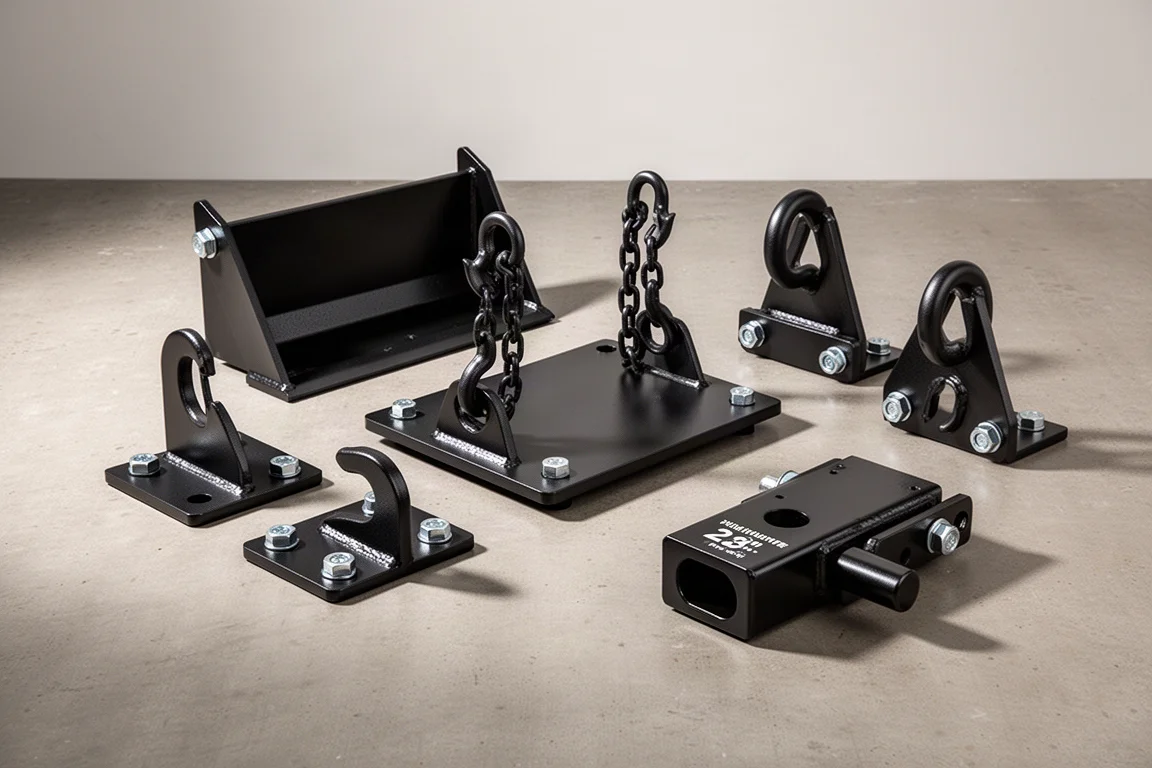
Ju Fab Works, a US manufacturer based in Michigan, covers all of it. The hooks are US-made, the plates are welded up in-house, the hardware is grade eight, and optional punches are available to make the drilling easier. The lineup includes the Workmaster center plate, two Taskmaster side plates, and a trailer mover, all designed to bolt onto the bucket without welding.
The Lineup at a Glance
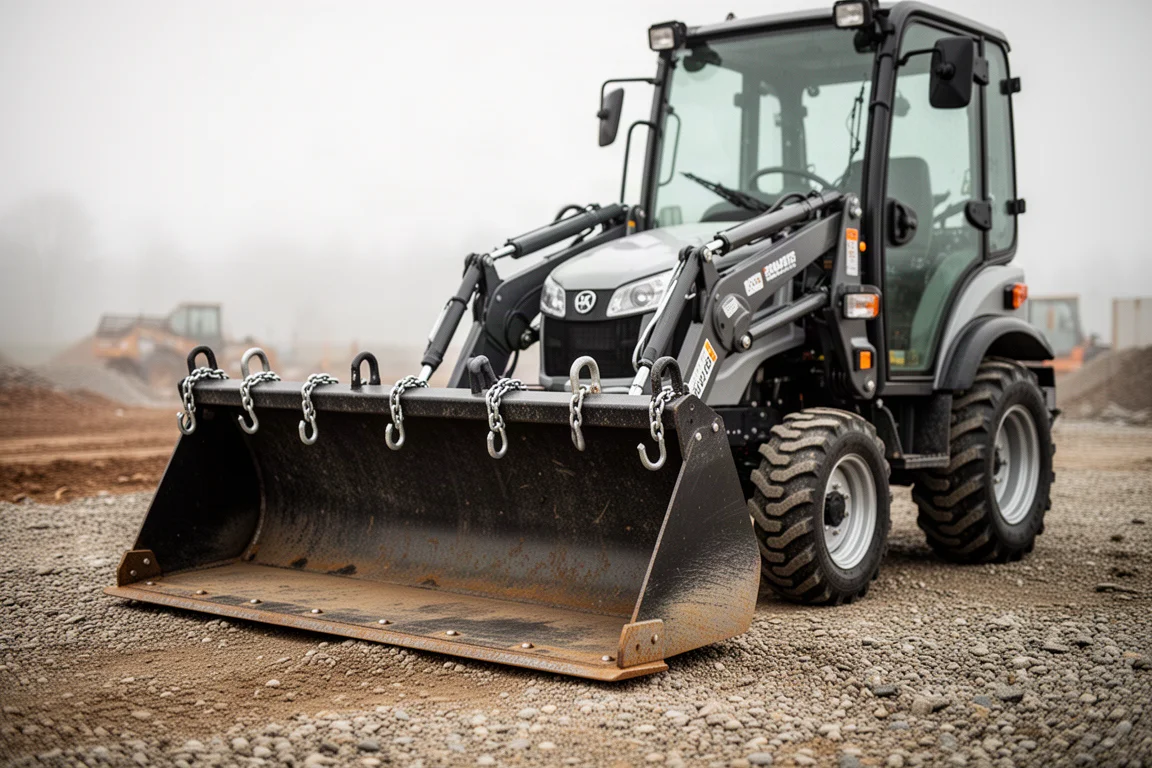
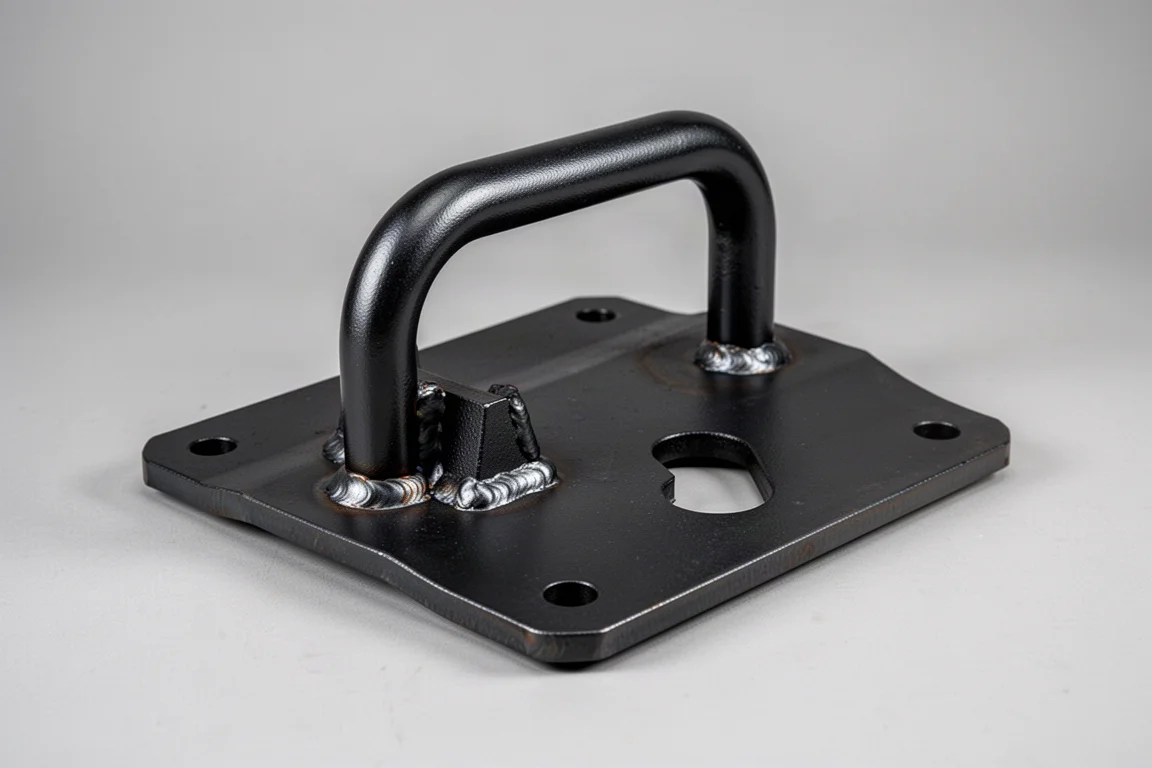
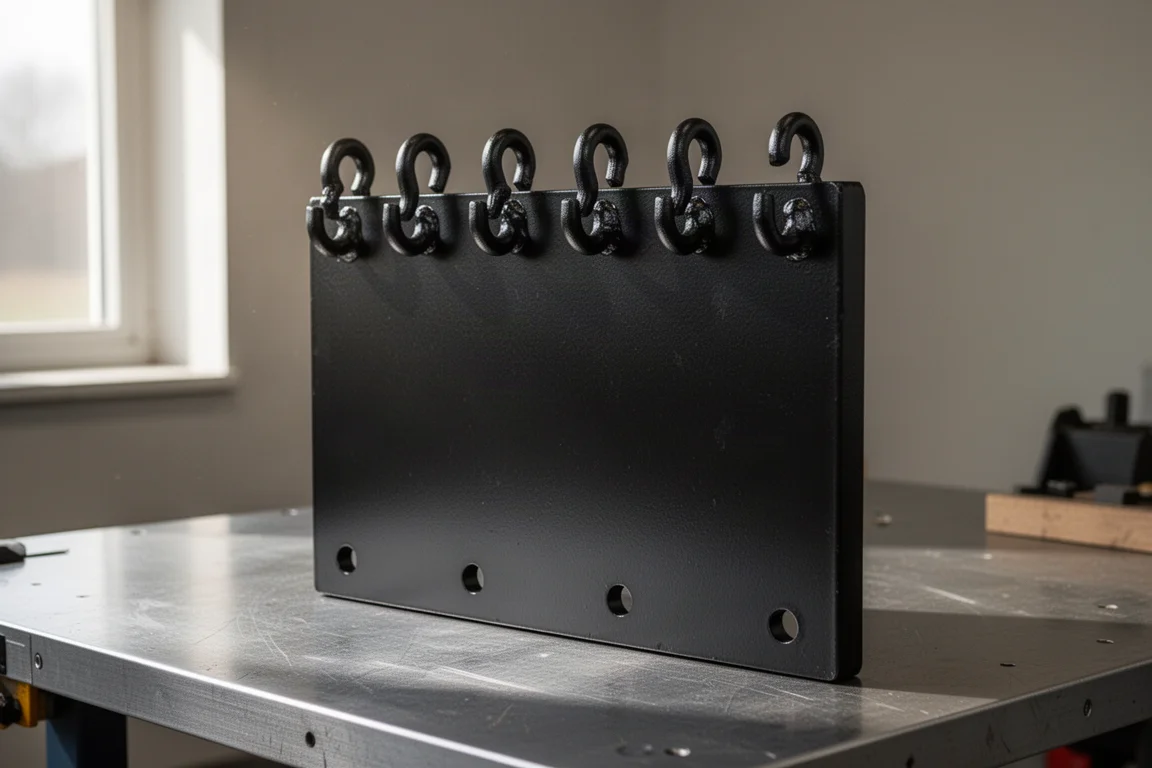
The setup covers three distinct jobs. The Workmaster sits in the center of the bucket and provides the lifting points for chains and hooks. Two Taskmaster plates mount on either side, giving you grab handles and more hook options. The trailer mover adds a 2-inch Reese-style hitch receiver to the center of the bucket, so you can back a ball into it and move trailers without a truck.
One layout decision is worth thinking through before drilling. The Taskmaster plates can be flipped, so the hooks face outward or the grab handles face outward. Hooks facing inward put them closer to the center for lifting, while hooks facing outward give you a longer distance to chain things up, which is probably the smarter option for wider loads. Either way works; set it up how you like it, it is your tractor.
Installation: Drilling and Bolting, No Welding
The whole installation is a drill-and-bolt job that can easily be finished in under an hour, with no welding required. Most people already own the drills needed. On a heavy-duty dual-wall bucket you drill through both the top and bottom layers, and the trick is to position the plates away from the bucket welds and clamp them down parallel before you start.
Work through the holes in stages: tap a center mark, drill a small pilot, then step up to the final size. A 7/16-inch drill bit ended up fitting perfectly tight instead of the recommended half-inch, which keeps the plates from having any slop. Clamp the plate in two places if you can, punch and drill the center holes first to lock the position, then drill the outside holes. On a standard-duty bucket, position the plates tight against the front, since the edge welds will get slightly in the way.
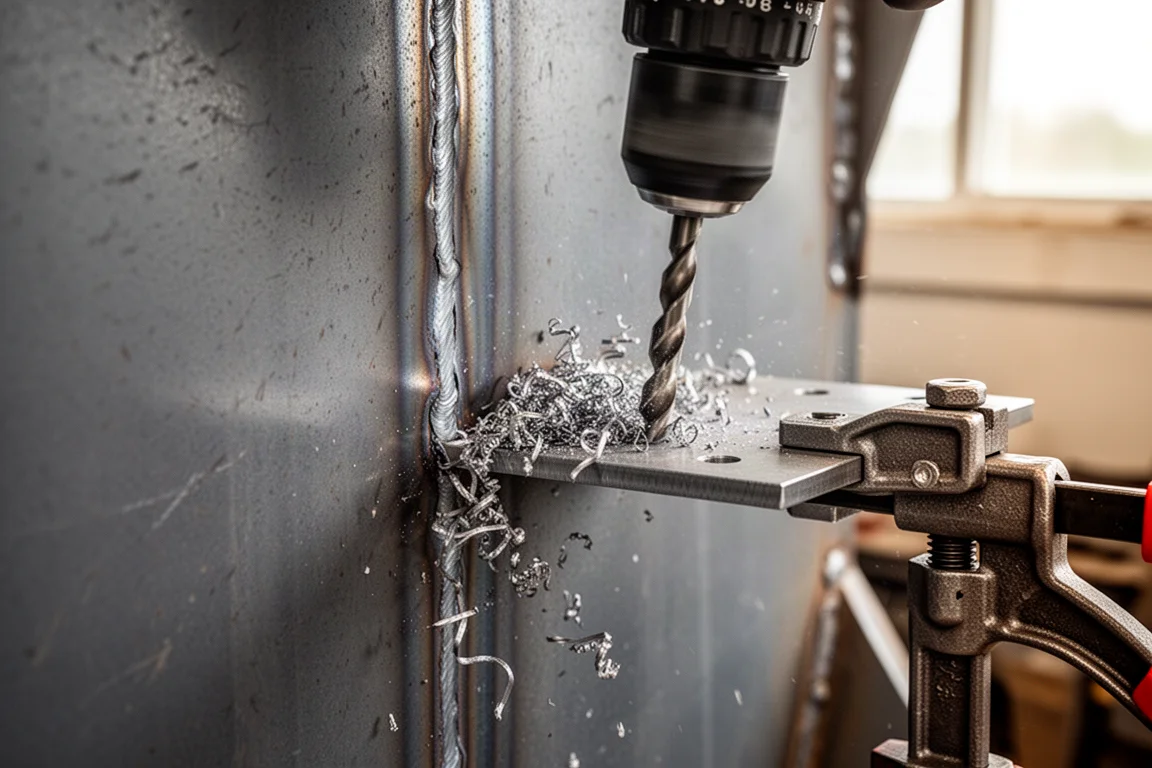
Before final assembly, a coat of paint on the bare drilled edges helps with long-term rust protection, especially in regions where road salt is a problem. The supplied hardware is simple: a bolt and washer on top, a washer and a Nylock nut on the bottom, and an impact driver makes quick work of it.
Everyday Uses on the Job Site
The grab handles are more versatile than they first appear. Straps are the main use, but they also work for grabbing onto things, hanging on to items, or general handling around the bucket. The chain hooks in the center section come into play regularly for lifting: pulling on a bush, picking up a tree, or moving equipment off a trailer.
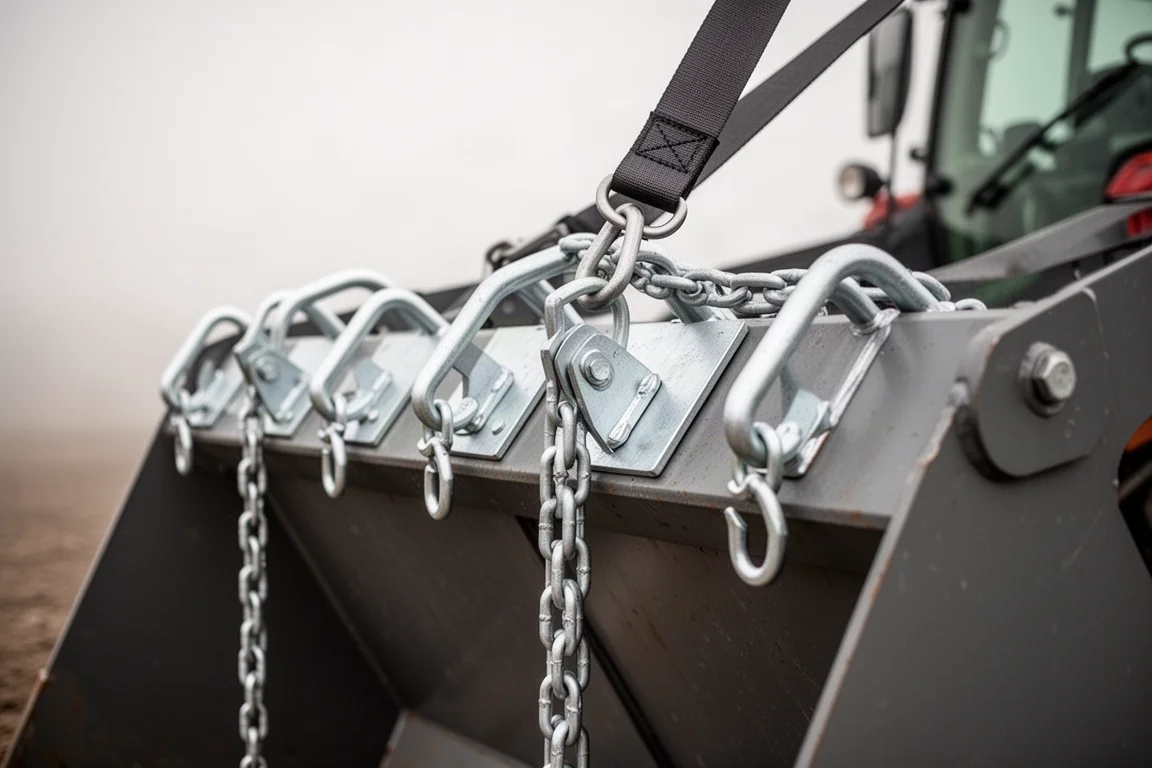
That combination of lifting points and grab handles is what makes the setup genuinely useful rather than decorative. You do not need to rig chains around the bucket edge each time; the hooks are exactly where you want them, and the hardware is rated for real work.
The Trailer Mover
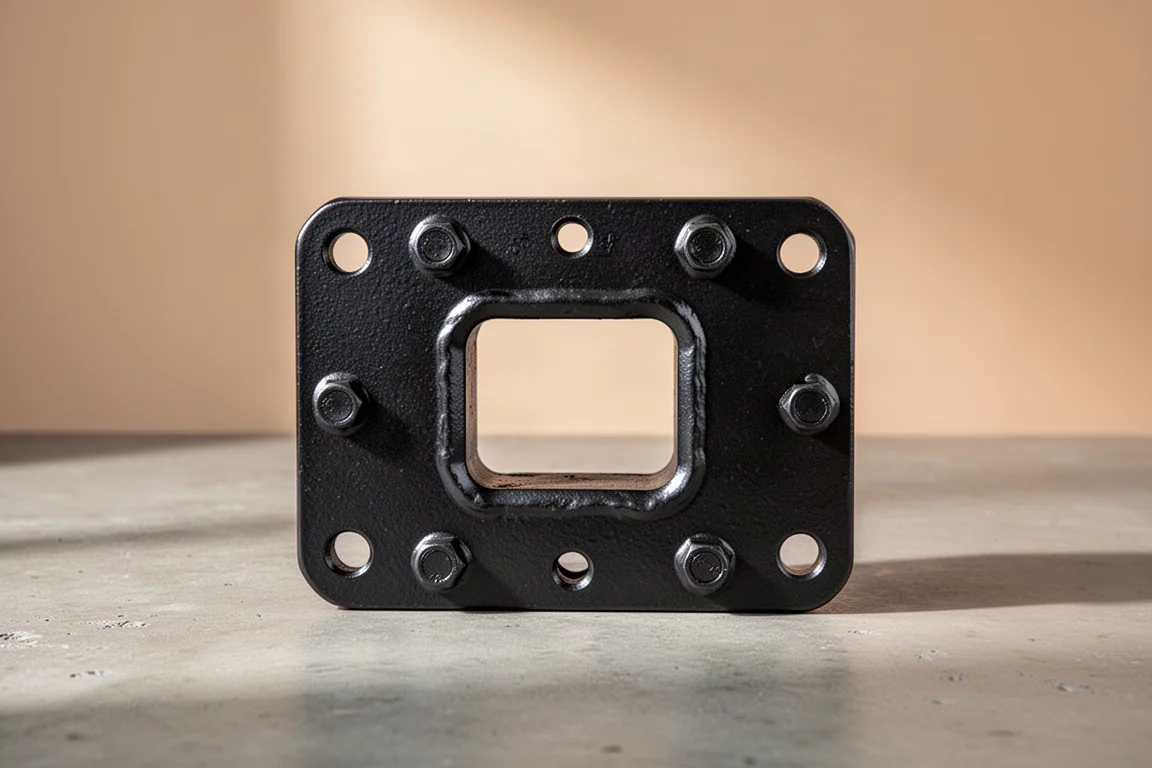
The 2-inch Reese hitch in the center plate is the standout for job site and shop work. Drop a ball hitch in, and you can back up to a trailer, hook it, and move it quickly while seeing exactly what you are doing. In tight spaces around the shop, that visibility is huge, and it turns a slow two-person shuffle into a one-minute job.
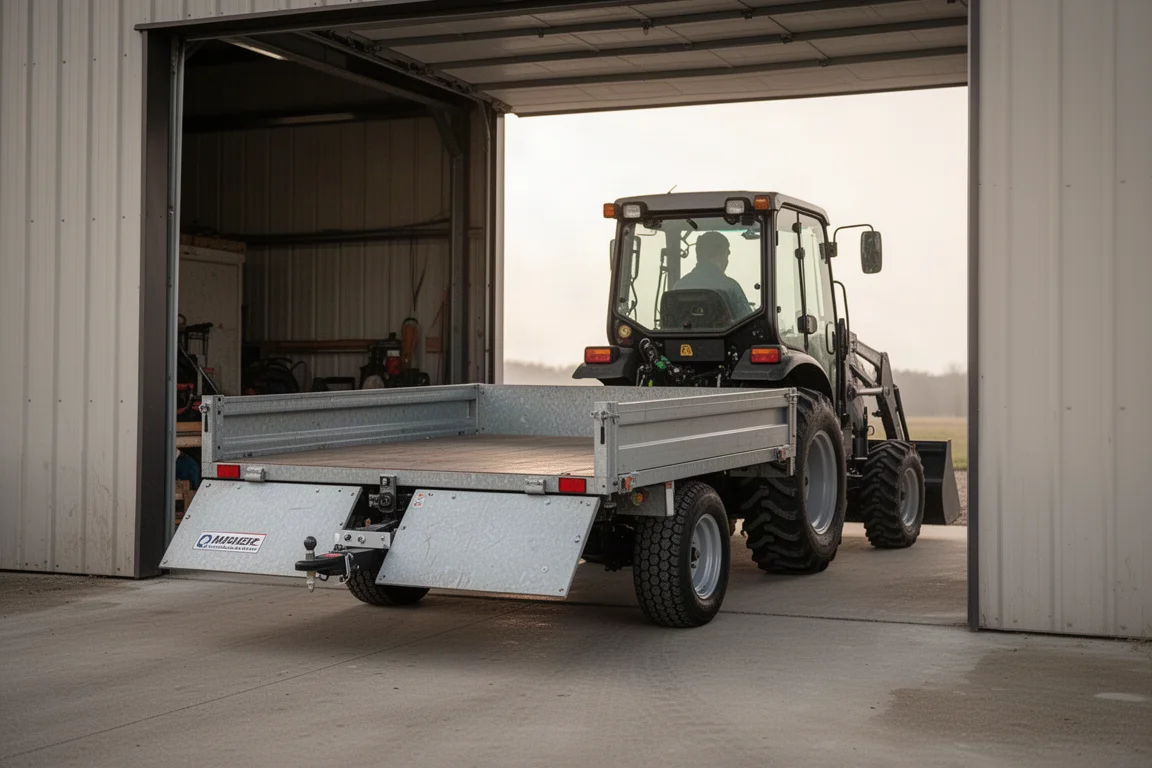
Anyone with an unhooked trailer sitting in the yard will understand the appeal immediately: move it out of the way, reposition it for loading, or tuck it back in the shed without starting a truck.
Buying Advice
If your compact tractor has a standard bucket, consider upgrading to a heavy-duty bucket first. On John Deere tractors they cost roughly $200 to $300 more and are dual-wall, which makes for a much stronger mounting surface for these plates. If you plan to drill the holes yourself, the optional punches from Ju Fab Works make alignment easier, and a simple drill set with stepped sizes will get you through cleanly.
Everything here is made in the USA, welded up with quality steel and supplied with grade eight hardware. Taken together, the setup is well worth the money for anyone who uses a compact tractor daily.
Conclusion
For job site and property work, the Ju Fab Works bucket attachments solve three practical problems with one clean, weld-free installation: safe lifting points for chains and straps, sturdy grab handles, and a proper hitch receiver for moving trailers. If quality of materials matters to you and you want attachments that hold up, this is an easy recommendation.
Further reading
Related Reviews
Tractor Accessories
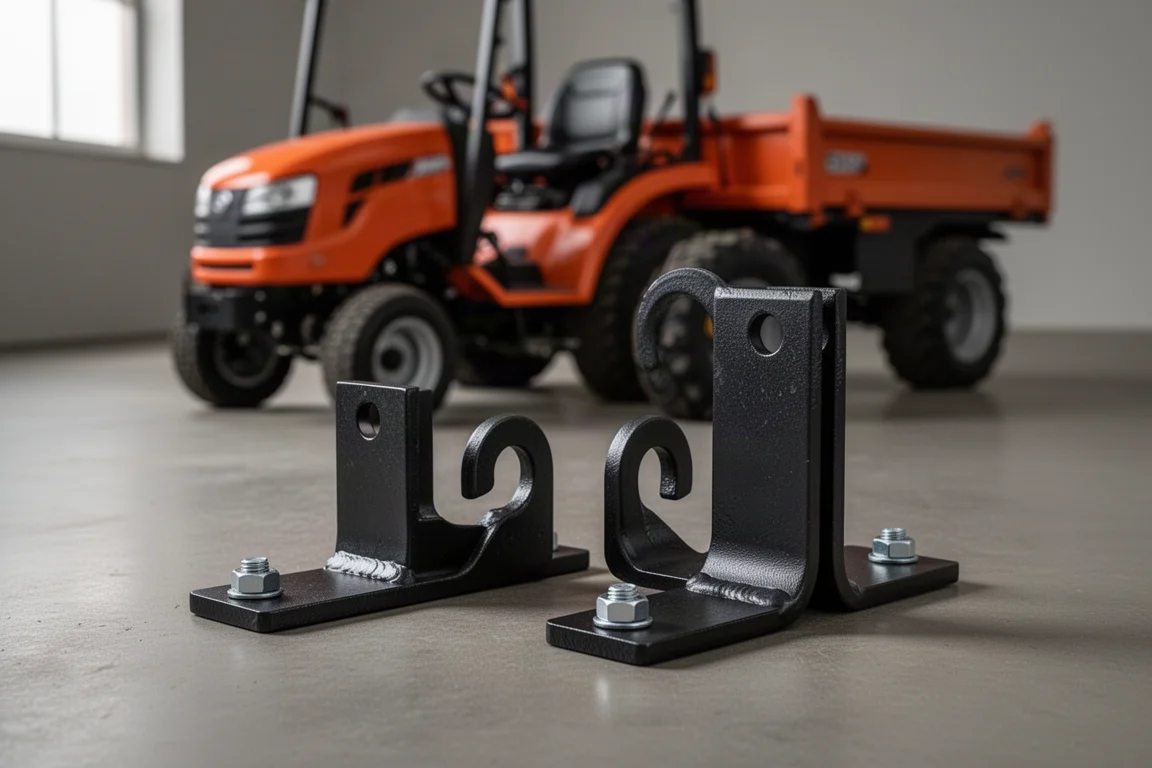
Kubota L6060 Grand Tractor Tie-Down Brackets: A Simple Upgrade That Makes Trailering Safer
Bolt-on tie-down brackets from JU Fab Works add dedicated chain and strap points to a Kubota Grand L, replacing improvised chain-around-the-axle setups.
Camping Cookware
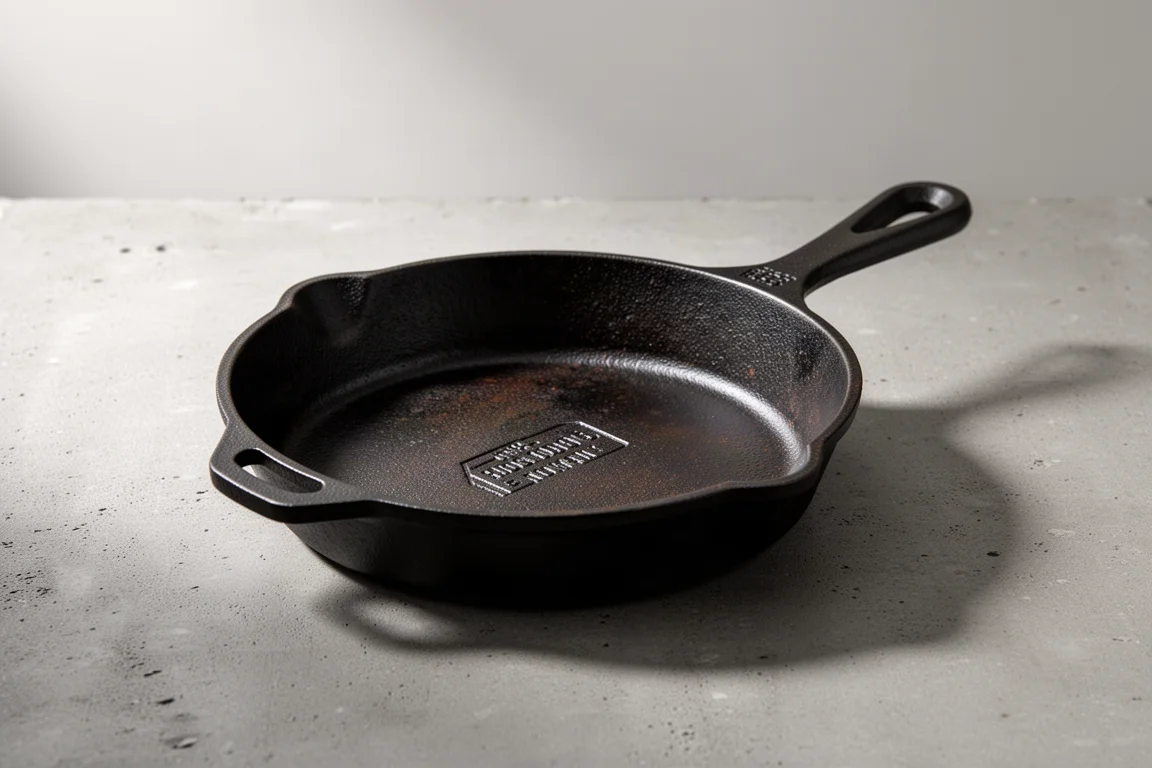
Lodge 6.5 Inch Cast Iron Skillet Review: Small, Tough, and Priced Around $10
A compact, made-in-USA cast iron skillet that weighs about 1.9 pounds, costs roughly $10, and earns its place on camping and bushcraft trips.

Everyday Carry
Alpha Leather Company Hidden Knife Wallet: My Everyday Carry Pick
Italian vegetable tan leather, clever expandable pockets, and a hidden push dagger make this a standout everyday carry wallet.