Camping Stoves
Jetboil Stash vs Lightweight Backpacking Stoves: What Four Popular Burners Really Cost
A practical comparison of the Jetboil Stash, BRS 3000, MSR Pocket Rocket 2, and Soto WindMaster 4 Flex, covering setup cost, fuel use, boil times, and long-term value.
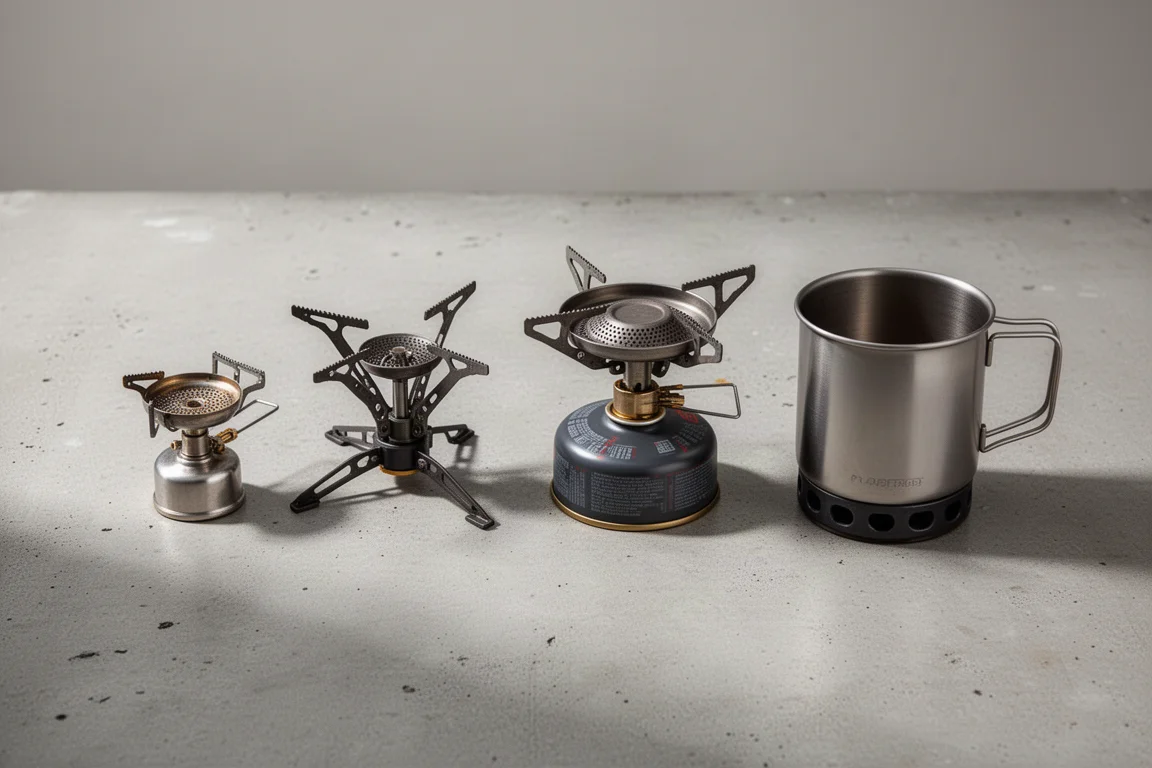
Introduction
Every canister stove boils water. The differences show up everywhere else: what you pay on day one, how much the burner weighs in your pack, how it behaves when the wind picks up, and how much gas disappears every time you cook.
Four stoves come up again and again in that conversation: the Jetboil Stash, the BRS 3000, the MSR Pocket Rocket 2, and the Soto WindMaster 4 Flex. The Stash attracts the most argument, largely because of its price. It sells for around $129, or about £95, for the complete system, which is roughly double the cost of a bare burner from the other three. Whether that premium is worth paying depends far less on the sticker than on how often you actually use the thing.
How These Stoves Were Compared
To keep the numbers comparable, each stove boiled the same 500ml of fresh tap water, weighed out on a scale and drawn at the same starting temperature. A single canister was weighed before and after every boil, each burner ran at full blast, and the lid stayed off so the moment of boiling was visible. Timings were taken by hand, so allow a second or two either way.
The three standalone burners were paired with a titanium mug of around 650ml that weighs about 100g, plus a pot support where one was needed. That gives a realistic field setup: burner, pot, and something to hold the pot steady.
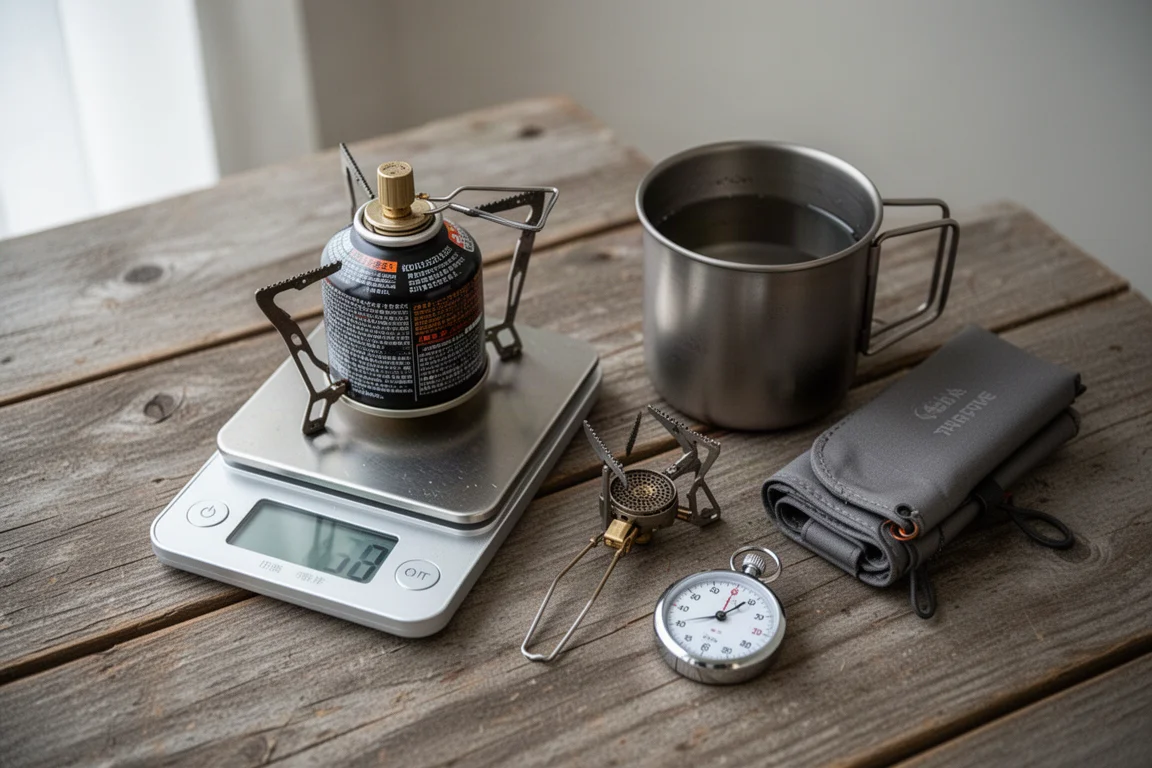
A few honest caveats. The tests ran indoors with no wind at all, and stoves behave very differently once the air moves. The canister also cooled gradually as the session went on, which can slow later boils, and pot diameter affects boil times too. The figures below are a fair guide, not laboratory data.
Jetboil Stash: High Upfront Cost, Low Running Cost
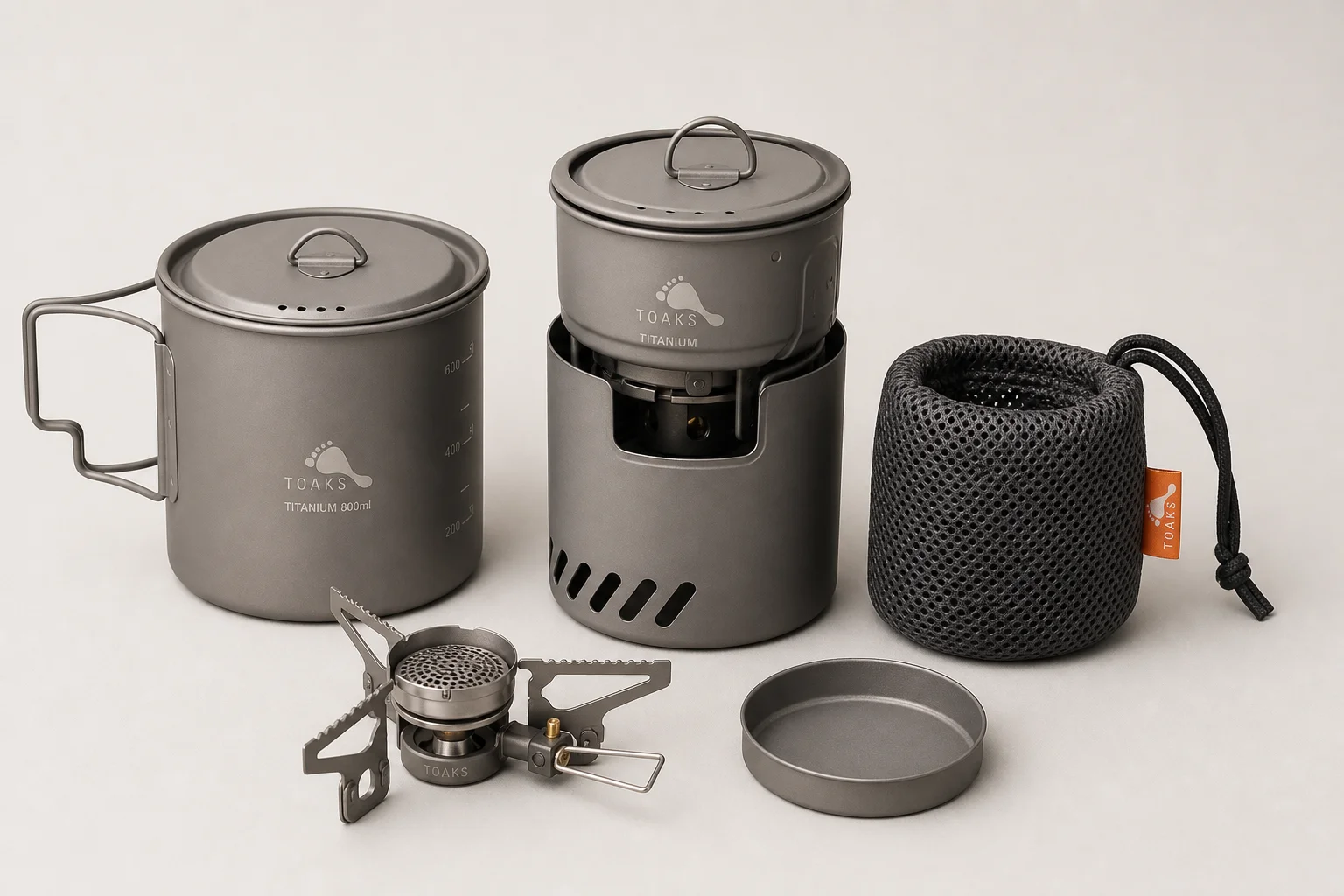
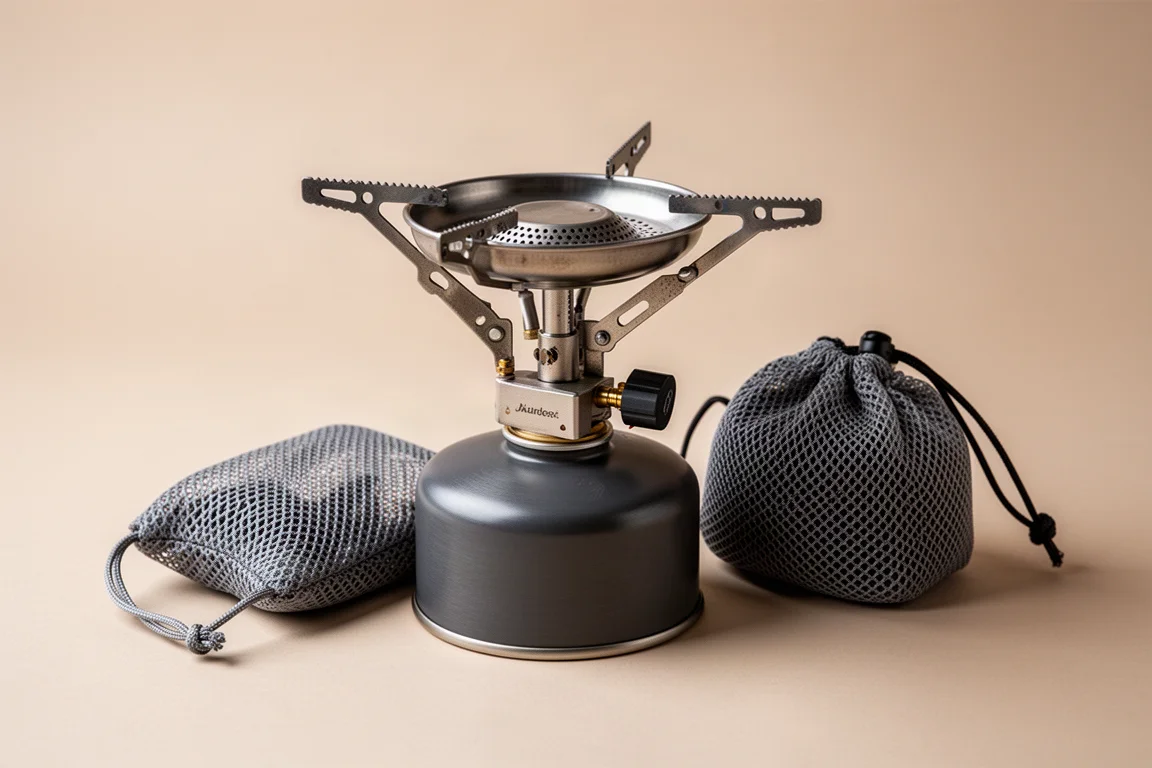
The Stash arrives as a complete system: a titanium burner that weighs 59g, an anodised aluminium pot with FluxRing technology on the base, a lid, a small bag for the burner, and a pot support. The pot assembly is quoted at around 146g.
In testing it boiled 500ml in 2 minutes 39 seconds using just 5g of gas, which is the strongest fuel figure of the four and supports the claim that the system is roughly twice as fuel efficient as a typical bare burner. The burner itself is also clearly the most robust of the group, with everything locking firmly into place once clipped together.
BRS 3000: Lightest and Cheapest to Buy
At about £16 for the burner, the BRS 3000 is the cheapest way into this group, and at 25g it is by far the lightest. It folds down to something that genuinely fits in the palm of your hand, smaller than the Stash burner when packed.
Build quality is where the savings show. The arms are floppy and bendy, and durability is a real question mark if you plan to use it as your main stove season after season. It does feel sturdier once the pot is clipped into place, and a careful owner could get years out of it, but it does not inspire the same confidence as the others. It is also the weakest of the four in any kind of wind. With a titanium mug and a pot support, a complete setup lands around £47.
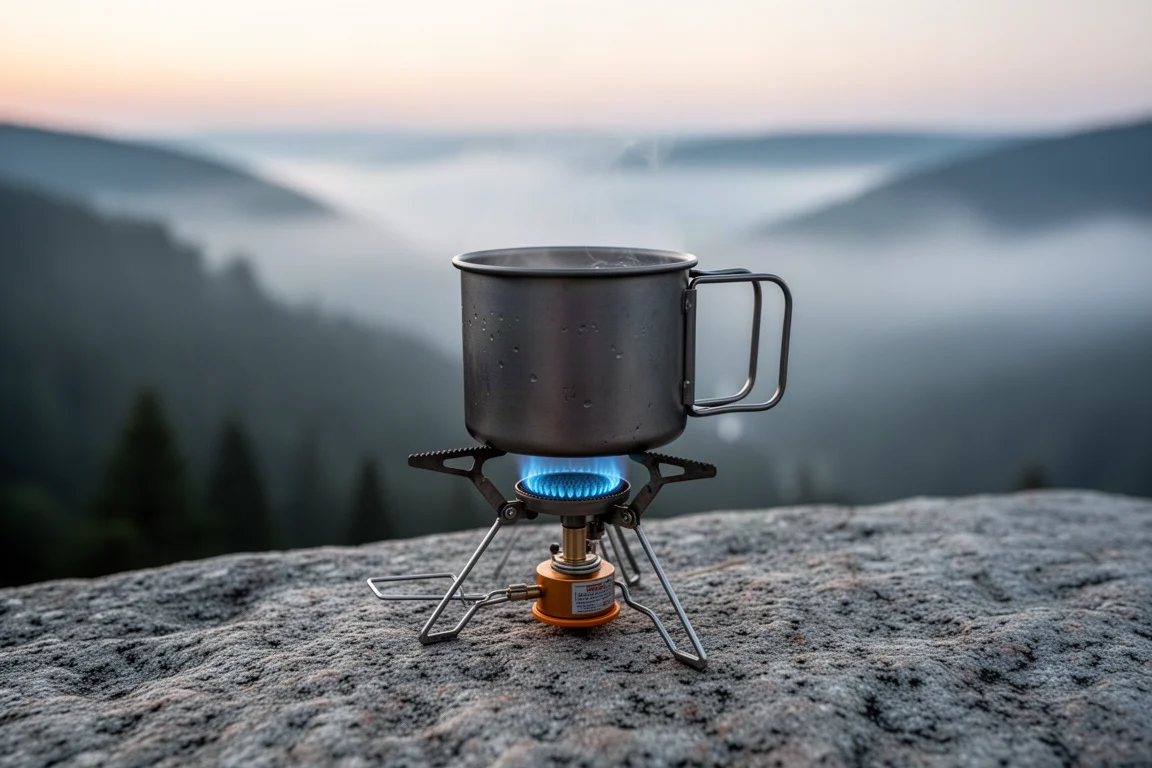
Fuel use is the trade-off. The BRS consumed 11g of gas for a 500ml boil, more than double the Stash. That works out at roughly 44 pence per boil against 20 pence for the Jetboil, so the cheap stove becomes the more expensive one to run very quickly.
MSR Pocket Rocket 2: Solid Build, Loud Burner
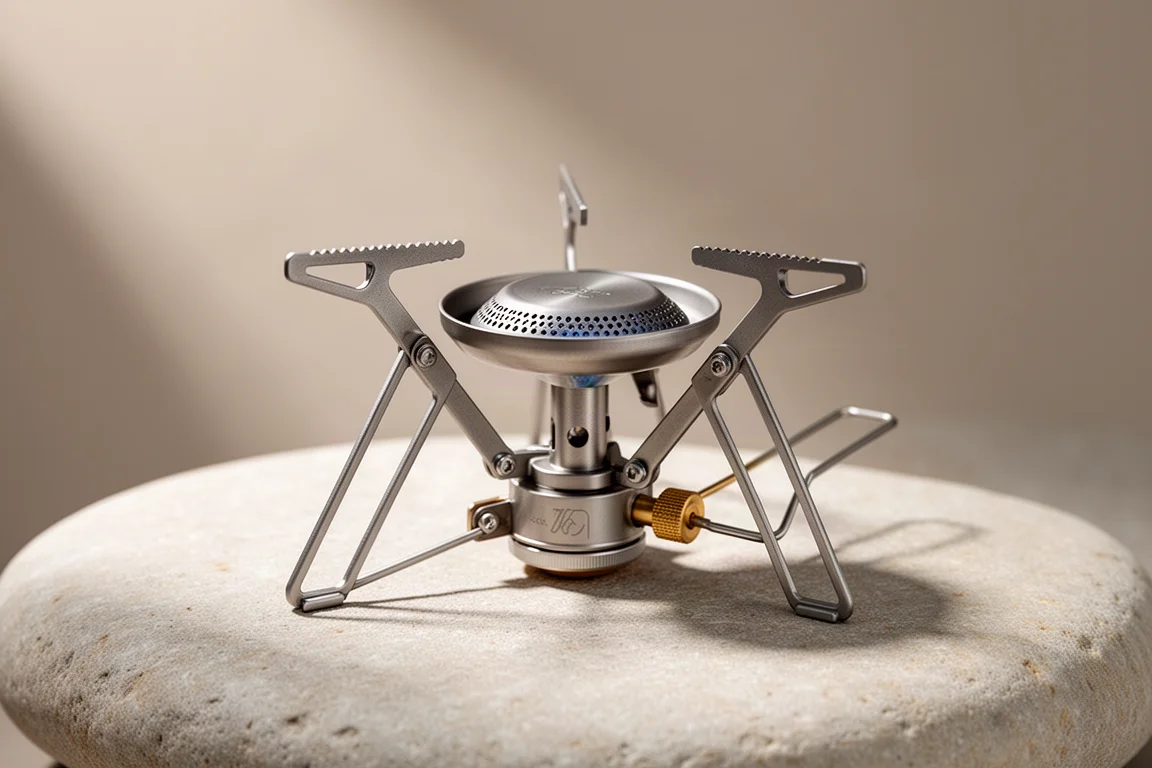
The Pocket Rocket 2 costs around £32 and weighs 74g. It is a well made stove, and the arms fold down to make the unit more compact for packing, though it is a touch more fiddly to fold away than some of the others here.
On the water it used 10g of gas for a 500ml boil and took 3 minutes 53 seconds, the slowest time in the group. It is also unmistakably the loudest of the four, which is where the name comes from. A full setup with a titanium mug comes to roughly £63.
Soto WindMaster 4 Flex: The Wind-Resistant Option
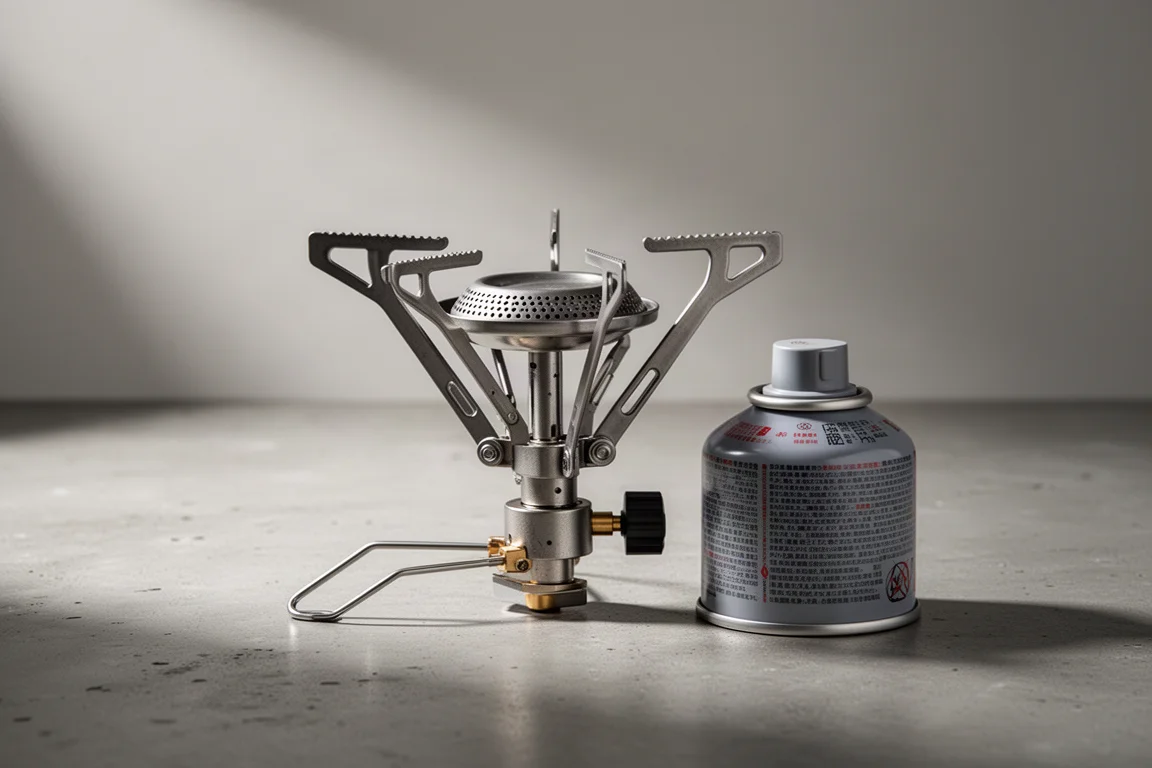
The WindMaster 4 Flex is about £45 and weighs 87g, the heaviest burner of the four. It is the only stove here with a built-in igniter, which is a genuine convenience on a cold morning. The arms detach completely and clip back on, so it packs down neatly into the small bag supplied.
It used 12g of gas for a 500ml boil and finished in 2 minutes 57 seconds. The headline advantage, though, is wind performance: in moving air it holds its boil time far better than the others, which is exactly when a stove earns its keep. With a pot and pot support, a complete setup runs to about £76.
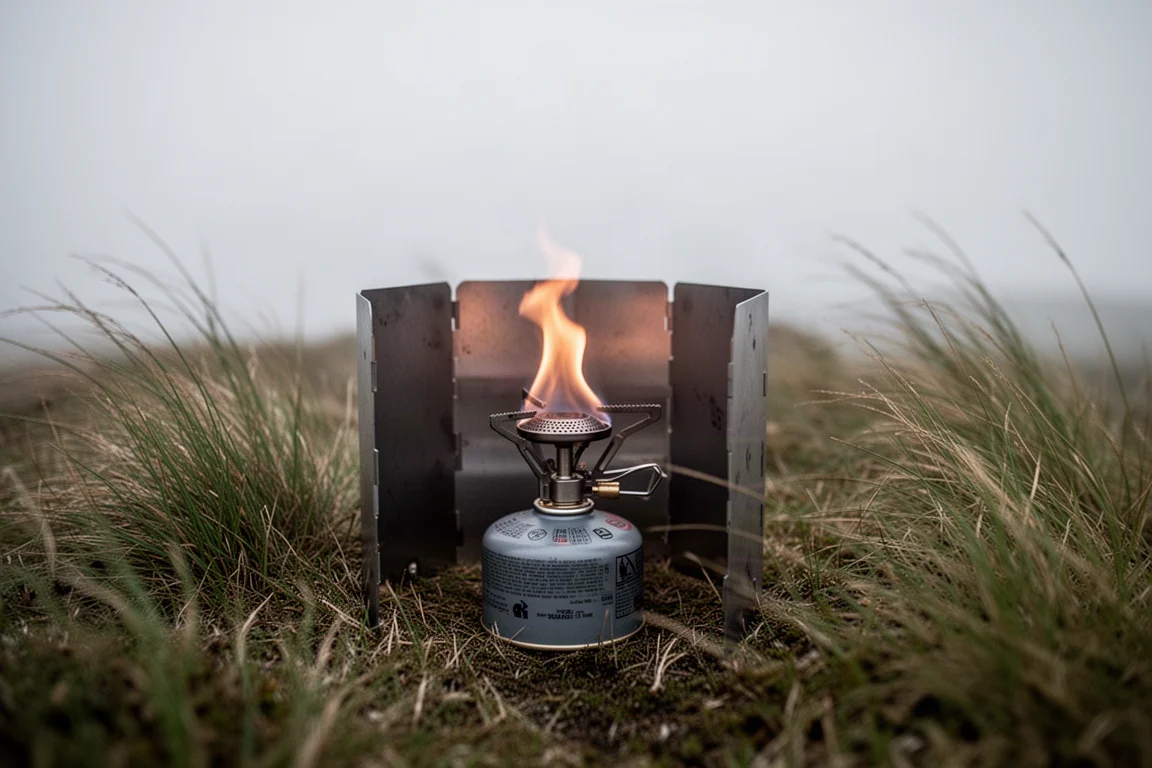
That wind resistance is worth weighing against running costs. The WindMaster used the most fuel per boil in this test, and over a long ownership period that adds up faster than most people expect when they buy on specification alone.
What the Fuel Numbers Mean Over Time
Canister prices matter as much as stove prices. A 230g canister costs roughly £5 to £6, while the smaller 100g canisters that many backpackers prefer cost around £4 and hold 100g of fuel.
With 5g per boil, the Stash gets around 20 half-litre boils out of a single 100g canister. The Pocket Rocket 2 needs two canisters to reach the same 20 boils, and the BRS 3000 and WindMaster 4 Flex will not manage 20 boils from two canisters at all.
Add it up and the picture flips. After 50 boils, the Stash works out at about £105 including its initial outlay and gas, against roughly £69 for the BRS setup. Push that to 200 boils, which is a lot of cooking but not unusual over several years, and both the Stash and the BRS land at about £135. The Pocket Rocket 2 reaches around £143, and the WindMaster 4 Flex comes to roughly £172, nearly £40 more than the Jetboil.
The pattern is simple: the more you use the more expensive stove, the better value it becomes, and the more you use the cheaper stoves, the more expensive they become. Boil times rarely matter to anyone beyond a minute or two, but fuel consumption does.
Buying Advice
Choose the Jetboil Stash if you boil water often and want speed, low gas use, and a system that arrives complete and locks together properly. The upfront price is real, and there is a premium attached to the name, but it is a well built product that rewards frequent use. It has no windscreen around the burner, so exposed and gusty conditions remain an open question.
Pick the BRS 3000 if absolute minimum weight and the lowest possible entry cost are what matter most, and you are willing to accept a flimsier build and poor wind performance. It suits short trips and backup duty more than a hard-used main stove.
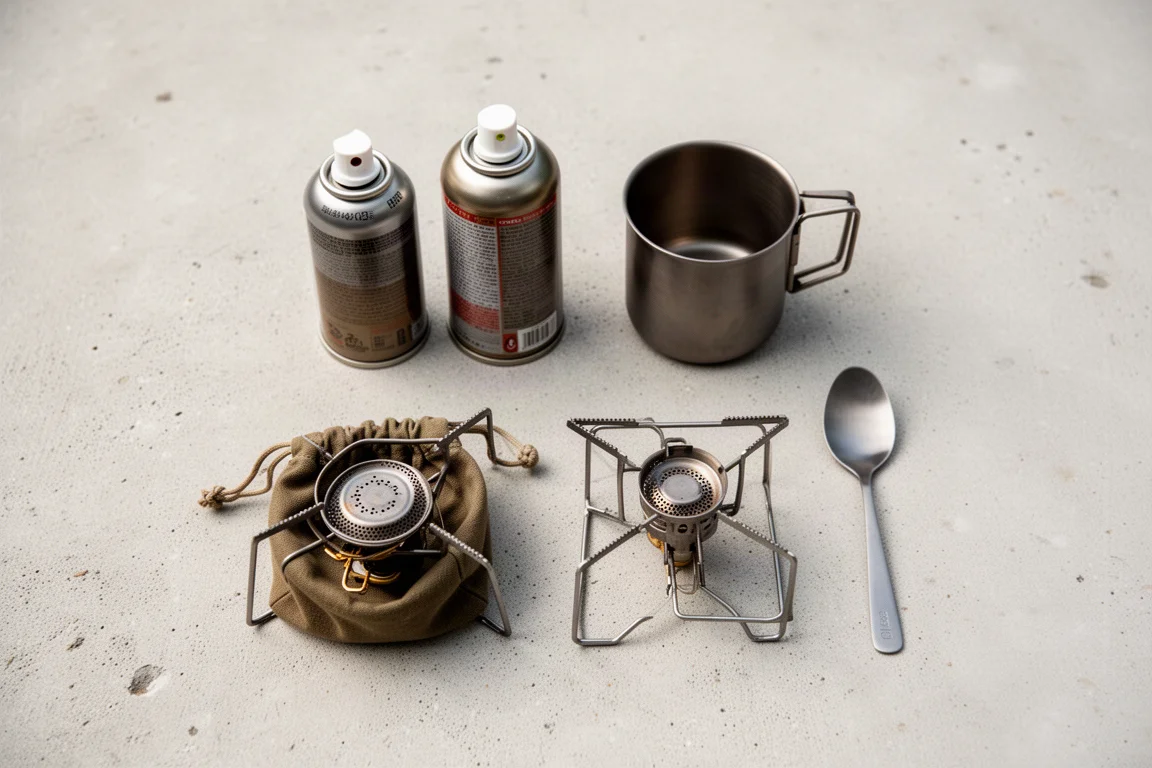
The MSR Pocket Rocket 2 is the sensible middle option: well made, easy to live with, and cheaper to start with than the Jetboil, as long as you do not mind the noise or the slower boil. The Soto WindMaster 4 Flex makes the most sense for anyone who cooks in exposed, windy places, where its stability and built-in igniter justify both the purchase price and the higher fuel consumption.
Conclusion
There is no single winner here, only the stove that matches how you actually use it. If you boil water several times a day, the Jetboil Stash’s efficiency steadily erodes its price disadvantage, and by the time you have racked up a few hundred boils it costs no more than the cheapest option in this group. If you carry a stove twice a year and count every gram, the BRS 3000 is hard to argue with on weight and outlay. For everyone in between, the Pocket Rocket 2 and the WindMaster 4 Flex each solve a different problem well, one through build quality and simplicity, the other through wind performance. Match the stove to the trips you really take, and the money side takes care of itself.
Further reading
Related Reviews
Camping Stoves
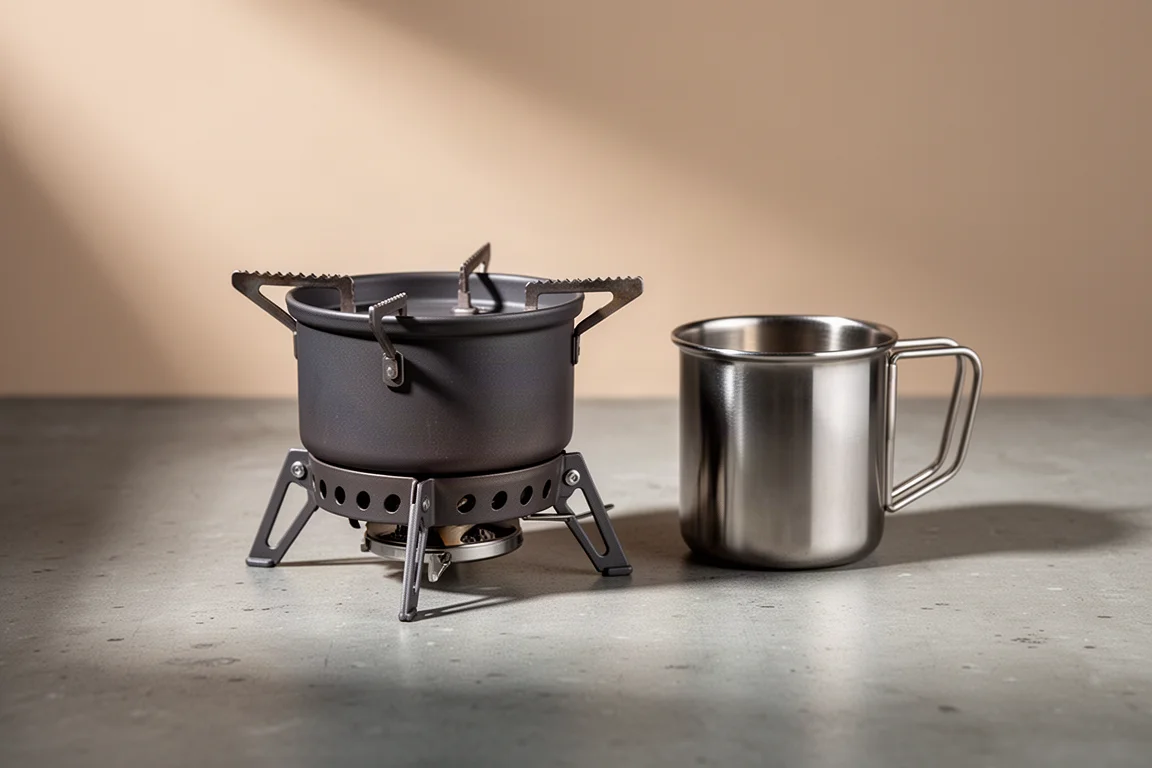
BCB Fire Dragon Mini Cooker Review: A Tiny Folding Stove With Real Trade-Offs
A palm-sized, fuel-flexible folding stove that heats water well enough, but brings flame control, stability, and fuel cost questions worth understanding first.
Camping Stoves
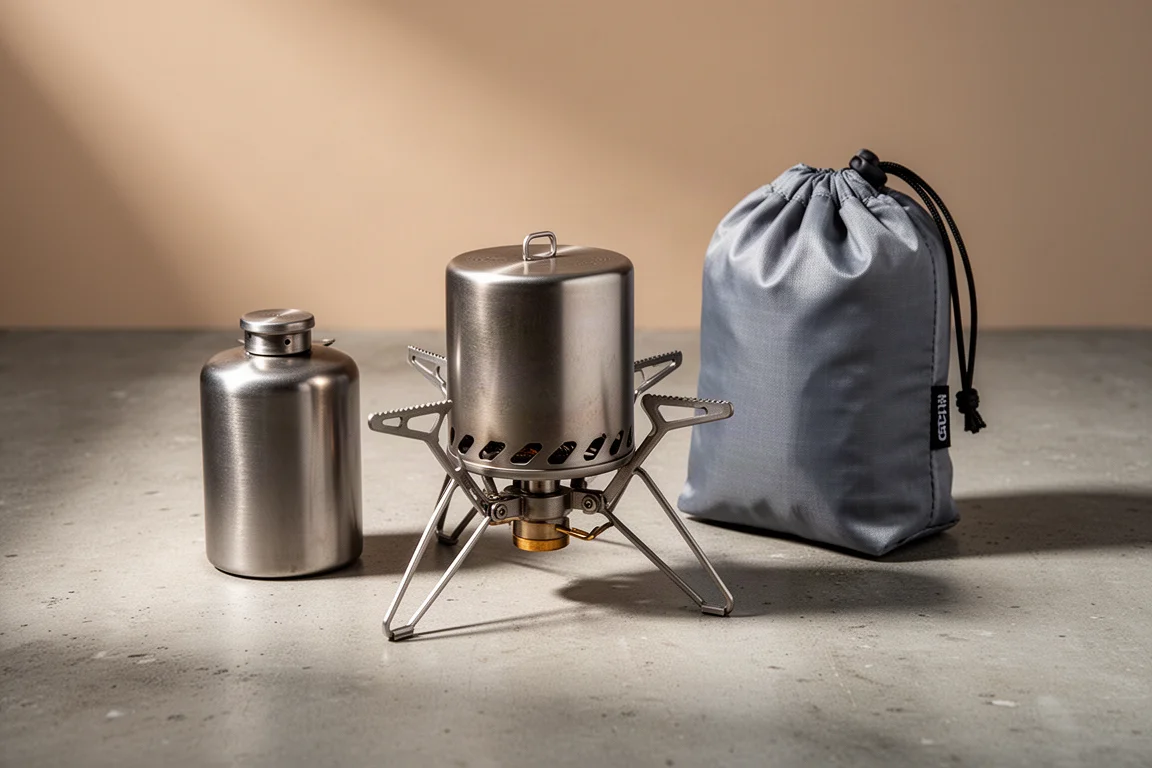
Boundless Voyage Titanium Alcohol and Wood Stove Review: Ultralight Cooking, Two Ways
A titanium alcohol and wood burning stove kit that weighs 4.5 oz complete, boils two cups of water in about 10 minutes, and costs $36.
Camping Stoves
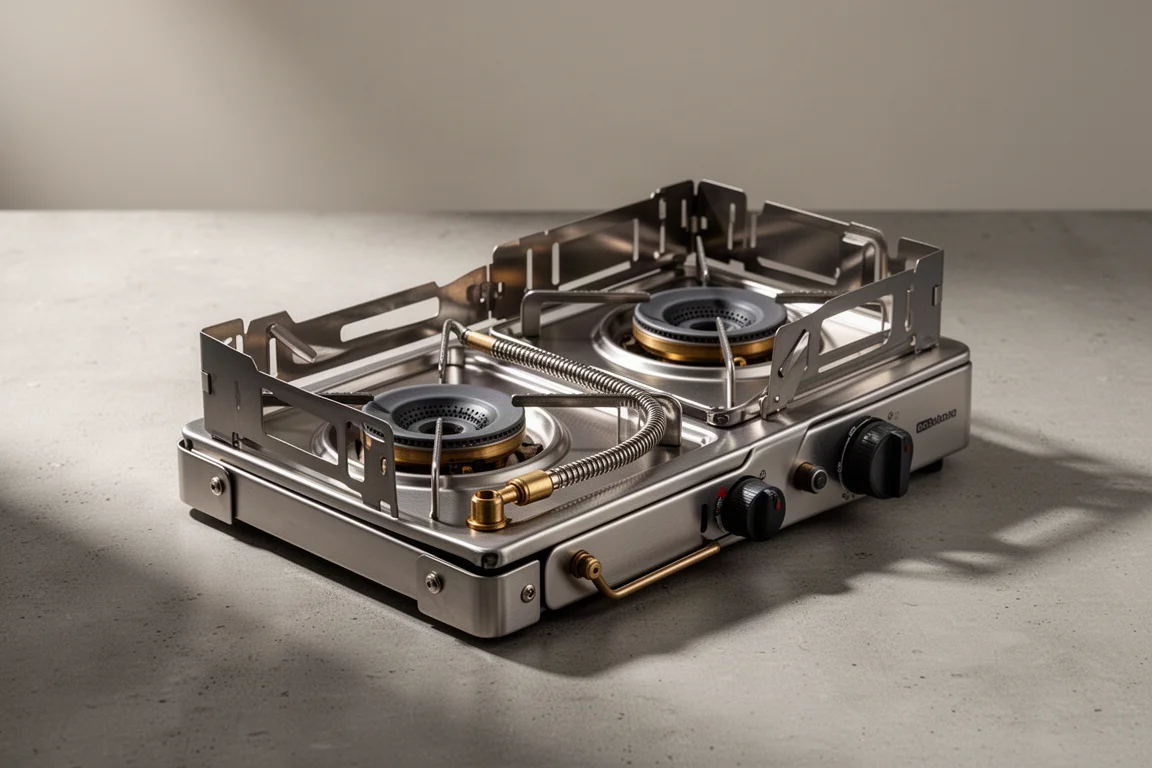
BRS 32 Dual Burner Stove Review: A Folding Two-Burner That Packs Down Flat
A detailed look at the BRS 32, a slim folding dual burner camping stove that expands into a stable cooking platform for around $60.