Camping Stoves
Jetboil MightyMo Review: A Regulated Canister Stove With a Bold Cold-Weather Claim
A practical look at the Jetboil MightyMo, a lightweight canister stove with a large regulator and a claimed 20°F cold-weather rating, plus the windscreen and igniter issues worth knowing before you buy.
Introduction
Jetboil is best known for integrated canister systems, where the burner and pot are designed as a single unit. The MightyMo takes a different path. It is a conventional single-burner canister stove with a regulator, built for backpackers who already carry their own cookware and want something small, light, and simple to pack.
What makes it worth a closer look is one specific claim. Jetboil states the MightyMo is regulated for consistent performance down to 20°F, which is about -6°C. That is unusual. Most stove makers describe better performance in cool or cold conditions without attaching a number to it. Publishing a temperature figure invites scrutiny, and it is the main reason this stove deserves a careful look before you spend money on it.
This review covers what arrives in the box, how the stove behaves in normal conditions, where the design falls short, and how to decide whether it belongs in your pack.
Who This Stove Is For
The MightyMo is aimed at backpackers who boil water and reheat meals rather than cook elaborate food. It runs on isobutane canisters, packs down small, and weighs little enough that it disappears into a pack pocket. If your camp kitchen is a pot, a spork, and a bag of dehydrated food, this is the right shape of stove.
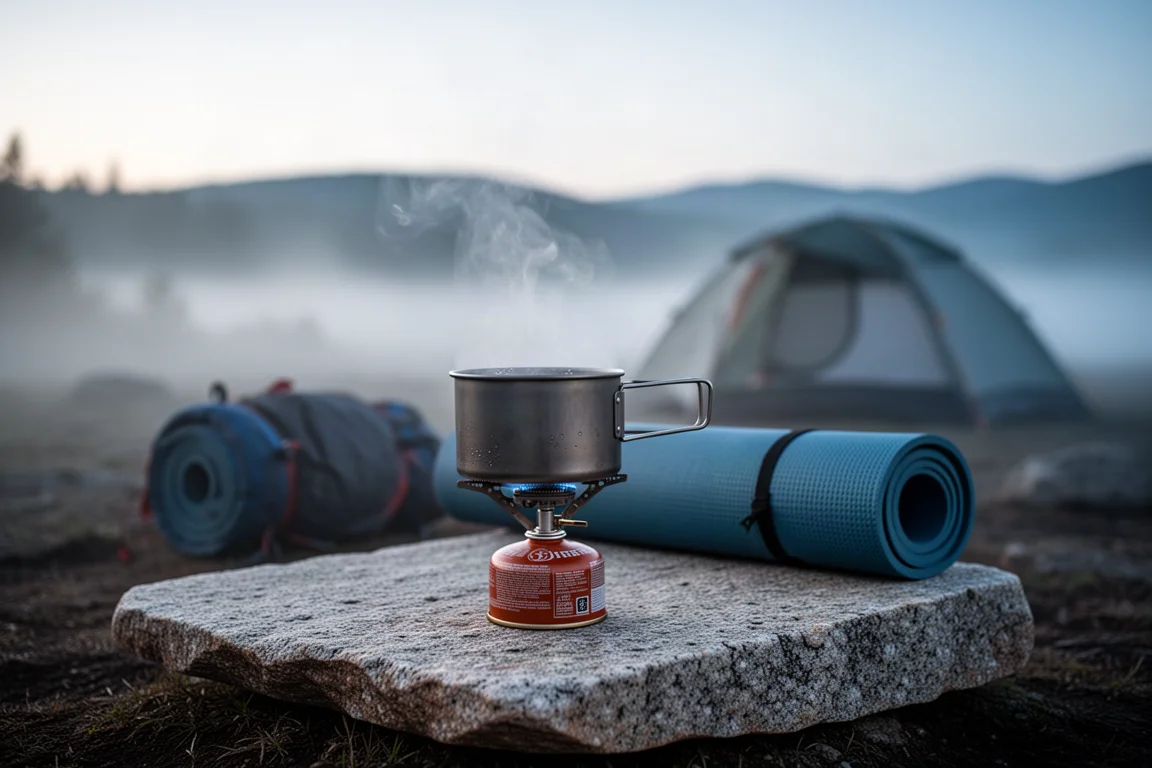
It is also aimed at anyone who rides or hikes into shoulder-season and winter conditions where canister stoves usually fade. That is the promise behind the regulator: consistent output as the canister gets cold or as the fuel level drops. Readers who have watched a canister stove sputter on a frosty morning are exactly the audience this product is speaking to.
If you mostly car camp, cook for several people, or want one burner to handle real meals in larger pans, this stove is not the natural fit. It is a boil-and-reheat tool, and it is honest about that.
Main Strengths
Build quality is the first thing that stands out. The stove is assembled from stainless steel, aluminum, brass, and plastic, and the finish is clean. There are no rough edges, and the milling has been filed down properly. Nothing about the construction feels improvised.
It is genuinely light and compact. The manufacturer claims 3.3 oz for the stove, and a kitchen scale puts it at roughly 3.5 oz, with the full component set around 4.8 oz. Folded, it measures about 3 inches tall and 2 inches wide, so it takes up very little room in a pack.
Performance in mild conditions is solid. A boil test with 2 cups, or 16 oz, of water finished in 2 minutes 25 seconds. That is not a record-setting figure for a canister stove, but it is respectable. Output is rated at 10,000 BTU, and the valve has a wide usable range: you can dial the flame down to a genuine simmer or open it up fully. The electronic igniter lit the burner on every attempt during early use.
Things to Consider Before Buying
There is no windscreen, and that omission shows. During the boil test a light breeze moved through and visibly affected the flame. A stove at this price point should ship with some form of wind protection, and without it you will be improvising with rocks or a foil shield on exposed ground.
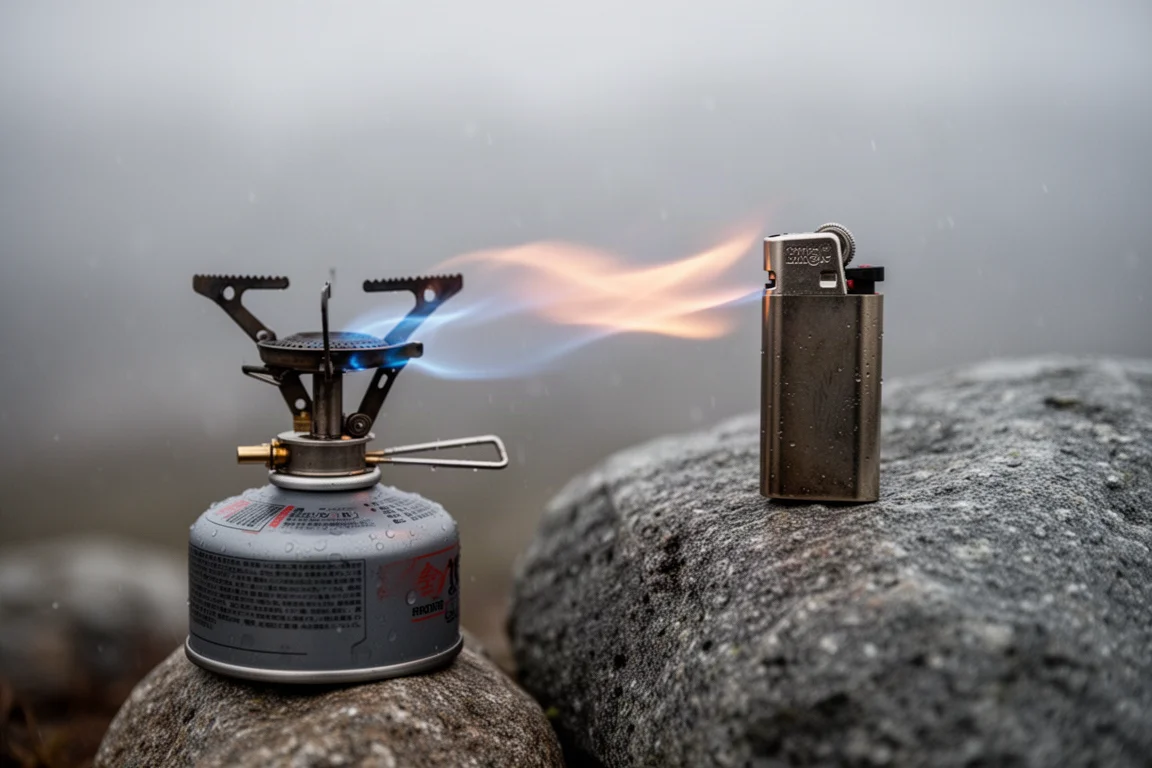
The igniter has a more serious design flaw. The back of the igniter is unshielded, exposing the metal contact. Pressing the switch with a finger on both sides of the housing can deliver a noticeable shock, and the strength of that shock is not consistent. Placing your finger on the regulator body instead avoids the contact, though it does not feel like the natural placement for pressing the switch.
Reliability history is the next thing to weigh. This brand has a long-standing reputation for igniters that fail, so carrying a backup lighter is sensible regardless of how the stove behaves early on. There are also user reports of the support legs melting or bending out of shape, and at least one account of a more dramatic failure that the company did not address publicly. Those reports are not proof of a widespread problem, but they are worth knowing about.
Two smaller points. The rotating pot supports are very stiff straight out of the box, and heat can make that movement harder over time, so it is worth watching. The burner head is also fairly small, which limits how much cookware it can handle.
None of these issues make the stove unusable, but together they define what you are buying: a light, well-finished boiler with a couple of rough edges that need managing.
Specifications and Fuel Compatibility
The MightyMo runs on isobutane and isobutane only. It has not been designed to run on propane-only or butane-only canisters, so match your fuel to the stove rather than assuming any canister will do. Power output is 10,000 BTU.
Folded, the stove is about 3 inches tall and 2 inches wide. Set up, it stands roughly 5 inches tall and about 4 inches wide across the pot supports, or around 4.5 inches including the adjuster. The mix of stainless steel, aluminum, brass, and plastic keeps the weight down without making it feel flimsy.
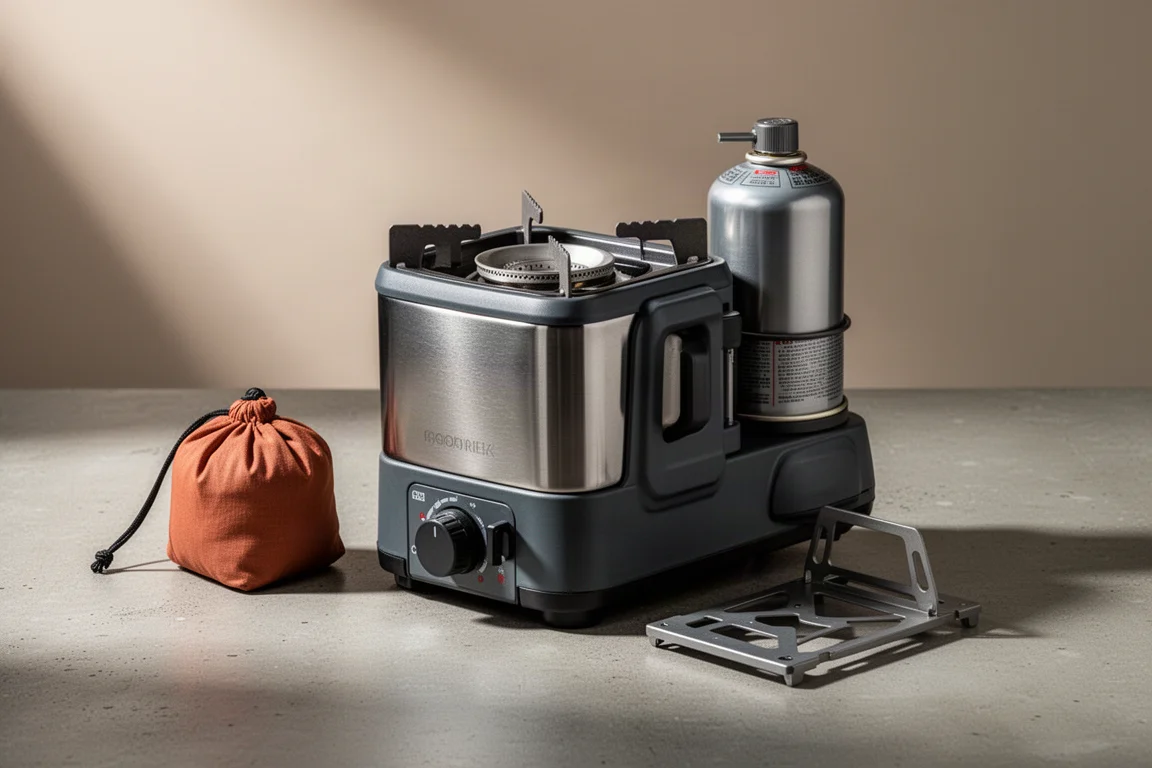
The kit includes the stove, an orange storage bag of reasonable quality, and a canister support stand. Retail price is $65, and it was selling for around $60 at the time of writing.
What the Regulator Claim Means
A regulator on a canister stove does one job: it keeps output steady even as pressure inside the canister falls. Pressure drops for two reasons, cold temperatures and a declining fuel level, and a regulated stove holds its performance better against both. Unregulated canister stoves do neither well, which is why they slow to a crawl in cool weather and lose power as the canister empties.
The unusual part is the number attached to the claim. Consistent performance down to 20°F is a strong statement. In practice, many canister stoves already feel sluggish in the 40s, lose noticeable performance in the 30s, and become close to unusable in the 20s, regulator or not. That gap between common experience and a published rating is what makes this stove interesting, and it is also what makes the claim worth verifying rather than assuming.
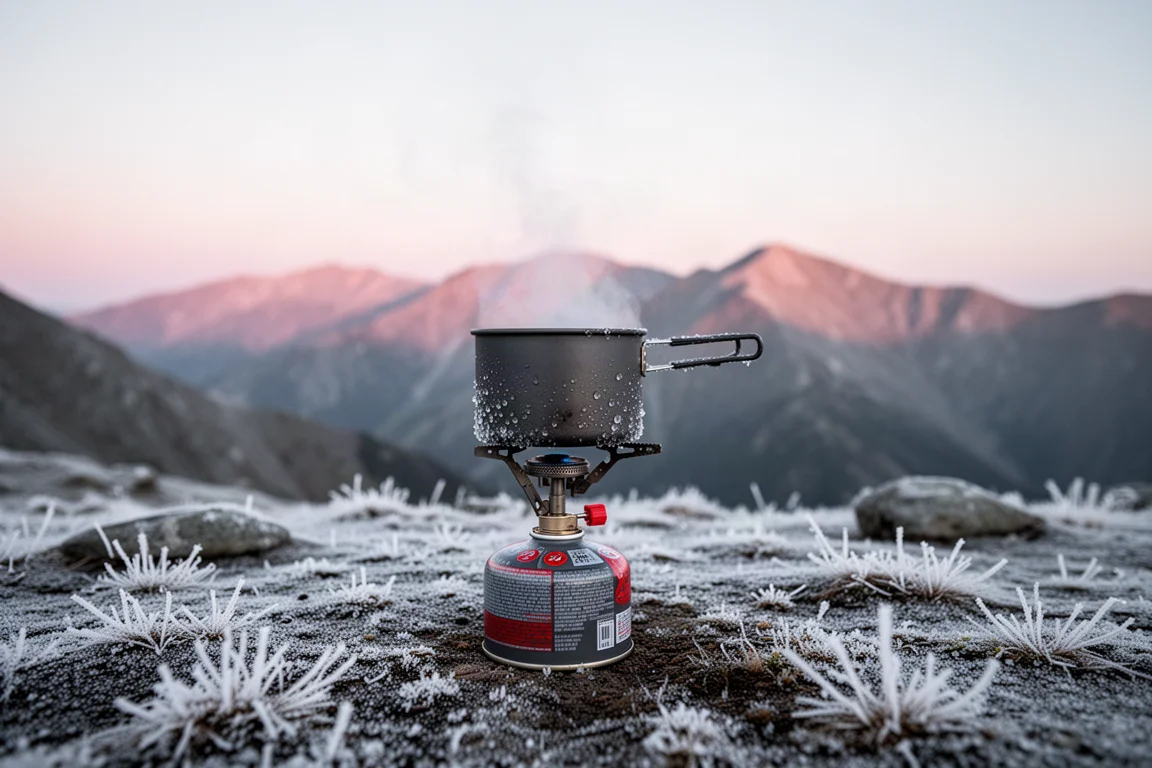
Until the stove has been run repeatedly in genuine cold, the sensible reading is that the regulator is real, the design intent is clear, and the 20°F figure remains a manufacturer claim to test rather than a settled result.
Setup, Stability, and Everyday Use
Setup is quick and intuitive. Screw the stove onto an isobutane canister, unfold the pot supports, and you are ready. Breakdown is just as fast, and the whole package drops into the included bag without fuss.
The canister support stand is the quiet highlight of the kit. You lay it on the ground, seat the canister into the grooves, and it locks in place. That gives the stove a wide, stable footprint on dirt, rock, or a picnic table, which matters more than it sounds when you are balancing a full pot of boiling water.
The pot supports themselves are well designed. They combine raised gimping with flat pads, so cookware sits securely and is unlikely to slide off. Stability on flat ground is good, and the low folded height keeps the center of gravity close to the canister.
In everyday use, the stove is pleasant to operate. The valve moves smoothly through its range, simmering is genuinely controllable, and the flame stays consistent in mild temperatures. This is a stove for boiling water, rehydrating meals, and making coffee, and it handles those tasks without drama.
Buying Advice
Buy the MightyMo if you want a compact, well-made canister stove for boiling water on backpacking trips, and if the idea of a regulated burner with a stated cold-weather rating appeals to you. The build quality is good, the weight is low, the simmer control is excellent for this class, and the canister stand adds real stability.
Go in with clear expectations. Plan on carrying a lighter, since the igniter design and this brand’s history both point that way. Plan on adding your own wind protection, because none is included. And treat the 20°F claim as the reason to test the stove in cold weather rather than as a guarantee you can take on faith.
If your priority is cooking actual meals for more than one person, or if you want a stove that works reliably at altitude and in deep winter without extra fuss, look at a different category of stove. Within its intended role, though, the MightyMo is a capable, lightweight option with a genuinely interesting piece of engineering on the back.
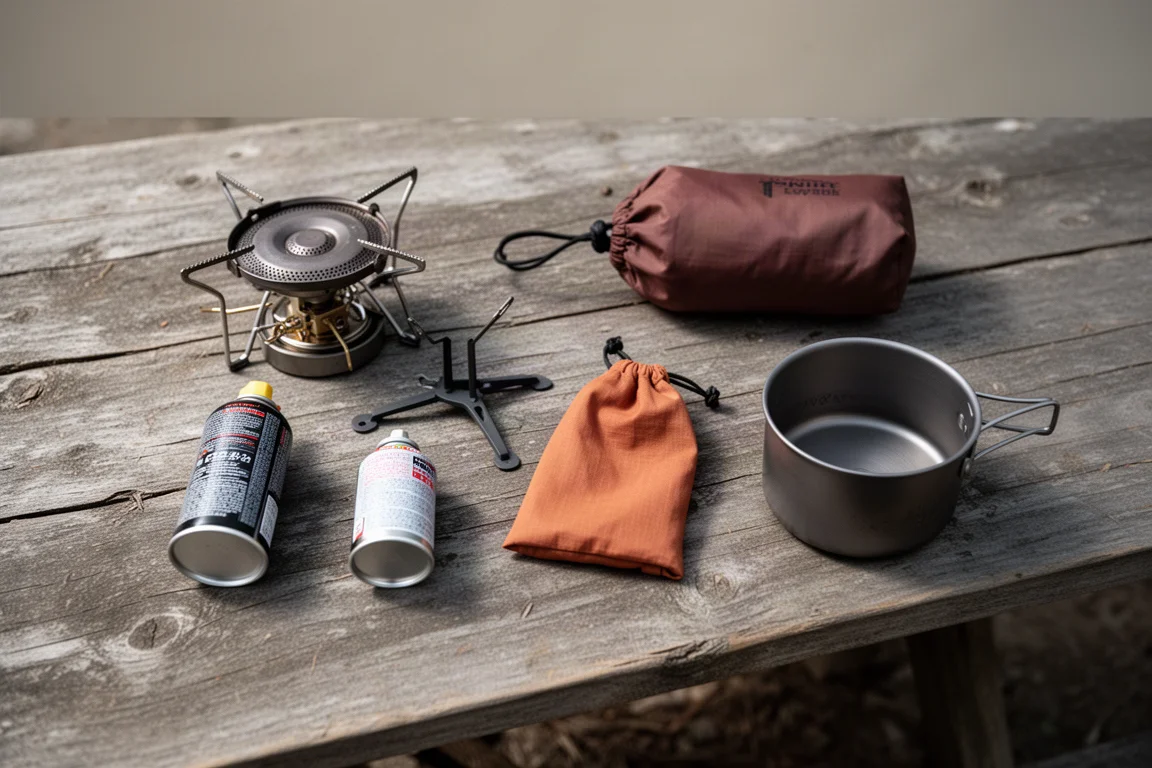
For backpackers who already own a pot, value a small packed size, and want regulated output from a canister stove, this is a reasonable purchase at its current price. For everyone else, the honest answer is that the cold-weather claim is the part worth waiting on before committing.
Conclusion
The Jetboil MightyMo is a well-built, lightweight canister stove with a large regulator, a stable canister stand, and strong simmer control. Its boil time is respectable rather than remarkable, its build quality is genuinely good, and its headline cold-weather rating is unusual enough to be worth watching.
The trade-offs are equally clear: no windscreen, an igniter that can shock your finger if you press it the wrong way, a brand history that argues for a backup lighter, and a burner head too small for ambitious cooking. Weigh those against the price, decide how much the regulated cold-weather claim matters to your trips, and the right answer should be straightforward.
Product link
View more details for Jetboil MightyMo
This product is mentioned in the review. Check the specifications, options, and compatibility before buying.
View more details for Jetboil MightyMoFurther reading
Related Reviews
Camping Stoves
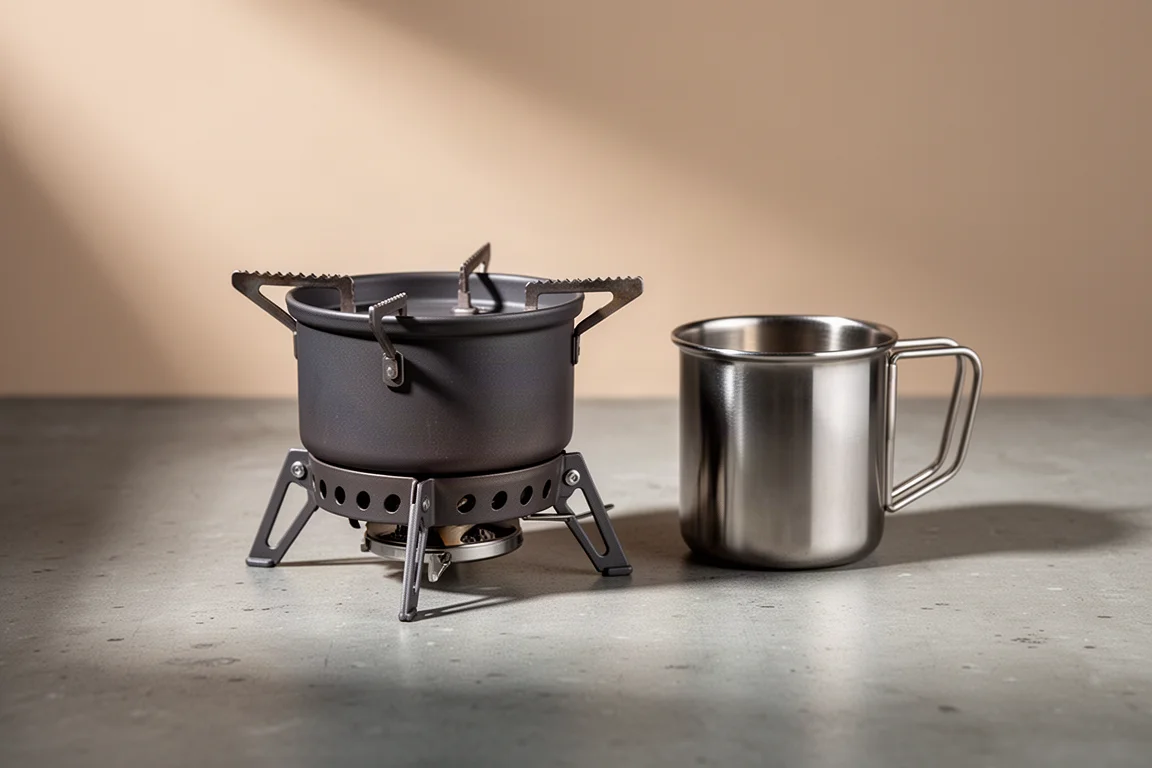
BCB Fire Dragon Mini Cooker Review: A Tiny Folding Stove With Real Trade-Offs
A palm-sized, fuel-flexible folding stove that heats water well enough, but brings flame control, stability, and fuel cost questions worth understanding first.
Camping Stoves
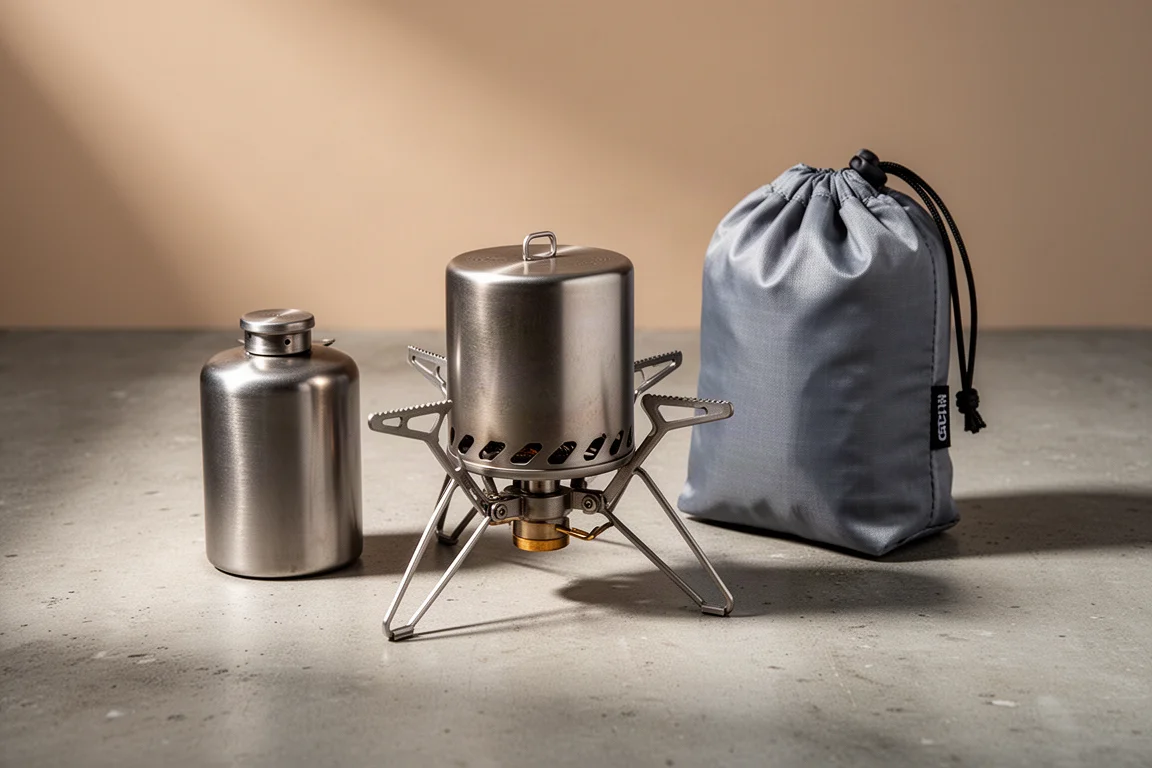
Boundless Voyage Titanium Alcohol and Wood Stove Review: Ultralight Cooking, Two Ways
A titanium alcohol and wood burning stove kit that weighs 4.5 oz complete, boils two cups of water in about 10 minutes, and costs $36.
Camping Stoves
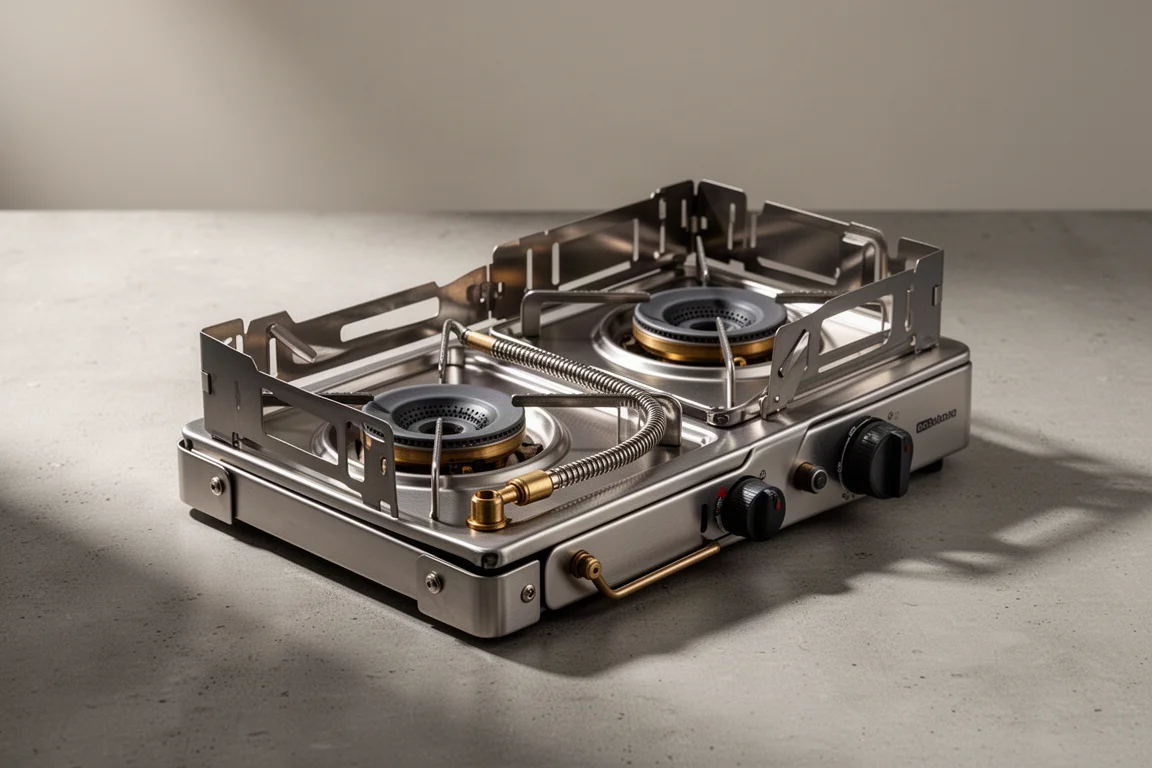
BRS 32 Dual Burner Stove Review: A Folding Two-Burner That Packs Down Flat
A detailed look at the BRS 32, a slim folding dual burner camping stove that expands into a stable cooking platform for around $60.