Camping Stoves
Jetboil Mighty Mo: A Regulated Canister Stove With One Genuine Catch
The Jetboil Mighty Mo promises regulated output down to 20°F in a compact backpacking stove. Here is what stands out, what does not, and who should buy it.
Introduction
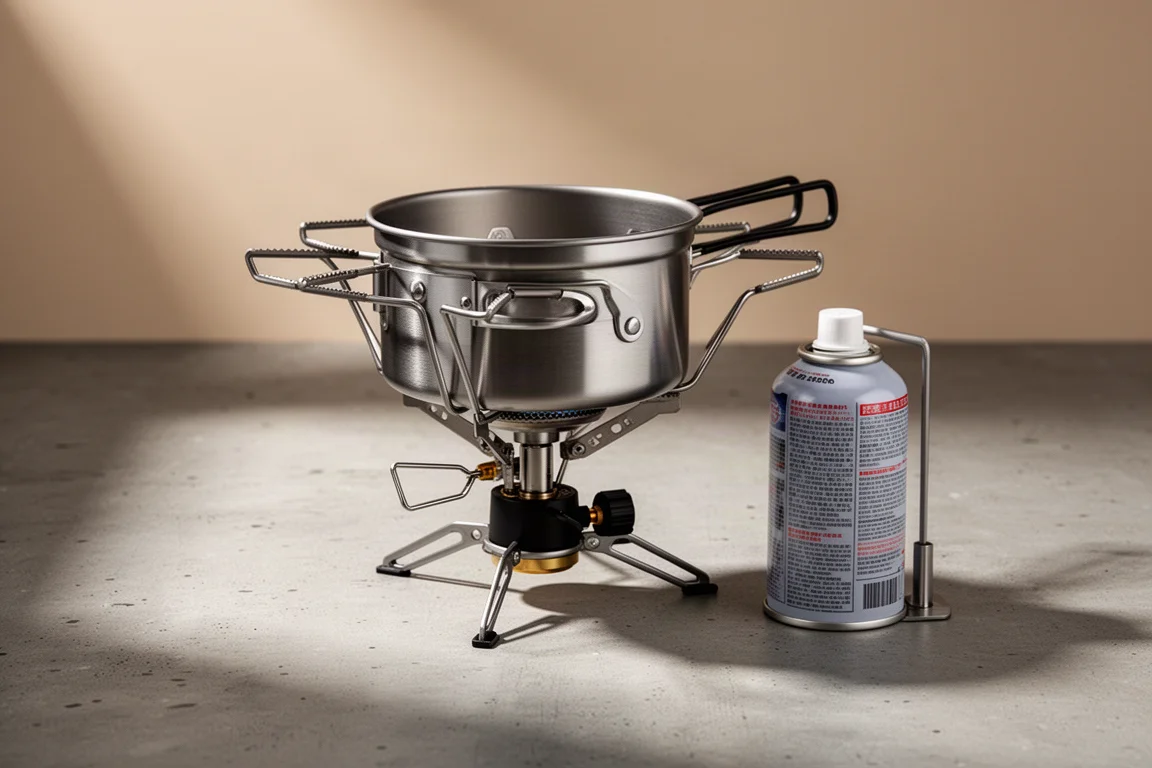
Jetboil is best known for integrated canister systems that clamp a pot directly onto the burner, and the Mighty Mo is not one of those. It is a conventional remote-canister backpacking stove with a regulator built into the burner assembly, sold with a small canister support stand and a stuff sack.
What makes it worth a closer look is a single line in the product description: regulated for consistent performance down to 20°F (-6°C).
Regulators themselves are nothing new. Plenty of canister stoves have one, and the benefit is easy to explain. A regulator keeps output steady as pressure inside the canister falls, whether that is because the fuel level is dropping or because the weather has turned cold. Without one, canister stoves lose power as the canister empties and struggle badly in low temperatures.
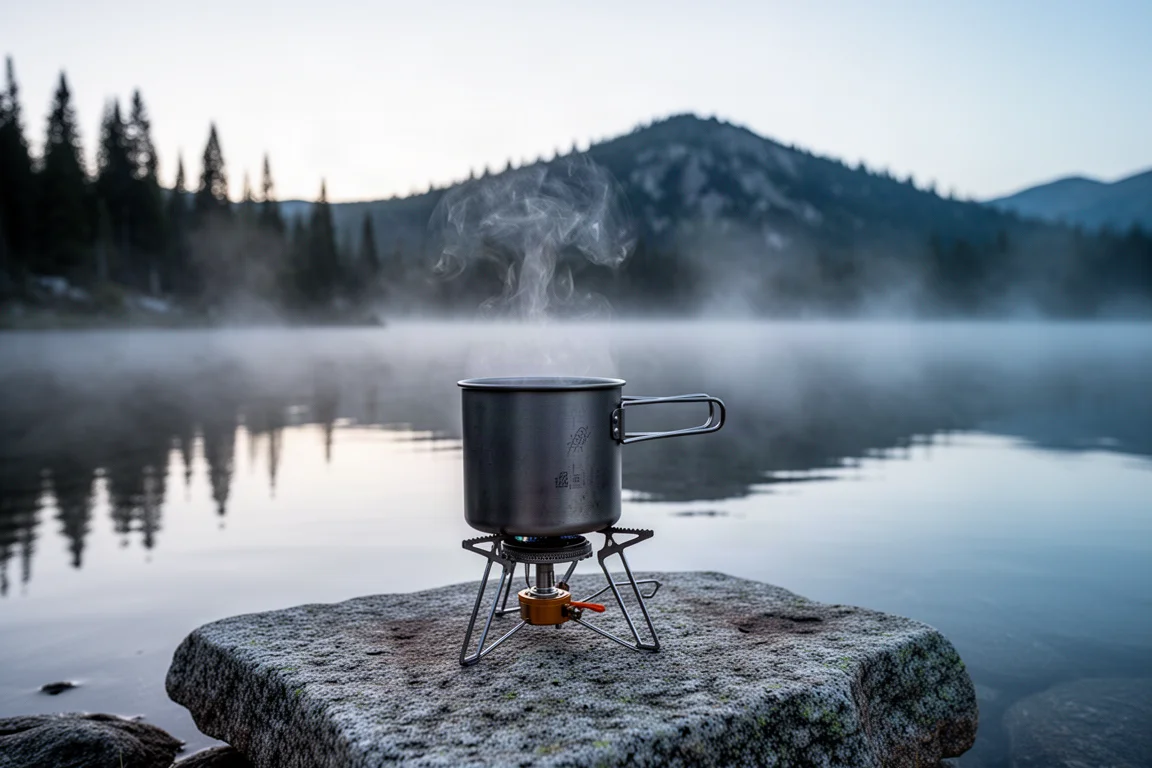
What is unusual is naming a temperature. Most manufacturers settle for general language about better performance in cool conditions. Putting a figure on it raises the stakes considerably, because canister stoves typically turn sluggish in the 40s, feel noticeably weak in the 30s, and are often unusable in the 20s. The Mighty Mo runs on isobutane only and is built around a 10,000 BTU burner. Retail price is $65, and it was selling for around $60 at the time of writing.
Who the Mighty Mo Is For
This is a stove for backpackers and campers who want a small, light canister stove that boils water quickly, simmers cleanly, and barely takes up room in a pack.
It is a good fit if:
- You mostly boil water for dehydrated meals, coffee, and tea.
- You want fine flame control for gentle reheating rather than high-heat cooking.
- You travel in cooler shoulder-season conditions and want a regulator working in your favour.
- You prefer a compact folded package over a wide cooking surface.
It is a poor fit if you want to cook real meals. The burner head is small and the pot supports are sized for a single pot, so large pans and elaborate camp cooking are outside its design brief.
Main Strengths
The Mighty Mo gets the fundamentals right. It is small, light, stable, and genuinely pleasant to control at the flame.
Build Quality and Design
Build quality is the first thing that stands out. The stove is well made, with no rough edges and cleanly finished milling throughout. The body combines stainless steel with aluminum, brass, and some plastic.
Folded, the stove measures about 3 inches tall and 2 inches wide. Set up, it stands roughly 5 inches tall and about 4 inches wide across the pot supports, or around 4.5 inches with the adjuster. The stated weight is 3.3 oz, though the stove weighed 3.5 oz on a scale and 4.8 oz with every component in the kit. Even at the heavier figure it remains a compact, packable package, and the orange storage bag it ships in is better quality than the price suggests.
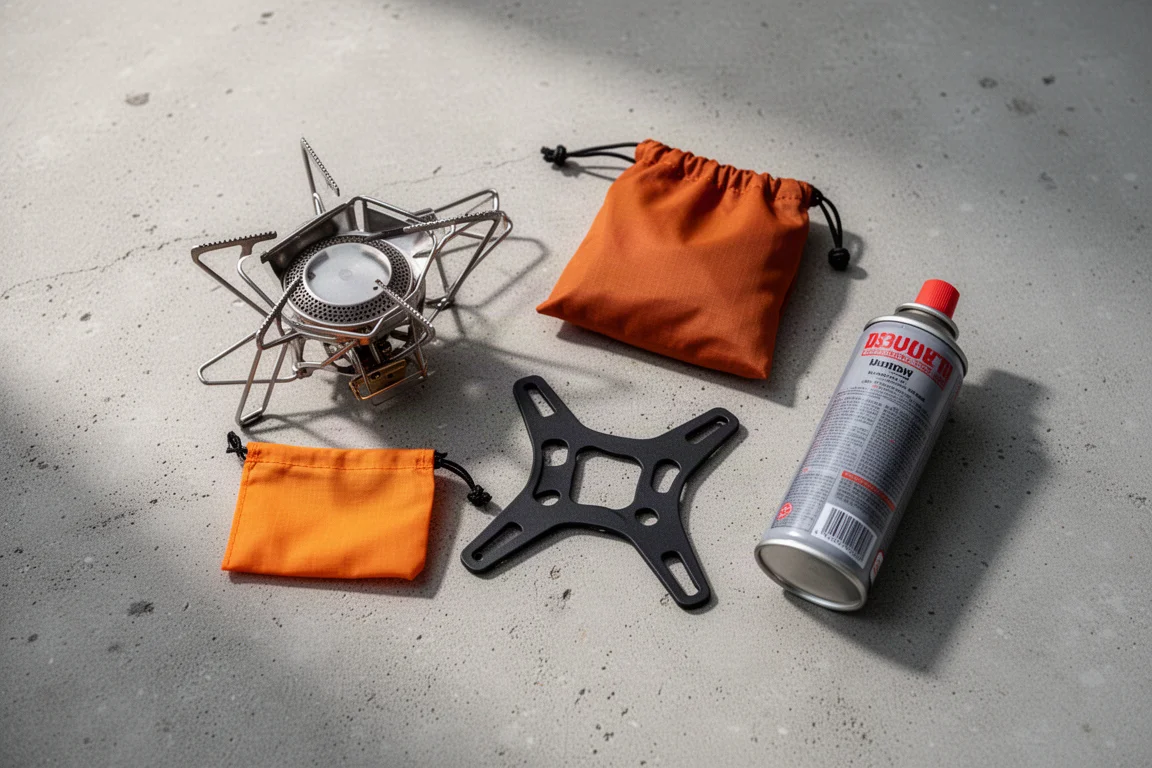
Setup and breakdown are straightforward. The canister support stand lies flat on the ground and clips into grooves on the canister, which keeps the whole assembly steady on dirt as well as on a table. The pot supports rotate out and are finished with dimpling on top plus flat pads, so a pot sits securely with very little chance of sliding off. The supports are stiff to move at the moment, which is worth watching, since rotating supports on stoves of this type often become harder to shift once they have been heated repeatedly.
Performance and Simmer Control
The 10,000 BTU burner boiled 2 cups (16 oz) of water in 2 minutes 25 seconds in roughly 70°F conditions. That is a respectable result for a canister stove, without being record-breaking.
Where the stove impresses most is control. The valve dials down to a very low flame and opens up fully, so simmering is genuinely easy rather than a fight with the valve. The electronic igniter lit the burner on every attempt during initial use.
Things to Consider Before Buying
Two design decisions are hard to overlook, and both affect everyday use rather than occasional convenience.
No Windscreen and an Unshielded Igniter
There is no windscreen in the box. During the boil test a light breeze pushed the flame around enough to be both audible and visible, and that was in mild weather. For a stove that is expected to hold its own in exposed, cold conditions, a windscreen is a sensible inclusion, and leaving it out is an oversight.
The electronic igniter has a second and stranger problem. The rear of the igniter is not shielded, leaving the metal contact exposed. Pressing the igniter with one finger on the switch and one finger on the back completes a circuit, and the stove delivers a shock. The strength of the shock is not consistent, but it is very noticeable, and it is not something most people will want to repeat.
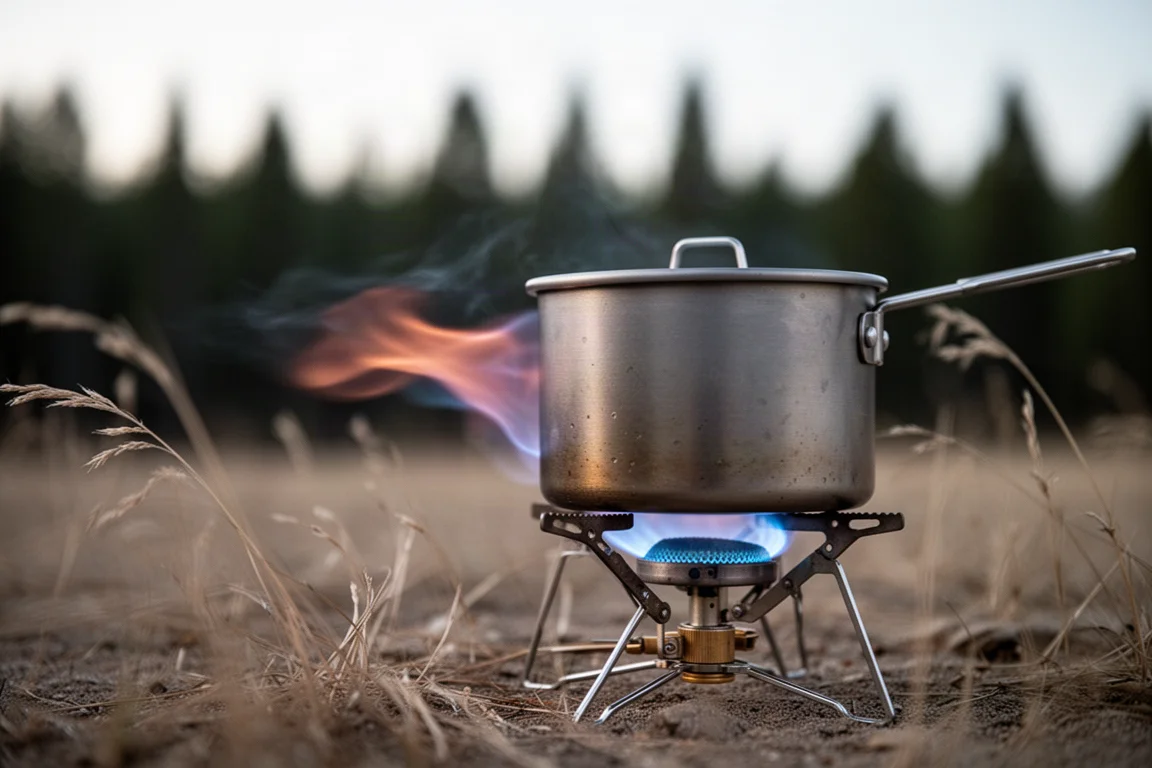
Resting the rear hand on the regulator instead avoids the exposed contact, though that does not feel like the natural position for the switch. It is also worth setting expectations on cooking: the small burner head makes this a boiling and reheating stove, not a stove for preparing a full meal in a wide pan.
Reliability and Long-Term Concerns
Jetboil’s electronic igniters have a long-standing reputation for failing, so a lighter belongs in the kit regardless of how well the igniter behaves early on. There are also reports of the support legs melting and bending out of shape, and an account on the manufacturer’s own site describing a stove flying off during use, which the company did not address in its responses to other complaints about the same product. These are individual reports rather than a pattern confirmed by extended testing, but they are worth knowing before you buy.
Buying Advice
At $65 retail, and around $60 in practice, the Mighty Mo sits in the middle of the canister stove market. If the regulated-to-20°F claim holds up in cold weather, the price is easy to justify for anyone who backpacks through autumn and early spring.
Three practical steps make ownership easier. Carry a lighter as a backup ignition source, press the igniter with the rear hand on the regulator rather than on the exposed rear contact, and add a windscreen if you plan to use the stove in open, breezy campsites.
The bigger question is what you actually need. If you want a compact, stable, well-made regulated stove for boiling water and rehydrating meals, this one deserves a place on your shortlist, and the regulator is the main reason to choose it over a cheaper stove without one. If you want to cook properly at camp, or you would rather not deal with a quirky igniter at all, look at a stove with a wider burner head and a more conventional ignition system.
Conclusion
The Mighty Mo is a genuinely well-built little stove with excellent simmer control, a stable pot platform, and a regulator that is unusually large for its class. Its regulated performance claim down to 20°F is the most interesting thing about it, and it is the reason this stove stands apart from the usual canister options.
The caveats are real, though. There is no windscreen, the exposed rear contact on the igniter delivers a shock when pressed, and the small burner head limits cooking to boiling and reheating. Buy it for compact, cold-weather water boiling with your eyes open, keep a lighter in your kit, and it makes a sensible addition to a shoulder-season pack.
Product link
View more details for Jetboil Mighty Mo
This product is mentioned in the review. Check the specifications, options, and compatibility before buying.
View more details for Jetboil Mighty MoFurther reading
Related Reviews
Camping Stoves
BCB Fire Dragon Mini Cooker Review: A Tiny Folding Stove With Real Trade-Offs
A palm-sized, fuel-flexible folding stove that heats water well enough, but brings flame control, stability, and fuel cost questions worth understanding first.
Camping Stoves
Boundless Voyage Titanium Alcohol and Wood Stove Review: Ultralight Cooking, Two Ways
A titanium alcohol and wood burning stove kit that weighs 4.5 oz complete, boils two cups of water in about 10 minutes, and costs $36.
Camping Stoves
BRS 32 Dual Burner Stove Review: A Folding Two-Burner That Packs Down Flat
A detailed look at the BRS 32, a slim folding dual burner camping stove that expands into a stable cooking platform for around $60.