Camping Stoves
Jetboil Flash Review: Fast Boiling, Real Weight, and Where It Fits
A practical look at the Jetboil Flash integrated canister stove, from boil speed and packed weight to the trips where a simpler, lighter setup makes more sense.
Introduction
Every backpacking budget gets stretched by gear that sounds essential and turns out to be optional. Bear bells, oversized knives, a first aid kit built for a hospital ward: they all feel sensible in the shop and all end up as dead weight on the trail. Cooking systems deserve the same scrutiny, because money and grams add up fastest in the camp kitchen.
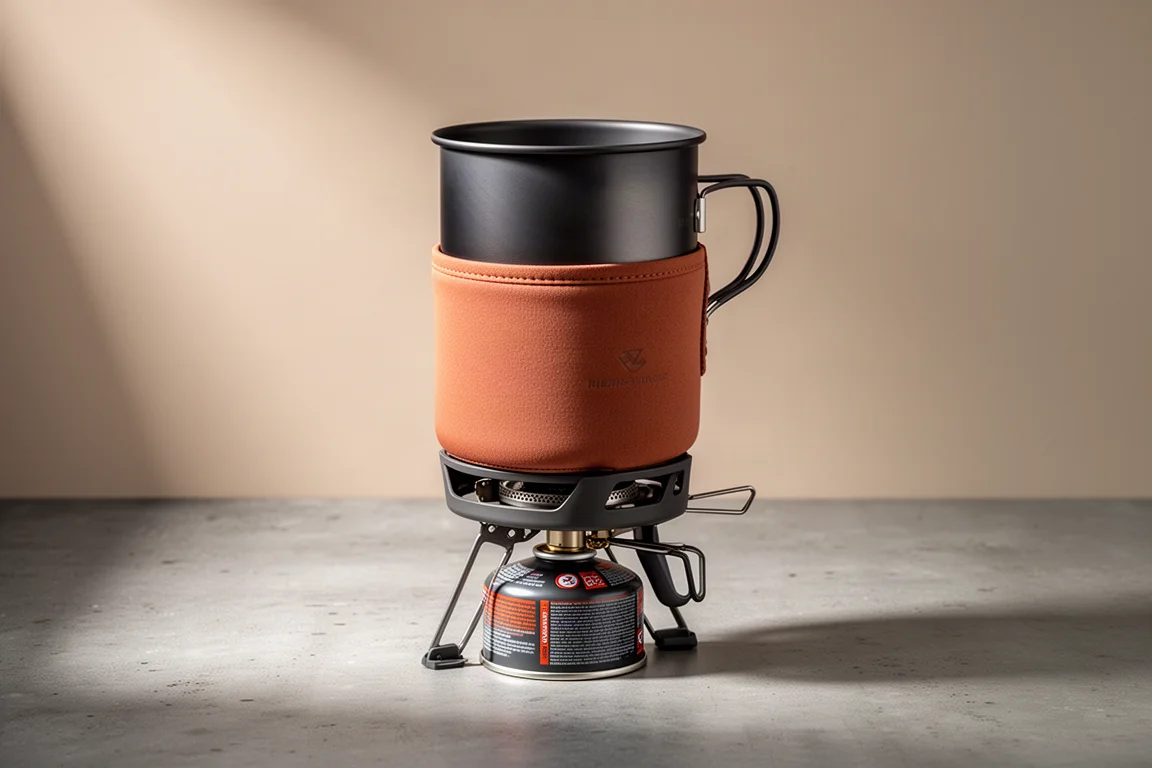
The Jetboil Flash is one of the better-known integrated canister stove systems, and it is genuinely good at the job it was designed to do. The question is not whether it works. The question is whether it matches the trip you are actually planning.
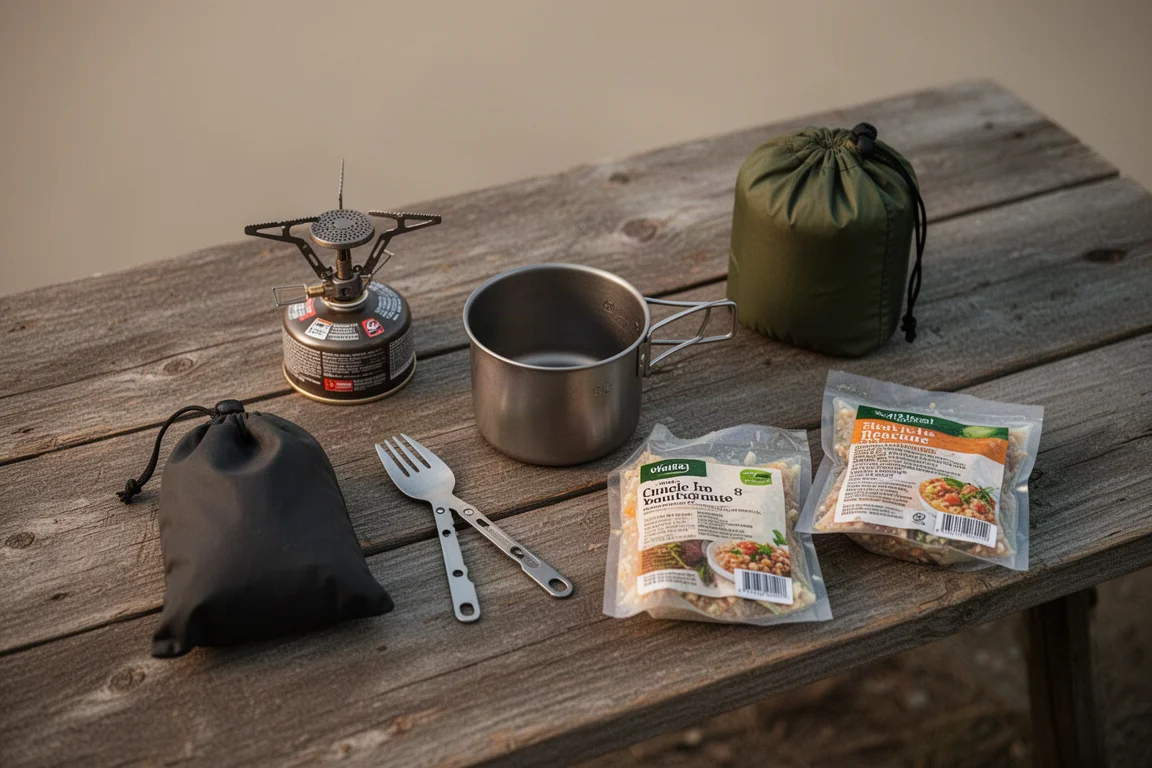
This review looks at the Flash on its own terms: how quickly it boils, what it costs in money and packed weight, and which kinds of trips get real value out of it.
Who the Jetboil Flash Is For
The Flash makes the most sense for campers who care about speed and simplicity rather than shaving grams.
- Car campers who want hot water in a hurry without assembling a kit from separate parts.
- Base campers and short overnight trips where the stove lives in one bag and the same routine repeats every evening.
- Anyone who values an all-in-one system, with burner, pot and insulated sleeve designed to work together.
It is a less natural fit for long-distance backpackers and thru-hikers, who tend to measure every item against its weight and its cost per ounce saved.
Main Strengths
Boil speed is the headline. The Flash heats water very quickly, which matters most when you are tired, cold, and cooking in fading light.
The integrated design is the second strength. Because the burner and the pot are built as one unit, there is no hunting for a matching pot, no separate lid to keep track of, and no guesswork about whether your cookware will sit properly on the stove. Everything nests into a single package that packs down predictably.
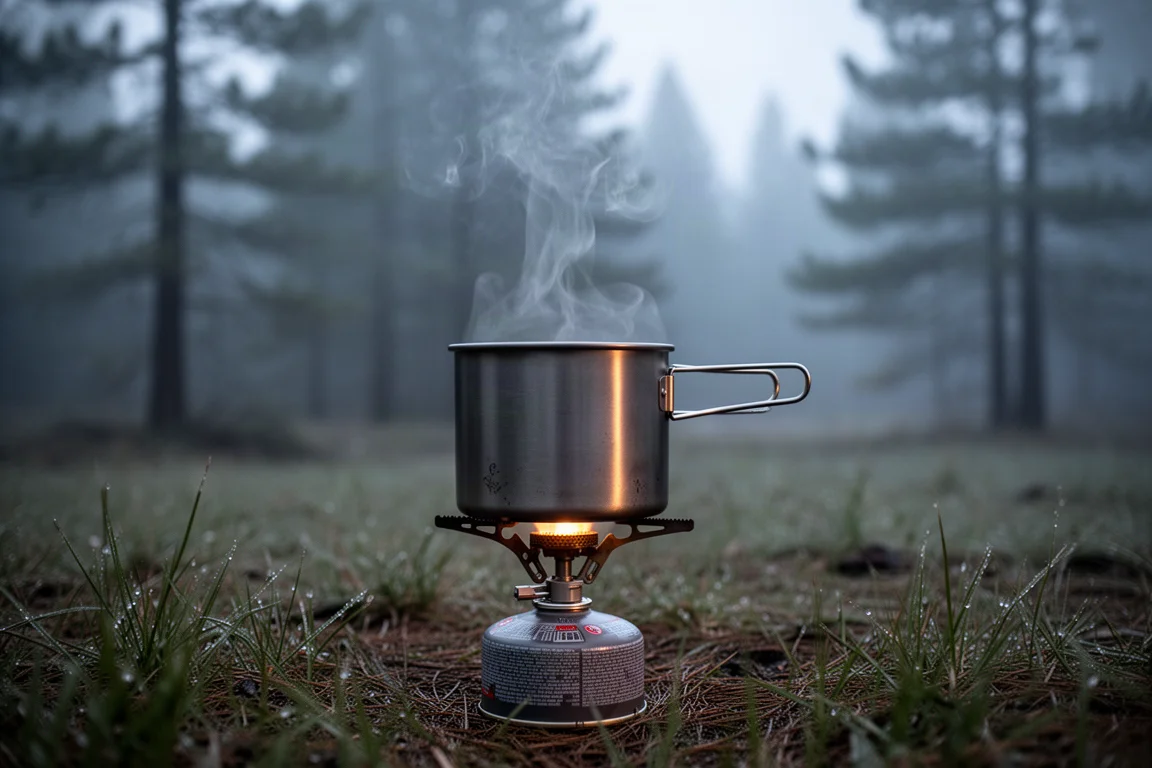
That combination of speed and simplicity is why the system has stayed popular. It removes decisions from the camp kitchen, and for a lot of trips that is exactly what you want.
How the Flash Compares With a Basic Canister Setup
The alternative is not complicated. A basic canister backpacking stove paired with a lightweight titanium pot can be assembled for far less money, and it will weigh significantly less than the Flash. The trade-off is real but narrow: a simple setup may not boil water quite as fast, and it will not feel as tidy or as polished.
If you want a system that works straight out of the box, the Flash delivers that. If you are willing to trade some convenience for a lighter pack and a smaller bill, the separate-parts route is worth pricing out before you commit.
Things to Consider Before Buying
Weight is the first thing to check. The Flash system comes in at around 13 ounces with everything included, which is close to a pound. That is a meaningful number in a pack that is meant to be carried for miles.
Price is the second. Jetboil systems are listed from roughly $90 to about $150, which puts the Flash firmly in the premium end of the camp stove market. For half that price, or less, you can put together a lighter setup.
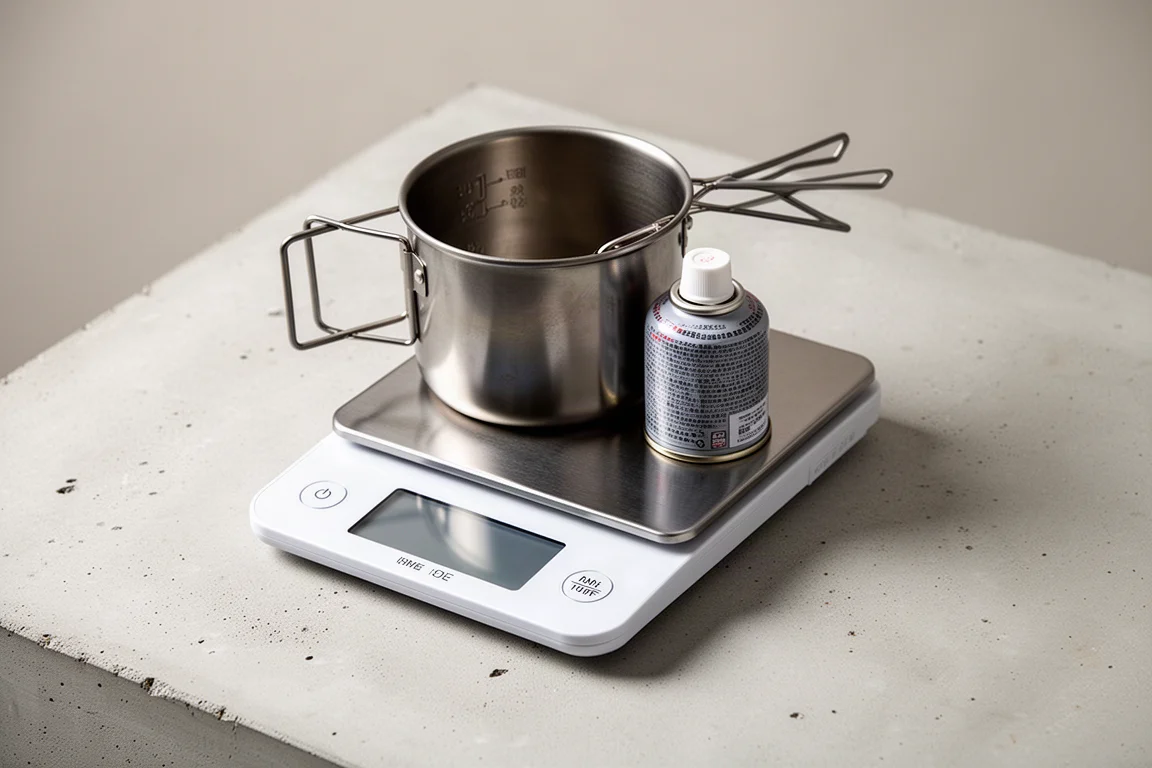
Neither point makes the Flash a bad product. It makes it a product with a specific job. If you are counting ounces on a long route, the arithmetic does not favour it. If you are cooking at a car campsite or a base camp, that same arithmetic barely matters.
A Note on the Rest of Your Kit
The same logic applies across the rest of a beginner’s gear list.
Bear bells are the classic example. The evidence behind them is mixed, and the useful part is simply making noise rather than the specific sound a small bell produces. Expensive dehydrated meals are convenient and often decent, but they are far from the only option, and ordinary grocery store food costs a fraction as much.
Oversized knives are rarely needed on a backpacking trip and are usually better replaced with something small. Large first aid kits only help if you know what is inside them and how to use it. Extra clothing, especially several pairs of socks and spare underwear, adds weight without solving the problem it is meant to solve. Toiletries such as deodorant and razors are not worth the space.
The pattern is consistent: carry what you will use, and leave the rest at home.
Buying Advice
Buy the Jetboil Flash if your trips look like this: short, or based from a vehicle, or built around a fast, repeatable cooking routine. In those settings the boil speed and the all-in-one packaging are worth paying for, and the weight sits in a bag that is not on your back all day.
Skip it if your plans involve big mileage and long resupply gaps. In that case, a basic canister stove with a lightweight pot will serve you better for less money and less weight.
Whatever you choose, decide before you shop. Knowing whether you are optimising for speed or for ounces is the difference between buying the right stove and buying an expensive one.
Conclusion
The Jetboil Flash does exactly what it promises: it boils water quickly and it keeps the camp kitchen simple. That is a real benefit for car campers, base campers and short trips where convenience beats counting grams. For backpackers chasing miles, a lighter and cheaper canister setup is usually the better call.
Product link
View more details for Jetboil Flash
This product is mentioned in the review. Check the specifications, options, and compatibility before buying.
View more details for Jetboil FlashFurther reading
Related Reviews
Camping Stoves
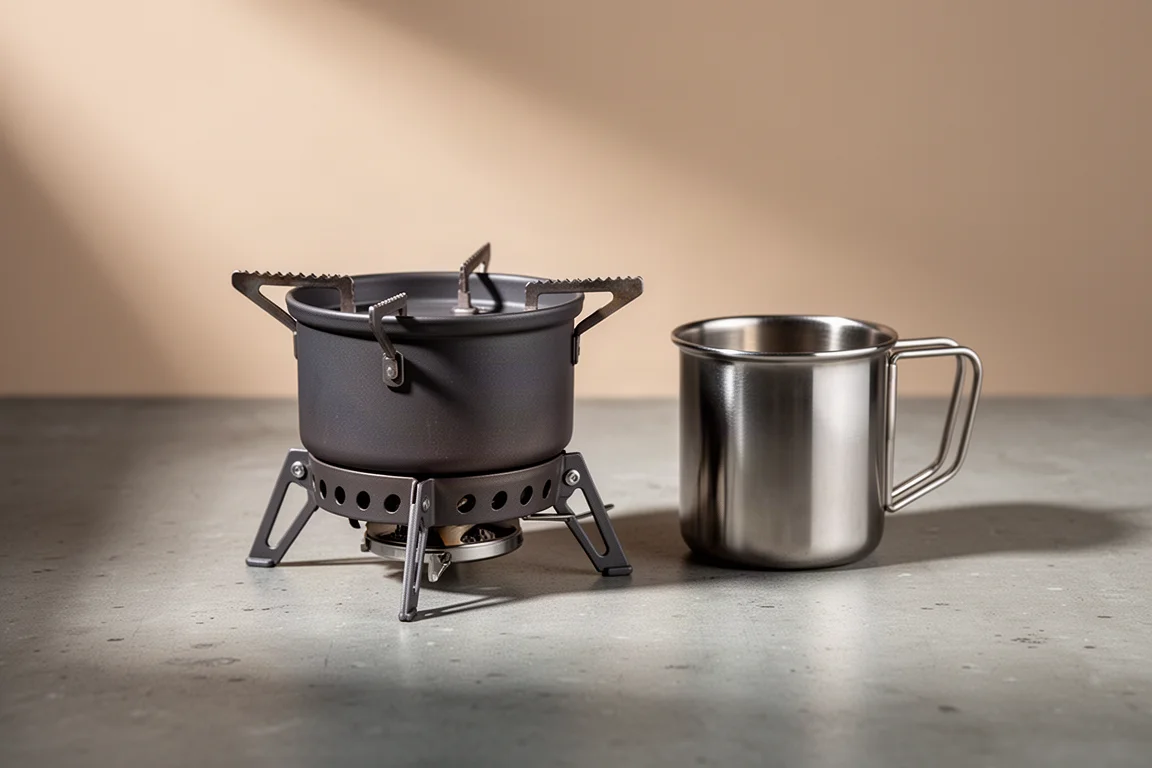
BCB Fire Dragon Mini Cooker Review: A Tiny Folding Stove With Real Trade-Offs
A palm-sized, fuel-flexible folding stove that heats water well enough, but brings flame control, stability, and fuel cost questions worth understanding first.
Camping Stoves
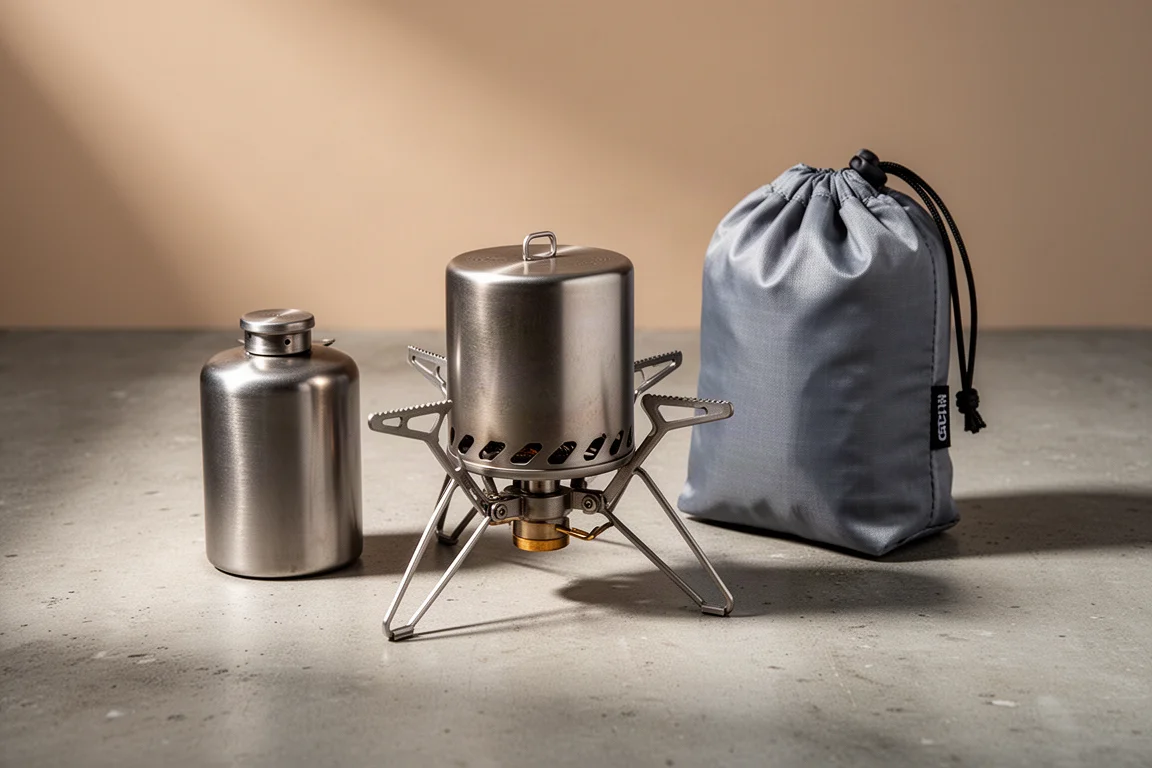
Boundless Voyage Titanium Alcohol and Wood Stove Review: Ultralight Cooking, Two Ways
A titanium alcohol and wood burning stove kit that weighs 4.5 oz complete, boils two cups of water in about 10 minutes, and costs $36.
Camping Stoves
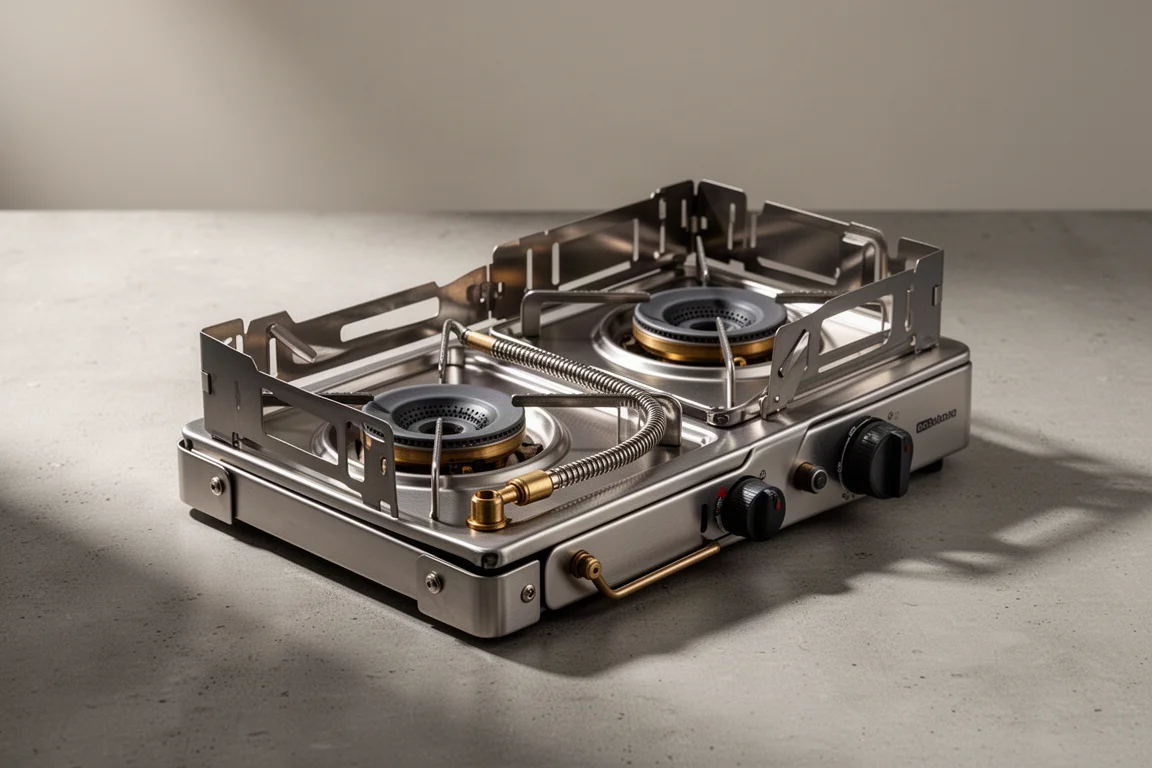
BRS 32 Dual Burner Stove Review: A Folding Two-Burner That Packs Down Flat
A detailed look at the BRS 32, a slim folding dual burner camping stove that expands into a stable cooking platform for around $60.