Hand Tools
A Mini Jensen Tools Haul: 7 Hand Tools Reviewed, Plus How They Compare to Klein and Knipex
We spent time with a batch of Jensen hand tools, from stubby screwdrivers to tongue-and-groove pliers, and put them head to head against Klein and Knipex equivalents.
Introduction
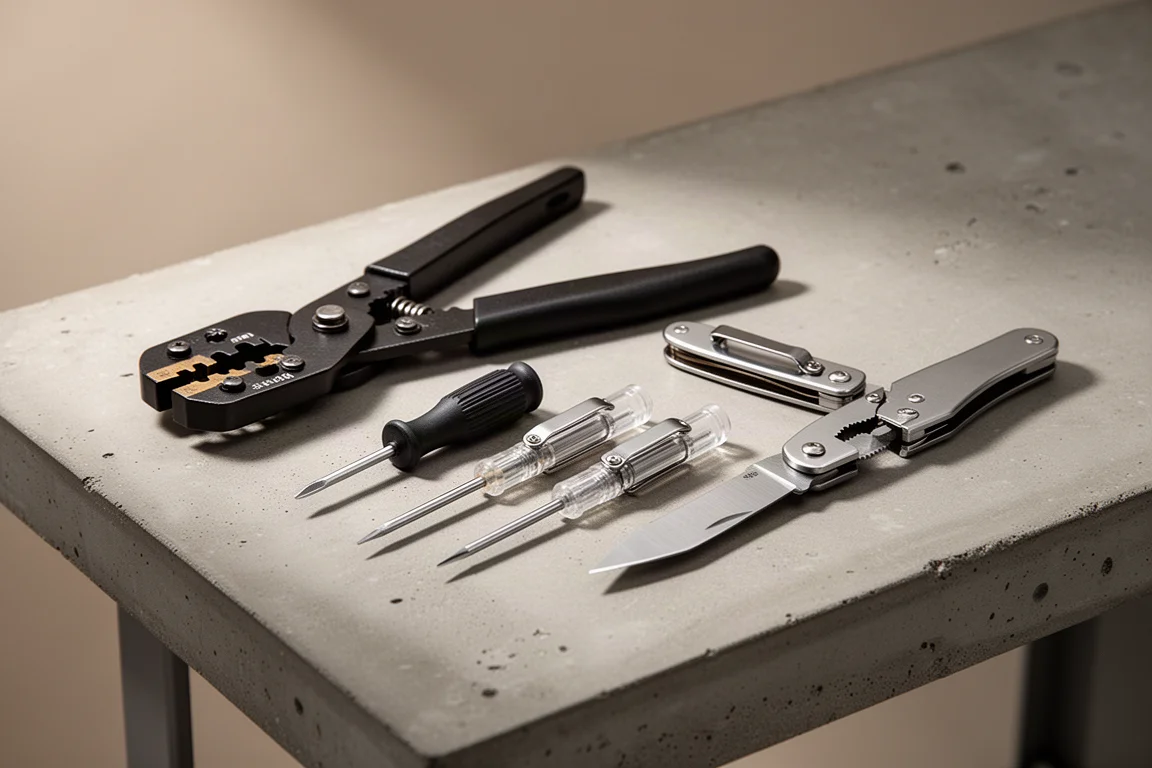
Jensen tools occupy an interesting niche. They are not premium tool-truck quality, and they are not disposable junk either. They are solid, serviceable hand tools aimed squarely at the working technician, and this mini haul of seven tools gave us a good sense of where they shine and where they fall short. Along the way we compared them directly against two benchmark brands: Klein for wire strippers and Knipex for tongue-and-groove pliers.
Who Jensen Tools Are For
The clearest way to describe Jensen’s positioning: blue collar tools for the white collar world. These are the tools you find in the briefcase or shoulder bag of a technician servicing photocopiers, telecom systems, or networking equipment. Jensen has been bought and sold a few times over the years and is not known for premier tool quality, but the company sells big kits, including sets of roughly 130 to 140 tools for around $700. If you are used to the rarefied air of a tool truck, $700 buying a whole briefcase full of serviceable tools is notable, and a complete technician kit can come in under a thousand dollars.
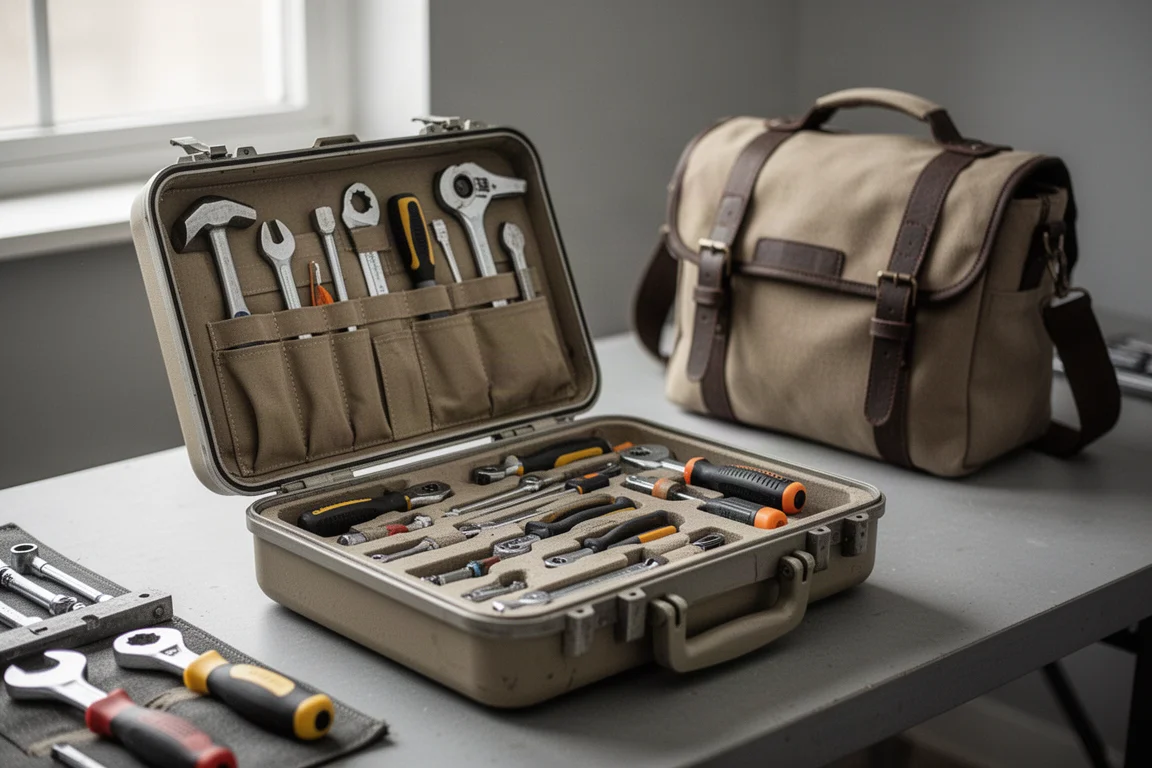
These are good starter sets. The realistic strategy is to use the kit, then upgrade the handful of tools you reach for most into higher-quality versions.
Jensen 19-0-14 Stubby Screwdriver
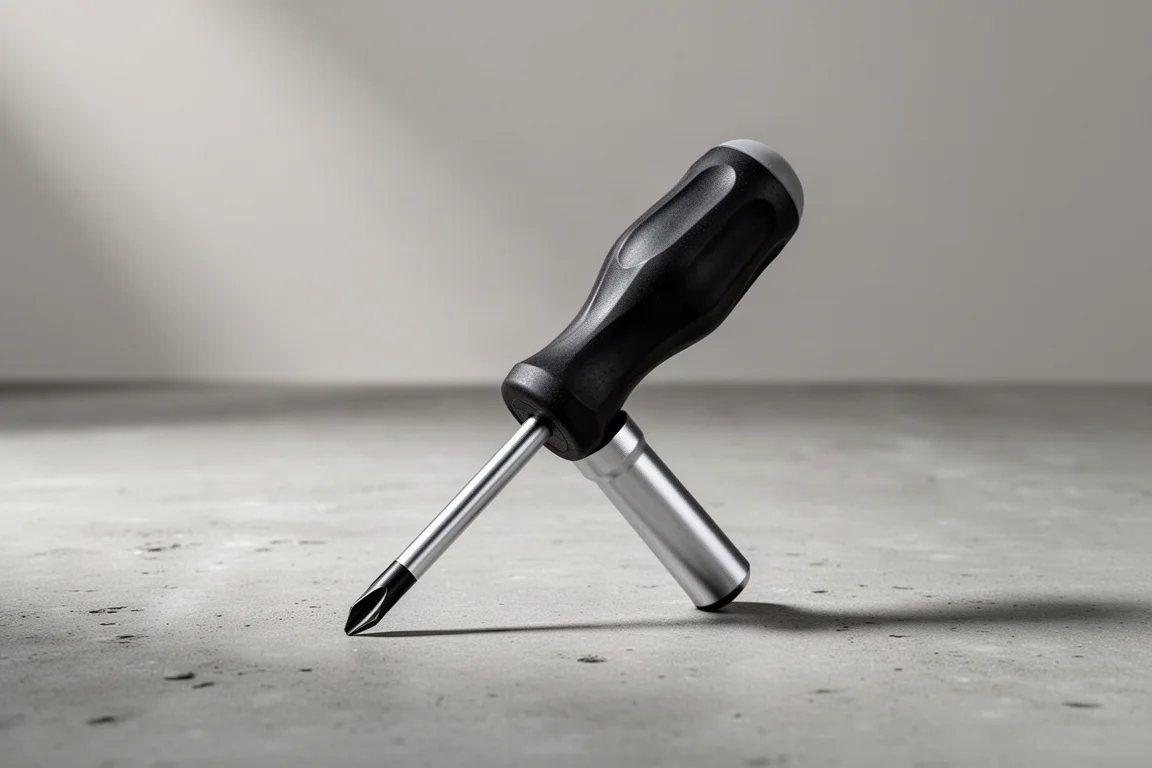
This small Jensen stubby driver handles both Phillips and standard slotted bits. At around $20 on Amazon, it sits alongside plenty of competing stubby screwdrivers, and honestly it did not impress. The bit can be knocked out of the holder fairly easily, and the handle design, while interesting, does not elevate it above the competition.
Stubby drivers are a favorite category here, and this one falls into the “good enough” bucket rather than the “buy it” bucket. It works, but there are stronger options at similar money.
Jensen Precision Screwdrivers
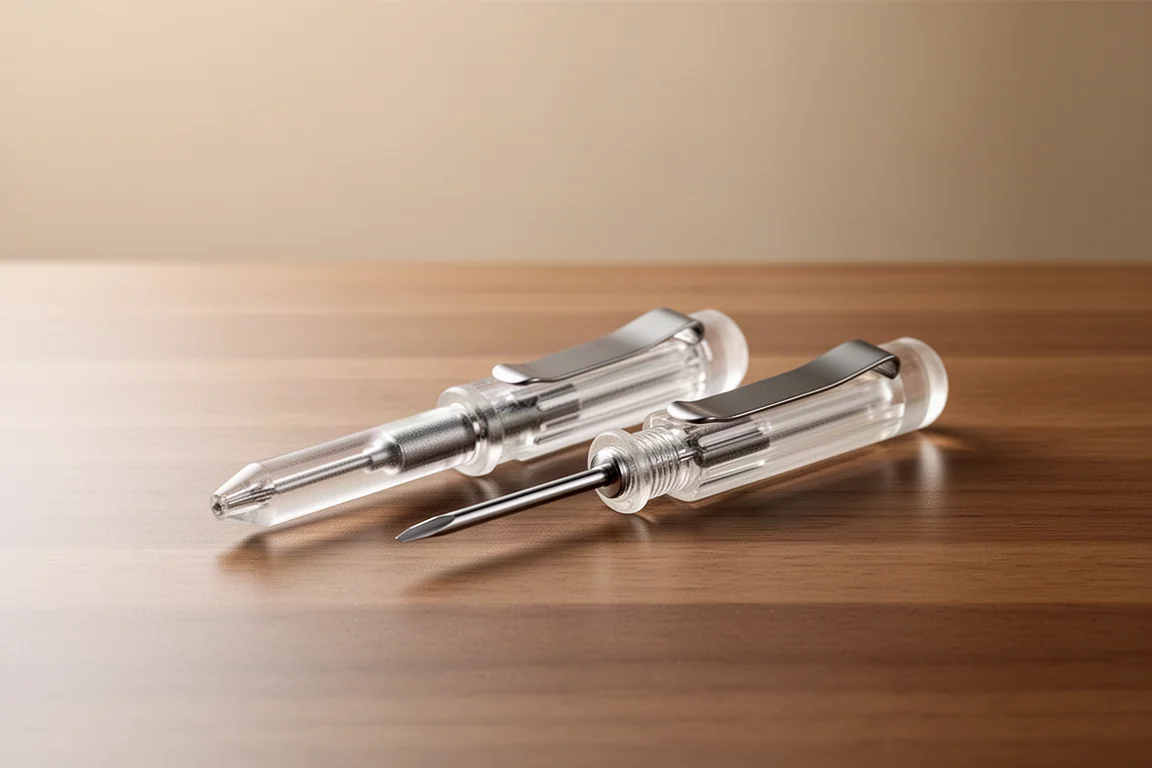
The precision pair covers a small Phillips and a small slotted driver, built with standard acetate handles and a pocket clip. They feel like classic technician tools: light, pocketable, and made for occasional fine work rather than daily abuse.
For someone servicing electronics, telecom gear, or office equipment, these fit the brief. They are average-performance tools that do the job without pretense.
Jensen Wire Strippers: Small Gauge Specialists
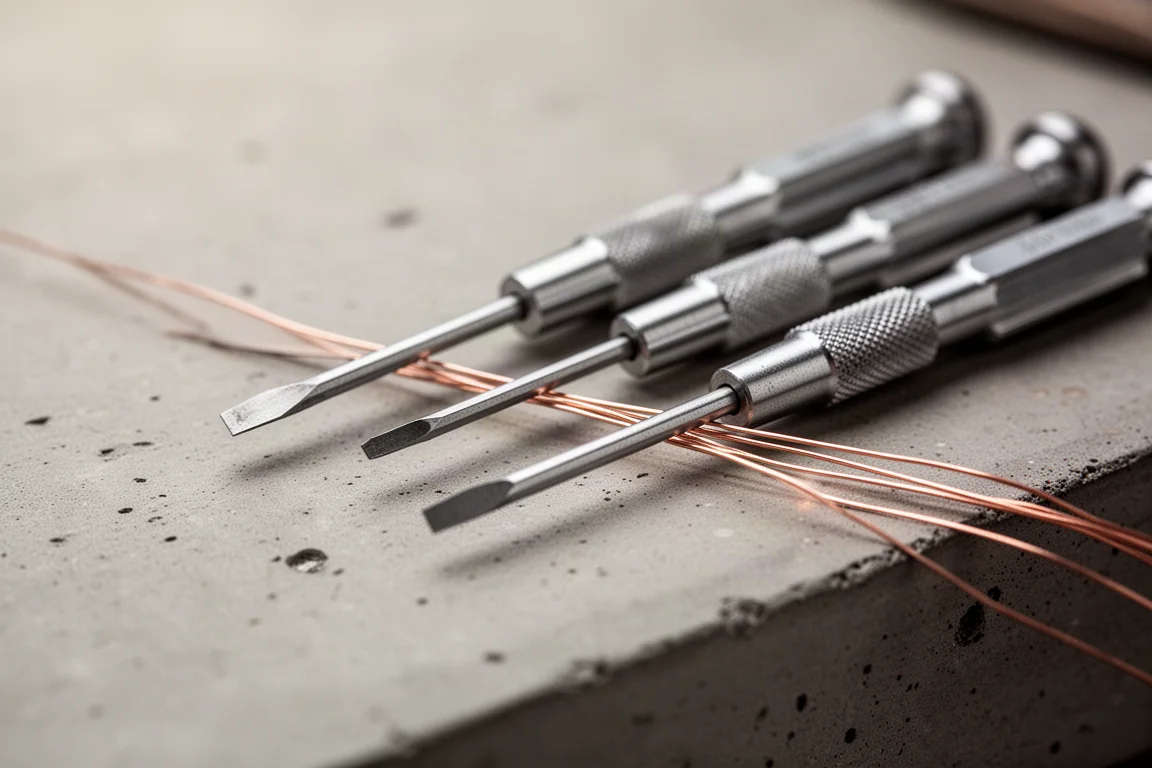
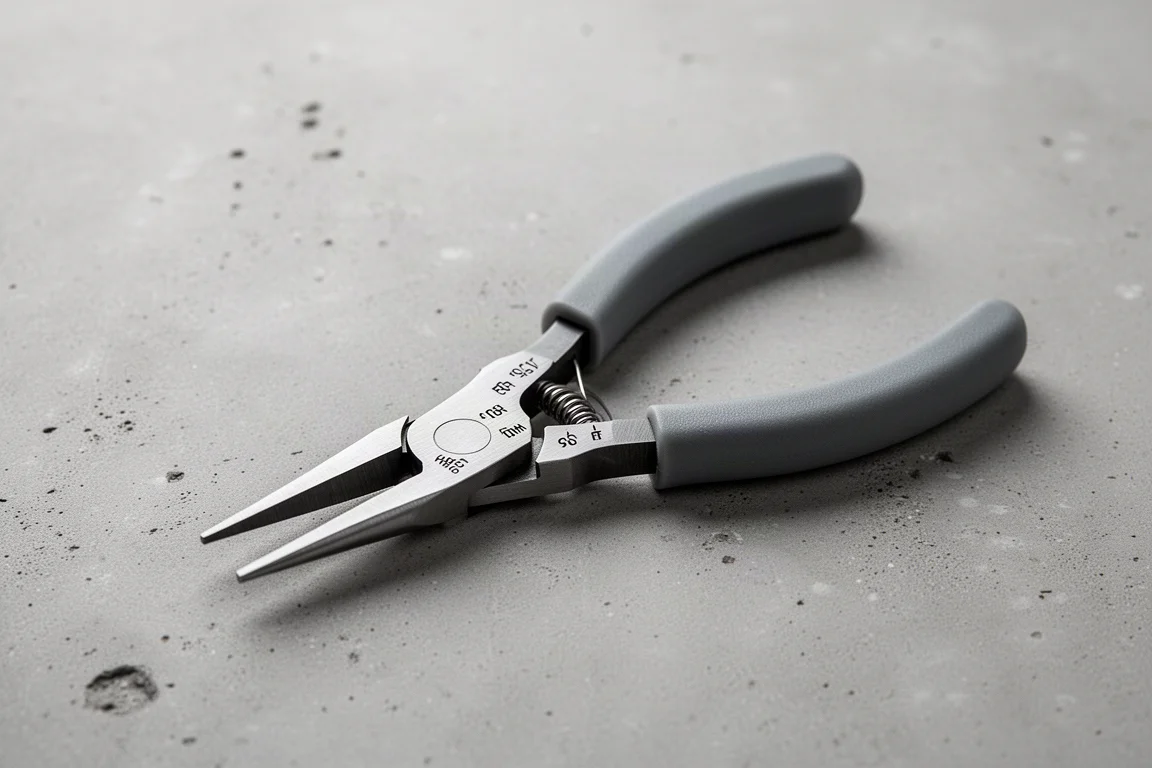
Jensen offers two distinct strippers in this haul. The first covers 30 to 22 AWG, with both millimeter and gauge markings, sized for very fine wire. It is genuinely impressive to see a stripper dedicated to that small range, which makes sense given Jensen’s telecom heritage, where old telephone wiring demanded exactly this kind of fine work. The second covers the more common 26 to 16 range and will likely see more everyday use.
The 30-22 stripper uses an adjustable pivot rather than a fixed rivet, so you can tune the tension to your preference with a Torx-style adjuster. That is a genuinely nice touch for a tool in this class.
Klein Wire Strippers
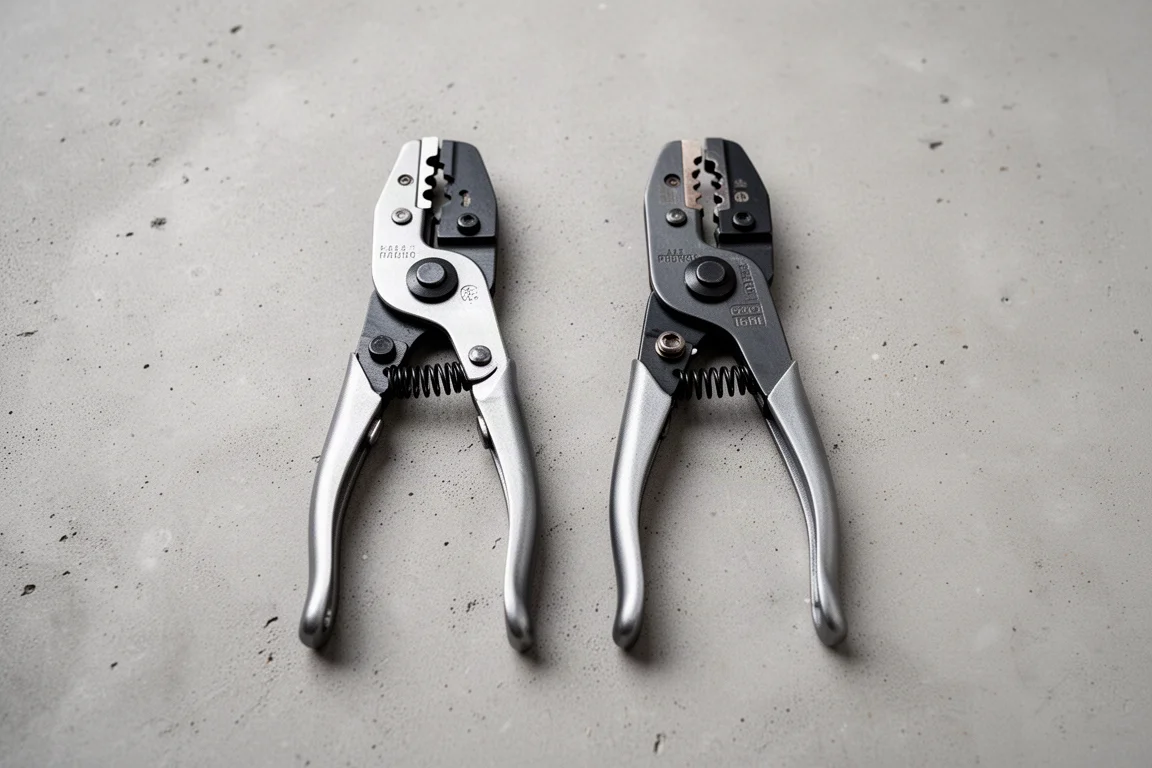
Klein’s equivalent in the 30 to 22 range is the stronger tool on feel. It has a much more aggressive spring, a grippier handle, more solid construction, and a bit more meat on the blades. For a head-to-head in this form factor, Klein gets the nod.
That said, the Jensen is far from unusable. Both strippers are similar in overall form, and the adjustable pivot on the Jensen partially compensates for the feel deficit. If you already own other strippers and just want a dedicated tool for very small wire, the Jensen fills that niche affordably.
Jensen Interchangeable Screwdriver Knife
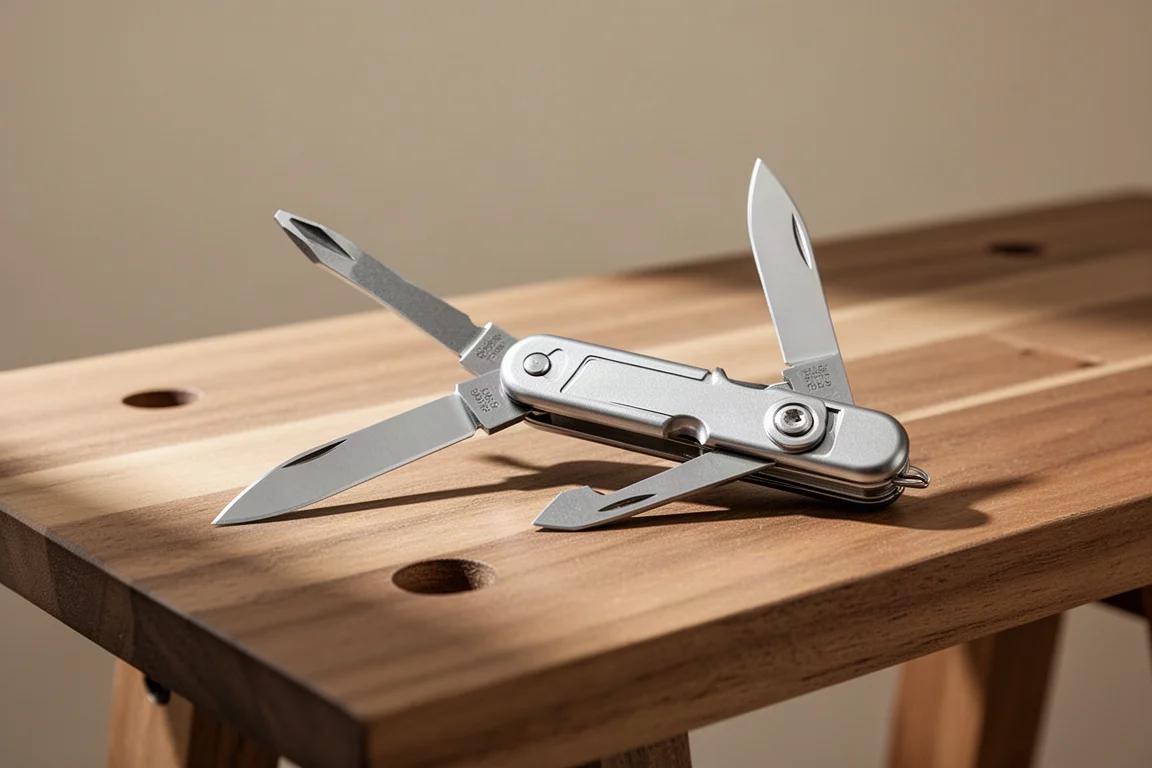
This is a two-blade electrician’s knife in a slip-joint style, made by the Imperial Knife Company of Providence, Rhode Island. One blade has an angular tip intended as a screwdriver, though driving screws with it is not recommended. The other is a standard narrow drop-point blade, useful for the typical cable-dressing work an electrician’s knife is built for.
One caveat: the locking mechanism on the tested example popped free and no longer holds reliably, likely from someone forcing the blade. That is worth checking on any used or older example before relying on it.
Jensen Tongue-and-Groove Pliers
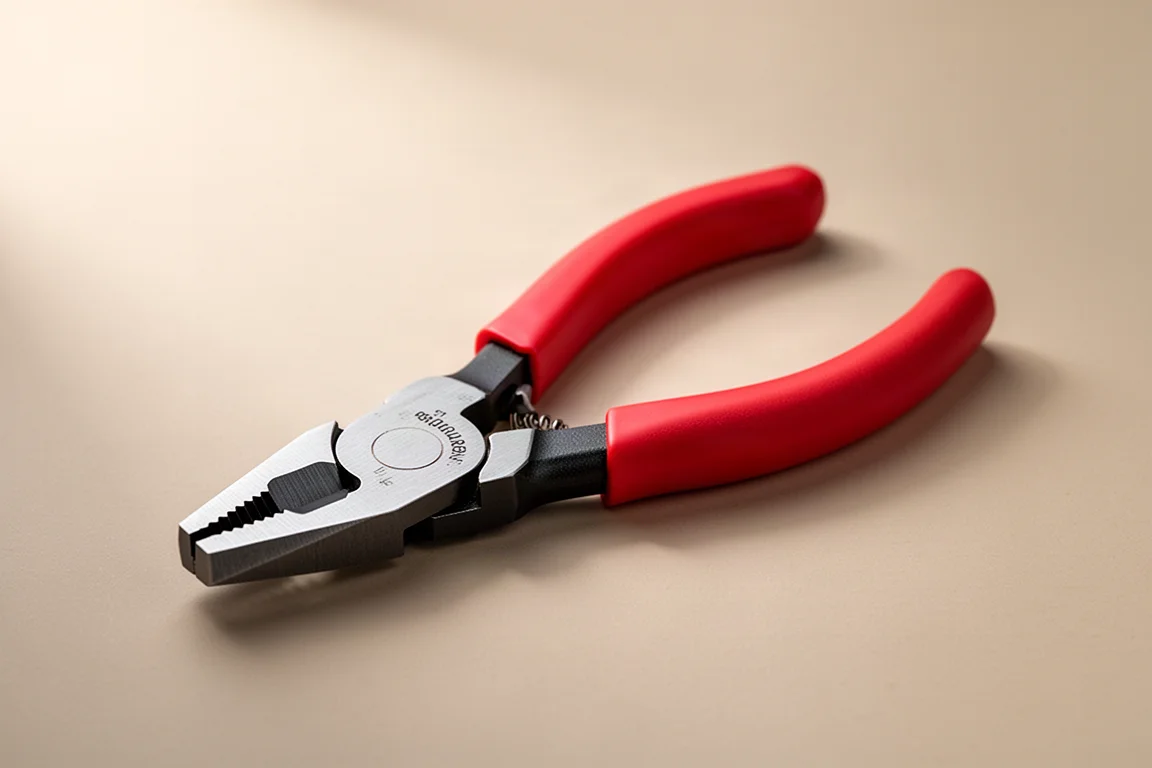
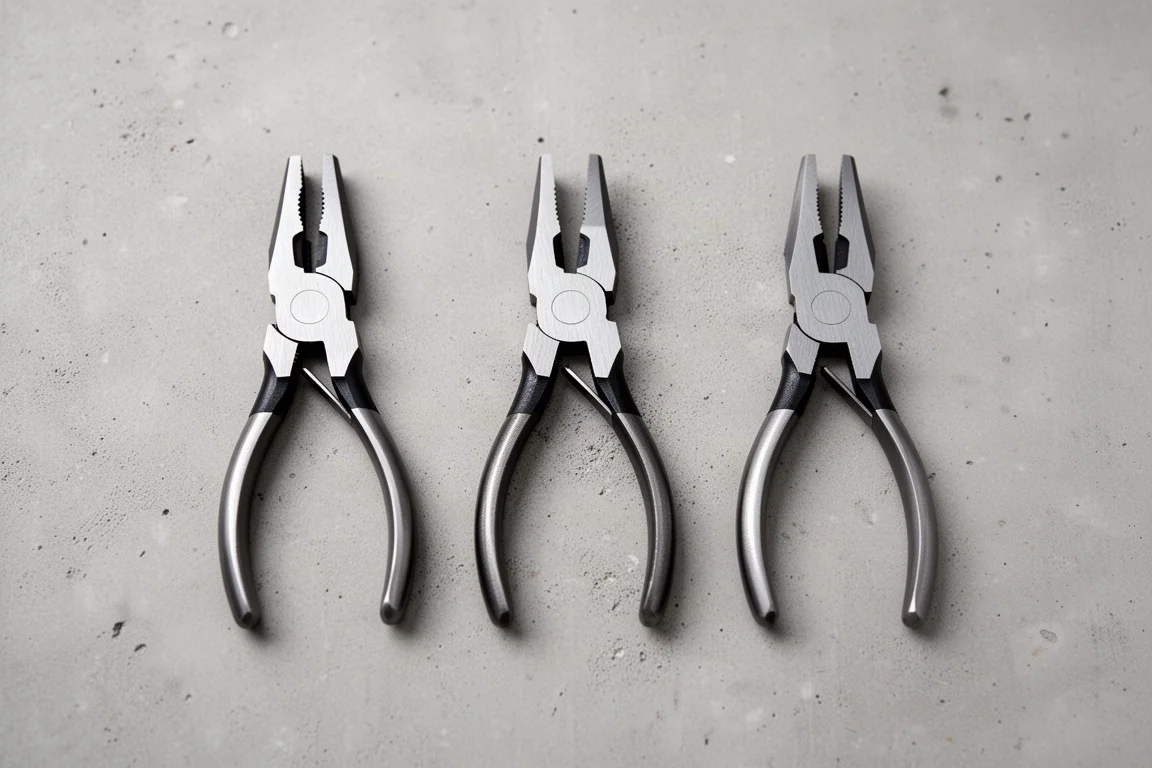
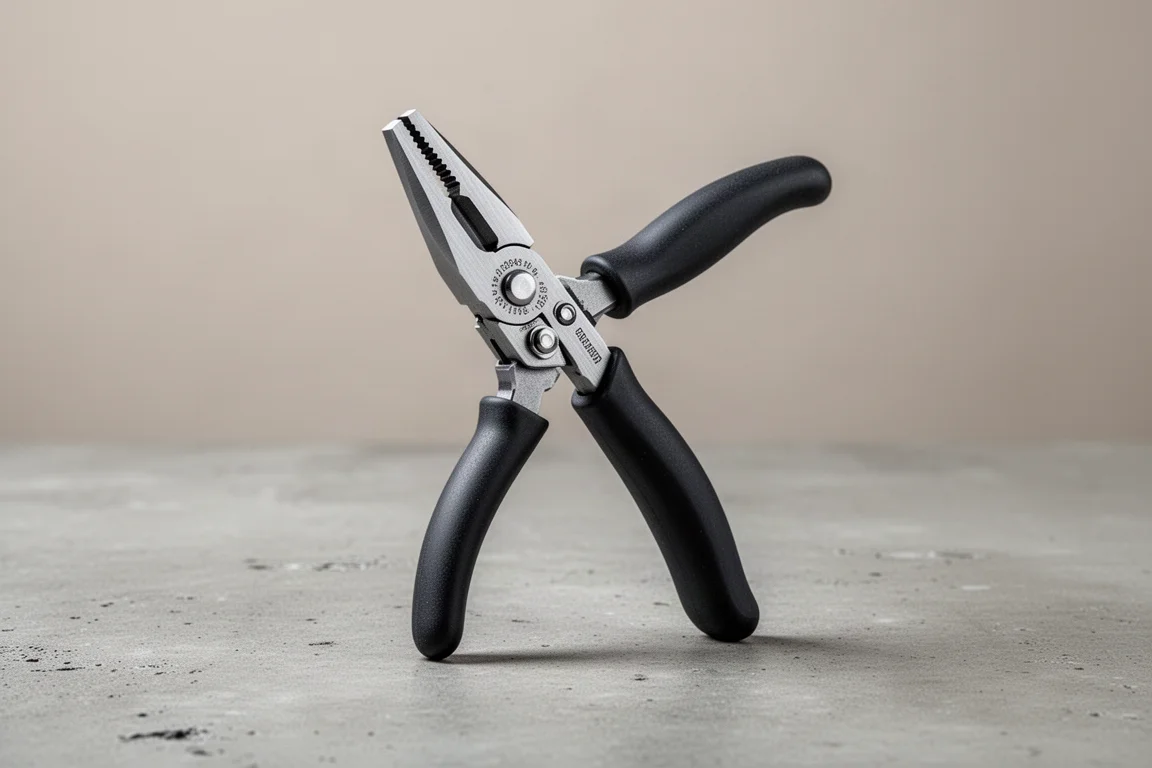
This small channel-lock-style plier looks like the standard design, but playing with it revealed a subtle and genuinely useful difference: the handle position at which the jaws sit parallel. Compared against the classic Channellocks benchmark, the Jensen’s jaws go parallel further out in the handle travel.
Why does that matter? Many people keep a finger inside the handles for control. On pliers that need to be closed nearly all the way to reach parallel jaws, your fingers get smashed in the process. With the Jensen, you can see how much room you have while the jaws are already parallel, which makes it more comfortable to use on a nut while maintaining control.
Knipex Tongue-and-Groove Pliers
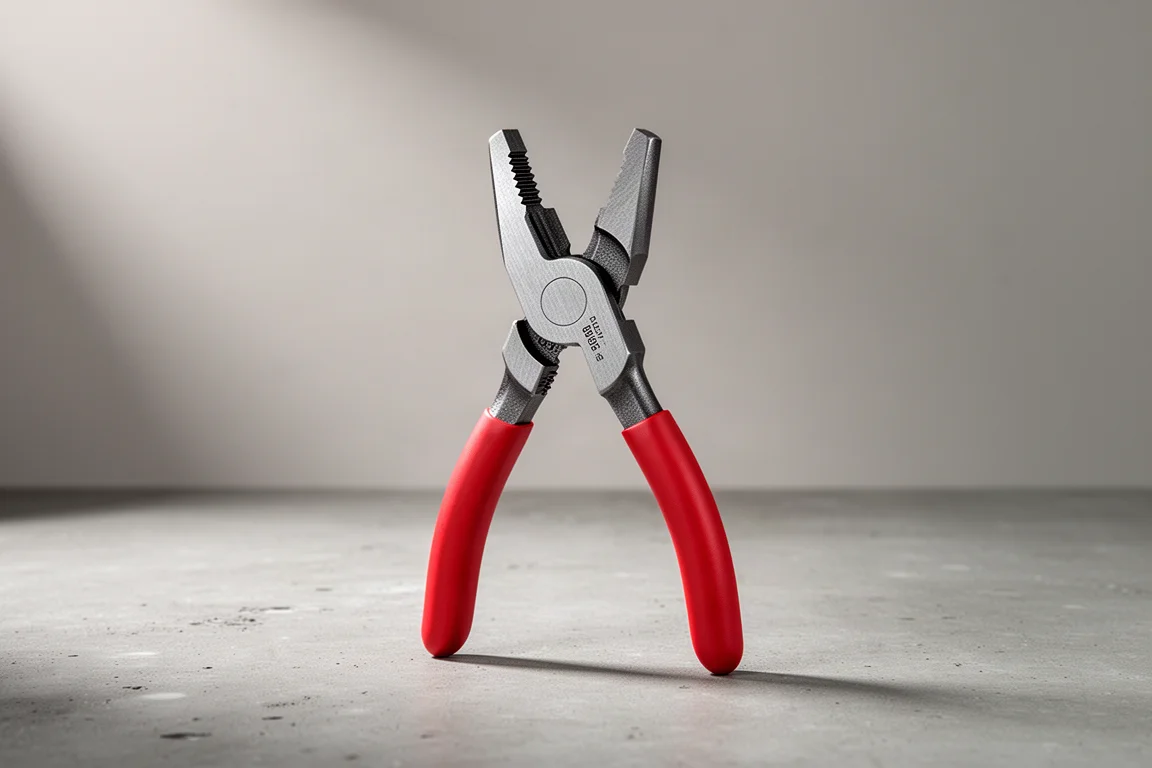
Adding Knipex to the comparison sharpens the picture. Knipex holds parallel jaws well even in smaller jaw configurations, leaving wiggle room in the handles while the jaws stay aligned. In the small jaw configuration, some competing designs require almost-full closure to reach parallel, which squeezes a control finger uncomfortably.
The jaw angles look nearly identical across brands at a glance, but they are not, and that small difference in jaw geometry appears to explain why smaller channel-lock-style pliers can feel awkward. Knipex avoids that problem and remains the preference here, with the Jensen as a comfortable and capable runner-up.
Buying Advice
If you are building a technician-style kit on a budget, Jensen makes a sensible foundation: a full briefcase of solid working tools for well under a thousand dollars, with the larger sets around $700. They will not break free tie rods or survive heavy mechanical abuse, but for electronics, telecom, and light service work they hold up fine.
For individual purchases, the calculus shifts. The Klein strippers beat the Jensen equivalents on feel and build. Knipex remains the benchmark for tongue-and-groove pliers thanks to superior jaw geometry. The Jensen stubby screwdriver is skippable at its price point. Where Jensen genuinely earns its place is in niche coverage like the 30-22 AWG fine-wire stripper with its adjustable pivot.
Conclusion
Jensen tools are honest, average-performance working tools for the technician class. Buy the big kit if you need breadth on a budget, upgrade your most-used few tools over time, and lean on Klein and Knipex where grip feel and jaw geometry really count.
Further reading
Related Reviews
Hand Tools
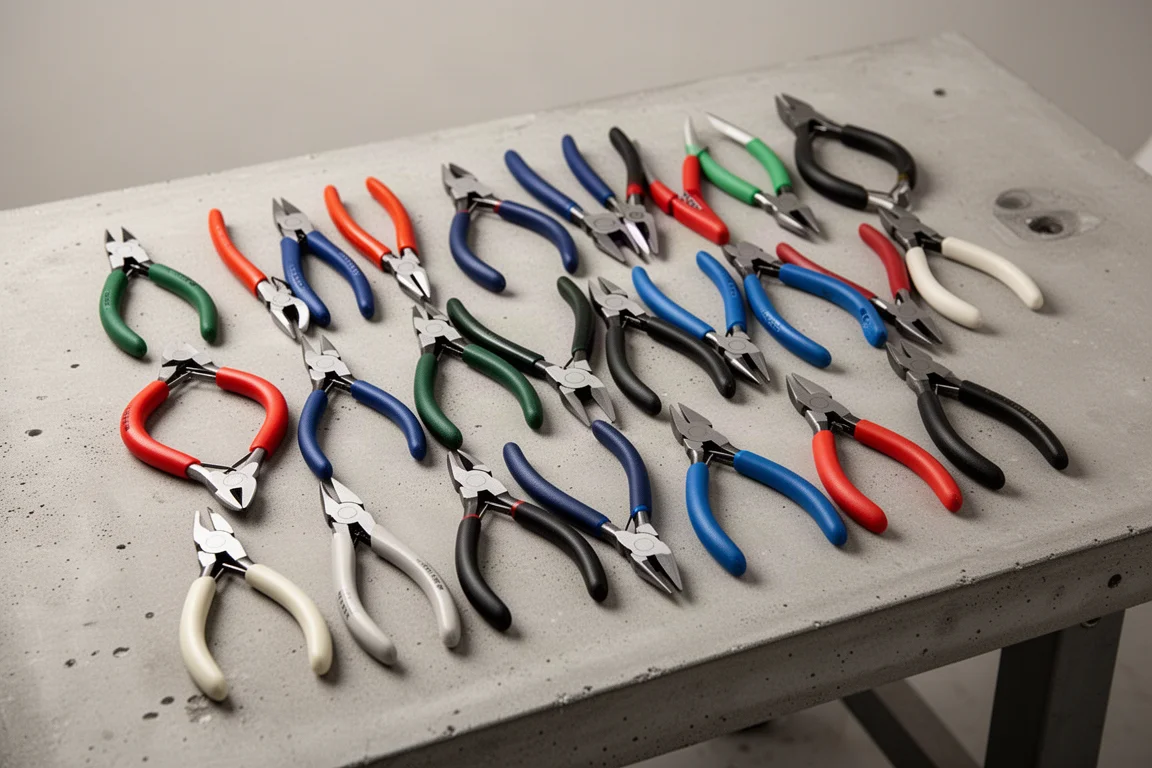
Best Diagonal Cutters 2026: 16 Pliers Tested for Cutting Power and Durability
We put 16 diagonal cutters through nail, screw, drill bit, and hex key tests to find the best value picks for your toolbox.
Hand Tools
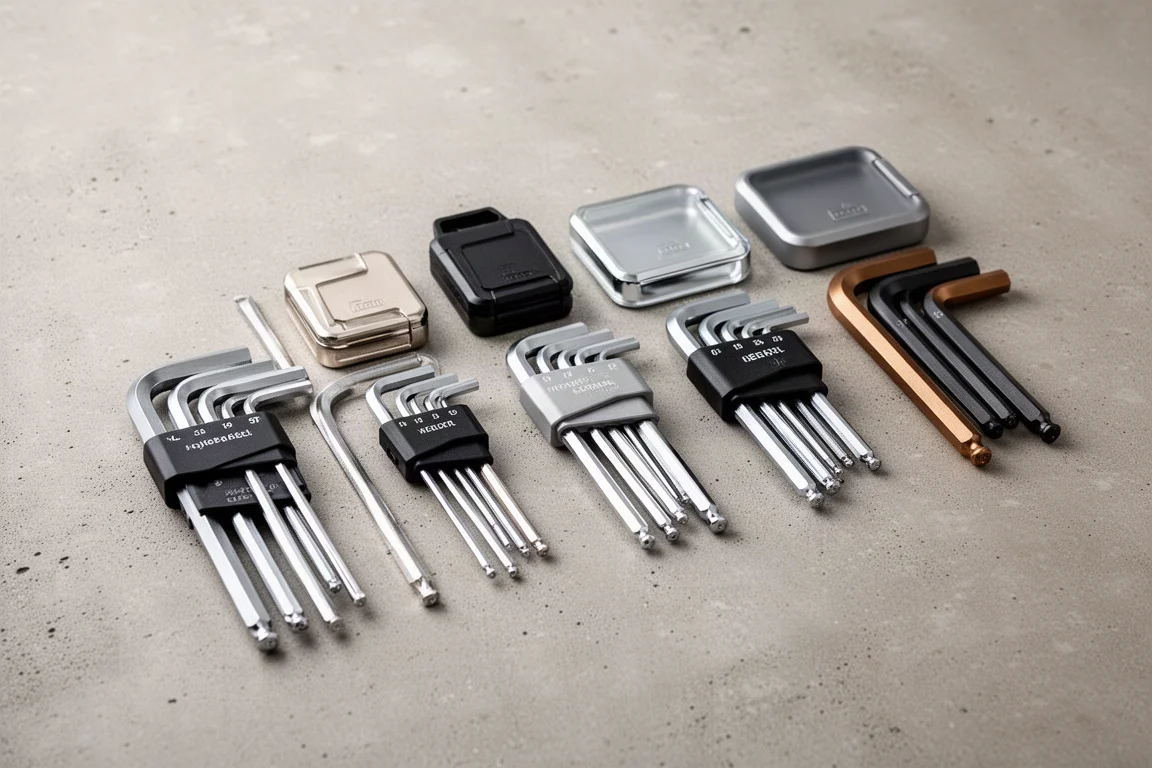
Best Hex L Key Sets 2026: Nine Sets Tested for Real-World Torque
Nine hex L key sets from budget to premium, tested for torque, fit, and durability. See which sets deliver real performance and which ones to skip.
Hand Tools
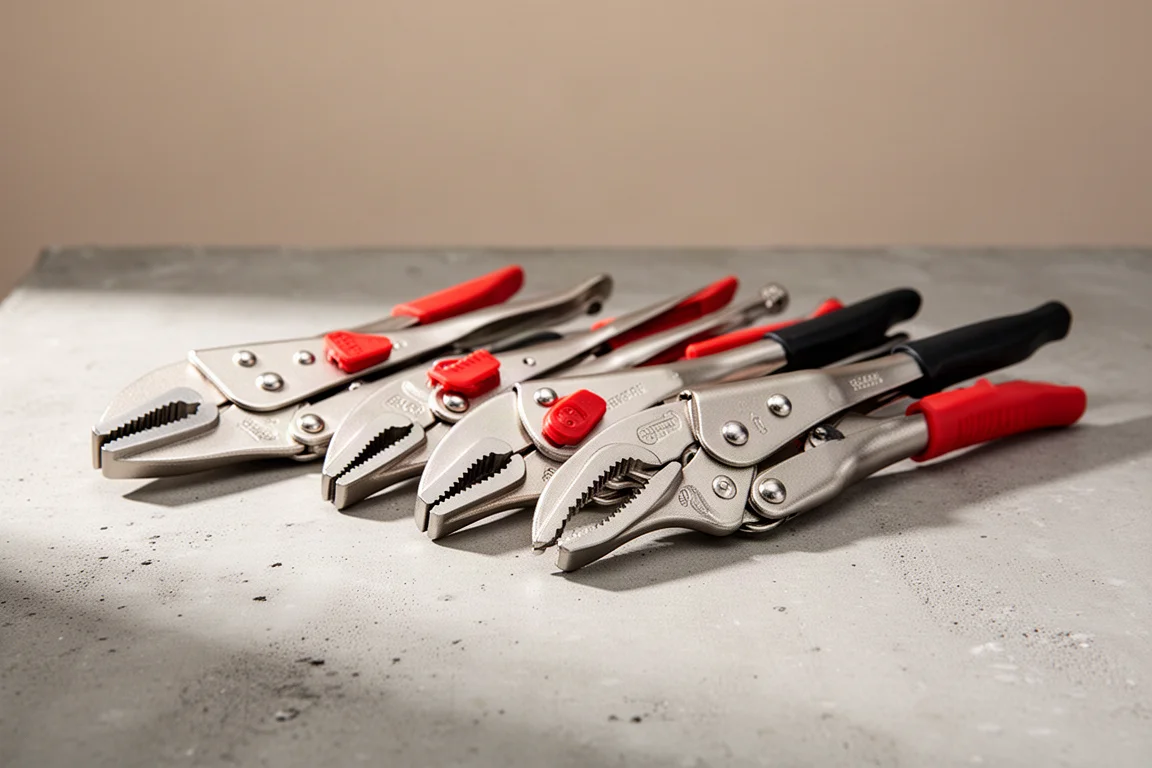
Best Locking Pliers 2026: Top Picks Tested for Grip and Durability
We tested 18 brands of 10-inch locking pliers for grip strength, jaw bite, build quality, and ease of release to find the best options for tough jobs.