Kitchen Gadgets
Four Japanese Professional Kitchen Gadgets Worth Knowing About
An automatic fruit peeler, a green onion cutter, and a pair of sushi robots: how Japanese professional kitchen tech handles prep work at speed.
Introduction
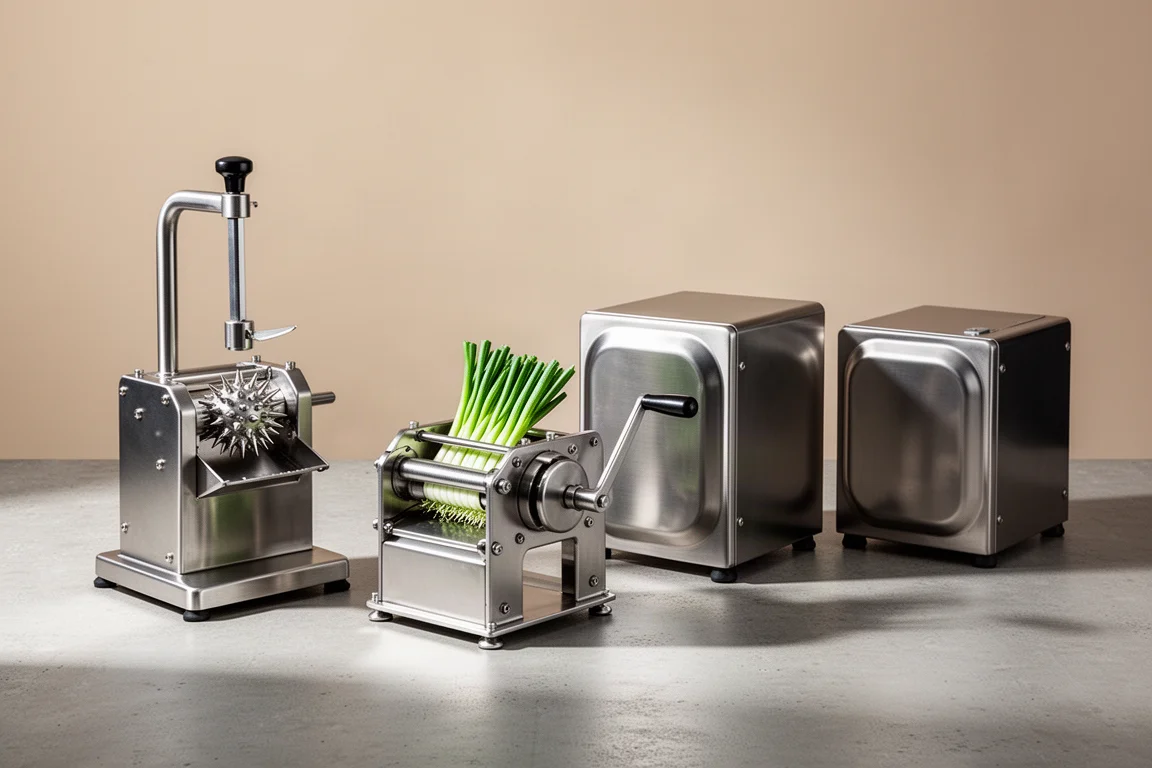
Japanese professional kitchens have a reputation for automating the tedious parts of food prep, and it is easy to see why once you spend time with the machines behind that reputation. We looked closely at four industrial gadgets designed for high-volume restaurant work: an automatic fruit peeling machine, a green onion cutter, and two sushi robots that press rice sheets and cut finished maki. Each one is built around a single job done very quickly, and each comes with a price tag that reflects serious commercial intent rather than home use.
ASTRA Automatic Fruit Peeling Machine
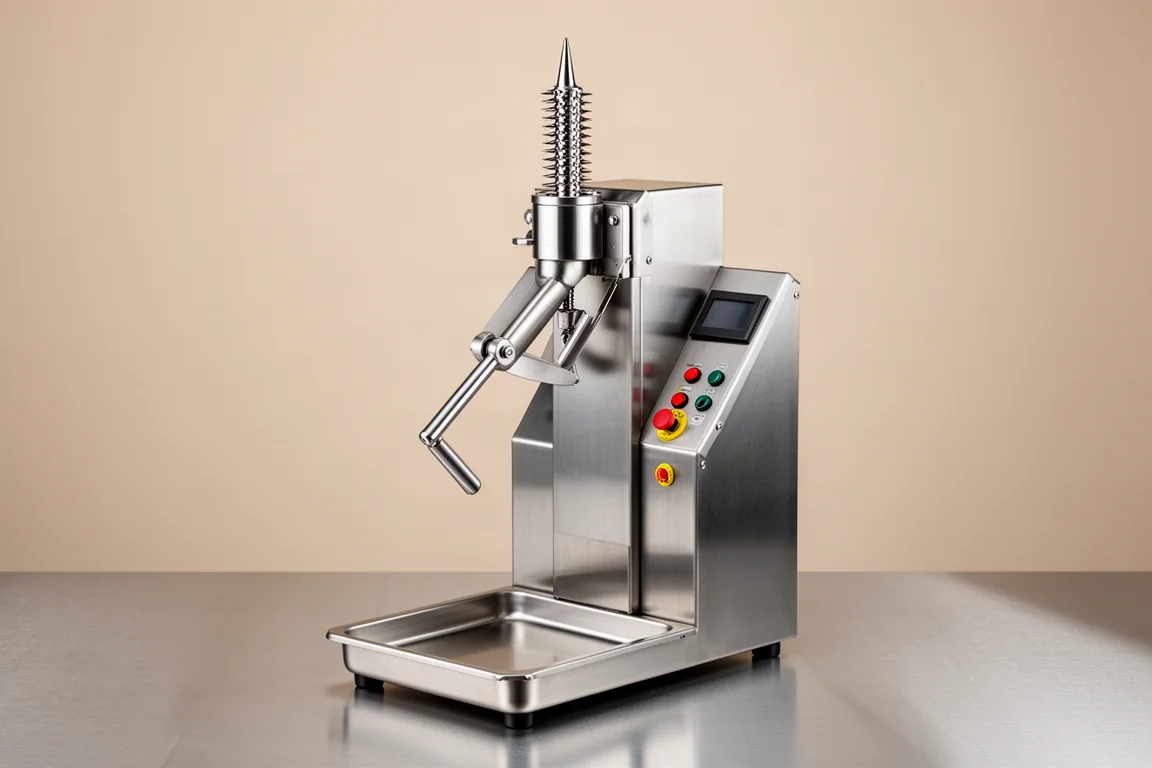
The ASTRA automatic fruit peeling machine is built for large fruits and vegetables. The company claims it can handle pineapples, melons, mangoes, pumpkins, and grapefruit, and the machine carries dedicated automated functions for each, with adjusted angles and peeling depths per fruit type. What stands out immediately is the guidance: the machine walks you through each step with on-screen animations, from cutting the top and bottom off a pineapple to mounting it on the spiked core.
Operation is deliberately simple. A metal arm lifts and rotates to secure the fruit, the blade assembly does the rest, and settings cover peeling depth (where a higher number means a thinner peel, up to 13) and spin speed up to five. There is a real safety consideration here, since the blade is genuinely sharp and the machine spins fast.
How It Performs
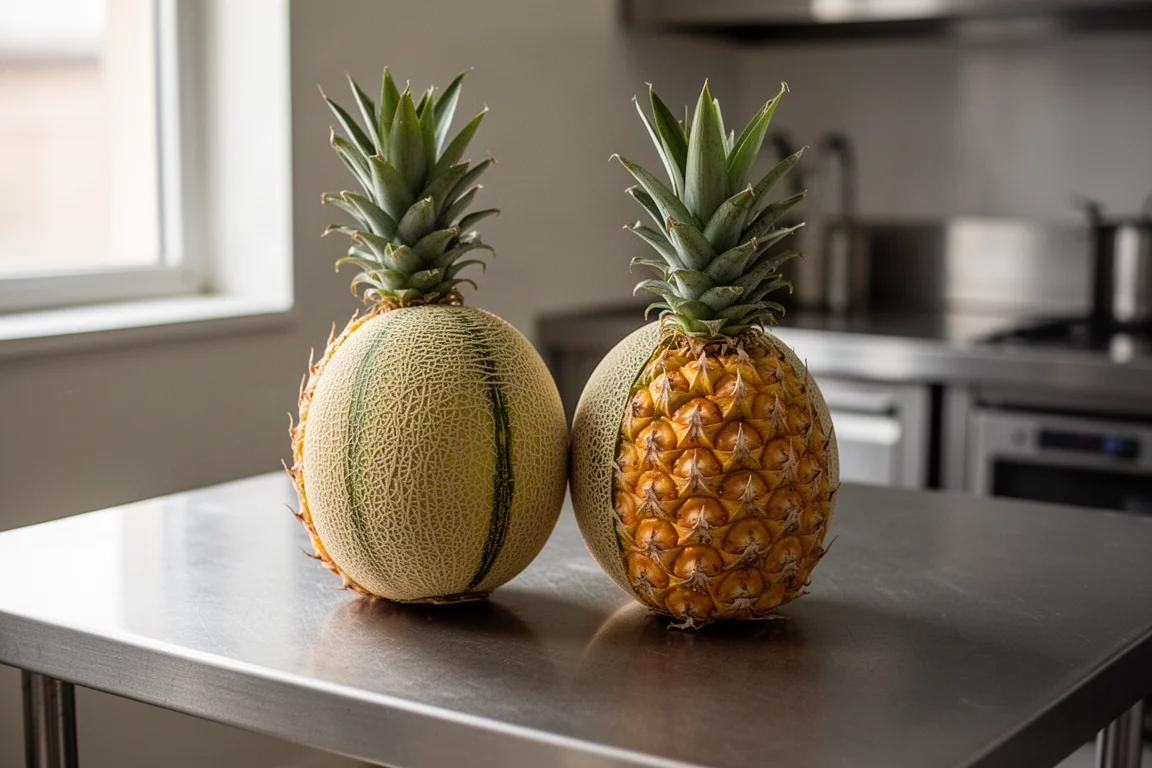
On a pineapple at full speed, the peel comes off in seconds, and the result is a cleanly peeled fruit ready for coring. Dropping the speed to three makes the process easier to follow, and the machine keeps spinning after the peel is done so the arm can be used to core the fruit in the same session.
Melons are the more convincing demo. The machine uses a six-spike attachment and claims to peel evenly even on irregularly shaped ingredients, and mounting a melon deliberately off-centre puts that claim to the test. At maximum peeling depth the result is clean; at a finer setting a little skin can remain in places, and adjusting the thickness mid-session solves it. The whole job takes around four seconds, which is where the commercial case starts to make sense for businesses peeling large volumes daily.
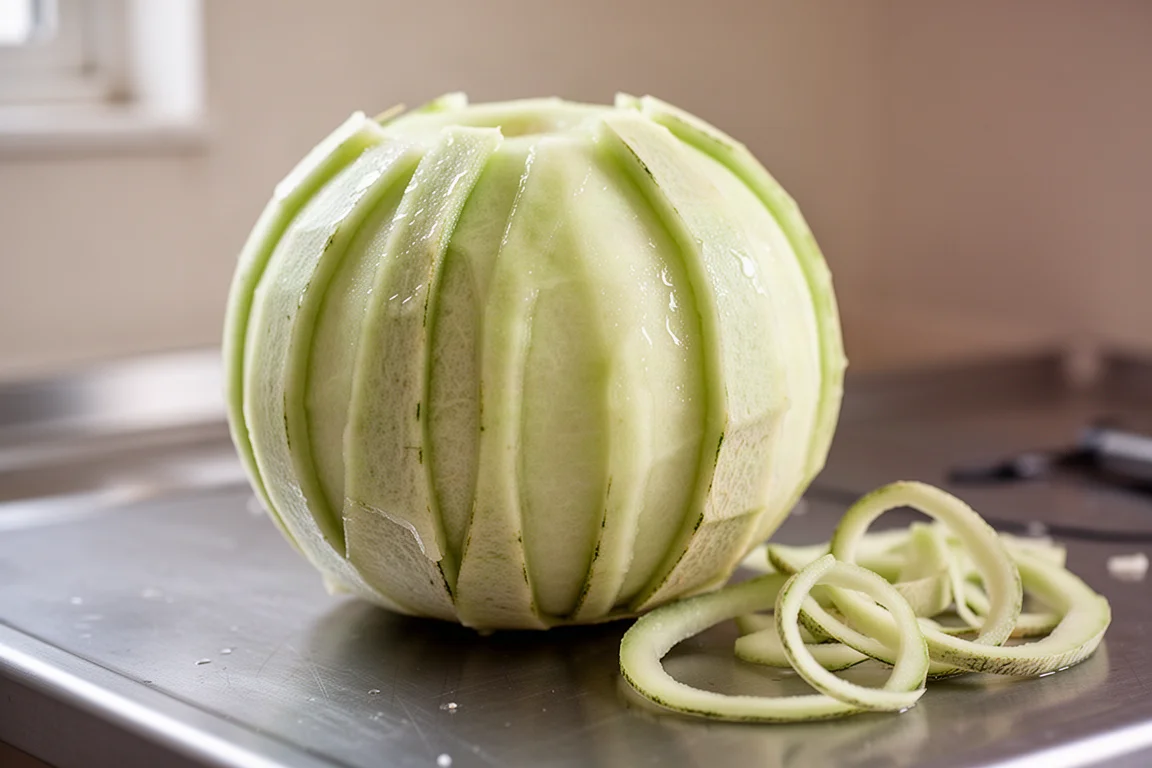
The machine reportedly sells for around £4,773, which is significant but plausible against the labour it replaces in a busy kitchen.
Chiba Green Onion Cutter
The Chiba green onion cutter is a compact machine popular in ramen restaurants, where chefs chop large volumes of spring onions and chilies to top bowls. It works on a simple principle: a crank drives a roller and cutting mechanism, and vegetables fed onto a small conveyor are sliced and dispensed out of the bottom.
Thickness is set with a numbered dial, with three being the thinnest and one the thickest. The learning curve is all in the feeding technique. A single spring onion produces uneven slices, but the results improve noticeably when onions are bunched flat with a rubber band keeping them together and fed in level. Once that technique clicks, the machine is genuinely fast and handles chilies too.
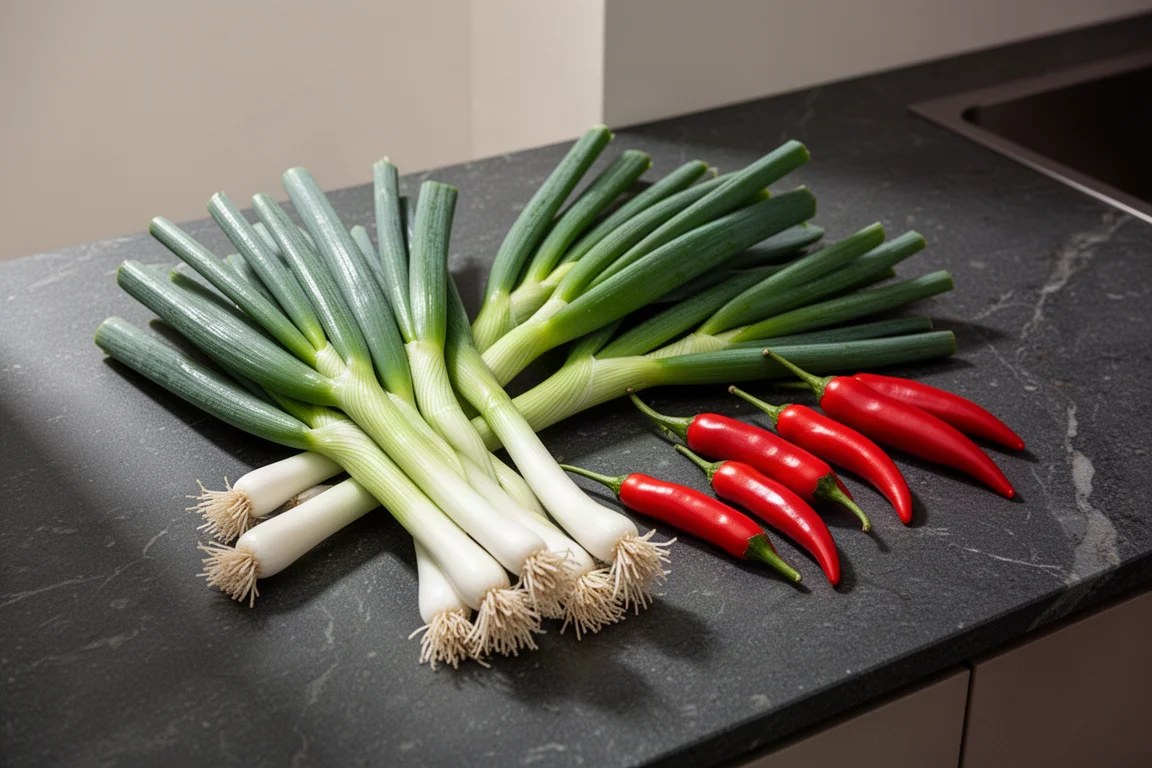
At around £297, it sits in a very different price bracket from the rest of this list, which makes it an approachable entry point for small restaurants.
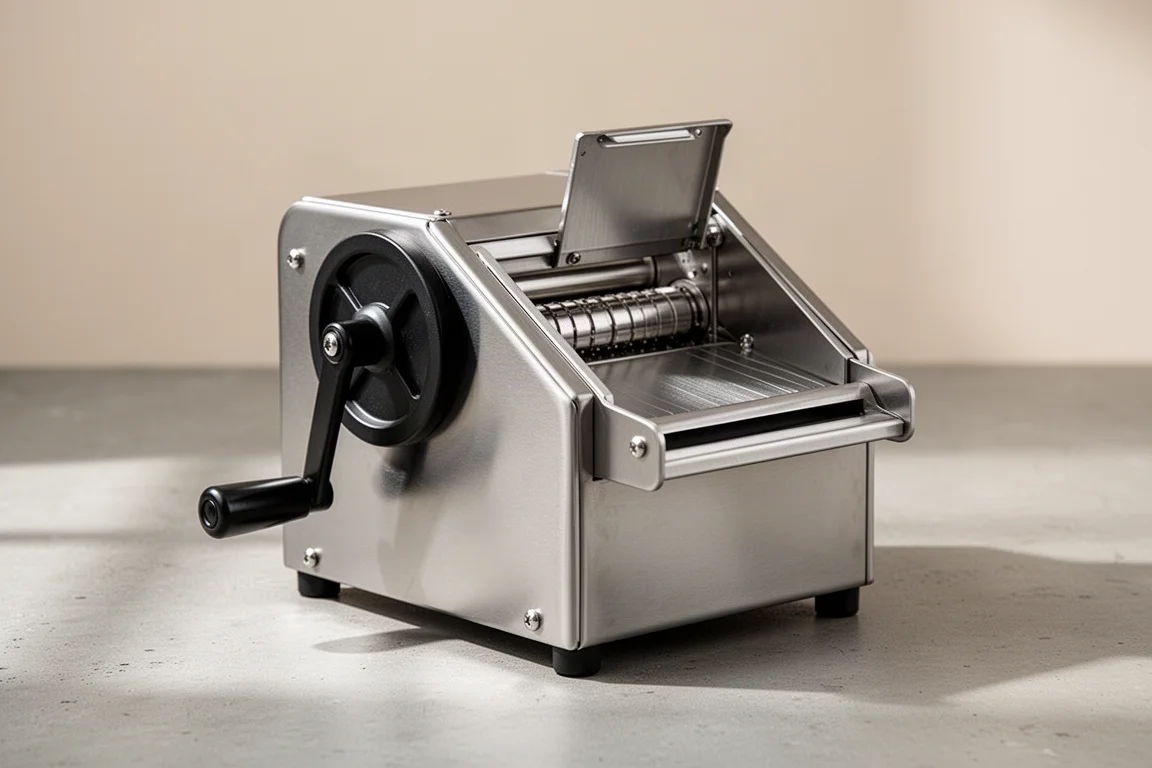
AUTEC Rice Sheeter
The AUTEC rice sheeter is a maki-making robot designed for professional kitchens and food service. You load cooked, body-temperature sushi rice into the top, and based on your chosen thickness, dimensions, and compression, the machine presses it into an even rice sheet and presents it on a special non-stick surface. From there you lay a nori sheet on top, press it down, lift it off, add fillings, and roll.
The striking part is speed. Press the start button and the sheet is formed in about a second, with no visible processing stage. The non-stick surface releases the sheet cleanly, which is what makes the workflow practical in service. AUTEC positions it as offering chefs customizable options for crafting sushi rolls and rice sandwiches, and the simplicity of the workflow means the only real skill left is the rolling itself.
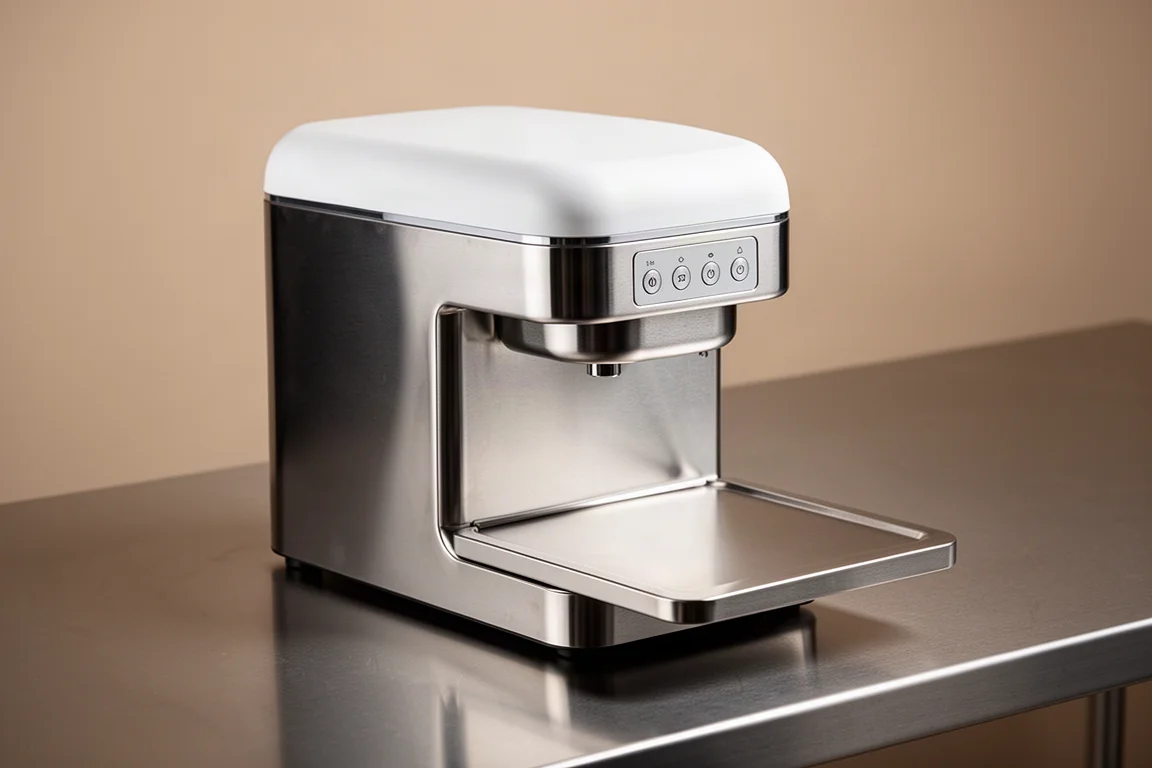
AUTEC Maki Cutter
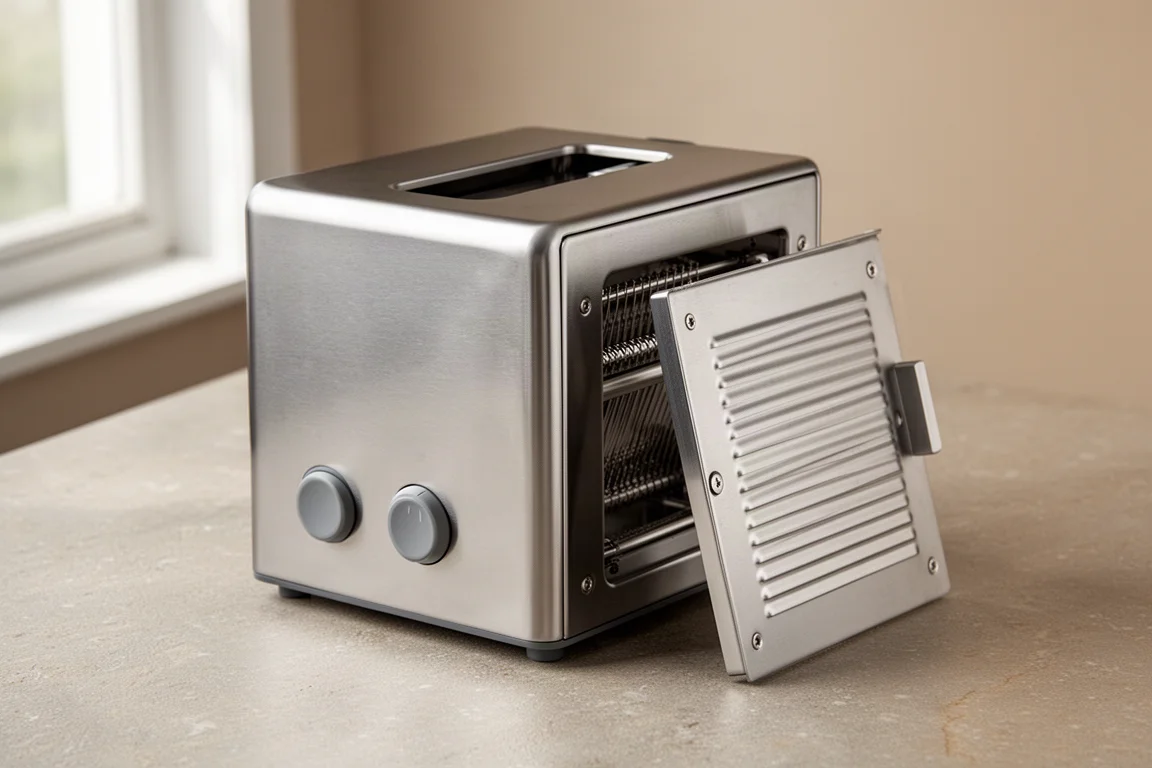
The maki cutter is the rice sheeter’s companion: a simpler box-shaped machine that takes finished sushi rolls and cuts them into even pieces. You drop the rolls into the slot below, press the two grey buttons on either side of the front panel simultaneously, and the internal blades slice through in one motion. Holding one button readies the machine for the next roll.
The learning curve is short, with one notable quirk: the carriage cannot be returned down after slicing, so a roll inserted at the wrong moment ends up inside the machine until you remove the front fascia to retrieve it. Once the rhythm is understood, it produces clean, uniform maki cuts consistently, and the whole process is fuss-free: rice in, sheet formed, roll it, drop it in, and it is cut.
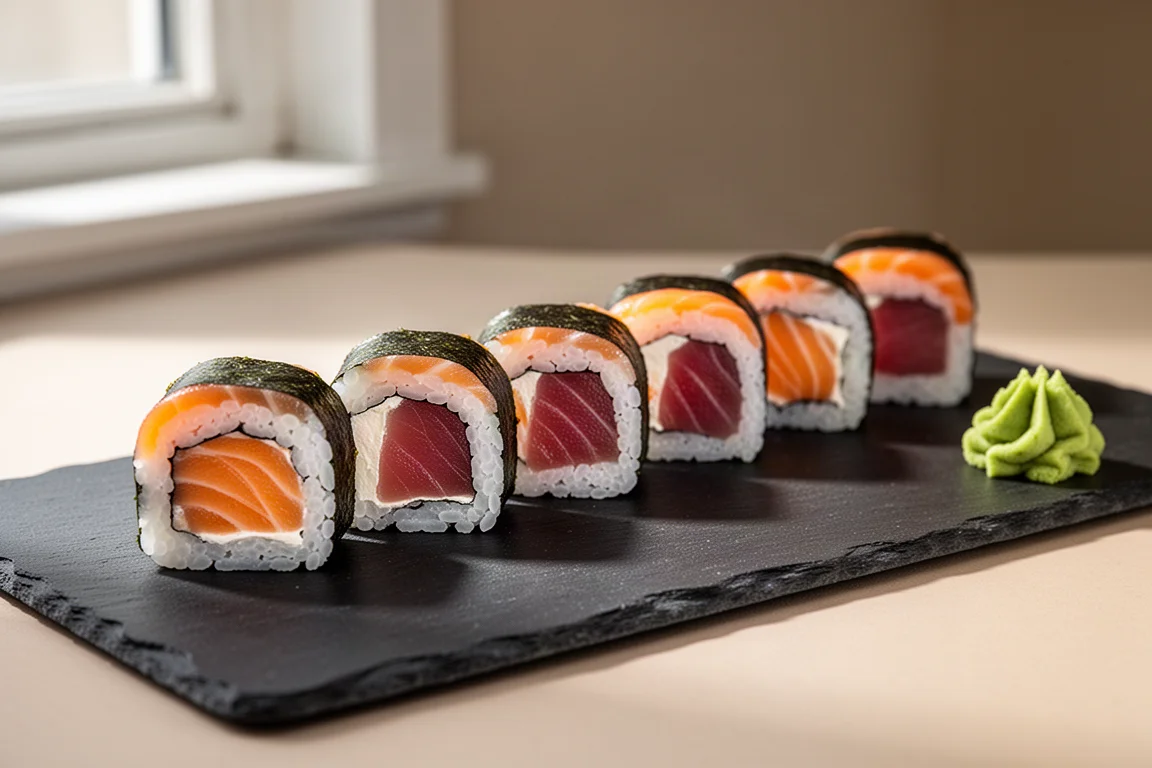
The rice sheeter reportedly retails for around £12,943, making it a serious investment, while the maki cutter comes in at around £5,547.
Overall Buying Advice
These are commercial machines, and the right question is not whether they are impressive (they are) but whether your volume justifies the price. The Chiba cutter is the accessible one: at a few hundred pounds it suits small kitchens that chop large amounts of green onion or chili regularly, provided you take the time to dial in your feeding technique for consistent slices. The ASTRA peeler makes sense for operations peeling fruit at scale, where four seconds per melon adds up. The AUTEC pair are the biggest investment and belong in kitchens turning out serious sushi volume, sold as a workflow: the sheeter handles the pressing, the cutter handles the slicing, and the chef handles only the rolling.
Conclusion
Japanese professional kitchen gadgets earn their reputation through focus. Each machine here does one job, does it in seconds, and removes a repetitive task from a busy kitchen. Match the machine to your actual volume and the prices start to look less extravagant than they first appear.
Further reading
Related Reviews

Kitchen Gadgets
Kitchen Gadgets Tested 2026: Five Tools Worth Considering
A practical look at five kitchen gadgets, from egg shapers to peanut butter stirrers, with honest assessments of what works and what doesn't.
Kitchen Gadgets
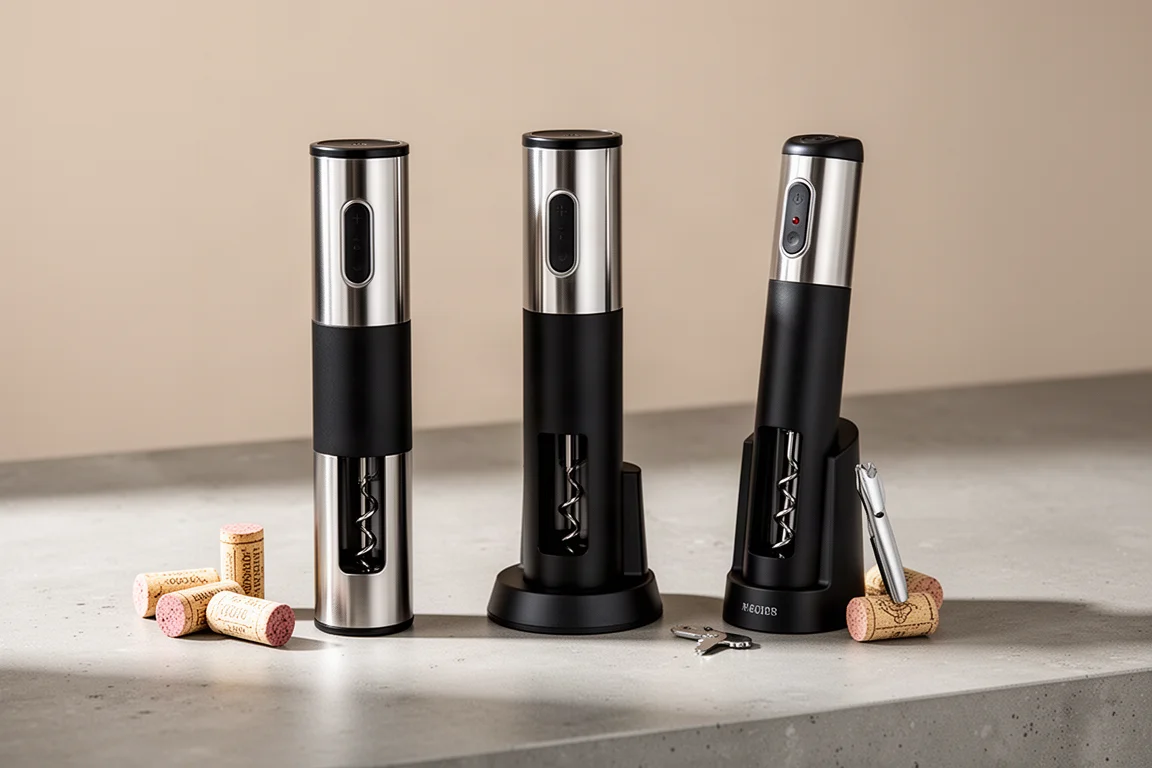
Best Electric Wine Openers: Our Top Picks From Eight Tested Models
We tested eight electric wine openers priced from $20 to $110 on hundreds of bottles. The Secura came out on top, with a Peugeot and a Rabbit model also worth knowing about.
Kitchen Gadgets
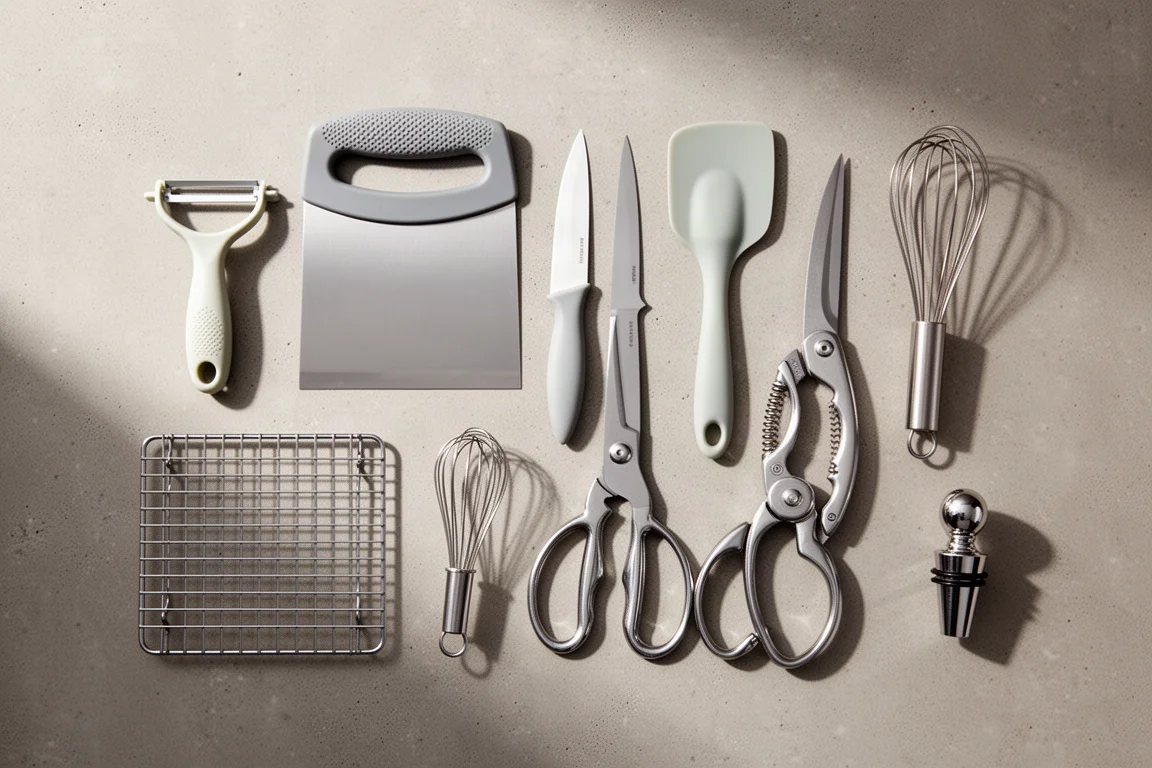
Best Kitchen Gadgets Under $15: Eight Small Tools That Earn Their Keep
Eight kitchen tools that cost less than $15 but perform like far more expensive gear, from a razor-sharp peeler to a champagne saver that really works.