Kitchen Knives
Japanese Knives for Sweet Potato: CCK Cleaver vs Kiritsuke Gyuto Tested
A sweet potato cutting test scores several Japanese knife shapes, from a CCK cleaver to a 215mm Kiritsuke gyuto, with honest notes on why geometry matters most.
Introduction
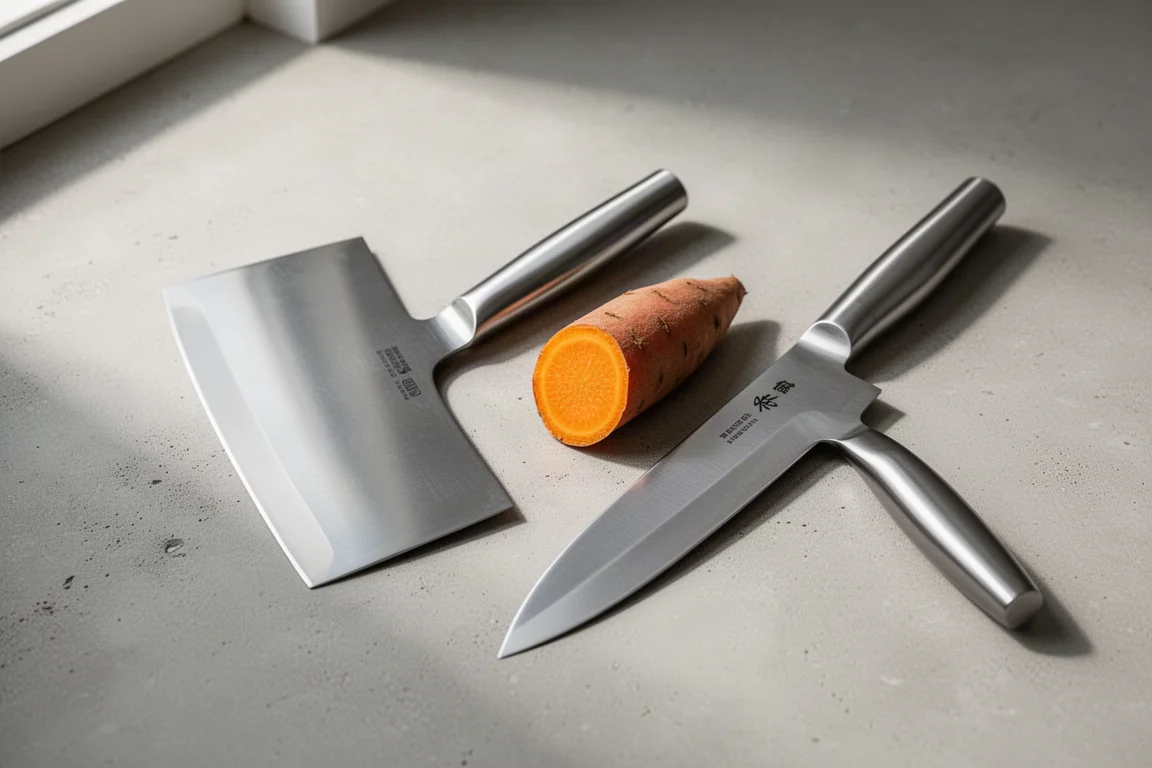
Sweet potato is one of the best stress tests you can run on a kitchen knife. It is dense, it is firm, and it punishes any blade that is thick behind the edge or too short for a long, confident stroke. That is exactly why we rate knife shapes against it.
In this breakdown, we walk through how several Japanese knife shapes performed on the same sweet potato, explain the reasoning behind each score, and highlight two knives that stood out for very different reasons: a CCK cleaver that works but compromises, and a 215mm Kiritsuke-style gyuto that earns a perfect score.
How We Judge the Cuts
The scoring comes down to two things: blade geometry and blade length. A knife that is thin behind the edge, tall, and long enough for a full lateral stroke will slice cleanly through a dense ingredient like sweet potato. A knife that is short, thick, or both will wedge and struggle, no matter how sharp it is.
That is also why scores can spark debate. A seven out of ten is not a bad grade here. It simply means another shape does the same job with less effort. The goal is to help you reach for the right knife when both are sitting on the block.
CCK Cleaver: Capable but Not the Right Tool
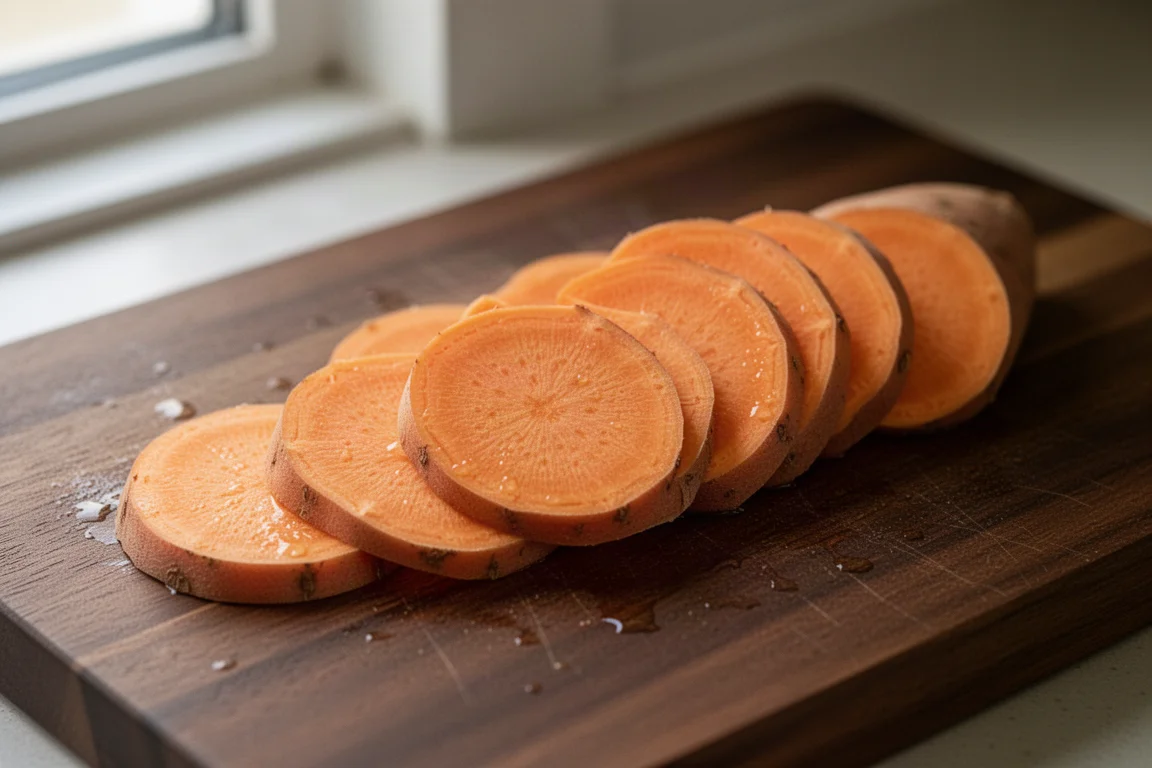
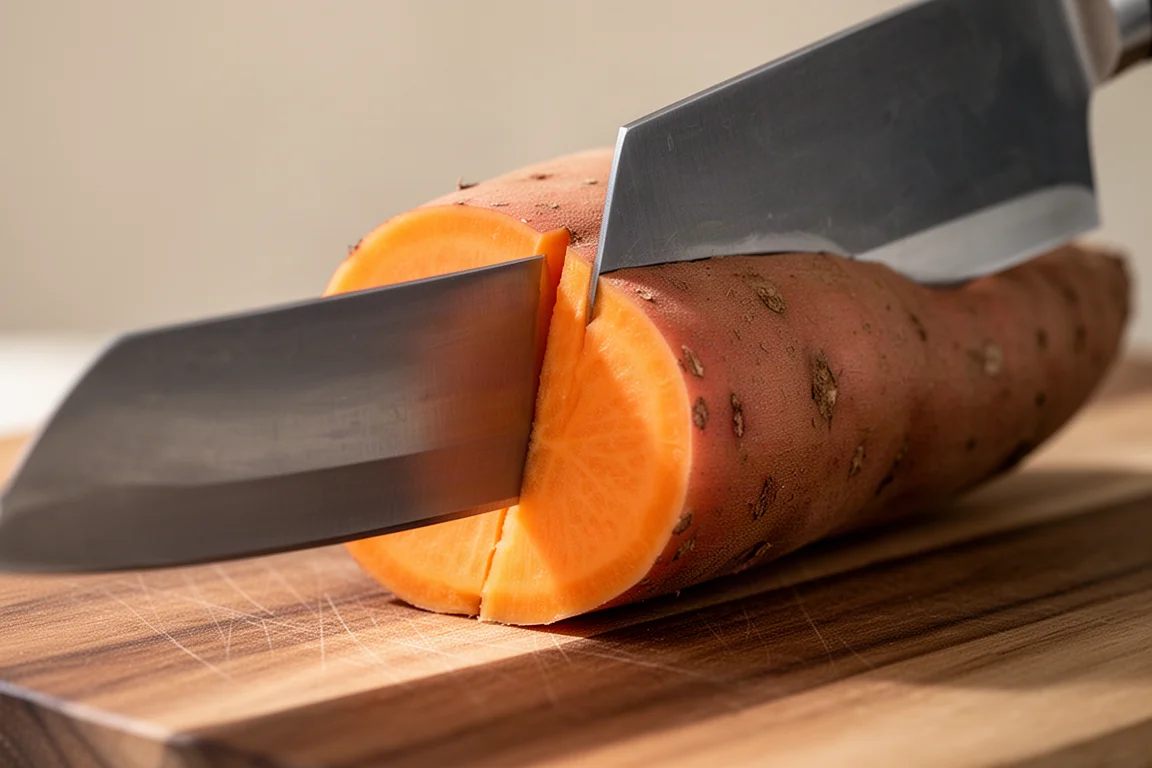
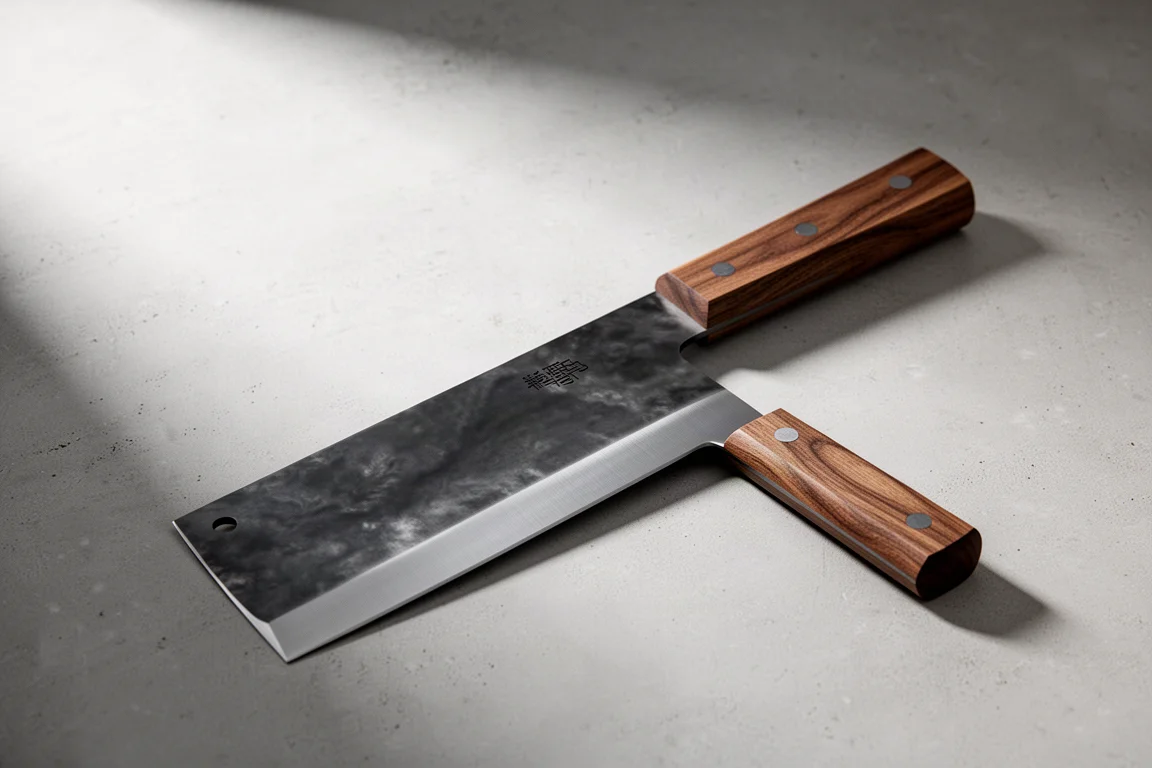
The CCK cleaver scored three out of ten, and that score is easy to misread. It does not mean the knife fails at cutting sweet potato. In fact, it still performs reasonably well, especially on thin slices. The issue is geometry: this cleaver is notably thick behind the edge, so it does not glide through dense flesh the way a gyuto does. It also has a tendency to drift slightly off the cut line.
If you commit to the cut without hesitation, it gets through the job. But when you are slicing the whole sweet potato, the effort adds up. If a gyuto is available, the cleaver should stay on the block. It is a bone cleaver, not a produce knife.
The World’s Sharpest Butter Knife: a Fun Detour
For completeness, the test also included the world’s sharpest butter knife, a novelty blade taken through a full sharpening progression on Naniwa Pro stones up to 10,000 grit. It is sharp enough to shave with, and it still scored at the bottom of the range, around one out of ten.
The reason is simple. With almost no blade height and poor geometry, it cannot slice through a dense vegetable. Thin slivers are possible, but taking a proper chunk off a sweet potato is nearly impossible. It is a great demonstration that sharpness alone does not make a knife work.
Nakiri and Bunka: Good Scores, Missed Potential
The nakiri and the bunka both earned seven out of ten, and both scores drew disagreement. That is fair, and in hindsight both were arguably worth eight or even eight and a half. Neither knife struggles with sweet potato. They cut cleanly and confidently, and seven out of ten is a genuinely strong result.
The reservation comes down to length. A longer blade gives you a longer stroke, which matters when pushing through a hard, dense ingredient. Shorter knives like the bunka also tend to be less tall and slightly thicker behind the edge than a larger gyuto, which limits how much lateral motion you can use. One fair point from the discussion: this is arguably more about edge geometry than about the specific shape. Either way, if a larger gyuto is on hand, it remains the easier tool for the job.
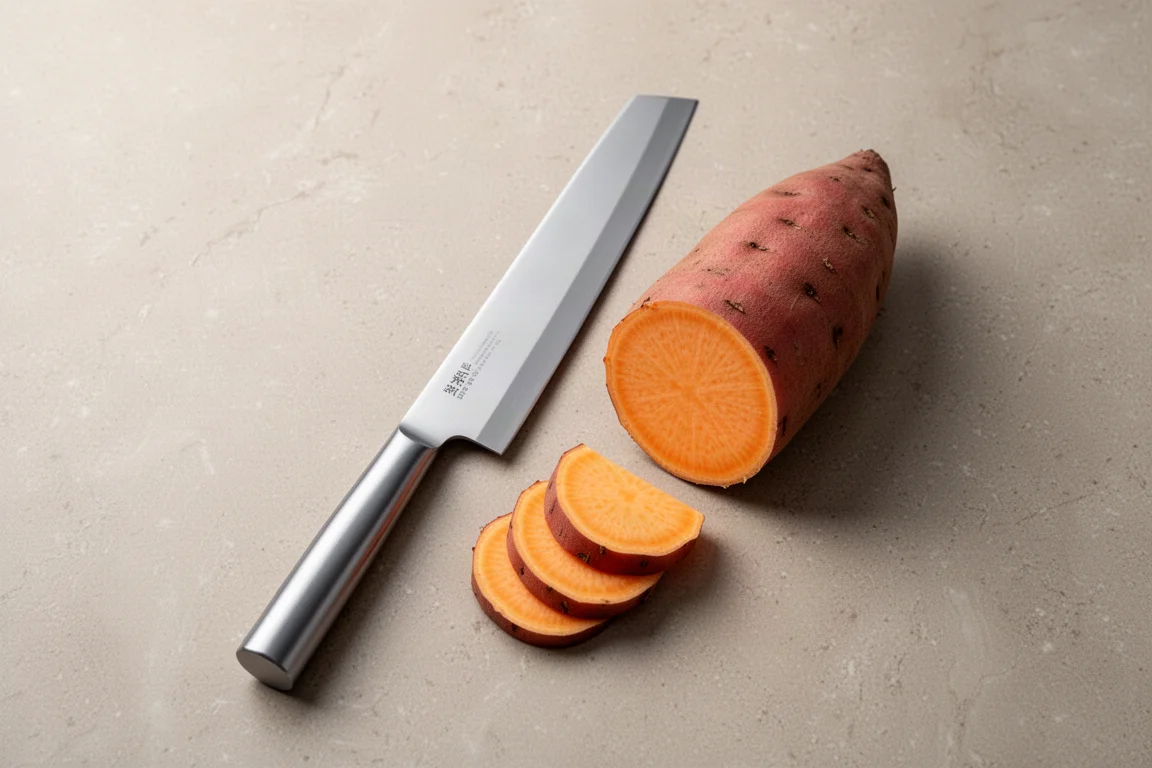
Kenshiro Hatono 215mm Kiritsuke-Style Gyuto: the 10 Out of 10
The Kenshiro Hatono 215mm Kiritsuke-style gyuto earned a perfect score, and there is no hesitation behind it. This knife simply melts through sweet potato. The reason is the geometry: a longer, taller blade has a more gradual transition from spine to cutting edge, and that gentle wedge angle is what makes dense ingredients fall apart under the blade instead of resisting it.
It is worth noting that not every gyuto behaves this way. Some are thicker behind the edge and will not perform at this level. But as a general rule, a larger gyuto with laser-thin geometry like this one is the right shape for sweet potato and similar dense vegetables.
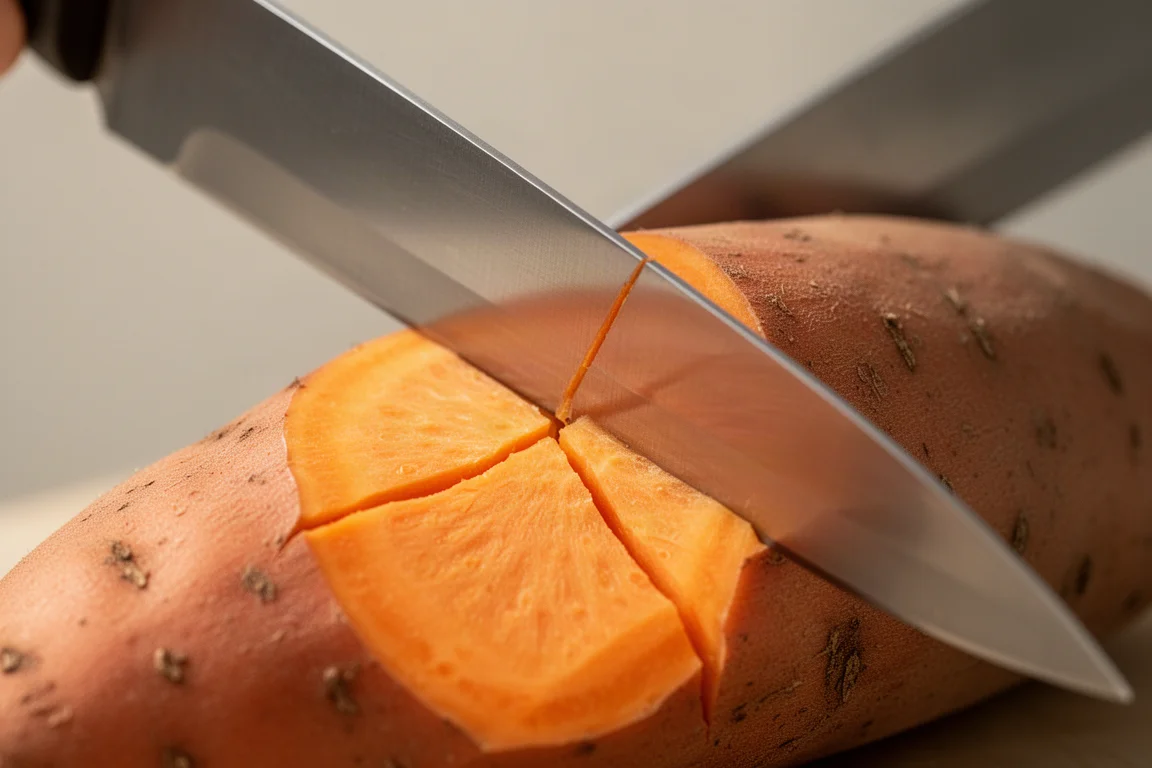
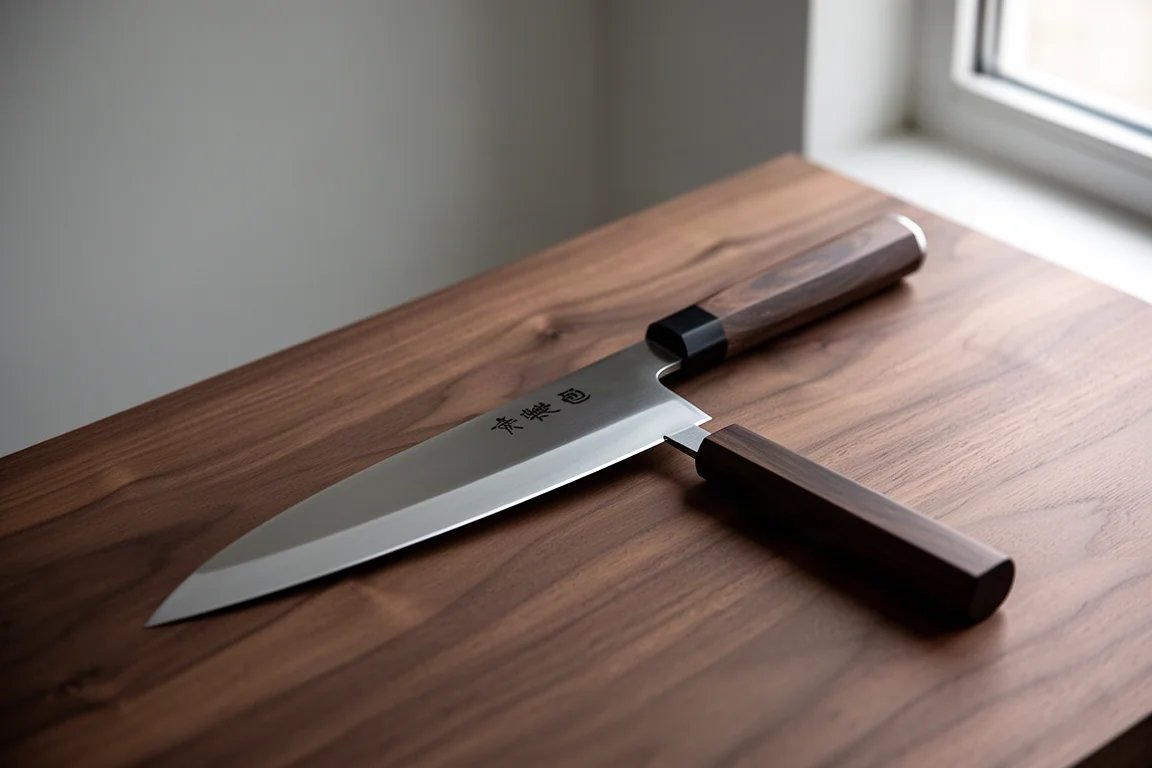
For anyone considering the knife, there is an added appeal beyond the cutting performance: the maker himself visits select shops for forging demonstrations and offers kanji engraving, so a purchased blade can be personalised with your name or another phrase cut directly into it.
Overall Buying Advice
If sweet potato, squash, and other dense vegetables are a regular part of your cooking, prioritise a long, thin gyuto over specialised shapes. The geometry does most of the work. A nakiri or bunka is still a strong second choice for vegetable prep, and a cleaver earns its keep on bones and tough jobs rather than produce. Match the knife to the task, and every blade in your drawer performs better.
Conclusion
The sweet potato test makes one thing clear: blade geometry beats knife shape almost every time. The CCK cleaver manages but compromises, the nakiri and bunka perform well within the limits of their length, and the Kenshiro Hatono 215mm Kiritsuke-style gyuto shows what a thin, long, well-ground blade can really do. Pick the shape that fits your cutting, not just your preferences, and the densest vegetables stop being a fight.
Further reading
Related Reviews

Kitchen Knives
Best Chef's Knives 2026: 27 Popular Options Tested and Ranked
A comprehensive review of 27 chef's knives ranging from $18 to $380, with honest assessments of handle comfort, blade balance, and real-world performance.

Kitchen Knives
Best Chef's Knives Under $75: Two Tested Recommendations
Two practical 8-inch chef's knives that balance sharpness, comfort, and durability without premium pricing.

Kitchen Knives
Best Chef's Knives 2026: 27 Options Tested and Ranked
A comprehensive review of 27 chef's knives ranging from $18 to $380, with honest assessments of handle design, balance, blade profile, and real-world performance.