Kitchen Knives
Garage Sale Standouts: Rare and Favorite Japanese Kitchen Knives
A hand-picked look at one-of-a-kind and hard-to-find Japanese kitchen knives, from hand-forged honesuki to glittering custom handles and a uniquely forged mini tank.
Introduction
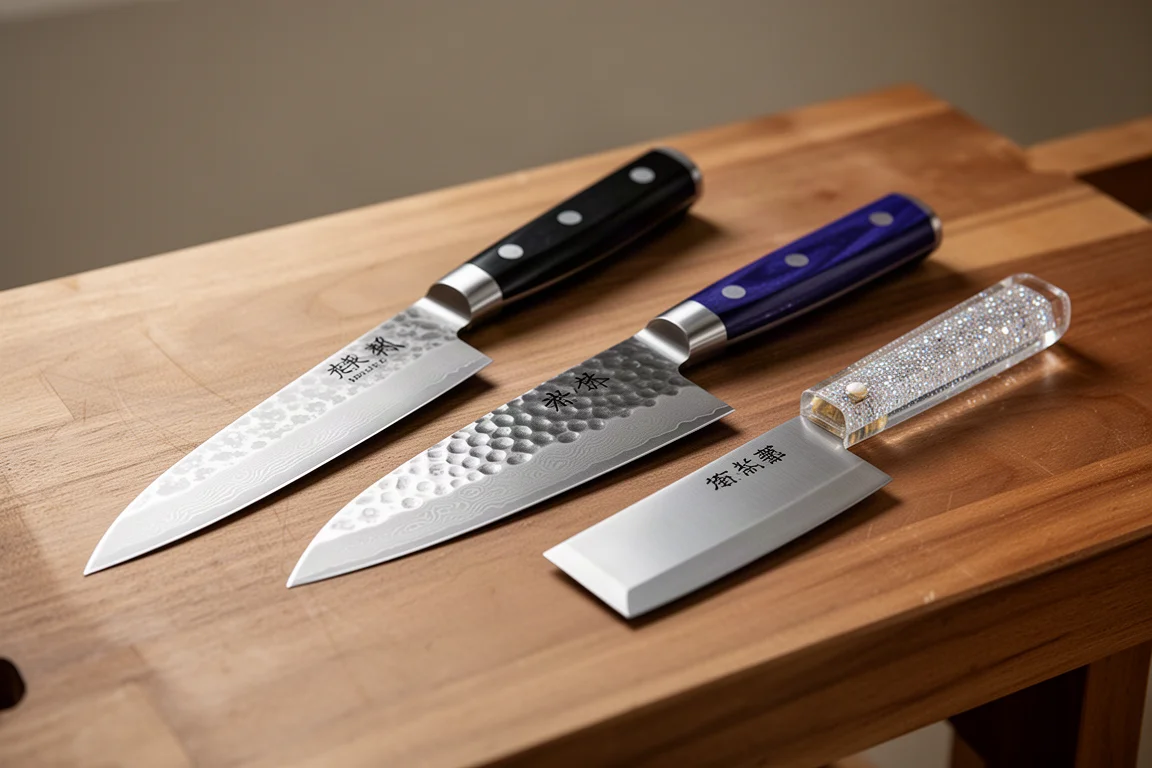
Twice a year, the shop opens the doors on a garage sale, and it has become the best chance to grab rare, one-of-a-kind, and hard-to-find Japanese knives. This edition grew out of the owner’s first trip back to Japan in three years, reconnecting with long-time blacksmith friends and meeting new makers along the way. What started as a single suitcase of unique finds has grown into a much larger event, with far more stock for the growing online audience.
This preview covers some of the favorite picks, from heavyweight workhorses to truly rare handmade pieces. There is a lot more in the sale beyond this list, including deep discounts on knife bags and other in-store deals, so treat this as the shortlist rather than the full catalogue.
Satoshi Nakagawa Shinogi Aogami Blue Super Damascus
Made in Osaka by a smith the shop owner has visited in person, this sujihiki is forged from Aogami Blue Super carbon steel with a crisp, clearly defined shinogi line along the blade. The maker is known for forging nearly every steel into both single and double bevel shapes with speed and immaculate organization, and it shows in the clean geometry here.
For anyone who sharpens their own knives, this is an easy steel to maintain, and the sujihiki shape makes it a great protein knife at home. A full line of this maker’s knives is also available beyond the sale.
Yoshimi Kato Minamo SG2
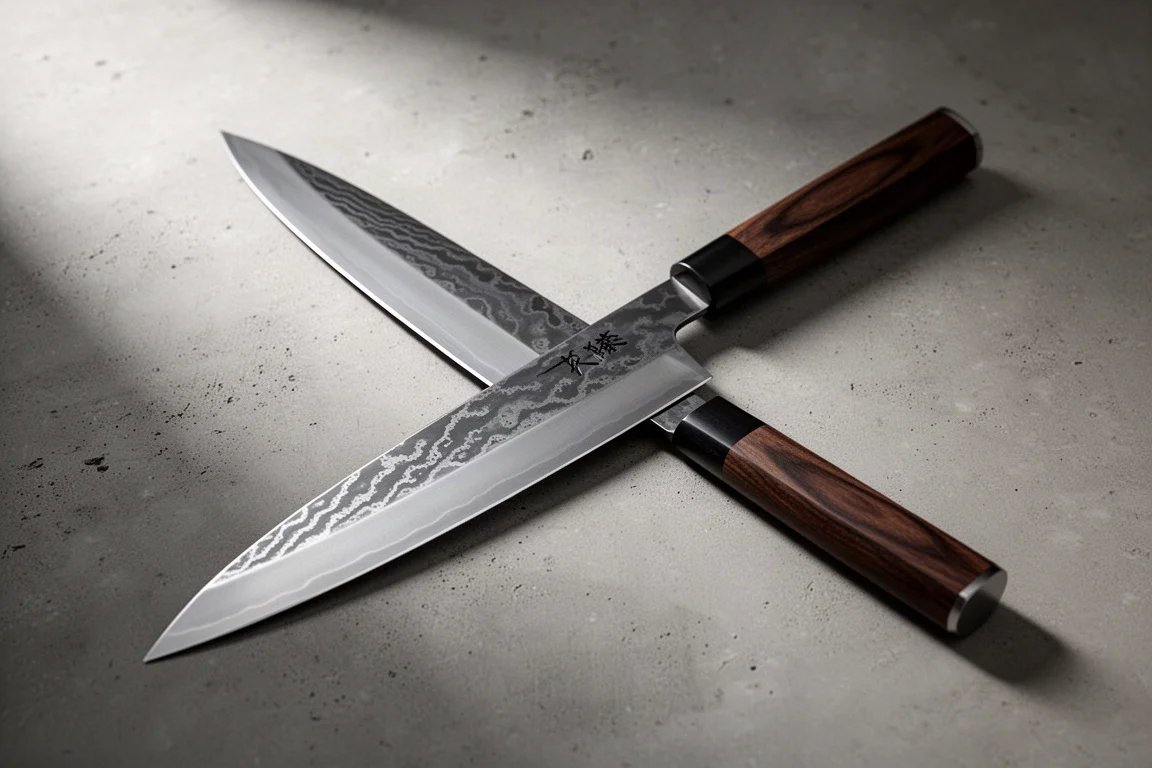
Minamo means “surface of the water,” and the name fits: the newer tsuchime pattern on these blades was inspired by ripples across a pond. The knife is made from SG2 (R2) stainless steel, which delivers genuinely strong edge retention.
The blade is ground thin enough to glide beautifully through food, but it is not flimsy. There is enough weight behind the edge that the knife feels confident in hand rather than fragile, which is a balance many thin knives miss.
Moritaka Lettuce Knife
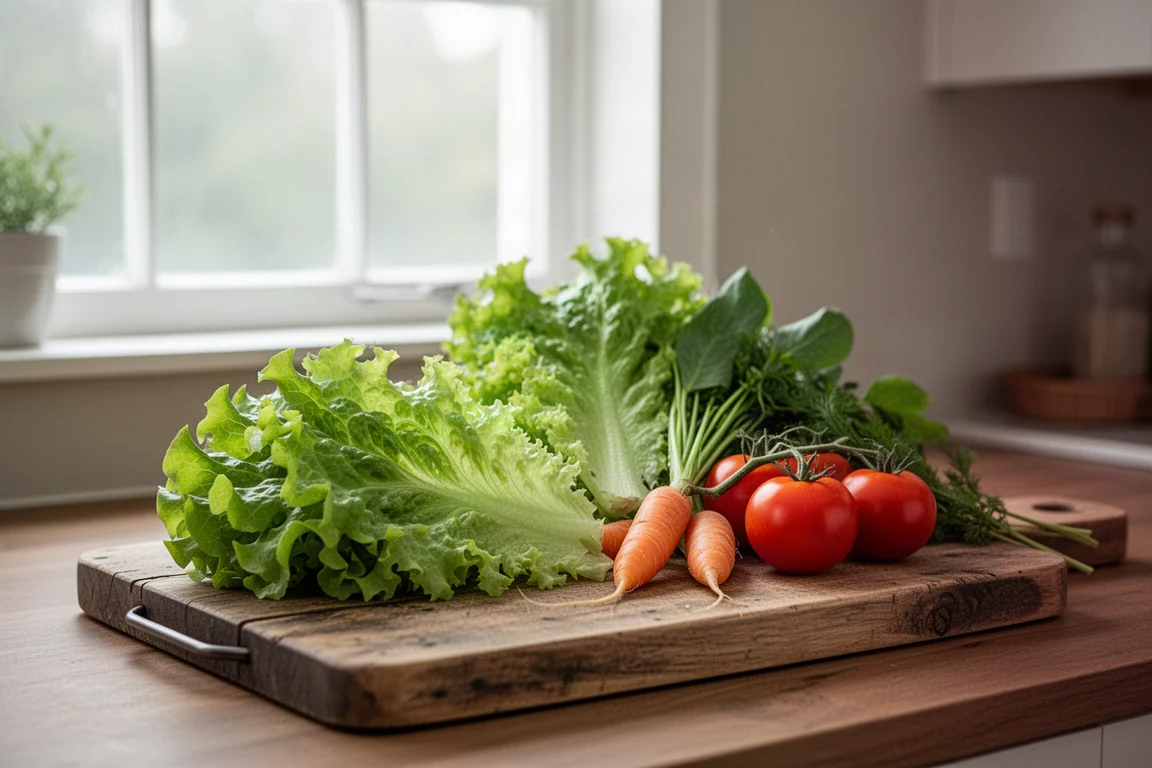
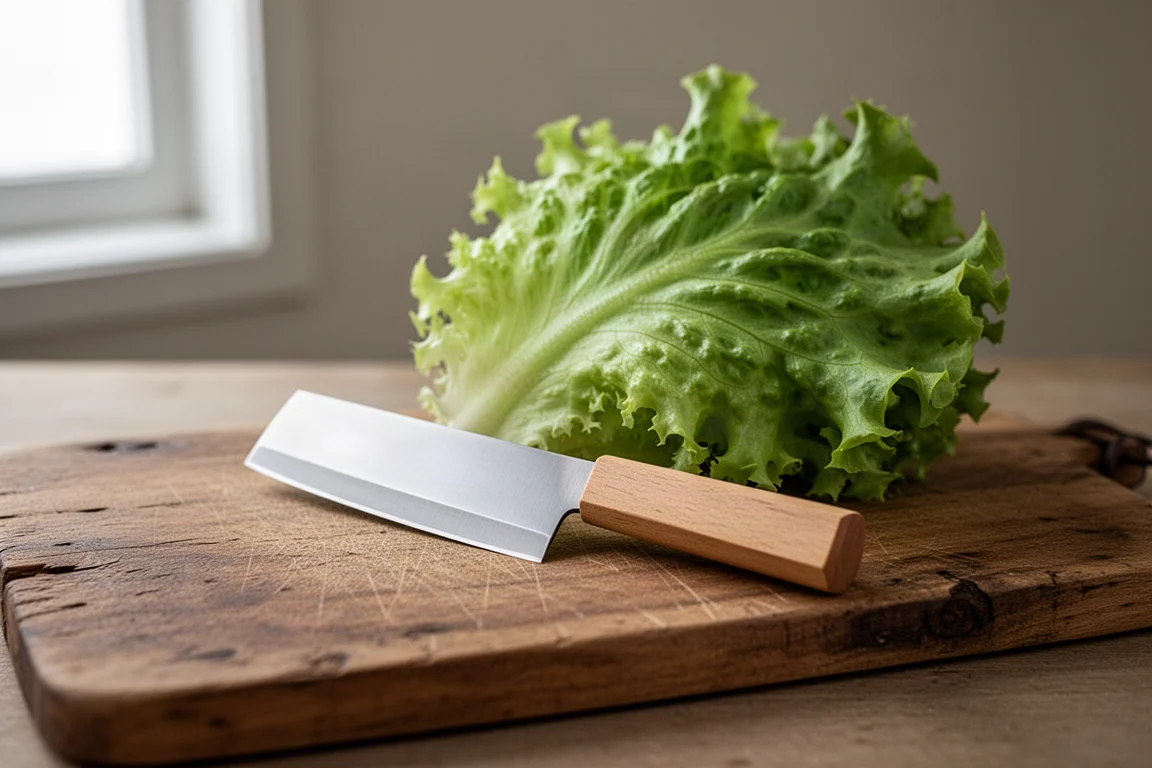
The name sounds like a gimmick, but the shape is genuinely clever. This is a harvesting knife: the tip is used to jam and cut so a whole head of lettuce comes off cleanly. Some lettuce knives are carved with a scoop for this purpose, but Moritaka’s version keeps a simple, multi-purpose profile.
Do not let the name box it in. With its compact nakiri-like shape, it works just as well as a small chopper in the kitchen, and it is a fun option for kids or anyone who wants a small, easy-handling blade. Moritaka has been busy making knives for the shop, so these lettuce knives are the one shape they managed to squeeze in for this sale.
Masutani Kokuru KO Santoku
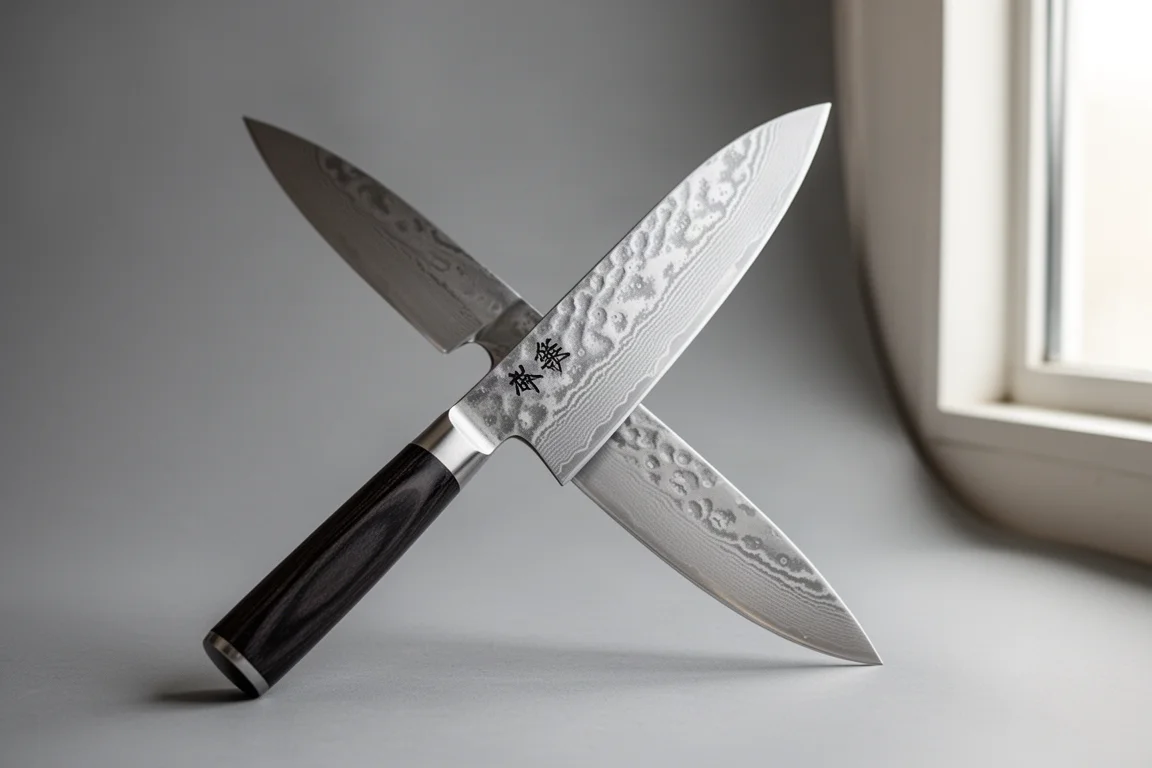
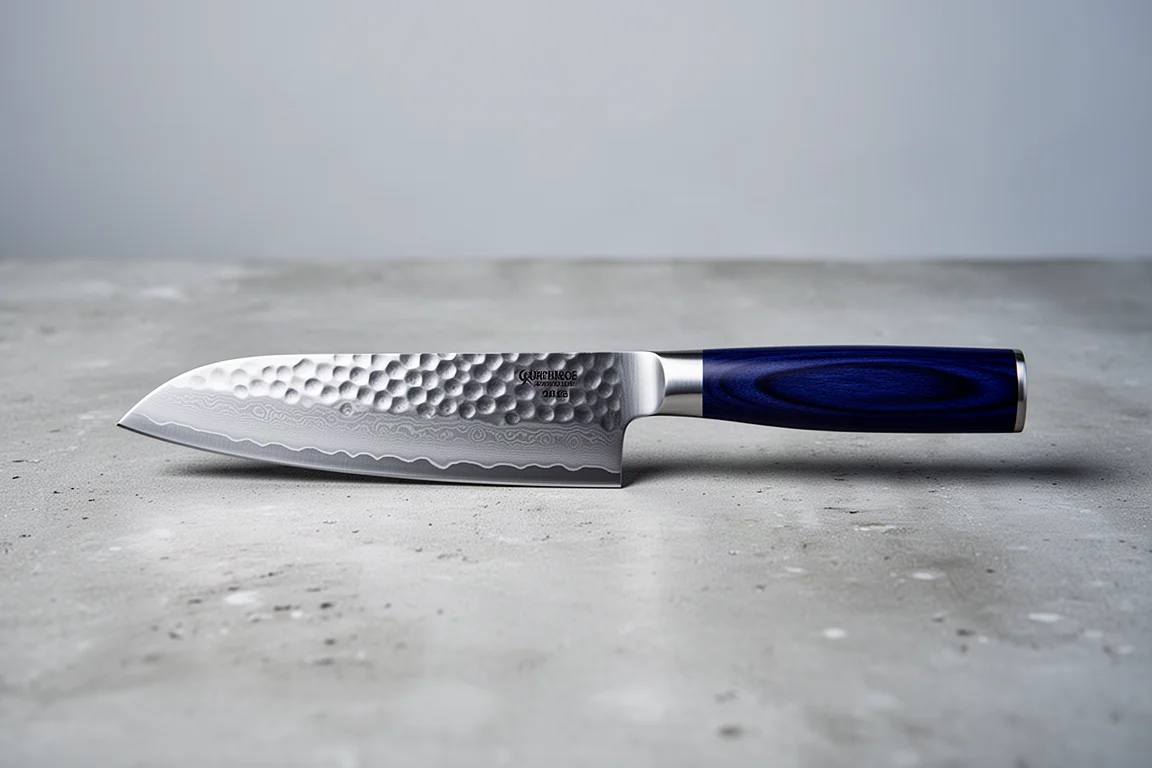
This small santoku from Masutani’s Kokuru line pairs a stainless steel blade with a beautiful damascus finish and a hammered tsuchime texture that helps food release from the side of the blade when cutting vegetables like carrots.
The fit and finish punch well above the price, with a gorgeous indigo blue handle and careful handwork throughout. At just over 100 dollars for a handmade knife, this is one of the standout value picks of the sale.
Tsunehisa Super Stainless Clad
All Tsunehisa knives are 20 percent off during the sale, and this super stainless clad model is a good example of why the brand is worth a look. These knives come out of larger production centers like Tosa and Seki, with plenty of handwork still involved, and offer strong performance and fit and finish without traditional handmade pricing.
The blade is nicely thin, holds its edge for a long time, and sits at around 160 dollars, making it an easy recommendation. If you are shopping for a wedding gift and want to give a kitchen knife, this is the kind of knife that will not break the bank and will still perform beautifully.
Gesshin 210 Uchigumo
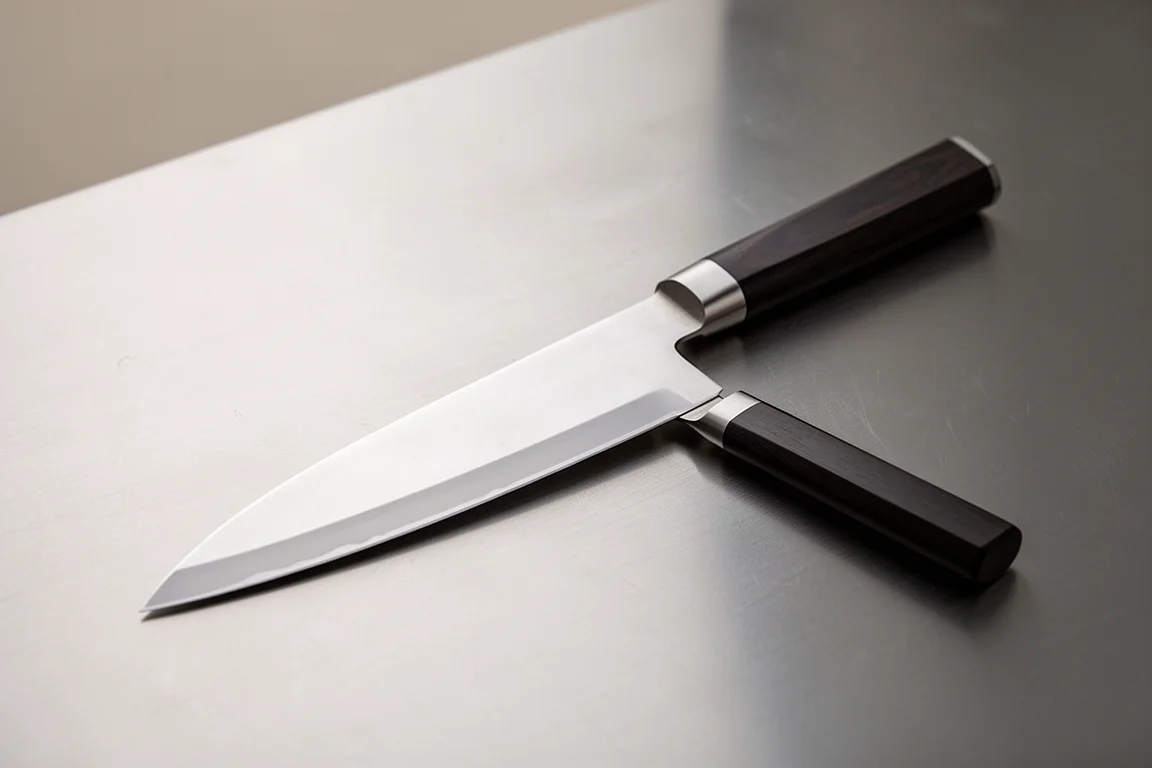
For anyone curious about carbon steel who does not want something that rusts the moment you look away, this super steel blade is a great entry point. The steel sits among the highest hardness levels in knife making, which translates into very long edge retention.
The finish is exactly what you would hope for: cleanly polished, understated, with no fancy bells and whistles. Importantly, the refinement carries behind the edge too, so the knife does not just keep its edge, it glides through food.
Aji Kataya by Mutsumi Hinoura Shirogami #2
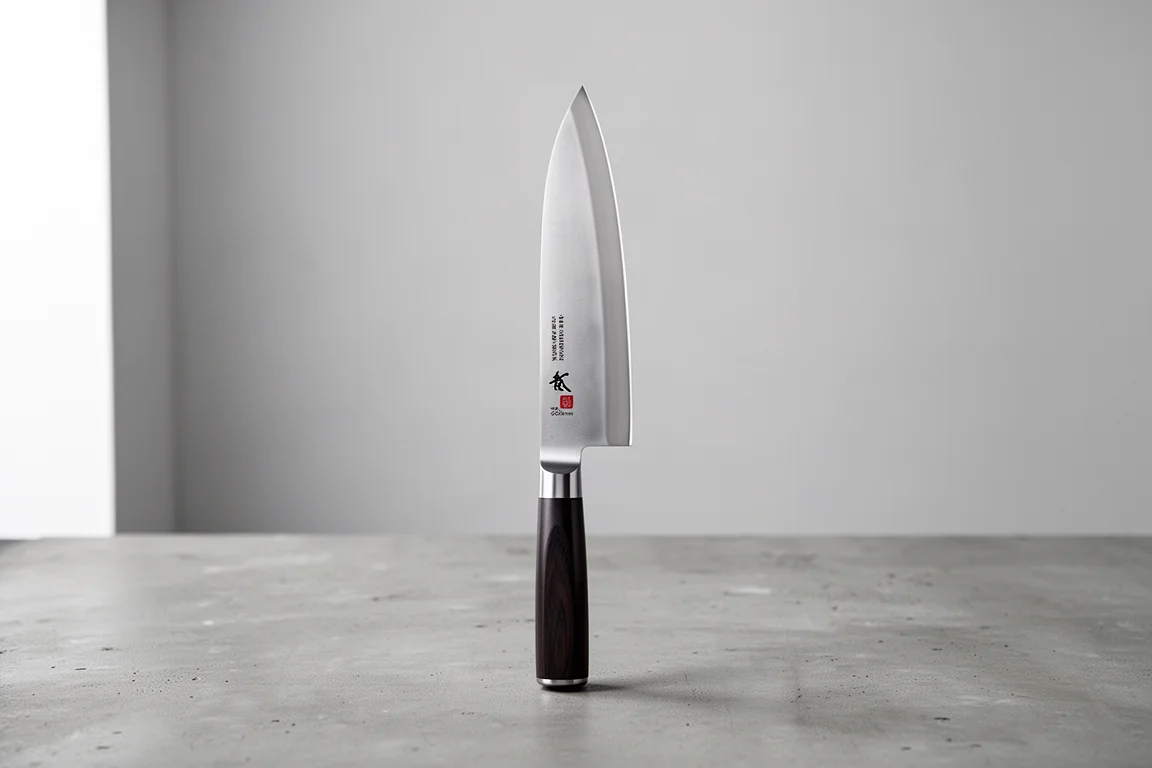
This one comes from a maker who has become a shop favorite. Forged from Shirogami #2 white carbon steel with a carbon steel cladding, the knife is simply made, but the tsuchime hammer pattern is remarkably even and consistent while still looking natural rather than machine-stamped. The smith hammers these quickly and confidently with a large hammer, and the result has real character.
These knives carry noticeable heft, which makes them a great bridge for anyone used to European knives. You get that confident weight, but the thin edge still glides through food beautifully. If you were going to build a set from a single line, this would be a very safe pick.
Mazaki Naoki Honesuki Honsanmai Damascus
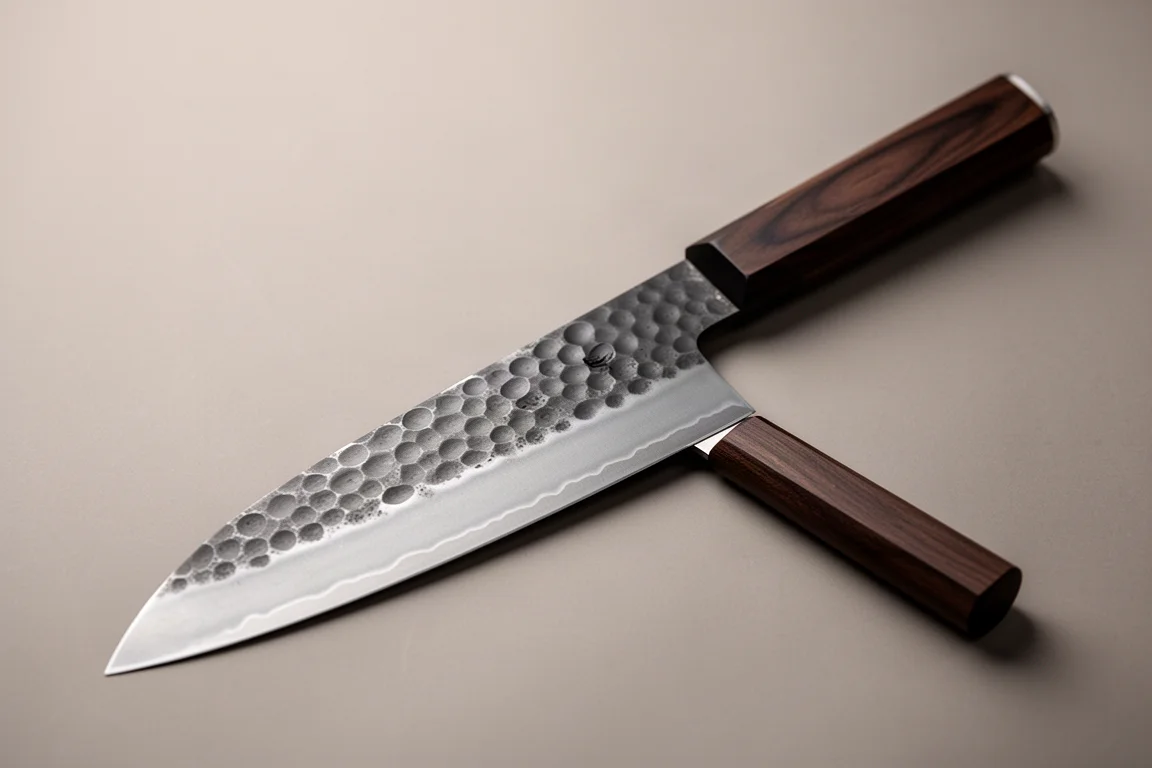
This is one of the rarest pieces in the sale. Made in Sanjo by Mazaki Naoki, this honesuki is not just honyaki, it is a damascus honsanmai, with layers of steel forged over the core and visible along the bevel. Instead of showing off, the maker keeps the effect subtle and quiet, which suits the knife’s understated personality.
It is about as handmade as a knife gets these days. The thick spine tapers down gracefully, making it genuinely practical as a bird-and-boning knife, and the tiger stripe wood handle is a lovely accent. Flashy damascus is not for everyone, and this is the opposite of flashy.
Nigara Hamono SG2 Tsuchime Petty
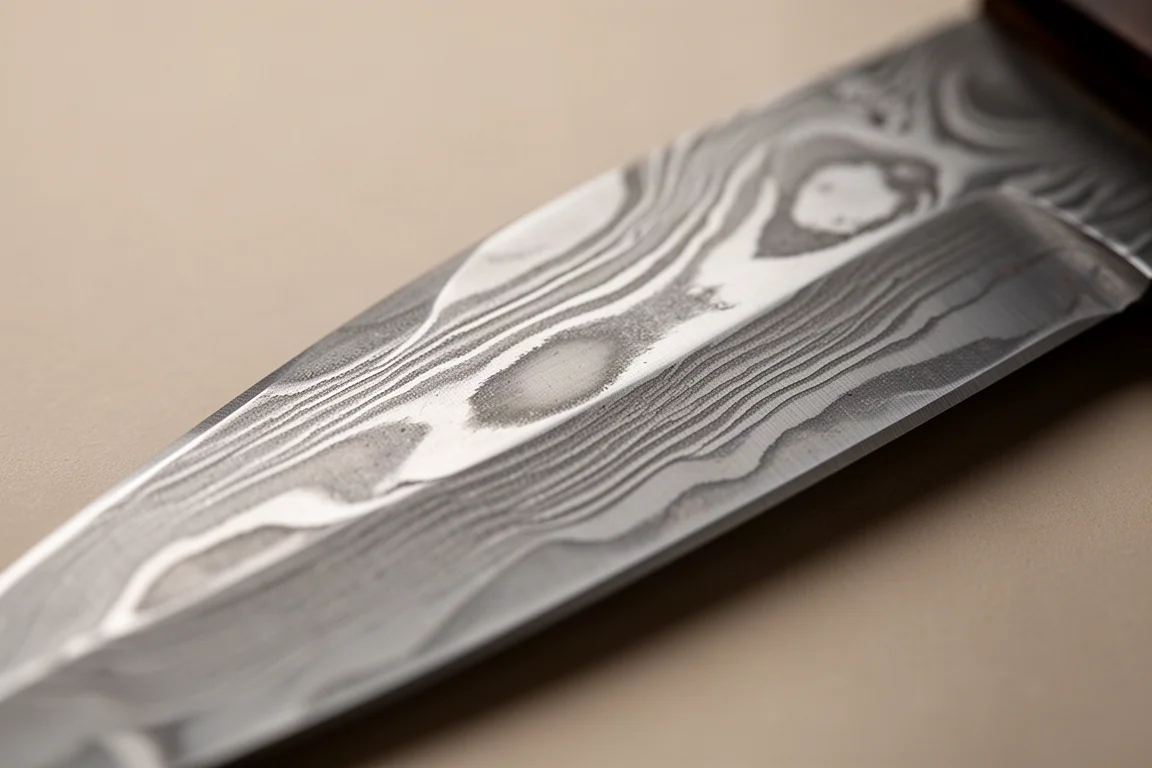
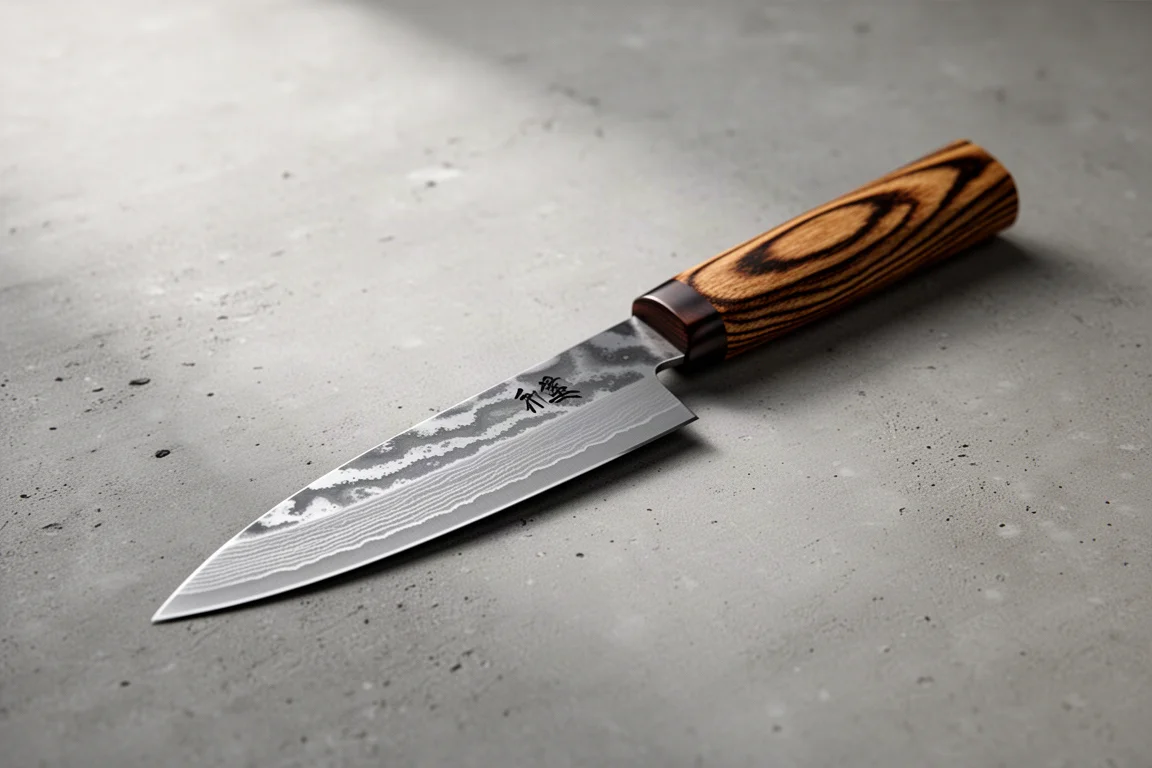
Nigara Hamono brings some of the most eye-catching handles in the sale, with stunning SG2 stainless blades and beautiful tsuchime texture to match. The acrylic handles have a real glittery quality up close, and each knife is individually photographed and numbered, so you can pick the exact one you want. These are truly one of a kind, so if one speaks to you, go for it.
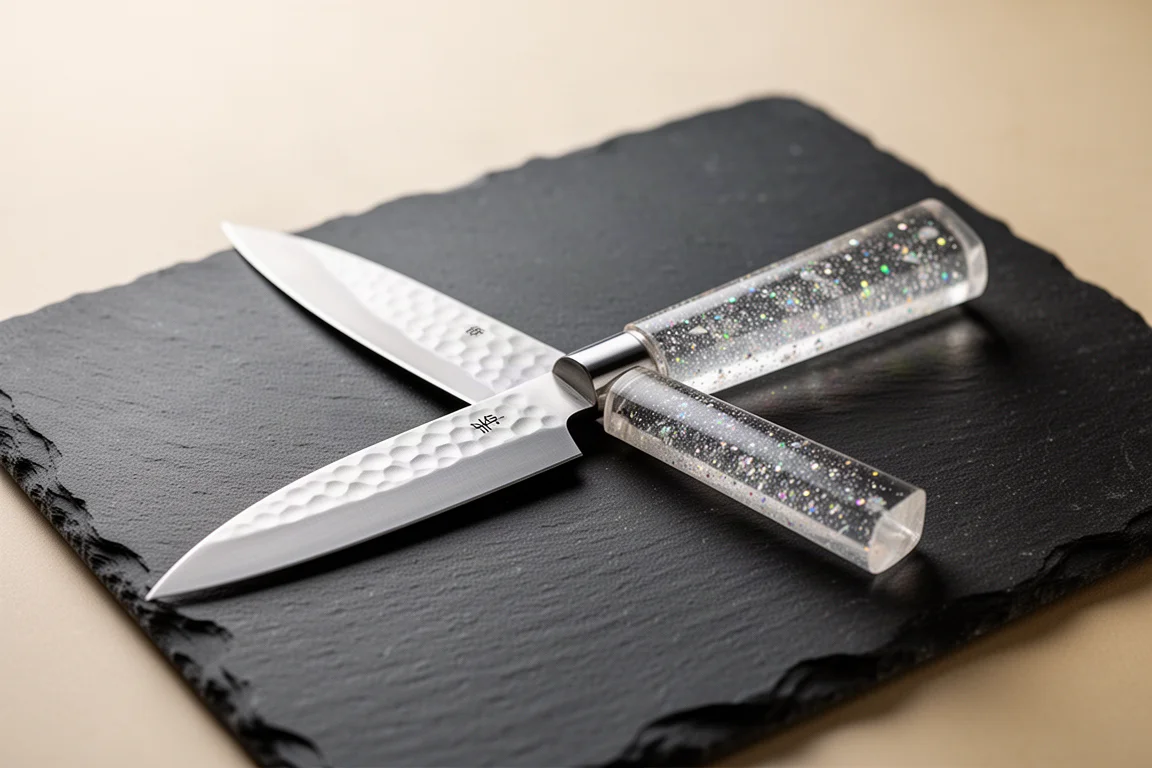
Nigara Hamono SG2 Nakiri
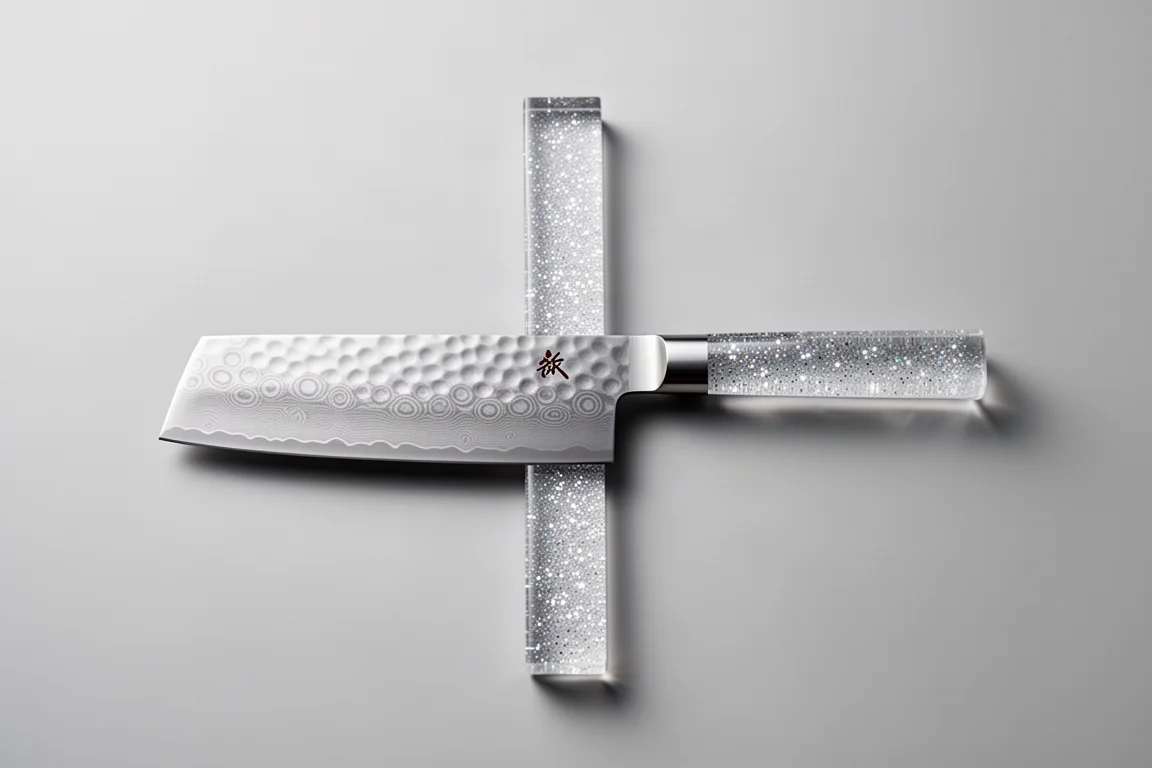
The matching nakiri versions share the same glittering handles and damascus work, including distinctive circular eye-like patterns in the steel. Do not go looking for a bunka profile here; these are nakiri with a small tip, flatter than a regular bunka but still useful for scoring into an onion.
The flat edge gives clean cuts with a little extra precision work at the tip, and the heft is similar to the Aji Kataya knives mentioned above. These sit firmly in collector territory, but they are still fully usable knives, and the maker’s damascus work is exactly what Nigara is known for.
Hatsukokoro Copper Damascus SLD
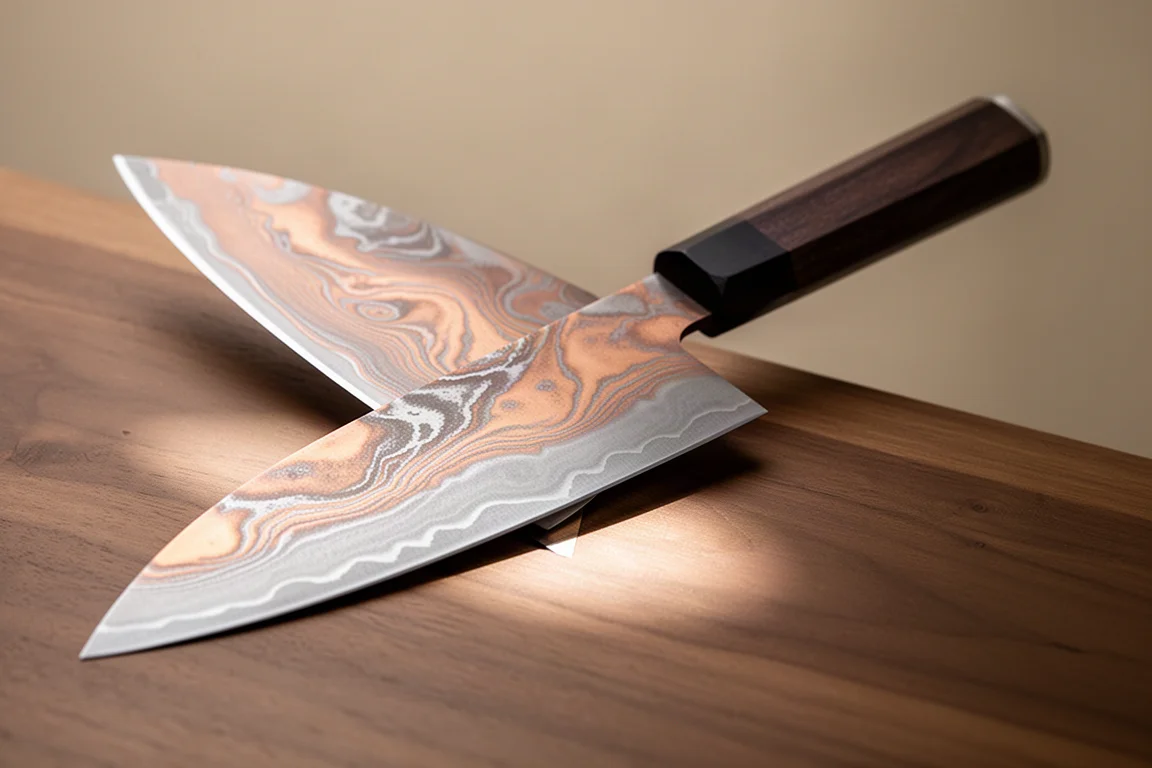
This one is genuinely new and unusual. The Hatsukokoro brand works with many different smiths and often challenges them with unusual steels and looks, and this knife is the result: an SLD core folded with stainless and copper layers into a damascus pattern unlike anything else in the sale.
The maker reportedly struggled through prototypes to get the heat treatment and sharpening right, and the finished knives have clearly nailed it. The blade runs a little thicker, but the distal taper is excellent, starting thick at the spine and thinning toward a precise tip with a more robust belly. It is a striking piece and it is hard not to gush about it.
Hatsukokoro Fukushima Mirror Damascus
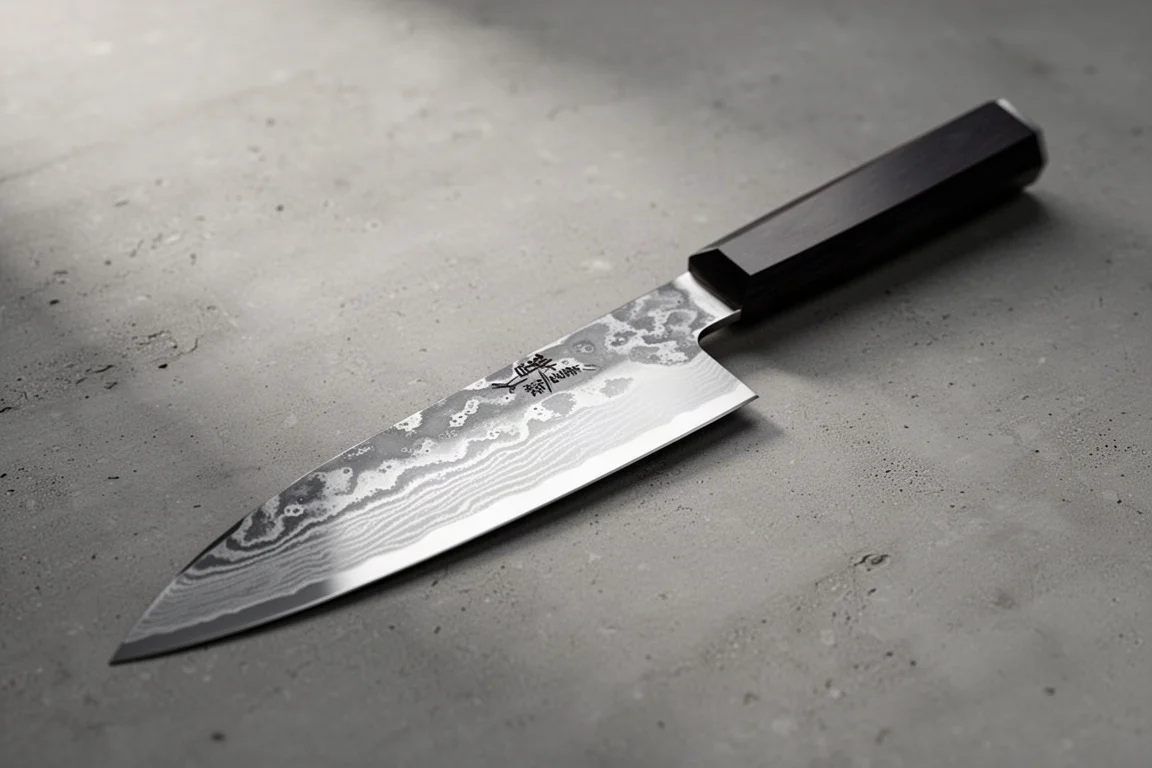
Another knife under the Hatsukokoro brand, this one comes from a younger smith from Fukushima who trained under Yoshikane before returning home to open his own workshop. He spent years sharpening knives before moving into crafting them, and the skill shows.
Like Mazaki, this smith forges and folds the steel himself, and you can see it: the mirror polish pokes through the damascus cladding in places, imperfect in the best possible way. The octagonal handle is slightly skinnier side to side than top to bottom, which makes it settle into the hand very comfortably. Pieces like this will not last long.
Yoshikane Nishiji White Carbon Stainless Clad
A returning favorite. The shop carried Yoshikane’s Nishiji line years ago before stepping back during some production issues, and it is good to see the blades appearing again. Quality remains excellent: straightforward, super well made, white carbon steel with stainless cladding, and nothing unnecessarily fancy.
There is real pedigree in this region of Sanjo, where smiths learned from the greats, and this line reflects that tradition. If you have asked about Yoshikane in the past, this is your chance to pick one up again.
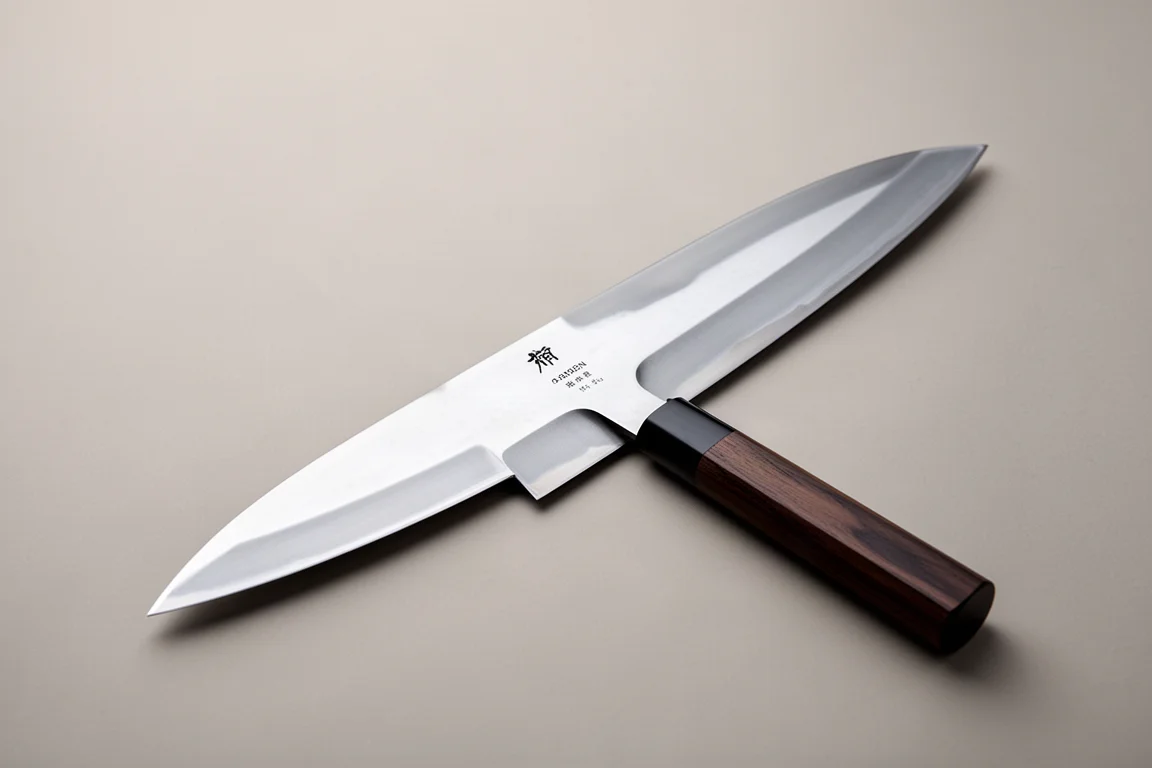
Haruo Sakai Honesuki Custom Handle
The sale always includes ultra-rare one-of-a-kind pieces with custom handles, and this Haruo Sakai honesuki is a prime example. Sakai’s grinding and sharpening work is exceptional: the heel has extra curvature so a finger sits more comfortably, the bevel flares like a wing toward a thinner, faster-looking tip, and the toe bevel is beautifully done.
The custom handle uses stabilized burl woods with steel rings and water buffalo horn ferrules on top and bottom. As a rare custom piece, it is exactly the kind of thing the garage sale exists for.
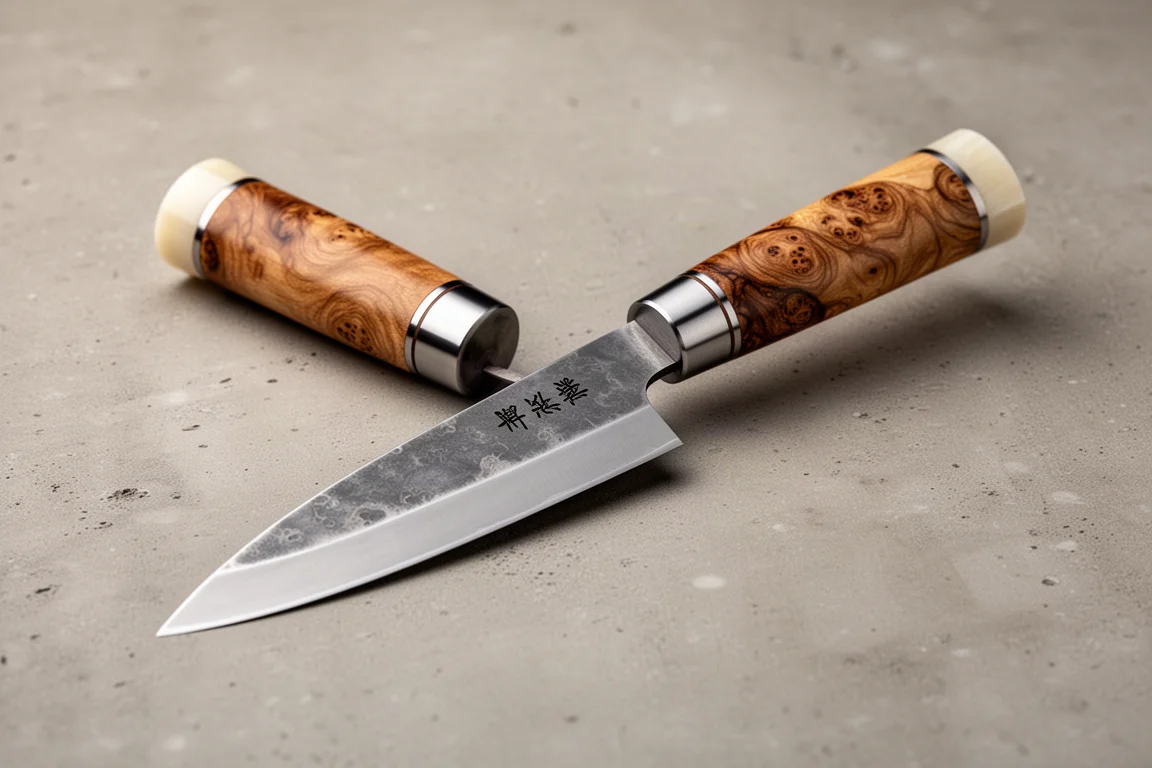
Kurosaki Fujin Custom Handle
The Fujin line is named after the god of wind, thanks to the diagonal gusting lines sweeping across the damascus bevel. Kurosaki is a smith who needs little introduction, and this example pairs that expressive blade work with a deep, almost starry-night dyed handle that suits the knife perfectly.
It is another one-off custom, and the combination of the wind-line damascus and the dramatic handle makes it one of the most memorable pieces in the sale.
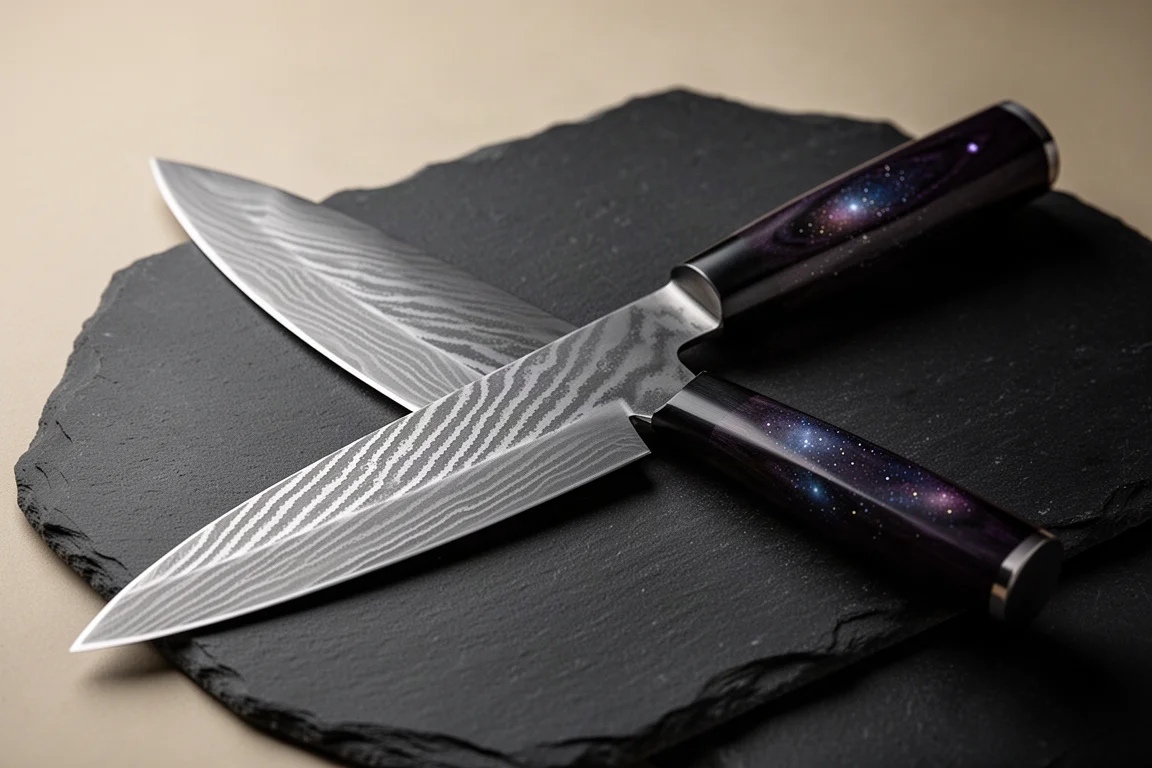
Shibata Tinker Mini Tank
The final standout is the Shibata Tinker Mini Tank, a shape the maker introduced just last year. The Tank series was forged exclusively for Shibata with outdoor use in mind, while still taking a very sharp edge.
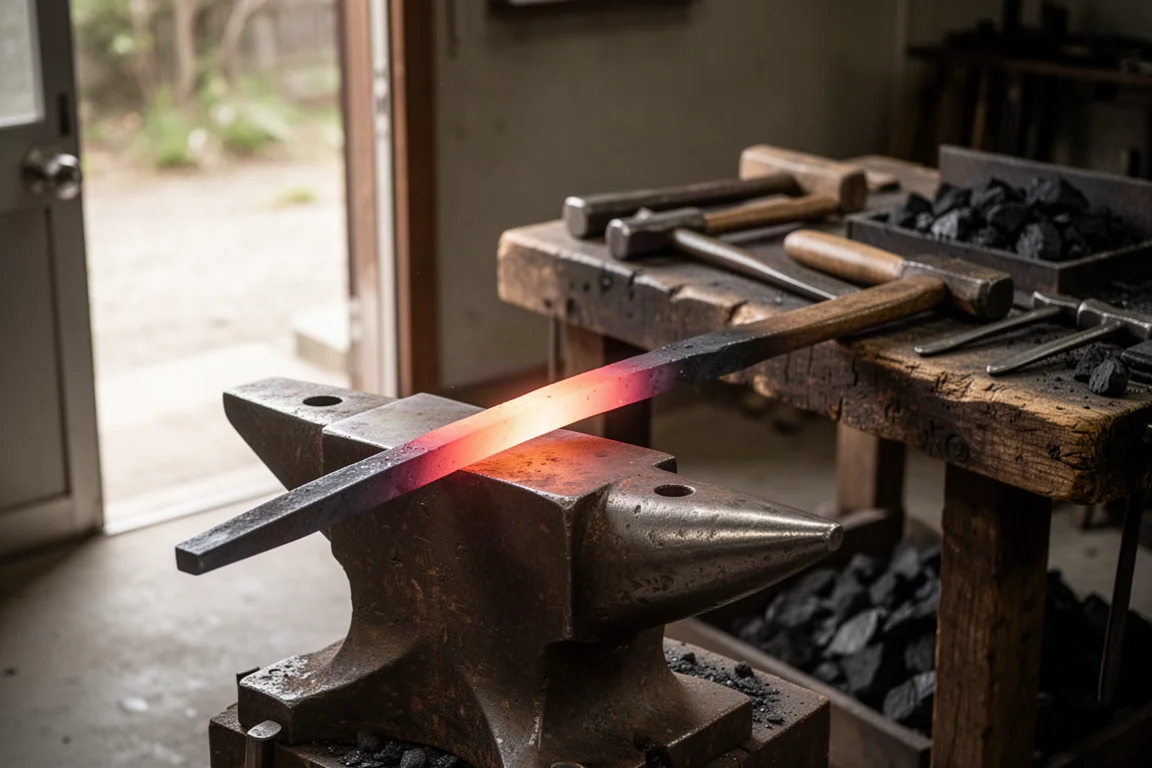
The forging approach is unusual for the region. Where most smiths work in a more two-dimensional way with straight sides, Shibata forges three-dimensionally, tapering the blade in both directions: thick at the spine, gradually thinning down toward the edge. That gradual taper is what makes it both rugged and refined at the same time.

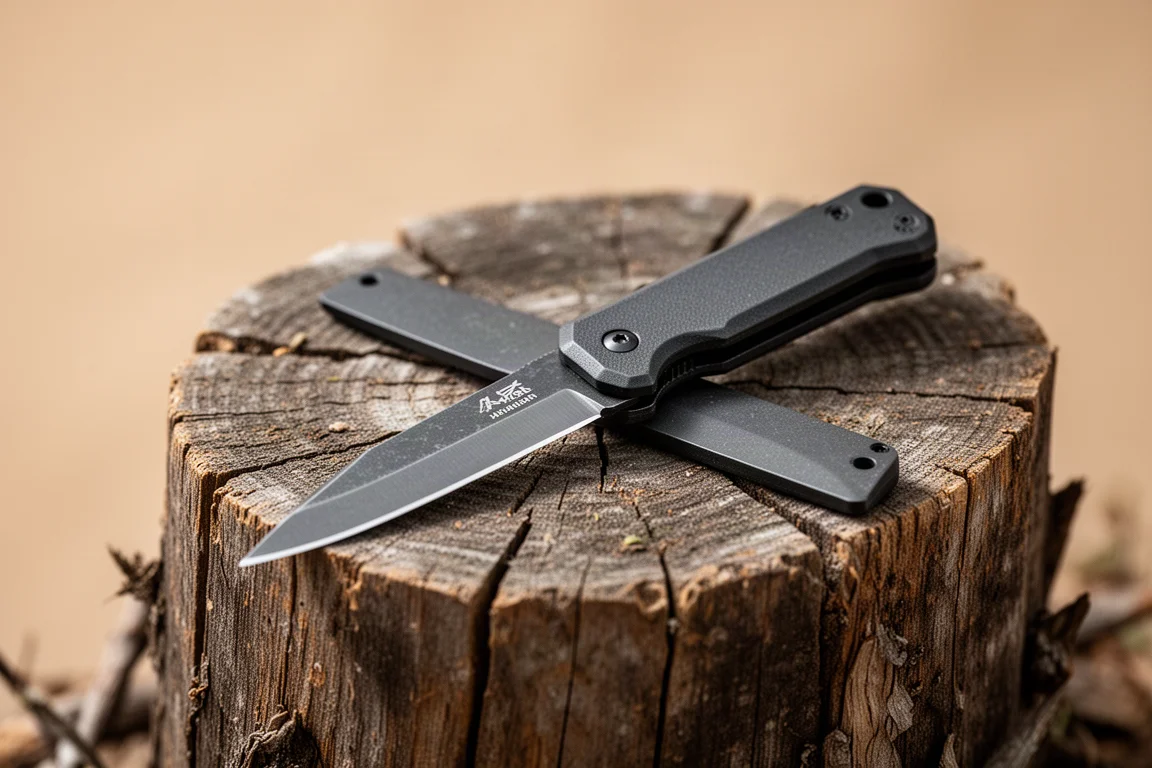
How to Shop the Sale
The sale runs for a week, kicking off at 8 a.m. mountain time online and at 10 a.m. local time in the Calgary, Edmonton, Ottawa, and Vancouver stores. There are plenty of great value buys beyond the rare pieces, so it pays to have a plan if you are chasing something specific.
A few practical tips for one-of-a-kind hunters: in-store exclusive items appear on the first day, so visit your local shop early. For online items, get on the website a few minutes before the sale starts, know exactly which knife you want, add it to your cart, and check out immediately. Adding to cart does not reserve anything, so buy your priority piece first, then go back and browse. Double-check that your autofill address and payment details are correct ahead of time so nothing slows you down at checkout.
If you want a closer look before buying, the shop runs a live unboxing session ahead of the sale showing nearly all the new stock, and the team goes live again on opening morning for several hours, showing knives and answering questions.
Conclusion
This garage sale covers the whole spectrum: genuinely affordable handmade knives like the Masutani santoku, dependable performers like the Tsunehisa and Yoshikane lines, and truly rare one-offs like the Mazaki honesuki damascus and the custom-handle pieces. Decide which camp you are shopping in before the sale starts, and you will walk away with something worth keeping.
Further reading
Related Reviews

Kitchen Knives
Best Chef's Knives 2026: 27 Popular Options Tested and Ranked
A comprehensive review of 27 chef's knives ranging from $18 to $380, with honest assessments of handle comfort, blade balance, and real-world performance.

Kitchen Knives
Best Chef's Knives Under $75: Two Tested Recommendations
Two practical 8-inch chef's knives that balance sharpness, comfort, and durability without premium pricing.

Kitchen Knives
Best Chef's Knives 2026: 27 Options Tested and Ranked
A comprehensive review of 27 chef's knives ranging from $18 to $380, with honest assessments of handle design, balance, blade profile, and real-world performance.