Kitchen Knives
Japanese Kitchen Knife Garage Sale Picks: Nine Knives Worth Hunting For
From a $43 petty knife to a carbon-core stainless Damascus gyuto, nine standout Japanese knives that make a rare sale worth setting an alarm for.
Introduction
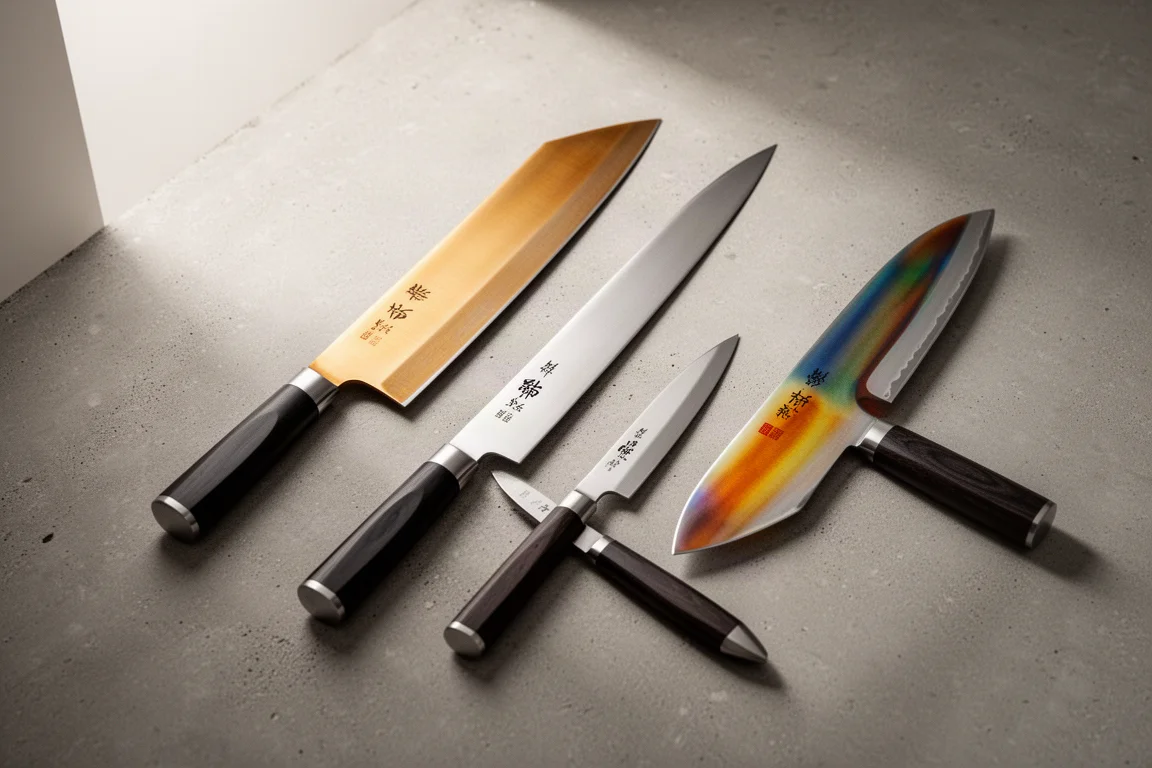
Twice a year, a well-stocked Japanese knife retailer with connections to roughly 50 to 100 knife makers across Japan opens up its garage sale: tables piled with knives, rare one-off pieces, new lines, and genuine deals. This year’s selection includes a standout budget petty, a battleship-inspired nakiri, a swordsmith family’s kitchen blades, and a carbon-core stainless Damascus gyuto that took one of the best smiths in the business years to pull off.
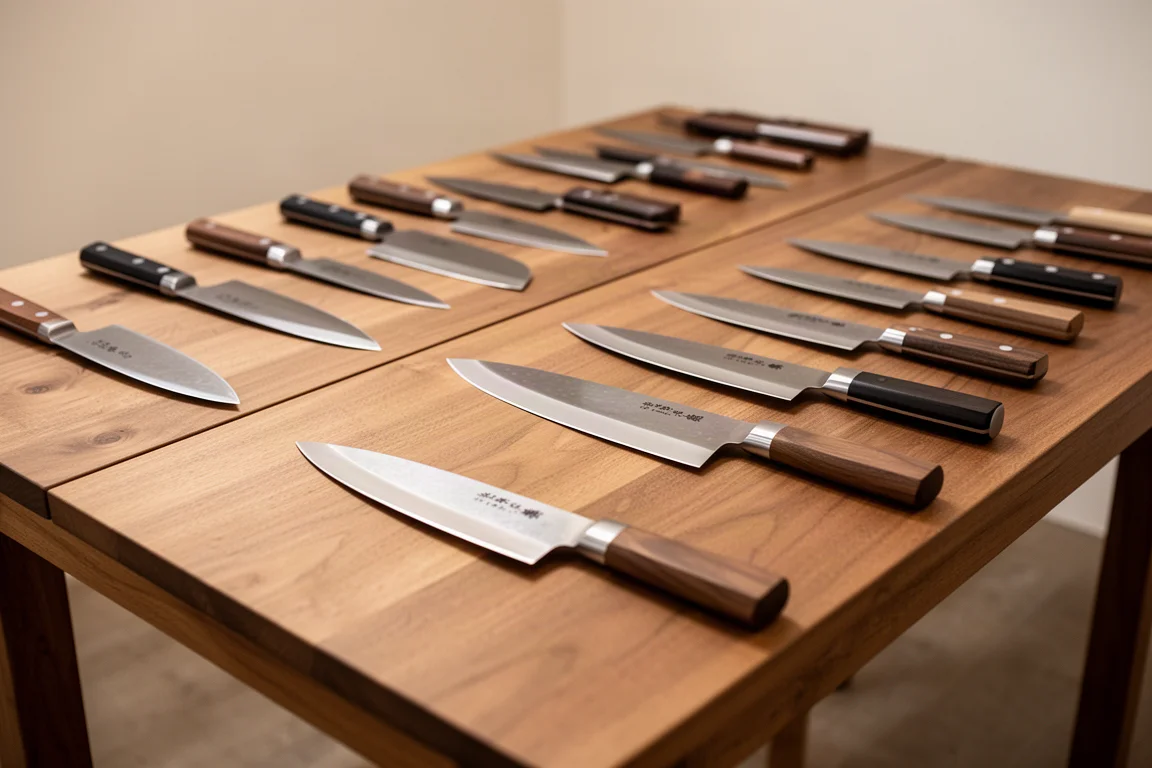
Here are nine knives from this year’s sale that deserve a spot on your shortlist, along with who each one is really for.
Best Budget Find: Ikkaku Petty by Sumizu Hamono
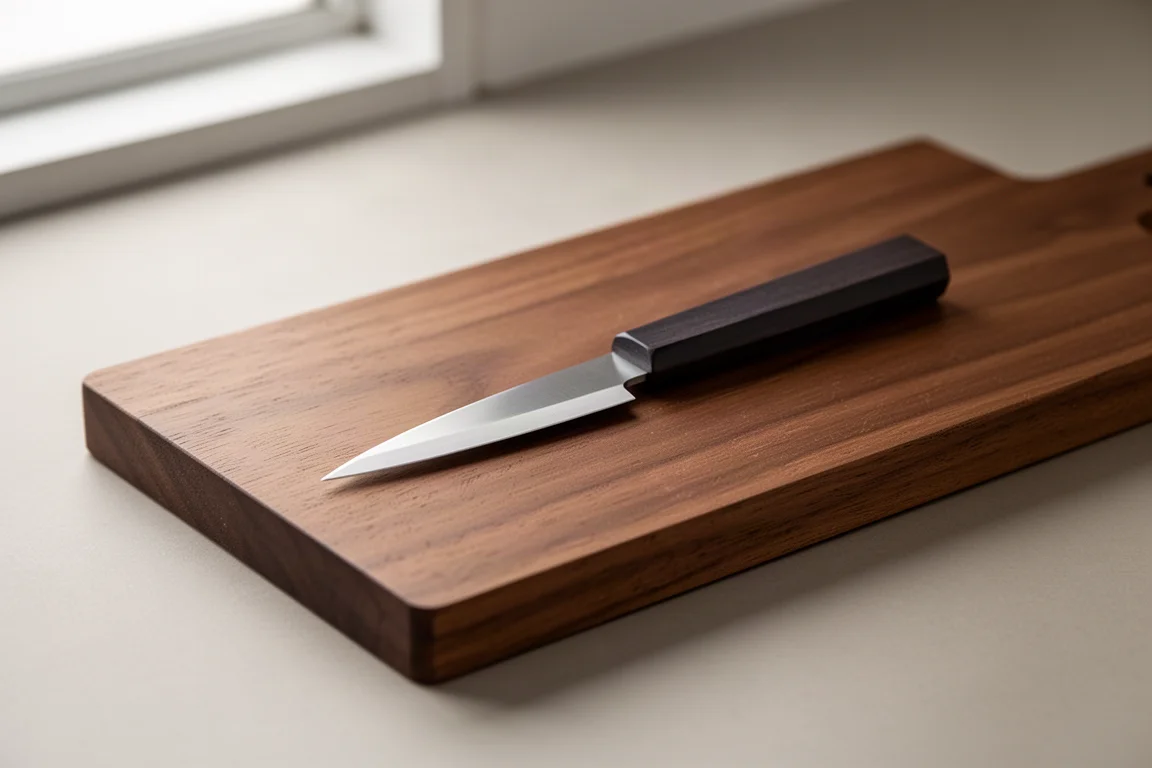
Made in Seki and branded as Ikkaku (meaning “one horn,” a nod to the company’s bull mascot), this tiny petty knife lands at around $43, which is remarkable for a handmade Japanese blade. It has a fine point that suits detail work: peeling apples, zesting citrus, trimming herbs, or even Thai-style fruit carving. Bartenders and home cooks looking for a small, nimble second knife will find it hard to beat at this price, and it makes a great add-on alongside any larger purchase.
Kotetsu Nakiri 180: A Taller Take on a Classic Shape
The Kotetsu line was developed by Takayuki Shibata, whose philosophy is that if you make a knife as sharp and functional as possible, its beauty follows. This Nakiri 180 marks a shift from the line’s earlier Aogami Super steel to Chromax, which can still patina but offers a great edge and a strong bite. While 165mm nakiri are more common, the extra length handles larger vegetables more easily, and the extra height gives knuckle clearance. The slanted tip shape is a nod to an old battleship name.
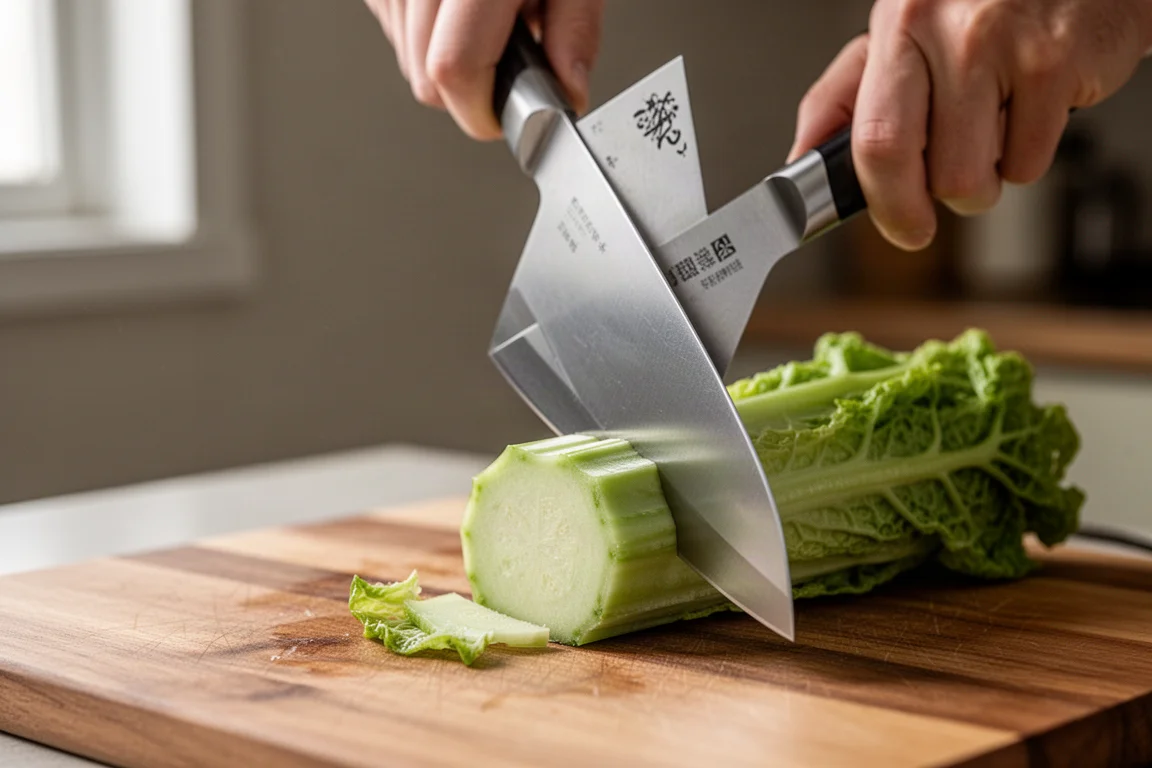
If you have found standard nakiri a bit small, this taller, weightier version is a genuinely useful step up.
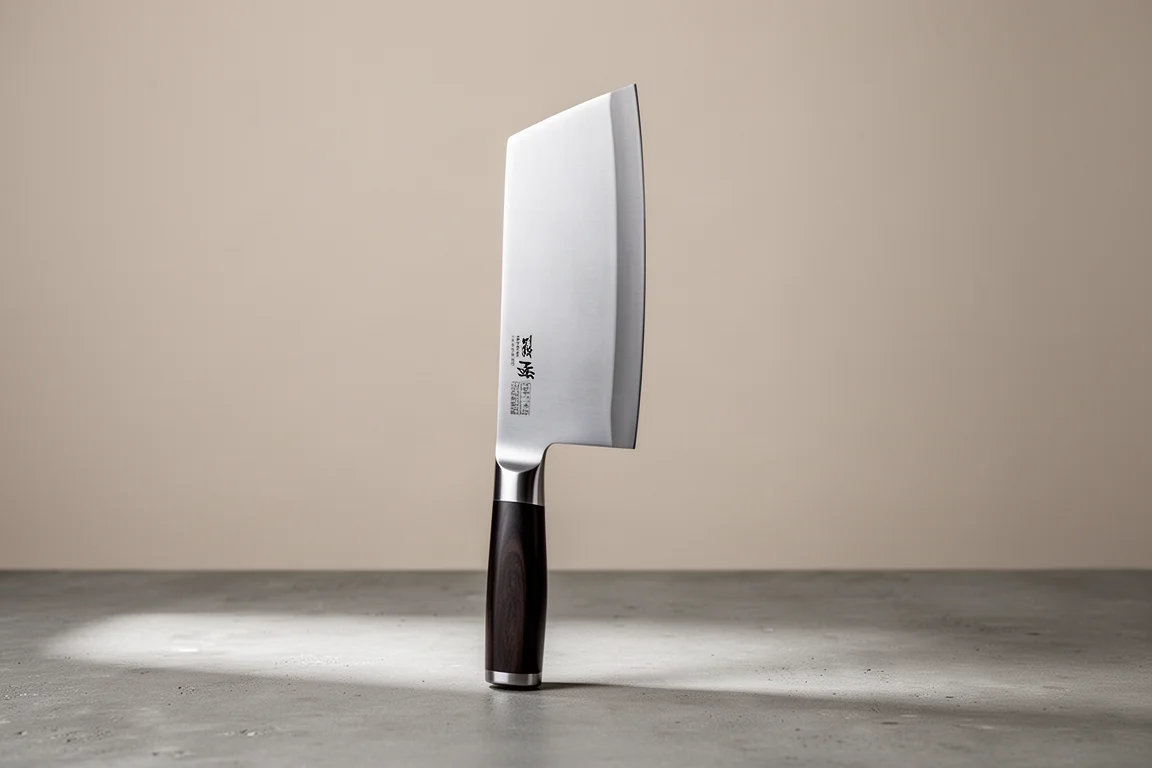
Nagomi: A Rugged First Japanese Knife
Nagomi is a new line made in Seki, Japan, aimed squarely at people who have never owned a Japanese knife. It uses 440A stainless steel, a deliberately tougher choice than SG2 or VG10, so everyday users can work without worrying much about chipping. The smooth handle and clean fit and finish round out an approachable package. This is the knife for the person who would otherwise leave a fragile blade in a drawer for special occasions.
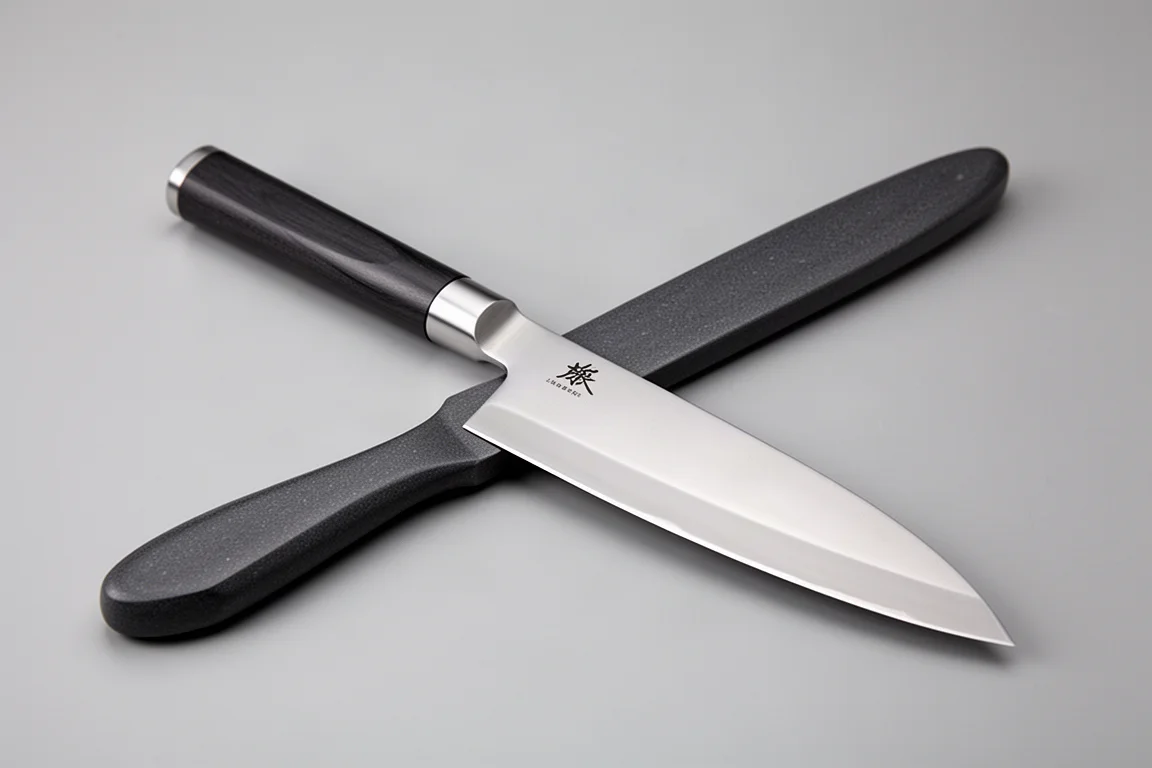
Mazaki Nakiri: Ball-Bearing Damascus, Fully Forged by Hand
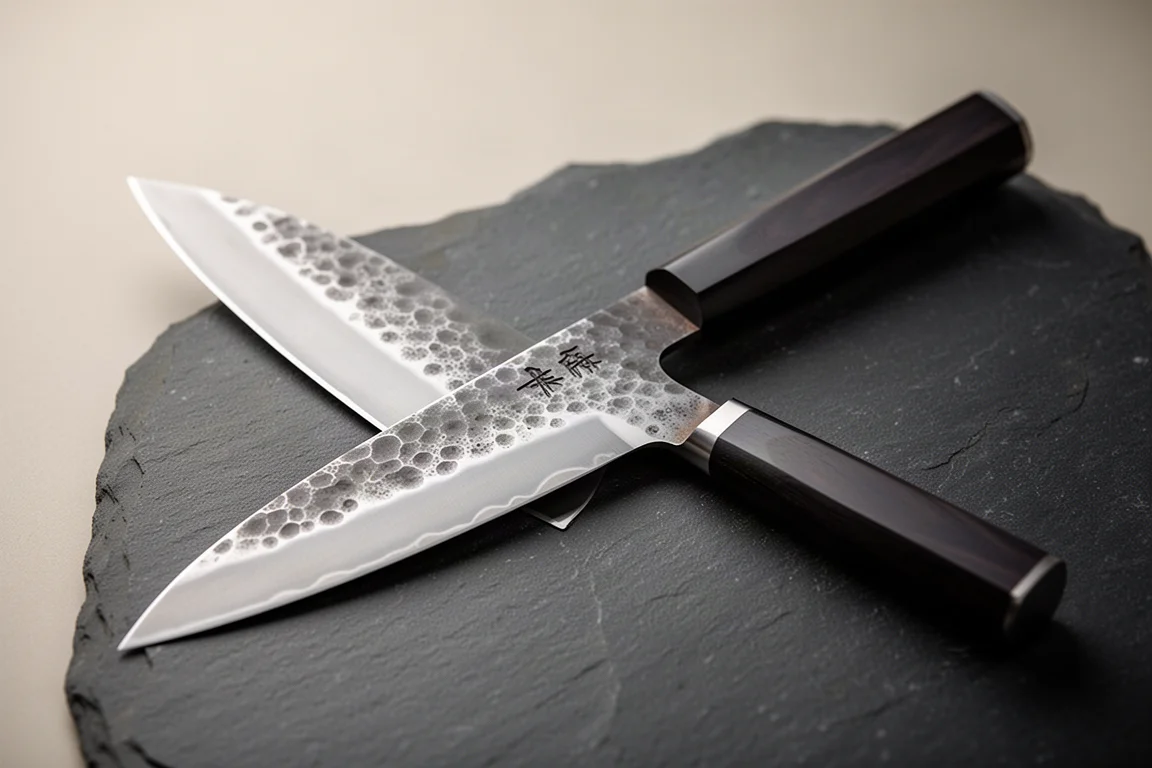
Naoki Mazaki of Sanjo starts with a canister of metal bearings, forges them into a scale-patterned outer layer, and sandwiches a core cutting steel in the middle, all by himself. When the outer layer turned out too hard for easy sharpening, he treated the blade like honyaki, creating a visible hamon line. For knife nerds, this is effectively a san mai and honyaki hybrid, and Mazaki does most of his sharpening by hand with far less machine work than most makers. His work appears rarely and sells extremely fast.
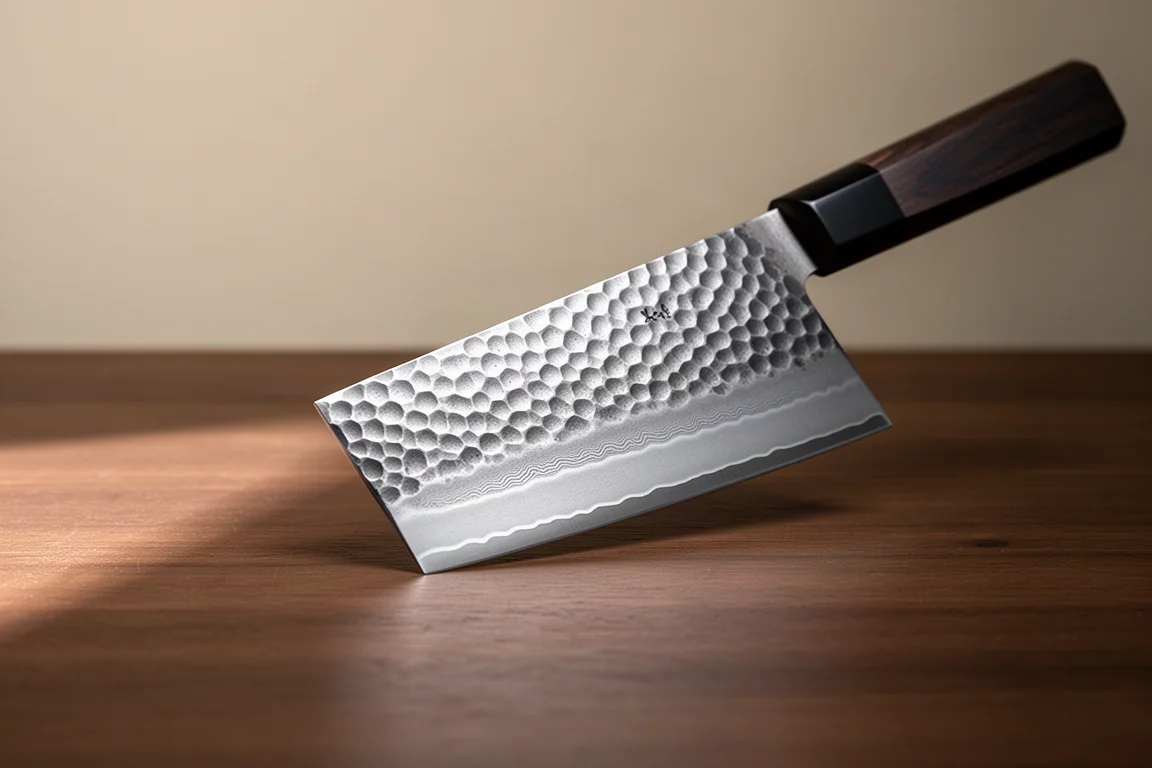
Sadamasa Kutsuke Gyuto: The Performer That Surprises Everyone
Sadamasa, a young and notably humble blacksmith, forges knives that have shocked experienced users with how smooth, bitey, and toothy the edge feels. These are not super-thin, lightweight knives; there is a fair bit of steel behind the edge, yet they fly through thick ingredients instead of wedging. This is the first time 240mm Kutsuke gyutos have been available, alongside the 210mm, and they are considered stupidly well priced for the performance. Expect them to disappear quickly.
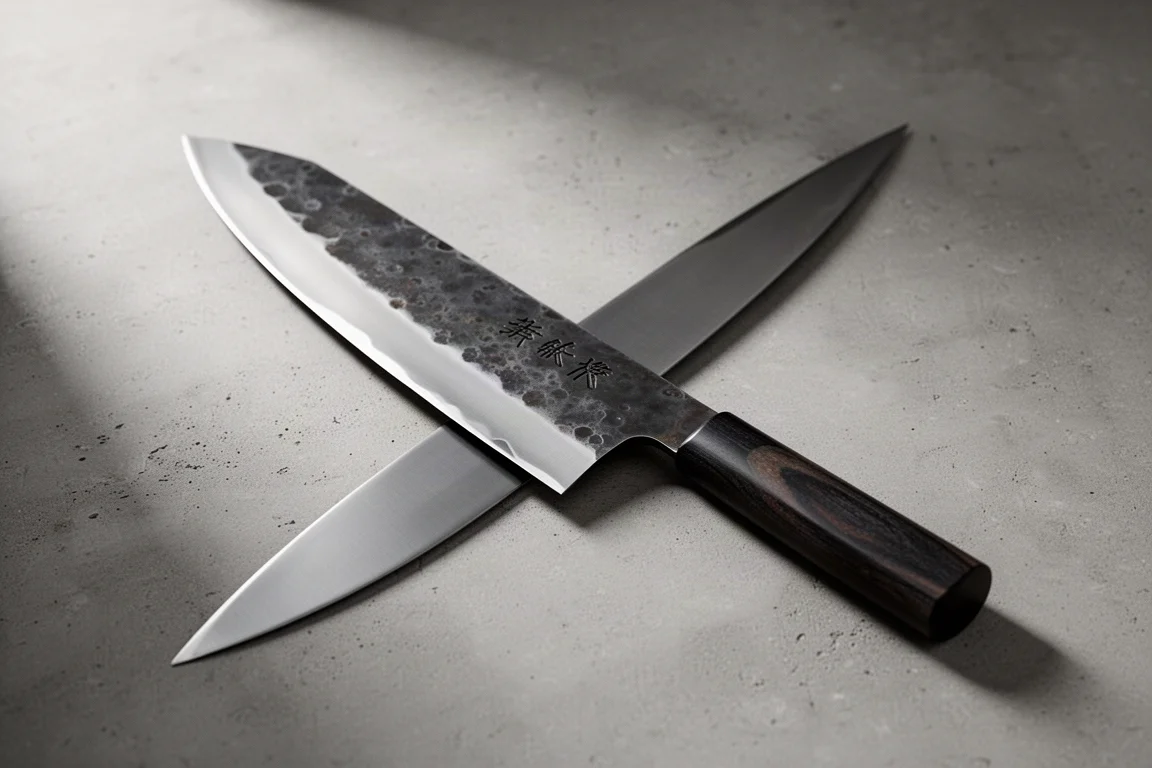
Shirou Kunitomi: Swordsmith Skills in a Kitchen Knife
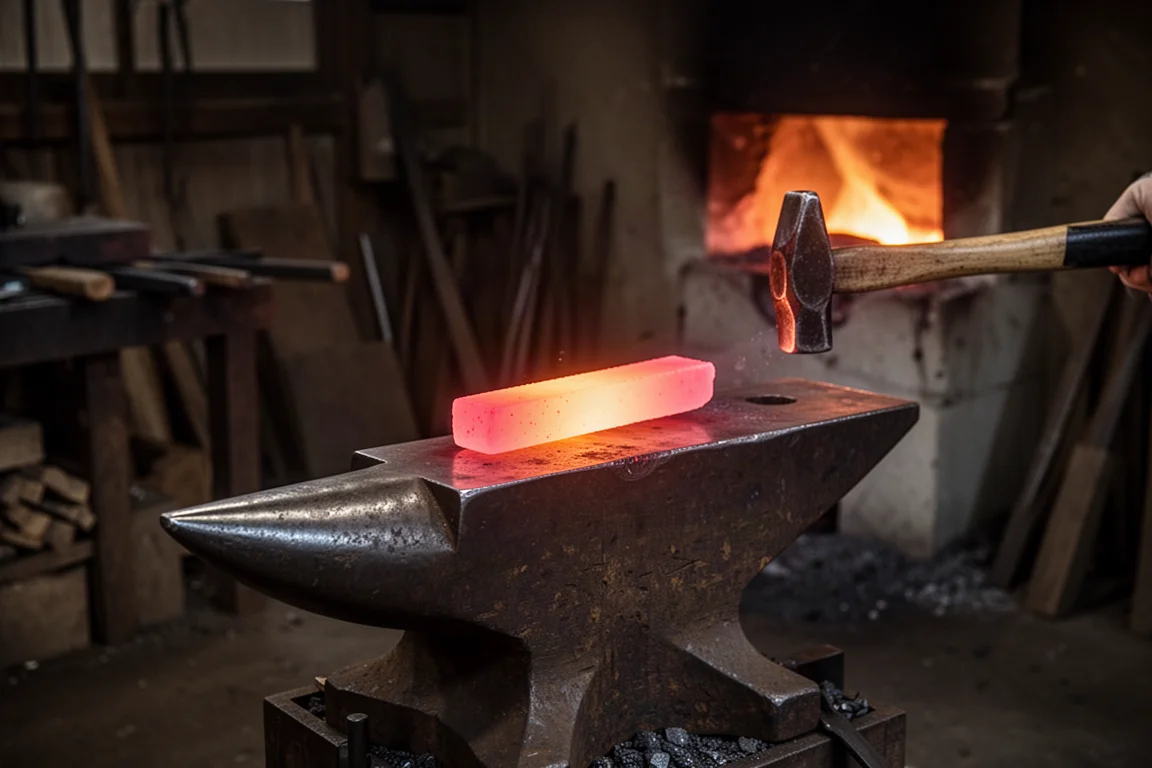
Shirou Kunitomi are legitimate samurai sword makers from Omura City in Fukuoka Prefecture, with four active smiths in the family, including a son and a sword polisher. They apply that forging knowledge to kitchen knives, shaping the steel close to its final form under the hammer so very little material needs grinding away. That is why the bevels sit a bit shorter, and it takes real skill to hammer a bevel that cuts well rather than simply machine it into shape. Fit, finish, and sharpening are all excellent, and some pieces come with fun custom handles.
Shun Tameshigiri: The Reliable Workhorse Deal
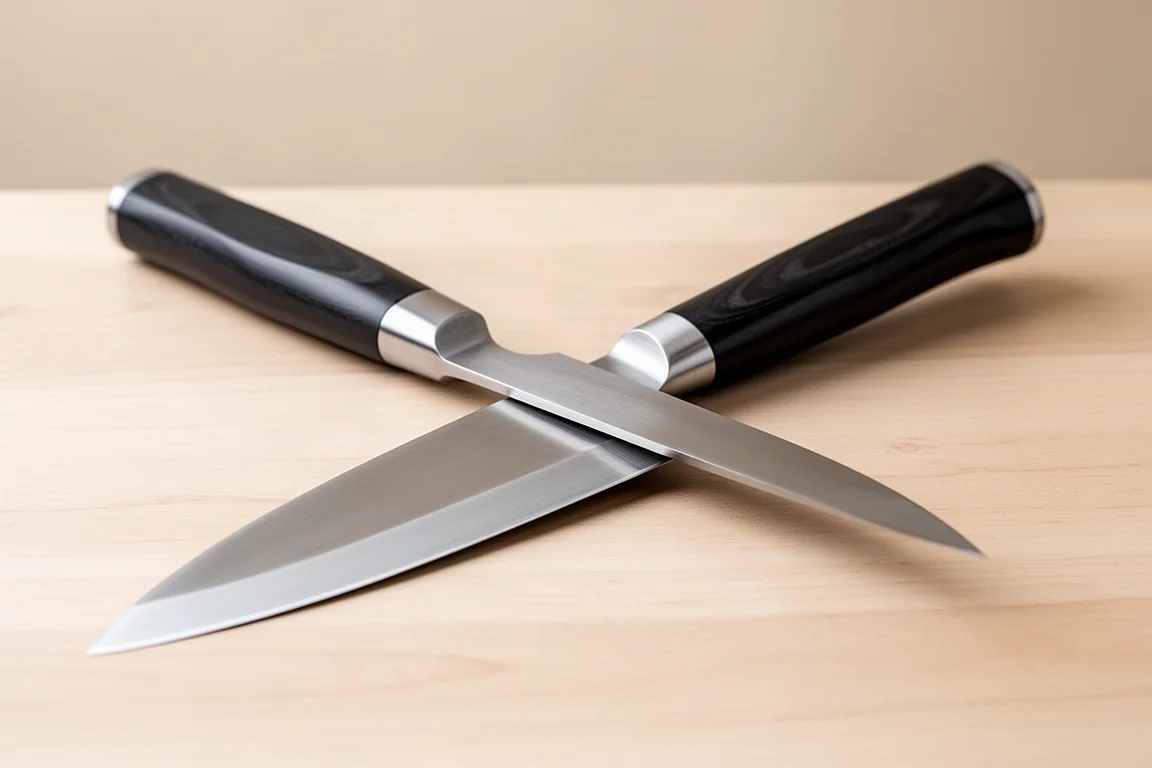
Shun Tameshigiri blades are machine forged but finished with a lot of handwork, making them some of the best value-for-money Japanese knives around. The Western-style handle is nicely beveled, feels good in the hand, and is not too chunky. During the sale, the line is 20 percent off on top of an already strong price, which makes it an easy recommendation for a first serious knife or a gift.
Mugen by Yoshikazu Tanaka: Carbon Core, Stainless Damascus Clad
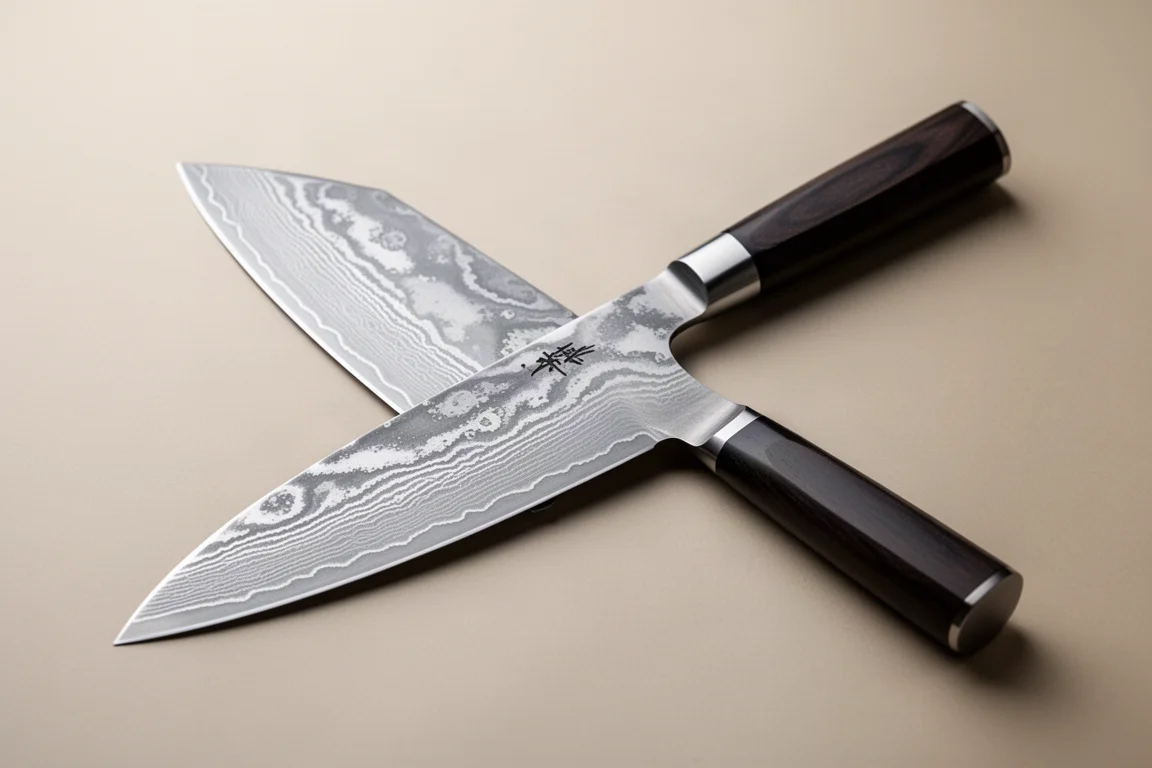
Years ago, a carbon steel core wrapped in stainless Damascus was considered a dream knife that nobody could quite pull off, until the Mugen line did it. This version pairs an Aogami Super carbon core with stainless Damascus on the outside, forged by Yoshikazu Tanaka, one of the best in the business. He is fully convinced the stainless cladding does not affect cutting performance. If you want carbon steel edge feel without constant cladding maintenance, this is the rare execution that actually works.
Kokuen Sakimaru Sujihiki: A Presentation Slicer from a Rising Maker
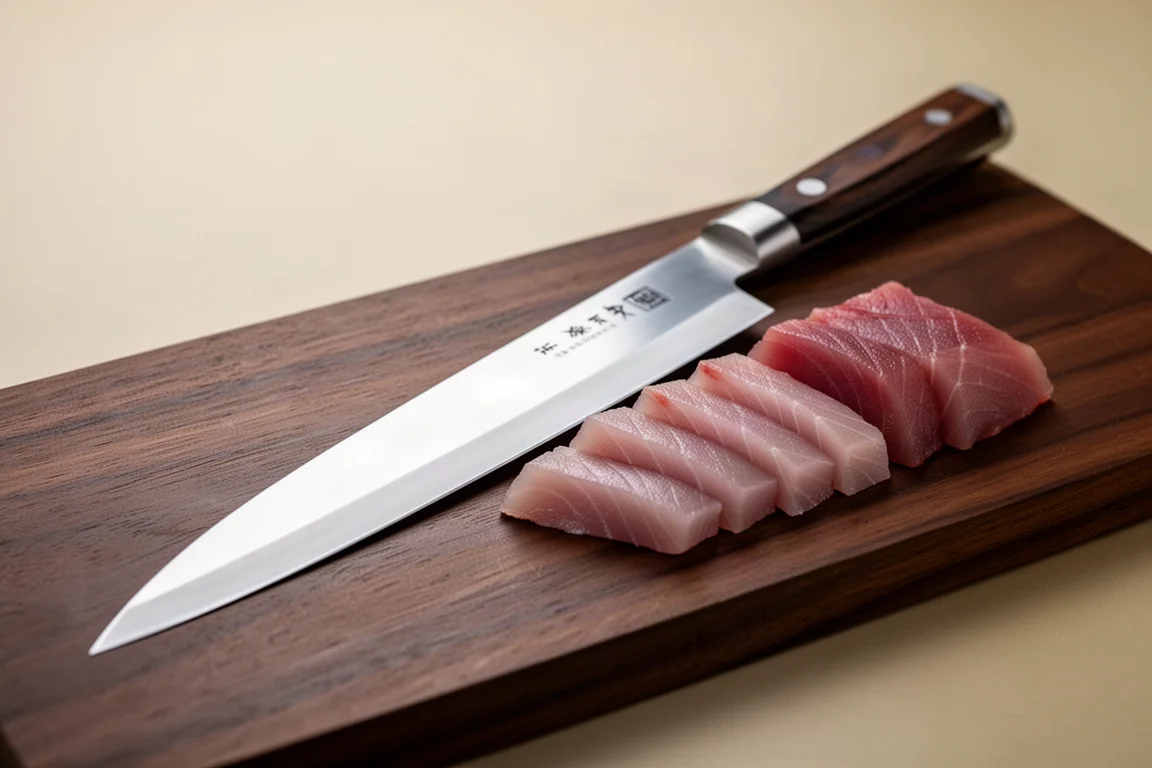
Manaka-san moved into a new workshop in Sanjo about a year ago and has settled in, producing at a level that rivals smiths with decades more experience. His Kokuen Sakimaru Sujihiki shows superb fit and finish while remaining fully functional. It suits proteins of all kinds, from sushi and sashimi to a proud brisket at a dinner party: a presentation knife for special occasions. His regular white carbon steel line is expected later this year, but these pieces are special in the meantime.
Overall Buying Advice
If you are buying your first Japanese knife, start with the Nagomi for durability or the discounted Shun Tameshigiri for value. Working cooks should look hard at the Sadamasa gyuto and the Kotetsu Nakiri 180 for daily performance, and grab the Ikkaku petty as a cheap, capable companion. Collectors and enthusiasts should prioritize the pieces that will not return soon: the Mazaki nakiri, the Mugen by Yoshikazu Tanaka, the Shirou Kunitomi blades, and the Kokuen sujihiki. Rare handmade knives from small forges routinely sell out fast, so knowing your priority before the sale opens matters more than speed alone.
Conclusion
This year’s lineup covers the full range: a $43 petty that earns its place in any knife bag, rugged entry-level stainless, hammer-forged san mai experiments, and presentation slicers from a maker on the rise. Match the knife to how you actually cook, and any of these nine can be the find that makes the hunt worthwhile.
Further reading
Related Reviews

Kitchen Knives
Best Chef's Knives 2026: 27 Popular Options Tested and Ranked
A comprehensive review of 27 chef's knives ranging from $18 to $380, with honest assessments of handle comfort, blade balance, and real-world performance.

Kitchen Knives
Best Chef's Knives Under $75: Two Tested Recommendations
Two practical 8-inch chef's knives that balance sharpness, comfort, and durability without premium pricing.

Kitchen Knives
Best Chef's Knives 2026: 27 Options Tested and Ranked
A comprehensive review of 27 chef's knives ranging from $18 to $380, with honest assessments of handle design, balance, blade profile, and real-world performance.