Kitchen Knives
A Working Chef's Japanese Knife Collection: 13 Knives Worth Knowing
From a 270mm yanagiba to a beefy SG2 gyuto, a look at 13 Japanese knives with real kitchen mileage and honest trade-offs.
Introduction
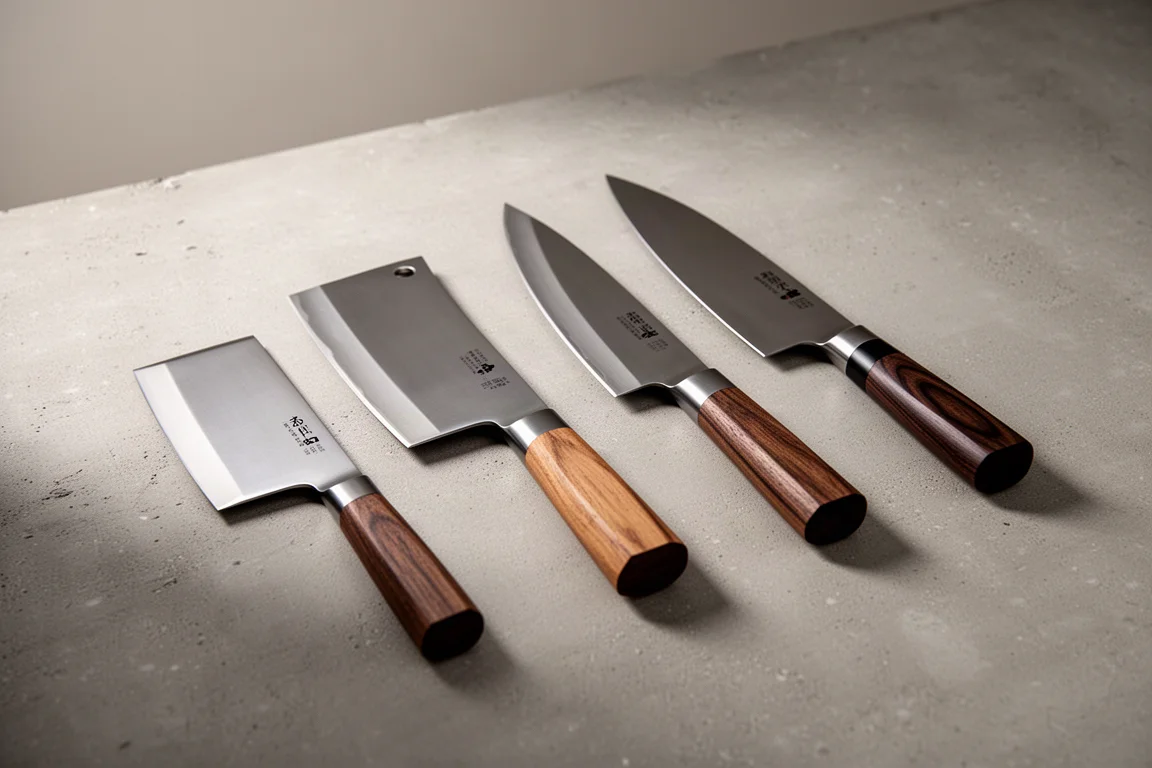
Seventeen years of professional cooking leaves a mark on a knife collection. This roundup covers thirteen Japanese knives that earned a permanent spot through real restaurant work and daily home cooking, from dedicated single-bevel slicers to all-purpose gyutos and compact petties. Each one has a clear strength and a clear trade-off, so the goal is to help match the right knife to the right job.
Specialty and Single-Bevel Knives
Kikuichi 270mm Yanagiba VG10
This long single-bevel slicer in VG10 stainless steel was, at one point, the sharpest knife its owner had ever handled. It is built for one job: slicing and portioning fish, which it did daily in restaurant service. It is not the most practical first Japanese knife, but for anyone who breaks down or portions fish regularly, it is exactly the right tool.
Takeda Miraroshi 210mm
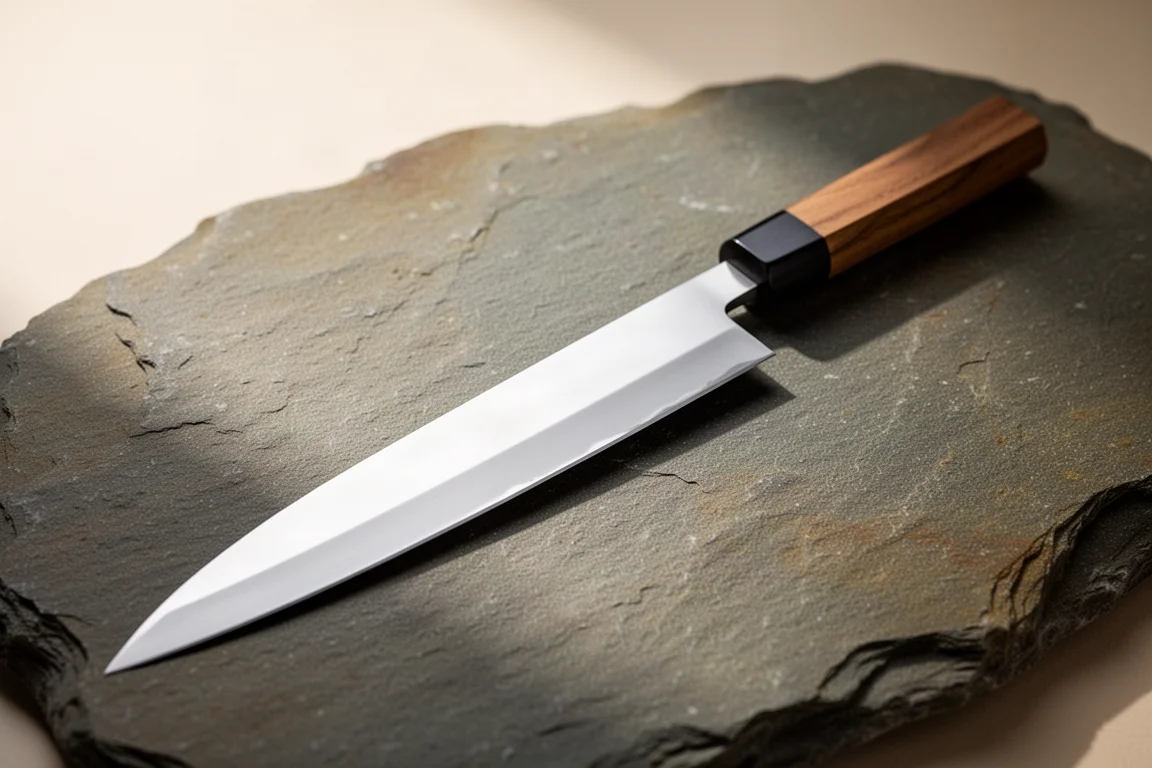
The miraroshi sits between a deba and a slicer: skinnier from spine to edge, and traditionally favored by fishermen for processing fish. This one is unusually stiff and thick for the maker, and stainless clad to boot. That rigidity makes it excellent for slicing cured meats, where a flexy blade would wander.
Kikuichi Sakimaru Honosuki Maru
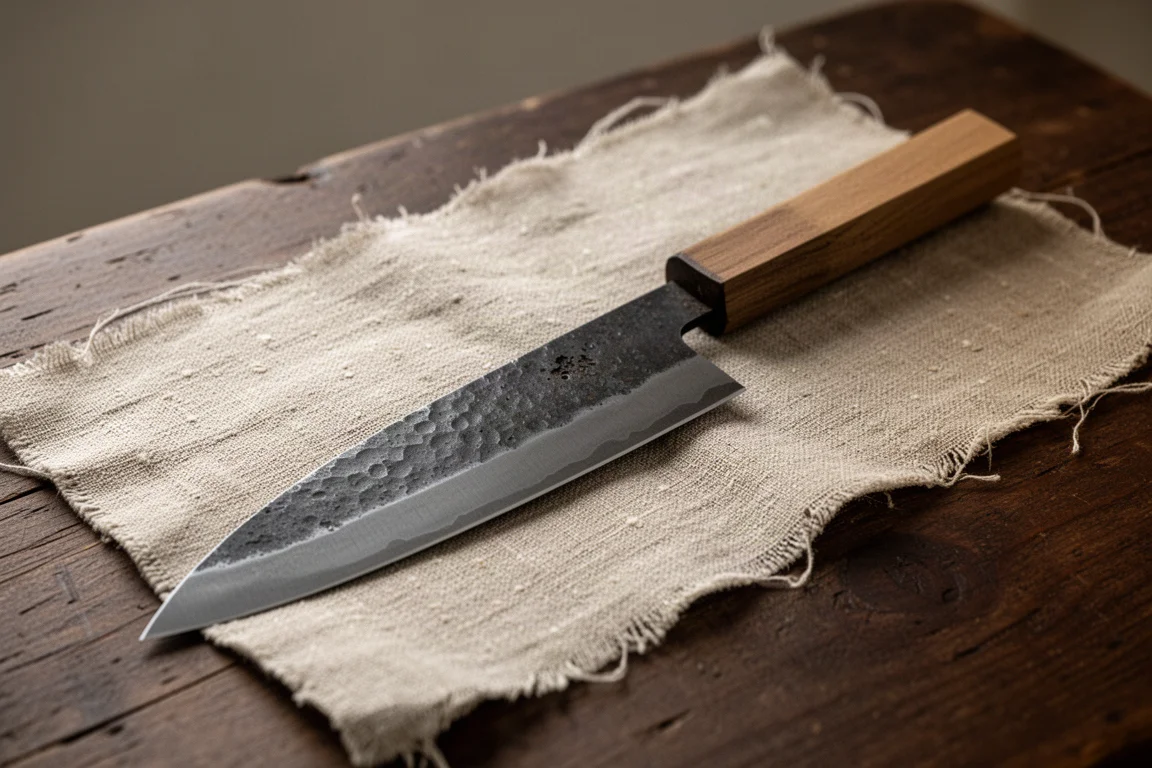
A dedicated butchery knife in yellow carbon steel that earned its keep trimming strip loins and tenderloins and doing hanging butchery work in a reverse grip. It takes a beautiful edge and has been sharpened down considerably from its original size. Note that the exposed edge near the handle makes it a little treacherous for newer users.
Konosuke Hanasuki
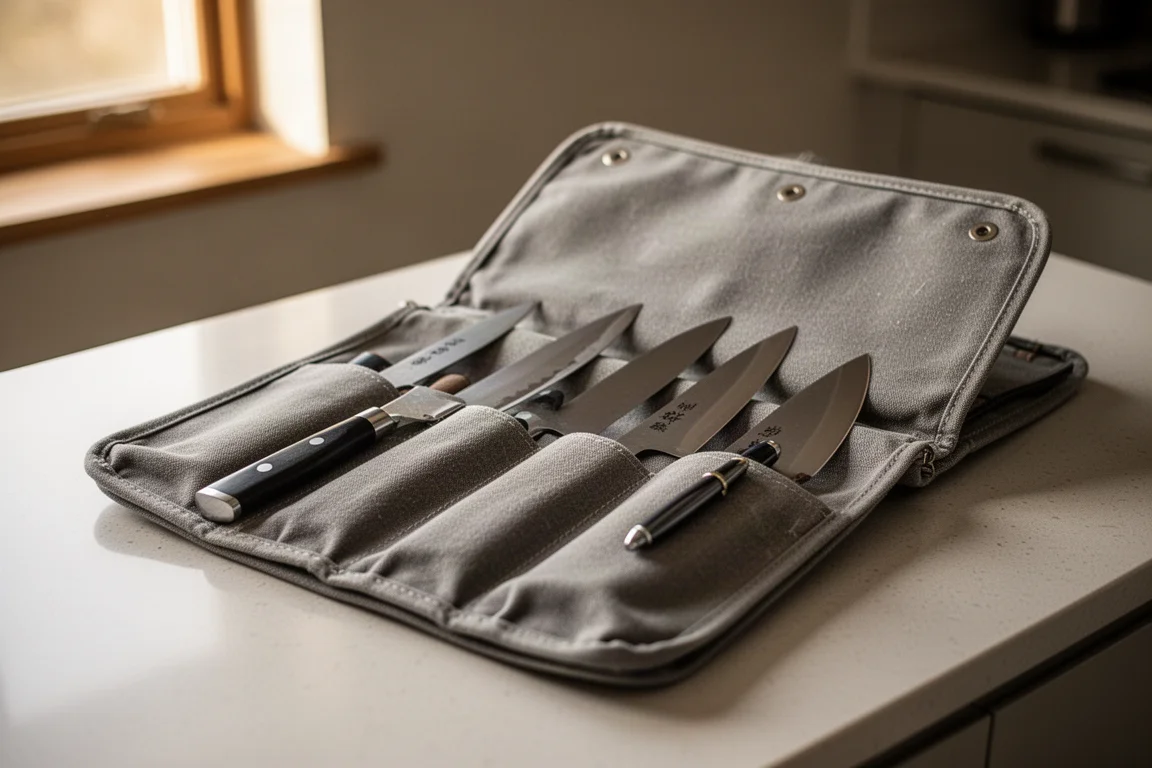
Hanasuki knives are typically thick at the spine for tough poultry butchery work, but this one was hammered unusually thin, which turns it into something better than a specialist: a genuinely great all-purpose knife. It handles vegetables well, feels comfortable in hand, and gets picked up constantly for small prep jobs.
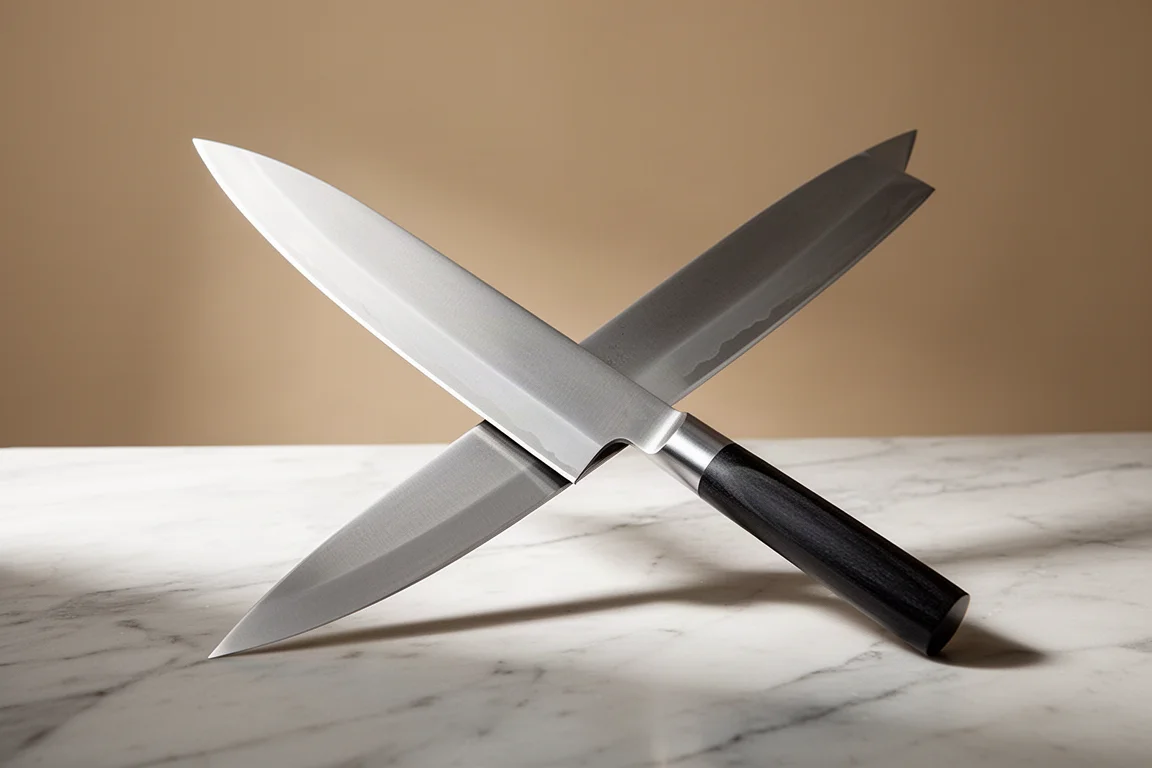
Compact and All-Purpose Knives
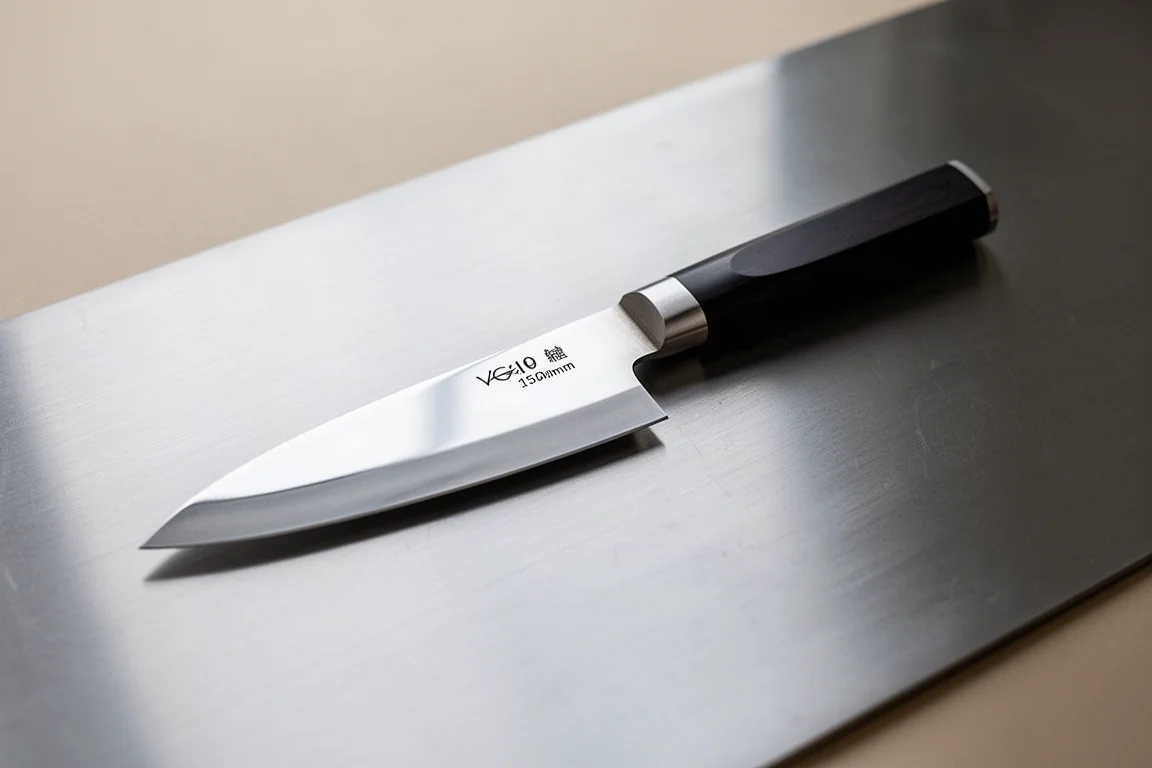
Masakage Hikari 150mm Petty
The Hikari series was forged by Kato in VG10 steel with a polished finish, and is no longer made. Unlike the typical long, skinny petty profile, this one is cut with more height and clearance, giving it essentially the shape of a mini gyuto. That makes it ideal for quick salads, sandwiches, and stir fries where a full-size chef knife feels like overkill.
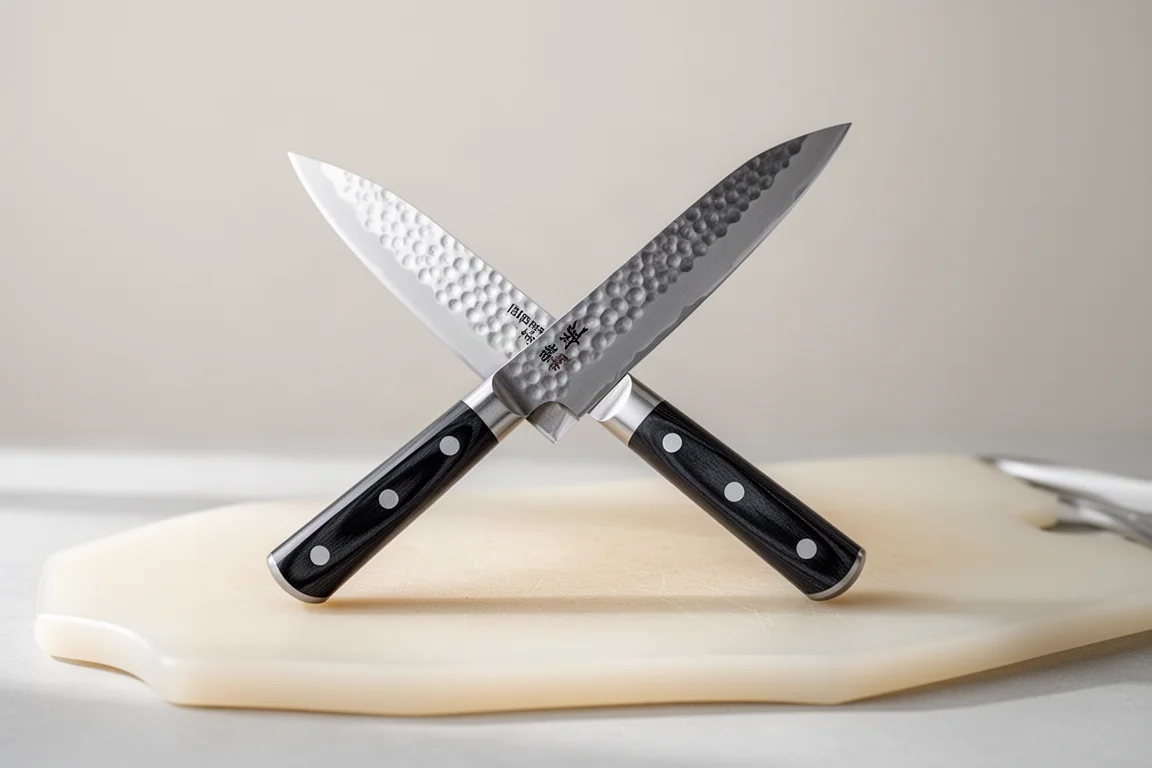
Haruyuki Goma VG10 Petty
The hammered VG10 petty at roughly 135mm is described as bomb-proof, and it has the travel stamps to prove it, having been packed through Laos and Panama. Compact, resilient, and big enough at this length to handle a full meal prep session, it is a natural pick for anyone who cooks while traveling or wants a knife that survives abuse.
Yuki Kobunka
With its distinctive handle, this knife has outlasted every rotation in a large collection and settled into a permanent role as a cheese knife. That is a genuine endorsement in its own way: a knife that earns a permanent job and never leaves the lineup is doing something right.
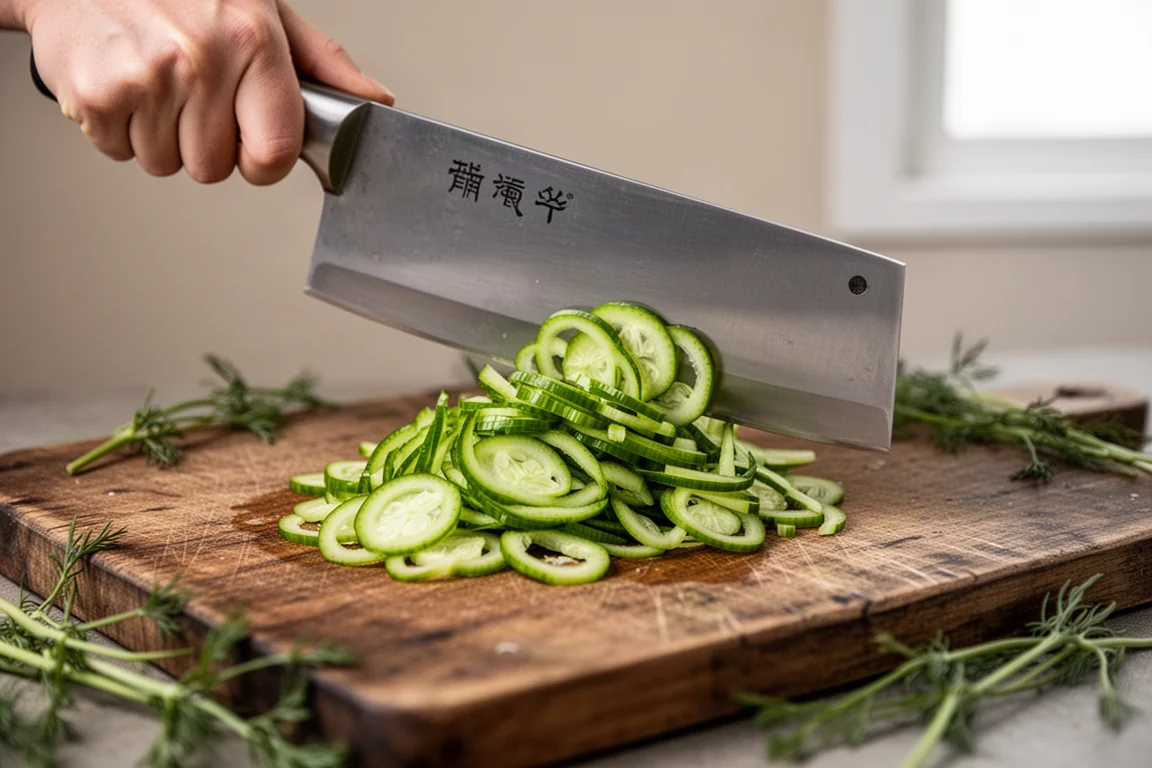
Musashi VS1
The most recent purchase in the collection, picked up near the end of the year. It slots into the all-purpose range alongside santokus and 210mm gyutos, the middle shelf of knives that get used most often for actual cooking.
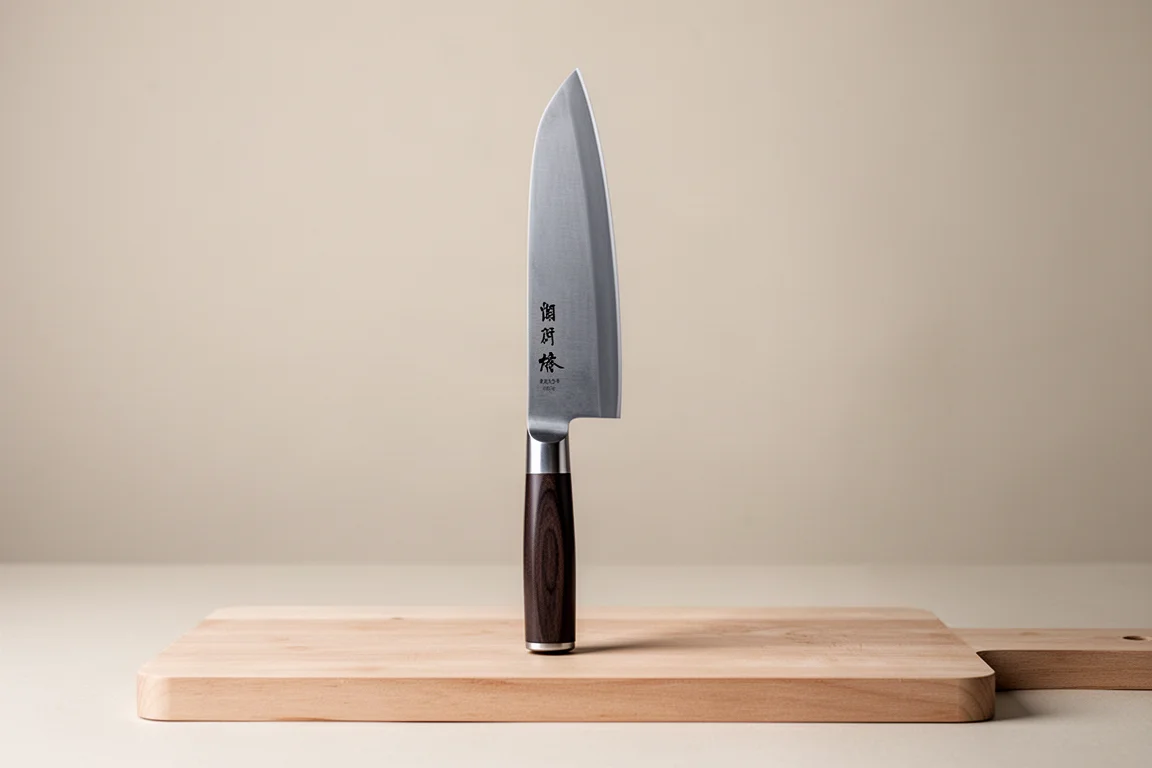
Nigara Hamono Bunka
A surprise purchase picked up during a trip to Japan, and a happy one: described simply as a phenomenal knife. Bunkas are versatile mid-size blades, and this one joins the all-purpose tier where the everyday cutting happens.
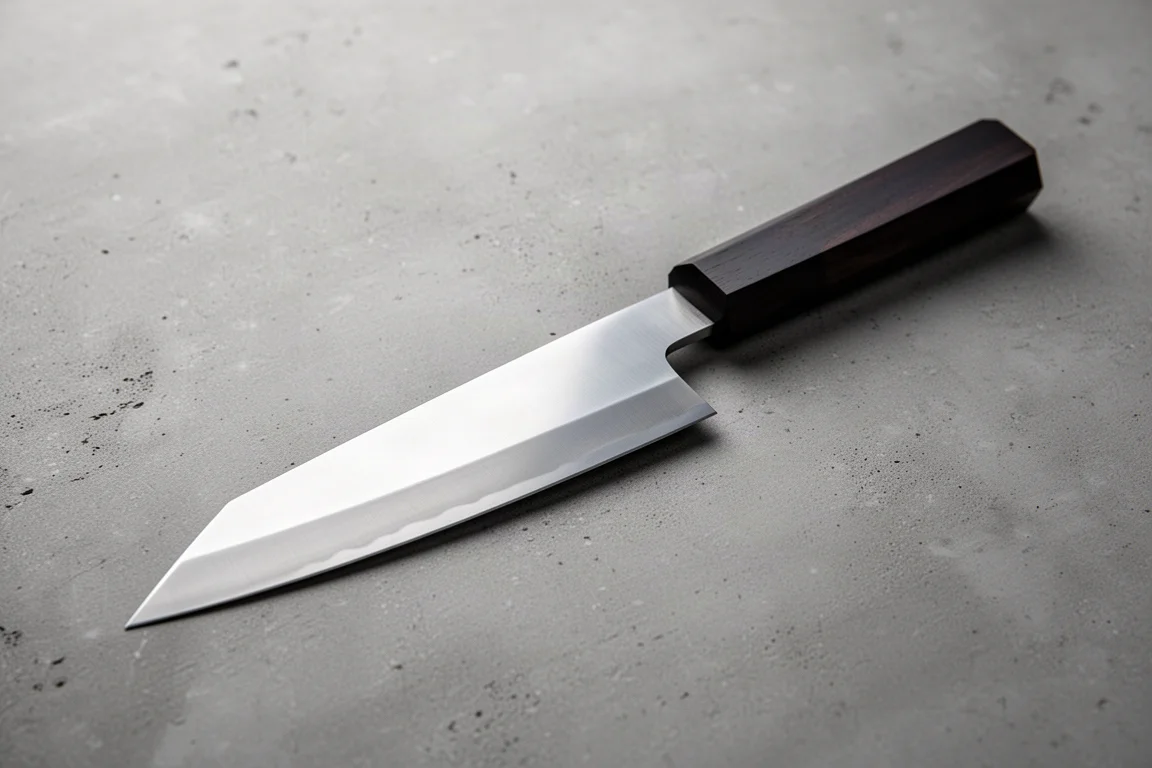
Everyday Gyutos with Character
Tsunahisa SKD11 180mm Gyuto
This one pairs an SKD11 tool steel core with around 120 layers of damascus on the outside. It stands out for being remarkably light and thin at 180mm, which makes it ideal for precision line work and garnish-style tasks. It has been re-etched and polished over the years, so its look has evolved with use.
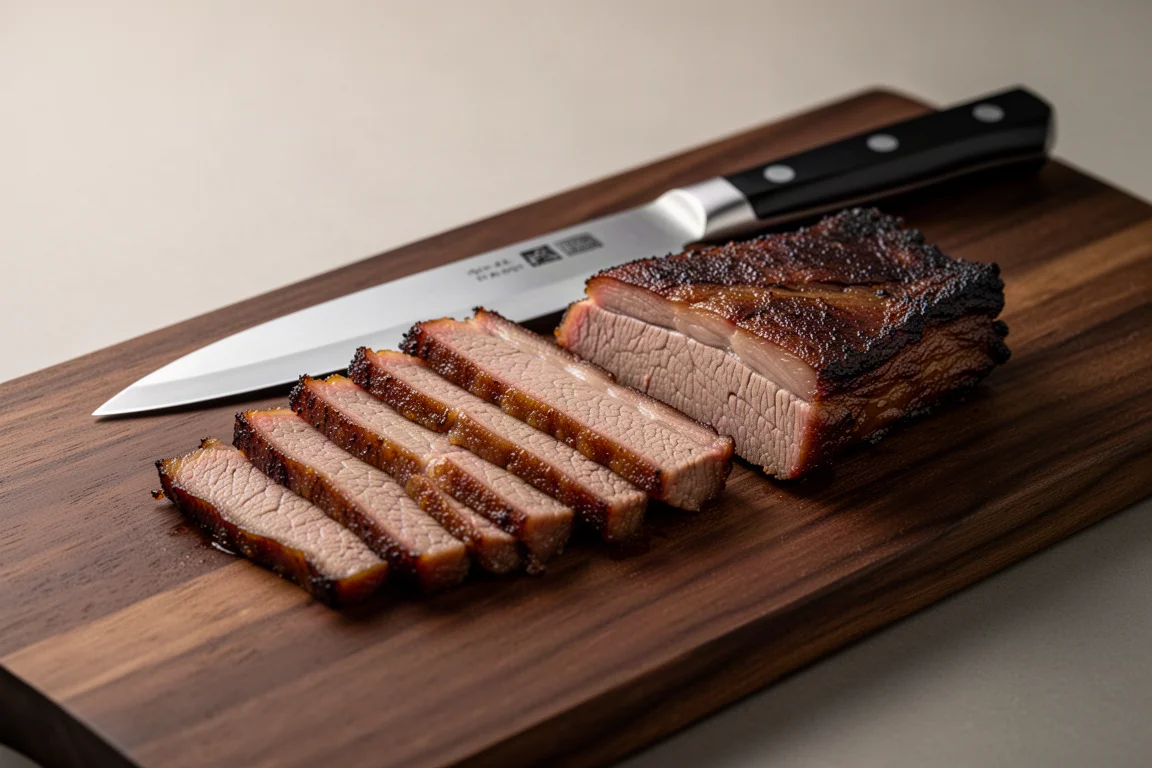
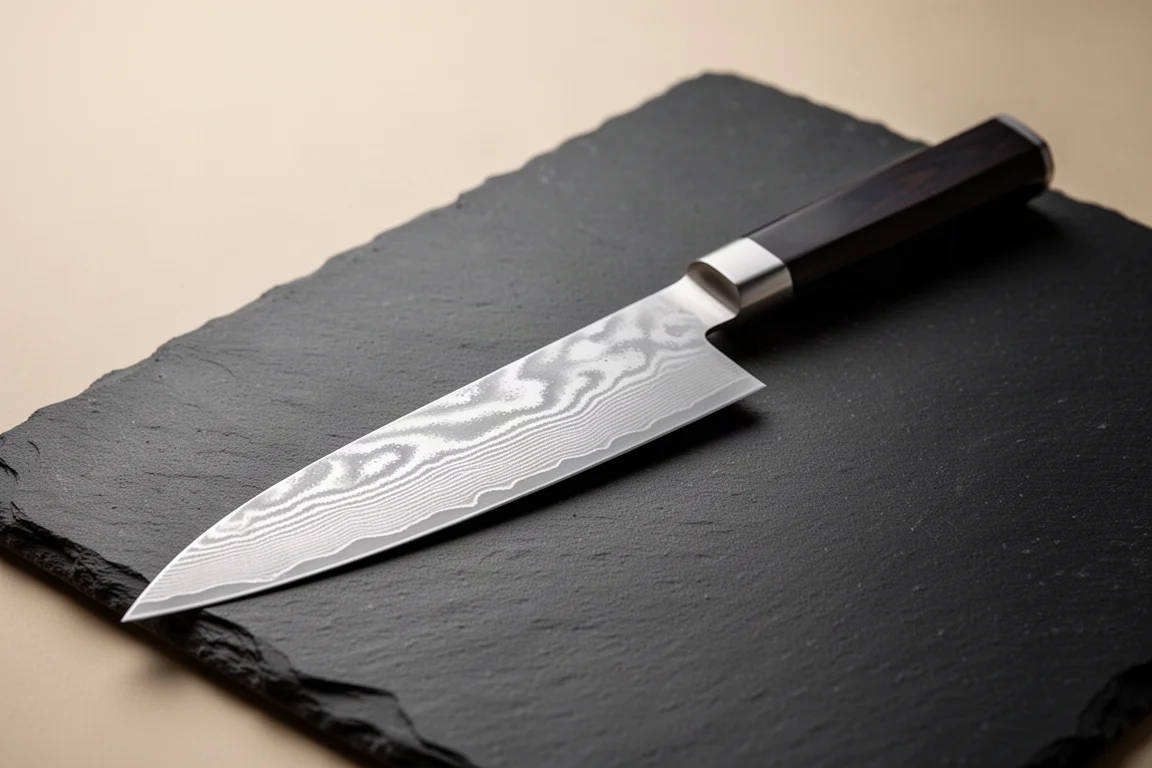
Fujiwara Nishiji Gyuto
Stainless cladding over white carbon steel, and reportedly one of the sharpest knives in the whole collection. It is also one of the most delicate. The rule here is discipline: the moment a task might involve anything hard or bony, switch knives. For fine brunoise, julienned ginger, or thinly sliced green onions, it is the first pick.
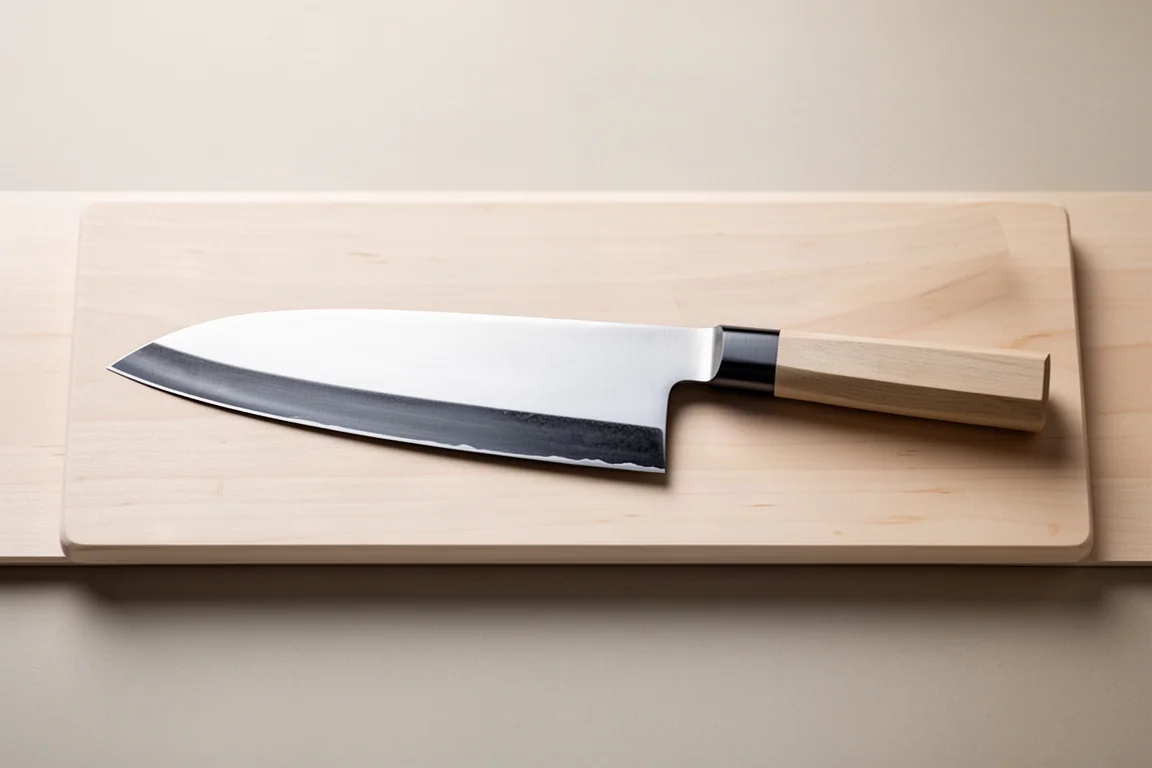
Takamura R2 210mm Gyuto
A 210mm gyuto in powdered R2 steel, and a knife with a story: the maker himself offered it during a visit, with a name engraved that turned out to read rather differently in Chinese characters than intended. Beyond the anecdote, Takamura’s thin, laser-style grinds are prized for cutting performance, and this blade has been a keeper ever since.
Heavy Hitters for Daily Work
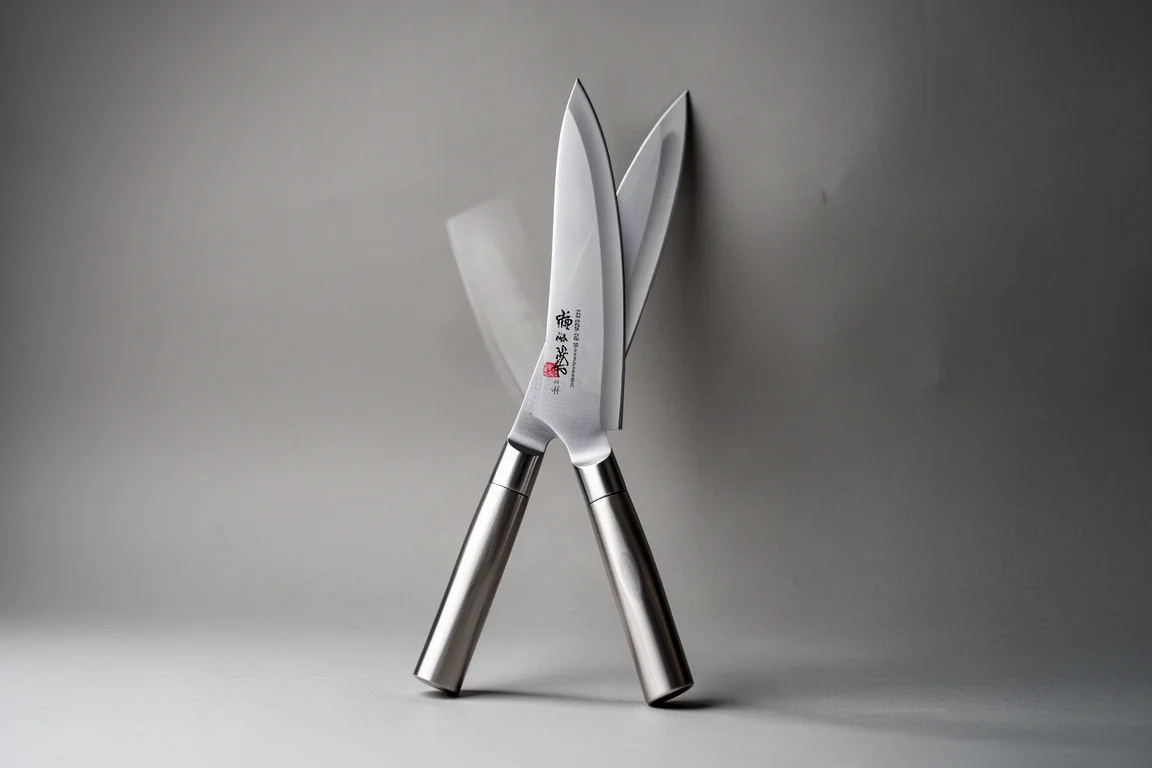
Nigara SG2 Damascus Gyuto
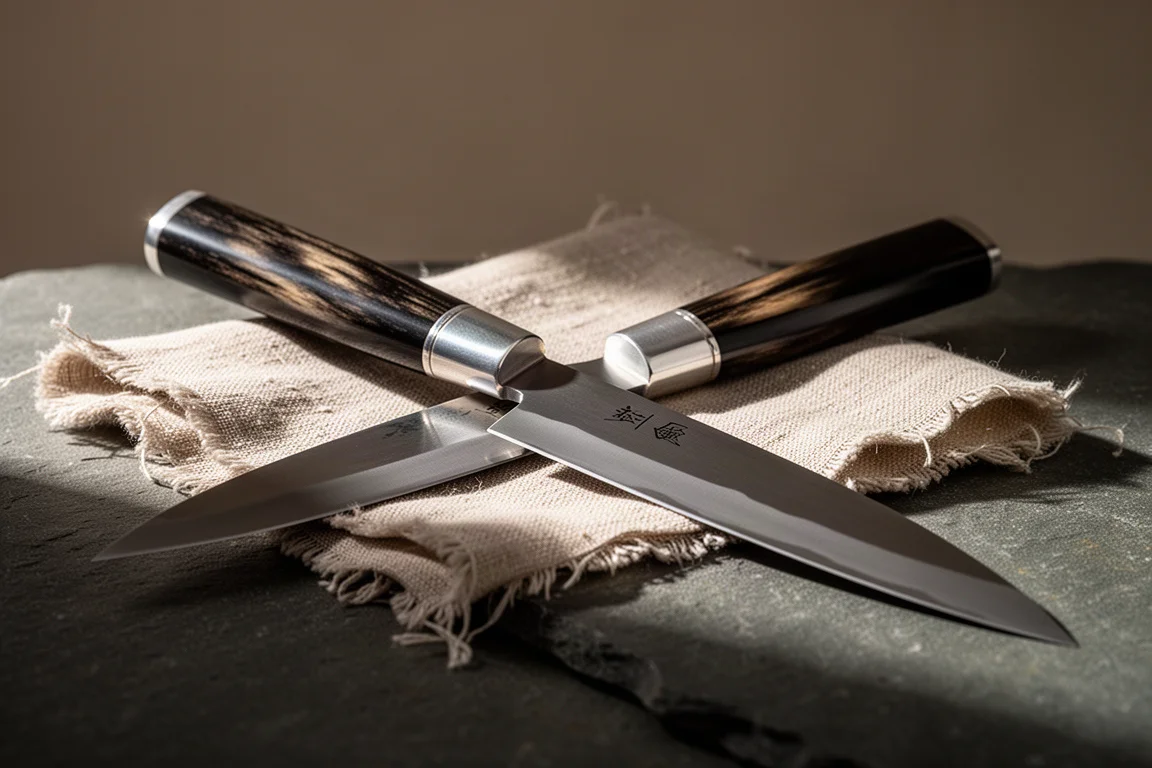
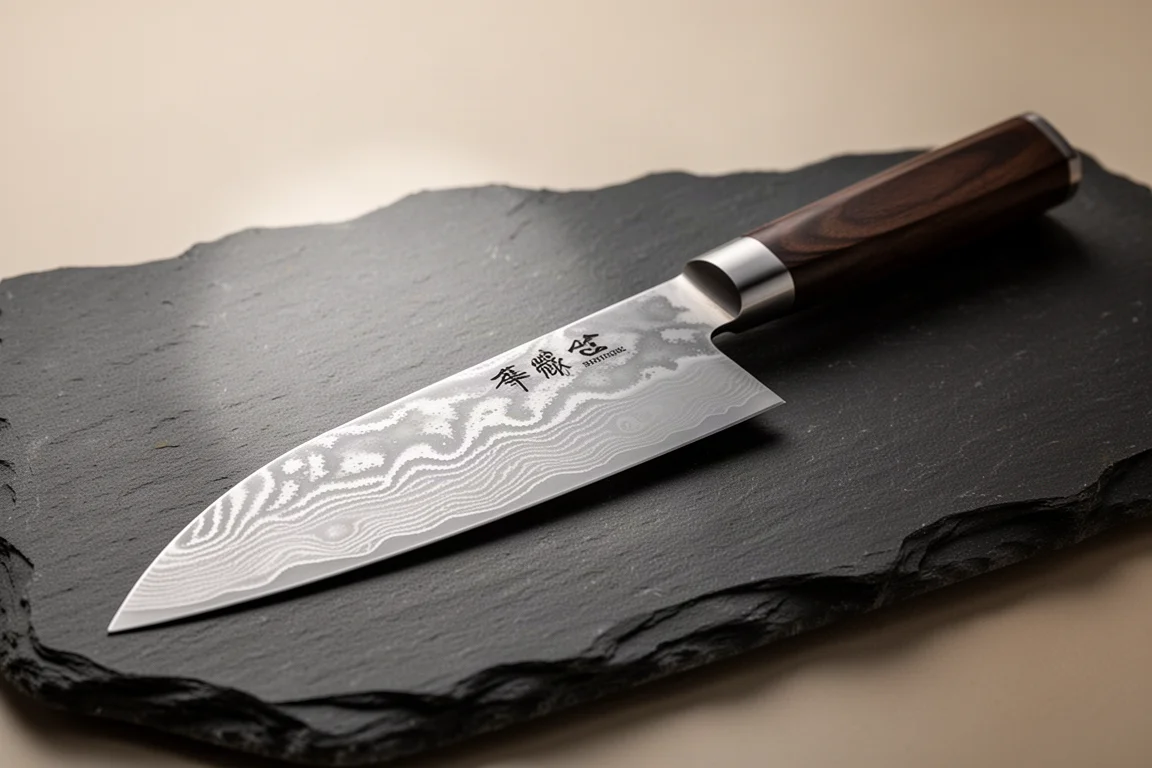
The newest favorite, and the opposite of simple and boring. A handle with what looks like flower petals suspended inside it, a substantial western handle, and a thicker, heftier blade in SG2 powder steel with a damascus finish. It has the momentum to power through cuts and enough durability to be called a real 4x4, while still getting genuinely sharp.
Buying Advice
A collection like this teaches a simple lesson: buy for the job, not the hype. Single-bevel knives like the yanagiba and honosuki reward dedicated use but punish carelessness, especially in carbon steel. Thin, hard gyutos like the Fujiwara and Takamura cut brilliantly but demand gentle boards and careful handling. Heavier workhorses like the Nigara SG2 and the Haruyomi petty tolerate more and travel better. Carbon steel needs wiping, waxing, and attention; stainless-clad options forgive more. Decide which jobs you actually do most, and let that pick the knife.
Conclusion
Thirteen knives, thirteen different jobs. The through-line is that every knife here earned its place through use rather than shelf appeal, whether it is a fish-slicing yanagiba that started the whole collection or a damascus gyuto that gets grabbed every evening. Pick the one that matches the cutting you actually do, and it will likely earn its place too.
Further reading
Related Reviews

Kitchen Knives
Best Chef's Knives 2026: 27 Popular Options Tested and Ranked
A comprehensive review of 27 chef's knives ranging from $18 to $380, with honest assessments of handle comfort, blade balance, and real-world performance.

Kitchen Knives
Best Chef's Knives Under $75: Two Tested Recommendations
Two practical 8-inch chef's knives that balance sharpness, comfort, and durability without premium pricing.

Kitchen Knives
Best Chef's Knives 2026: 27 Options Tested and Ranked
A comprehensive review of 27 chef's knives ranging from $18 to $380, with honest assessments of handle design, balance, blade profile, and real-world performance.