Kitchen Knives
Four Japanese Kitchen Knives Worth a Close Look This Season
From a fish-breaking deba to a mirror-polished gyuto, four Japanese knives that balance craft, steel quality, and everyday cutting performance.
Introduction
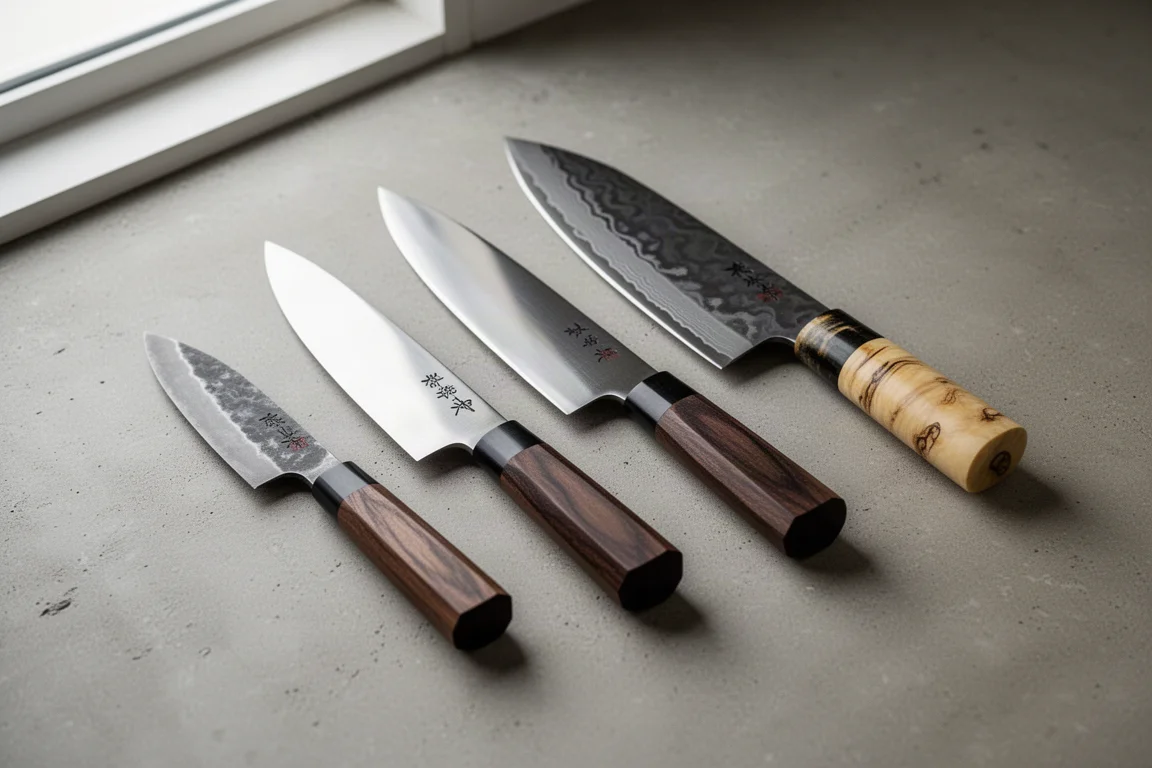
A fresh batch of Japanese knives has landed, and this group covers a lot of ground: a proper fish-breaking deba, two excellent 210mm gyutos at different price points, and a mirror-polished flagship that ranks among the most striking knives we have seen. Here is what each one offers and who it makes sense for.
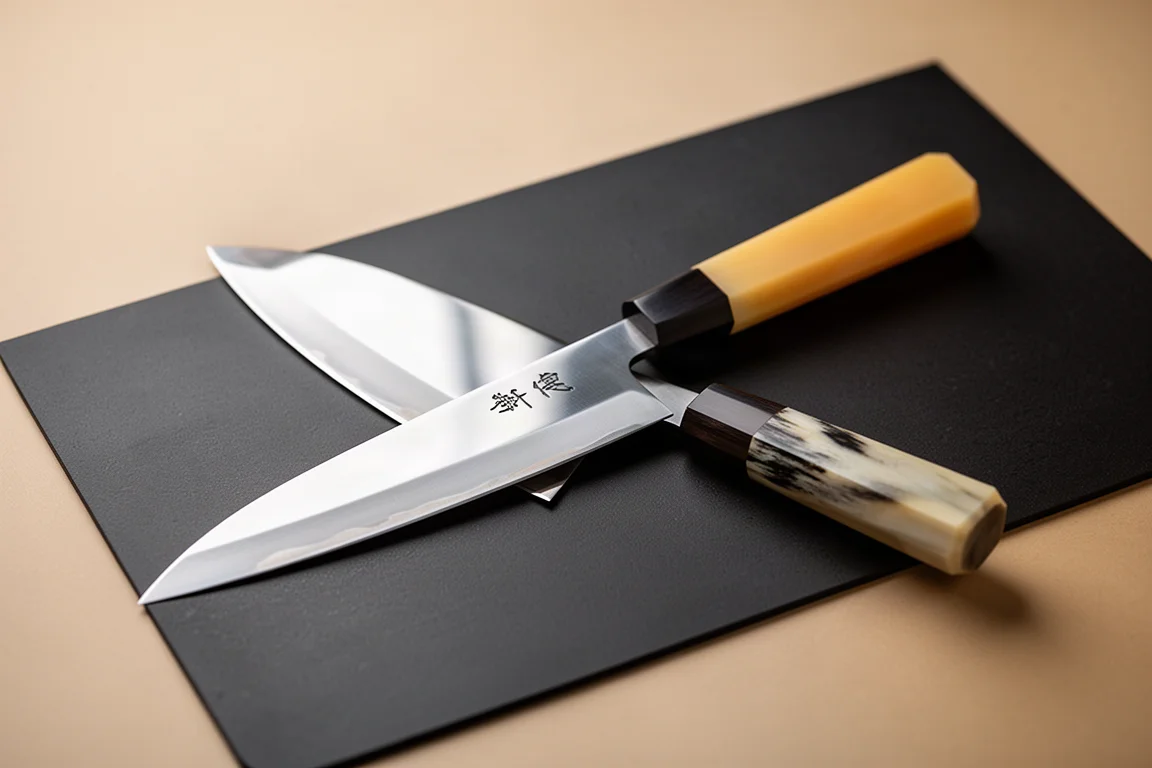
Hatsukokoro Shirosagi Deba
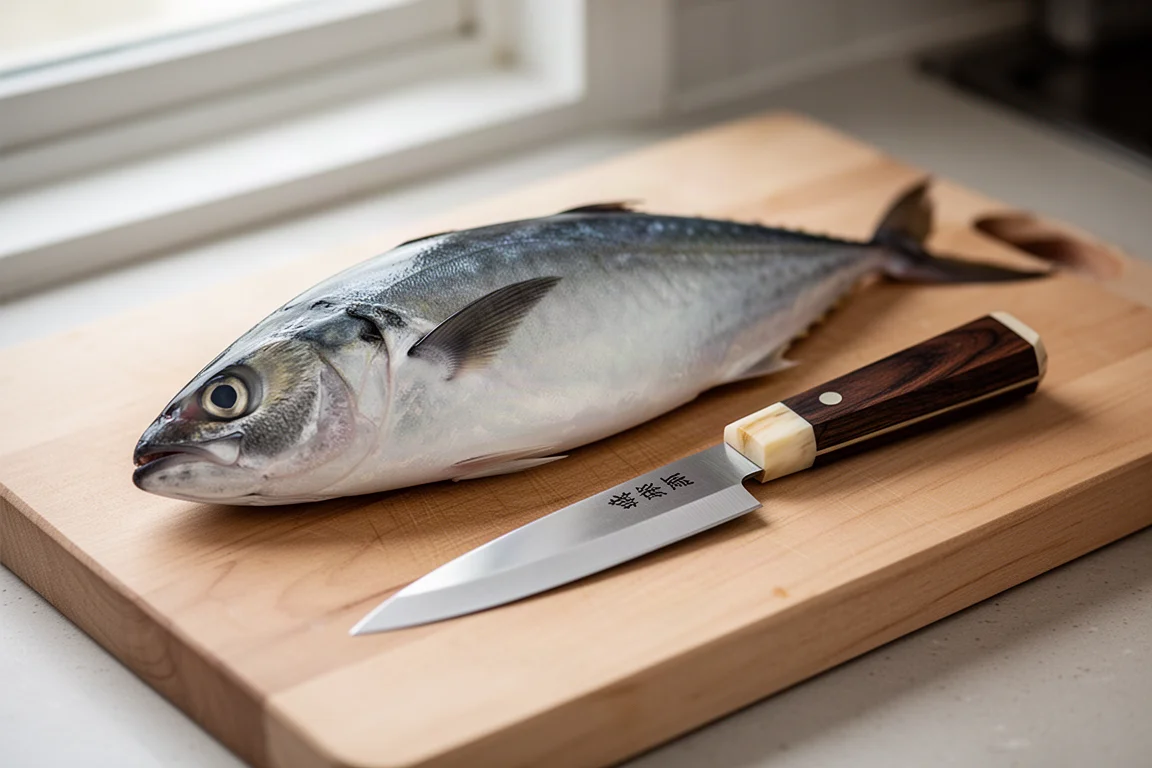
These Kritsuke style debas from the Hatsukokoro Shirosagi line are forged by Tamura Toru and sharpened by Myojin, two names well established in the Hatsukokoro lineup. They are made from blue #2 carbon steel with soft iron cladding, so the entire blade can and will develop a patina and rust if not cared for. The ura is nicely formed, and each knife wears an octagonal wenge style handle with a buffalo horn ferrule.
A deba is shaped for breaking down fish, and these come in three sizes: 150mm, 165mm, and 180mm. The larger the fish you work with, the larger the knife that makes sense. Like most single beveled knives, they are relatively sharp out of the box but not at the level needed for pushing through tough fish skin, so expect to put in a little sharpening work first. If you are comfortable sharpening single beveled knives, this is a very high value way to get into the shape.
Yoshikane 210mm Gyuto
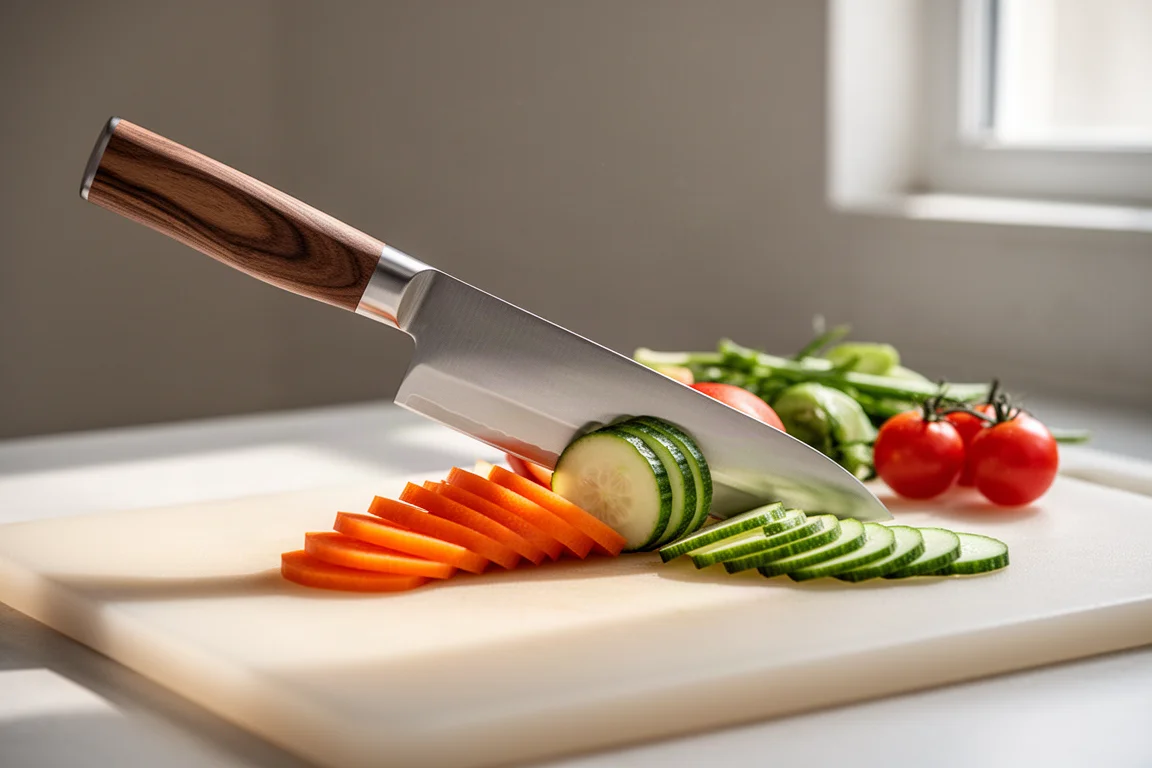
A long-time favorite among Japanese knife enthusiasts, the Yoshikane 210mm gyuto earns its reputation with genuinely thin geometry. It is thin at the spine, extremely thin behind the edge, and the edge geometry is fantastic. It may not be the absolute thinnest laser on the market, but it sits comfortably in the laser category and moves through food with very little resistance.
It is offered in two handle styles. The walnut handle with an oak ferrule is handsome but no frills, and it comes at a lower price. The all-wood handle with blue epoxy is the showier option, with flowing wood figure cut through an epoxy pour, and it costs a bit more. Underneath, the blade is shirogami #2 carbon steel with stainless cladding. It takes an insanely sharp edge and is easy to sharpen or hone, though it may need honing a bit more often than a blue carbon or stainless steel. Balance is very light, right where you would want it.
Nakagawa Satoshi Gyuto
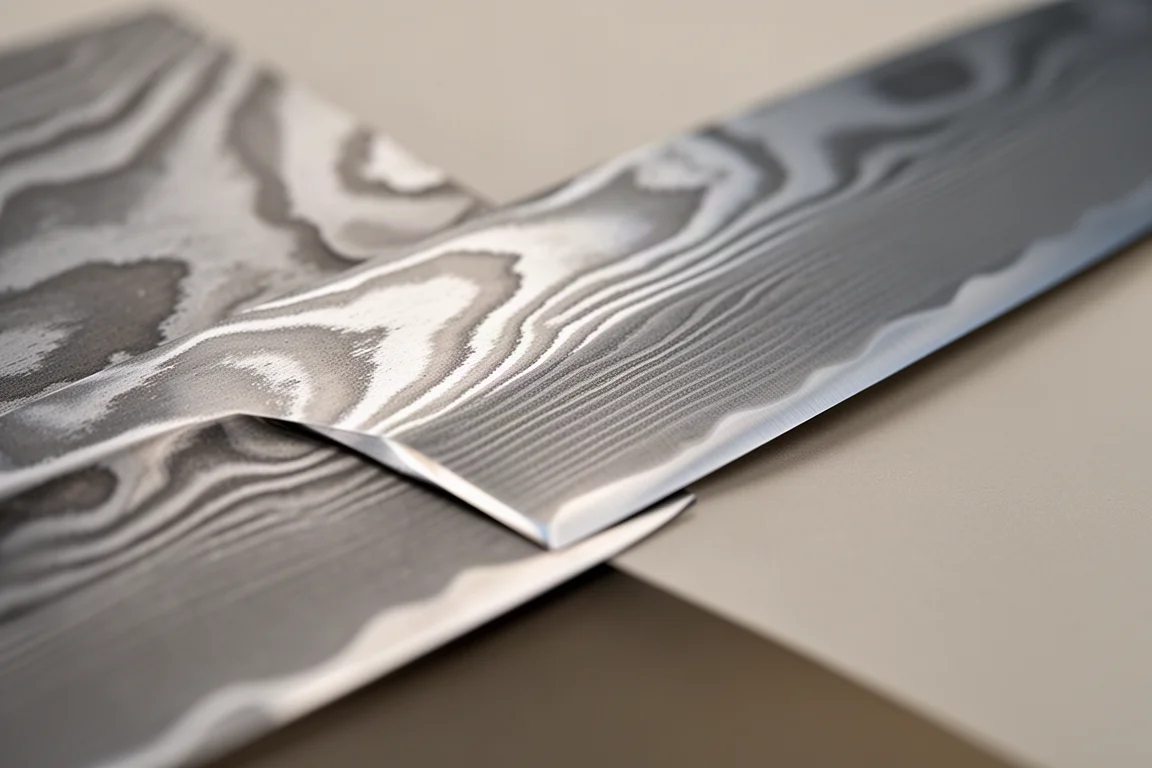
The Nakagawa Satoshi gyuto was one of the most anticipated arrivals here. The blade is blue #1 carbon steel with hand-laminated soft iron Damascus cladding, sharpened by Myojin, and fitted with a beautiful octagonal ebony handle with a black pakkawood ferrule. Fit and finish is superb: no gaps, bumps, or spaces anywhere, the blade sits perfectly straight in the handle, and the tang and handle meet nearly seamlessly. The handle installation is done by the same people behind the Hatsukokoro lineup, and it shows.
The blade falls into laser territory with an extremely thin profile behind the edge, and it arrives super sharp. Blue #1 is a great steel choice if you want strong edge retention combined with easy sharpening. As with any exposed carbon blade, the entirety of the knife can and will rust, so keep it dry and clean, wipe it down during use, and store it thoughtfully.
Hatsukokoro Hyomon 210mm Gyuto
The final knife is the standout of the group. The Hatsukokoro Hyomon 210mm gyuto pairs hand-laminated Damascus cladding over shirogami #2 carbon steel with a quince handle, a buffalo horn ferrule and end cap, and nickel silver spacers. The fit and polish are extraordinary, and the blade finish is so refined it is close to a mirror.
It is easy to sharpen thanks to the steel and cladding, and the edge geometry means it glides through food even when the edge is not freshly touched up. If you want an impeccable knife for a collection, one that is very close to perfect, this is a fantastic option and arguably one of the most gorgeous knives to come through the shop in a long time.
Which One Should You Buy?
If you break down fish regularly, the Shirosagi deba is the practical pick, provided you can sharpen single beveled knives. For an everyday chef knife on a budget, the Yoshikane with the walnut handle is excellent value, and the epoxy handle is worth the upgrade if aesthetics matter to you. The Nakagawa Satoshi gyuto suits buyers who want a laser-thin carbon blade with outstanding fit and finish. And if you want one showpiece that sums up Japanese craftsmanship, the Hyomon is the one.
Conclusion
This group covers the full range from workhorse to showpiece: a well-priced fish knife, two thin cutting gyutos, and a mirror-polished flagship. Match the knife to the task you actually do in the kitchen, and any of these four will be a satisfying addition.
Product link
View more details for Hatsukokoro Shirosagi Deba
This product is mentioned in the review. Check the specifications, options, and compatibility before buying.
View more details for Hatsukokoro Shirosagi DebaFurther reading
Related Reviews

Kitchen Knives
Best Chef's Knives 2026: 27 Popular Options Tested and Ranked
A comprehensive review of 27 chef's knives ranging from $18 to $380, with honest assessments of handle comfort, blade balance, and real-world performance.

Kitchen Knives
Best Chef's Knives Under $75: Two Tested Recommendations
Two practical 8-inch chef's knives that balance sharpness, comfort, and durability without premium pricing.

Kitchen Knives
Best Chef's Knives 2026: 27 Options Tested and Ranked
A comprehensive review of 27 chef's knives ranging from $18 to $380, with honest assessments of handle design, balance, blade profile, and real-world performance.