Kitchen Knives
Best Scratch and Dent Japanese Knife Deals: 9 Knives Worth a Second Look
Cosmetically imperfect but fully usable Japanese kitchen knives at steep discounts, from Fujiwara yanagibas to Kawamura gyutos.
Introduction
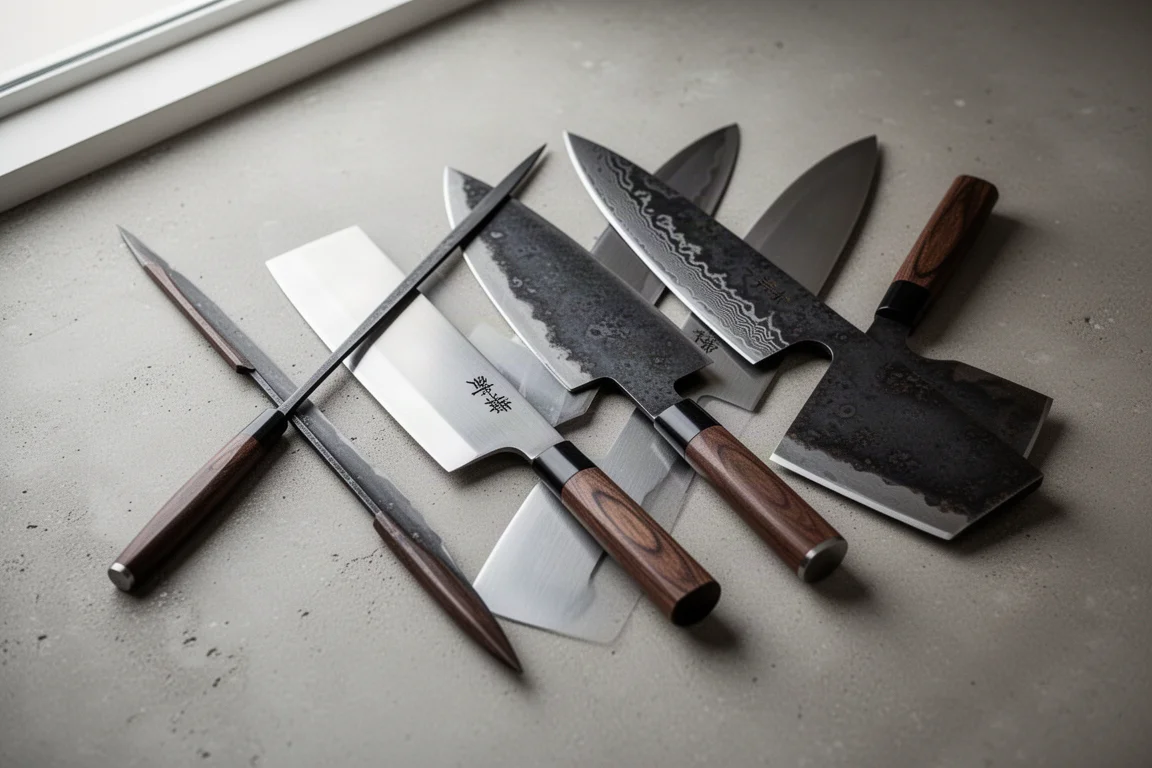
Scratch and dent sales are one of the best-kept secrets in Japanese kitchen knives. Cosmetically imperfect stock, typically pieces with light scuffs, finish marks, or minor handling wear, gets discounted sharply while the blades themselves remain razor sharp and fully usable. This year’s selection is unusually strong, spanning everything from single-bevel yanagibas to workhorse nakiris, and historically the stock sells out within hours of going live.
What a Scratch and Dent Sale Actually Means
Every knife in this sale has some flaw, but the flaws are almost always cosmetic or easily corrected: scuffs in the finish, small scratches, slight warping, or an imperfect sharpening job near the tip. None of the blades are unusable, and most arrive sharp enough to work with straight away. Photos of each knife’s specific issues are provided so you know exactly what you are buying before you commit.
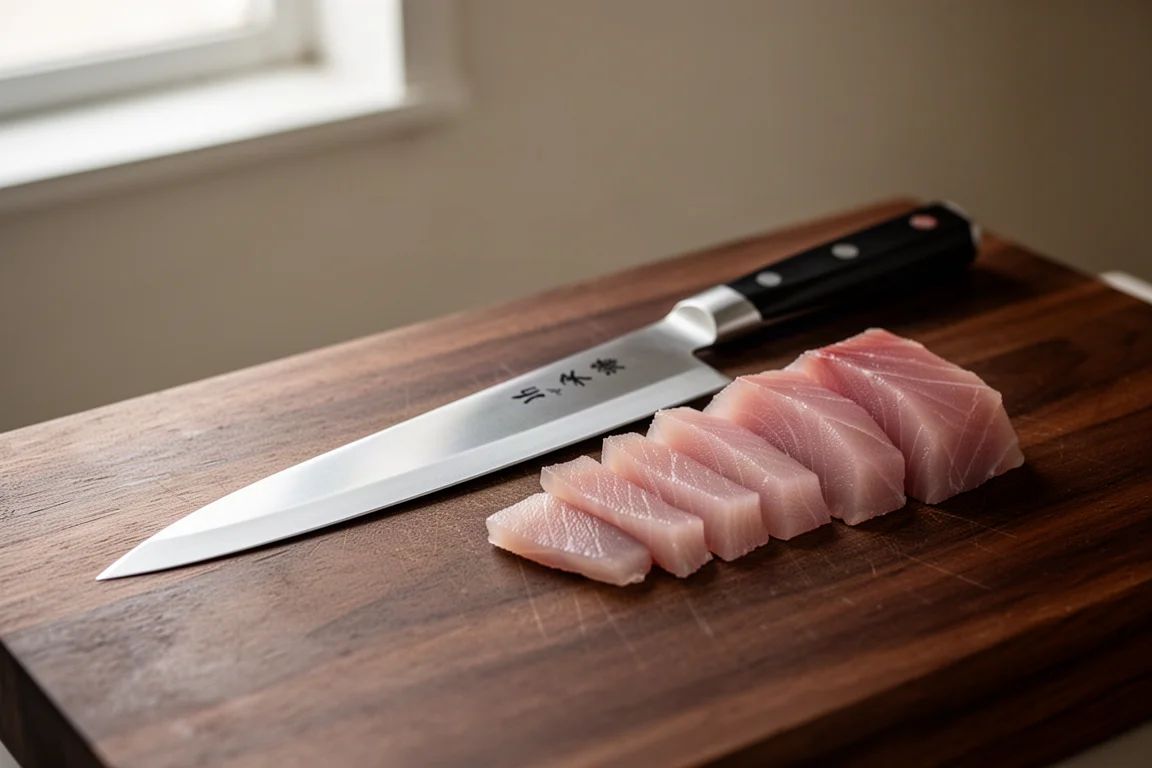
One important note: these are final sale items. Because they are discounted for cosmetic reasons, returns are not accepted, so it is worth reading the individual condition notes carefully.
Teruyasu Fujiwara Maboroshi Yanagiba
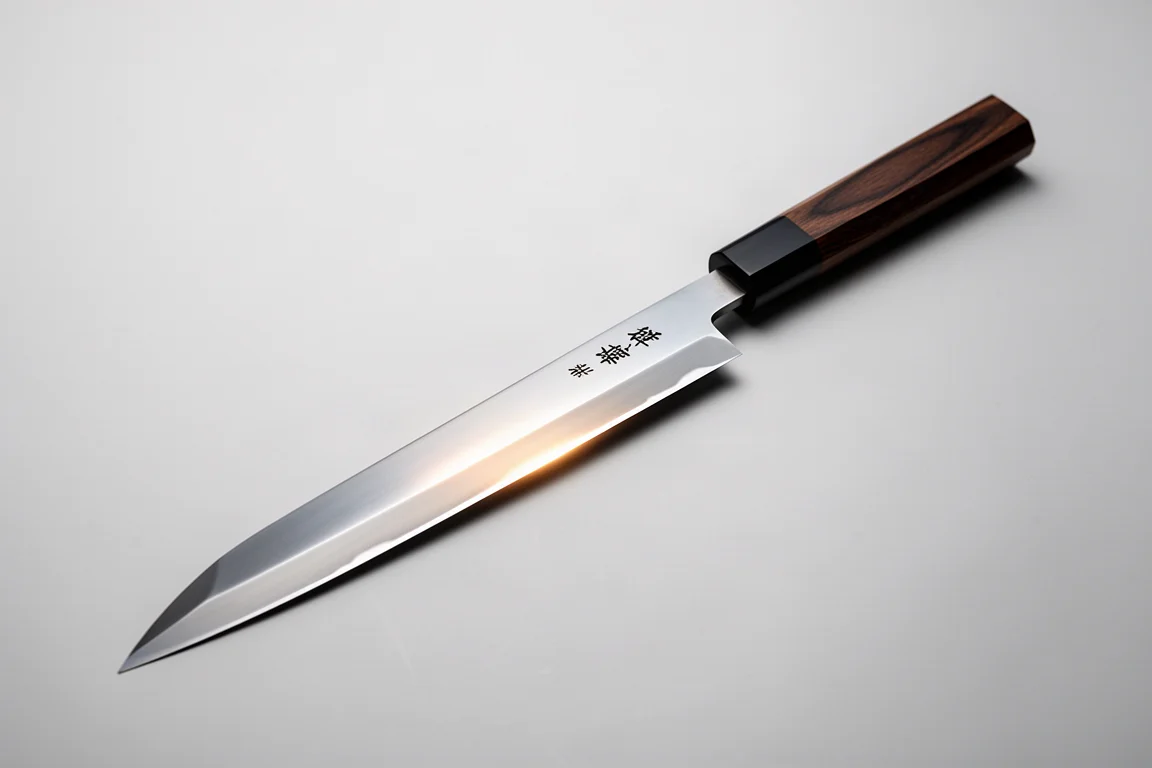
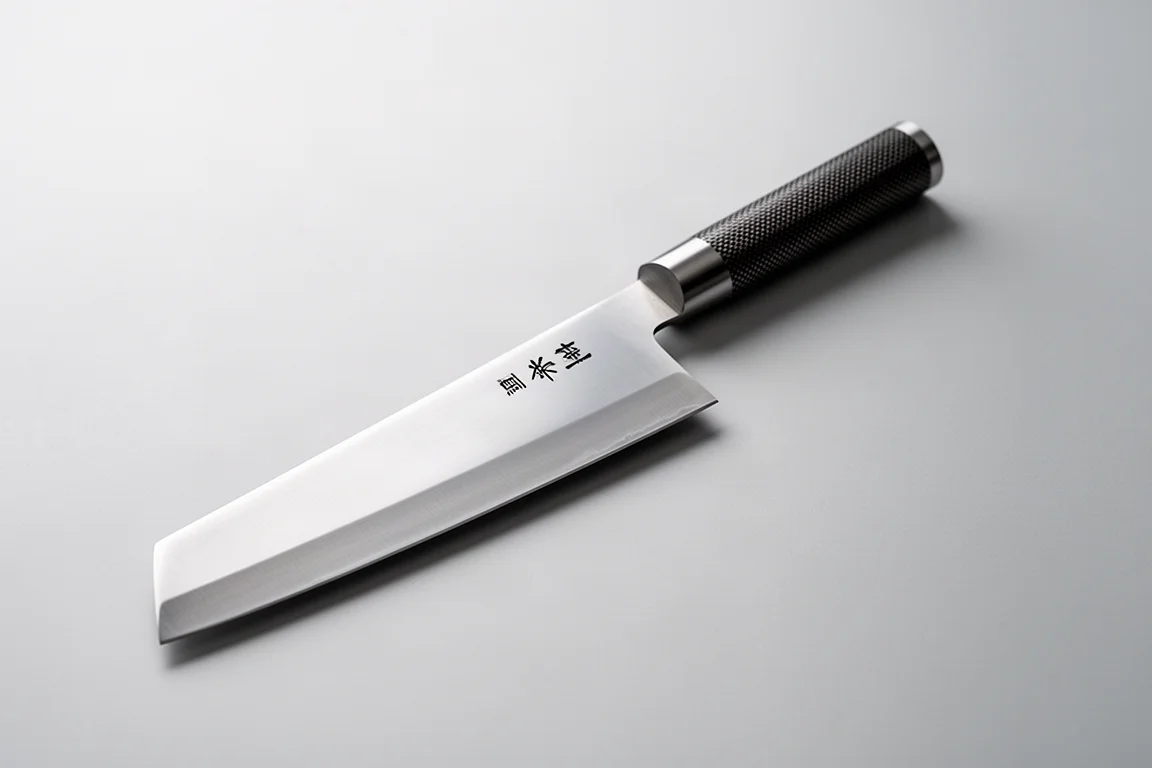
Fujiwara’s Maboroshi yanagibas are beautiful, extremely sharp single-bevel slicers, and the discounted batch includes a 270 and a 210. The main caveats: the ura (the flat side of the blade) may need a little work to reach top condition, some beveling is not perfect, and a few carry a rather large micro bevel you will need to work out. The listed lengths are also inaccurate, so the true measurements are confirmed in the listings.
Teruyasu Fujiwara Denka
The Denka series joins the sale in the same situation: blades labeled 240 actually measure closer to 210, and the 210s are closer to 190. The correct lengths are documented in each description, so you know precisely what you are getting. These remain exceptionally sharp knives from a maker whose work rarely gets discounted.
Teruyasu Fujiwara Maboroshi 210 Gyuto
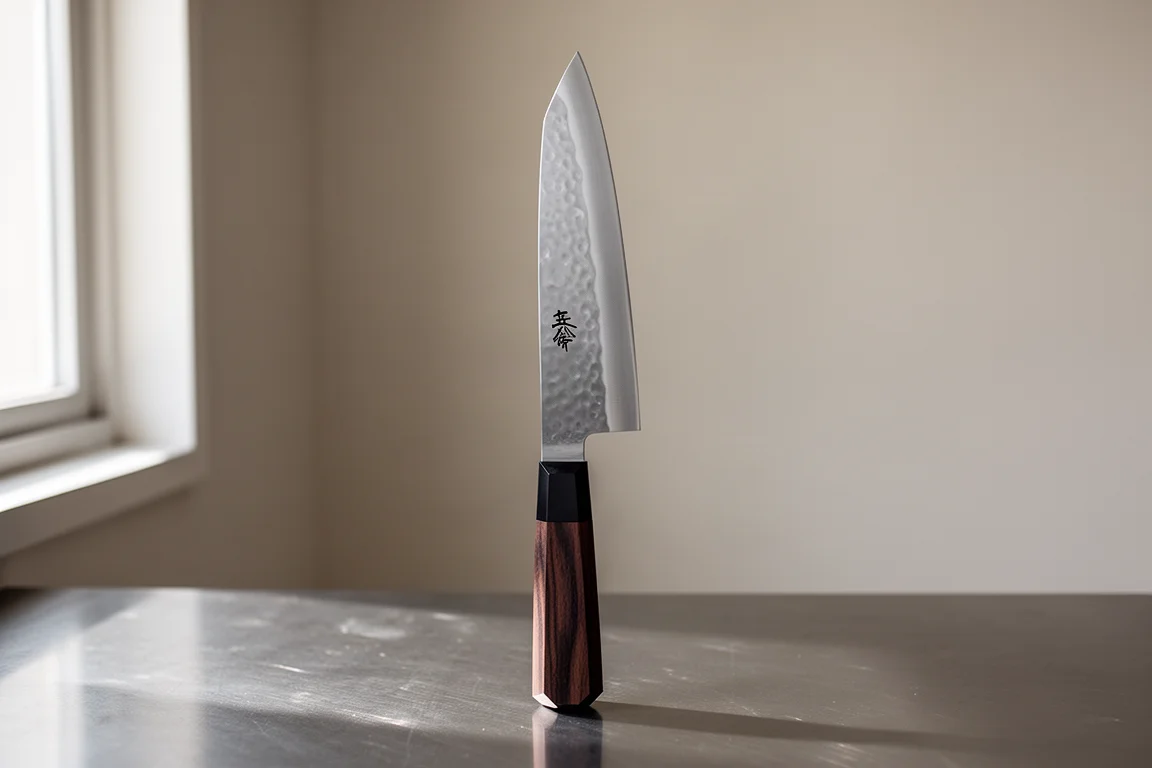
This particular gyuto has been handled and used in a demonstration, so it carries a few scratch marks and a patina already forming on the blade. In exchange, it is a chance to pick up a Maboroshi 210 gyuto at a very attractive price. Functionally it is exactly what it should be: sharp, ready to use, and only marked by its short time in the spotlight.
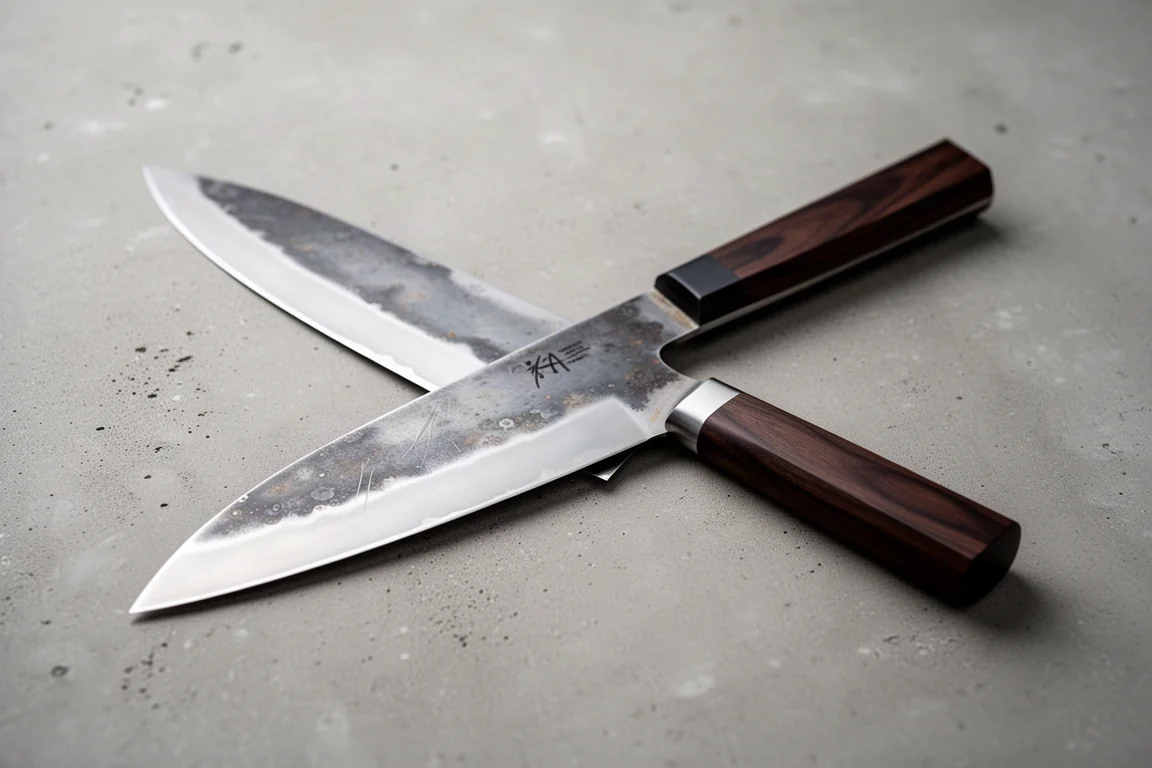
Hatsukokoro Kumokage Nakiri
The Kumokage nakiri has one scuff mark on the back of the blade, and aside from that it is in essentially perfect condition and super sharp. For a vegetable knife that will live a hard working life anyway, a single cosmetic mark is a small price for the discount.
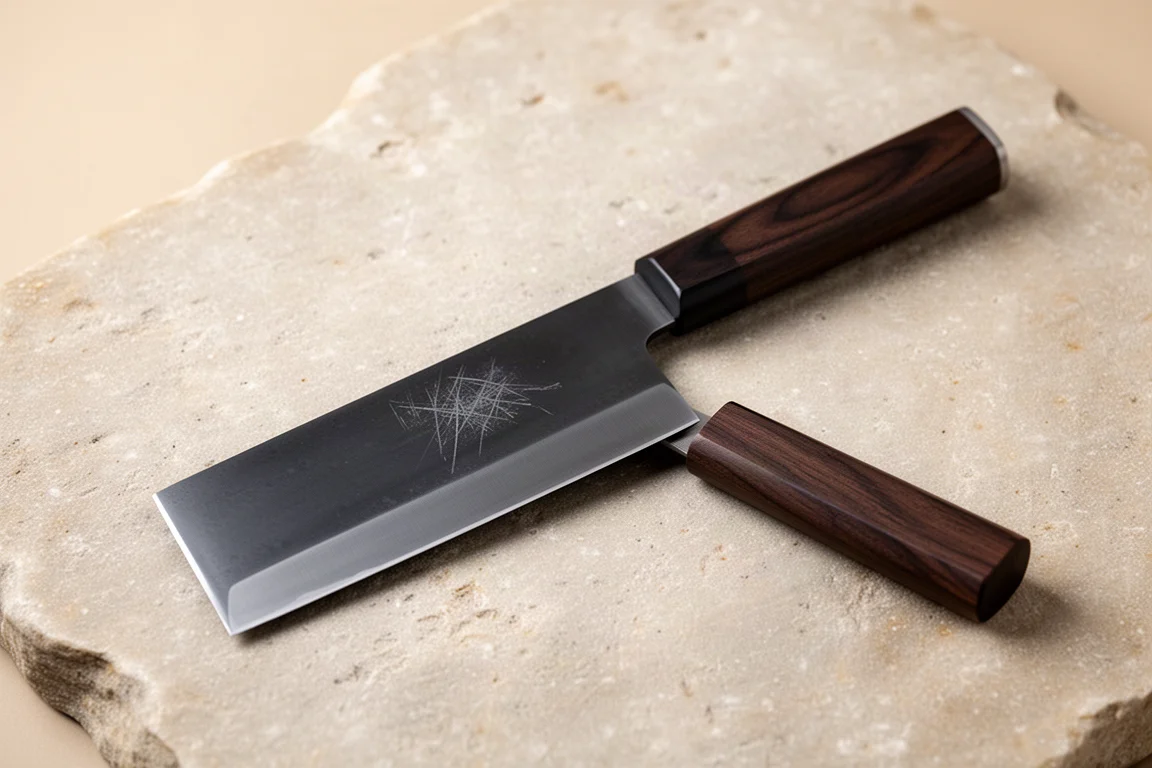
Hatsukokoro Shirasagi Deba
Two Shirasagi debas in the same 165 millimeter length are in the sale, both in pretty much perfect condition apart from finish issues. One has a batch of odd scratch marks and a patch of kurouchi that has been scuffed off; the other has similar scuffing. The steel and edge are unaffected, which makes these strong value picks for anyone who works with whole fish.
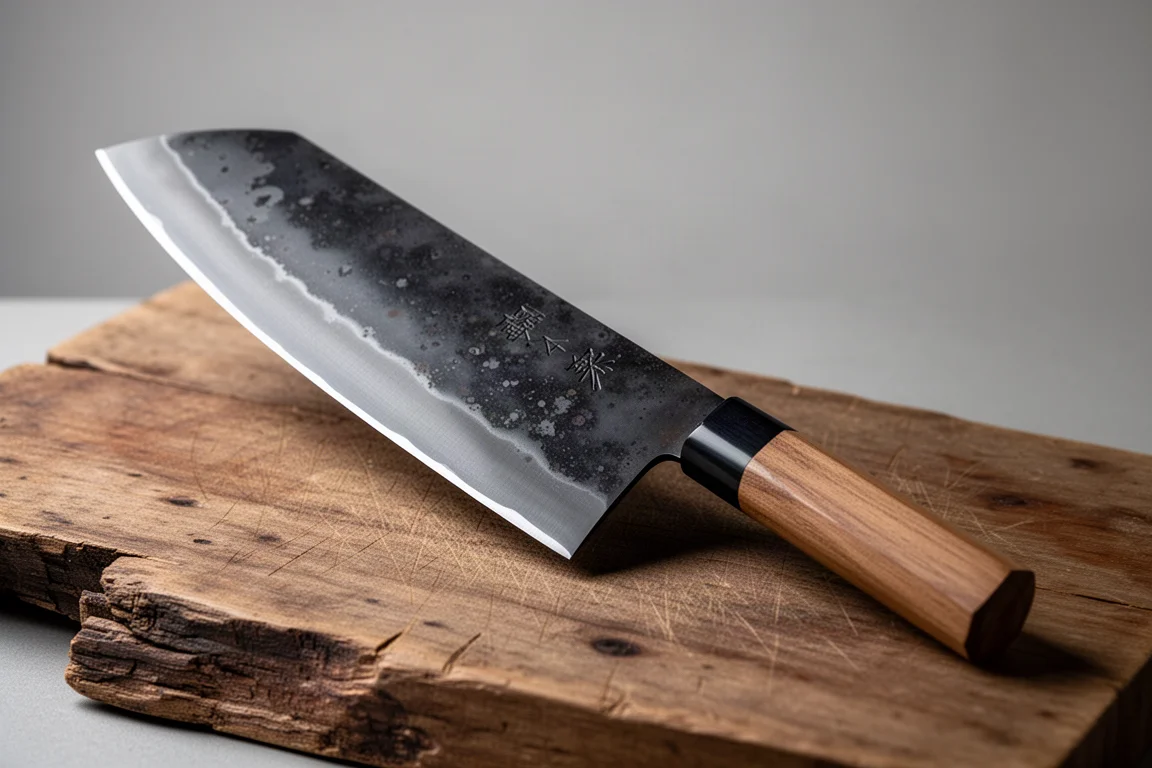
Tsunehisa R2 Damascus
The Tsunehisa R2 Damascus knives are in perfect physical condition and razor sharp, but the sharpening job toward the tip is not the best. It looks as though the stones may not have been fully cleaned before finishing, leaving some visible marks near the point. Sharpness is not in question, so these are excellent deals for buyers willing to refine the tip themselves.
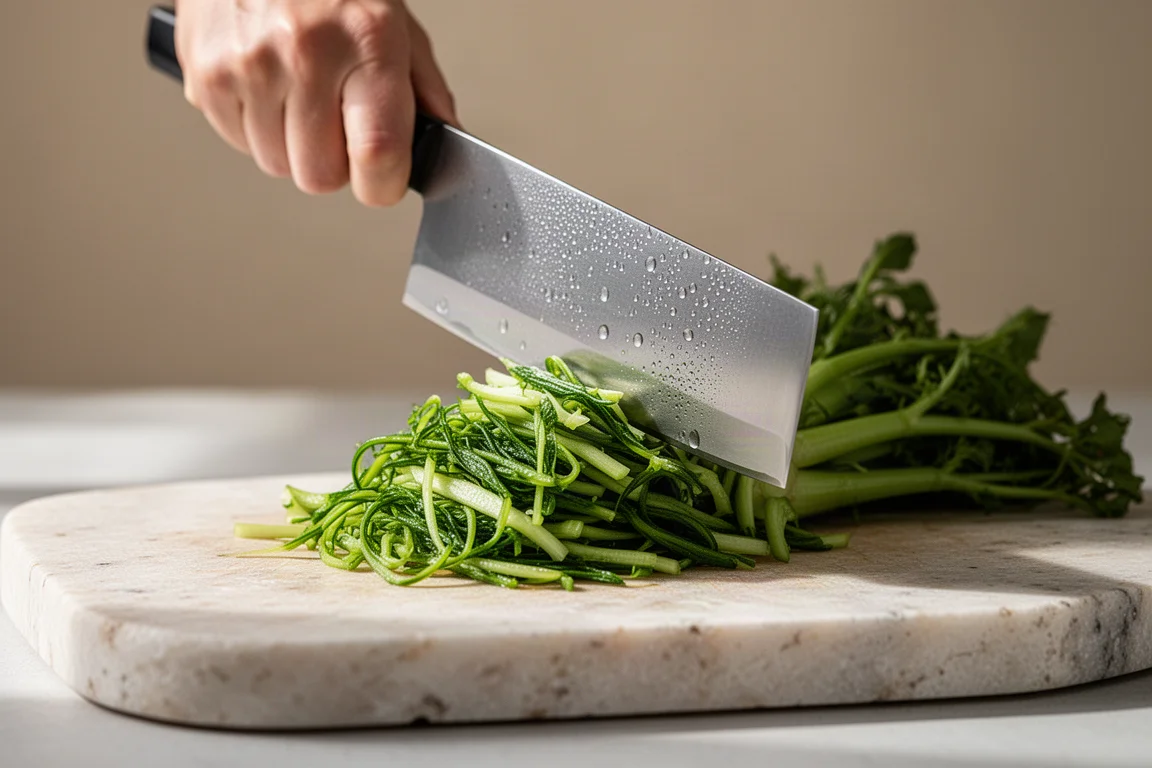
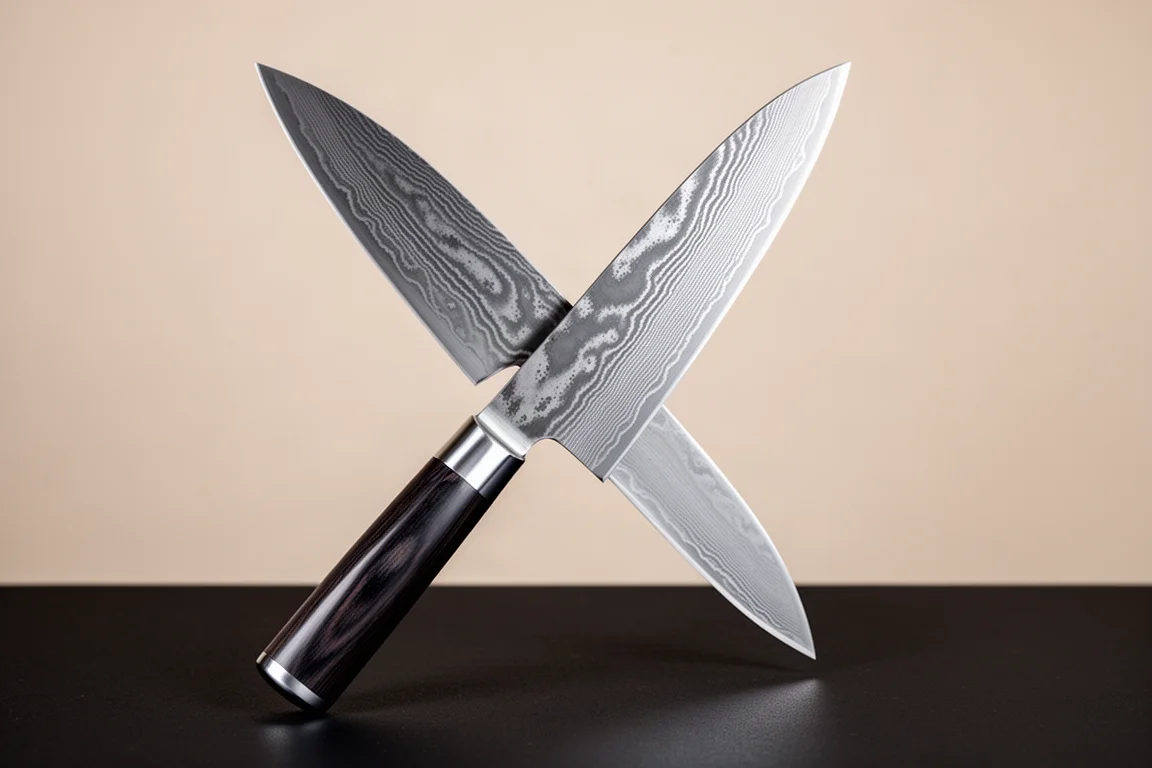
Kawamura Gyuto 240
These 240 gyutos carry real weight beyond the discount: the maker is dealing with health issues, so it is unlikely more of his knives will ever be available. The flaws here are minor warping, meaning the blades are not perfectly straight, but they are totally usable, sharp out of the box, and will last a long time with care. For collectors and cooks alike, this may be a last chance.
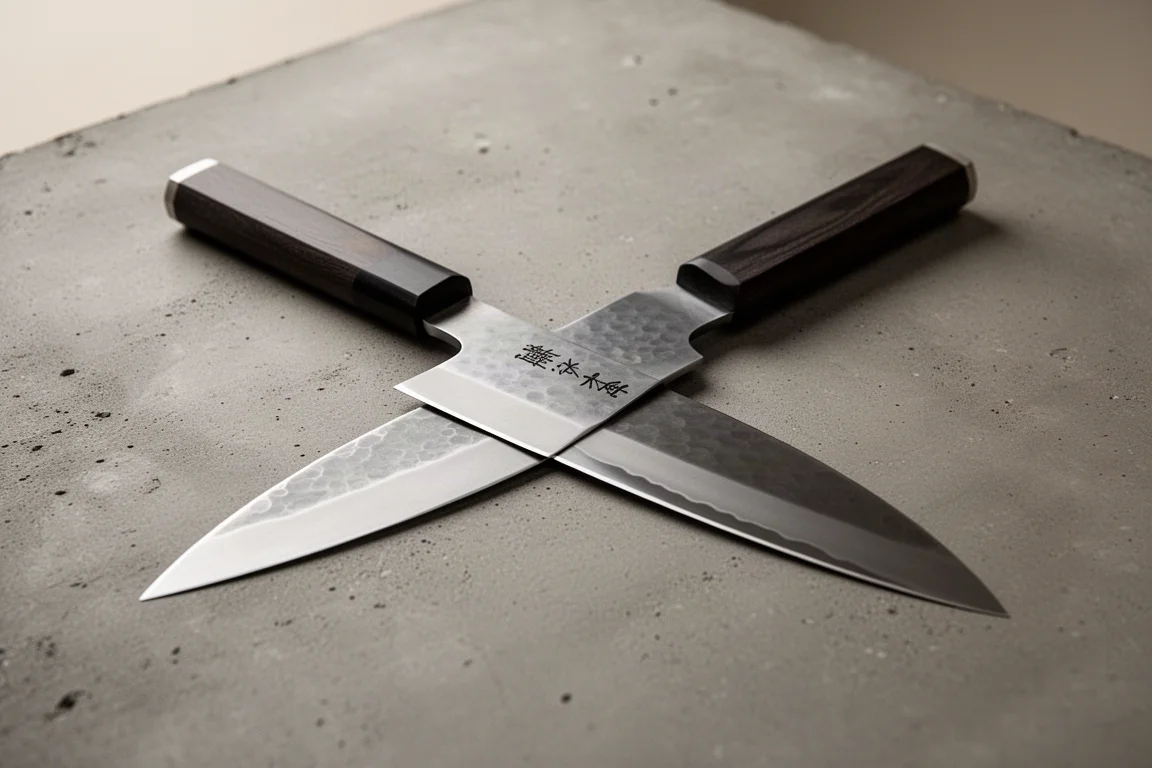
Shigeki Tanaka Nakiri and Masutani Nakiri
Two more nakiris round out the selection. The Shigeki Tanaka has small scuff marks in the kurouchi finish and a light scratch at the back of the blade, nothing structural. The Masutani nakiri has a small scratch in the bevel. Both are super sharp and ready to work straight out of the box.
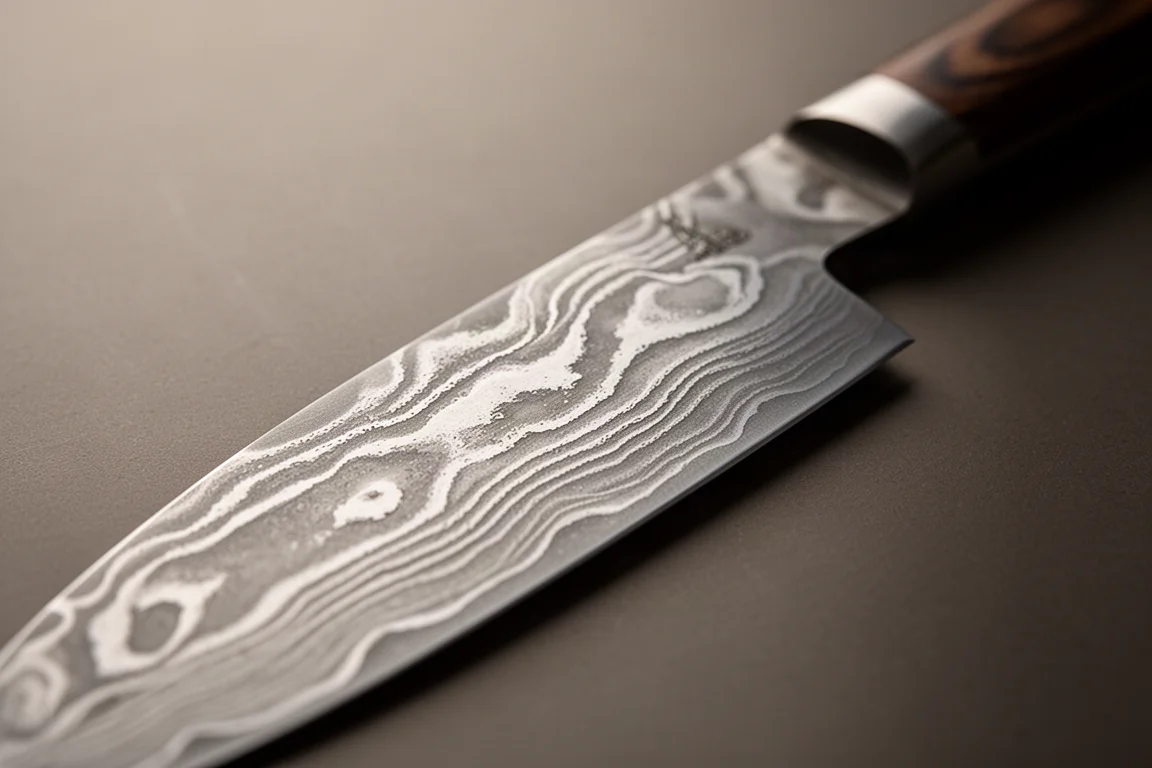
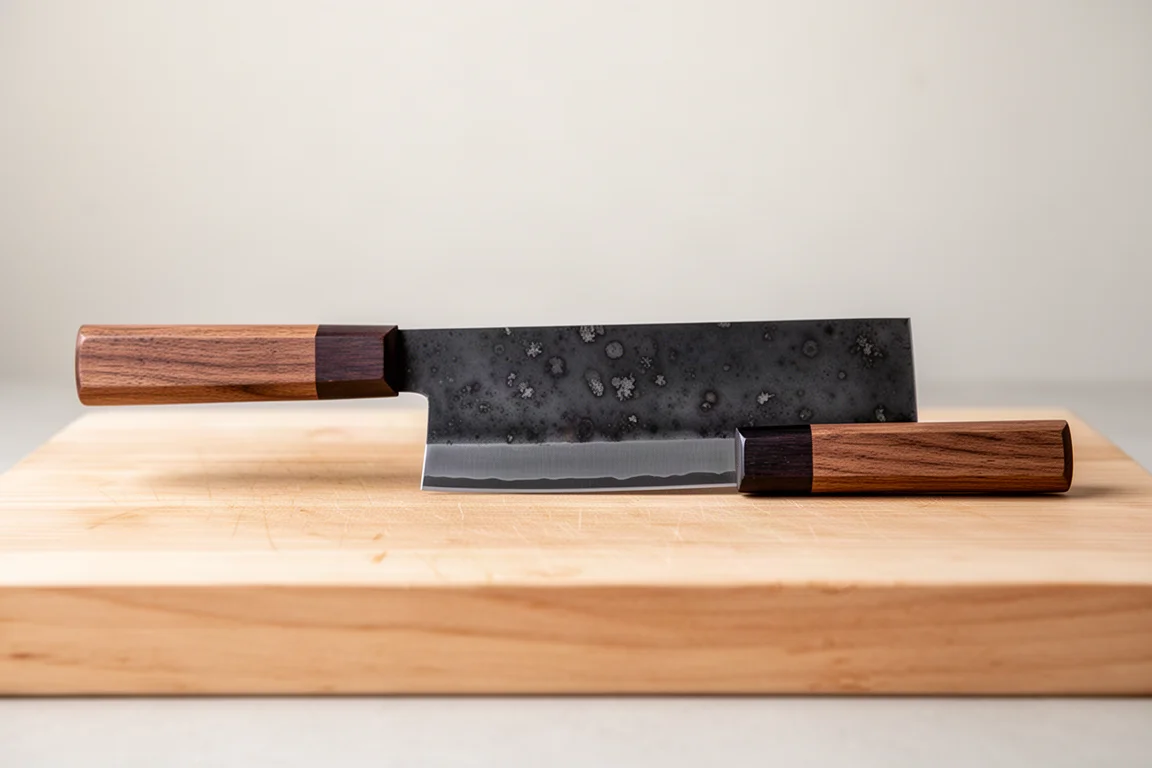
The Masutani is the simpler of the two flaws and, at scratch and dent pricing, an easy entry point into a sharp Japanese vegetable knife.
Buying Advice for Scratch and Dent Hunters
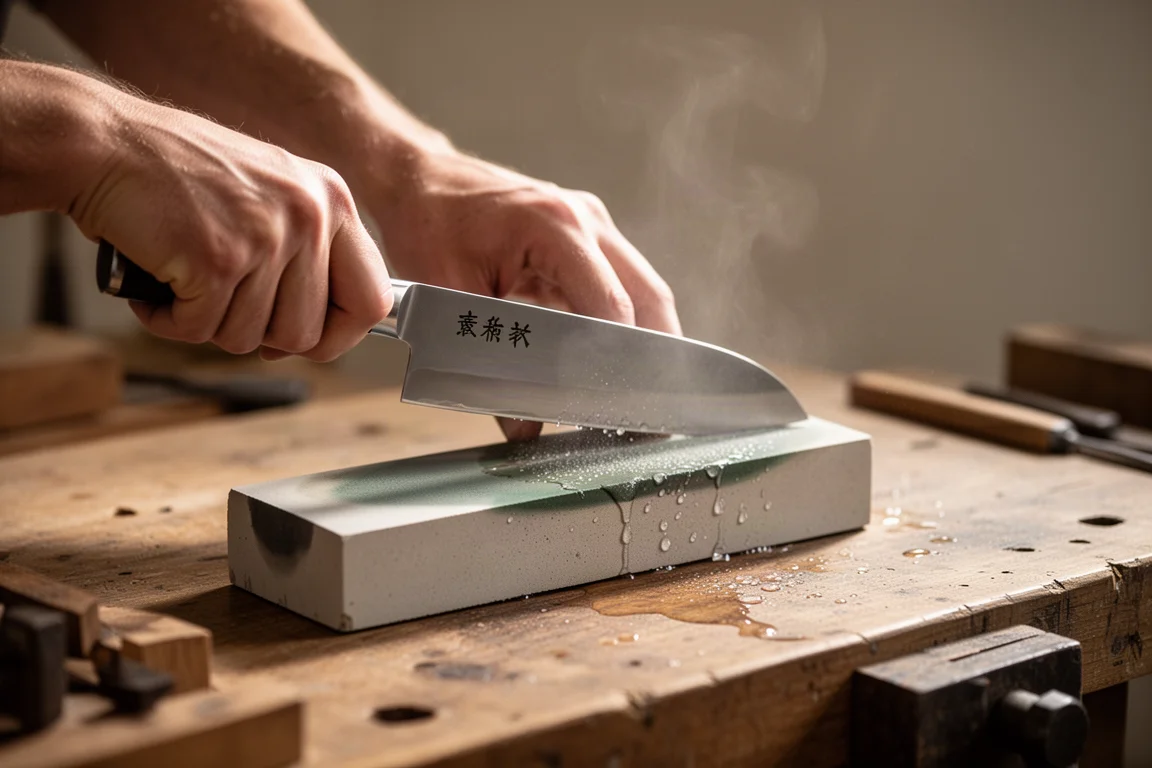
Move quickly if something catches your eye, because last year’s sale sold out within hours of going live. Check the listed photos of each knife’s specific flaw, confirm the actual measured length where listings correct factory labels, and be honest with yourself about whether you can live with the cosmetic issue. A whetstone and a little patience can fix a rough tip or an oversized micro bevel; they cannot fix a knife you missed.
Conclusion
Scratch and dent pricing turns premium Japanese knives into genuinely accessible purchases. The Fujiwara yanagibas and Denka suit slicing work and collectors, the Kumokage and the two nakiris are easy everyday wins, the Tsunehisa R2 Damascus offers patterned steel at a discount, and the Kawamura gyutos may be the final opportunity to own that maker’s work. Match the flaw to your tolerance, act fast, and these knives reward you for years.
Further reading
Related Reviews

Kitchen Knives
Best Chef's Knives 2026: 27 Popular Options Tested and Ranked
A comprehensive review of 27 chef's knives ranging from $18 to $380, with honest assessments of handle comfort, blade balance, and real-world performance.

Kitchen Knives
Best Chef's Knives Under $75: Two Tested Recommendations
Two practical 8-inch chef's knives that balance sharpness, comfort, and durability without premium pricing.

Kitchen Knives
Best Chef's Knives 2026: 27 Options Tested and Ranked
A comprehensive review of 27 chef's knives ranging from $18 to $380, with honest assessments of handle design, balance, blade profile, and real-world performance.