Kitchen Knives
New Japanese Kitchen Knife Arrivals: Nakiri, Petty, Bunka, Sujihiki and Cleavers Worth a Look
A fresh wave of Japanese knife arrivals, from budget-friendly petty knives to a hand-forged ZDP-189 Damascus slicer and two striking cleavers.
Introduction
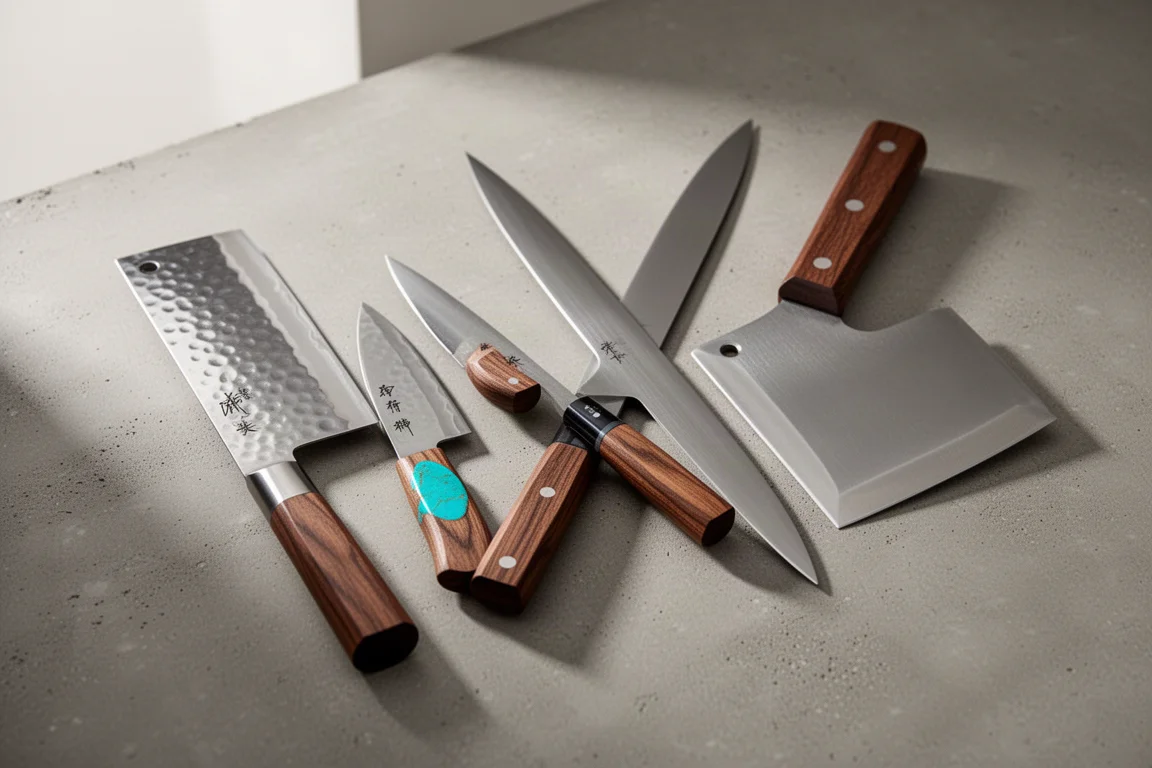
This batch of new arrivals covers a lot of ground: a shop-favorite nakiri back in stock, an accessible entry-level series, a striking VG10 petty, and a substantial drop of hand-finished knives from Matsubara, including bunkas, santokus, three 270mm sujihiki slicers, a ZDP-189 Damascus showpiece, and two cleavers. Many of the Matsubara pieces are effectively one-offs, so availability is limited by nature.
Kajibay Nakiri 165mm
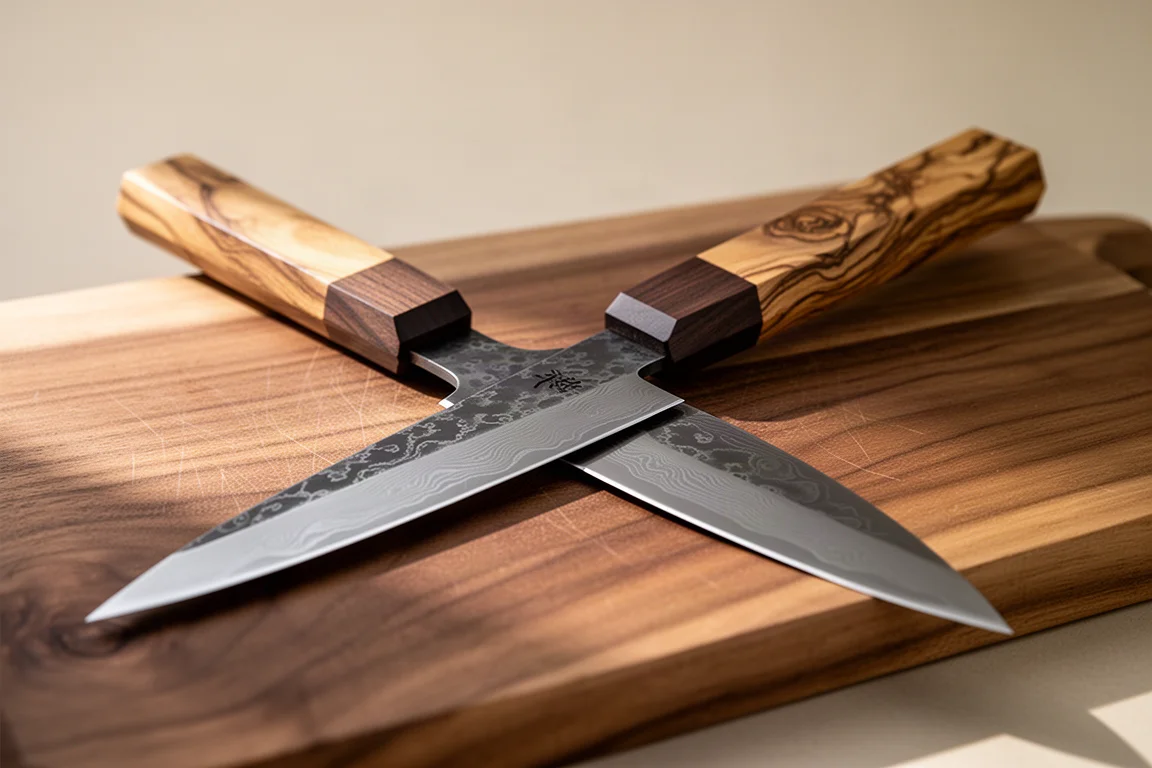
The Kajibay Nakiri 165mm is a repeated favorite among both customers and staff, and it is easy to see why. Fit and finish are excellent, the grind and edge geometry are clean, and there is a subtle Damascus inlay on the bevel that is hard to appreciate in photos. The octagonal olive wood handle with a walnut ferrule works for both right- and left-handed users, and the balance point sits right at the pinch grip.
Keep in mind this is a kurouchi-finished iron-clad knife made from Aogami #2, so it needs to be kept dry and clean to prevent rust.
Masutani Kakuru VG10 Petty
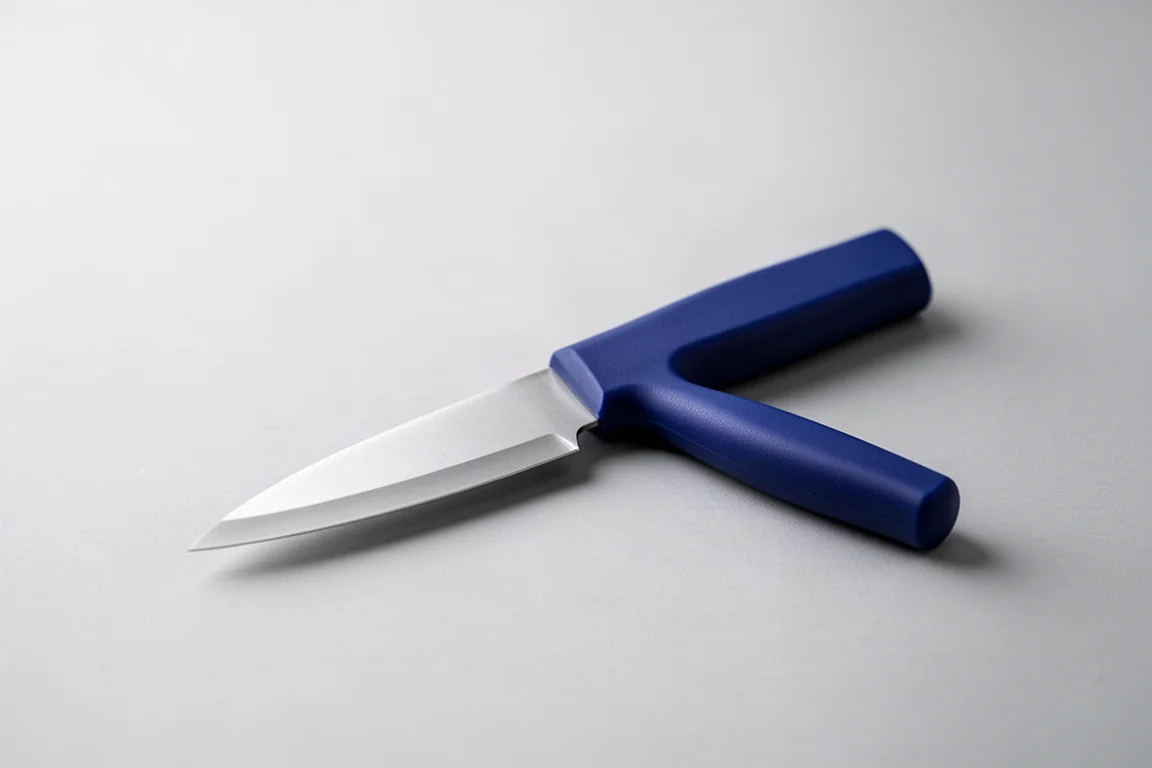
The Kakuru series from Masutani is a dependable entry-level option, with a distinctive blue handle and VG10 stainless steel. The petty and nakiri sizes are in stock, and petty-gyuto, petty-nakiri, and three-piece combo sets are also expected. It is a straightforward, good-value pick for anyone starting out with Japanese knives.
Yu Kurosaki Fujin VG10 Petty 120mm
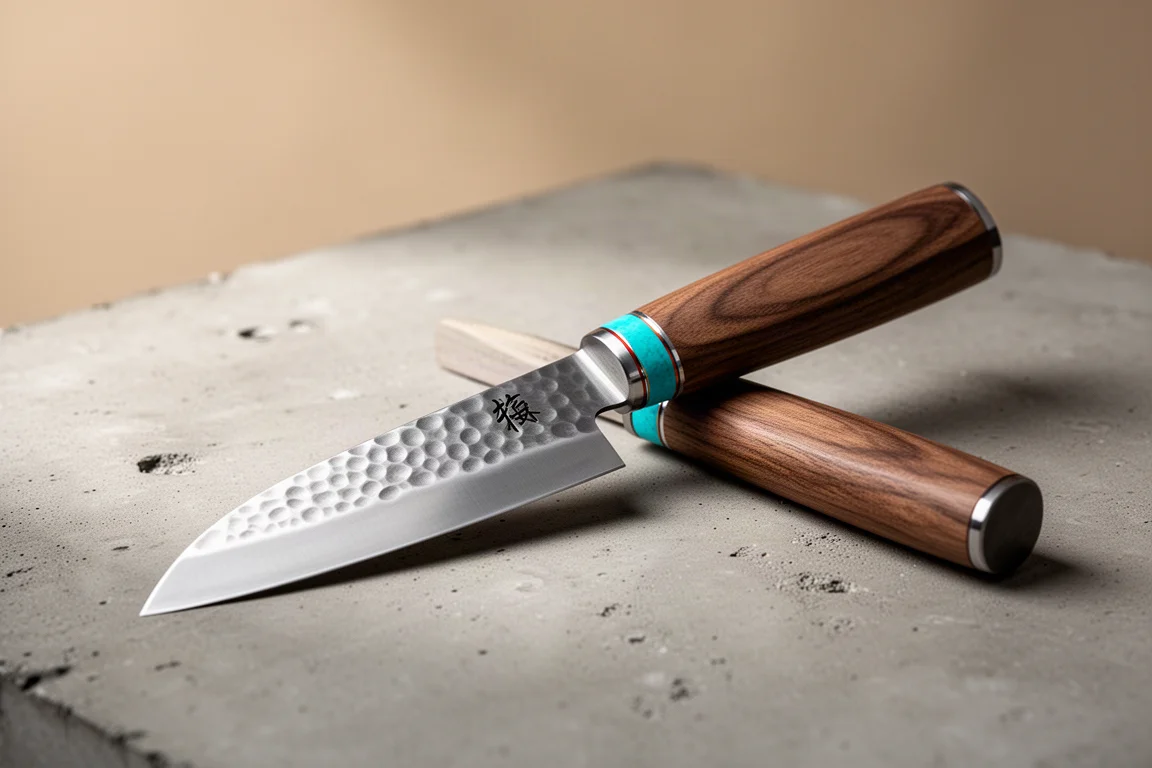
The Fujin VG10 petty arrives with a walnut handle, turquoise spacer, and aluminum liner, and it looks genuinely beautiful. Grinds and fit and finish are exactly what you would hope for, and VG10 stainless construction means no rust worries. If you want a small 120mm petty, this is an easy recommendation.
Matsubara Petty 120mm Nashiji
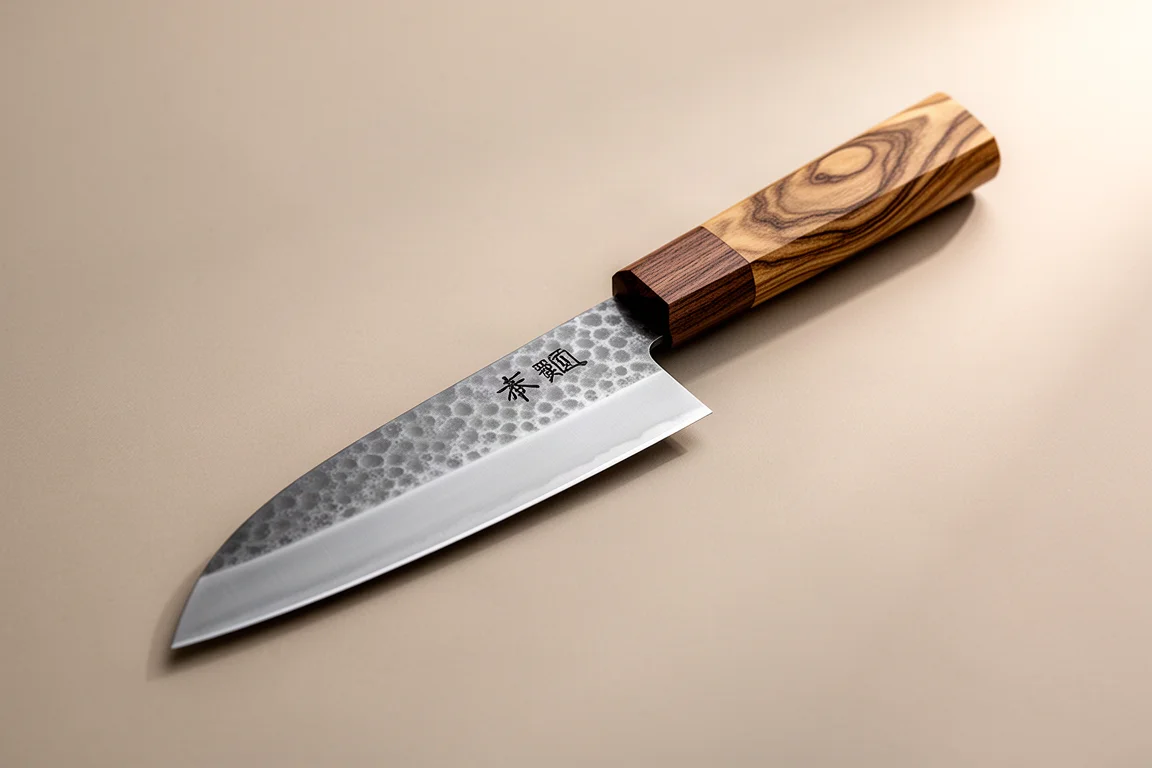
The smallest of the Matsubara arrivals is a 120mm petty with a nashiji finish, stainless-clad Aogami #2, and an olive wood handle with walnut ferrule. It is ambidextrous, and the balance point lands right where the tang meets the handle. Stock is extremely limited on this one.
Matsubara Tsuchime Nakiri 165mm and Matsubara Nashiji Nakiri
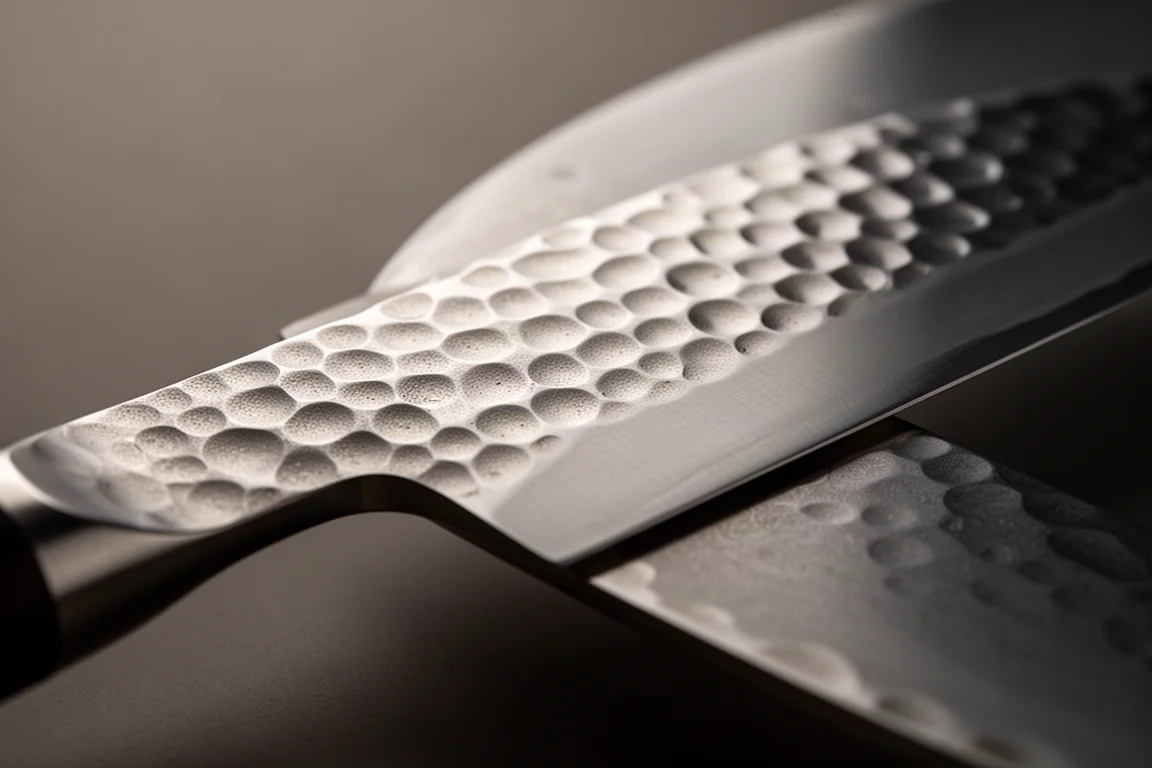
Two nakiris arrived, and they serve slightly different tastes. The tsuchime version has a notably tall blade, hammered finish, great grinds, and very good edge geometry, and it has previously been a runner-up pick among favorite nakiris. Both use stainless-clad Aogami #2 with olive wood and walnut ferrule handles.
The nashiji nakiri shares the same construction but with a slightly shorter blade and a flatter profile, which some cooks specifically prefer. There are two of each.
Matsubara Bunkas and Santoku
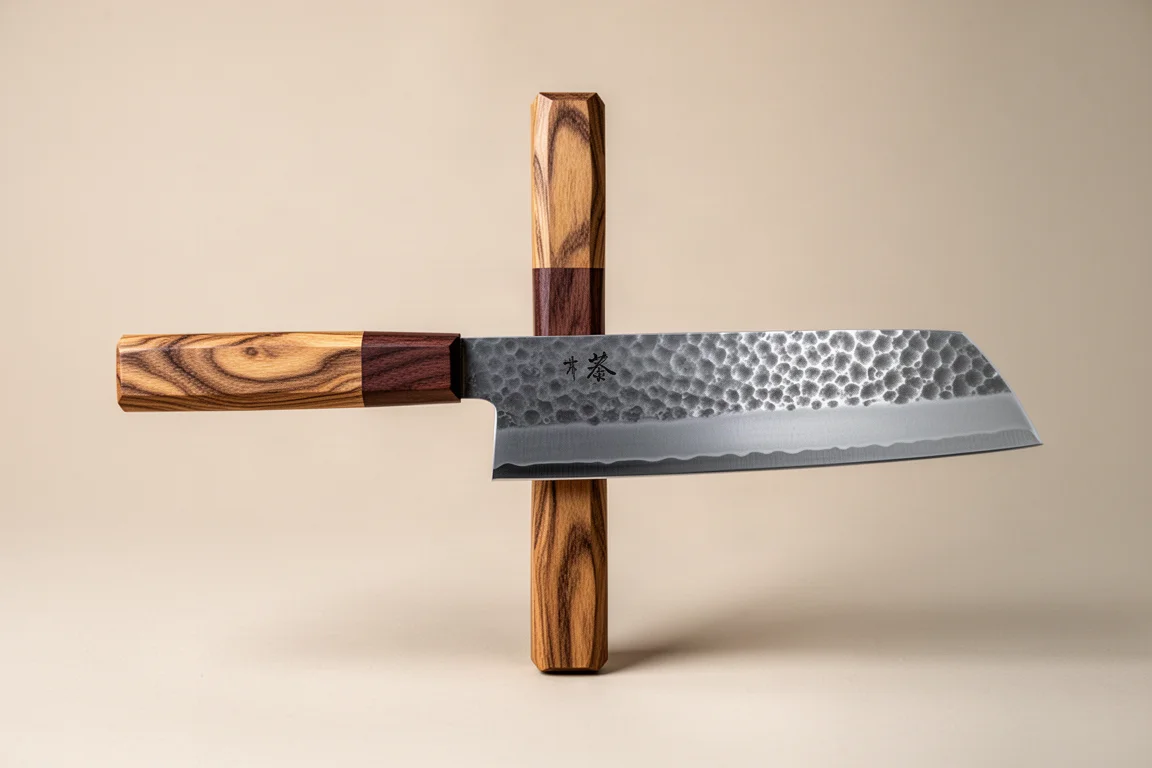
Two 165mm bunkas are available. The stainless-clad Aogami #2 version has a slightly shorter, flatter blade, while the Ginsan version is a touch taller with more curve at the edge and is fully stainless, so it will not rust or discolor. Both carry the olive wood and walnut ferrule handles and are genuinely attractive knives.
The santoku, also stainless-clad Aogami #2 with an olive wood handle and walnut ferrule, has a nice flat profile and works well as a chopper, as do the bunkas.
Matsubara Sujihiki Lineup: Three 270mm Slicers
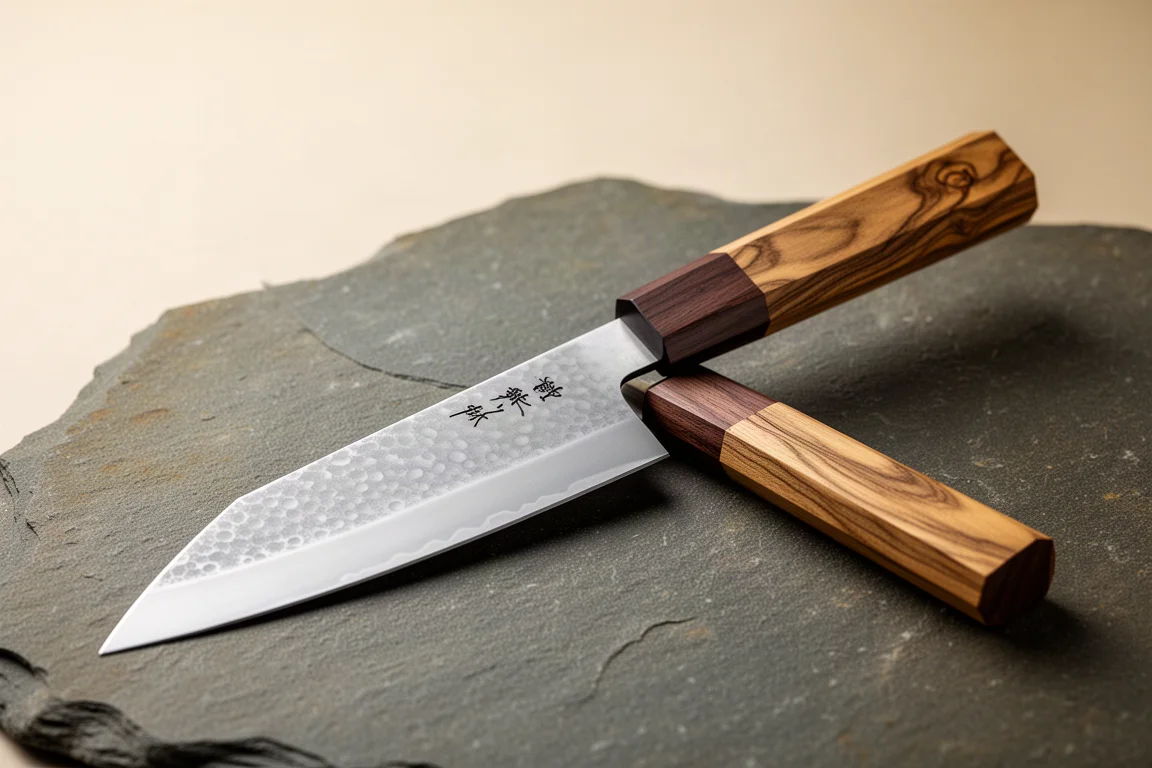
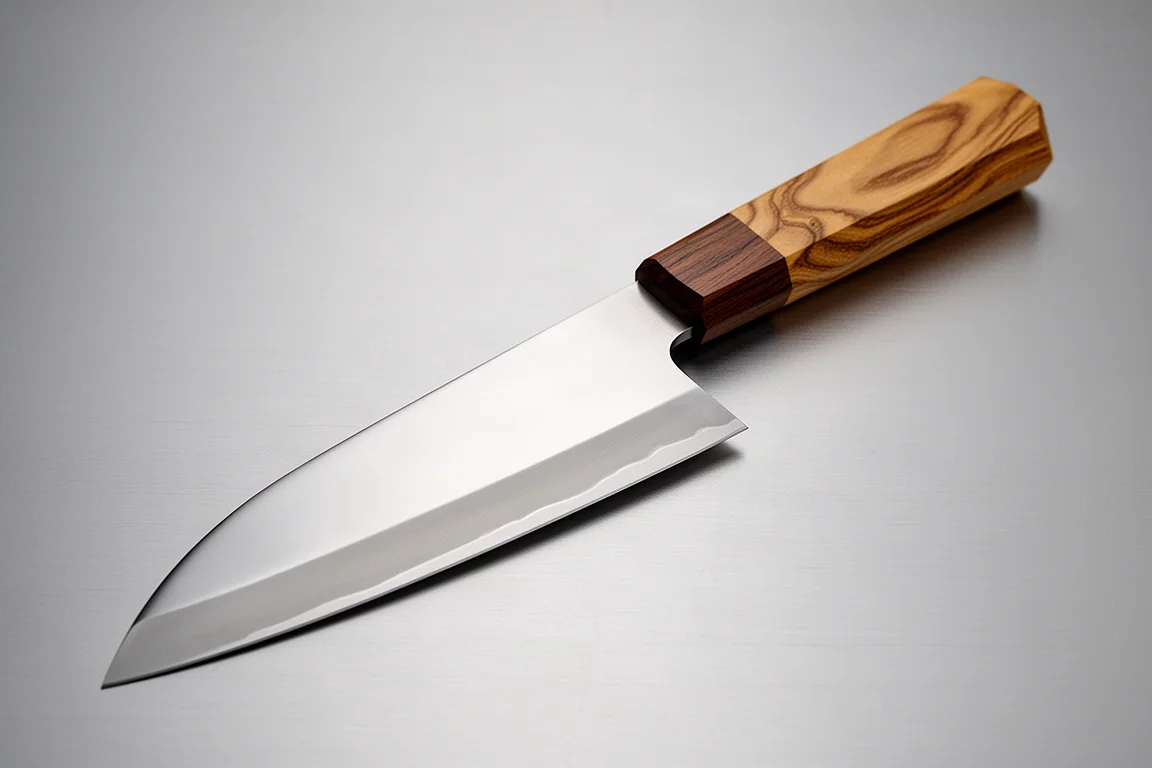
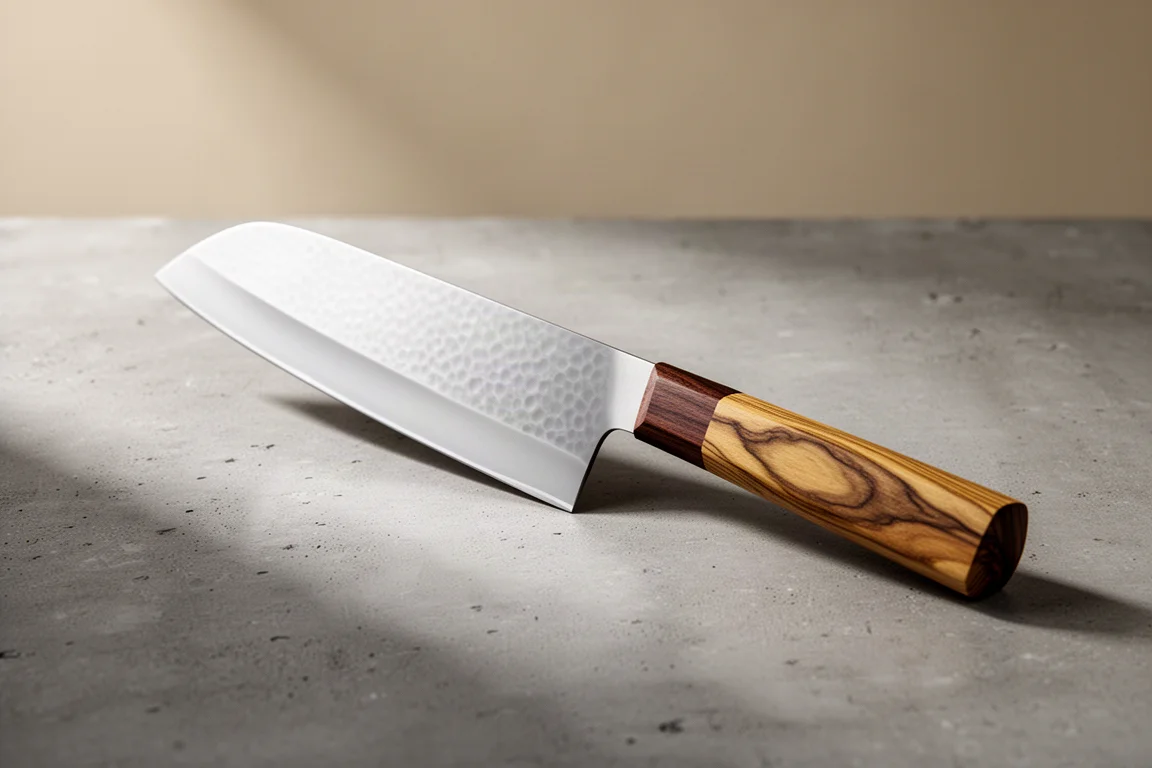
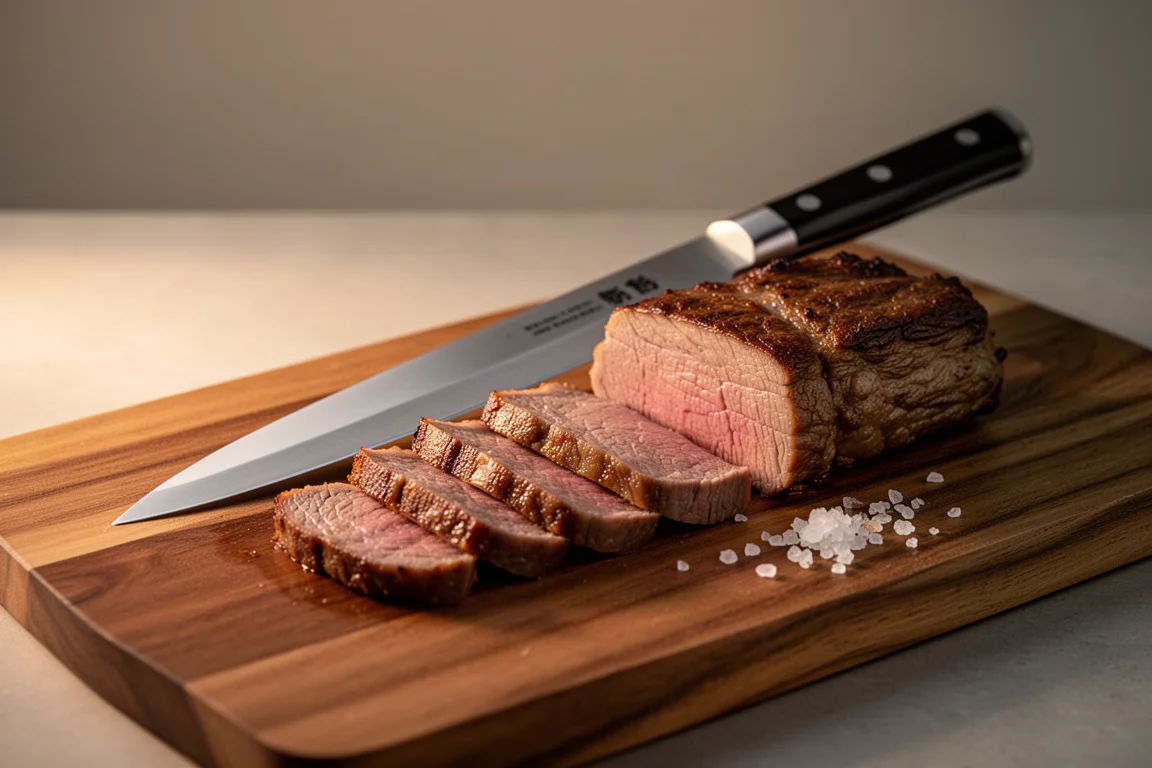
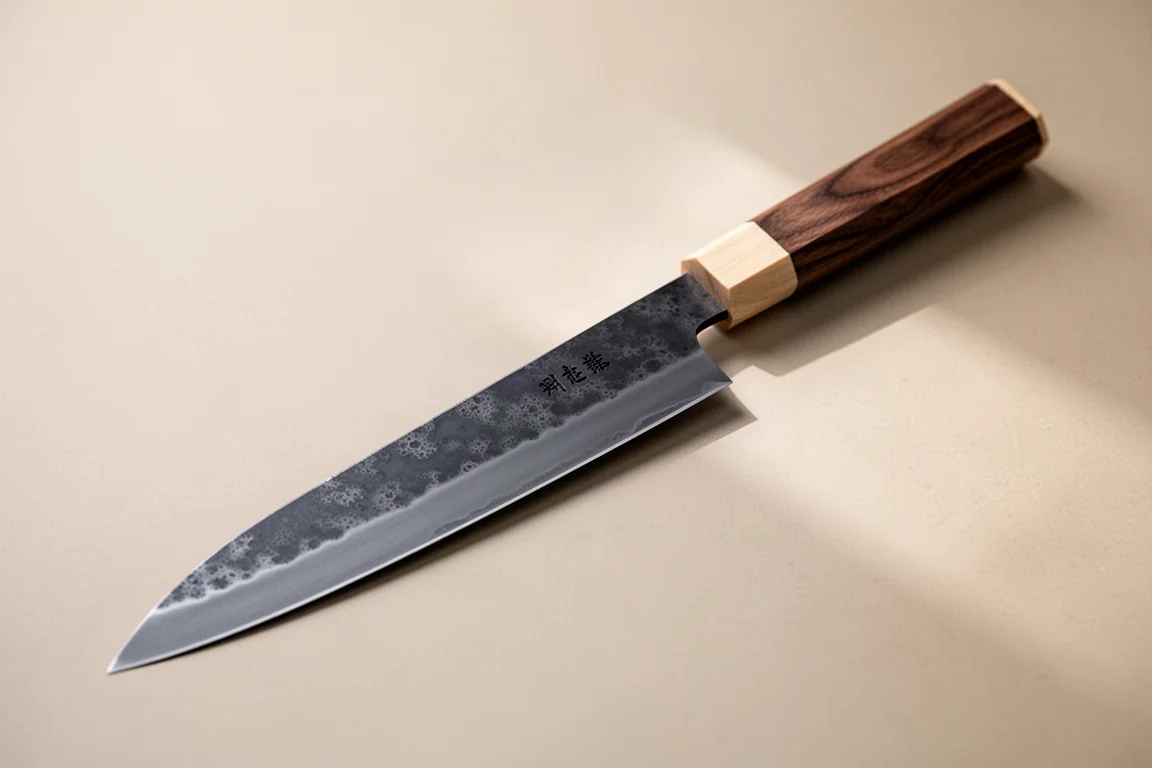
Slicers have been hard to come by lately, so three 270mm sujihiki options are welcome. The kurouchi-finished iron-clad Aogami #2 version has an unusual finish with a nashiji-like character, a K-tip style point, and a walnut handle with maple ferrule. Only one exists. As an iron-clad knife, it needs to be kept dry and clean.
The other two are tsuchime and nashiji finishes on stainless-clad Aogami #2, both 270mm with walnut and maple ferrule handles and K-style tips. Two of the nashiji version are available. K-tip sujihiki in this style are rarely in stock, which makes this drop notable.
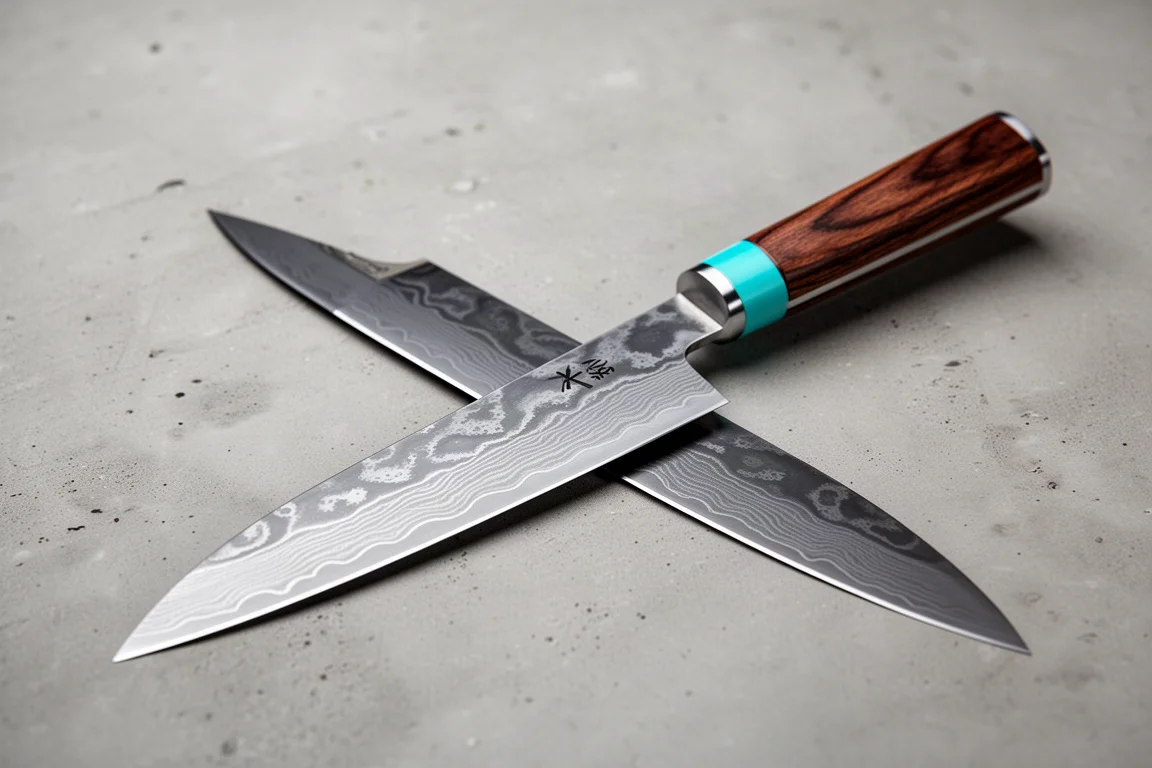
Matsubara Cleavers: Chinese Cleaver 220mm and Kurie Cleaver 190mm
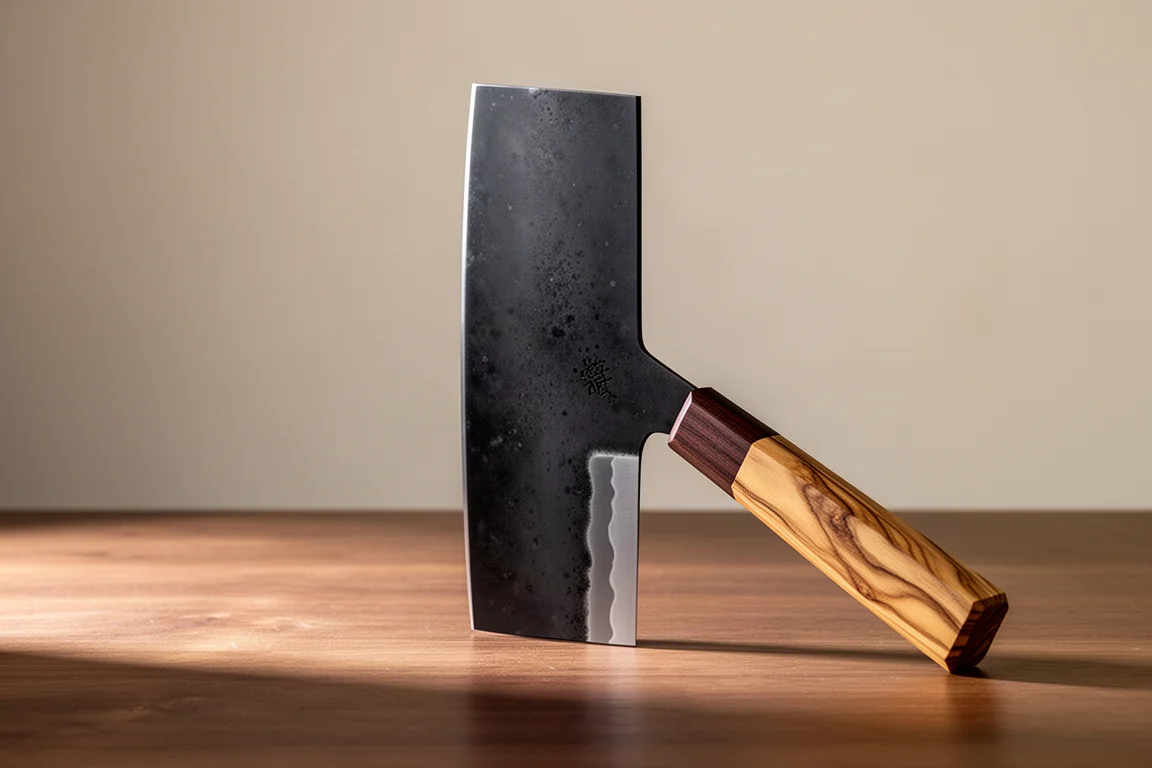
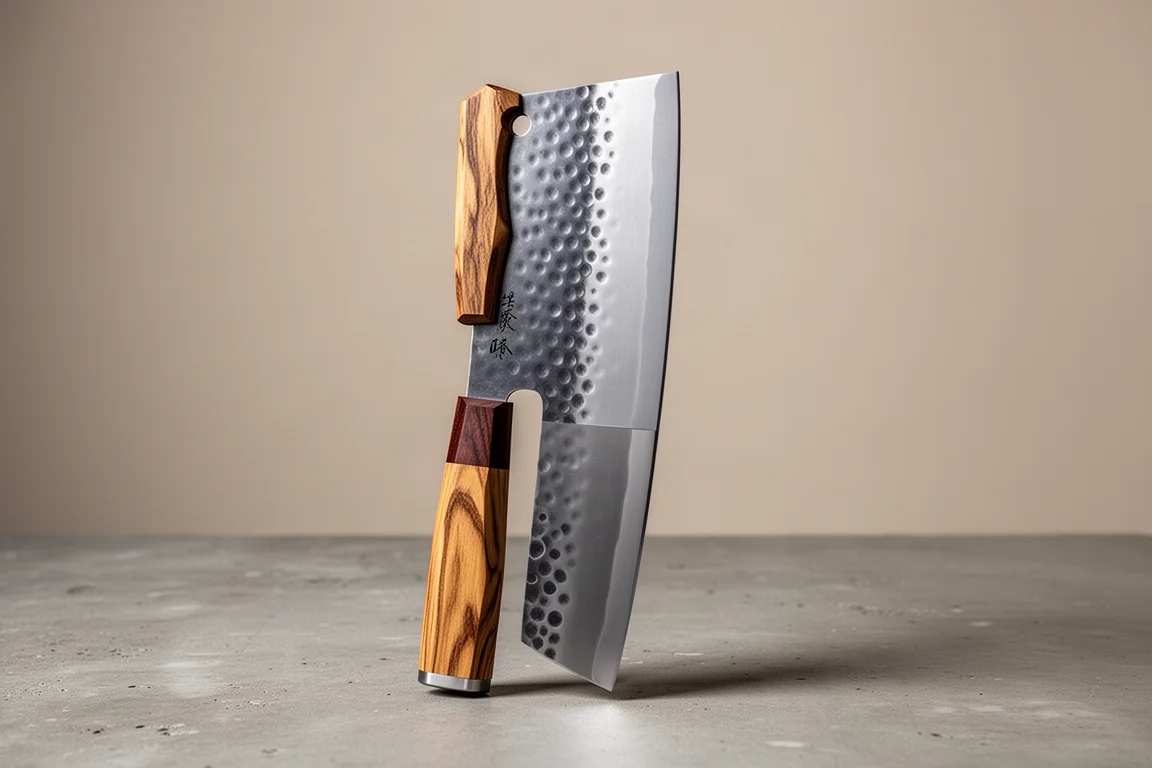
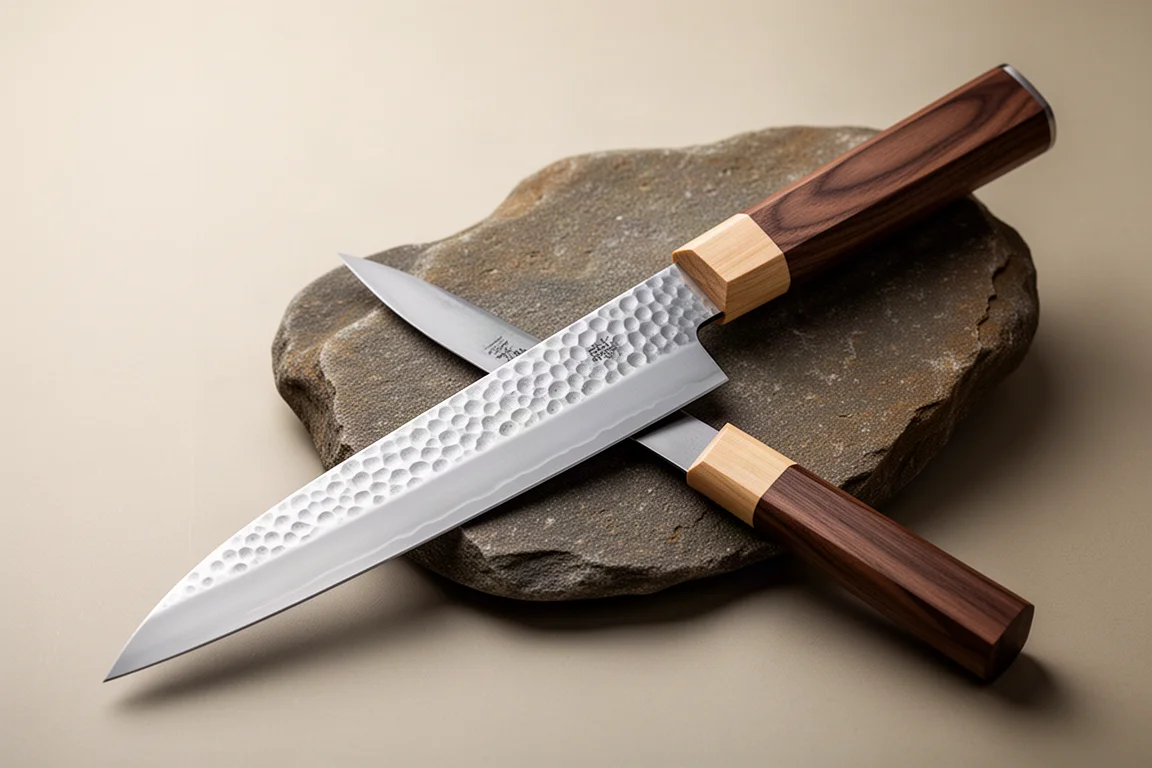
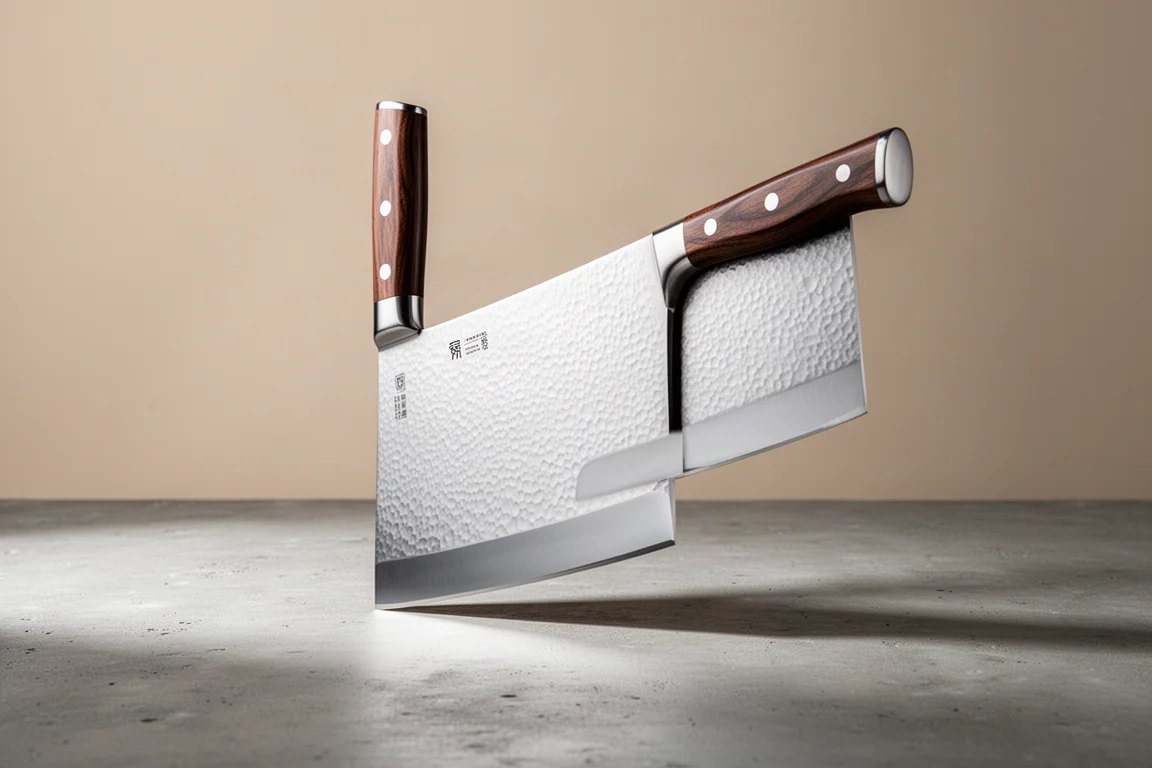
The two cleavers may be the most eye-catching arrivals. The Chinese-style cleaver measures around 220mm with a nashiji finish, stainless cladding over Aogami #2, a really nice polish, beautiful edge geometry, and a wicked-sharp edge. It balances far forward, which is typical of the style. It is not a bone cutter; it is meant for vegetable chopping and similar work.
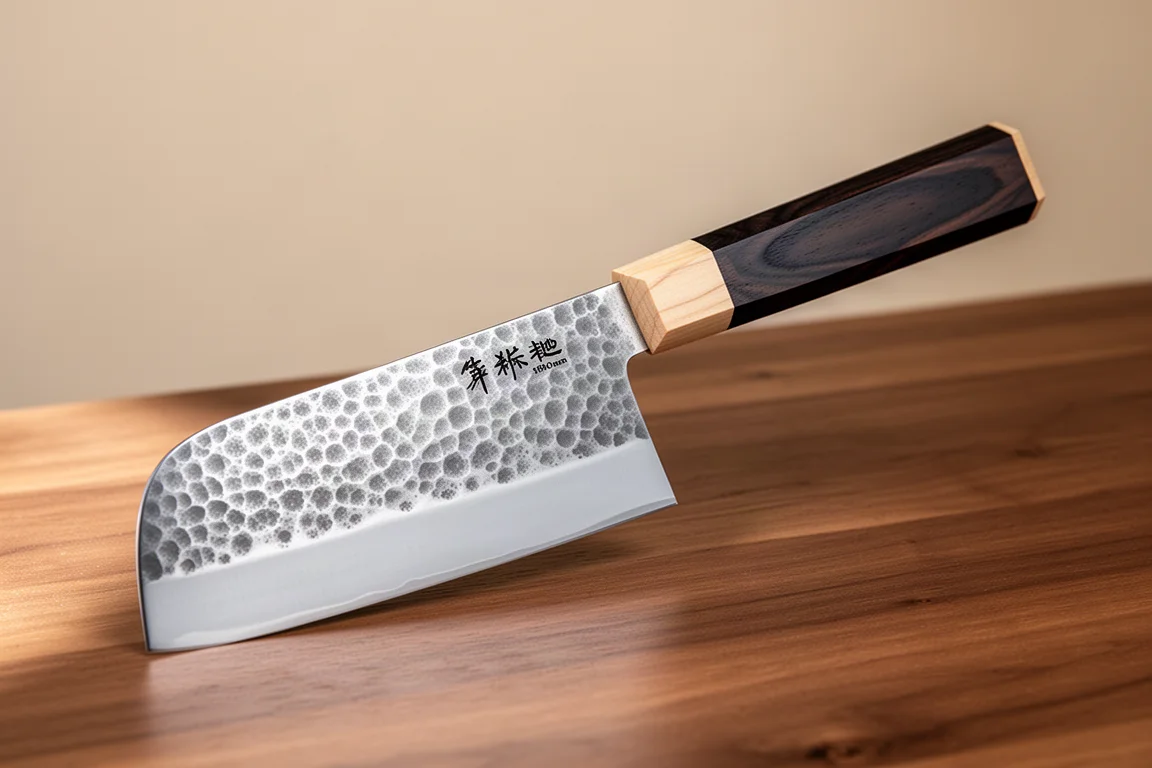
The Kurie cleaver comes in at 190mm, also nashiji-finished stainless-clad Aogami #2, with an ebony handle and maple ferrule in an octagonal shape suitable for both hands. The spine and choil are nicely softened, the balance point sits right at the pinch grip, and there are two available. Both are unusual shapes that would make a great addition to any collector’s kit.
Buying Advice
With so much in one drop, it helps to match the knife to the job. For a first Japanese knife, the Masutani Kakuru series keeps the entry cost low without feeling disposable. For everyday vegetable work, the nakiris and bunkas are the natural picks, with the Ginsan bunka being the low-maintenance stainless option. For roasts and larger proteins, the 270mm sujihiki selection is unusually deep right now, and the ZDP-189 Damascus version stands apart for its in-house forged Damascus and hardness around 66 to 68 HRC, which holds an edge for a very long time. The cleavers are more niche, but for anyone drawn to vegetable work or collecting distinctive shapes, they are hard to pass up. Note that iron-clad Aogami #2 knives in this batch require immediate drying after use.
Conclusion
This arrival wave pairs accessible daily drivers with genuinely special one-off pieces from Matsubara. If any of the one-offs interest you, they tend to move quickly, so it is worth checking availability sooner rather than later.
Further reading
Related Reviews

Kitchen Knives
Best Chef's Knives 2026: 27 Popular Options Tested and Ranked
A comprehensive review of 27 chef's knives ranging from $18 to $380, with honest assessments of handle comfort, blade balance, and real-world performance.

Kitchen Knives
Best Chef's Knives Under $75: Two Tested Recommendations
Two practical 8-inch chef's knives that balance sharpness, comfort, and durability without premium pricing.

Kitchen Knives
Best Chef's Knives 2026: 27 Options Tested and Ranked
A comprehensive review of 27 chef's knives ranging from $18 to $380, with honest assessments of handle design, balance, blade profile, and real-world performance.