Kitchen Knives
Japanese Kitchen Knife Deals: 11 Kitchen Knives Worth a Second Look
A roundup of gently marked Japanese kitchen knives on clearance, from stainless gyutos to hard-to-find petties, with honest notes on each knife's condition.
Introduction
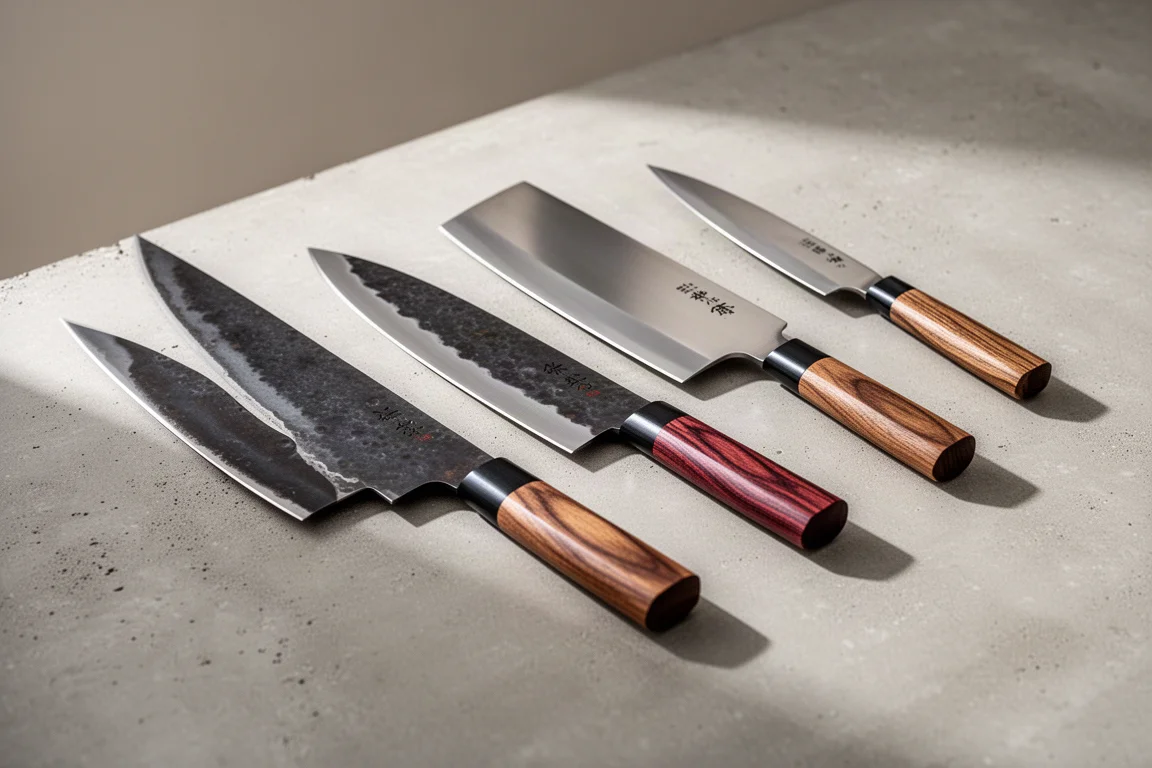
Everyone loves a discount, but the best deals are the ones where the only flaw is cosmetic. That is exactly what this roundup covers: a collection of Japanese kitchen knives that are functionally new, with only light scuffs, small scratches, or minor patina keeping them out of the regular lineup. If you can live with a tiny mark on the blade, the savings on these knives are substantial.
Below is a breakdown of each knife, what makes it special, and what kind of cosmetic wear to expect.
Blaze 210mm Gyuto
The Blaze 210mm gyuto earned its place in the sale the honest way: it was used for promotional photography, so it carries a few light surface marks rather than any real damage. In practice, a knife this gently handled would pick up similar scuffs within days of normal kitchen use anyway.
It is built from R2, also known as SG2, stainless steel, which is prized for excellent edge retention and easy maintenance, and it pairs that steel with a Canadian walnut handle and no ferrule for a clean, understated look. If you appreciate refined knives and do not mind a few faint marks, this is a strong value.
Nakagawa Satoshi Kiritsuke Gyuto
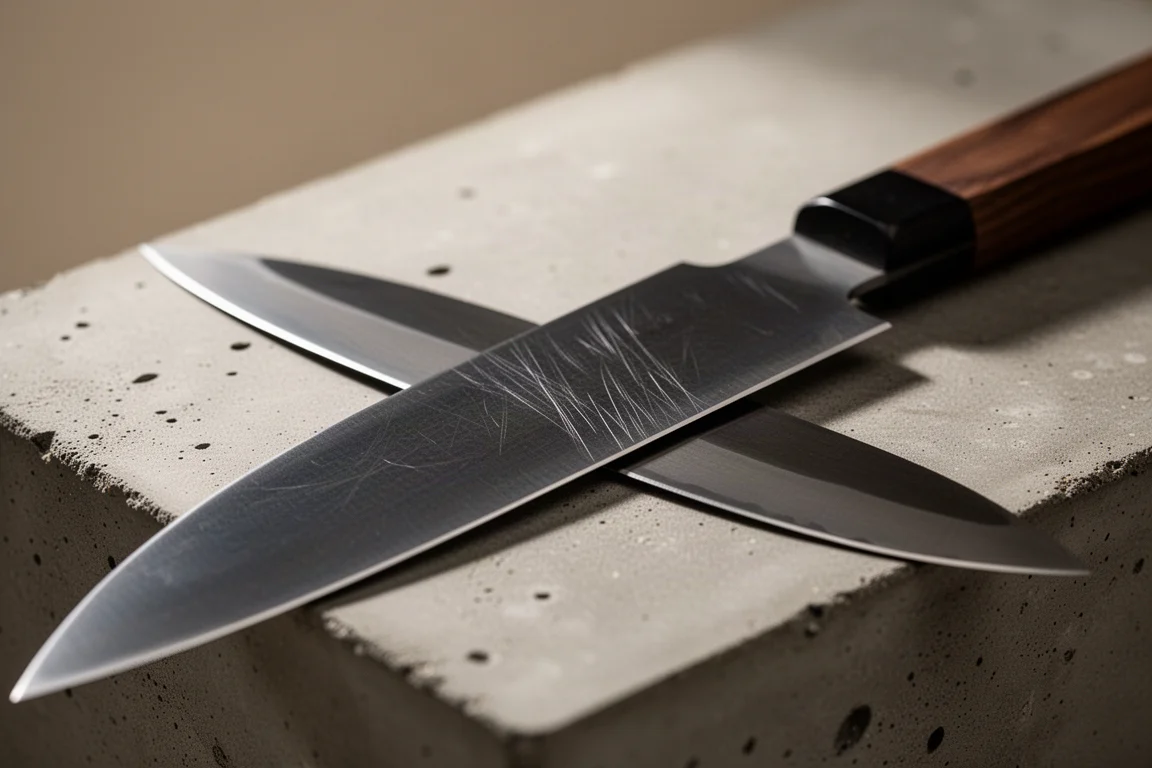
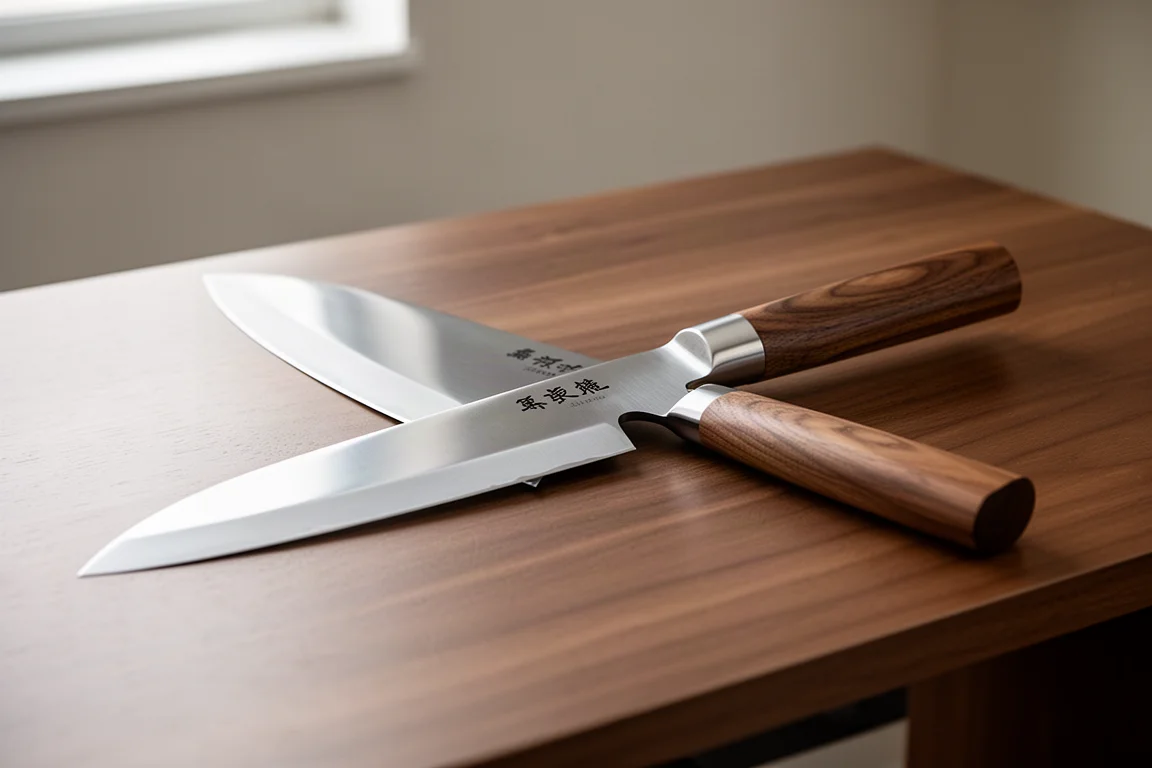
This kiritsuke-style gyuto from Nakagawa Satoshi arrived at the shop with a small scratch near the heel and has never been used. The mark is essentially invisible unless you are actively looking for it, which makes it one of the easiest deals in this roundup to justify.
The knife is 210mm long and made from Aogami #1 steel. Worth noting: these knives were briefly listed with the wrong steel type, and the correction matters to anyone who cares about carbon steel performance. Aogami #1 is a well-regarded carbon steel that takes a very refined edge.
Nakagawa Satoshi Gyuto 210mm
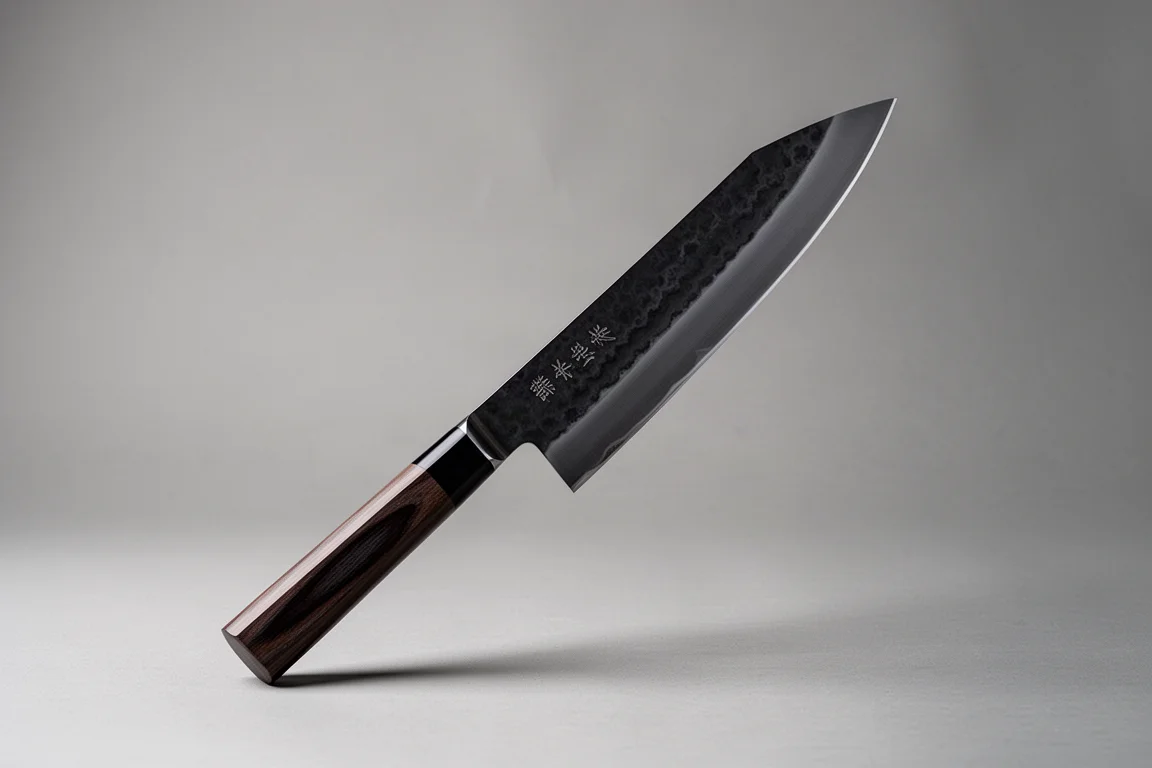
The regular-profile Nakagawa Satoshi gyuto in 210mm has a slightly different story. It was purchased, used very gently, and returned by a customer who noticed the steel was listed incorrectly on the box. It shows a couple of faint scuff marks on the back side of the blade but otherwise presents as a new knife.
Like its kiritsuke sibling, it is forged from Aogami #1, so this is a chance to pick up a sought-after smith’s work at a reduced price for what amounts to cosmetic-only wear.
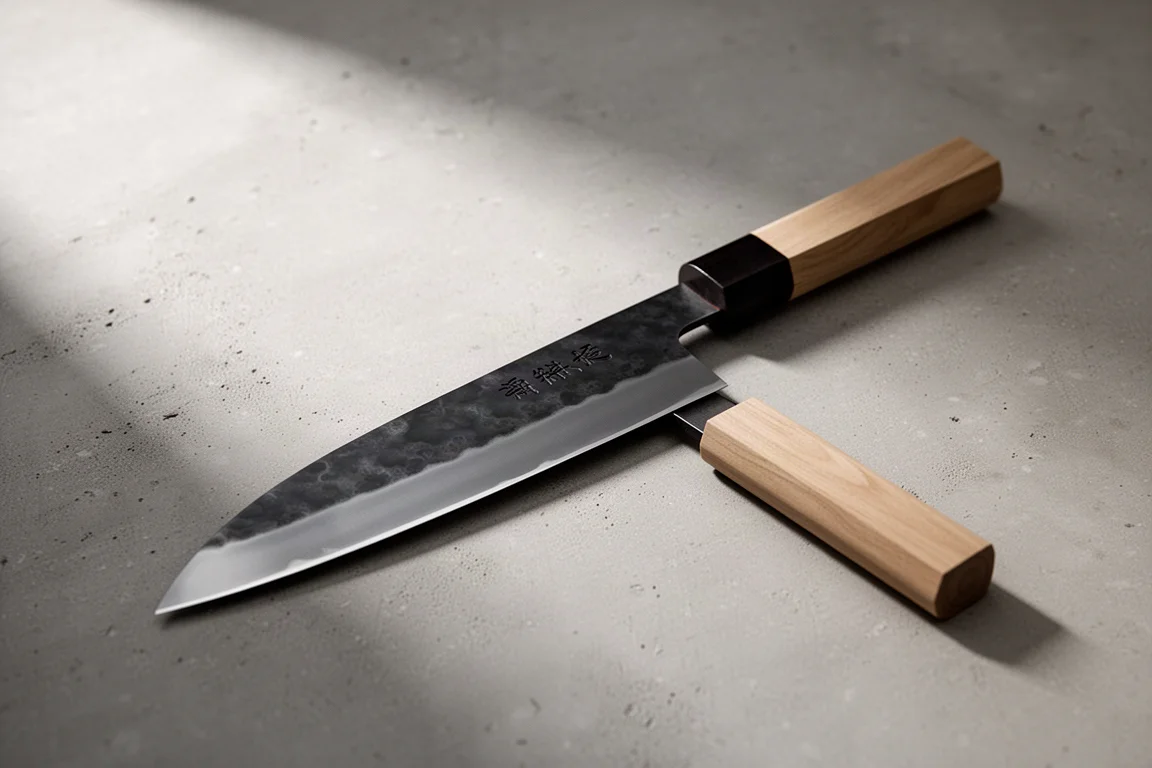
Shiro Kamo Origami Super Stainless Clad Nakiri
Shiro Kamo knives are in high demand and often difficult for shops to keep in stock, which makes this one notable. This origami super stainless clad nakiri was purchased online, used briefly, and returned, so it shows a touch of patina toward the blade tip but is otherwise in near-new condition.
A nakiri is a flat, rectangular vegetable knife, and the stainless clad construction keeps maintenance simple while the core steel handles the cutting. If a Shiro Kamo has been on your wishlist, this is the kind of listing that tends to disappear quickly.
Masamoto KS Gyuto 210mm
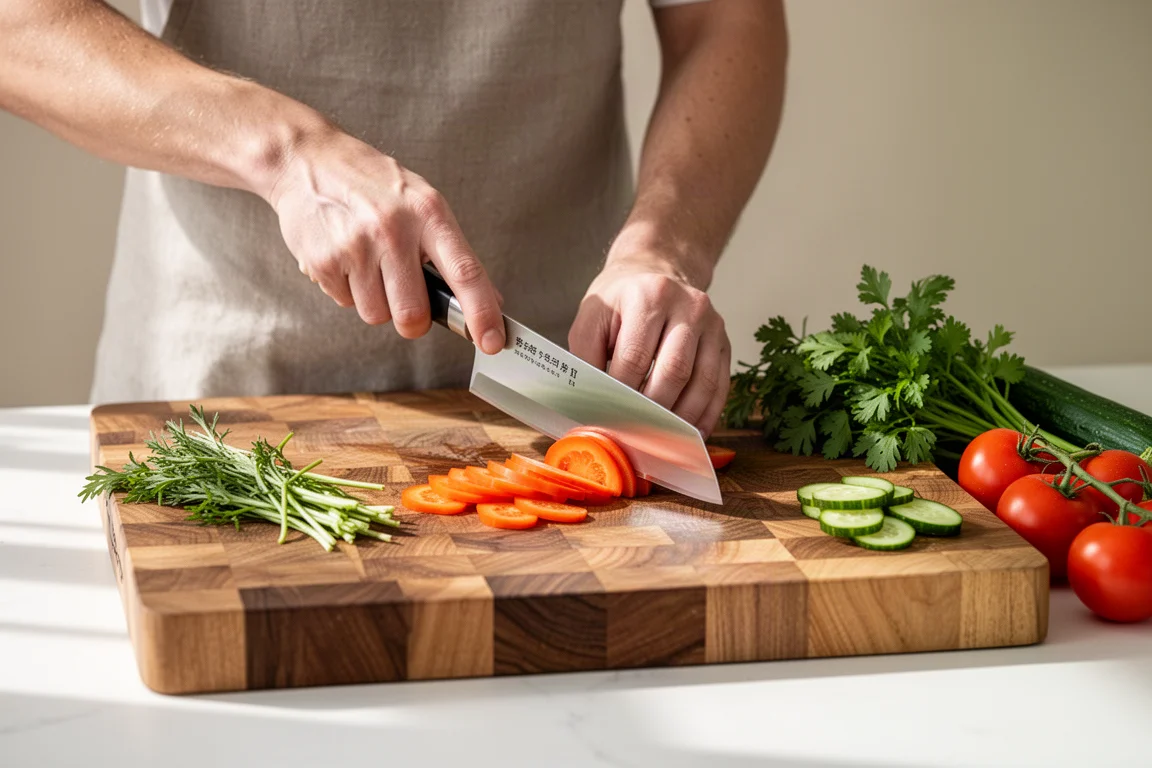
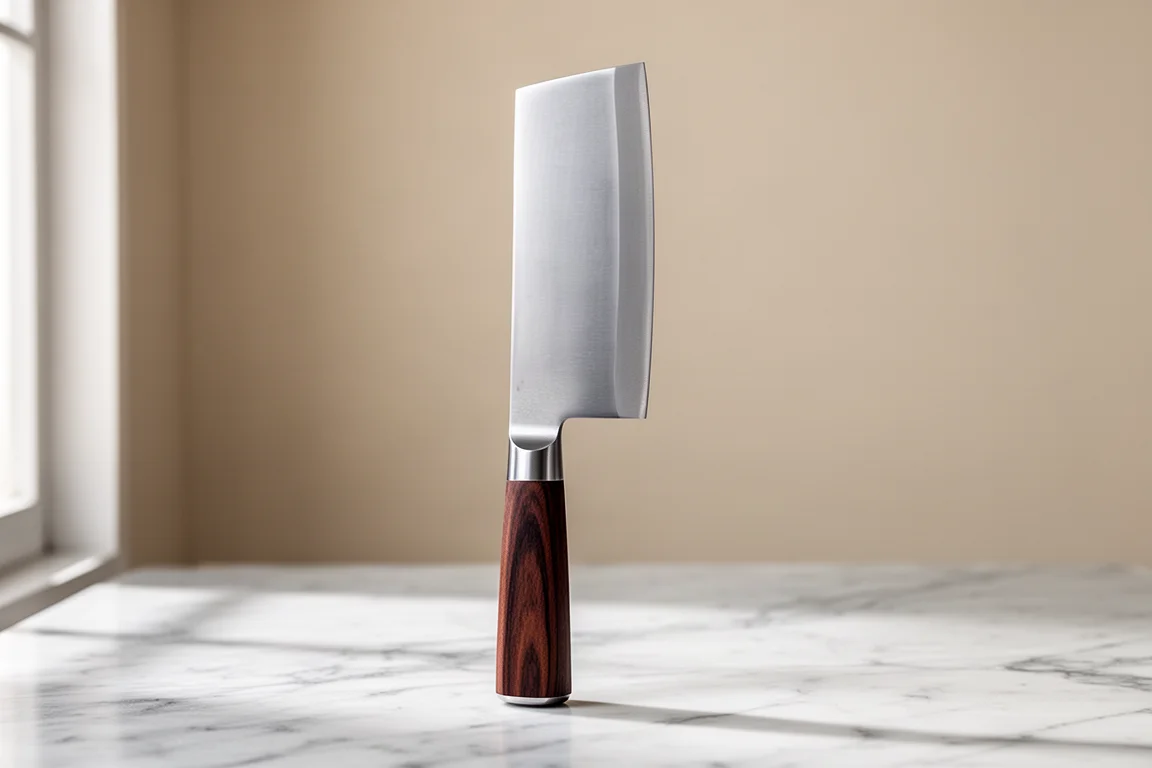
A batch of six Masamoto KS gyutos arrived with unusual scuff marks on the blades. Rather than attempting to polish them out with chemical solvents, which is not ideal for a food-contact surface, the shop chose to pass the savings along. All six share the same minor scuffing; none are in perfect cosmetic condition.
Masamoto is one of the most respected names in Japanese kitchen cutlery, so a KS series 210mm gyuto at a discount is significant even with light marks. If aesthetics are not your top priority, this is a serious knife at a friendlier price.
Sakunari ZDP-189 240mm Gyuto
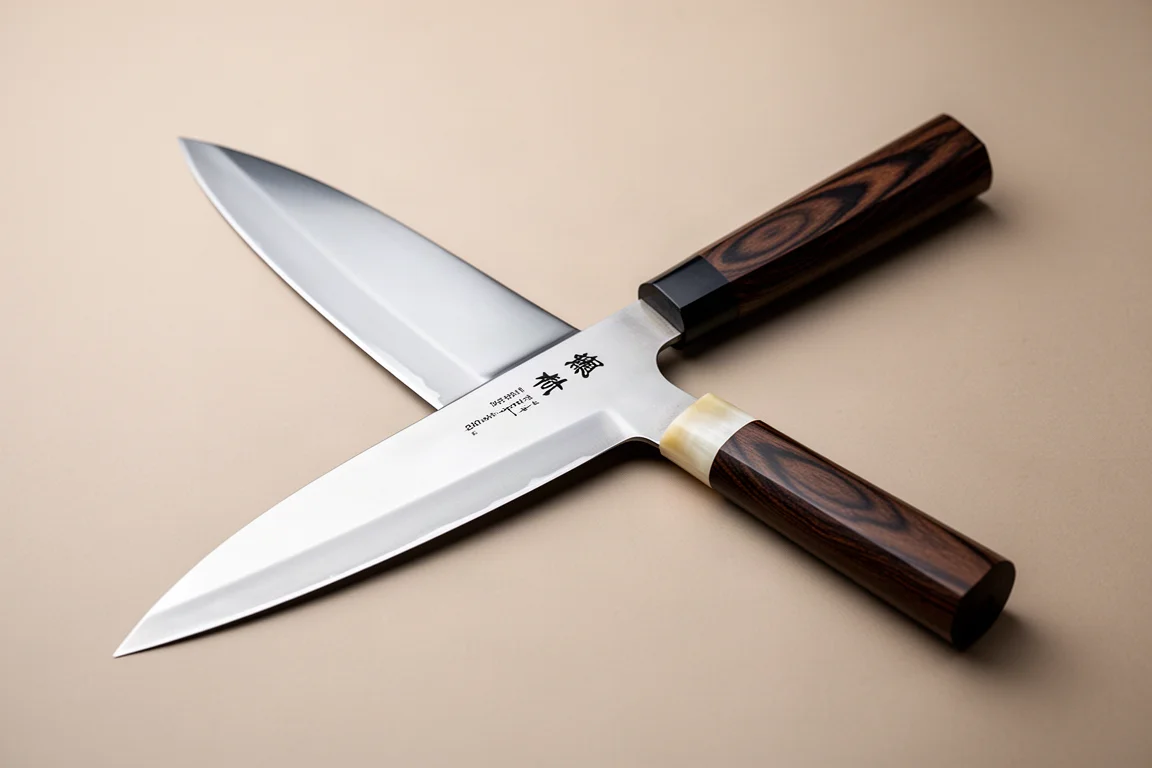
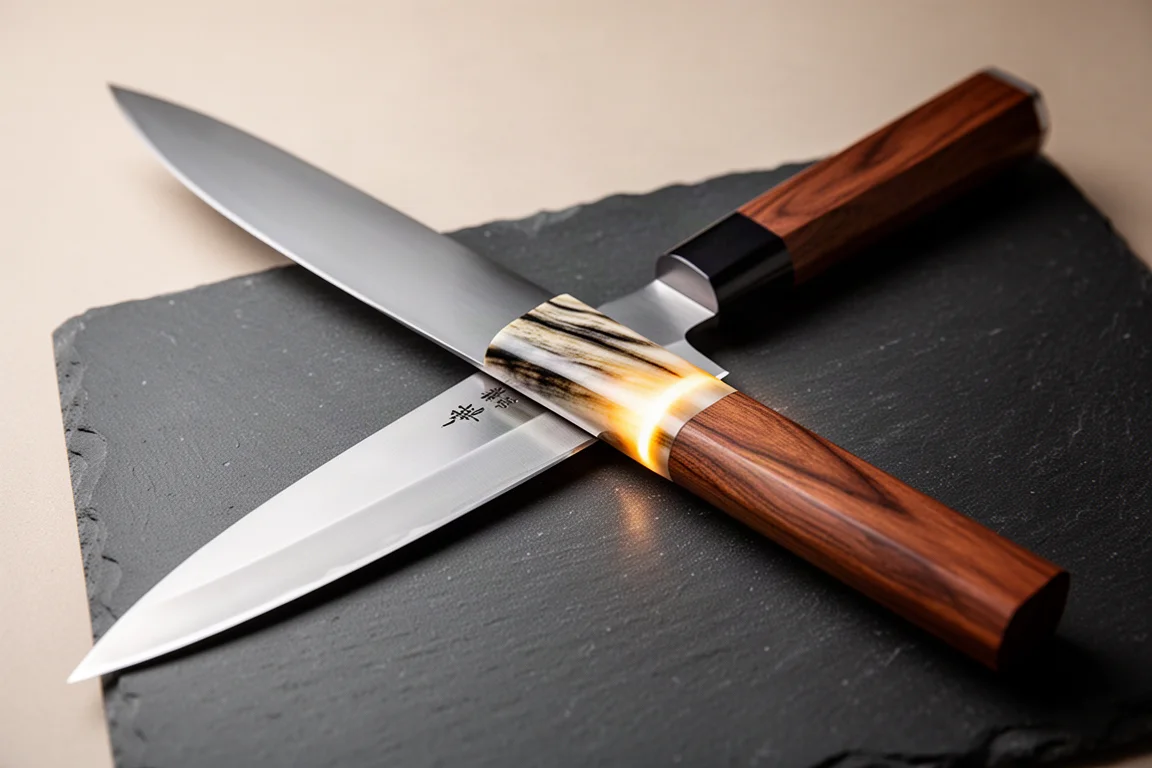
This 240mm gyuto from Sakunari pairs a buffalo horn ferrule with a rosewood handle and a blade in ZDP-189, a super-hard steel that is not commonly available. ZDP-189 can be a bit more demanding to sharpen, but it holds its edge for an exceptionally long time, which is exactly why enthusiasts seek it out.
The knife was gently used by a customer and returned, leaving minor patina on the blade and possibly a few faint scratches that are hard to spot. Beyond that, it reads as a brand new knife and is a rare steel opportunity in this sale.
Yu Kurosaki Senko Anka 170mm
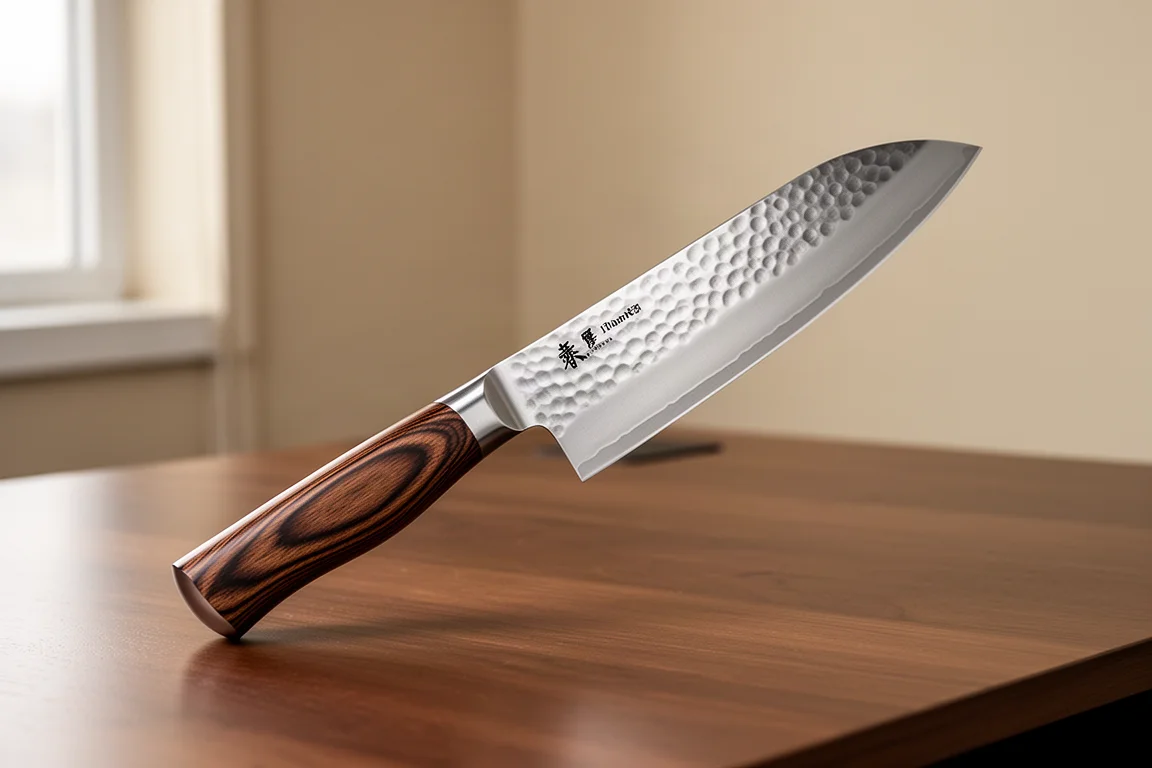
Yu Kurosaki’s work is widely admired for its distinctive hammer-forged blades, and this Senko Anka in 170mm is a particularly attractive example with a western-style ironwood handle. It has never been used or shipped to a customer, but it spent some time on the shop floor where handling left marks on the bolster.
If you have wanted to own a Kurosaki knife and can accept a small imperfection on the bolster, this is a genuine deal on a gorgeous blade.
Mazaki 240mm Gyuto
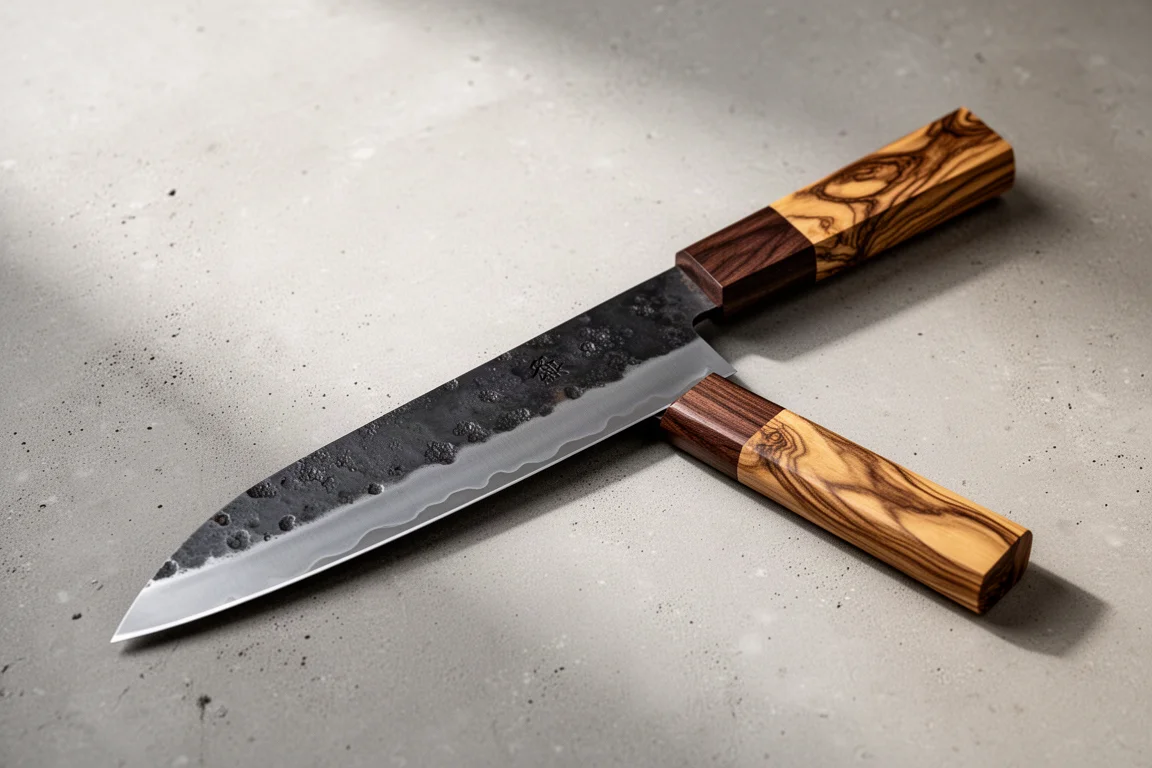
This one may be the standout of the entire sale. The Mazaki 240mm gyuto from the McGyaki series picked up a small chip while on display, and the shop’s store manager put in many hours refurbishing it: polishing the bevels, removing the chip, and refinishing the blade body. A new handle in olive wood with a walnut ferrule was also installed.
Because of the replacement handle, this knife sits slightly shorter than a typical Mazaki of this length, but McGyaki series knives are genuinely hard to come by. For anyone hunting a Mazaki at a discount, this is a rare opening.
Fujiwara Denka 210mm Gyuto
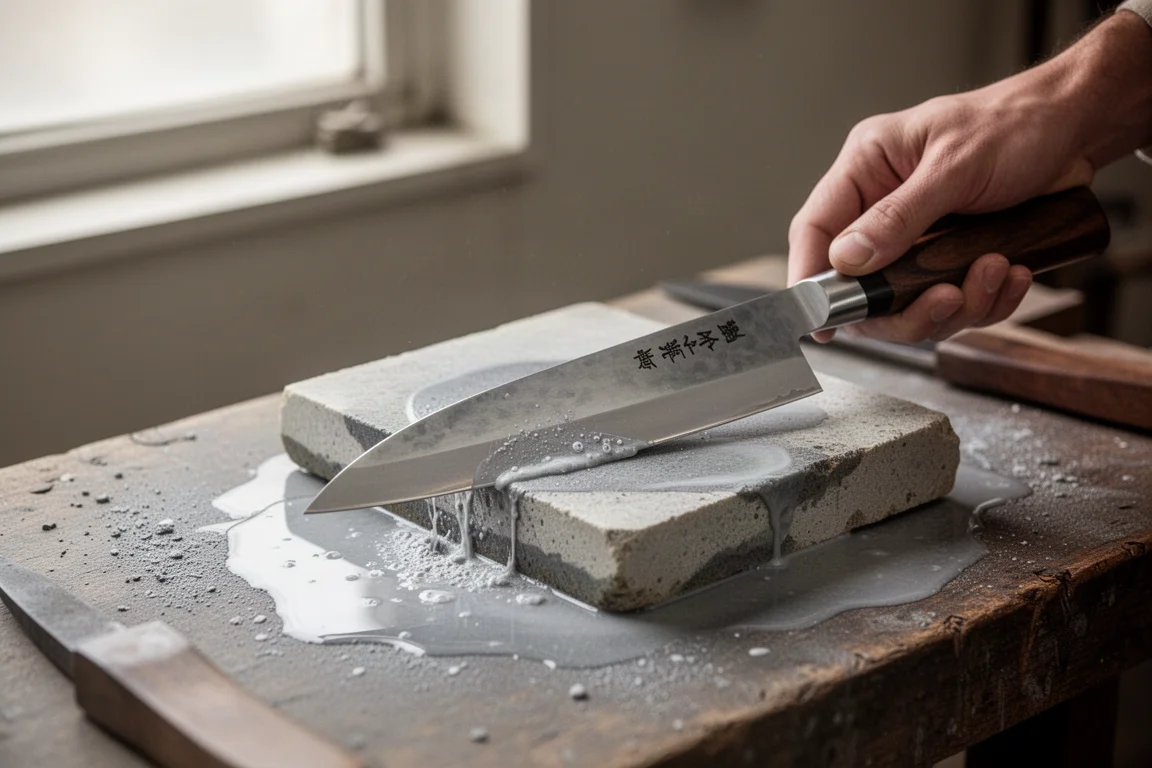
Two 210mm gyutos from Fujiwara’s Denka series are available, each with a different set of cosmetic issues. The first has a small sharp spot of steel near the tang where the tang and handle meet. It is minor but visible and needs sanding down, which the shop can do on request; the result would leave a small area without the kurouchi finish. The kurouchi on this one is otherwise quite consistent and attractive.
The second is very straight with a well-installed handle, but shows more obvious marks and scuffs on the kurouchi finish, slightly worse on the back side. The honest framing: with Fujiwara knives, you are largely paying for performance rather than aesthetics, and kurouchi wears over time regardless of care. Either knife is a strong option if cutting performance matters more to you than a flawless finish.
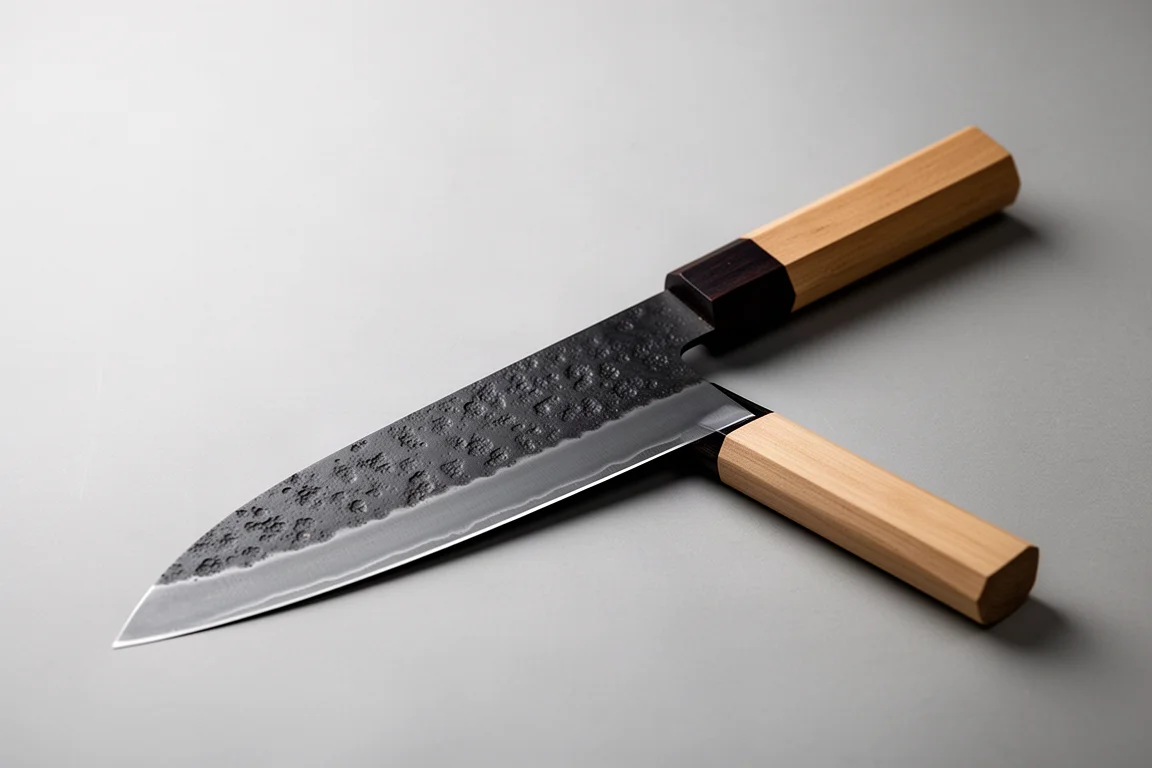
Petty Knives: Seki Kanetsugu and MotoKuchi
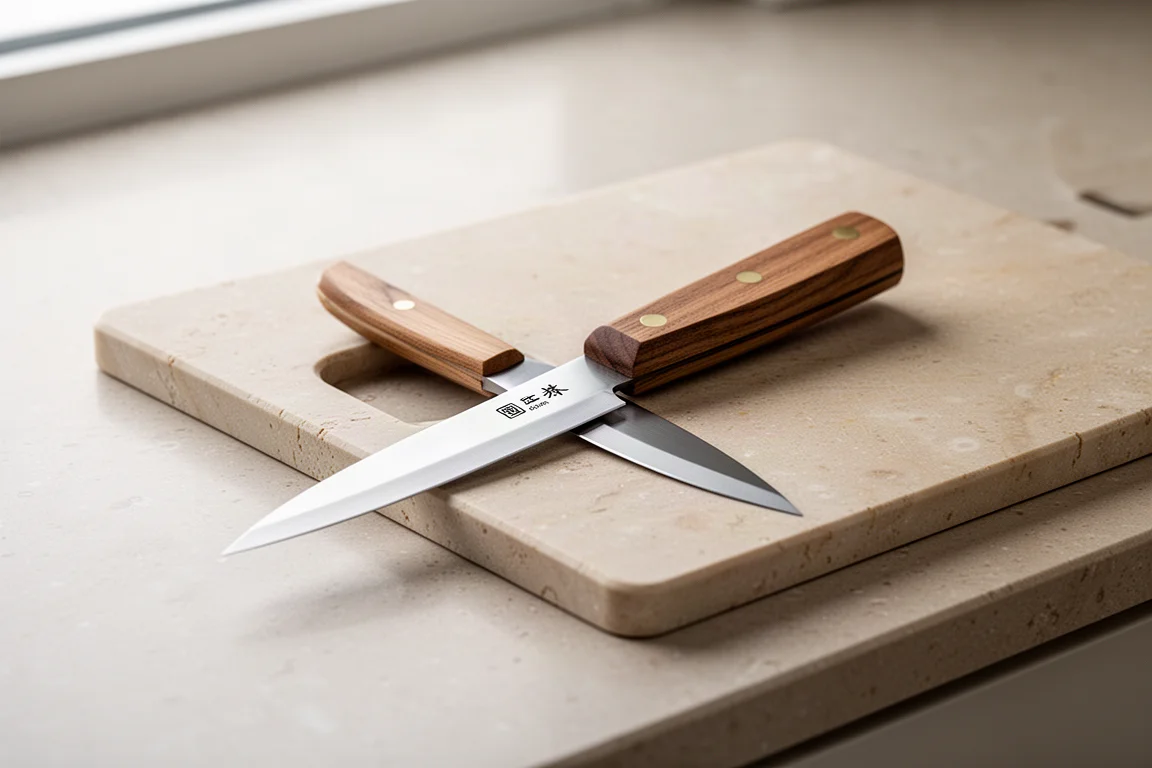
Rounding out the sale are two petty knives remaining from a petty knife comparison. The Seki Kanetsugu Saiun petty at 90mm looks essentially brand new, making it an easy pick if you want a small knife for detail work, paring, and small precision tasks.
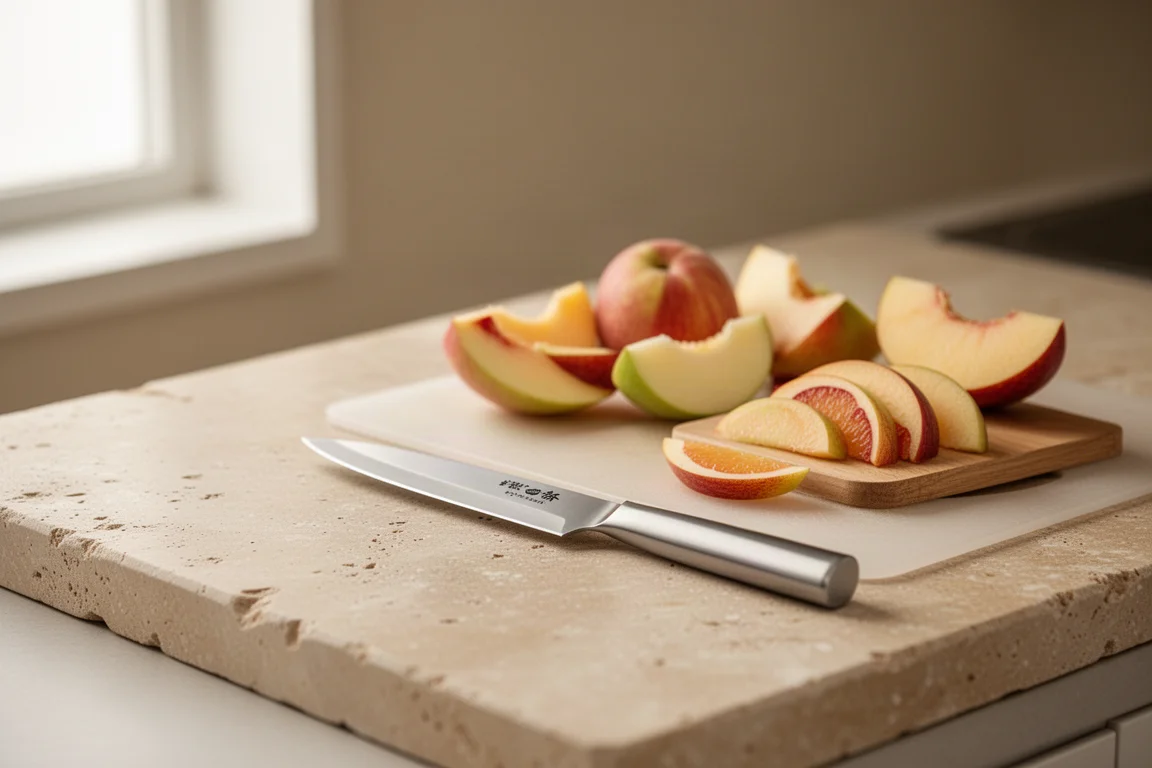
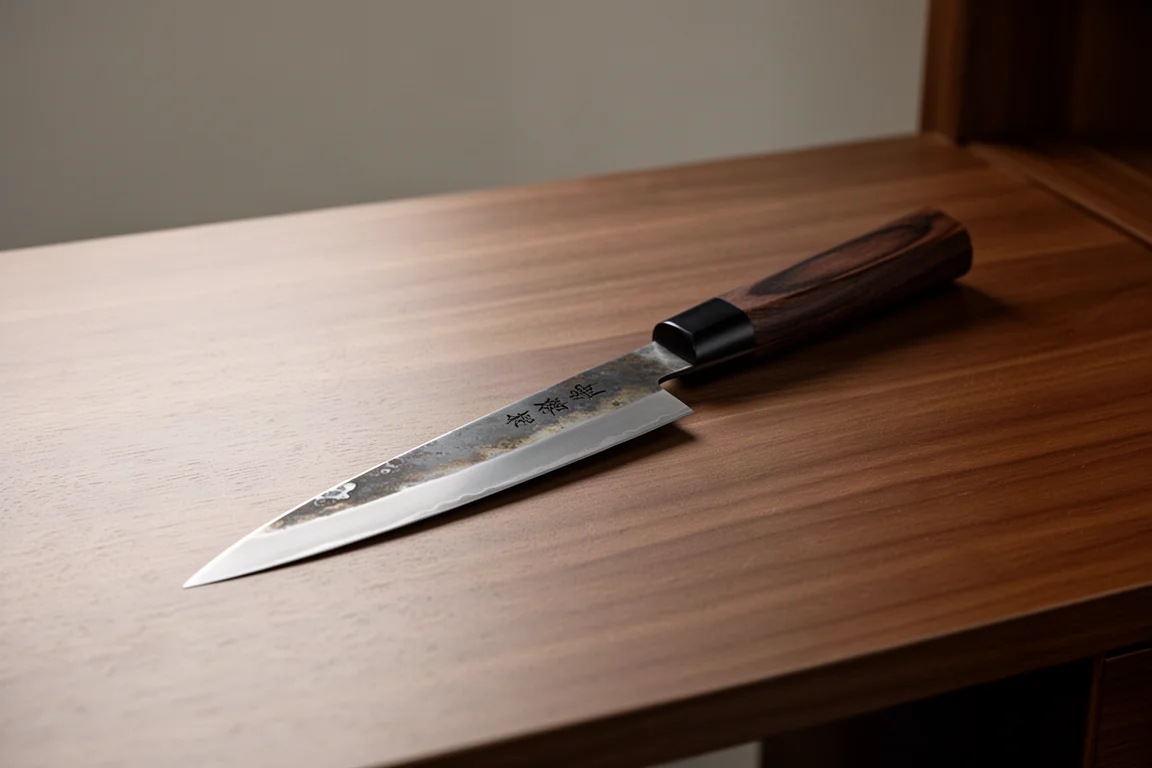
The MotoKuchi 180mm petty tells a different story: it shows visible patina on the blade. Longer petties can be tricky to find in stock, so if you want a 180mm petty and do not mind a little patina, or you enjoy the idea of cleaning a blade up as a small project, this one deserves a look.
Overall Buying Advice
The common thread across all of these knives is that the flaws are cosmetic and, in most cases, barely noticeable. Three picks stand out for different reasons: the Mazaki 240mm for rarity and the quality of the refurbishment, the Nakagawa Satoshi pair for near-invisible wear on sought-after blades, and the Shiro Kamo nakiri for sheer availability, since these rarely stay in stock long.
If you are picky about finish, favor the Seki Kanetsugu petty or the kiritsuke gyuto, which show the least wear. If performance per dollar is your goal, the Masamoto KS and Fujiwara Denka are the strongest arguments. Anyone wanting an exotic steel should look hard at the Sakunari ZDP-189.
Conclusion
Scratch and dent sales are one of the smartest ways to get into high-end Japanese knives, because the compromises are almost entirely visual. Every knife in this roundup cuts like a new knife. Match the condition notes to your own tolerance for marks, pick the blade shape and steel that fit your cooking, and you can walk away with a premium knife at a meaningful discount.
Further reading
Related Reviews

Kitchen Knives
Best Chef's Knives 2026: 27 Popular Options Tested and Ranked
A comprehensive review of 27 chef's knives ranging from $18 to $380, with honest assessments of handle comfort, blade balance, and real-world performance.

Kitchen Knives
Best Chef's Knives Under $75: Two Tested Recommendations
Two practical 8-inch chef's knives that balance sharpness, comfort, and durability without premium pricing.

Kitchen Knives
Best Chef's Knives 2026: 27 Options Tested and Ranked
A comprehensive review of 27 chef's knives ranging from $18 to $380, with honest assessments of handle design, balance, blade profile, and real-world performance.