Kitchen Gadgets
Three Japanese Kitchen Gadgets Put to the Test: Fish Mold, Electric Salt Spoon, and Mochi Maker
A professional chef and a home cook test three unusual Japanese kitchen gadgets, from a fish skewering mold to an electric mochi maker, with honest verdicts on each.
Introduction
Japanese kitchen gadgets have a reputation for being either brilliantly practical or delightfully baffling, and the three tested here cover the full spectrum. We put each one through a real cooking session, judging build quality, usefulness, ease of cleaning, and value. The results varied widely: one gadget earned genuine praise, one left us puzzled, and one sits somewhere in between depending on how much you love mochi.
Uneri Gushi Fish Skewering Mold
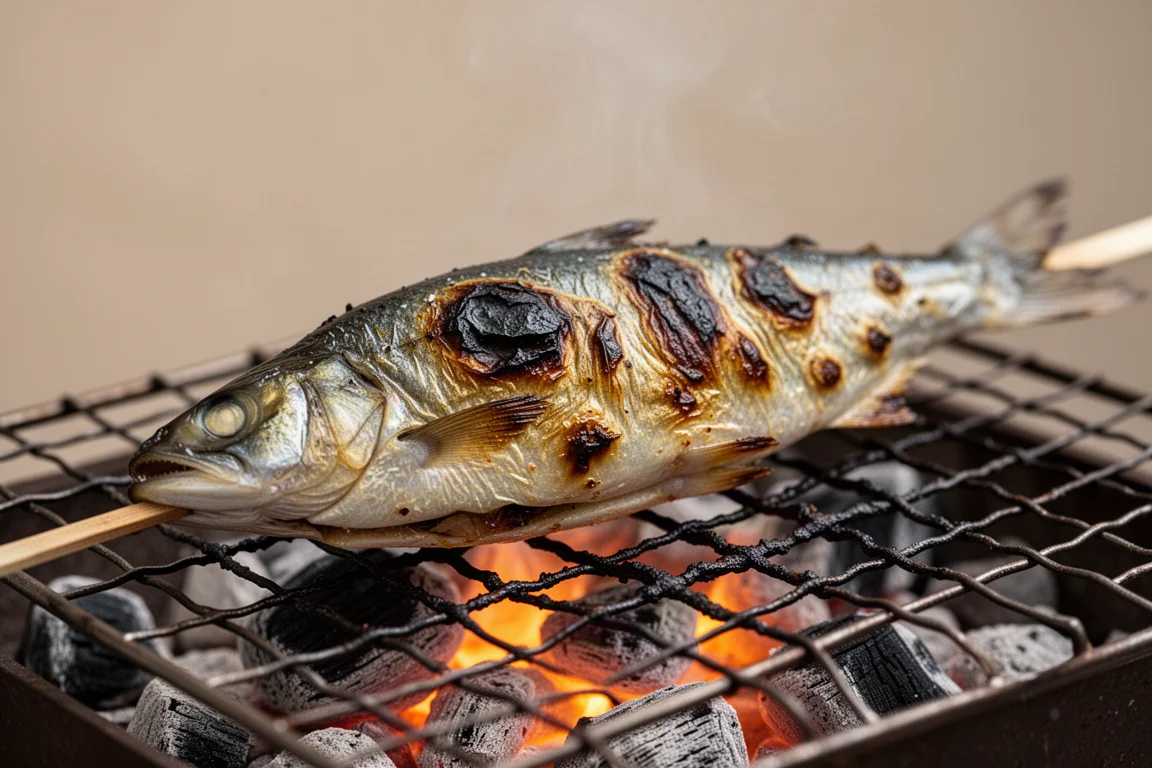
This mold is designed for uneri gushi, the traditional Japanese preparation where small fish, usually ayu, are skewered in a wavy posture that makes them look as if they are still swimming. The fish are salted and grilled, and the presentation is part of honoring the ingredient in its natural form. Since ayu were not available, sardines turned out to be a near-perfect substitute in size and shape.
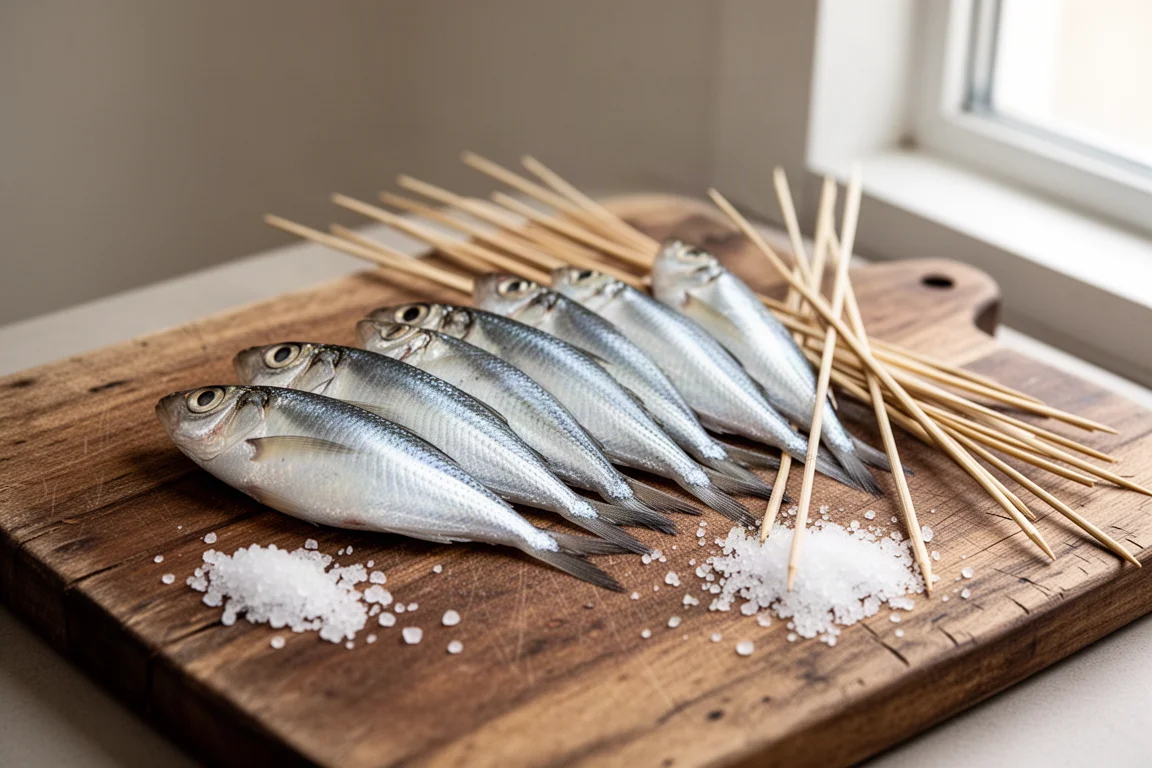
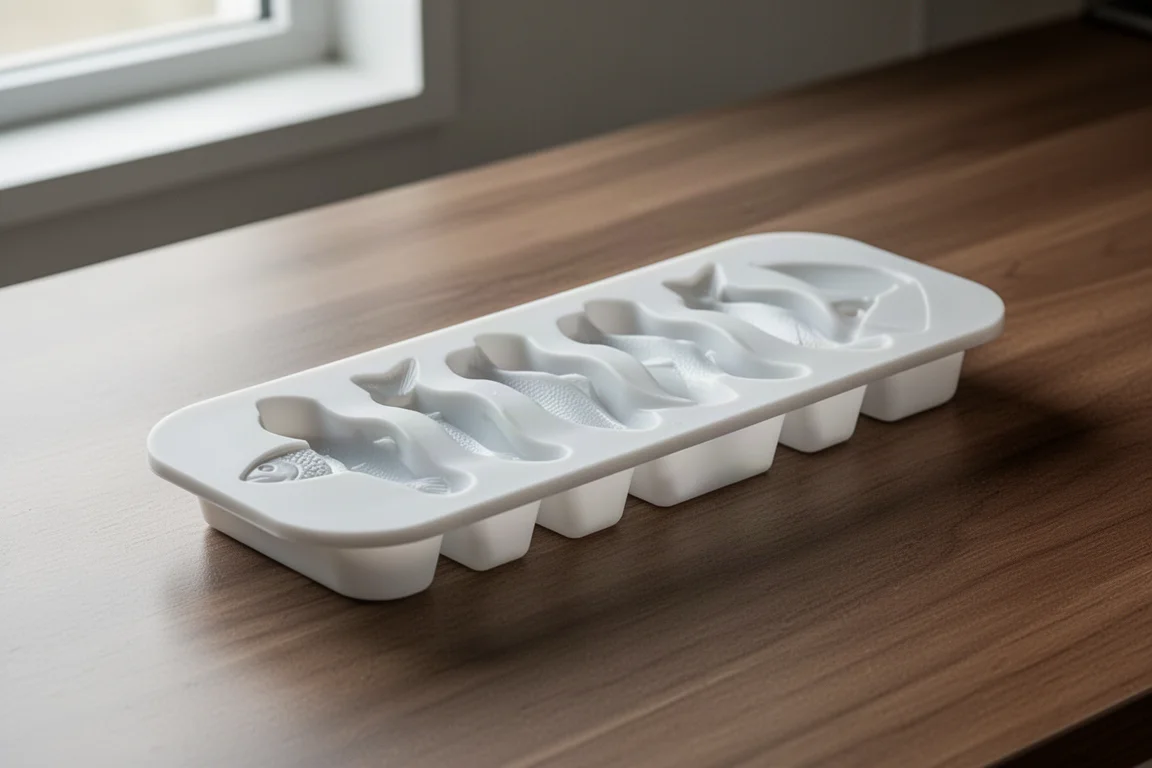
Using it is straightforward: slide the gutted fish into the mold, then push a skewer straight through so it pierces the fish several times in the classic swimming curve. Going through the mouth rather than the eye gives the neatest result. The mold holds everything in position, which is the tricky part when attempting this by hand, and it produces uniform results every time.
What the Fish Mold Does Well
The practical advantage shows up at the grill. Fish on a single skewer tend to spin, which makes flipping awkward, but the multiple skewer points through the mold-shaped fish let you rotate them slowly and evenly. For anyone who has struggled to flip whole fish on a barbecue, this solves a real problem.
Cleaning was a genuine surprise. Many single-purpose gadgets trade time saved for time spent scrubbing, but this one went straight into hot soapy water and cleaned with one pass. At £42 (8,336 yen), it is a specialist purchase, best suited to home cooks who entertain large groups or anyone cooking festival-style food for crowds rather than a weeknight tool.
Kirin Electric Salt Spoon
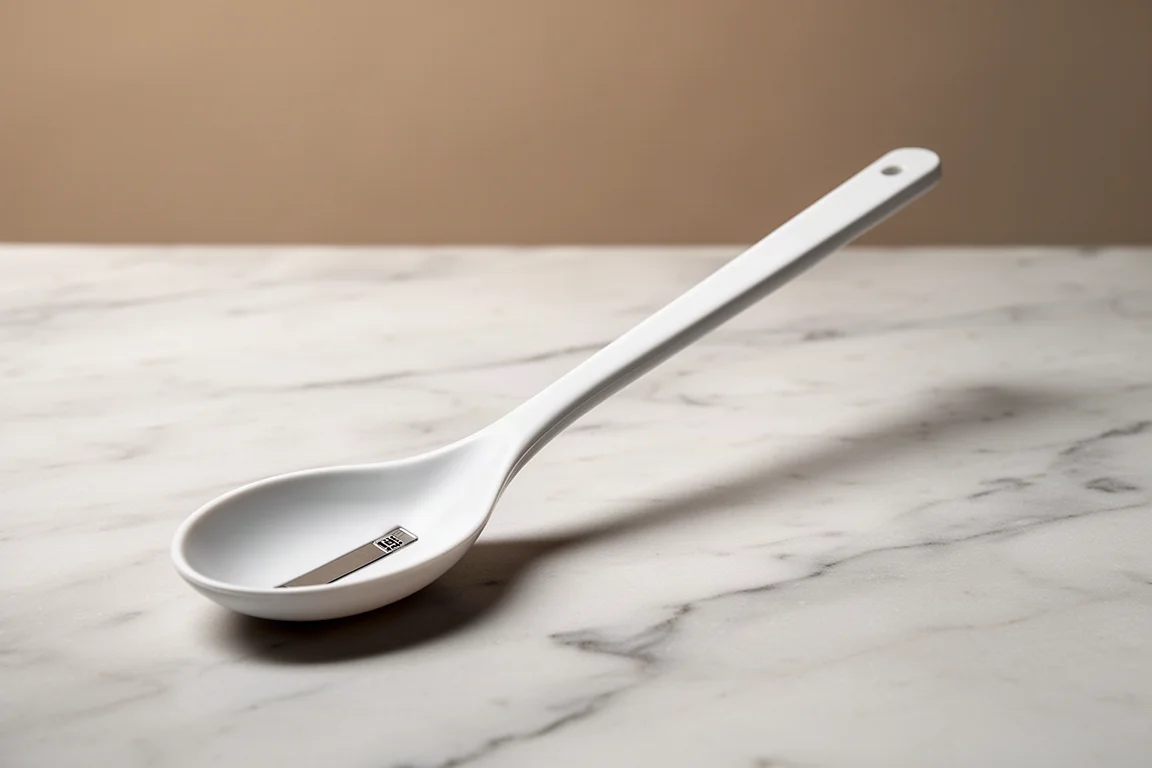
The Kirin electric salt spoon, developed with the Homei Miyashita laboratory of Meiji University, claims to amplify saltiness and umami through a weak electrical pulse. The theory is that taste components such as salt and umami exist as ions in food, and the spoon’s waveform draws those ions to the tongue. The goal is a practical one: studies suggest Japanese consumers take in more sodium than organizations like the World Health Organization recommend, so a spoon that boosts perceived saltiness could let people use less.
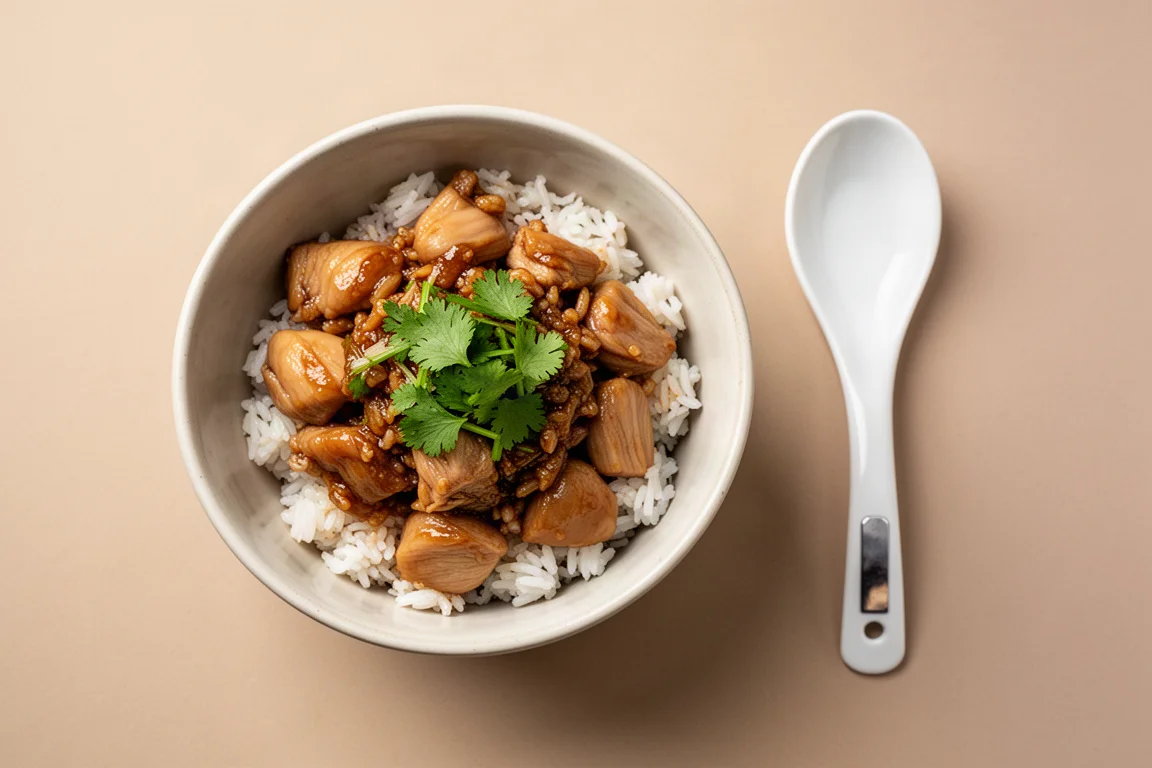
It has four intensity levels, indicated by steady or flashing yellow and blue lights, and the light turns white when the current is emitted on contact. Testing it on a lightly seasoned miso chicken rice dish, the sensation was a slight fizzing on the tongue, but neither tester could detect a meaningful boost in saltiness or umami. Beyond the modest effect, the practicality is questionable: eating everything off a long plastic spoon detracts from the experience rather than adding to it.
At £160 (29,963 yen), the price made the underwhelming result sting even more. The concept is fascinating and the engineering intent is genuine, but in practice the fork-and-less-salt approach remains the more realistic route.
Tiger Electric Mochi Maker
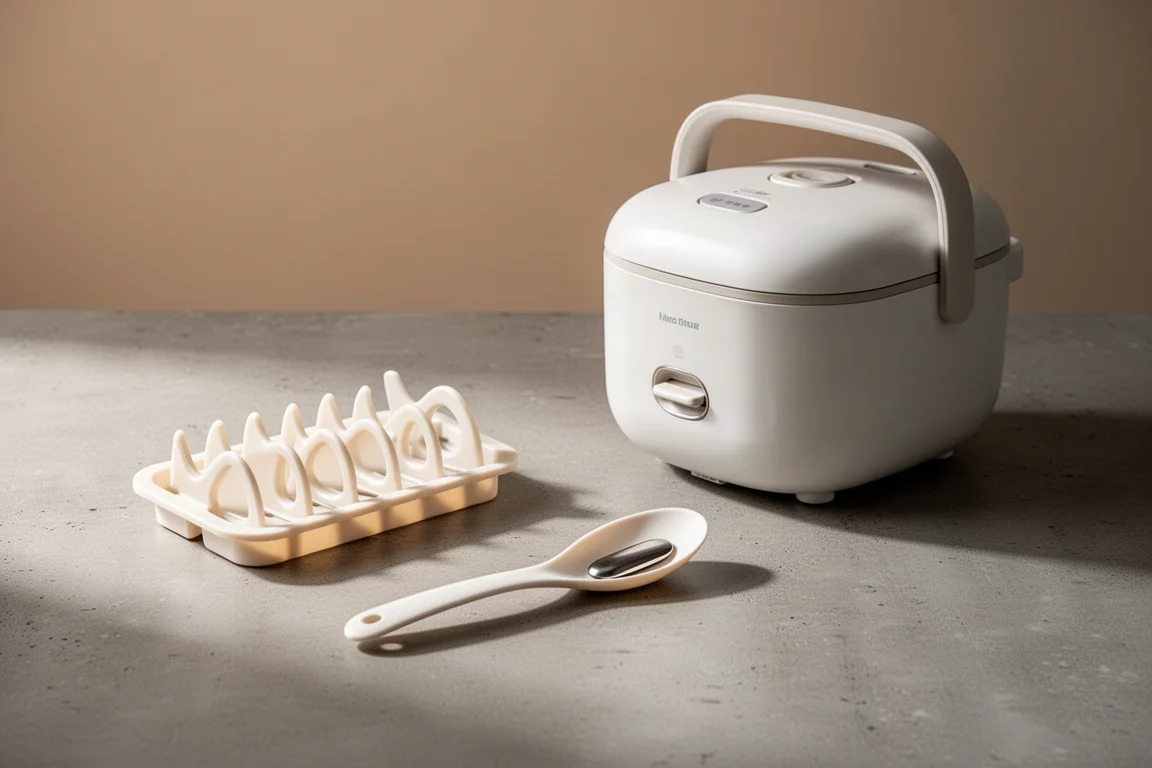
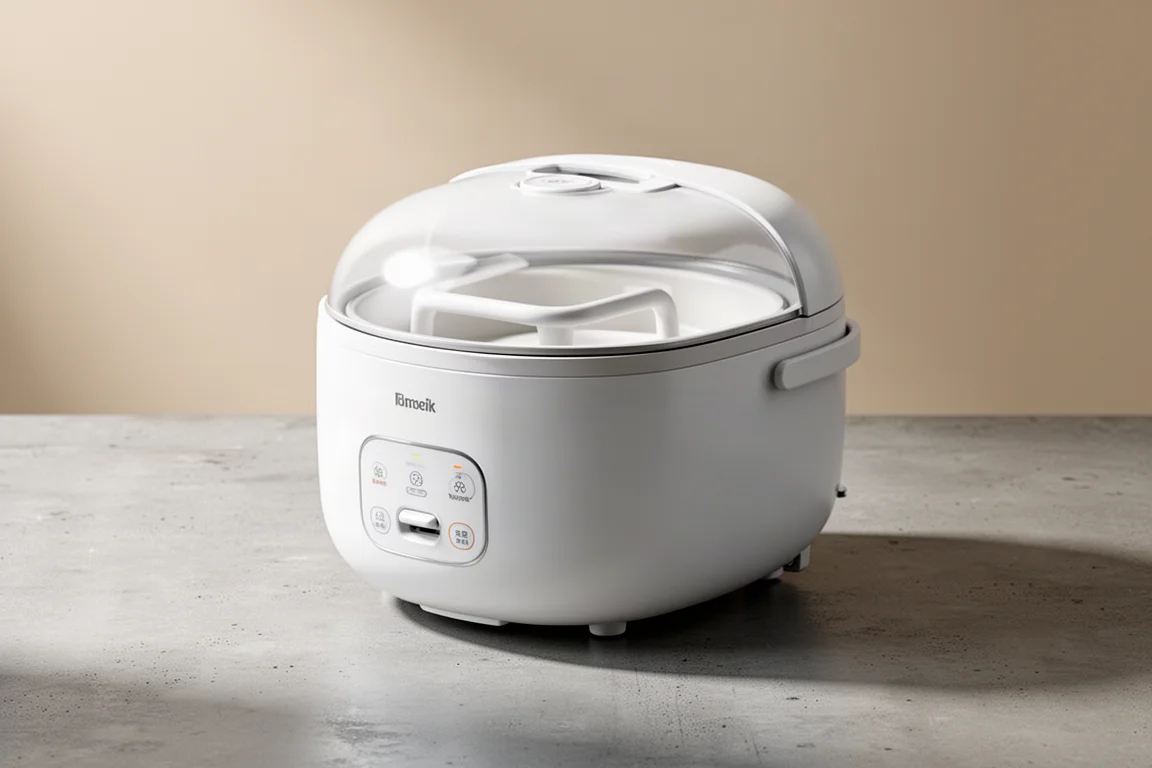
The Tiger electric mochi maker steams and pounds sweet mochi rice so you can make mochi dough from scratch without the traditional hammer-and-mortar technique. You fill the middle compartment with water, add pre-soaked mochi rice, press the steam button, and when the buzz sounds you switch to the pounding cycle.
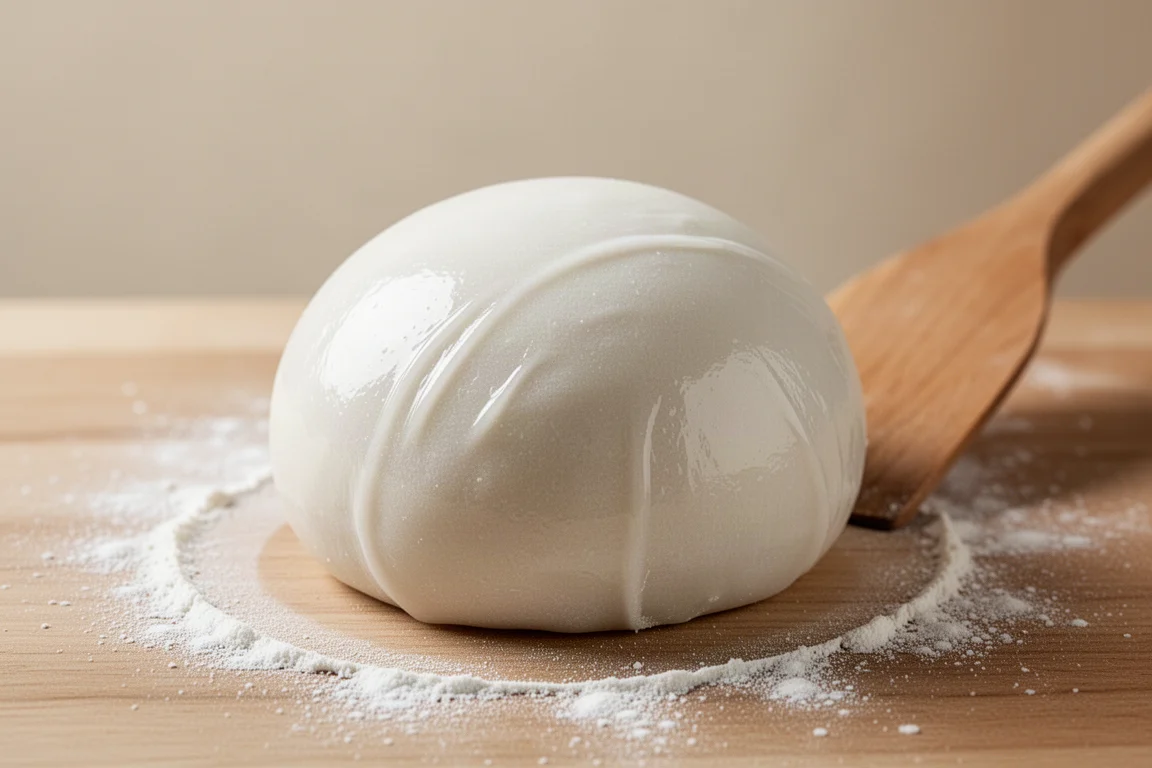
The steamed rice emerged translucent and sticky, exactly as it should, and the pounding phase, which is more of a rhythmic pulsing than a violent hammering, gradually churned the rice into an elastic ball of dough. The result was not quite as smooth as mochi made from glutinous rice flour, but once rolled and shaped it came together well and would work perfectly wrapped around red bean paste or molded over ice cream.
Is the Mochi Maker Worth It?
At £190, the question is how often you would actually use it. In households where mochi is a weekend passion project, it occupies territory comparable to a stand mixer: expensive, niche, but genuinely rewarding for the right owner. For anyone who rarely makes mochi, it is harder to justify. It is fun to use, the sweet rice smells wonderful during steaming, and the process removes both the burn risk and the physical effort of traditional preparation.
Overall Buying Advice
These three gadgets illustrate how wide the quality range is in this category. The uneri gushi mold is the standout: affordable, easy to clean, and genuinely useful for its specific job. The Tiger mochi maker is a luxury for dedicated enthusiasts. The Kirin salt spoon is a fascinating experiment that does not yet deliver a convincing result, and at its price it is hard to recommend. Match the gadget to how often you would actually use it, and the buying decision becomes much easier.
Conclusion
Japanese kitchen gadgets reward curiosity, but not all of them reward your wallet equally. The fish skewering mold proved that a simple, well-designed tool can beat expensive electronics, while the mochi maker showed how specialized appliances earn their place only through regular use. Start with the mold if you want a taste of this world; skip the salt spoon unless pure curiosity wins out.
Further reading
Related Reviews

Kitchen Gadgets
Kitchen Gadgets Tested 2026: Five Tools Worth Considering
A practical look at five kitchen gadgets, from egg shapers to peanut butter stirrers, with honest assessments of what works and what doesn't.
Kitchen Gadgets
Best Electric Wine Openers: Our Top Picks From Eight Tested Models
We tested eight electric wine openers priced from $20 to $110 on hundreds of bottles. The Secura came out on top, with a Peugeot and a Rabbit model also worth knowing about.
Kitchen Gadgets
Best Kitchen Gadgets Under $15: Eight Small Tools That Earn Their Keep
Eight kitchen tools that cost less than $15 but perform like far more expensive gear, from a razor-sharp peeler to a champagne saver that really works.