Hand Tools
Klein 73066 vs Pittsburgh 63845: Interchangeable Head Snap Ring Pliers Compared
Two interchangeable head snap ring pliers with very different price tags. Here is how the Klein 73066 and Pittsburgh 63845 stack up on head thickness, fit, and build quality.
Introduction
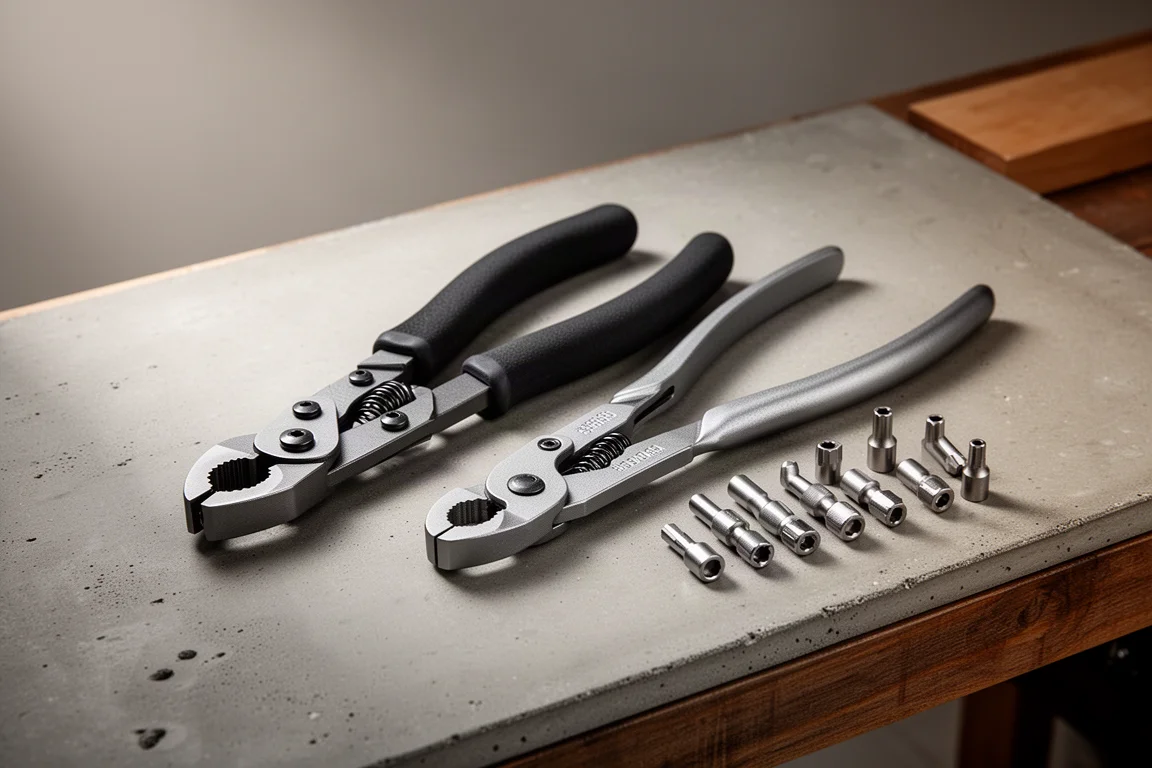
Interchangeable head snap ring pliers solve a simple problem: instead of buying a drawer full of dedicated internal and external pliers in every tip size, one handle plus a set of swappable heads covers most retaining ring jobs. Two versions of this design sit at very different price points, the Klein 73066 and the Pittsburgh 63845, and they turn out to be far more similar than the price gap suggests.
A quick safety note before anything else: snap rings are notorious for popping off the tool or the workpiece and flying straight at your face. Wear safety glasses every time you use these.
Why Interchangeable Heads Matter
Traditional snap ring pliers come in fixed configurations: internal or external, straight or angled tips, and a specific tip diameter. Most people end up accumulating a mixed set over the years, grabbing whichever one was needed at the time. An interchangeable head design flips that around, letting a single spring-loaded handle switch between internal and external operation and between different head styles.
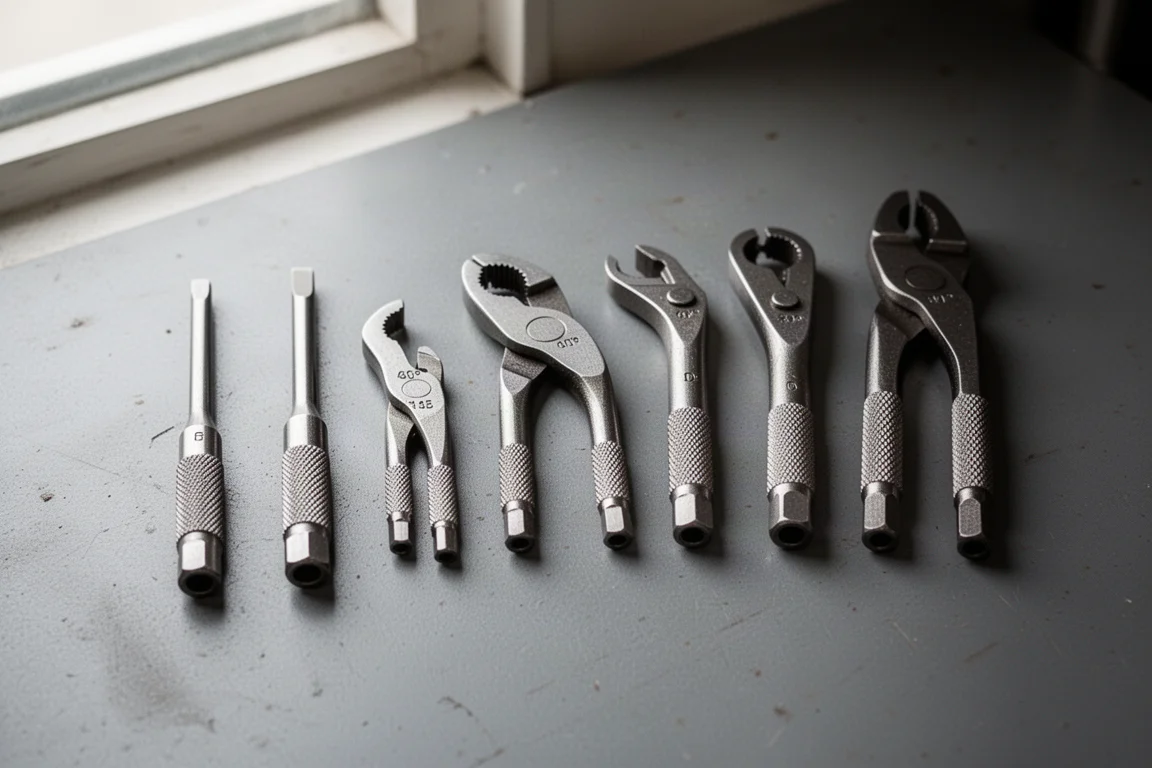
Both of these tools work the same way in that regard. A small sliding catch, an old-school and admittedly clunky mechanism, pops out the center portion so the heads can be swapped. One side of the plier has posts above the pivot, the other side below them. Flip the head and reattach it in the same spot, and the same plier now spreads tips apart for external rings or closes them for internal rings. Both the Klein and the Pittsburgh operate identically here, and the smooth side of the head should always face the work.
Klein 73066: The Six-in-One
The Klein 73066 is marketed as a six-in-one tool. It ships with four heads, three of them different, with one duplicated. Since three heads can be used in either internal or external orientation, that is where the six configurations come from. Every head on the Klein uses a 0.058 inch tip diameter.
The Klein has the nicer handle of the two, with proper branding and a spring-loaded action that feels more considered. The internal plates of the head mechanism also look more thought out. It is made in China, same as the Pittsburgh, and it runs around 20 dollars.
In use, the Klein is not flawless. Its head is noticeably thicker than some premium equivalents, and the small spring on the test unit came loose and shot across the room, so it may not be permanently attached. Still, the fit and feel are clearly a step up from the budget option.
Pittsburgh 63845: Four Heads, Four Sizes
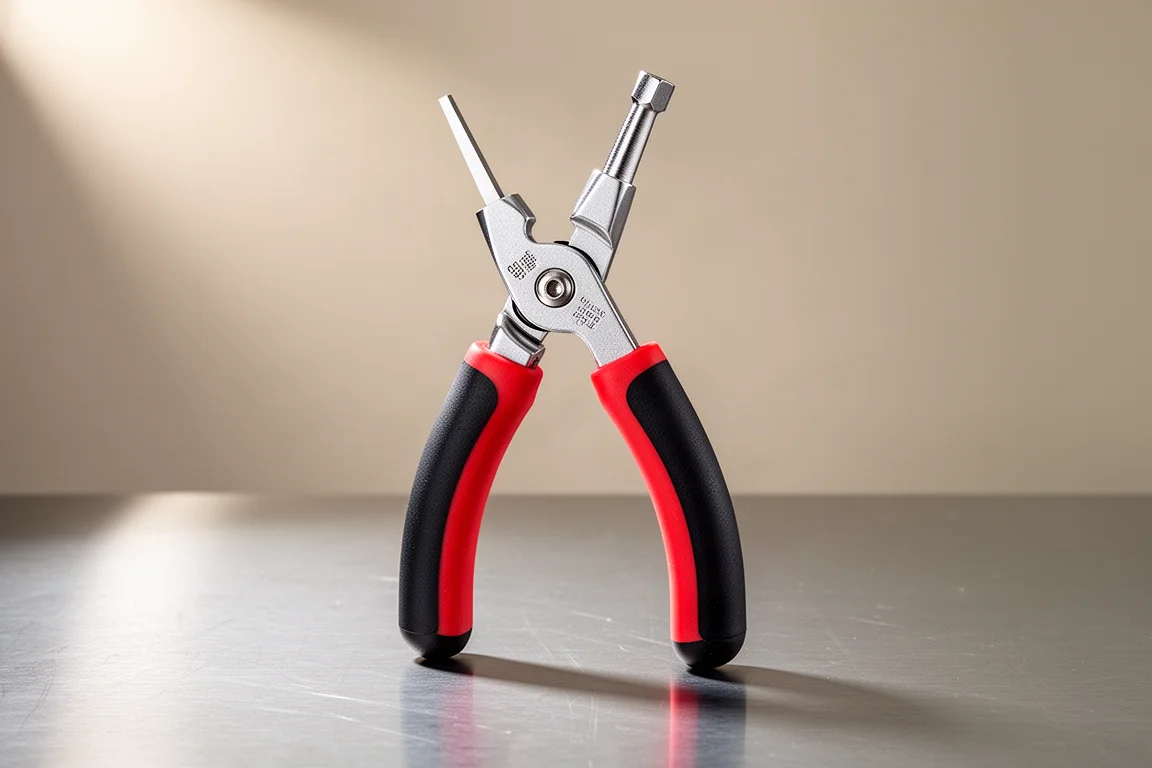
The Pittsburgh 63845 comes with four genuinely different heads, and that is where it gets interesting. It includes two straight heads, one at 0.058 inches matching the Klein and one at 0.047 inches matching the thinner tips of premium brands like Snap-on. Both of its angled heads, in 45 and 90 degree configurations, are also 0.058 inch.
That extra 0.047 straight head is a real benefit. In a side test with a small snap ring, the finer Pittsburgh tips fit into the ring while the thicker Klein tips simply ran out of room. If you work on smaller assemblies, that thinner head gives the Pittsburgh a capability the Klein lacks.
The tool carries a lifetime warranty and costs about 4 dollars. There is no branding on the handle, and the finish reflects the cost cutting, but the core function is all there. Both tools are made in China.
Head and Frame Thickness
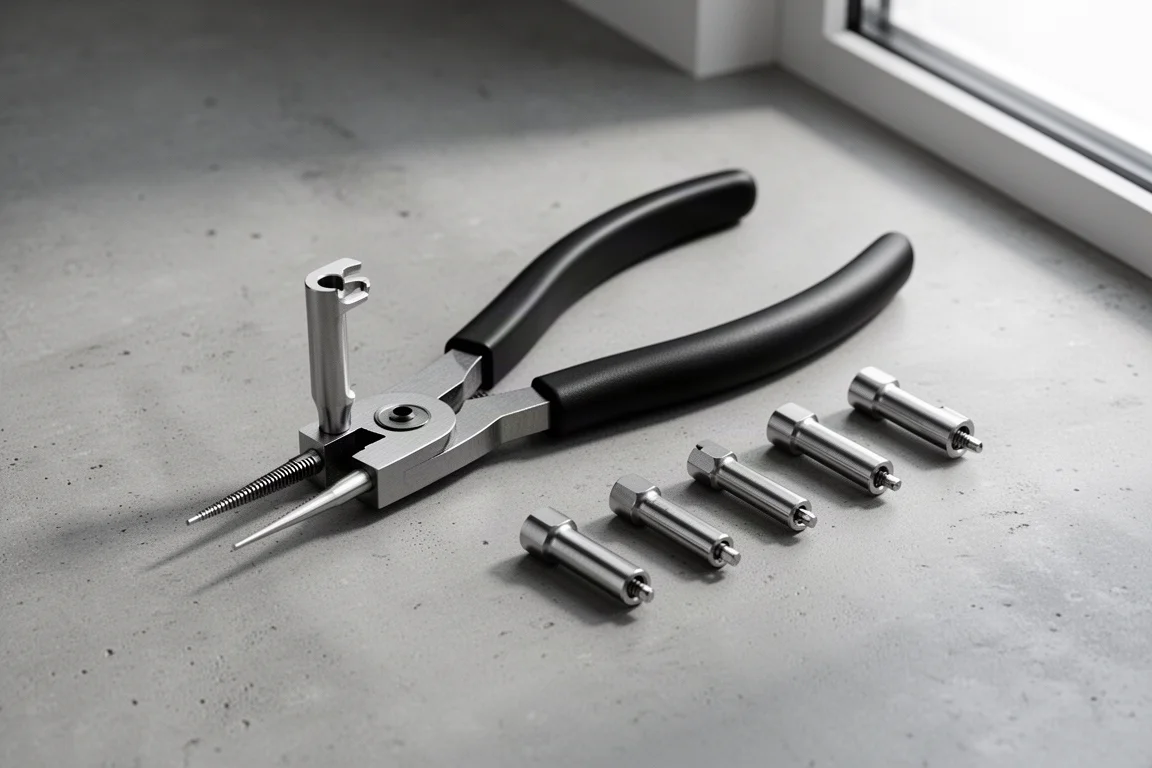
The thickness differences between the two are small but worth knowing. The Pittsburgh head measures 2 mm thick, while the Klein head measures 2.5 mm. On the frames, the picture flips: the Pittsburgh plier frame is 2.5 mm, the same as the Klein head, while the Klein frame is 3 mm.
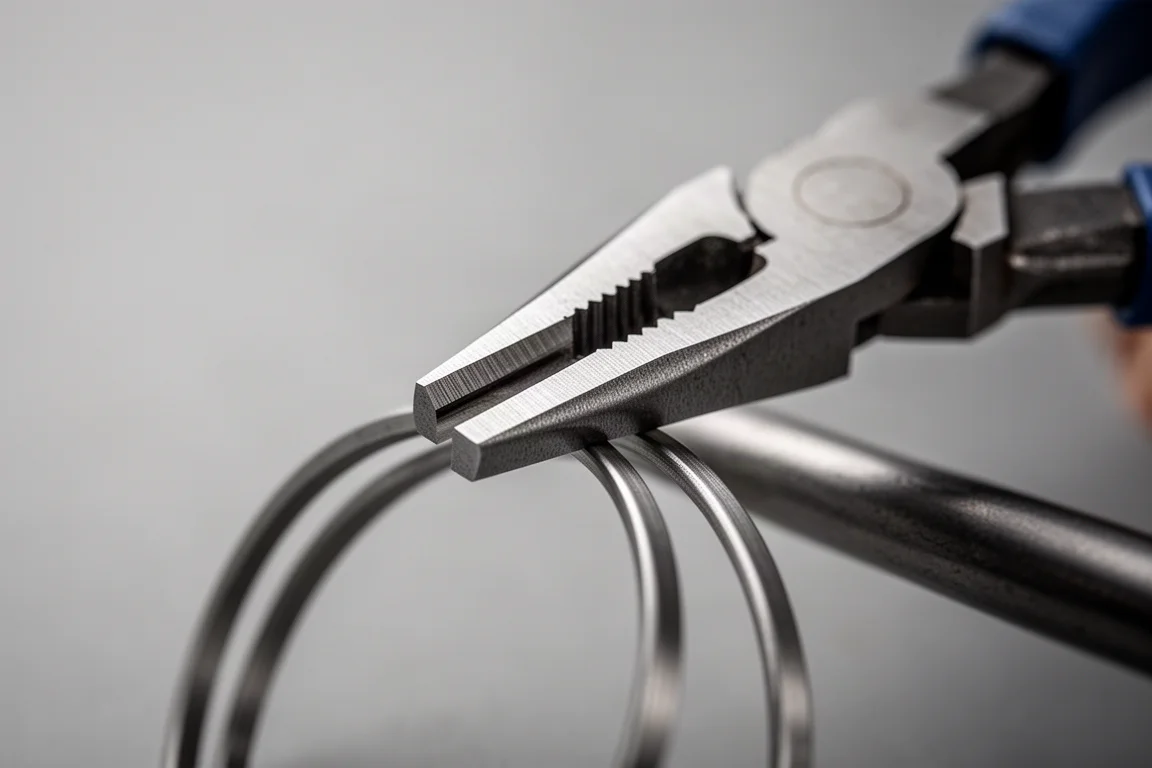
So the Klein is the beefier tool overall with a 3 mm frame, and the Pittsburgh is the slimmer one where it counts at the tips. Neither is a dramatic difference, but in tight snap ring grooves, a millimetre can decide whether the tips fit at all.
Strength Under Load
In a rough stress test, both pliers were set up with their largest straight heads and squeezed hard, well past what a normal job would demand. The Pittsburgh showed no visible deformation even under heavy pressure. These tools are known for breaking under abuse, and expensive ones sometimes offer replaceable parts, so nobody should treat either one as a heavy-duty tool. For typical snap ring work, both held up.
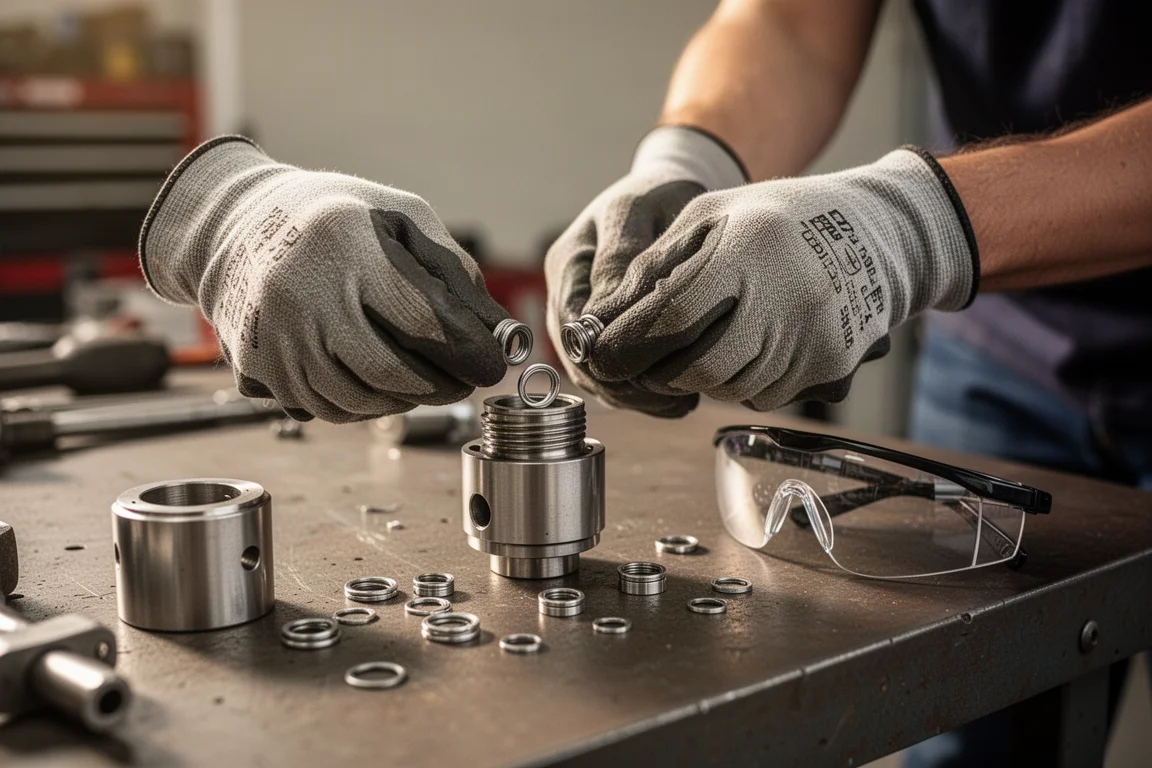
One quirk surfaced during head swapping: heads on both tools can be stubbornly stuck on the posts, wedged tight enough to need pliers to pry them free. The Pittsburgh heads also stick out further from the mechanism, and the Klein’s posts seem slightly larger, which may contribute to a more precise feel.
Which One Should You Buy
The price difference is the deciding factor. At roughly 4 dollars for the Pittsburgh versus about 20 for the Klein, you could buy five sets of Pittsburgh pliers for the price of one Klein, ending up with 20 heads total, if you can stand managing them. The Klein wins on handle comfort, internal mechanism quality, and branding, but the Pittsburgh’s thinner 0.047 straight head is a genuine capability advantage for small rings.
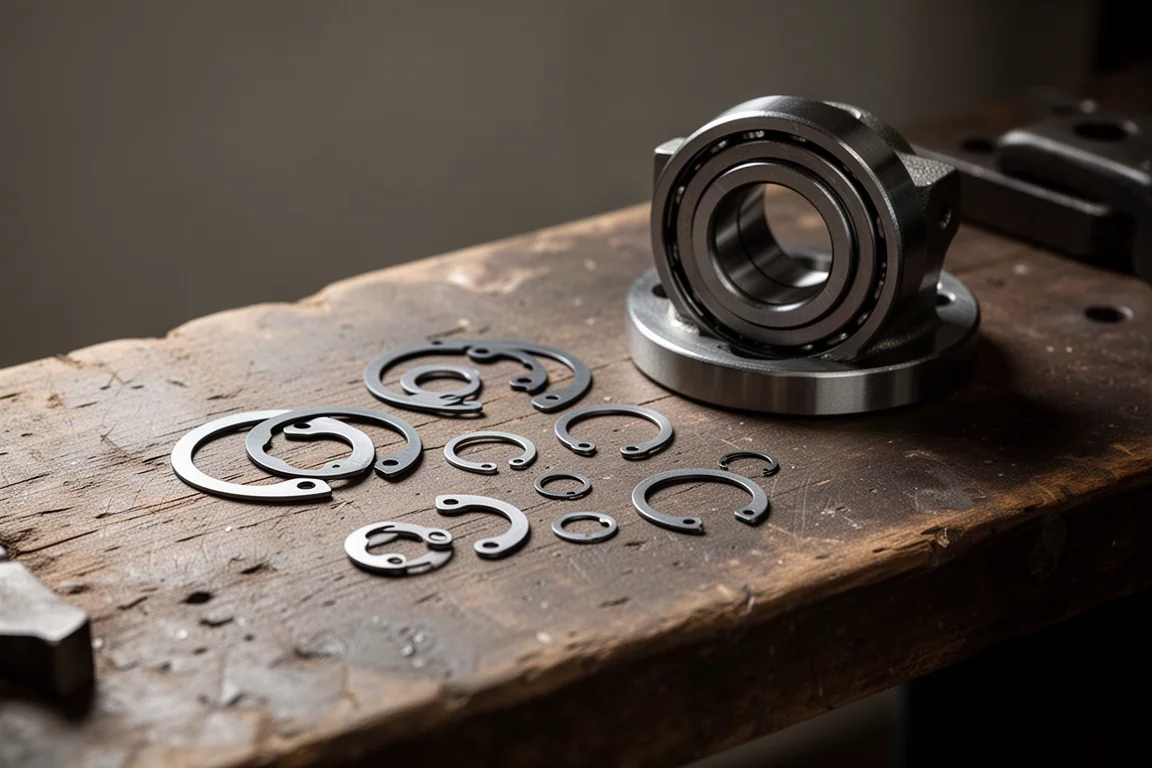
For serious daily use, a premium single-purpose set with hardened, USA-made tips and much finer 0.047 tips remains the better tool. For occasional work and a backup in the drawer, the math heavily favors the Pittsburgh, while the Klein makes sense if you want the better handle and one tidy tool.
Conclusion
The Klein 73066 and Pittsburgh 63845 are very similar tools separated mostly by handle quality, frame thickness, and price. The Pittsburgh matches the Klein’s tip sizes, adds a thinner 0.047 straight head the Klein lacks, and costs a fraction as much. The Klein is the nicer tool to hold and use, but whether that is worth five times the price depends entirely on how often you reach for snap ring pliers.
Further reading
Related Reviews
Hand Tools
Best Diagonal Cutters 2026: 16 Pliers Tested for Cutting Power and Durability
We put 16 diagonal cutters through nail, screw, drill bit, and hex key tests to find the best value picks for your toolbox.
Hand Tools
Best Hex L Key Sets 2026: Nine Sets Tested for Real-World Torque
Nine hex L key sets from budget to premium, tested for torque, fit, and durability. See which sets deliver real performance and which ones to skip.
Hand Tools
Best Locking Pliers 2026: Top Picks Tested for Grip and Durability
We tested 18 brands of 10-inch locking pliers for grip strength, jaw bite, build quality, and ease of release to find the best options for tough jobs.